0%

A Titanium Motorcycle Axle Nut can look like a small upgrade. Its job is not small. It secures a wheel assembly exposed to vibration, weather, and repeated service. The right choice depends on more than color or weight. Buyers should check the motorcycle’s axle dimensions, thread pitch, nut style, and specified torque before comparing products.

For this guide, “Evan Cole” is an illustrative, fictional fastener specialist, not a real source or endorsement. His practical rule is: “A lighter nut is useful only when its fit and installation are right.” Keep that in mind when reviewing the 10 options. Titanium’s lower density may reduce part weight, but it does not make every nut stronger or suitable for every motorcycle. Grade, machining, thread quality, and intended application all matter. Details matter.

A polished finish can hide poor thread engagement. Check clear product specifications, compatible models, material grade, and seller support. Also look for installation guidance that follows the motorcycle manufacturer’s service information. Do not assume a standard steel-nut torque value transfers automatically to titanium hardware; friction and surface treatments can affect tightening. This comparison focuses on practical buyer questions: fit, finish, durability claims, availability, and value across markets. Some listings may leave important details unclear. That deserves scrutiny, not guesswork. The best choice is the one that matches the bike precisely and can be verified before installation.
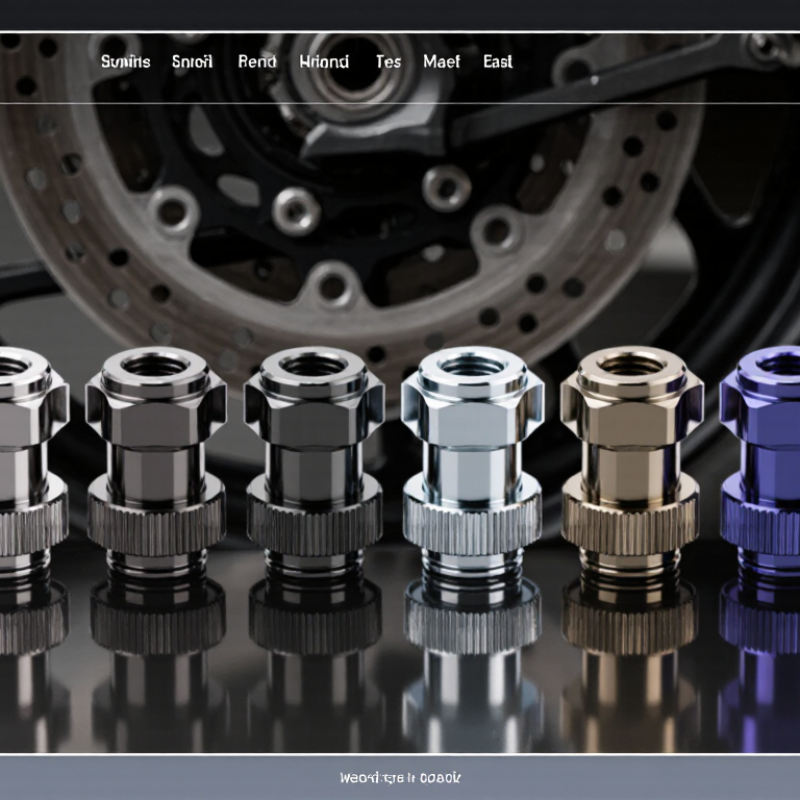
10 Best Titanium Motorcycle Axle Nuts for Global Buyers

What Defines the 10 Best Titanium Motorcycle Axle Nuts for Global Buyers?

A strong titanium motorcycle axle nut is defined by fit, verified material, and dependable machining—not by color or low weight alone. Buyers should check the thread diameter and pitch against the axle, then confirm the nut’s hex size and seating face. A mismatch can damage threads or leave the wheel improperly secured. Fit matters.

Material records also matter. A supplier should identify the titanium grade and provide clear specifications, rather than relying on a “titanium” label. Cleanly cut threads, even seating surfaces, and consistent dimensions are practical signs of careful production. Corrosion resistance is useful in wet or salty conditions, but it does not make every design suitable for every motorcycle.

Installation deserves equal attention. Follow the motorcycle maker’s torque specification, and use lubricant only when the service instructions permit it, since lubrication can change clamping force. Titanium threads may gall under poor assembly conditions. Not always obvious. For global buyers, readable product dimensions, material documentation, and responsive technical support reduce costly guesswork across different markets. A bright finish can be tempting; it is not proof of quality. I would still compare the actual measurements before buying.

Grade 5 Ti-6Al-4V: 4.43 g/cm³ Density and 895 MPa Minimum Tensile Strength

Grade 5 Ti-6Al-4V has a density of 4.43 g/cm³, giving axle nuts a lighter material option than steel. Its minimum tensile strength is 895 MPa, a useful reference when comparing material specifications. These figures describe the alloy, not a guarantee that every finished nut performs identically. Manufacturing method, heat treatment, dimensions, and quality control also matter.

For buyers, check that the stated strength applies to the finished component and its documented material condition. A high tensile-strength figure alone does not confirm suitability for a particular motorcycle. Thread size, pitch, nut shape, and axle design must match the vehicle’s requirements. Small differences matter. Verify fit against reliable service information before installation.

Titanium can also gall, or seize, against mating threads, especially when surfaces are dry or damaged. Clean threads and use only a lubricant approved for the application; lubricant can change clamping force at a given torque. Do not automatically reuse a steel-nut torque value. Follow the motorcycle manufacturer’s guidance, and have a qualified mechanic check installation if specifications are unclear. I would not assume a lighter nut is automatically a safer upgrade.

10 Best Titanium Motorcycle Axle Nuts for Global Buyers - Grade 5 Ti-6Al-4V: 4.43 g/cm³ Density and 895 MPa Minimum Tensile Strength Size-focused buyer’s guide. Rankings are a practical comparison, not a verified market-sales ranking.
No. Thread Configuration Typical Pitch Example Wrench Size (Across Flats) Common Nut Style Grade 5 Material Reference Buyer Fitment Check
1 M12 1.25 mm or 1.5 mm 19 mm Flanged or hex Ti-6Al-4V; density 4.43 g/cm³; minimum tensile strength 895 MPa Confirm the axle’s exact pitch and whether the original nut uses a flange or washer.
2 M14 1.5 mm 22 mm Flanged or hex Ti-6Al-4V; density 4.43 g/cm³; minimum tensile strength 895 MPa Check thread pitch, nut height, and clearance around the fork or swingarm.
3 M16 1.5 mm 24 mm Flanged, hex, or locking style Ti-6Al-4V; density 4.43 g/cm³; minimum tensile strength 895 MPa Verify the required locking method and ensure the nut provides adequate thread engagement.
4 M18 1.5 mm 27 mm Hex or flanged Ti-6Al-4V; density 4.43 g/cm³; minimum tensile strength 895 MPa Compare the original nut’s height and seating face; similar thread diameter alone does not confirm fit.
5 M20 1.5 mm 30 mm Hex, flanged, or castellated where specified Ti-6Al-4V; density 4.43 g/cm³; minimum tensile strength 895 MPa For a castellated or cotter-pin arrangement, match the axle’s retention design exactly.
6 M22 1.5 mm 32 mm Hex or flanged Ti-6Al-4V; density 4.43 g/cm³; minimum tensile strength 895 MPa Check the manufacturer’s service manual for thread direction, torque, and any specified locking feature.
7 M24 1.5 mm or 2.0 mm 36 mm Hex or flanged Ti-6Al-4V; density 4.43 g/cm³; minimum tensile strength 895 MPa Do not assume pitch from diameter; confirm it with the original part or a thread gauge.
8 M25 1.5 mm Typically application-specific Hex or flanged Ti-6Al-4V; density 4.43 g/cm³; minimum tensile strength 895 MPa A less-common size; confirm availability, across-flats dimension, and exact axle application before ordering.
9 M26 1.5 mm Typically application-specific Hex or flanged Ti-6Al-4V; density 4.43 g/cm³; minimum tensile strength 895 MPa Confirm both pitch and nut geometry; wrench size can vary with the original equipment design.
10 M30 1.5 mm or 2.0 mm Typically application-specific Heavy hex or flanged Ti-6Al-4V; density 4.43 g/cm³; minimum tensile strength 895 MPa Check the service specification, seating surface, thread engagement, and axle-end clearance.

Important: Thread sizes, pitches, and wrench dimensions shown are representative configurations, not universal motorcycle fitments. Confirm the exact axle thread, nut dimensions, retention method, and installation torque from the motorcycle manufacturer’s service information. The stated density and minimum tensile strength are Grade 5 Ti-6Al-4V material reference values; verify the applicable material specification and certification for any specific part.

Check Fitment by Axle Diameter, Thread Pitch, Nut Seat, and OEM Torque

Axle-nut fitment starts with measurement, not appearance. Confirm the axle diameter, then identify the thread pitch with a gauge; a close-looking thread can still cross-thread or loosen. ISO 261 defines metric thread dimensions, but the motorcycle’s service manual remains the fitment authority. Check the nut’s seat, too: a flat face, flange, or tapered seat must match the axle and washer arrangement. Small differences matter.

Torque is model-specific. Use the OEM value and its stated conditions, including whether threads should be dry or lubricated. NASA’s Fastener Design Manual, RP-1228, explains that torque only estimates clamping force; friction affects the result. Do not transfer a steel-nut torque figure to a titanium nut without verified guidance. After installation, check that the nut seats fully and that no threads bind. A caliper reading alone can fool you. Recheck your measurements against the manual before ordering; I would not treat a seller’s “universal fit” label as proof.

Compare 10 Options by Titanium Grade, Finish, Fitment, and Documentation

Compare ten axle-nut options by alloy grade, finish, fitment, and paperwork—not appearance alone. Include commercially pure Grade 2 and stronger Grade 5 candidates, with polished, brushed, or colored oxide finishes. Check whether each listing gives thread diameter and pitch, nut height, seat shape, and any locking feature. Small differences matter. Color is not proof of grade.

ASM Handbook, Volume 2, reports Ti-6Al-4V density at about 4.43 g/cm³, a useful material reference rather than proof of a finished nut’s quality. ASTM B348/B348M covers titanium bars and billets; a mill certificate can support raw-material traceability, but it does not verify the finished thread or dimensions. Ask for a lot-linked material certificate and inspection details. Some listings provide less documentation than buyers expect.

Match the nut to the motorcycle’s axle and manufacturer-specified torque procedure. Do not substitute a generic torque figure: finish, lubrication, and thread condition affect clamping behavior. Compare the ten candidates using the same checklist, and confirm fitment against the actual axle measurements. I would treat vague “universal” claims cautiously; they are convenient, but rarely enough for a reliable purchase.

10 Best Titanium Motorcycle Axle Nuts for Global Buyers

Compare 10 generic sourcing profiles by titanium grade, finish, fitment, and documentation.

Each bar represents whether a profile explicitly specifies that item: titanium grade, surface finish, fitment details (such as thread size and pitch), or supporting material documentation. These are illustrative checklist profiles, not verified products or a market ranking. Confirm the motorcycle’s exact axle specifications and required fastener properties before purchase.

Global Quality Checks: ASTM B348 Material Records and Lot Traceability

For global buyers, a titanium axle nut’s quality record should begin with the material, not end with a supplier’s product description. When the nut is machined from bar stock, request the mill test certificate and check whether the documented grade and product form align with the purchase specification and applicable ASTM B348 requirements. Confirm the heat or lot number, chemical analysis, and reported mechanical properties. Keep the certificate tied to the actual shipment.

Traceability matters. The heat number on a certificate should connect to the stock, machining batch, inspection record, and packing documents. Ask how identification is preserved when bars are cut into smaller blanks; a small tag or traveler sheet can prevent a costly mix-up. Check that certificates are legible and that quantities, dates, and material descriptions agree across records. Small discrepancies deserve questions.

ASTM B348 material documentation supports verification of titanium stock, but it does not, by itself, prove that a finished axle nut meets every dimensional or performance requirement. Request separate inspection evidence for thread dimensions, critical geometry, and any specified testing. A paper trail can still be incomplete, even when it looks tidy. I would also verify the standard edition named in the order, since assumptions about revisions are easy to miss. Keep records with the lot through receiving and installation; that makes a later quality review far more practical.

FAQS

What makes a titanium motorcycle axle nut dependable?

Correct thread diameter and pitch, suitable hex size, and an even seating face matter. A bright finish proves little. Check the measurements.

How can buyers confirm the material?

Request a mill test certificate showing the titanium grade, chemical analysis, and mechanical properties. Match its details to the purchase specification. Paperwork can still be incomplete.

What should lot traceability include?

The heat number should connect the material stock to machining, inspection, and packing records. A small tag or traveler sheet helps. Easy to overlook.

Does ASTM B348 documentation prove the finished nut is ready to use?

No. It supports verification of titanium stock, but does not prove finished dimensions or performance. Ask for separate inspection records.

Which dimensions should buyers check before ordering?

Compare the thread diameter and pitch with the axle. Confirm the hex size and seating face, too. A mismatch may damage threads or leave the wheel insecure.

What inspection details are useful?

Look for clean threads, even seating surfaces, and consistent dimensions. Request evidence for critical geometry and any specified testing. I would verify the numbers myself.

How should the nut be installed?

Follow the motorcycle maker’s torque specification. Use lubricant only when service instructions allow it, because lubrication can change clamping force. Small detail, big effect.

Why should material records stay with the shipment?

Keep certificates and inspection records tied to the lot through receiving and installation. They make later quality reviews more practical. I might still miss a discrepancy, so compare dates and quantities.

Conclusion

Choosing the 10 best titanium motorcycle axle nuts for global buyers starts with material quality and accurate fitment. Grade 5 Ti-6Al-4V is a common choice, with a density of about 4.43 g/cm³ and a minimum tensile strength of 895 MPa. These properties can help buyers compare strength and weight, but the right Titanium Motorcycle Axle Nut must also match the motorcycle’s axle diameter, thread pitch, and nut seat. Installation should follow the motorcycle manufacturer’s specified torque rather than a general estimate.

A useful comparison considers titanium grade, surface finish, fitment details, and supporting documentation for each option. Buyers should look for material records referencing ASTM B348 and clear lot traceability, which help verify what the product is made from and connect it to its production batch. Reviewing these details together makes it easier to assess quality, compatibility, and documentation before making a purchase.

Ethan

Ethan

Ethan is a professional marketing specialist with extensive experience in developing clear, informative, and customer-focused content for innovative product-driven businesses. As a key contributor to the company’s communications team, he combines market insight, product knowledge, and practical......