Blog
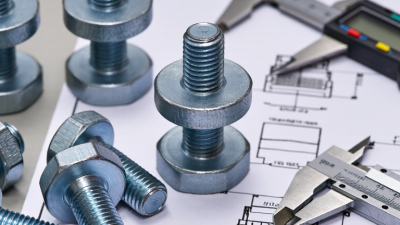
How to Choose Titanium Hex Flange Bolts in 2026
Choosing Titanium Hex Flange Bolts in 2026 means balancing strength, corrosion resistance, weight, and installation needs. Titanium is not a universal upgrade. The right choice depends on the joint, operating environment, and approved design requirements. Boeing’s 2024 Commercial Market Outlook projects demand for 43,975 new airplanes over the next 20 years. That forecast is not a fastener-demand estimate, but it highlights the importance of dependable components in demanding industries. Details matter.
Start with the alloy and its verified material documentation. Check the specified grade, thread size, flange diameter, bolt length, and required mechanical properties against the assembly drawing. Standards such as ASTM B348 address titanium and titanium-alloy bar and billet materials; they should not be treated as a substitute for fastener-specific requirements or inspection. For marine, chemical, or aerospace applications, confirm that the selected bolt suits the actual exposure and service temperature. A broad “corrosion-resistant” label is not enough.
Installation deserves equal attention. Titanium threads can gall, especially when dry or over-tightened. Follow the equipment maker’s torque guidance, and use only approved lubrication or anti-seize products. The flange spreads load across a wider bearing area, but it does not correct a poorly matched joint. Compare supplier certificates, dimensional checks, and traceability before purchase. A low price may hide a mismatch. That is easy to overlook. This guide explains how to assess Titanium Hex Flange Bolts with practical checks, so buyers can make a defensible choice without assuming that every titanium bolt performs alike.
Read more »
 By:Ethan
- November 7, 2026
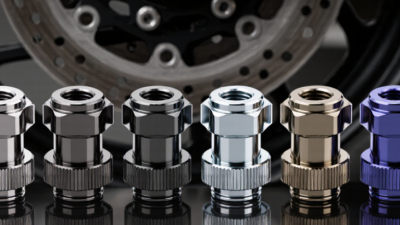
10 Best Titanium Motorcycle Axle Nuts for Global Buyers
A Titanium Motorcycle Axle Nut can look like a small upgrade. Its job is not small. It secures a wheel assembly exposed to vibration, weather, and repeated service. The right choice depends on more than color or weight. Buyers should check the motorcycle’s axle dimensions, thread pitch, nut style, and specified torque before comparing products.
For this guide, “Evan Cole” is an illustrative, fictional fastener specialist, not a real source or endorsement. His practical rule is: “A lighter nut is useful only when its fit and installation are right.” Keep that in mind when reviewing the 10 options. Titanium’s lower density may reduce part weight, but it does not make every nut stronger or suitable for every motorcycle. Grade, machining, thread quality, and intended application all matter. Details matter.
A polished finish can hide poor thread engagement. Check clear product specifications, compatible models, material grade, and seller support. Also look for installation guidance that follows the motorcycle manufacturer’s service information. Do not assume a standard steel-nut torque value transfers automatically to titanium hardware; friction and surface treatments can affect tightening. This comparison focuses on practical buyer questions: fit, finish, durability claims, availability, and value across markets. Some listings may leave important details unclear. That deserves scrutiny, not guesswork. The best choice is the one that matches the bike precisely and can be verified before installation.
Read more »
By:Ethan
- November 2, 2026
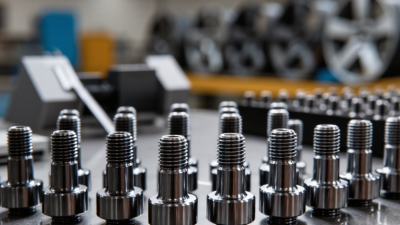
2026 Top Automotive Wheel Hub Screws Suppliers
The 2026 automotive supply chain will demand more than competitive pricing. It will demand verified performance, stable production, and transparent sourcing. Automotive Wheel Hub Screws are small components, yet they secure critical wheel and hub connections under vibration, torque, heat, and corrosion.
The International Organization of Motor Vehicle Manufacturers reported approximately 92.5 million vehicles produced worldwide in 2024. That production volume shows the scale of demand for consistent fasteners and dependable supplier networks. However, vehicle output alone does not identify the best supplier. Material certificates, dimensional controls, coating performance, and batch traceability require closer evaluation. Quality is measurable.
Relevant standards include ISO 898-1 for mechanical properties of carbon and alloy steel fasteners. IATF 16949 also remains an important quality framework for automotive manufacturing. Suppliers should demonstrate process capability, laboratory testing, corrective-action discipline, and documented change control. A polished catalogue is not enough. Factory evidence matters.
This 2026 supplier review will examine manufacturers through product quality, production capacity, export experience, customization, lead times, and technical support. It will also consider evidence from recognized industry sources, including OICA production statistics, IATF requirements, and applicable UNECE vehicle safety regulations. These references improve reliability, although they cannot replace an on-site audit or sample validation.
No ranking is perfect. A supplier may appear strong on paper but struggle with urgent replenishment or tooling changes. Buyers should compare torque consistency, thread accuracy, corrosion resistance, and delivery records before signing contracts. Small parts carry large risks. The following overview aims to help purchasing teams identify capable Automotive Wheel Hub Screws suppliers for safer and more resilient vehicle production.
Read more »
 By:Amelia
- October 28, 2026
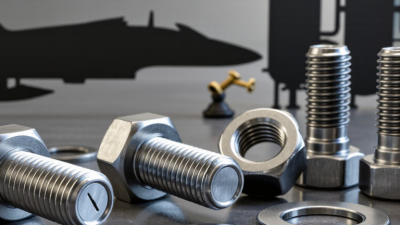
What Are Titanium Fasteners and What Are They Used For?
Titanium Fasteners are engineered connectors made from titanium alloys, often chosen where low weight, corrosion resistance, and dependable strength matter. They appear in aircraft frames, marine equipment, chemical-processing systems, racing components, and selected medical devices. A titanium bolt may look ordinary, yet its performance depends on alloy grade, heat treatment, thread design, and installation control.
Materials engineer Matthew J. Donachie Jr., author of Titanium: A Technical Guide, stated, “Titanium earns its place when its performance justifies its cost.” This principle remains practical. Titanium fasteners cost more than steel alternatives, but they can reduce weight and resist saltwater, moisture, and many aggressive chemicals. Grade 5 titanium, also called Ti-6Al-4V, is widely used because it balances strength, weight, and availability. Commercially pure grades offer different advantages, including strong corrosion resistance.
The material is not perfect. Titanium can gall when threads rub under pressure, especially during dry installation. Technicians often use suitable lubricants, controlled torque, and compatible nuts to reduce that risk. Small details matter. A poorly selected washer can damage the joint or distort the load path. Engineers must also consider galvanic interaction with aluminum and other metals.
This guide explains what Titanium Fasteners are, how they work, and where they provide real value. It also examines their limitations, installation practices, common grades, and purchasing considerations. The most expensive option is not always the best one. Good engineering begins with the service environment, not the material’s reputation.
Read more »
By:Ethan
- October 23, 2026
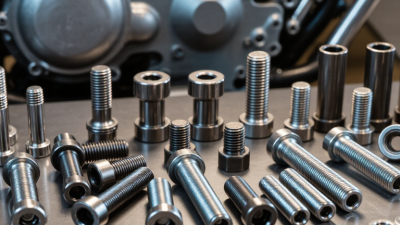
How to Choose the Right Motorcycle Modification Screws?
Choosing the right Motorcycle Modification Screws is a small decision with serious mechanical consequences. A polished fastener may look impressive, yet appearance cannot confirm strength, fit, or long-term safety. Motorcycle Industry Council reports continue to show strong interest in motorcycle ownership and customization, increasing demand for reliable replacement and upgrade components. At the same time, Grand View Research identifies corrosion resistance, material performance, and standardized manufacturing as important factors in the broader industrial fasteners market.
The selection process should begin with thread diameter, pitch, length, and head style. A screw that feels “almost right” is not right. Check the motorcycle manufacturer’s service manual before replacing any structural or safety-related fastener. ISO 898-1 provides useful guidance for mechanical properties of carbon-steel fasteners, while ASTM F593 covers several stainless-steel fastener requirements. These standards do not automatically make every screw suitable for every motorcycle.
Material choice matters in real conditions. Stainless steel can resist road spray, but some grades may gall during installation. Titanium is lightweight and corrosion-resistant, but its cost and lower stiffness can make it unsuitable for certain high-load locations. Aluminum screws are attractive and light. They are also easier to damage.
Torque matters too. Use a calibrated torque wrench, clean mating threads, and follow the specified tightening value. Thread-locking compound may help, but it should never replace correct thread engagement. Experienced technicians also inspect washers, spacers, and contact surfaces, because a perfect screw can still fail in a poor assembly.
The difficult part is resisting visual judgment. Motorcycle Modification Screws should be selected through measurements, standards, load requirements, and careful inspection—not personal preference alone. Mistakes happen, even in experienced workshops.
Read more »
By:Ethan
- October 23, 2026
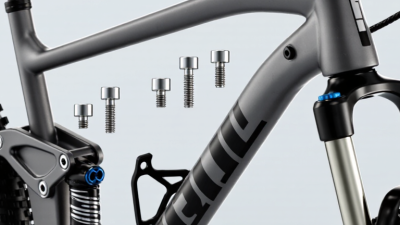
Why Choose Titanium Bicycle Screws for Your Bike?
Why Choose Titanium Bicycle Screws for Your Bike?
For many cyclists, small hardware deserves more attention than it receives. Titanium Bicycle Screws offer a practical balance of low weight, corrosion resistance, and dependable strength. They can replace heavier steel screws on bottle cages, stems, brake fittings, and derailleur accessories. The difference may feel tiny in your hand. Across several components, however, every gram can support a cleaner, more responsive build.
Lennard Zinn, a respected bicycle engineer and technical author, describes titanium as “strong, light, and corrosion-resistant.” That simple observation explains its popularity among experienced mechanics and performance-focused riders. Titanium does not rust like ordinary steel. It also keeps its appearance after wet commutes, salty roads, and repeated washing. Still, it is not magic. Titanium screws can gall when threads are installed dry, and their lower stiffness may not suit every high-load application. Use the correct grade, torque setting, and anti-seize compound. Follow the component manufacturer’s instructions.
A careful upgrade matters.
My own practical view is more cautious. Titanium Bicycle Screws make sense when weight, durability, and appearance matter together. They are less convincing when replacing structural fasteners without checking specifications. A shiny screw cannot compensate for poor installation. Riders should inspect threads, use a calibrated torque wrench, and avoid mixing unsuitable materials. The best choice depends on the bicycle, riding conditions, and maintenance habits. In other words, titanium can be excellent, but only when selected with discipline.
Read more »
By:Ethan
- October 23, 2026
