0%

Choosing Titanium Hex Flange Bolts in 2026 means balancing strength, corrosion resistance, weight, and installation needs. Titanium is not a universal upgrade. The right choice depends on the joint, operating environment, and approved design requirements. Boeing’s 2024 Commercial Market Outlook projects demand for 43,975 new airplanes over the next 20 years. That forecast is not a fastener-demand estimate, but it highlights the importance of dependable components in demanding industries. Details matter.

Start with the alloy and its verified material documentation. Check the specified grade, thread size, flange diameter, bolt length, and required mechanical properties against the assembly drawing. Standards such as ASTM B348 address titanium and titanium-alloy bar and billet materials; they should not be treated as a substitute for fastener-specific requirements or inspection. For marine, chemical, or aerospace applications, confirm that the selected bolt suits the actual exposure and service temperature. A broad “corrosion-resistant” label is not enough.

Installation deserves equal attention. Titanium threads can gall, especially when dry or over-tightened. Follow the equipment maker’s torque guidance, and use only approved lubrication or anti-seize products. The flange spreads load across a wider bearing area, but it does not correct a poorly matched joint. Compare supplier certificates, dimensional checks, and traceability before purchase. A low price may hide a mismatch. That is easy to overlook. This guide explains how to assess Titanium Hex Flange Bolts with practical checks, so buyers can make a defensible choice without assuming that every titanium bolt performs alike.
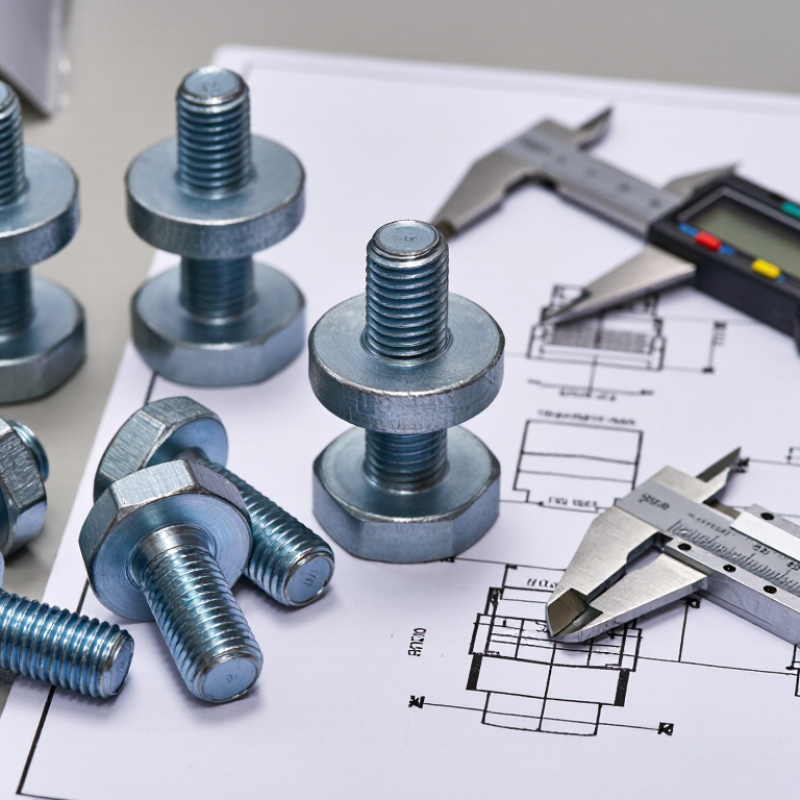
How to Choose Titanium Hex Flange Bolts in 2026

Identify the Application and Loads for a Titanium Hex Flange Bolt

How to Choose Titanium Hex Flange Bolts in 2026

Identify the application before selecting a titanium hex flange bolt. A marine enclosure, aircraft panel, and lightweight machine bracket face different loads and environments. Note the expected tensile force, shear, vibration, temperature, and exposure to moisture or chemicals. Include the required clamp load; a bolt that survives direct force may still loosen under repeated vibration.

Check the joint materials and contact area. The integrated flange spreads pressure across a wider surface, but it cannot fix a soft or uneven mating face. Titanium alloys differ in strength and corrosion behavior, so confirm the grade against the application’s design requirements. Titanium is less stiff than steel, which can affect joint movement. A detail that is easy to miss. For critical joints, have a qualified engineer verify stress, fatigue, and preload rather than relying on bolt diameter alone.

Tips: Avoid choosing torque from a generic chart. Friction changes with surface finish and lubrication, affecting clamp load. Titanium threads can gall, too. Use a compatible lubricant or coating specified for the joint, and validate the tightening method on a sample assembly. It may take testing.

Compare Titanium Grades, Strength, and Corrosion Resistance

Choosing titanium hex flange bolts starts with the service environment, not the alloy label. In 2026, compare the specified grade, heat treatment, and mechanical-property requirements before selecting a fastener. Grade 2 commercially pure titanium offers useful corrosion resistance and formability, but it is not the right choice for every highly loaded joint. Grade 5, or Ti-6Al-4V, provides much higher strength at low weight. Check the product’s certified properties; grade alone does not confirm a bolt’s finished strength.

For saltwater exposure, Grade 2 performs well in many conditions, while Grade 5 is common where strength matters. Neither is immune to every corrosion problem. Stagnant seawater, tight crevices beneath a flange, or contact with dissimilar metals can change performance. Grade 7, with palladium added, may suit certain reducing chemical environments, but confirm compatibility with the actual fluid and temperature. Details matter.

Flange faces spread clamp load, yet installation still needs care. Titanium threads can gall, especially when dry or repeatedly tightened. Use a compatible lubricant where permitted, and follow the supplier’s torque guidance; friction changes preload. A datasheet can look reassuring. Real assemblies are less tidy. Check thread engagement, mating materials, and whether the bolt’s strength matches the joint—not just the expected corrosion resistance.

Choose Bolt Dimensions, Thread Fit, and Flange Design

When choosing titanium hex flange bolts in 2026, start with the joint drawing, not the bolt bin. Confirm the nominal diameter, thread pitch, and length measured from beneath the head. Then check the grip: the unthreaded shank should suit the clamped material, rather than leaving excess threads across a shear plane. Measure twice. A few millimeters can change how the joint seats.

Thread fit deserves a hands-on check. Match the bolt’s thread standard and pitch to the tapped hole or nut; similar-looking threads are not always compatible. Start the bolt by hand and stop if it binds. For critical assemblies, use a thread gauge and verify the specified engagement depth. Titanium can gall under friction, so follow the fastener supplier’s torque guidance and use only a lubricant approved for the application. Torque values can shift with surface condition.

The flange acts as a built-in bearing surface, spreading load across more area than a plain hex head. Choose a smooth flange when the mating surface needs protection, or a serrated design only when its grip will not mark or damage that surface. Check flange diameter against nearby edges, washers, and tools. A detail that is easy to overlook: paint, soft coatings, or uneven surfaces can affect seating. The drawing may not show every real-world wrinkle.

Check Standards, Compatibility, and Installation Requirements

Choosing titanium hex flange bolts starts with the drawing, not the alloy label. Confirm thread diameter, pitch, flange diameter, grip length, and clearance. Small mismatches matter. A flange can spread load, but it cannot fix a weak or uneven joint. Specify the titanium grade, condition, and traceable material certificate. Match them to operating temperature, corrosion exposure, and required strength. Use a dimensional standard only when its scope fits. ISO 4162 covers certain hexagon-flange bolt dimensions, not every titanium grade. Check mating nut and washer materials too. Titanium-to-titanium contact may gall.

Installation deserves equal scrutiny. NASA’s Fastener Design Manual, RP-1228, expresses torque as T = KDF, where K reflects friction, D is nominal diameter, and F is preload. With K and D fixed, a 10% torque increase implies about 10% more preload. Real friction variation can upset that estimate. Do not copy a steel-bolt torque table. Set a controlled procedure using verified lubrication, clean threads, and calibrated tools. Validate it on representative joints, and check flange seating and thread engagement. Keep records. That sounds fussy, but rework is worse. Coatings can change friction, so test the actual finish and lubricant combination before production.

Evaluate Suppliers, Traceability, and Total Cost in 2026

In 2026, choosing titanium hex flange bolts means looking beyond the quoted price. Ask suppliers for the exact alloy grade, dimensional tolerances, and intended service conditions. Request sample bolts and inspect the flange face, threads, and head dimensions against your drawing. A polished finish proves little by itself. Ask how the supplier controls production changes and handles rejected parts. Clear answers matter.

Traceability should connect each shipment to its material and inspection records. Check that lot markings match the paperwork, and confirm certificates identify the specified alloy and relevant test results. Keep these records with the purchase order and inspection notes. If a bolt fails later, a vague batch reference can make the cause difficult to establish. For critical assemblies, consider independent testing or a documented incoming inspection plan.

Compare total cost, not just unit cost. Include freight, sampling, inspection time, expected scrap, and the cost of delayed assembly. Titanium fasteners can also gall during installation, so verify the installation method and any lubricant’s compatibility with the joint. A small trial order may reveal fit or handling problems before a larger release. It takes time, and the first estimate may still miss something. Revisit it after real installation feedback.

FAQS

How should I choose between Grade 2 and Grade 5 titanium bolts?

Choose based on the joint load and service environment. Grade 2 offers useful corrosion resistance and formability. Grade 5 provides higher strength at low weight. Check certified properties; the grade name alone is not enough.

Are titanium bolts suitable for saltwater environments?

Grade 2 performs well in many saltwater conditions, and Grade 5 is common where strength matters. Stagnant water, flange crevices, and contact with other metals can affect performance. Details matter.

When might Grade 7 be appropriate?

Grade 7 may suit certain reducing chemical environments. Confirm compatibility with the actual fluid and temperature before selecting it. The label is not a complete answer.

How do I confirm bolt dimensions and thread fit?

Match the diameter, thread pitch, and length to the joint drawing. Measure length from beneath the head. Check shank grip and thread engagement. Measure twice.

What should I check before tightening titanium threads?

Start the bolt by hand and stop if it binds. Titanium threads can gall, especially when dry or reused. Use only an approved lubricant and follow supplier torque guidance. Friction changes preload.

How do I select a flange design?

A smooth flange can protect the mating surface. Serrations may improve grip but can mark soft coatings. Check flange clearance around edges, washers, and tools. Small details matter.

What supplier records should I request?

Request the exact alloy grade, dimensional tolerances, and material certificates. Match lot markings to shipment records. For critical assemblies, consider independent testing or documented incoming inspection. Paperwork can still be incomplete.

How should I compare supplier costs?

Include freight, sampling, inspection time, scrap, and possible assembly delays. A small trial order may reveal fit problems. The first estimate may miss something; revisit it after installation.

Conclusion

Choosing Titanium Hex Flange Bolts in 2026 starts with understanding the application, expected loads, operating temperature, and exposure to moisture or chemicals. These factors help determine the appropriate titanium grade, balancing strength, corrosion resistance, weight, and cost. Next, select bolt diameter, length, thread fit, and flange style to suit the joint and distribute clamping pressure effectively. Confirm that the fastener dimensions and material are compatible with the mating components and any applicable engineering standards.

Before installation, review tightening requirements and account for titanium’s distinct friction and galling characteristics; use suitable procedures and compatible components where needed. Evaluate suppliers based on material documentation, traceability, consistent quality, and the availability of clear technical data. Comparing purchase price with service life, maintenance needs, and replacement costs can provide a more useful measure of total value. A careful, application-specific selection supports reliable joints without paying for performance the project does not require.

Ethan

Ethan

Ethan is a professional marketing specialist with extensive experience in developing clear, informative, and customer-focused content for innovative product-driven businesses. As a key contributor to the company’s communications team, he combines market insight, product knowledge, and practical......