Choosing the right Motorcycle Modification Screws is a small decision with serious mechanical consequences. A polished fastener may look impressive, yet appearance cannot confirm strength, fit, or long-term safety. Motorcycle Industry Council reports continue to show strong interest in motorcycle ownership and customization, increasing demand for reliable replacement and upgrade components. At the same time, Grand View Research identifies corrosion resistance, material performance, and standardized manufacturing as important factors in the broader industrial fasteners market.
The selection process should begin with thread diameter, pitch, length, and head style. A screw that feels “almost right” is not right. Check the motorcycle manufacturer’s service manual before replacing any structural or safety-related fastener. ISO 898-1 provides useful guidance for mechanical properties of carbon-steel fasteners, while ASTM F593 covers several stainless-steel fastener requirements. These standards do not automatically make every screw suitable for every motorcycle.
Material choice matters in real conditions. Stainless steel can resist road spray, but some grades may gall during installation. Titanium is lightweight and corrosion-resistant, but its cost and lower stiffness can make it unsuitable for certain high-load locations. Aluminum screws are attractive and light. They are also easier to damage.
Torque matters too. Use a calibrated torque wrench, clean mating threads, and follow the specified tightening value. Thread-locking compound may help, but it should never replace correct thread engagement. Experienced technicians also inspect washers, spacers, and contact surfaces, because a perfect screw can still fail in a poor assembly.
The difficult part is resisting visual judgment. Motorcycle Modification Screws should be selected through measurements, standards, load requirements, and careful inspection—not personal preference alone. Mistakes happen, even in experienced workshops.
Understand the Role of Motorcycle Modification Screws
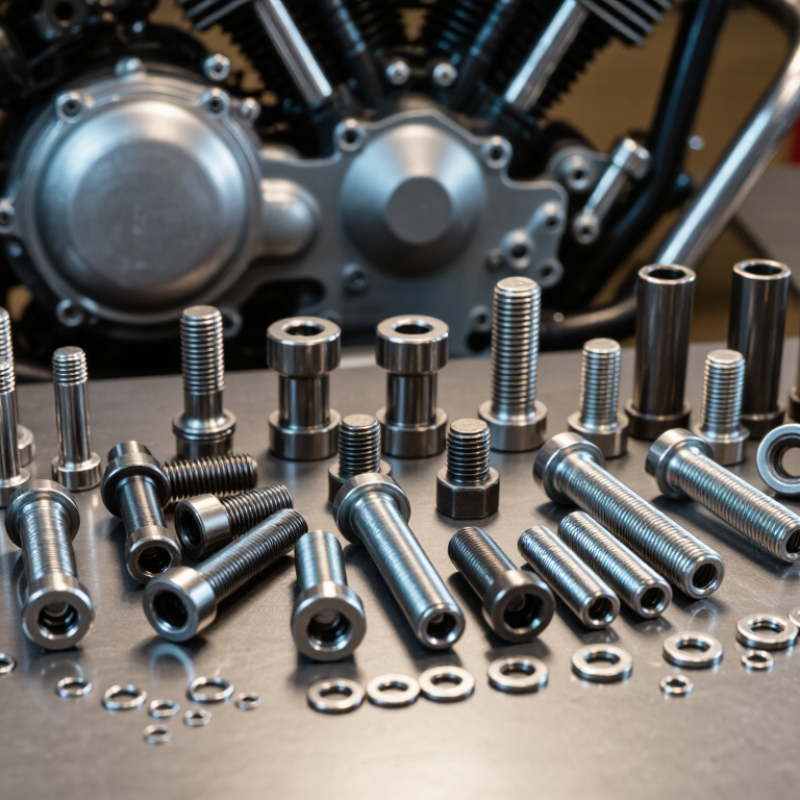
Motorcycle modification screws do more than hold decorative panels in place. They transfer vibration, clamp parts, and help protect alignment around the frame. Choosing them begins with understanding their role, not their appearance. A screw for a light cover may fail when used near a bracket or foot control. Thread size, pitch, length, and head shape must match the mounting point. Measure twice. It prevents expensive errors.
Material matters. Stainless steel resists moisture, while hardened steel can tolerate higher loads when correctly specified. However, a harder screw is not automatically safer. It can damage softer threads or encourage over-tightening. I have seen clean-looking fasteners loosen because washers were missing or contact surfaces were oily.
A small washer can spread pressure across painted metal. Thread-locking compound may help on vibration-prone joints, but it must suit the fastener and service temperature. Keep moving parts clear.
Before installation, inspect the original hole and compare the replacement by hand. The screw should engage smoothly, without forcing. Use a torque wrench when the recommended specification is available. If it is not, avoid guessing aggressively. Test the joint carefully and recheck it after a short ride. That habit is easy to skip. It should not be. Check for new gaps, rubbing, or shiny movement marks. My weak point is focusing on visual symmetry and forgetting hidden load paths. A modification is reliable only when details and function survive vibration.
Identify the Correct Screw Size, Thread, and Material
How to Choose the Right Motorcycle Modification Screws?
A screw that looks correct may still damage a motorcycle part. Measure its diameter, thread pitch, and usable length before ordering replacements. A caliper gives better results than a ruler. For example, a screw may measure 6 mm wide, but its pitch can differ from another 6 mm screw. Match the original thread carefully. Metric and imperial threads are not interchangeable. Check whether the hole is coarse, fine, or self-tapping. Never force a mismatched screw.
Length matters too. The threaded section should engage securely without touching wiring, brake parts, or moving components. Compare the new screw with the old one, including its head shape and shoulder. During workshop checks, I have found that a screw only a few millimeters too long can interfere with a bracket. It seemed harmless at first. I was wrong.
Tips: Choose material according to the riding environment. Stainless steel resists moisture, while high-strength alloy steel suits heavily loaded joints. However, stainless fasteners may gall or react with softer metals. Apply suitable anti-seize only where service guidance allows it. Tighten with a calibrated torque wrench, following the motorcycle’s service specifications. Do not rely on feel alone. Recheck the fit after the first ride, especially when vibration affects accessories or protective panels. A small mistake can become an expensive repair.
Match Screw Types to Different Motorcycle Components
Choosing motorcycle modification screws starts with the component, not the appearance. Fairings and seat brackets usually need lightweight, corrosion-resistant screws with broad washers. Avoid excessive length; a screw that touches wiring or a fuel line creates a hidden risk. The tempting shortcut is using one size everywhere. It often looks tidy, but it ignores load, vibration, and heat.
For brake controls, handlebar clamps, suspension parts, and engine mounts, use certified high-strength fasteners that match the original specification. ISO 898-1 classifies mechanical properties for carbon-steel fasteners, while ISO 3506 covers corrosion-resistant stainless fasteners. Stainless steel is not automatically stronger. Its galling risk also deserves attention during installation. Use the specified torque, clean threads, and inspect for damaged seating surfaces. A torque wrench matters.
Exhaust shields and engine covers face repeated heat cycles, so heat-tolerant fasteners and suitable locking methods are more appropriate. Do not replace a structural screw with a decorative version. NHTSA’s 2022 Traffic Safety Facts reported 6,084 motorcycle rider fatalities in the United States, showing why small hardware choices deserve serious inspection. After a modification, check clearance with the suspension compressed and turn the handlebars fully. Recheck the fasteners after the first ride. I still find this step easy to skip, especially when the modification looks perfect. That is exactly when a second inspection helps.
How to Choose the Right Motorcycle Modification Screws?
Match screw diameter and thread pitch to the motorcycle component before selecting the material and head style.
Typical metric fastener sizes vary by motorcycle design, but fairings and controls commonly use smaller M5–M6 screws, while brake calipers, axle clamps, and other highly loaded components often use M8 fasteners or larger. Always confirm the service manual, thread engagement, strength grade, and tightening torque before installation.
Evaluate Strength, Corrosion Resistance, and Appearance
How to Choose the Right Motorcycle Modification Screws?
Strength, corrosion resistance, and appearance must work together on a modified motorcycle. A visually perfect screw can still fail under vibration. Check its material, diameter, thread engagement, and property class before installation. ISO 898-1 defines mechanical requirements for carbon-steel fasteners, including tensile strength and proof load. For critical joints, ASTM F606/F606M provides recognized testing methods for fastener performance. Do not rely on a harder screw automatically being safer. Excessive hardness can reduce ductility and complicate tightening.
Corrosion deserves equal attention. AMPP’s IMPACT study estimated global corrosion costs at about 3.4% of worldwide economic output. On a motorcycle, road salt, rainwater, and trapped moisture accelerate damage around brackets and exposed threads. Stainless steel can resist rust well, but its strength and galling behavior require careful selection. Use compatible washers and apply controlled torque. Torque values can change with lubrication, coating, and thread condition. Appearance matters, too. Match the finish with nearby parts, but inspect beneath decorative coatings. I sometimes overvalue a clean, polished finish. That choice can age badly after one wet season.
Tips: Measure the old screw before ordering replacements. Confirm thread pitch, length, and required strength. Keep screw heads fully seated. Add a thin anti-seize layer only when the service instructions allow it. Recheck exposed fasteners after the first few rides. Small details matter. Mistakes happen. A written inspection record can reveal patterns that memory misses.
Install and Maintain Modification Screws Safely
How to Choose the Right Motorcycle Modification Screws?
Install and Maintain Modification Screws Safely
Choosing motorcycle modification screws starts with the joint, not appearance.
Match diameter, thread pitch, length, and material to the original specification. A screw that bottoms out can damage threads or leave the bracket loose. Measure exposed thread with a gauge. Check the service manual before ordering. ISO 898-1 strength classes help identify steel fastener performance, but they do not replace motorcycle-specific guidance. Stainless steel resists corrosion, yet its strength and galling behavior can differ.
Install screws on clean, dry contact surfaces unless the manual specifies lubricant or threadlocker. Use a calibrated torque wrench and the stated torque value. Do not guess from “tight enough.” Tighten gradually, using the correct sequence for clamps or paired brackets. Keep wiring, brake lines, and moving parts clear.
Safety Context
NHTSA’s 2022 Traffic Safety Facts report says motorcyclists were about 28 times more likely to die in crashes per vehicle mile. The Insurance Institute for Highway Safety recorded 6,084 motorcyclist deaths in 2022. These figures are not about screws, but they show why small installation errors deserve attention.
After the first short ride, inspect every modified joint for looseness, witness marks, corrosion, or thread damage. Recheck after heat cycles and vibration, especially near the engine or exhaust. Replace distorted, stretched, or heavily corroded fasteners. Do not save a questionable screw.
I have learned that visual checks can miss gradual loosening. A paint mark across the screw head and bracket makes movement easier to spot. Record the torque and inspection date. This feels excessive. It is still useful.
FAQS
Choose lightweight, corrosion-resistant screws with broad washers. Avoid excessive length near wiring, fuel lines, and moving parts. Measure the original screw first.
Use certified high-strength fasteners matching the original specification. Check diameter, thread pitch, length, and property class. Appearance cannot replace strength.
No. Stainless steel resists corrosion well, but strength varies. It may also gall during tightening. Clean threads and use controlled torque.
Road salt, rainwater, and trapped moisture attack exposed threads. Use suitable corrosion-resistant materials and compatible washers. Inspect hidden contact areas, not only polished heads.
Use heat-tolerant fasteners and suitable locking methods. Repeated heat cycles can loosen unsuitable hardware. Decorative screws should never replace structural fasteners.
A long screw may touch wiring, fuel lines, or internal parts. Keep full thread engagement without bottoming out. Measure twice.
Torque controls clamping force and helps prevent loosening or damage. Lubrication, coatings, and thread condition can change the required value. Use a torque wrench.
Compress the suspension and turn the handlebars fully. Check clearance around cables, hoses, and bodywork. Recheck fasteners after the first ride.
Using one screw size everywhere looks tidy but ignores vibration, load, and heat. I still find this shortcut tempting. It can age badly.
Yes. Record loose screws, corrosion, damaged seats, and retightening dates. A short note can reveal patterns that memory misses. Mistakes happen.
Conclusion
Choosing the right Motorcycle Modification Screws is essential for achieving a secure, durable, and attractive motorcycle upgrade. Start by understanding the role each screw plays, whether it supports body panels, accessories, engine covers, or other components. Carefully confirm the required size, thread type, length, and material before purchasing, as an incorrect fit can cause looseness, damage, or unsafe operation. Different motorcycle parts may require specific screw designs, such as standard, socket-head, countersunk, or flange screws, depending on space and installation needs.
When comparing options, consider tensile strength, vibration resistance, corrosion protection, weight, and appearance. Materials and surface finishes should suit the motorcycle’s riding environment, especially where moisture, dirt, or heat is present. During installation, use the correct tools, avoid overtightening, and follow suitable torque requirements. Regularly inspect the screws for rust, wear, loosening, or thread damage, and replace defective parts promptly. Proper selection, installation, and maintenance help ensure reliable performance and a clean, professional finish.

