Gr5 Ti-6Al-4V
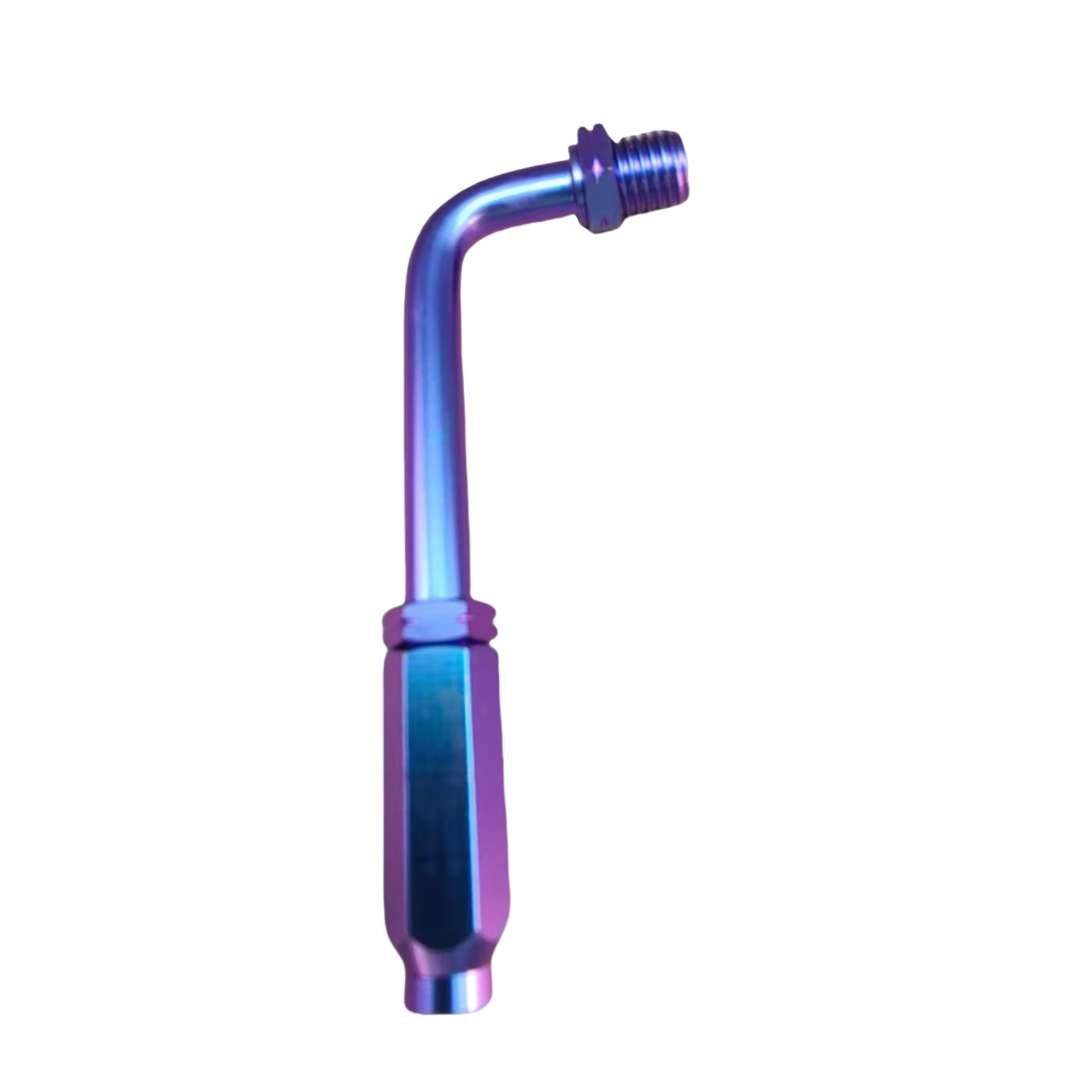
CNC Gr5 Flat Head Titanium Throttle Cable Fittings
Precision multi-axis CNC machined throttle cable unions and refuelling hardware designed for ultra-low frictional resistance.
Engineered specifically for motorsport racing, aerospace structures, and high-corrosion industrial operations. Fully certified with direct mill traceability.
Precision multi-axis CNC machined throttle cable unions and refuelling hardware designed for ultra-low frictional resistance.
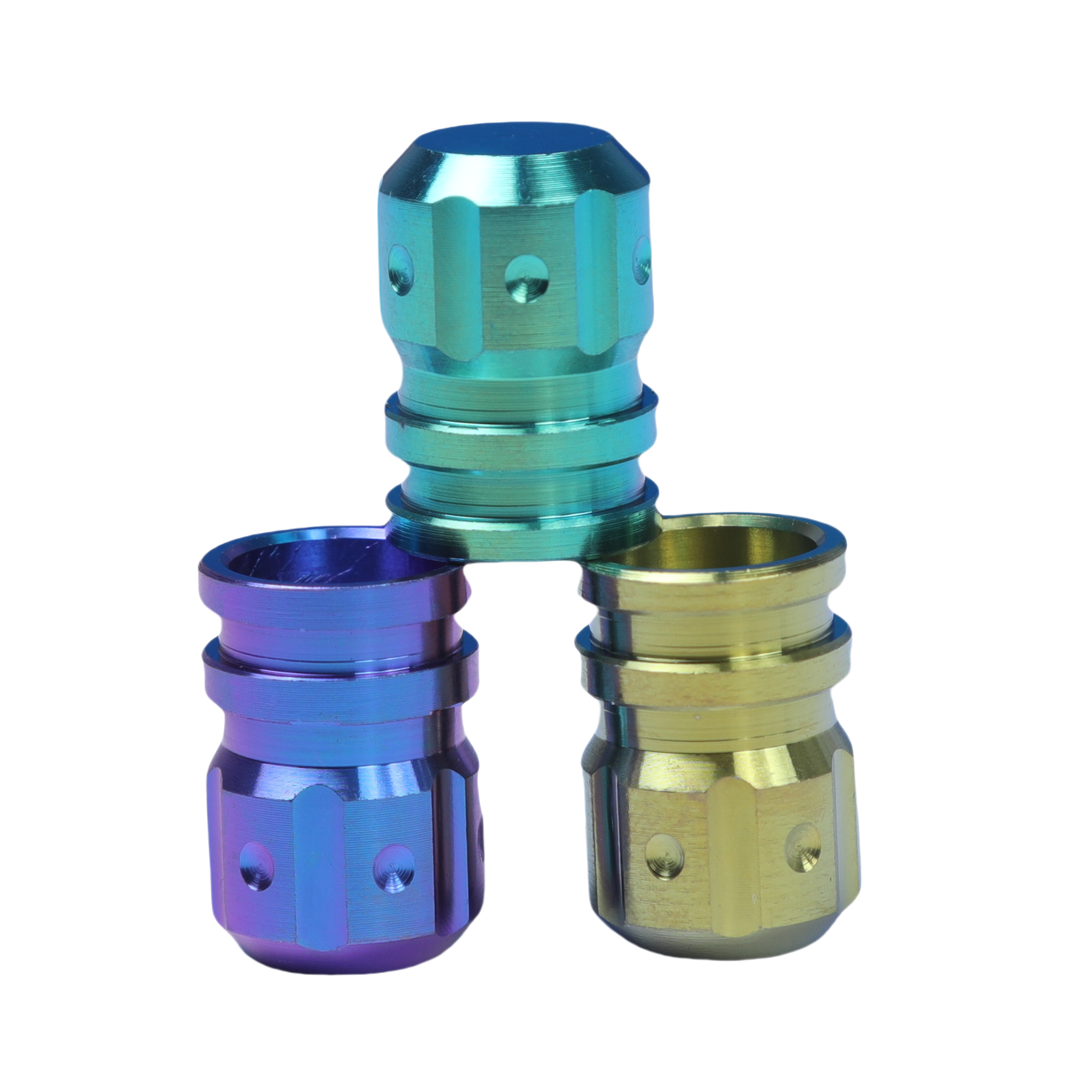
Hermetically sealed internal thread profile resisting extreme atmospheric ozone, water immersion, and environmental salt spray.
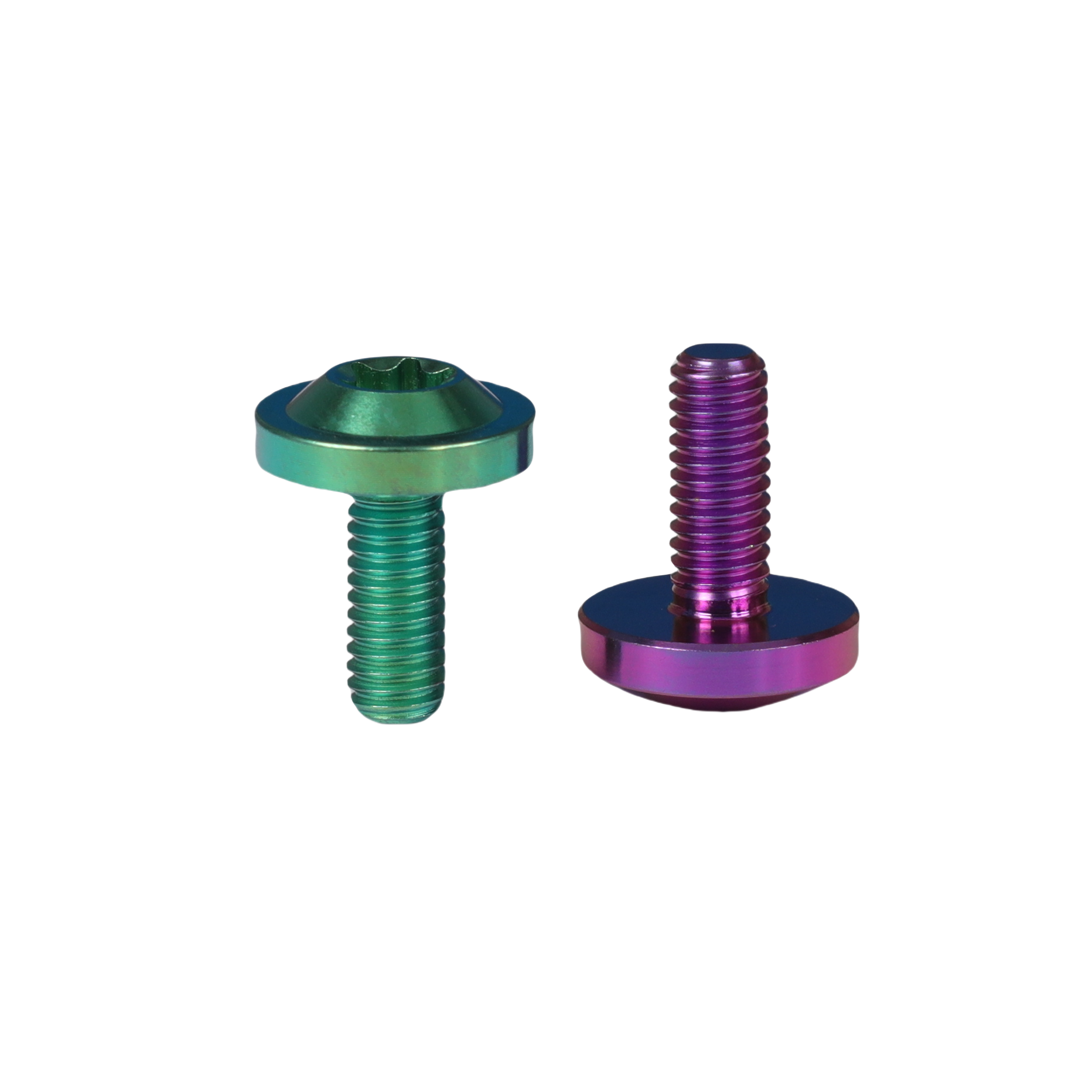
Roll-threaded socket bolts engineered specifically for dynamic torsional loads and extreme thermocycling in engine assemblies.
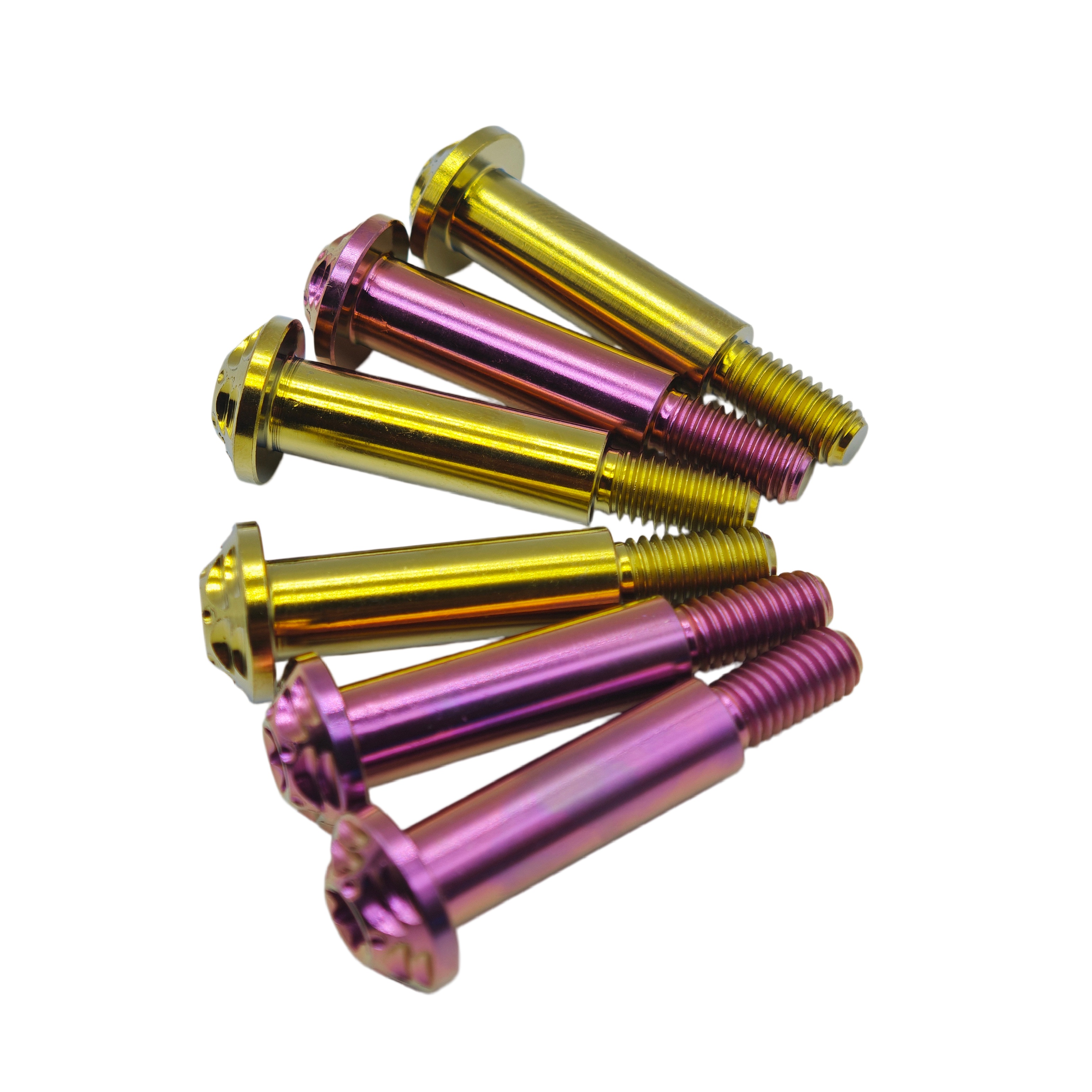
Low-profile aerodynamic pan head profile delivering zero play and high fatigue resistance on hydraulic brake lever mechanisms.
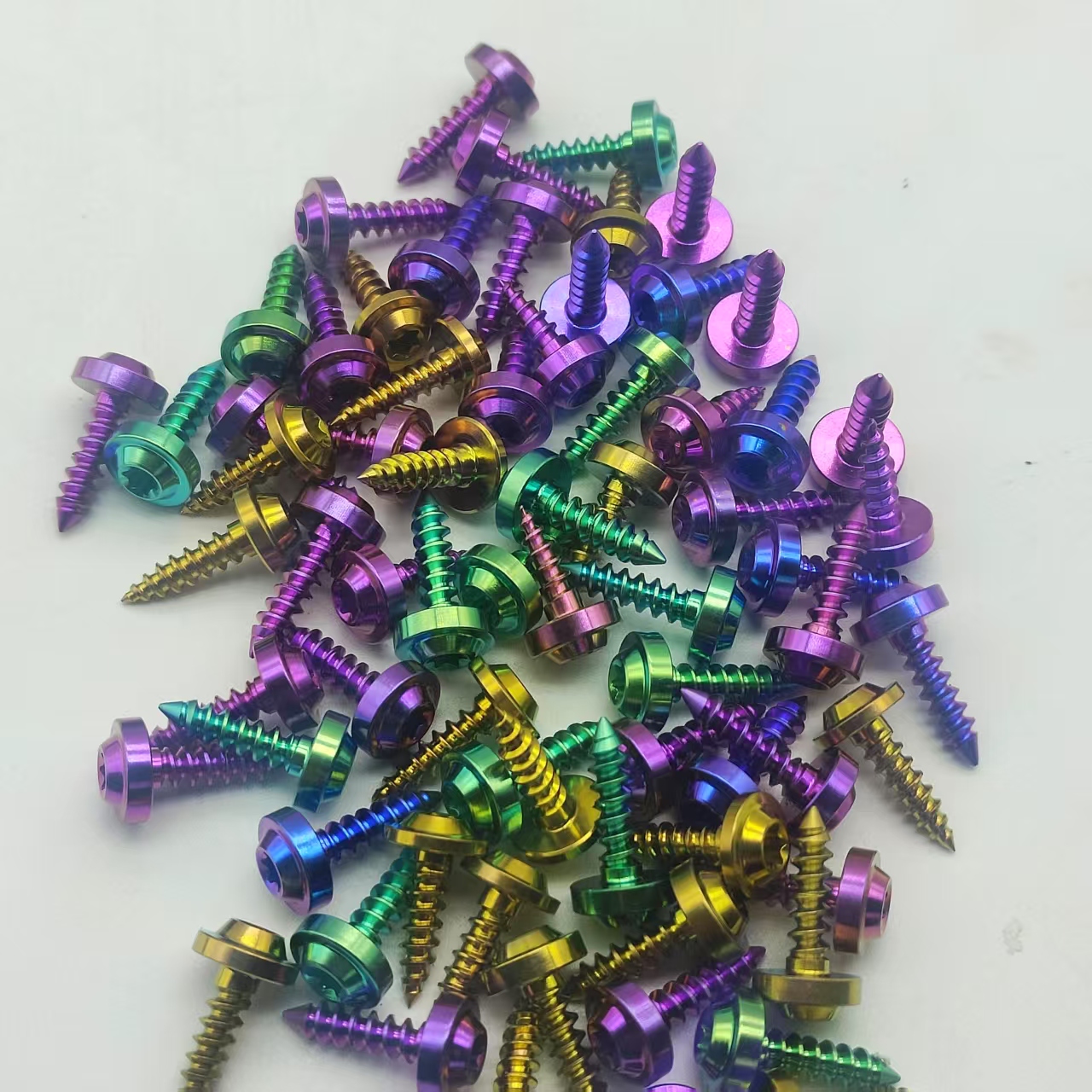
Anti-cam-out Torx star geometry incorporating integrated load-distributing flanges for composite and fairing mounting.
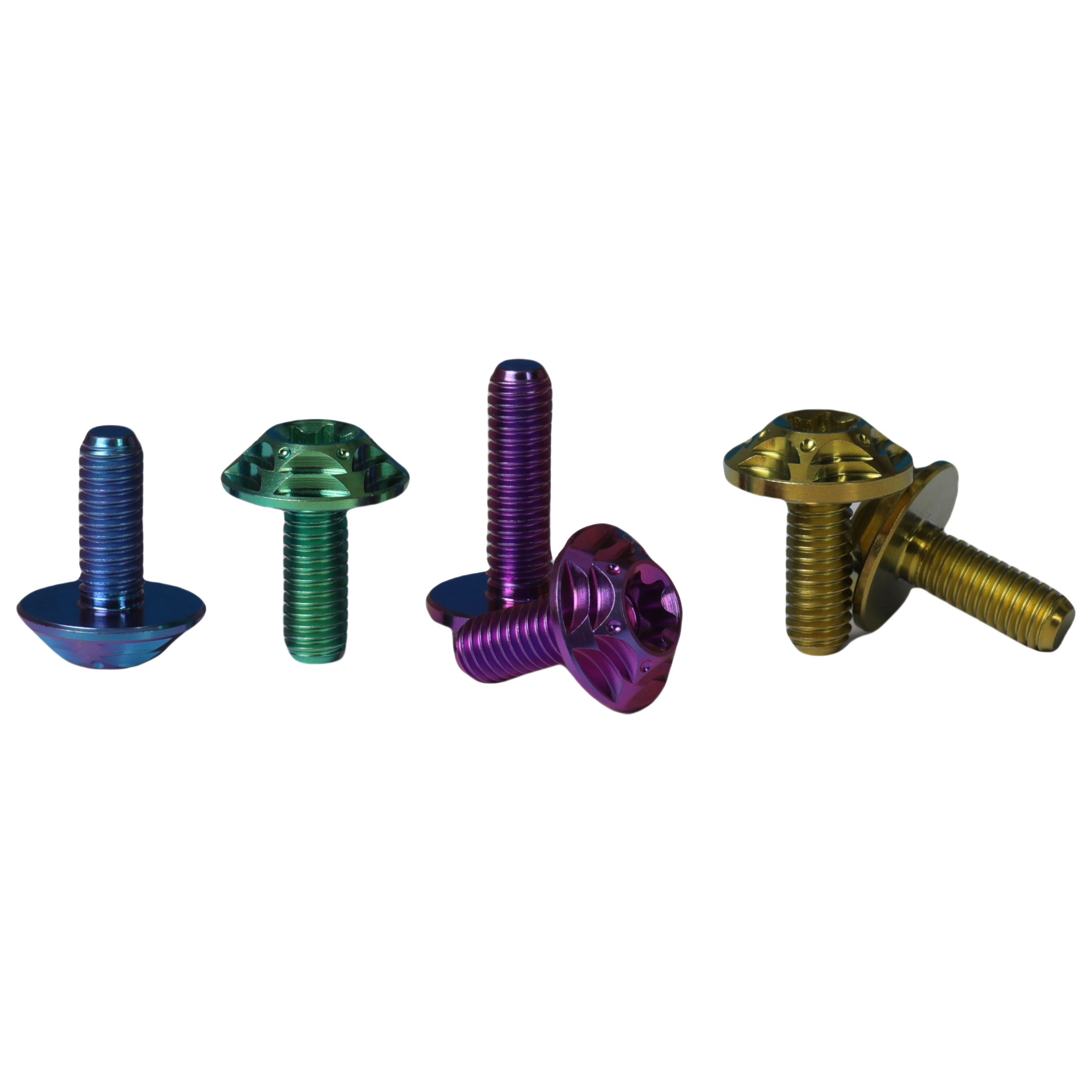
Safety-critical braking fasteners featuring hot-forged heads and precision CNC rolled threads to eliminate shear risks.
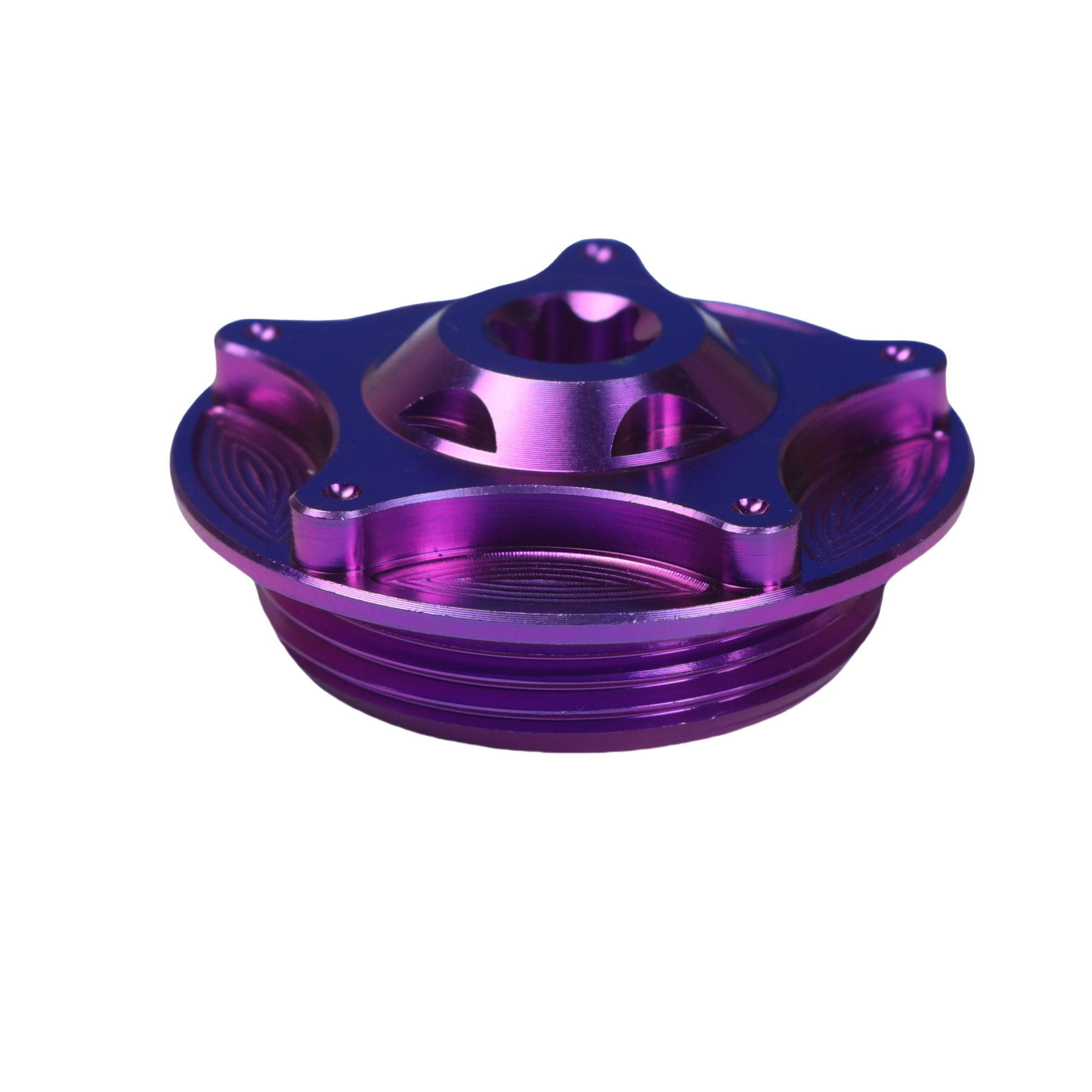
Engineered with high thermal conductivity and pre-drilled safety wire provisions for high-stress professional motorsport tracks.
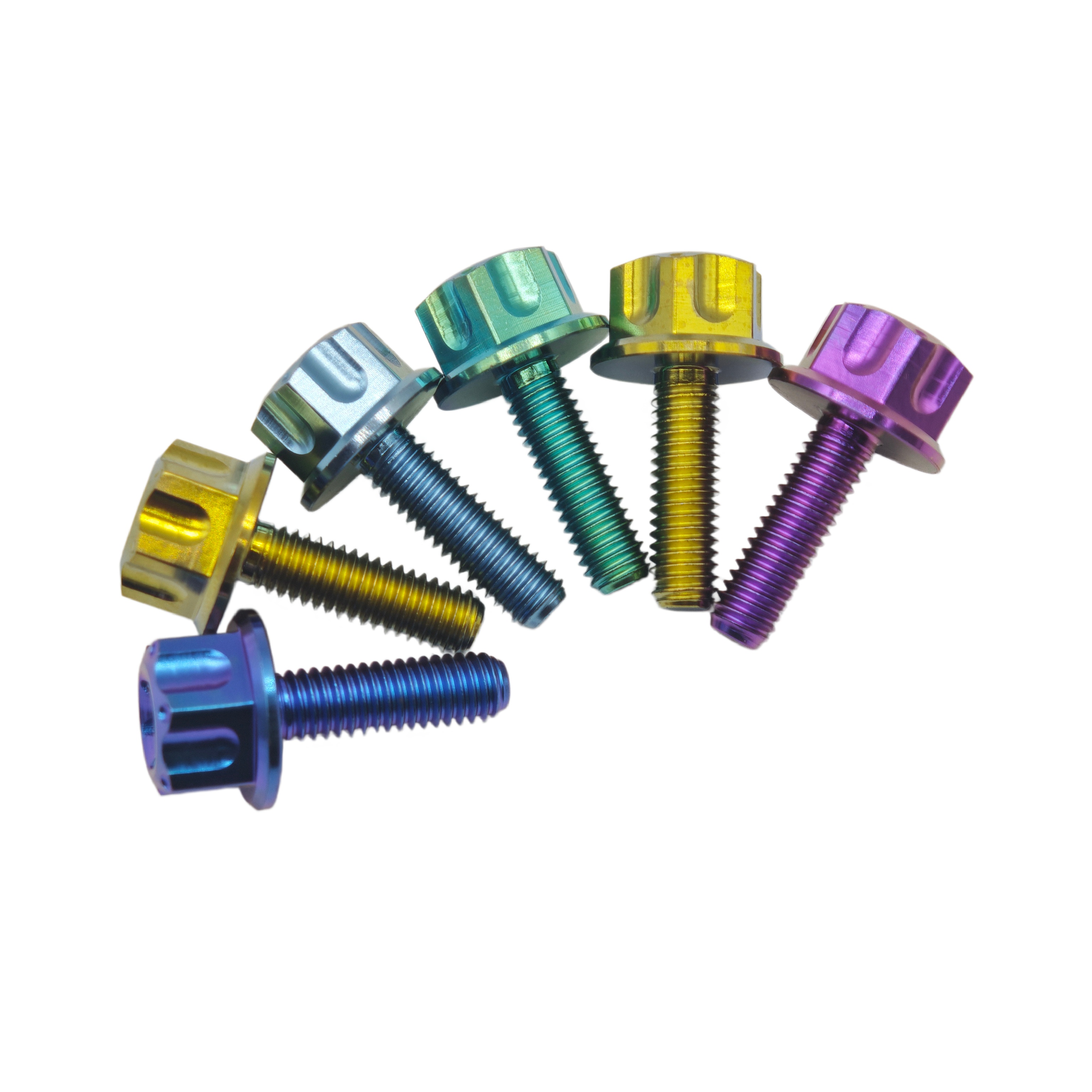
Engineered for lightweight instrumentation and switchgear fastening, combining an external hex with an internal Torx drive.
When selecting a CE certified titanium socket bolt supplier, understanding the underlying grain structure integrity is paramount. Fasteners manufactured exclusively through stock CNC turning cut across the natural metallurgical grain lines of the Grade 5 alloy (Ti-6Al-4V, Werkstoff 3.7165), compromising overall fatigue thresholds at the head-to-shank transition radius.
At Zunvo Titanium Products Co., Ltd., critical structural socket head cap screws (conforming to DIN 912 and ISO 4762 standards) undergo strict temperature-controlled induction heading followed by planetary die thread rolling. This proprietary thermomechanical treatment preserves unbroken grain boundaries along the thread crests, yielding an ultimate tensile resistance exceeding 950 MPa while actively precluding intergranular stress corrosion crack propagation under dynamic cyclic deflection.
Furthermore, our certified titanium socket bolts exhibit absolute chemical neutrality against harsh chloride matrices, aggressive petrochemical solvents, and synthetic hydraulic brake fluids (DOT 4 and DOT 5.1). This intrinsic material stability eliminates the galvanic degradation typically observed in anodized zinc-plated grade 8.8 and 10.9 steel hardware, drastically reducing field maintenance cycles in maritime, chemical processing, and competition racing environments.
| Mechanical Metric | Gr5 Ti-6Al-4V | Grade 10.9 Steel | A4-80 Stainless |
|---|---|---|---|
| Density (g/cm³) | 4.43 | 7.85 | 8.00 |
| Tensile Strength (MPa) | 895 – 1050 | 1040 – 1200 | 800 |
| Yield Strength (MPa) | 828 | 940 | 600 |
| Strength-to-Weight Ratio | 214 kN·m/kg | 132 kN·m/kg | 100 kN·m/kg |
| Salt Spray Life (ASTM B117) | >3,000 hrs | 96 – 240 hrs | ~1,000 hrs |
| Magnetic Permeability | ≤1.00005 (Non-Mag) | Ferromagnetic | 1.005 – 1.015 |
The strategic transition away from traditional heavy alloys is driving profound structural shifts across the global supply chain through 2026 and beyond.
Global EV platforms and premium electric superbikes prioritize unsprung rotating mass reduction to directly optimize battery range, brake heat dissipation, and suspension telemetry responsiveness. Replacing rotating brake disc bolts and axle pins with Gr5 titanium offers up to a 44% direct component mass reduction without sacrificing structural shear thresholds.
Tier-1 automotive systems and subsea marine manufacturers now require auditable supply chains with EN 10204 3.1 chemical inspection certificates tied directly to smelter ingot lot numbers. Suppliers unable to trace titanium sponges from source to final cold-headed form are systematically screened out under tightening EU CE safety directives.
While electrochemical color anodizing remains popular for decorative personalization, industrial-scale buyers increasingly demand Physical Vapor Deposition (PVD) coatings such as Diamond-Like Carbon (DLC) and Titanium Nitride (TiN). These treatments elevate surface hardness above 2500 HV, effectively eliminating galling tendencies under high-torque socket head assembly.
Continuous advancements in multi-axis automation, tooling geometries, and process metallurgy are transforming socket bolt reliability.
Legacy single-spindle processing is being superseded by simultaneous 5-axis synchronized Swiss lathe workflows. By finishing internal Torx/Hex drives, flange profiles, and relief grooves in a single chucking cycle, runout concentricity tolerances are held tightly within ±0.005 mm, completely eliminating socket broaching misalignments.
For geometrically intricate internal hollow structural bolts, wire-arc and laser powder bed fusion (LPBF) are being integrated as precursor near-net preforms. Final thread profiles and sealing faces are then precision ground, enabling internal cooling pathways inside high-stress motorsport turbo and brake fasteners that are impossible to machine via subtractive methods alone.
Modern socket design incorporates advanced FEA simulations directly into the die tooling stages. Under-head fillet radii are engineered with parabolic curve geometry, reducing localized stress concentrations under full clamp tension by up to 28% compared to standard right-angle DIN fastener undercuts.
Operating from the epicentre of China's premier non-ferrous metal industrial base, Zunvo Titanium delivers unparalleled technical and infrastructural benefits.
Operating continuously since 2015 within the Shiling Road Industrial Park, Baoji, Shaanxi, our production complex encompasses 1,000 to 3,000 m² of modern workshops with an experienced technical workforce of 101–200 specialists.
Backed by an onsite verified assessment and an audited track record across North America, Europe, Southeast Asia, and the Middle East, over 66% of our global institutional clients place recurring wholesale volume contracts annually.
With an average customer response turnaround under 7 hours, custom drawing analyses are finalized within 24 hours. Validated CNC samples are fabricated within 3 business days, backed by a comprehensive warehouse stock ready to ship within 24 hours.
Send your CAD blueprints (STEP, IGES, DXF) or OEM part numbers to our engineering desk. Receive comprehensive manufacturability feedback, yield strength calculations, and factory-direct volume pricing.
Get a QuoteAddressing technical parameters, tightening mechanics, and compliance validation for engineering teams and supply chain professionals.
