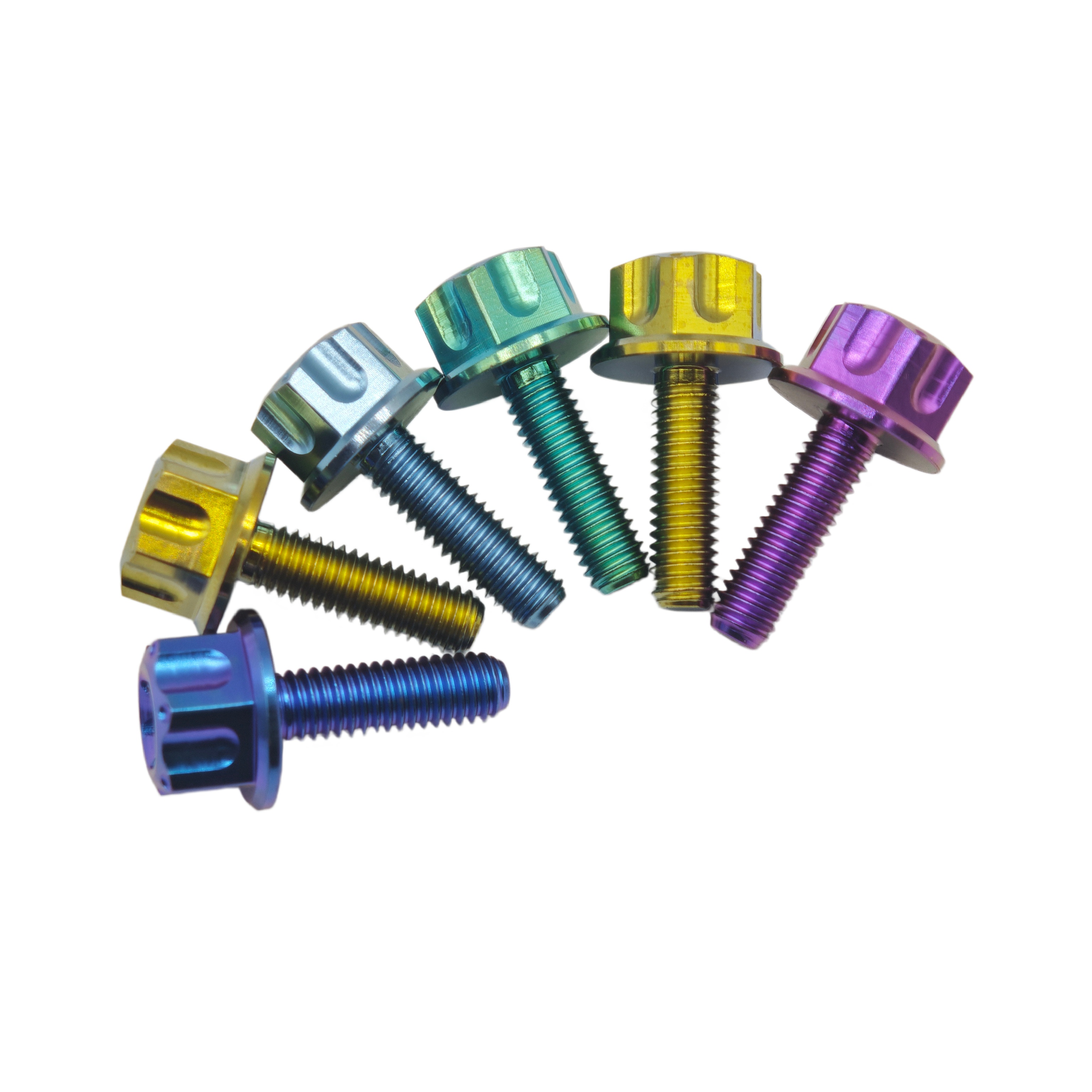
Engineered Titanium M10 & Precision Fastener Portfolio
Direct from Baoji Factory — High-tensile, ultra-lightweight titanium hardware manufactured to DIN, ISO, and custom OEM drawings.
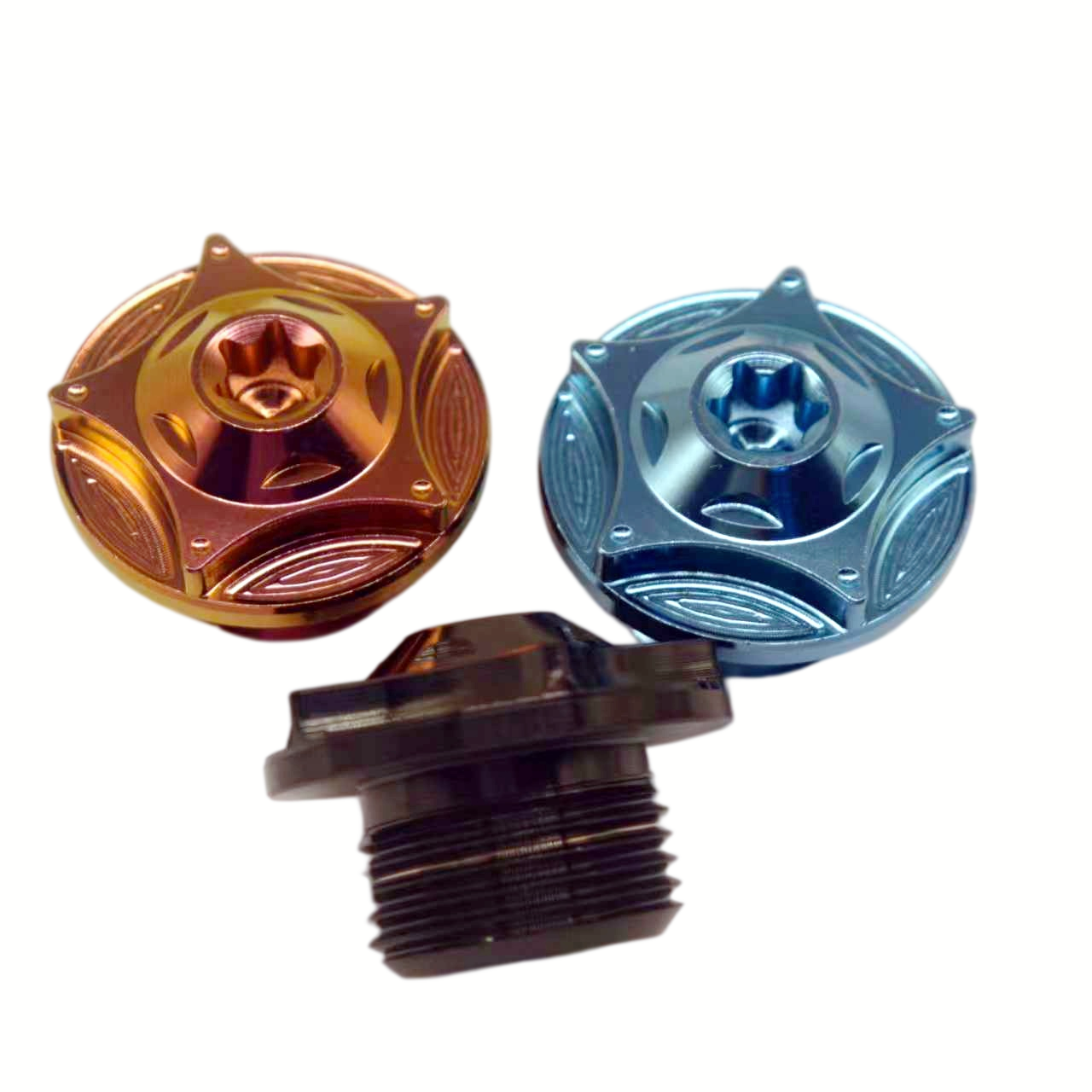
Motorcycle Engine Parts Bolts M14 Titanium Gr5 Oil Drain Plugs & Nuts
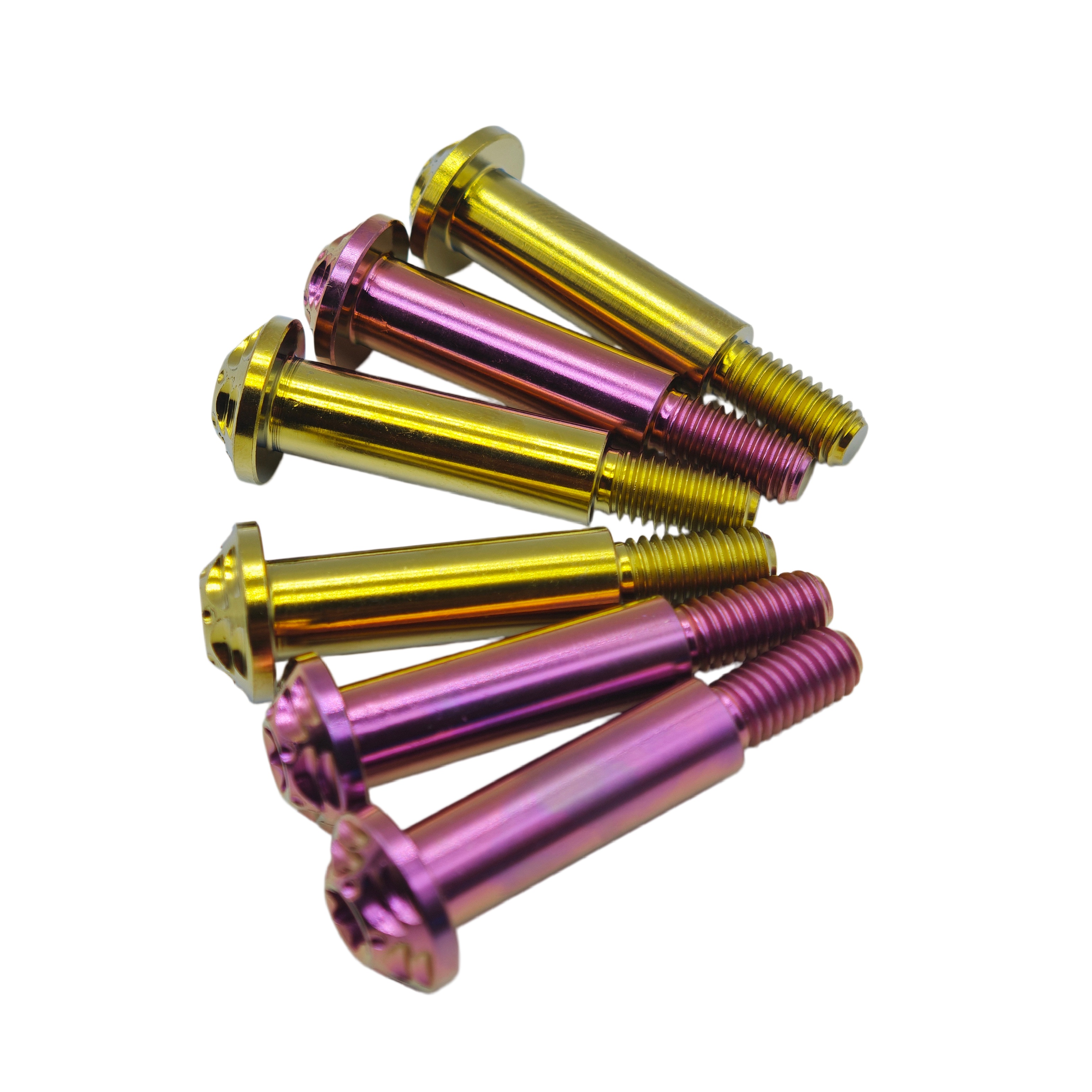
GR5 Titanium Alloy Anodized Pan Head M6 Brake Lever Modification Bolt
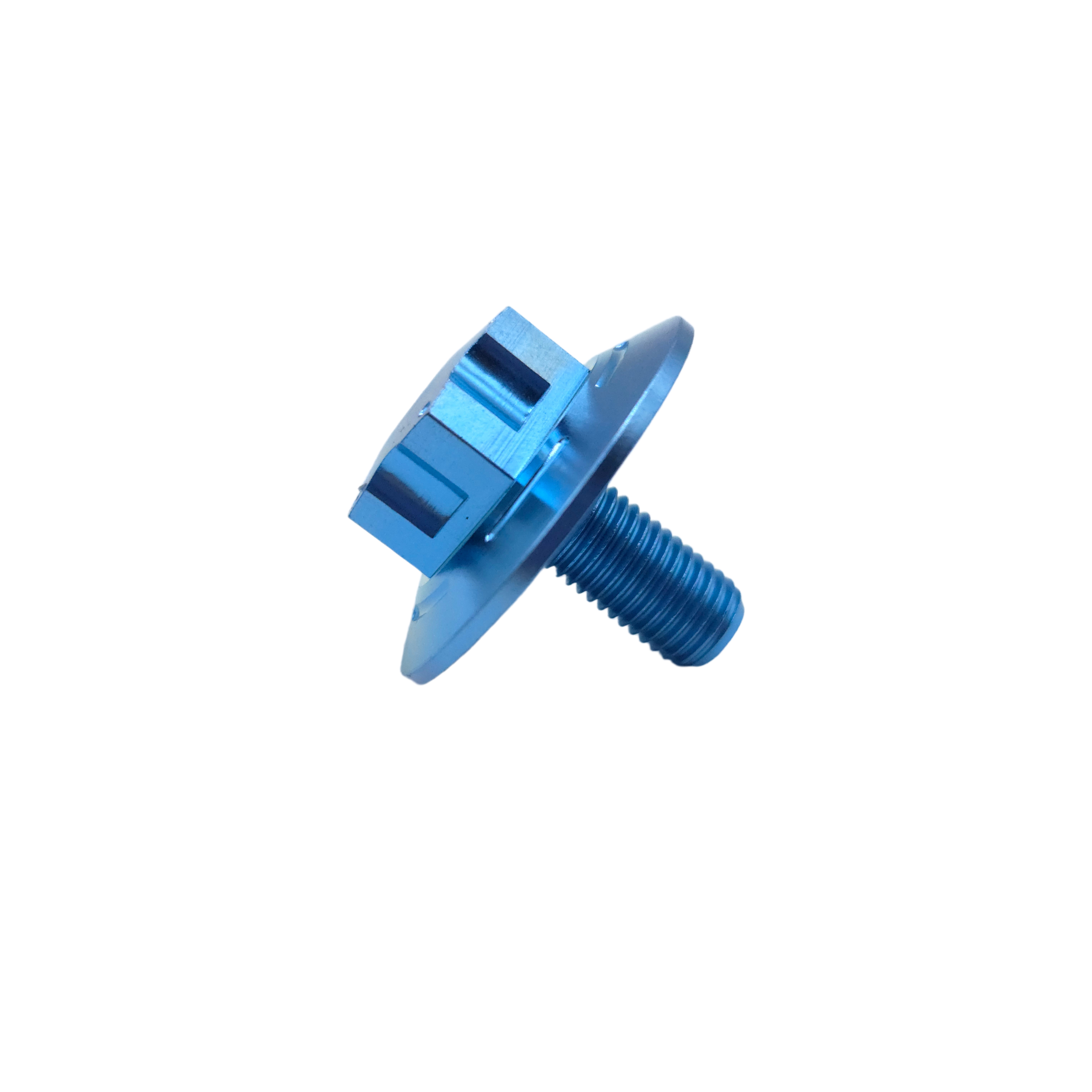
GR5 Titanium Hex Flange Head Bolt M10X20 DIN Standard Polish Finish
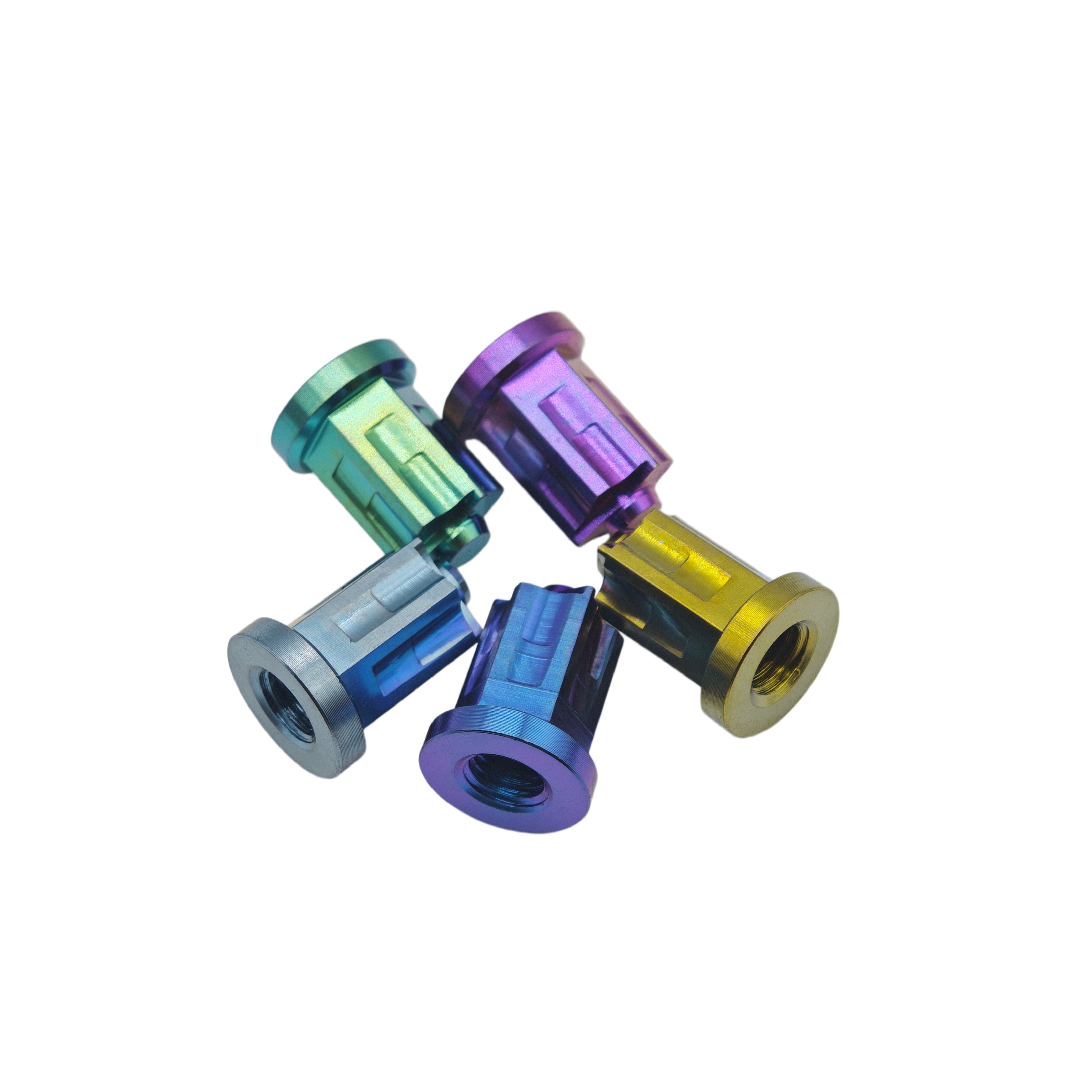
Tecksr Titanium Alloy Hex Head French-Style Closed Flower Nuts Class 10
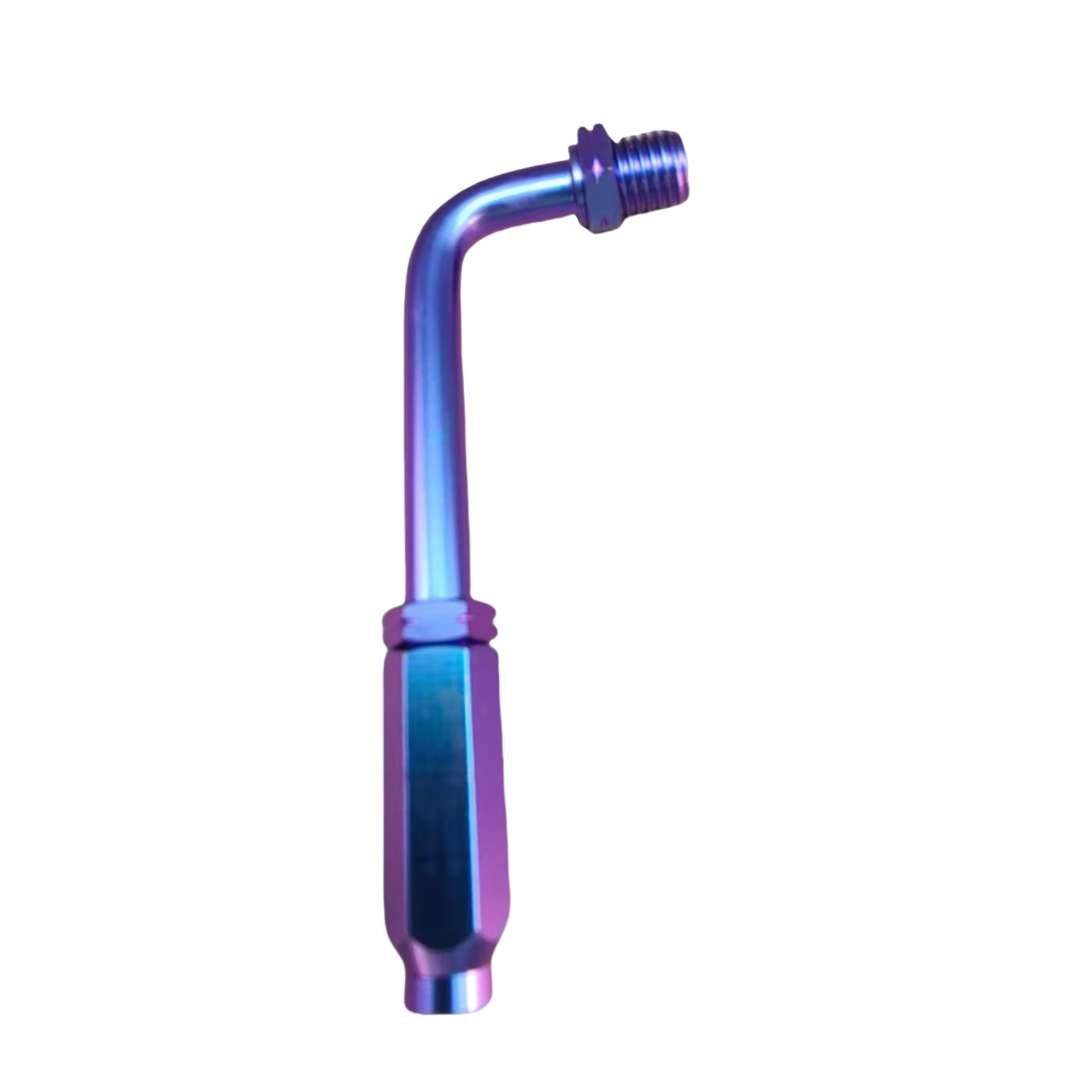
Custom CNC Gr5 Flat Head Titanium Alloy Throttle Line Cable Fittings
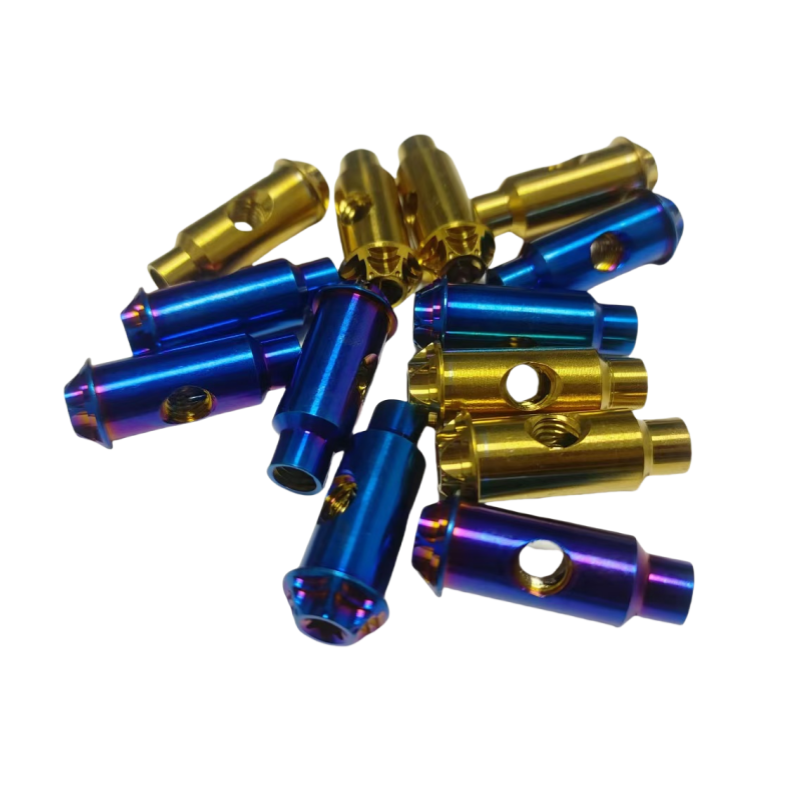
High Performance Gr5 Titanium Cross Dowel Nuts & Knobs Adjuster Bolts
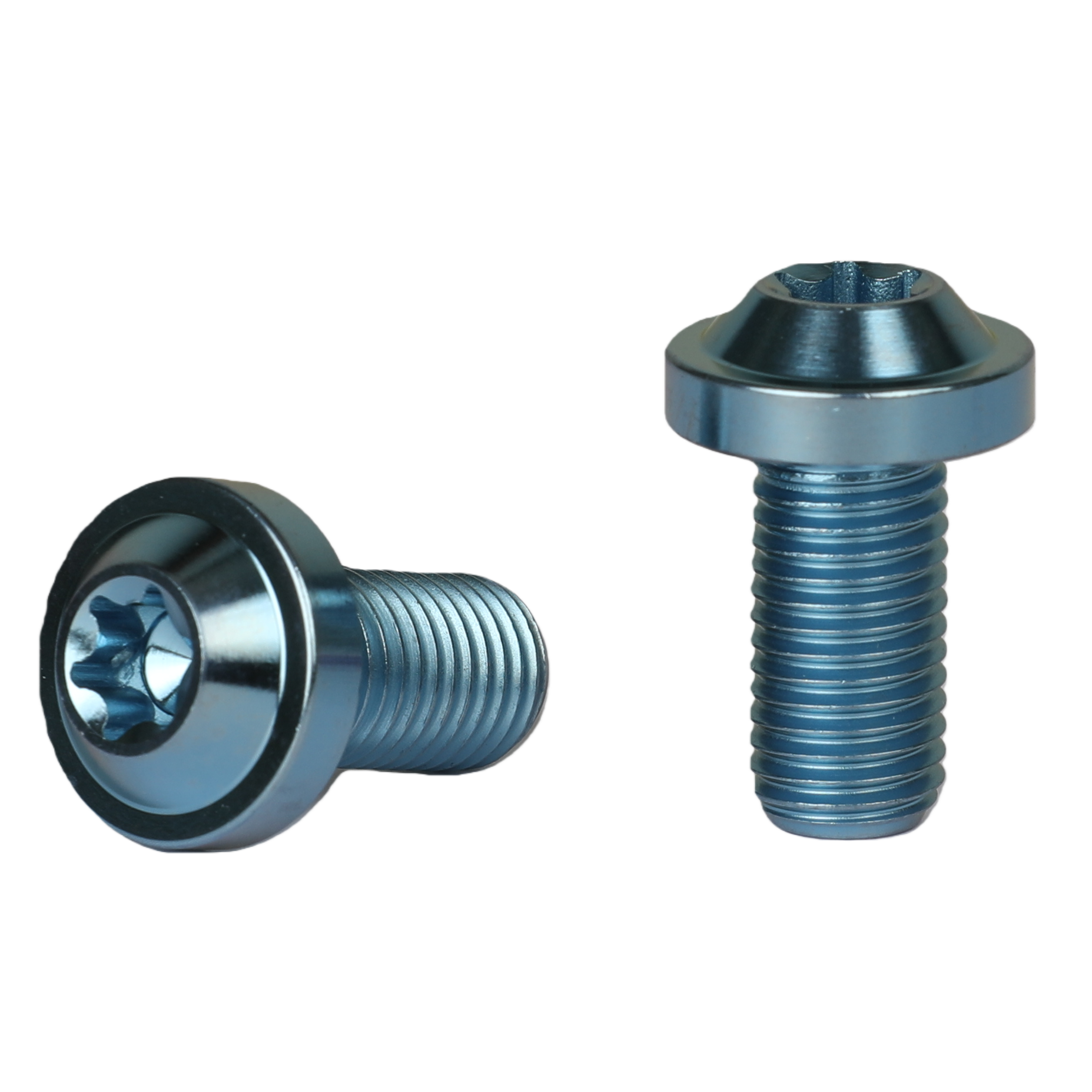
GRX Grade 5 Titanium Pan Head Brake Disc Screws for Race Motorcycle
895+ MPa
Tensile Strength (Ti-6Al-4V)
44%
Weight Reduction vs. Steel
±0.005mm
CNC Machining Precision
ISO 9001
Certified Quality Control
1. Titanium M10 Bolts Material Science & Metallurgy Analysis
In modern industrial engineering, lightweighting without sacrificing structural integrity represents the ultimate paradigm shift. As China's premier manufacturer and global exporter of titanium fasteners, Zunvo Titanium Products Co., Ltd. leverages the unique metallurgical properties of aerospace-grade Titanium Grade 5 (Ti-6Al-4V) to engineered M10 bolts that supersede conventional steel and stainless hardware across severe-duty applications.
The M10 titanium bolt is a fundamental structural fastener used extensively in motorsport braking systems, automotive suspension linkages, marine engineering, aerospace frameworks, and chemical processing equipment. Understanding why Grade 5 titanium out-performs traditional alloys requires examining its physical and chemical composition.
Material Insight: Why Ti-6Al-4V (Grade 5) dominates structural M10 applications
Ti-6Al-4V is an alpha-beta titanium alloy containing 6% aluminum and 4% vanadium. The addition of aluminum acts as an alpha-phase stabilizer, increasing strength and reducing weight, while vanadium stabilizes the beta phase, enhancing ductility and cold-formability. This results in a minimum tensile strength of 895 MPa, compared to Grade 2 pure titanium at 345 MPa.
Physical & Mechanical Comparison Matrix
When engineering critical load-bearing assemblies with M10 threaded fasteners, comparing yield strength, density, and fatigue endurance highlights the economic and structural advantages of titanium sourcing from China:
| Material Grade | Density (g/cm³) | Tensile Strength (MPa) | Yield Strength (MPa) | Strength-to-Weight Ratio | Corrosion Resistance |
|---|---|---|---|---|---|
| Gr5 Titanium (Ti-6Al-4V) | 4.43 | 895 – 1,000 | 828 – 910 | 202 MPa·cm³/g | Exceptional (Salt/Acid) |
| 316 Stainless Steel | 8.00 | 620 | 290 | 77.5 MPa·cm³/g | Moderate / High |
| Class 10.9 Carbon Steel | 7.85 | 1,040 | 940 | 132.4 MPa·cm³/g | Poor (Requires Plating) |
| 7075-T6 Aluminum | 2.81 | 570 | 505 | 202.8 MPa·cm³/g | Moderate (Prone to Stress Corrosion) |
As demonstrated in the matrix, while Class 10.9 steel offers comparable absolute tensile strength, its density is nearly double that of titanium. Aluminum alloys match the strength-to-weight ratio but fail drastically under shear stress, elevated temperature (>150°C), and cyclic fatigue—making M10 Grade 5 Titanium Bolts the premier choice for mission-critical engineering.
Why Source Titanium M10 Bolts from Zunvo Shaanxi
Positioned in Baoji — China's "Titanium Valley" — Zunvo integrates direct raw material smelting with multi-axis CNC manufacturing for ultimate quality control.
Raw Material Traceability
We source certified titanium sponge and forged Ti-6Al-4V bars directly from verified Baoji mills. Every production batch of M10 bolts comes with full EN 10204 3.1 Mill Test Certificates (MTC) documenting chemical analysis and physical testing.
Precision Cold Thread Rolling
Unlike lower-grade suppliers who cut threads using single-point CNC tools, Zunvo utilizes high-precision cold thread rolling machines. This process preserves continuous grain flow lines along the M10 thread roots, increasing fatigue life by over 300%.
Advanced Surface Finishes
We offer specialized surface treatments including electrochemical anodizing (producing brilliant, fade-resistant Gold, Blue, Purple, and Burnt Rainbow interference colors) and PVD (Physical Vapor Deposition) DLC / TiN coatings for anti-wear and ultra-hard black finishes.
2. Engineering Guidelines for M10 Titanium Bolt Applications
Precision execution requires adherence to strict mechanical parameters when replacing steel bolts with titanium M10 fasteners. Proper sizing, thread pitch selection, torque calculation, and anti-galling precautions are vital to ensure joint integrity.
M10 Thread Pitch Specifications & Standards
Zunvo produces titanium M10 bolts across standard metric thread profiles governed by ISO 261 and DIN standards:
- M10 x 1.5mm (Coarse Pitch): Standard structural bolt pitch used in frame mounts, engine brackets, and general mechanical fastening. Follows DIN 912 (Hex Socket), DIN 6921 (Hex Flange), and ISO 7380 (Button Head).
- M10 x 1.25mm (Fine Pitch): Widely specified in automotive wheel studs, Japanese motorcycle brake calipers, and oil drain plugs where vibration resistance and fine adjustment are required.
- M10 x 1.0mm (Extra-Fine Pitch): Primarily utilized in hydraulic fluid fittings, brake caliper bleed nipples, banjo bolts, and high-pressure fluid circuits to maximize engagement threads and prevent leakage.
Torque Specs & Friction Coefficient Control
Titanium alloys exhibit a lower modulus of elasticity (~114 GPa) compared to carbon steel (~200 GPa). Consequently, titanium stretches more under the same tensile load. To prevent overtightening and galling during installation:
| Bolt Size & Pitch | Standard Application | Recommended Torque (Dry) | Recommended Torque (With Anti-Seize) |
|---|---|---|---|
| M10 x 1.5 (Gr5 Ti) | General Frame & Chassis | 38 – 42 Nm | 30 – 34 Nm |
| M10 x 1.25 (Gr5 Ti) | Brake Caliper Mounts / Axles | 40 – 45 Nm | 32 – 36 Nm |
| M10 x 1.0 (Gr5 Ti) | Hydraulic Banjo Bolts / Nipples | 22 – 25 Nm | 18 – 20 Nm |
Critical Installation Protocol: Anti-Galling Compound
Titanium-to-titanium or titanium-to-aluminum thread contact is susceptible to micro-welding and galling under high contact pressures. Zunvo strongly recommends applying a copper-based, molybdenum disulfide, or specialized titanium anti-seize paste to all M10 male threads prior to torquing.
3. Industry & Technological Trends in Titanium Fasteners
As industrial sectors demand aggressive weight-saving strategies to comply with global carbon-neutral mandates and electrification goals, the market for titanium M10 bolts is experiencing rapid evolution.
A. Electrification & Automotive Lightweighting
Electric Vehicle (EV) manufacturers face severe battery weight penalties. Replacing traditional steel chassis bolts with titanium M10 hex flange bolts yields immediate mass reduction without sacrificing crash test safety. Titanium's non-magnetic property also eliminates electromagnetic interference (EMI) near high-voltage motor stators and battery management enclosures.
B. Precision CNC Multi-Tasking Machining
The manufacturing standard in China has transitioned from traditional manual lathes to 9-axis Swiss-type CNC turning-milling centers. This allows intricate head geometries—such as hollowed-out hex flange heads, drilled safety-wire holes, and internal Torx (T50) sockets—to be machined in a single clamping cycle, ensuring concentricity within ±0.005mm.
C. Hybrid Additive Manufacturing & Topology Optimization
Emerging aerospace and race-team requirements utilize topology-optimized bolt heads designed via finite element analysis (FEA). Material is removed from low-stress zones, producing skeletal titanium M10 bolts that reduce weight by an additional 15% over standard solid fasteners while maintaining full tensile load limits.
4. Future Procurement Trends for B2B Importers & Exporters
Navigating global supply chain volatility requires B2B buyers, distributors, and original equipment manufacturers (OEMs) to adapt their titanium sourcing strategies. Key trends shaping procurement from China include:
- On-Demand OEM Customization & Low MOQs: Modern B2B buyers no longer accept rigid 10,000-piece minimum order quantities for non-standard bolts. Direct-from-factory suppliers in China now offer flexible production runs starting from 100 to 200 units for custom drawings.
- Digital Quality Verification & Inspection: Leading exporters provide digital CMM (Coordinate Measuring Machine) dimension reports, optical projector thread analysis, and spectro-laser material readings downloadable via QR code per batch.
- Near-Zero Defect Manufacturing: Implementing automatic optical sorting machines ensures 100% inspection for thread damage, surface scratches, or pitch deviations before export packaging.
Frequently Asked Questions (FAQ) — Titanium Procurement
In-depth technical and commercial answers compiled by Zunvo's senior metallurgical and export engineering team.
How do Grade 5 titanium M10 bolts compare in strength to Class 10.9 steel bolts?
Grade 5 (Ti-6Al-4V) titanium bolts feature a minimum tensile strength of 895 MPa and yield strength of 828 MPa, making them roughly equivalent in load capacity to Class 8.8 and nearly approaching Class 10.9 steel bolts (1,040 MPa). However, Grade 5 titanium weighs approximately 44% less (density of 4.43 g/cm³ vs. 7.85 g/cm³ for steel) and will never rust or corrode in marine, road-salt, or atmospheric environments.
Can I directly replace steel M10 brake caliper bolts with titanium M10 bolts?
Yes. Titanium M10x1.25mm and M10x1.5mm hex flange bolts are standard upgrades for motorcycle and sports car brake caliper mounts. Because brake calipers undergo intense thermal cycles and heavy shear stress, using forged Grade 5 titanium with cold-rolled threads is mandatory. Always install using copper or titanium anti-seize paste and torque to manufacturer-recommended lubricated specs.
Will anodized colored titanium bolts fade, peel, or scratch off?
Titanium anodizing is an electrochemical process that grows a controlled titanium oxide ($TiO_2$) layer on the surface; it contains no dyes or organic pigments. The vibrant colors (Gold, Blue, Purple, Rainbow) result from light refraction through this microscopic oxide layer. Therefore, the color cannot peel or chip like paint. However, harsh tool contact or abrasive rubbing can thin the oxide layer, so proper socket fitment is required during installation.
What customization options are available for OEM drawing requests?
Zunvo offers end-to-end OEM customization: custom head shapes (Hex Flange, Torx T50 Socket, Tapered Cone, Drilled Race Head), specialized thread pitches (M10x1.0, M10x1.25, M10x1.5, or UNF threads), custom shank lengths, laser-etched part numbers/logos, and custom surface finishes (Polished, Anodized, Satin Sandblasted, or Black PVD).
What are the lead times and shipping methods for global B2B orders?
In-stock catalog items ship within 24–48 hours. Custom CNC prototype samples are typically completed in 3 to 5 business days. Mass production batch orders take 7 to 15 days depending on quantity and surface finish requirements. We export worldwide via express air courier (DHL, FedEx, UPS door-to-door), air freight, or sea freight with full customs export documentation handled in-house.
How does Zunvo guarantee material authenticity and thread accuracy?
Every raw material heat number undergoes X-ray fluorescence (XRF) spectroscopy and destructive tensile testing. Thread accuracy is verified using Go/No-Go thread plug gauges conforming to ISO 965-1 Class 6g tolerance limits, backed by CMM dimensional inspection reports shipped with your order.
