Featured Titanium Motor Fasteners
Direct from Baoji—China's Titanium Valley. Engine, chassis, and body modification components cold-forged and CNC-machined from Grade 5 Ti-6Al-4V titanium alloy.
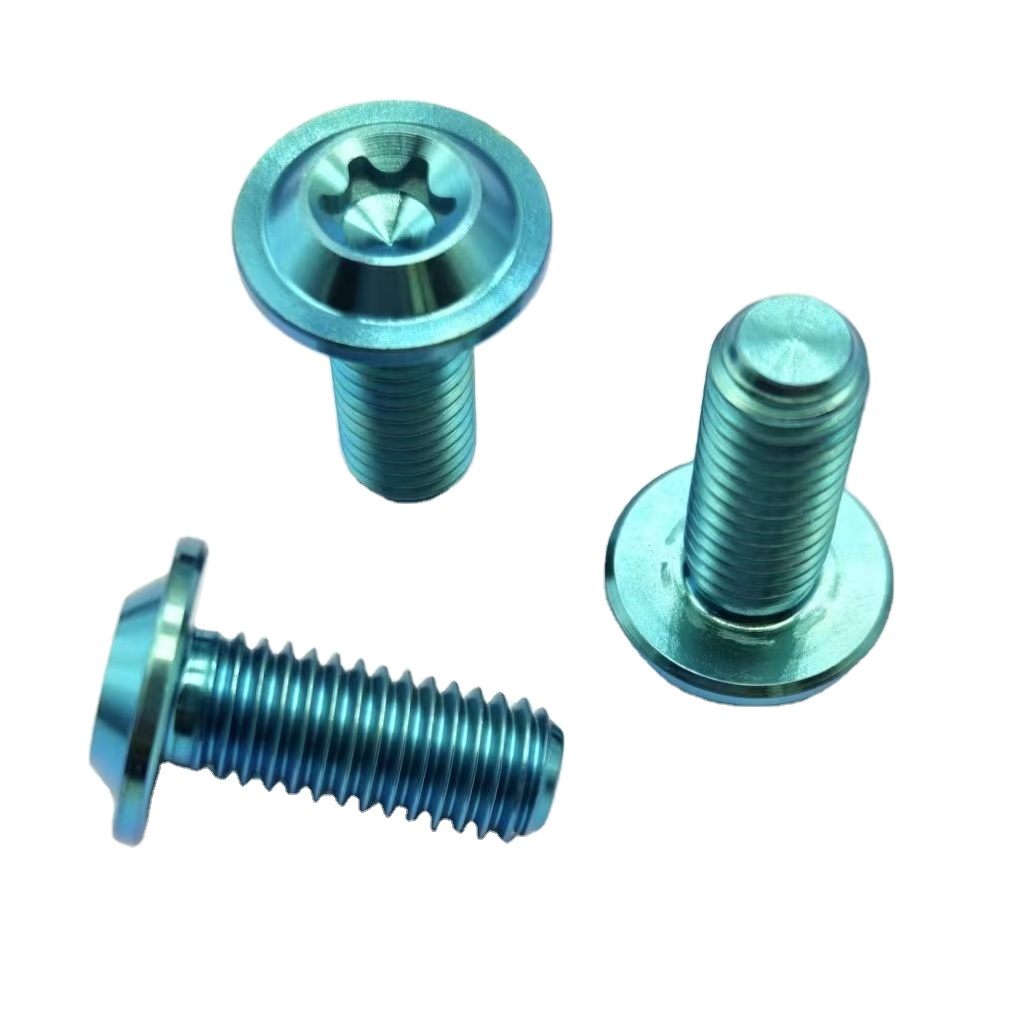
Customized M8 Gr5 Titanium Alloy Pan Head Bolts and Screws for Motorcycles
Engineered with precision Torx/Hex sockets for engine casings, fairings, and structural brackets. Tensile strength ≥895 MPa with high fatigue resistance.
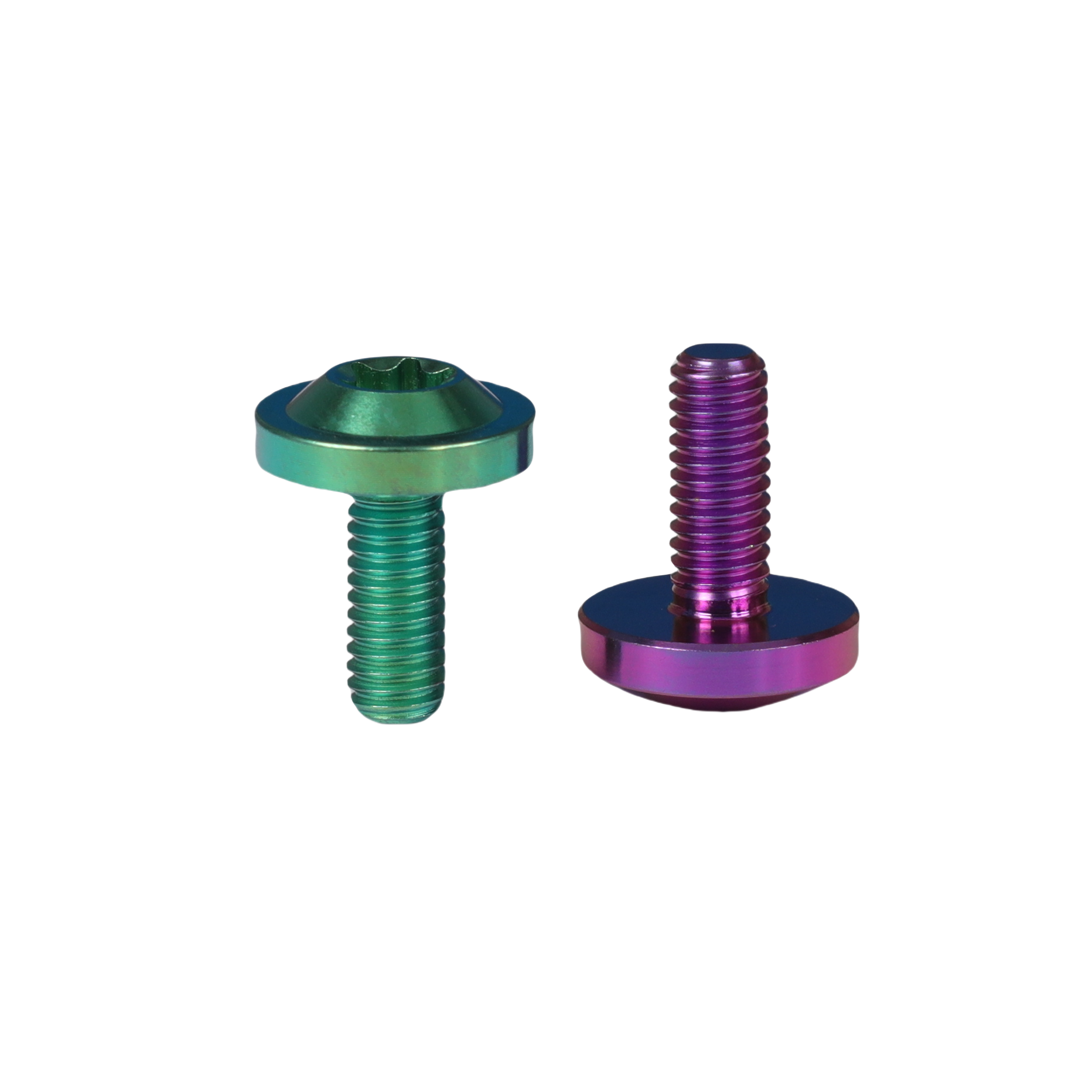
Corrosion-Resistant GR5 M6 Titanium Bolts Fasteners for Motorcycle Engine & Body Modification Screw
Ultra-lightweight replacement for OEM steel body screws. Completely impervious to road salt, mud, moisture, and chemical exposure.
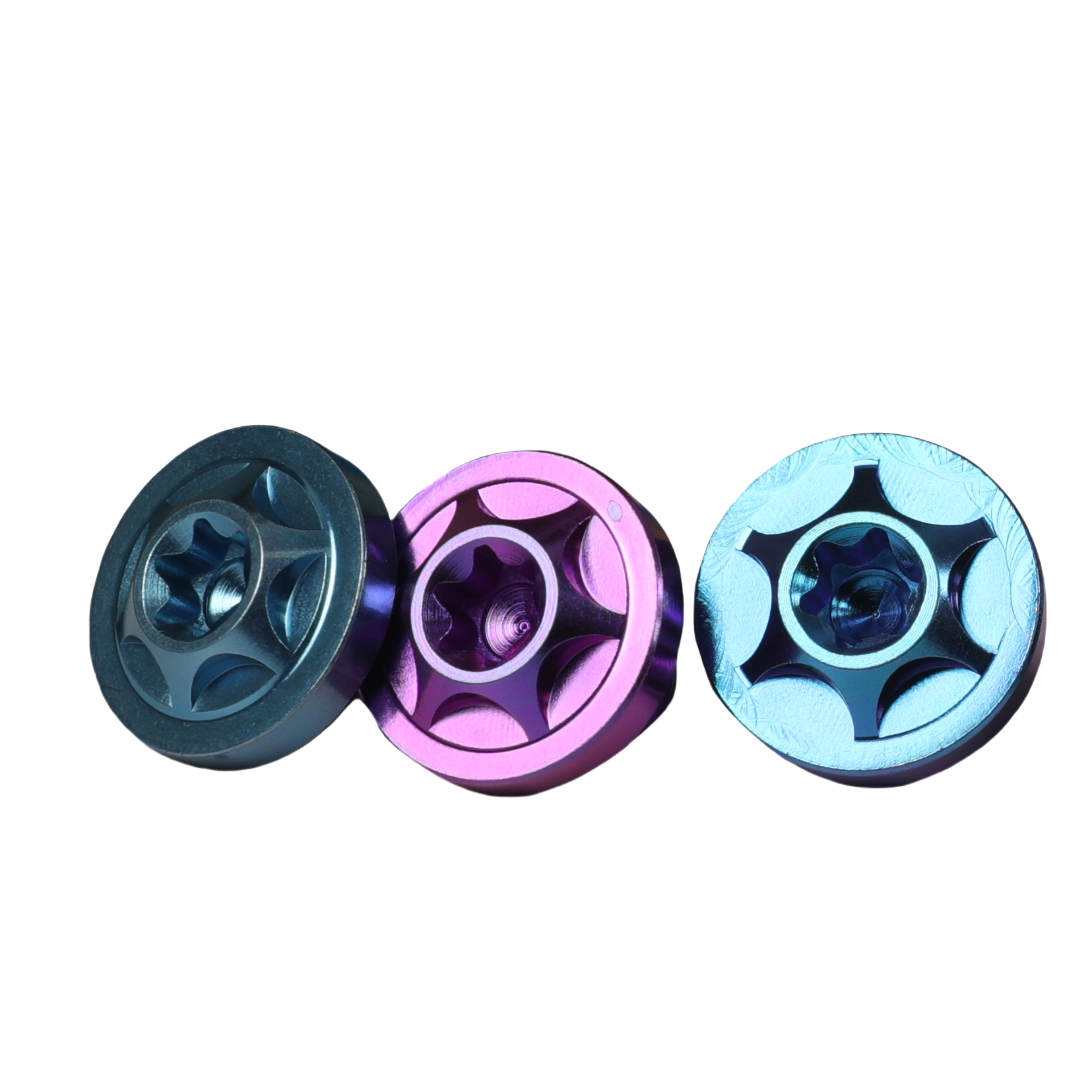
Titanium Alloy Disc Brake Bolts with Torx Head Flange Screws for Bike & Motorcycle Ti Bolts
Precision rolled threads for intense shear strength and braking heat dissipation. Prevents rotor bolt loosening under severe thermal cycling.
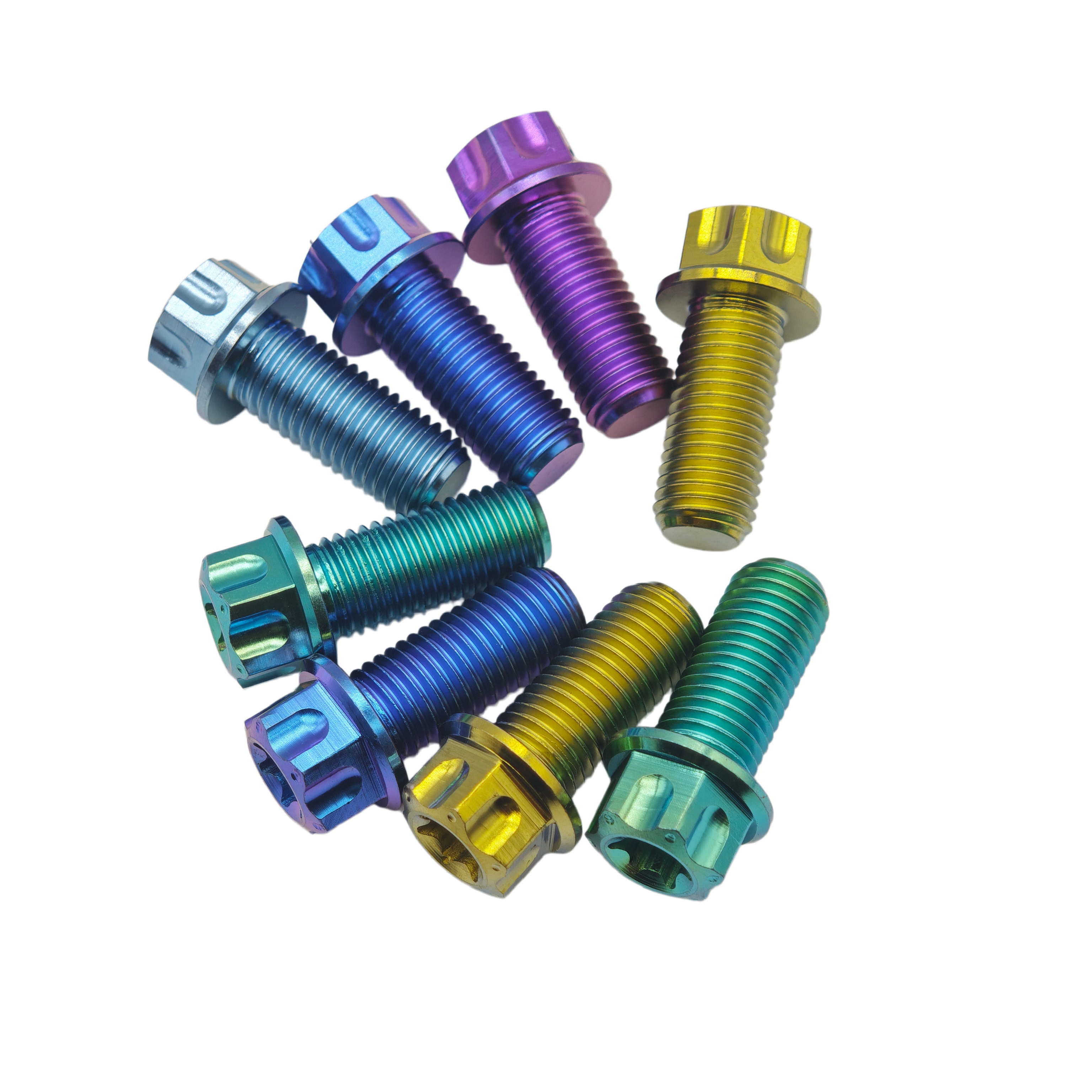
Factory Wholesale Anodized GR5 Titanium Hex Flange Head Bolts M8/M10 UNF Thread Motorcycle Bolts
Available in Burnt Blue, Gold, Purple, and Black PVD. Integrates an oversized flange face for optimal load distribution without washers.
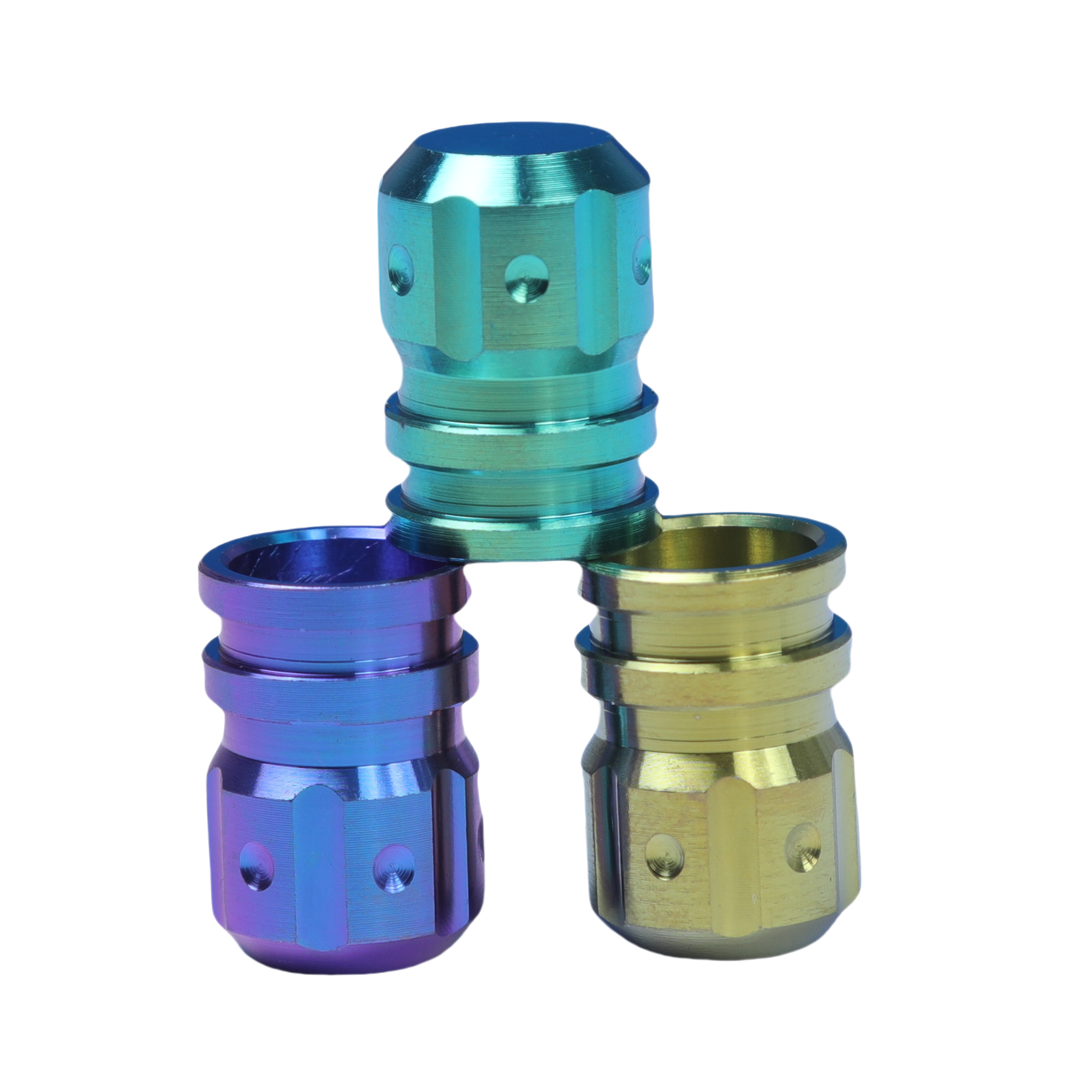
Universal Titanium Alloy Tire Valve Dust Cap Nuts Dust-proof CNC Parts for Automotive Motorcycle Bicycle Valve Caps Nut
CNC micro-machined valve stem caps with rubber O-ring sealing. Perfect dust-proof and aesthetic upgrade for custom builds.
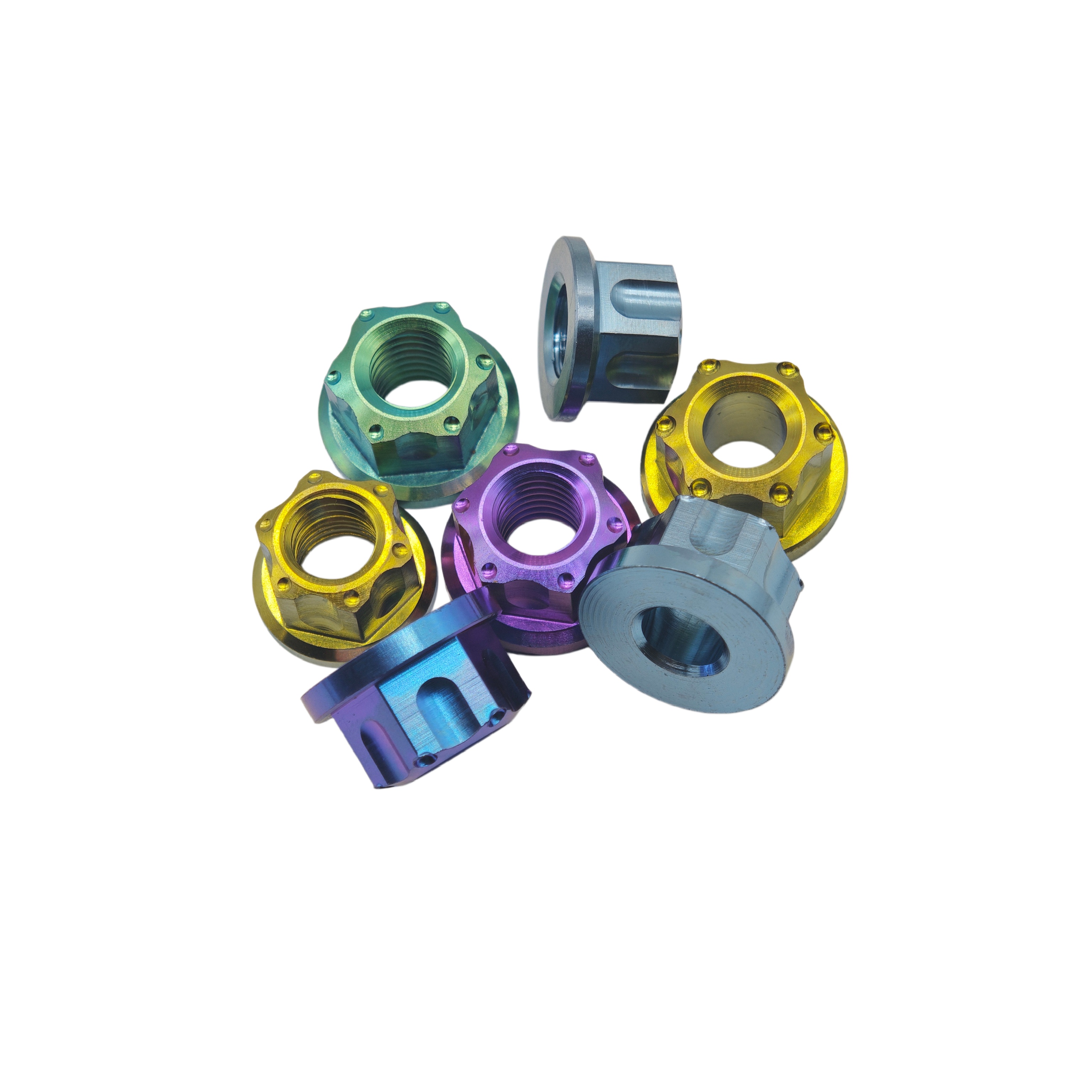
Factory Direct Sales Anodized/Plain Finish Right Hand Thread Gr5 Hexagon Flange Titanium Open Nut M10/M8
High-tensile axle and sprocket nuts. Designed for demanding vibrational stress in high-displacement racing motorcycles.
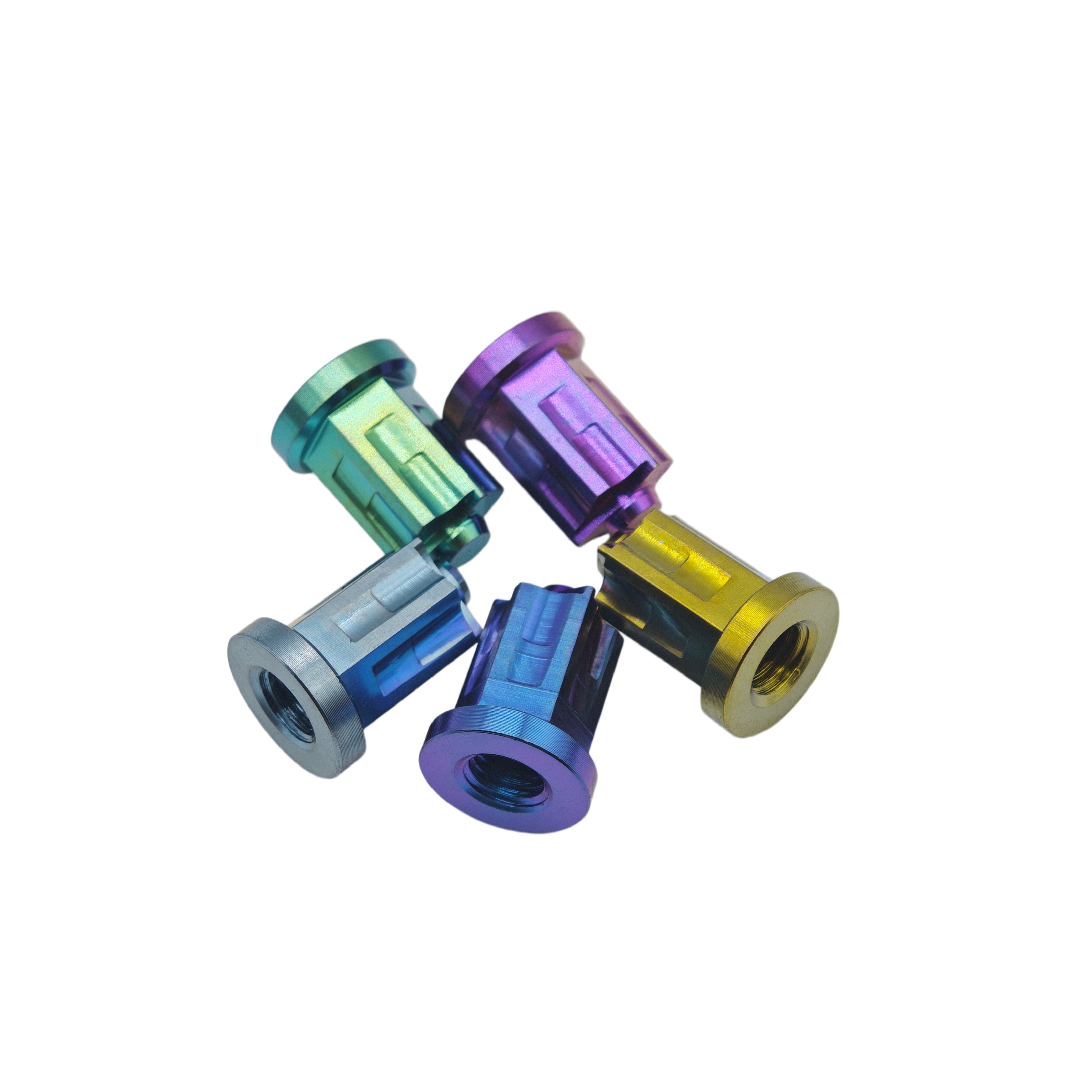
Tecksr Titanium Alloy Hex Head French-style Closed Flower Nuts Class 10 GR5 Motorcycle Modification Parts Nut
Custom decorative and structural closed-end cap nuts. Features anti-galling thread tolerances and high aesthetic surface polish.
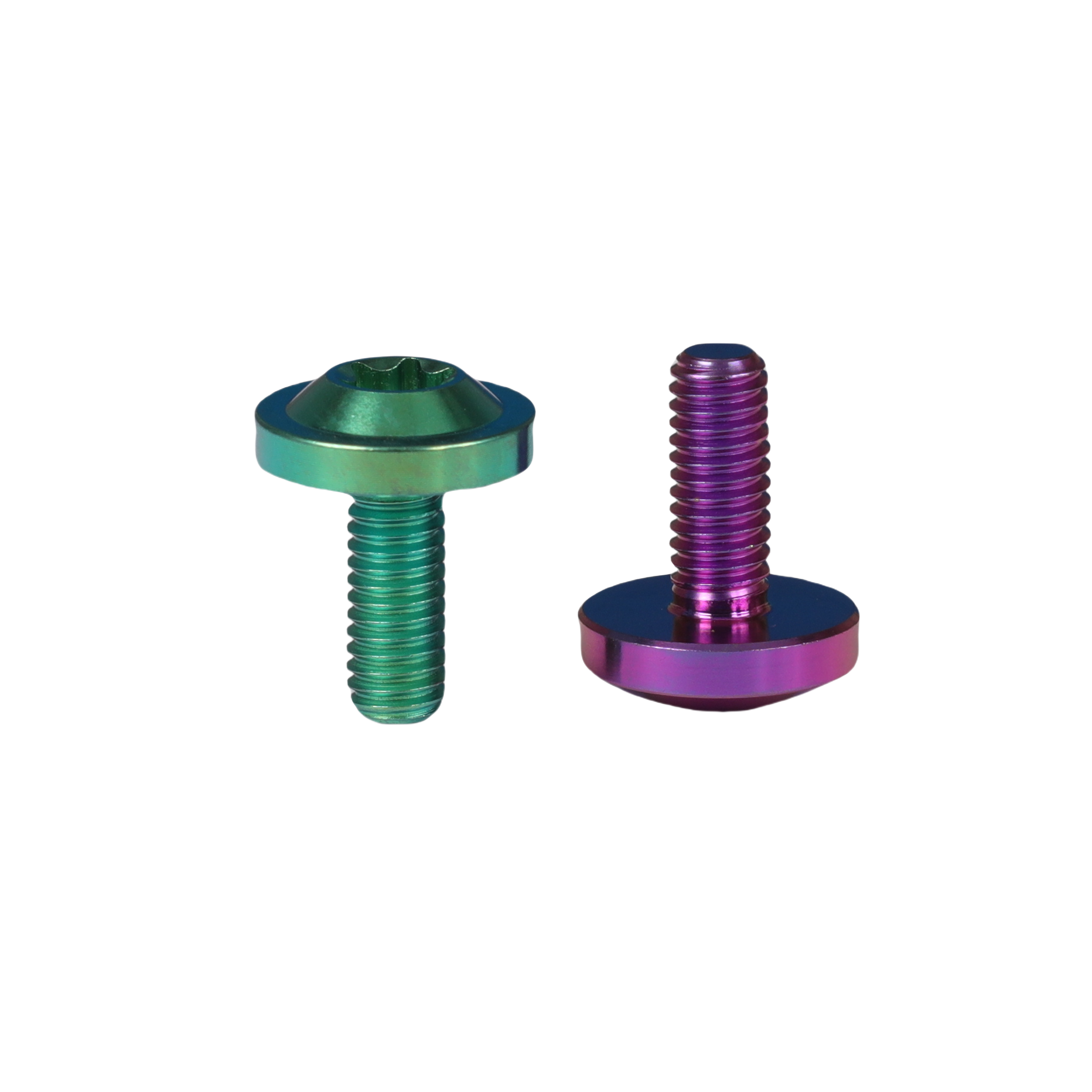
Factory Supply Class 6 M6*15 GR5 Titanium Pan Head Anodized Screw Lightweight & Durable Customizable Metric Measurement System
Ultra-durable metric M6x15 screw designed for performance fairings and brake line routing. Smooth head contour reduces aerodynamic drag.
China's Leading Manufacturing Hub for Titanium Fasteners
Headquartered in Shiling Road Industrial Park, Baoji City (Shaanxi, China), Zunvo Titanium Products Co., Ltd. operates state-of-the-art CNC machining centers, cold-heading lines, and thread-rolling facilities engineered specifically for automotive and powersports applications.
Industrial Infrastructure & Quality Assurance
As an onsite-verified supplier operating across a 1,000–3,000 m² facility, our factory integrates full raw material traceability back to primary titanium sponge smelting. Every batch of Grade 5 titanium (Ti-6Al-4V) is delivered with complete Mill Test Reports (MTR) according to EN 10204 3.1 standards.
Unlike standard commercial hardware exporters, our motor fasteners are crafted using thread-rolling rather than thread-cutting. Rolled threads induce compressive residual stresses at the root, increasing fatigue strength by up to 30%, making them essential for high-stress applications such as motorcycle brake rotors, engine crankcases, and rear axle pivots.
Core Enterprise Capabilities
- ✓ Custom OEM/ODM Manufacturing: Flexible production from technical drawings (STEP, IGES, DWG) or physical samples.
- ✓ Advanced Surface Coating: Anodizing (Burnt Blue, Gold, Purple, Green) & Physical Vapor Deposition (PVD TiN/DLC Black).
- ✓ Flexible Low MOQs: Prototyping batches starting from 100 pcs for custom parts, supporting racing teams and specialty brands.
- ✓ Global Express Logistics: Integrated shipping solutions via DHL, FedEx, UPS, air, or sea freight with custom export packaging.
Metallurgical Superiority of Ti-6Al-4V (Grade 5) in Powersports
An engineering guide for OEM buyers, automotive designers, and racing component specifiers regarding material selection, load capacity, and fatigue resistance.
Why Ti-6Al-4V Grade 5 Outperforms Alternative Materials
Titanium exists in various grades ranging from Commercially Pure Grade 2 to high-strength alpha-beta alloys like Grade 5 (Ti-6Al-4V). For motor applications where high dynamic loads, severe vibration, and extreme temperature fluctuations are constant, Grade 5 titanium is the definitive industry gold standard.
With a density of just 4.43 g/cm³ compared to 7.85 g/cm³ for carbon steel, Grade 5 titanium provides an unparalleled strength-to-weight ratio. When substituted for steel fasteners on rotating or unsprung motorcycle components—such as wheel axles, brake caliper mounts, disc rotor bolts, and rear sprocket studs—it yields a dramatic reduction in unsprung mass, resulting in faster suspension recovery, sharper turn-in agility, and decreased gyroscopic inertia.
| Mechanical / Physical Property | Titanium Grade 5 (Ti-6Al-4V) | Stainless Steel (316 / A4-70) | High-Tensile Steel (Class 10.9) | Aluminum Alloy (7075-T6) |
|---|---|---|---|---|
| Density (g/cm³) | 4.43 | 7.98 | 7.85 | 2.81 |
| Ultimate Tensile Strength (MPa) | ≥ 895 – 1000 | 700 | 1040 | 570 |
| Yield Strength (0.2% Offset, MPa) | ≥ 828 | 450 | 940 | 500 |
| Strength-to-Weight Ratio (kN·m/kg) | 202 | 87.7 | 132.4 | 202.8 |
| Corrosion Resistance (Salt/Moisture) | Immune (Self-Passivating) | High | Poor (Requires Coating) | Moderate (Prone to Pitting) |
| Fatigue Limit (10⁷ Cycles, MPa) | 510 | 240 | 420 | 160 |
Manufacturing Engineering: Rolled Threads vs. Cut Threads
In high-vibration motorcycle environments, thread fatigue failure is the primary cause of fastener breakdown. Standard low-cost titanium suppliers often utilize single-point CNC thread cutting or die cutting to form threads. This process severs the natural grain flow lines of the titanium rod stock, creating micro-notches that act as stress concentration points under cyclic loads.
Chinese direct manufacturing leaders like Zunvo utilize cold/hot heading combined with high-precision thread rolling dies. Thread rolling reshapes the material plastically without cutting through grain boundaries. This produces a burnished thread root, improves surface roughness ($Ra \le 0.4 \mu m$), and increases root tensile strength by work hardening, guaranteeing zero premature shearing under heavy brake torque or engine vibrations.
Future Procurement Trends in Titanium Motor Fasteners (2025–2030)
Analyzing key shifts in powersports engineering, electric motorcycle platform adoption, and OEM supply chain strategies.
1. Electric Motorcycle (E-Moto) Light-Weighting
As global OEM manufacturers transition toward high-voltage electric powertrain architectures, battery weight remains a primary constraint. Replacing heavy structural steel fasteners across motor mounts, battery enclosure frames, and swingarms with Grade 5 titanium allows engineers to recover lost range while maintaining structural rigidity.
2. PVD Hard Coatings Replacing Traditional Anodizing
While electrochemical color anodizing remains popular for aesthetic customization, professional racing teams and OEM premium trims are increasingly demanding Physical Vapor Deposition (PVD) coatings. PVD coatings (such as DLC - Diamond-Like Carbon and TiN - Titanium Nitride) increase surface hardness above 2000 HV, rendering fastener heads virtually immune to tool wear, stone chips, and socket marring.
3. Custom Anti-Theft & Torx Plus Drive Geometries
Conventional Hex sockets are rapidly being superseded by internal Torx (T25/T30/T40) and Torx Plus drive profiles. Torx geometry offers near-zero drive angle wall clearance, allowing higher assembly torque insertion without stripping fastener heads. Furthermore, OEM brands are ordering custom flower-head and spline shapes as proprietary branding and anti-theft solutions.
4. Direct Sourcing from Specialized Chinese Hubs
Procurement managers are streamlining supply chains by bypassing Western trading intermediaries and forming direct partnerships with Baoji-based primary factories. Direct factory collaboration reduces procurement costs by 30-40% while granting buyers direct access to metallurgical engineering support, rapid design iterations, and batch-level MTR verification.
Frequently Asked Questions (FAQ)
Addressing critical technical and purchasing inquiries regarding Grade 5 titanium fasteners for motorcycle OEM & aftermarket applications.
Which titanium grade is recommended for high-stress motorcycle components like brake rotor bolts and axle nuts?
For all structural, safety-critical, and high-load applications, Grade 5 Ti-6Al-4V (minimum tensile strength 895 MPa) must be specified. Grade 2 titanium is commercially pure, possessing a tensile strength of only ~345 MPa, rendering it suitable strictly for non-structural cosmetic trim or fluid reservoir caps. Zunvo provides certified Ti-6Al-4V Grade 5 across all motor fastener ranges, backed by chemical analysis and mechanical tensile test reports.
How do I prevent thread galling when installing titanium bolts into aluminum or titanium threaded holes?
Titanium alloys have a natural tendency to gall (friction-weld) when threaded directly into similar reactive metals under high torque. To prevent galling, always apply a thin layer of copper-based or nickel-based anti-seize lubricant, or molybdenum disulfide grease to the threads prior to installation. When using anti-seize, reduce dry factory torque values by approximately 15-20% to account for reduced thread friction.
Can a Grade 5 titanium bolt directly replace a Class 10.9 or 12.9 high-tensile steel OEM bolt?
Grade 5 Titanium (tensile strength ~950–1050 MPa) is roughly equivalent in strength to a Class 8.8 to Class 10.9 steel bolt while weighing 44% less. For positions originally utilizing Class 10.9 bolts (such as brake calipers and sprocket studs), Grade 5 titanium is widely used as a direct performance upgrade. However, for Class 12.9 engine internal studs subjected to extreme tensile preloads, consult with our engineering team for sizing or custom thread pitch adjustments prior to replacement.
Will anodized titanium colors fade or wear off over time?
Titanium anodizing is an electrochemical process that grows a transparent titanium dioxide ($TiO_2$) oxide layer on the fastener surface. Color is generated by light interference through this microscopic oxide film. Because it contains no organic dyes or paints, it will not fade under ultraviolet (UV) sunlight exposure. However, mechanical abrasion or repeated tool contact can wear down the oxide layer. For extreme wear locations, we recommend our PVD (Physical Vapor Deposition) coating options.
What are the Minimum Order Quantities (MOQ) and production lead times for custom drawing-based parts?
For standard catalog items, our minimum order quantity starts at 100 to 200 dozens. For custom CNC components manufactured to customer drawings or physical samples, our prototyping batch MOQ starts as low as 100 pieces. Sample prototypes are typically completed within 3 to 5 business days, with full mass production orders fulfilled within 7 to 15 days.
How does Zunvo guarantee quality control and material authenticity for export orders?
Quality assurance begins with raw material verification via spectral analysis upon bar stock delivery. During manufacturing, 100% thread pitch testing (Go/No-Go gauges) and optical dimensional checking are conducted. Before shipment, every production lot is issued an EN 10204 3.1 Mill Test Certificate detailing exact chemical composition (Al %, V %, Fe %, O %) and tensile test results.
Partner with China's Premier Titanium Fastener Manufacturer
Whether you require high-volume OEM production, custom motorcycle modification hardware, or rapid prototyping from technical drawings, our engineering team delivers precision, quality, and competitive factory-direct pricing.
