Engineered Titanium Motorcycle Fairing & Chassis Fasteners
Precision-machined from aerospace-certified Grade 5 Ti-6Al-4V bar stock with rolled threads, tight concentricity, and corrosion-proof PVD/anodized finishes.
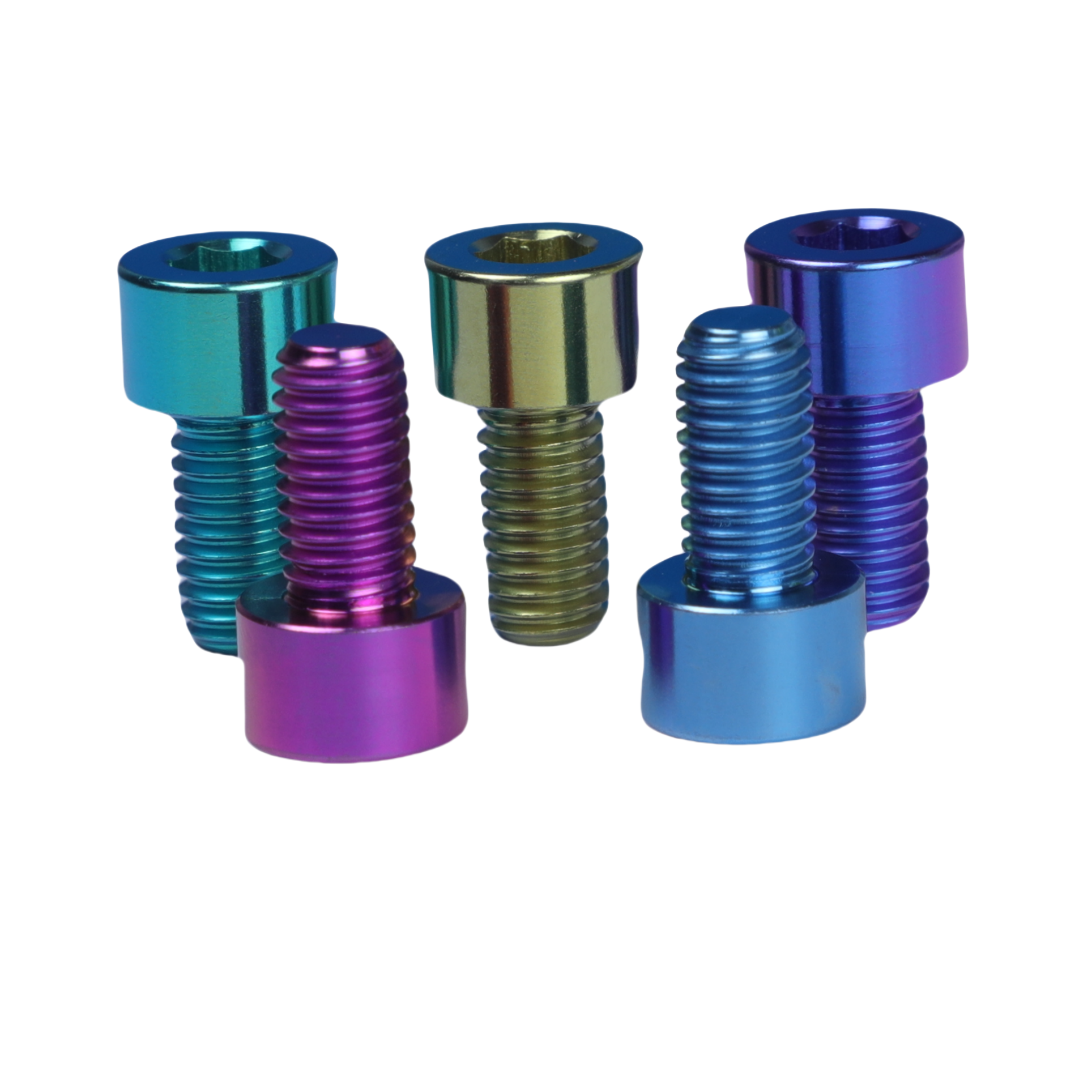
High Quality DIN912 GR5 Titanium Alloy Hexagon Socket Head Bolts
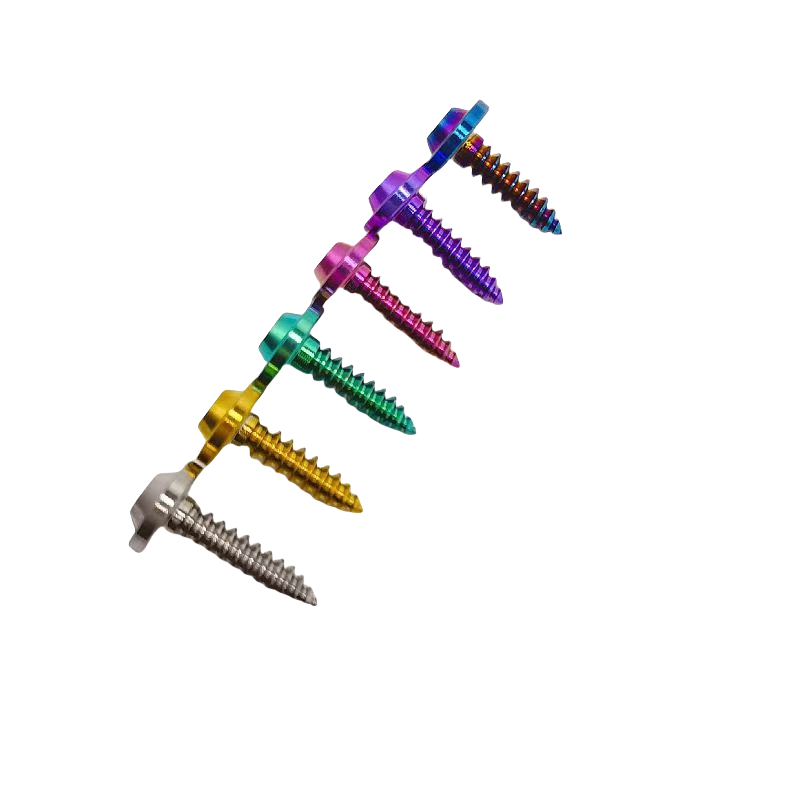
M4/M5 Blue Grey Titanium Pan Head Fairing Self-Tapping Screws
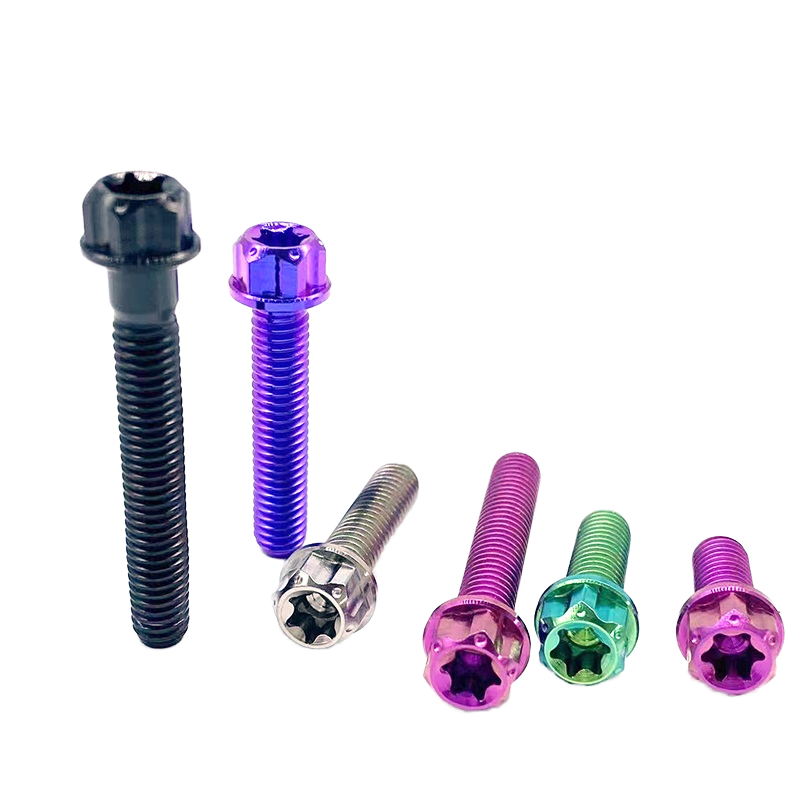
GR5 Titanium Alloy M8 M10 Flange Bolts Hexagon Screws
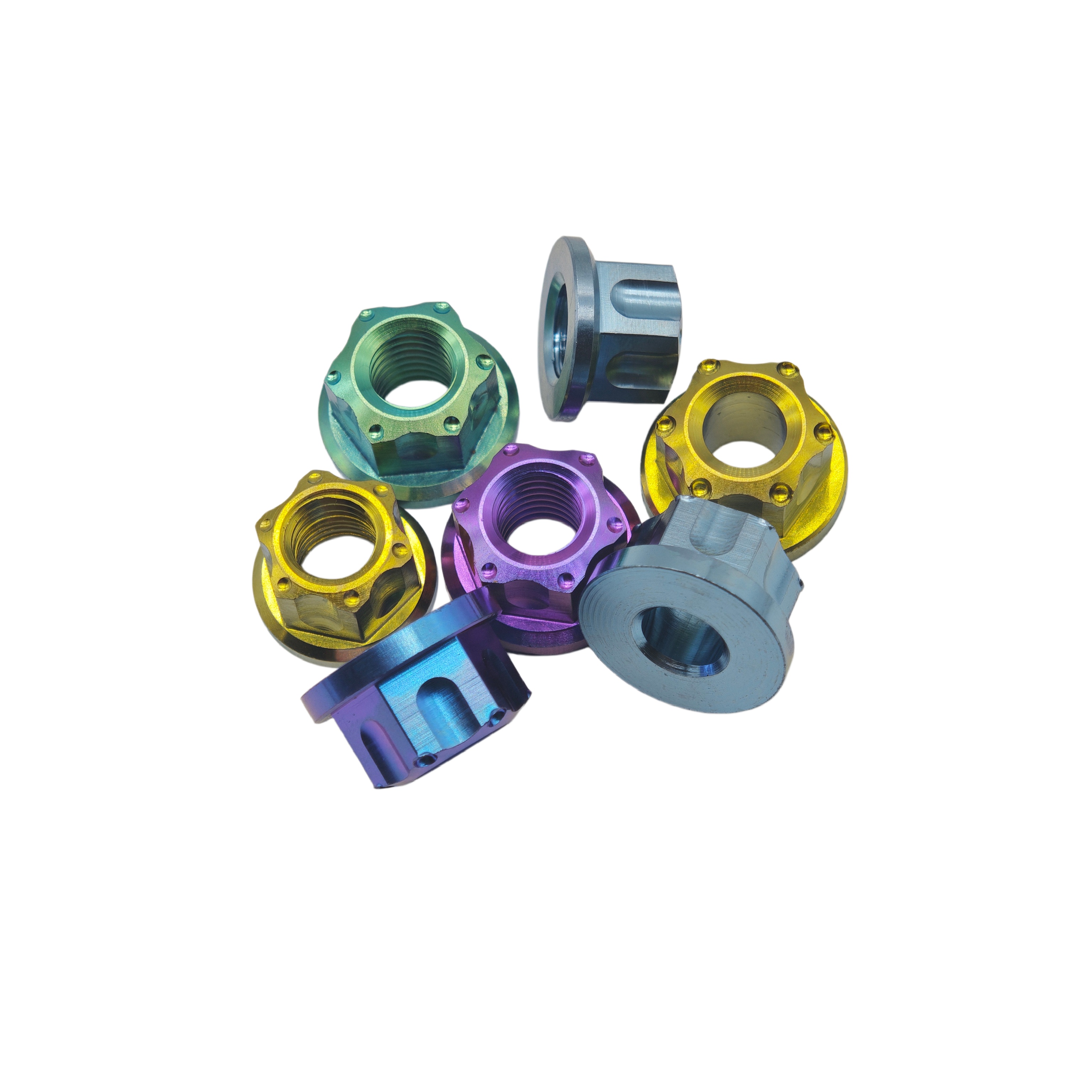
Gr5 Hexagon Flange Titanium Open Nut M8/M10
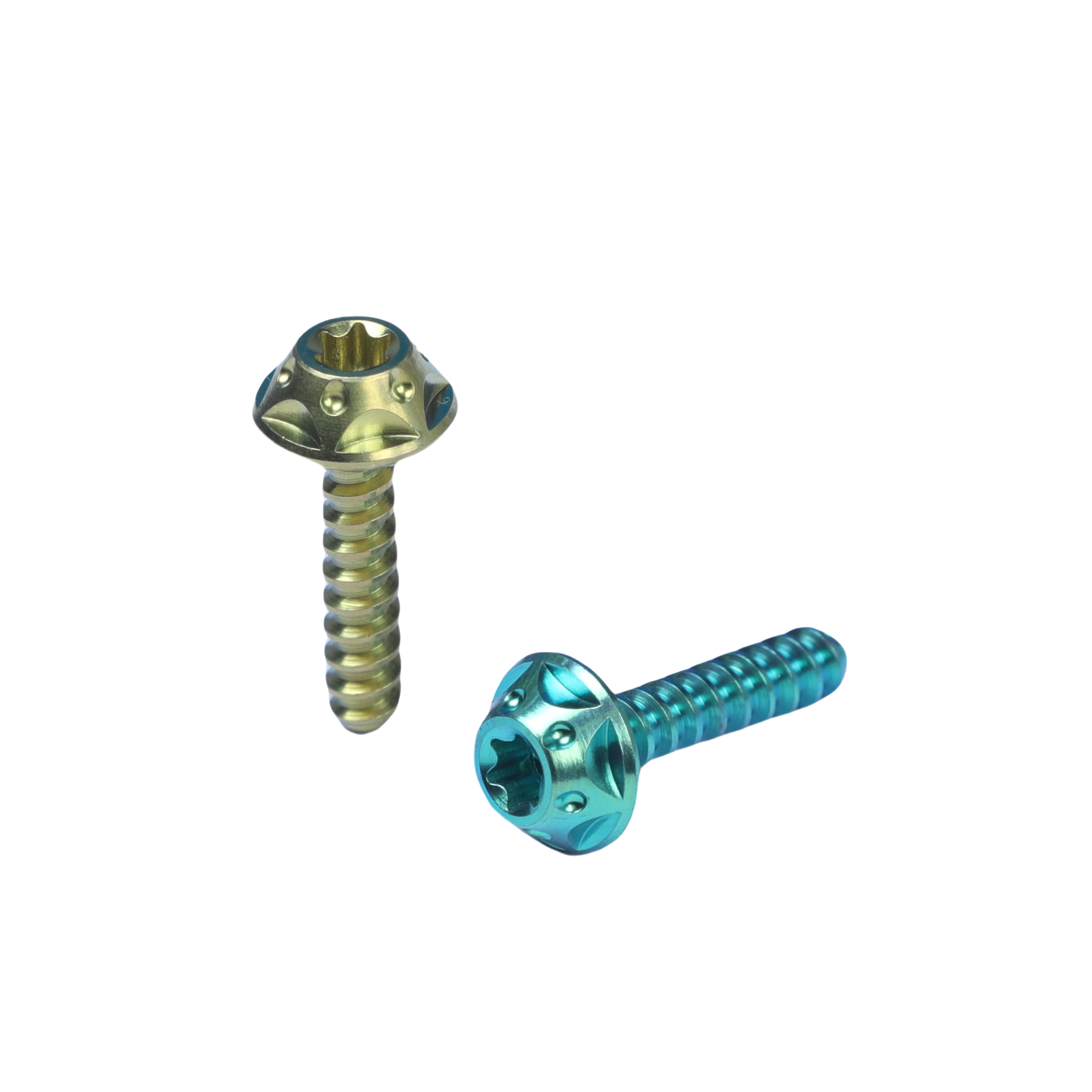
GR5 Titanium M5 CNC Flower Head Self-Tapping Fairing Screws
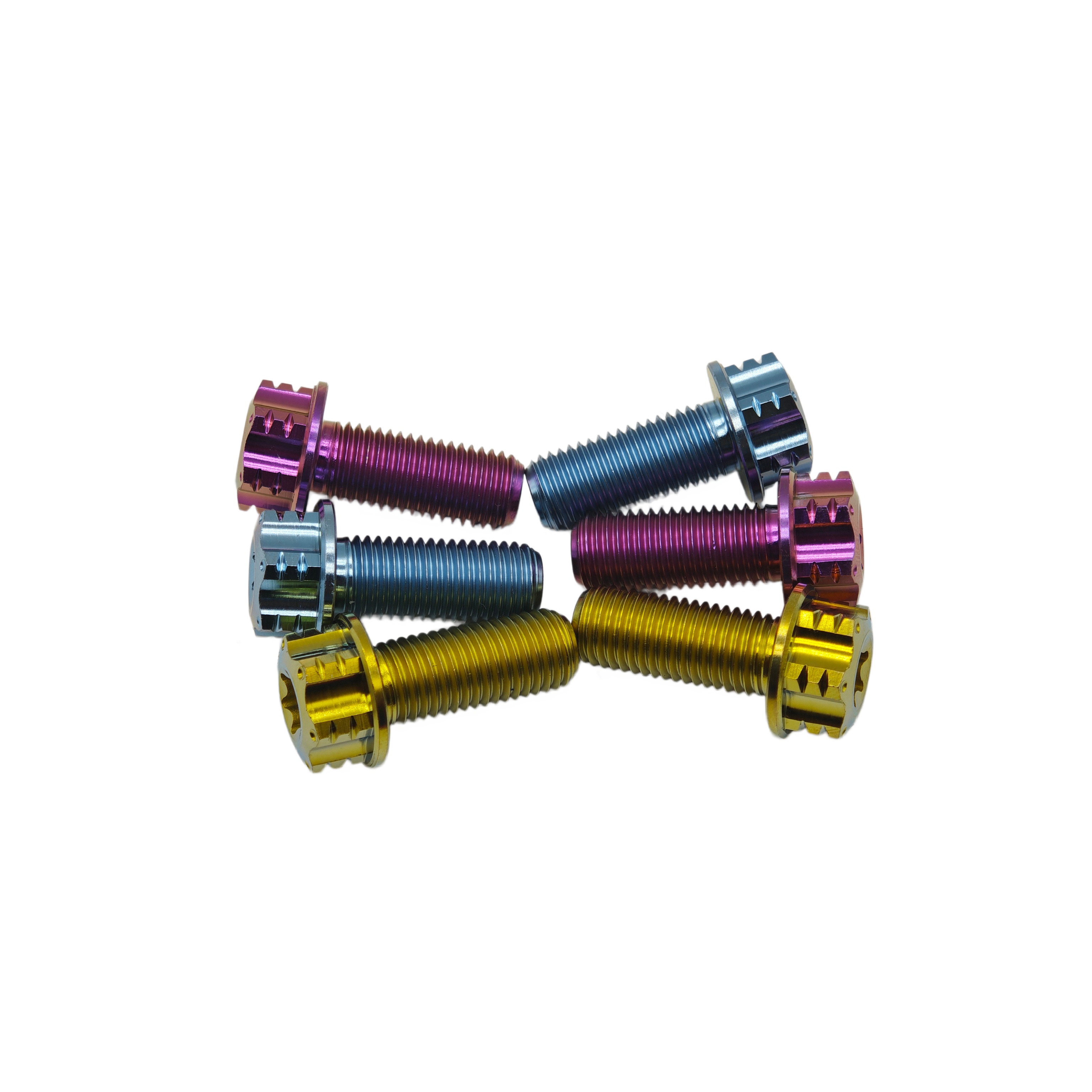
Gr5 Titanium Bolts M10*25mm Hex Flange Head Bolts
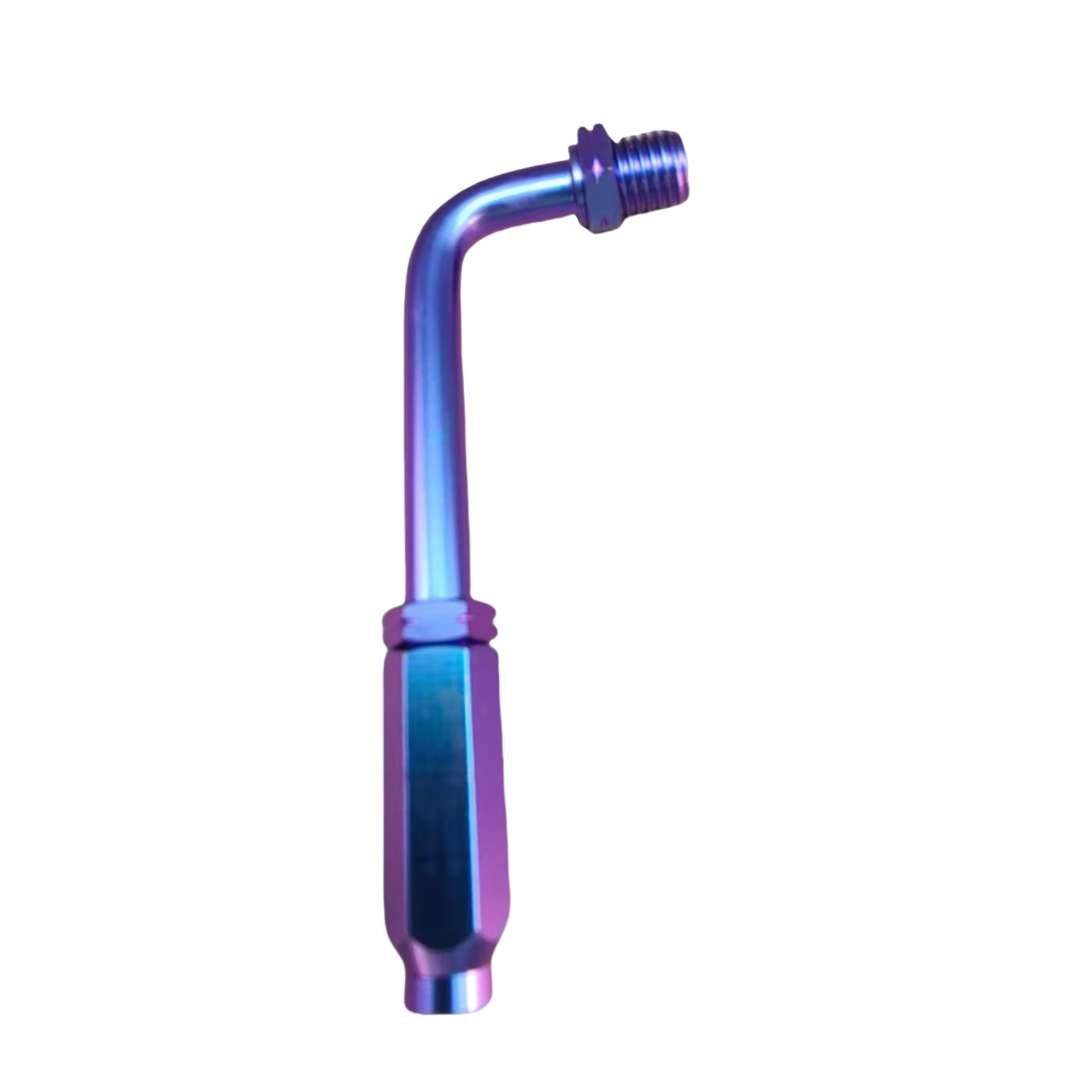
Custom CNC Gr5 Flat Head Motorcycle Throttle Line Fittings
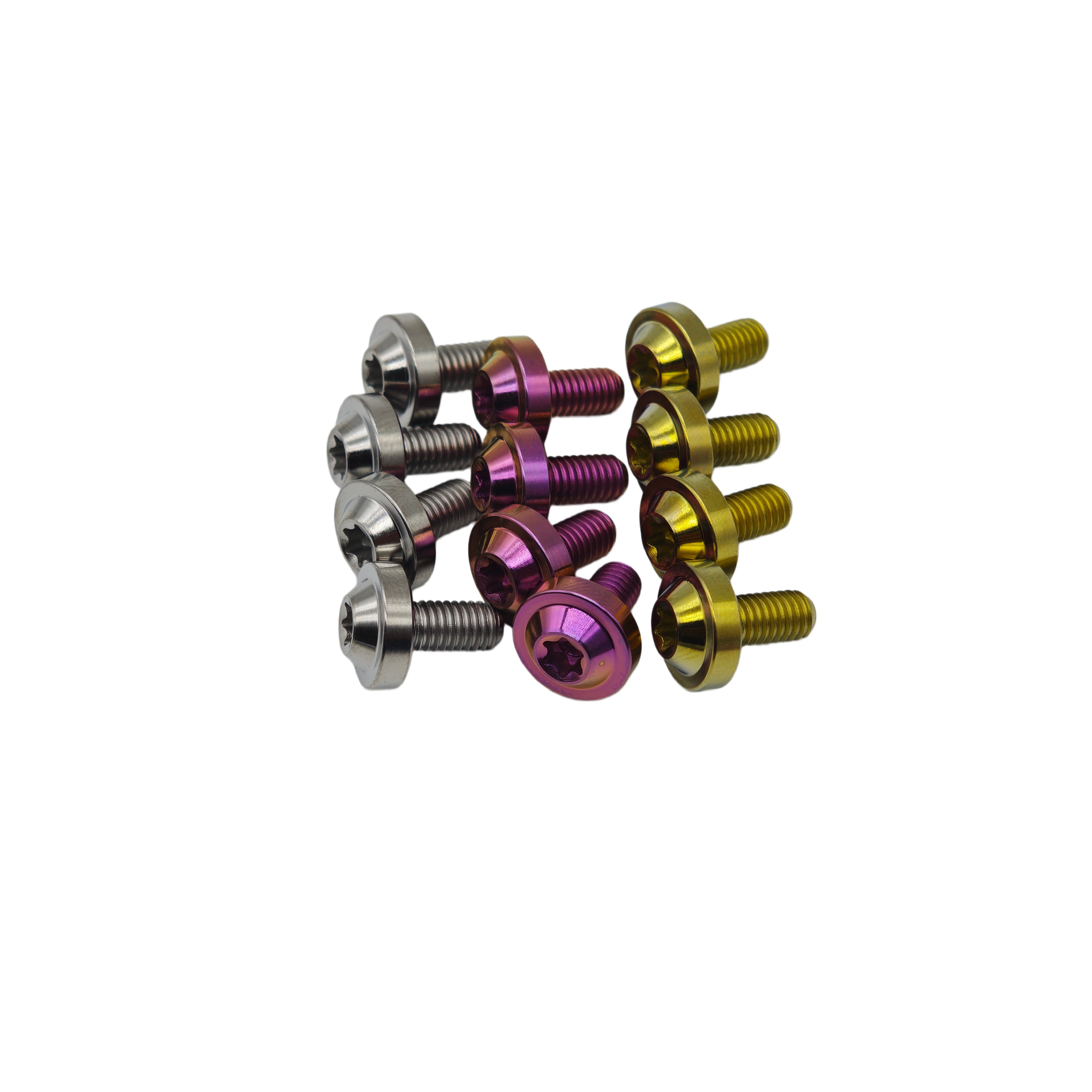
Custom GR5 Titanium M8 Disc Head Low Profile Bolts
Enterprise Prowess: Why Global Tier-1 Distributors Source from Baoji
Founded in 2015 in Baoji, Shaanxi Province—internationally recognized as China's "Titanium Valley"—Zunvo Titanium Products Co., Ltd. operates at the geographical heart of China's primary non-ferrous metal smelting and forging hub. This tactical localization grants our manufacturing plant immediate, uninterrupted access to certified aerospace-grade sponge titanium, vacuum arc remelting (VAR) ingots, and precision-drawn Ti-6Al-4V bar stock. Operating across a modernized 1,000–3,000 m² facility with 101–200 experienced machinists, metallurgical engineers, and quality assurance specialists, our enterprise bridges raw metallurgical excellence with high-precision bolt manufacturing.
Unlike generic trading houses or multi-metal stamping workshops, our dedicated production infrastructure is dialed strictly to the physical and chemical characteristics of titanium alloys. Through cold heading, hot induction heading, precision high-speed CNC turning, and rolled-thread forming, our factory achieves micro-tolerances down to ±0.005 mm and thread class 6g conformance. Every shipment is accompanied by complete heat-number batch traceability, mill test certificates (MTC) conforming to EN 10204 3.1, and dimensional optical inspection protocols that have garnered our team a verified 4.9 / 5 rating and a 66% repeat procurement rate across North America, Europe, Australia, and East Asia.
100% Certified Ti-6Al-4V
Zero scrap remelt. We process exclusively certified virgin Grade 5 titanium (UNS R56400) conforming rigorously to ASTM B348, AMS 4928, and ISO 5832 standards for maximum tensile resilience.
Rolled Threads Over Cut Threads
All male threads are formed via hydraulic die rolling rather than single-point CNC cutting. Thread rolling reorients the material's grain boundary flow along the root profile, increasing shear fatigue limits by 30%.
Custom Kit Packaging & Labeling
We pack customized motorcycle fairing bolt kits segregated by bike model (e.g. Yamaha YZF-R1, Kawasaki Ninja ZX-10R, BMW S1000RR) with OEM blister cards, laser engraved branding, and tailored SKU barcoding.
Engineering Dynamics: Grade 5 Titanium Fairing Fasteners vs. Alternative Alloys
In high-speed superbike aerodynamics and endurance road racing, fairing bolts are not merely decorative bodywork fasteners. They represent mission-critical structural interfaces subjected to dynamic aerodynamic buffet loads, engine harmonic vibration (often exceeding 12,000 to 15,000 RPM chassis resonant frequencies), thermal radiation from header pipes, and harsh environmental attacks from road de-icers, fuel wash, and brake fluid (DOT 4/5.1 glycol ethers).
Specifying the proper metallurgical grade is vital for B2B distributors, racing teams, and aftermarket brands. Standard OEM fairing hardware frequently employs low-cost mild steel or 304 (A2-70) stainless steel screws, while budget aftermarket suppliers occasionally substitute Grade 2 Commercially Pure (CP) titanium or 7075-T6 aluminum. Below is the objective mechanical property comparison derived from our laboratory test data:
| Mechanical Property | Ti-6Al-4V Grade 5 (Zunvo Standard) | 304 Stainless Steel (A2-70) | 10.9 High-Tensile Steel | 7075-T6 Billet Aluminum |
|---|---|---|---|---|
| Density (g/cm³) | 4.43 (44% Lighter than Steel) | 7.93 | 7.85 | 2.81 |
| Ultimate Tensile Strength (MPa) | 950 – 1050 (Min. 895) | 700 | 1040 | 570 |
| Yield Strength 0.2% (MPa) | 880 – 920 | 450 | 940 | 505 |
| Modulus of Elasticity (GPa) | 114 (Dampens Vibration) | 193 | 210 | 72 |
| Strength-to-Weight Ratio (kN·m/kg) | 214 (Exceptional) | 88 | 132 | 202 |
| Corrosion Resistance (Chloride/Salt) | Impervious (Passivating TiO&sub2;) | Pitting Susceptible | Severely Corrodes Uncoated | Pitting & Galvanic Attack |
| Fatigue Notch Sensitivity | Extremely Low (Rolled Fillet) | Moderate | High | Extremely High (Brittle) |
Why Rolled Fillet Heads and Flange Diameters Matter on Motorcycle Cowlings
Motorcycle ABS and carbon fiber cowlings are prone to stress cracking around mounting holes if fastener clamp pressure is unevenly distributed or if shear forces bite into the composite weave. Zunvo's titanium fairing bolts feature oversized umbrella flanges (12mm to 16mm outer diameters) and precision-machined transitional radius fillets under the bolt head. By transitioning the junction between the smooth shank and the underside of the head through an engineered elliptical curve, stress concentration risers (Kt) are decreased by up to 42% compared to budget 90-degree undercut hardware. This metallurgical geometry prevents head shearing under track wind-shear buffeting and eliminates bodywork spiderweb fractures.
Color Chemistry: Voltage-Controlled Anodizing vs. Vacuum PVD Thin-Film Coatings
Wholesale buyers are often confronted with end-user complaints regarding color fading, tool stripping, or chalking on aftermarket colored hardware. At Zunvo, our surface enhancement department utilizes two distinct industrial processes tailored to client specifications:
Electrolytic Titanium Anodizing
Unlike aluminum anodizing which uses organic dyes susceptible to UV photobleaching, titanium anodizing is a dye-free optical interference phenomenon. By immersing bolts in an electrolyte bath and applying micro-adjusted DC voltages (15V to 110V), we grow an ultra-dense, amorphous Titanium Dioxide (TiO&sub2;) layer. The transparent film refracts light, creating vivid Gold (18V), Purple (30V), Deep Blue (45V), Cyan (70V), and Emerald Green (95V) without any surface flaking.
PVD Magnetron Sputtering (DLC & TiN)
For high-wear environments such as brake rotor mountings, footpeg stays, and fairing locations exposed to gravel spray, we apply Physical Vapor Deposition (PVD). Under high vacuum, ionized Titanium Carbo-Nitride (TiCN) or Diamond-Like Carbon (DLC) is sputtered onto the substrate at 400°C. This yields a microscopic ceramic layer 2–4 μm thick with a surface hardness reaching 2500–3200 HV (Vickers), completely impervious to hex-tool rounding and stone chipping.
Hand-Polished Mirror & Burnt Rainbow
For custom chopper builders and flagship sportbike tuning houses, our technicians perform multi-stage centrifugal deburring followed by automated barrel polishing and manual hand-buffing. Flame-torched or gradient-anodized "Burnt Rainbow" patterns yield one-of-a-kind chromatic transitions across bolt heads, accentuating the CNC multi-faceted flower or star cuts.
Future Sourcing Trends: The Next 5-Year Horizon for B2B Fastener Buyers
As motorsport engineering converges with consumer electric performance platforms, the procurement dynamics for titanium fairing and chassis fasteners are shifting from generic bulk purchases to highly customized, system-level procurement programs. Importers, brand owners, and racing distributors should align their purchasing strategies with four decisive industry trends:
1. Shift from Universal Screw Bundles to Model-Specific Complete Bike Kits
Commercial riders and tuning enthusiasts increasingly reject generic assorted hardware boxes that require guessing thread pitches and lengths. Global distributors are gaining substantial margin expansion by ordering pre-packaged, CAD-matched complete fairing bolt kits (containing exact counts of M5x15mm, M5x20mm umbrella screws, anti-vibration nylon washers, well nuts, and speed clips) tailored to hot models such as Ducati Panigale V4, BMW S1000RR, Yamaha MT-09, and Honda CBR1000RR-R. Zunvo supplies turnkey bagged or boxed kits with customized multi-language installation diagrams.
2. Transition from Allen (Hex Socket) to Deep Torx (T25/T30) Drive Systems
Traditional hexagon socket heads (DIN 912 / ISO 7380) suffer from cam-out and corner rounding when mechanics apply rapid electric torque drivers. The global industry is decisively pivoting toward internal star/Torx drives (ISO 14581 / ISO 14583) and proprietary flower/star heads. The Torx geometry transfers rotational torque along 15-degree pressure angles rather than sharp 60-degree hex vertices, extending tool engagement life by more than 400% and enabling slim-profile head silhouettes with zero slip risk.
3. Electric Motorcycle & Carbon Fiber Chassis Weight Benchmarking
With high-performance electric motorcycles (e.g., MotoE platforms, Energica, Stark Varg) requiring maximum battery energy density, engineers are mandated to shave every gram of non-battery mass. Switching all fairing, subframe, display bracket, and battery housing fasteners to Grade 5 titanium delivers an immediate 400g to 1.2kg weight reduction across the upper roll-center of the motorcycle, directly improving cornering lean transitions and handling dynamics.
4. Demand for End-to-End ESG Traceability and Clean Supply Chains
Tier-1 automotive and motorcycle accessory brands in the European Union and North America now demand verifiable supply-chain compliance, chemical spectrographic validation, and conflict-free titanium raw material sourcing. Sourcing directly from Baoji via verified onsite factories like Zunvo eliminates gray-market scrap-remelt alloys and provides complete audit-ready documentation from titanium sponge reduction down to final export sea/air manifests.
Procurement FAQ: Critical Technical Answers for Fastener Engineers & Buyers
1. How do you prevent thread galling (seizure) when threading Gr5 titanium fairing bolts into aluminum subframes or nut inserts? +
Thread galling occurs when the passive titanium dioxide film breaks down under microscopic contact pressure, causing cold-welding adhesion between sliding metallic surfaces. To permanently prevent galling during assembly, we mandate applying an anti-seize paste formulated with copper, nickel, or molybdenum disulfide (MoS&sub2;). For dry-assembly applications, Zunvo offers factory-applied dry-film lubricants (PTFE/fluoropolymer micro-coatings) or anti-friction PVD coatings (DLC/TiAlN) that lower the coefficient of friction (μ) from ~0.35 down to 0.12, ensuring silky-smooth thread engagement and precise torque retention.
2. What torque specifications should be recommended to end customers when replacing steel fairing screws with Grade 5 titanium? +
While Grade 5 titanium possesses a higher tensile yield strength than standard Grade 8.8 steel, its modulus of elasticity is lower (114 GPa vs. 210 GPa). For fairing and cowling applications fastening into rubber brass well-nuts or threaded speed clips: M4 bolts should be tightened to 1.8–2.5 Nm; M5 bolts to 3.5–4.5 Nm; M6 bolts to 6.5–8.0 Nm. When mounting into solid aluminum subframes with anti-seize lubrication, reduce nominal dry steel torque values by 15–20% to avoid over-stretching female aluminum threads.
3. Are titanium fairing bolts galvanically compatible when installed directly against genuine pre-preg carbon fiber cowlings? +
Yes. Titanium is one of the few structural metals naturally compatible with carbon fiber reinforced polymers (CFRP). In the galvanic series in seawater, the electrode potential of Grade 5 titanium (-0.05V vs. SCE) is remarkably close to that of carbon graphite (+0.01V). In stark contrast, aluminum fasteners in direct contact with carbon fiber undergo catastrophic galvanic oxidation. We also provide precision CNC anti-scratch nylon or POM under-head washers to eliminate physical abrasion against the carbon fiber clearcoat.
4. What are your factory Minimum Order Quantities (MOQ) for catalog items versus custom CNC client drawings? +
For standard catalog sizes (DIN 912, umbrella fairing screws, M8/M10 flange bolts, open nuts) in raw titanium or popular anodized colors, our MOQ starts at only 100 to 200 dozens (or 200 to 500 pcs). For fully custom OEM/ODM CNC configurations manufactured from your 2D/3D technical drawings (STEP, IGES, DXF), prototype sample batches begin at just 100 pieces so you can conduct physical fitment, road trials, and packaging approvals prior to container-level scale.
5. Can you manufacture proprietary anti-theft or unique custom decorative head designs? +
Absolutely. Our 5-axis CNC turning and Swiss-type machining centers routinely produce custom flower heads, flying-saucer concave cuts, star heads, multi-hole lightened race heads, and proprietary anti-tamper drive recesses. We can laser-etch your company logo, thread pitch, or brand trademark directly onto the perimeter of the bolt head with micro-positioning accuracy.
6. How does your factory verify raw material authenticity and eliminate sub-standard Grade 2 or scrap mixtures? +
Every incoming bar stock lot undergoes rigorous spectrographic chemical analysis using portable XRF analyzers and spark emission spectrometers to verify elemental composition (Titanium balance, Aluminum 5.5–6.75%, Vanadium 3.5–4.5%, Iron ≤0.40%, Oxygen ≤0.20%). Mechanical tensile test coupons are pulled to verify tensile yield ≥895 MPa and elongation ≥10%. EN 10204 3.1 inspection certificates are systematically archived and cross-referenced with your purchase order number.
7. What is the typical sample turnaround and mass manufacturing lead time? +
Standard in-stock sizes ship within 24 to 48 hours. Custom prototype samples from approved engineering CAD drawings are completed within 3 business days. Bulk production runs (5,000 to 50,000 units) are delivered in 7 to 15 business days, supported by dedicated high-speed thread rolling machines and in-house automated anodizing/PVD lines.
8. What retail-ready packaging solutions are available for aftermarket private-label brands? +
We provide full white-label and private-brand support: vacuum heat-sealed blister cards with full-color backing, laser-engraved anodized metal storage cases, zip-lock anti-static bags with custom UPC/EAN barcodes, and segmented EVA-foam presentation boxes designed specifically for retail motorcycle dealerships and high-end eCommerce brands.
9. How are dimensional tolerances inspected during continuous mass production? +
Our quality control workflow implements inline statistical process control (SPC). Technicians perform hourly go/no-go plug and ring gauge verification (6g thread fit), optical profile projector measurements for head fillet radius consistency, and coordinate measuring machine (CMM) multi-axis checks. Surface roughness is maintained at Ra 0.4 μm or smoother across ground shank surfaces.
10. Which international logistics and incoterms do you support for overseas importers? +
We support EXW, FOB (Shanghai/Shenzhen/Qingdao), CIF, and DDP (Delivered Duty Paid) door-to-door terms. We maintain enterprise contract rates with DHL, FedEx, and UPS Express for urgent sample and airfreight deliveries (3–5 days transit worldwide), as well as consolidated LCL and full-container FCL ocean freight for bulk volume distribution.
OEM & ODM Custom Sourcing Workflow: From Concept to Container
Initiating a production contract with Zunvo Titanium is an engineering-driven, transparent process structured to minimize your capital risk, eliminate fitment errors, and accelerate time-to-market:
Stage 1: DFM Engineering Review
Submit your 2D PDF drawing, 3D STEP/IGES model, or physical OEM sample. Our senior tooling engineers conduct a Design-for-Manufacturability (DFM) review within 24 hours, evaluating thread relief, head fillet optimization, and raw stock utilization to maximize yield and reduce part unit cost.
Stage 2: 3-Day Prototyping & Lab Sign-Off
We run physical prototypes on our CNC turning centers, apply your chosen surface finish (anodize or PVD), and supply full dimensional inspection reports and material test coupons for physical torque testing and bike fitment verification prior to serial tool setup.
Stage 3: Scaled Production & Door-to-Door Delivery
Upon sample approval, high-speed automated heading and rolled-thread lines commence mass manufacturing with 100% optical sorting. Packaged parts are boxed in export-grade heavy-duty cartons, palletized, and dispatched via express air or sea freight with real-time tracking.
Ready to Partner with China's Premier Titanium Fastener Factory?
Whether you require standard DIN 912 socket bolts, M4/M5 fairing self-tapping screws, complete model-specific track bike bolt kits, or precision custom CNC aerospace components—our engineering team is ready to review your specifications and supply a competitive factory-direct quote.
