Product Showcase
Featured OEM Precision Titanium Fasteners
Explore our top-tier Grade 5 titanium bolts, screws, and custom motorcycle/automotive structural components engineered for maximum strength-to-weight ratio.
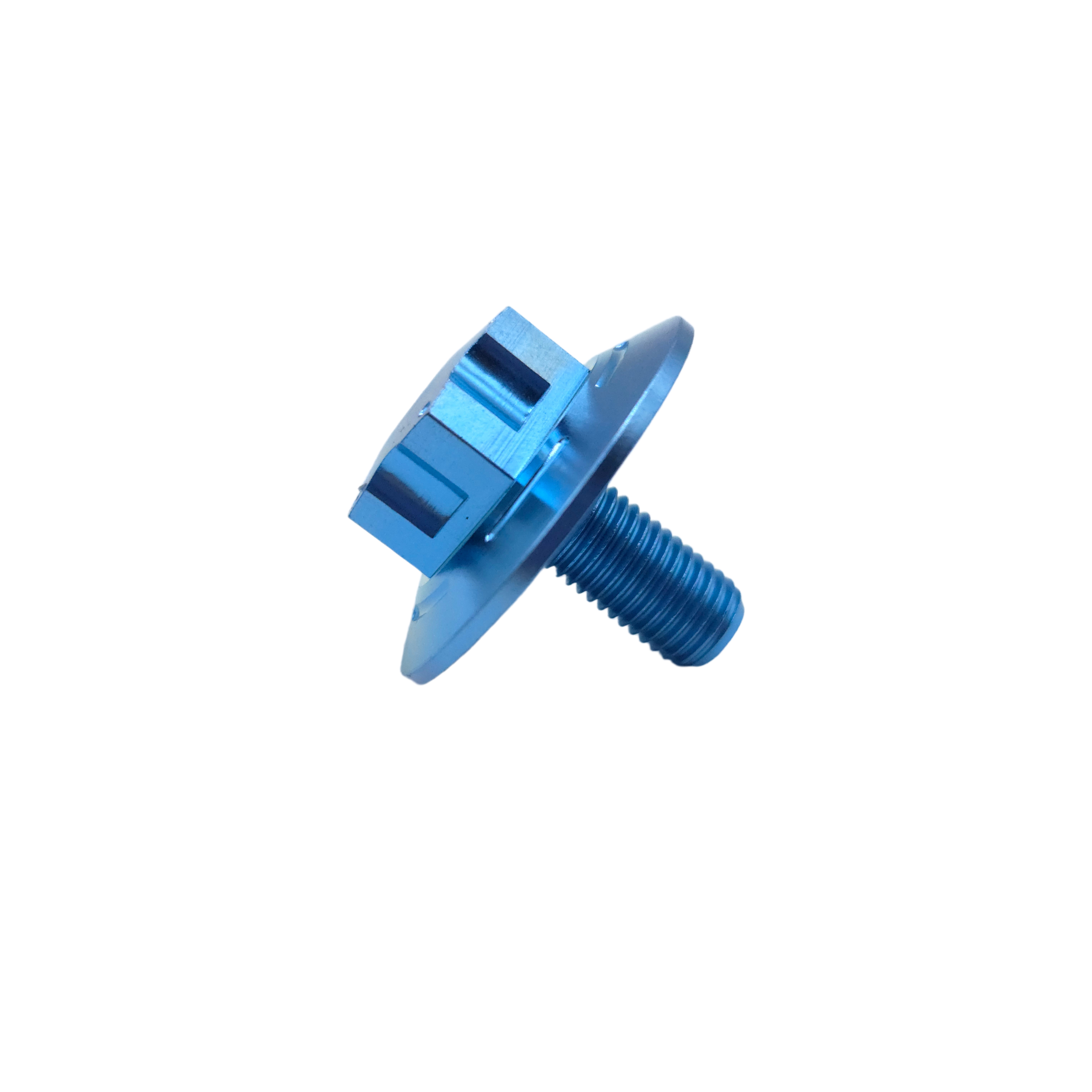
Factory Supply GR5 Titanium Hex Flange Head Bolt M10X20 DIN Thread Anodized Polish Finish Motorcycle Gasoline Cap
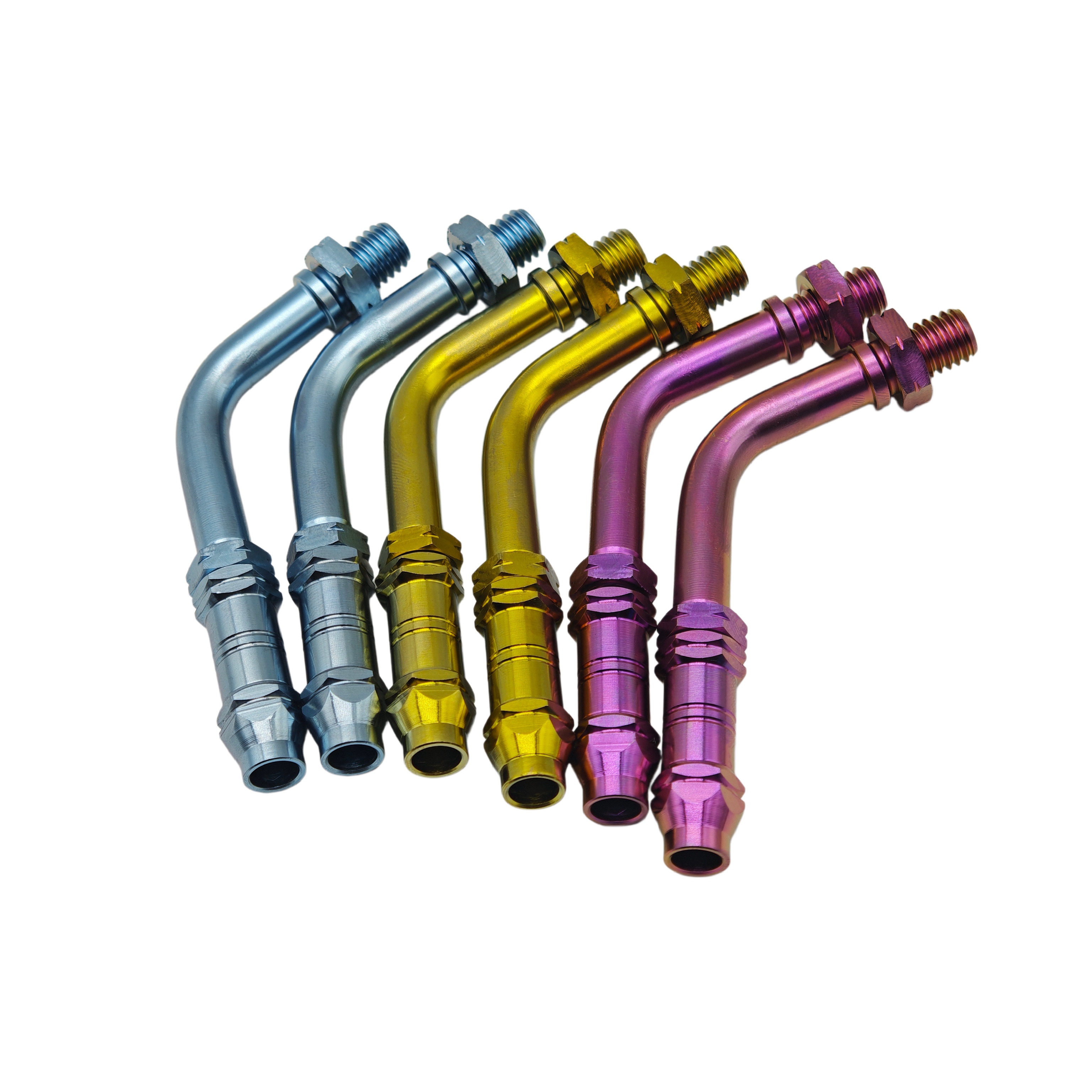
Factory M10 CNC 90-Degree Hex Flange Head GR5 Titanium Plain Throttle Brake Clutch Wire Cable Adjuster Parts for Motorcycle
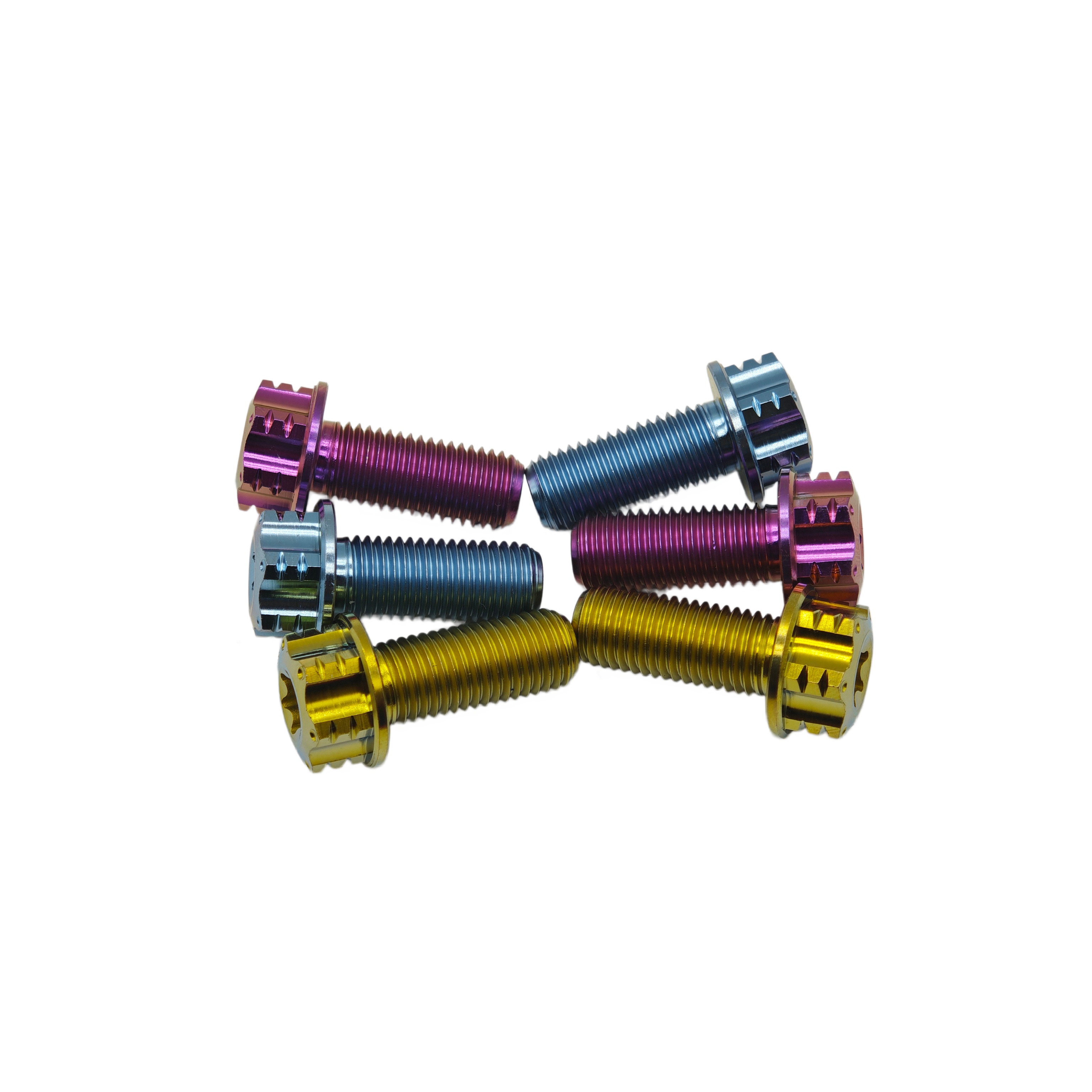
Hot Selling Gr5 Titanium Bolts M10*25mm High Quality Hex Flange Head Plain Finish UNF Thread Motorcycle Modified
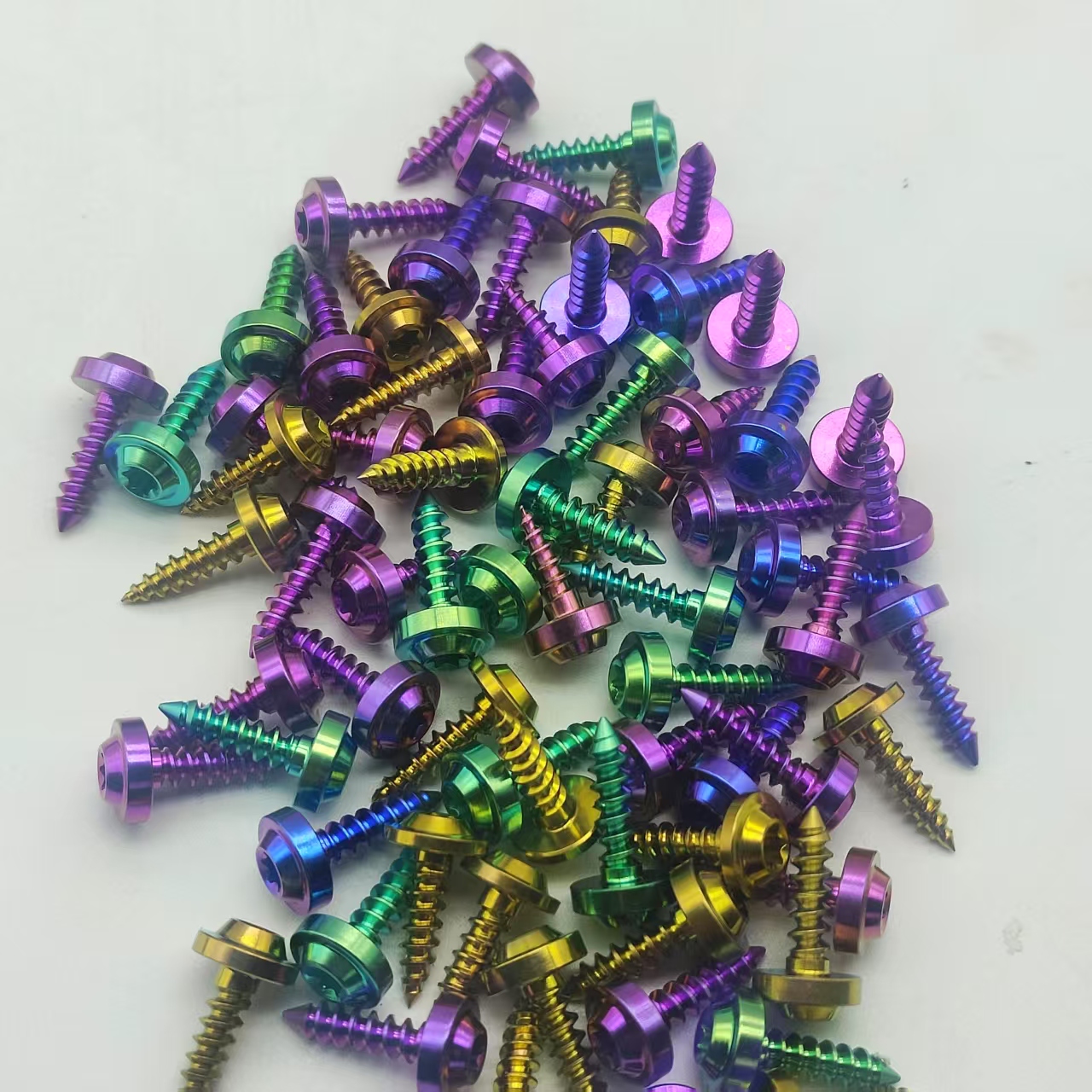
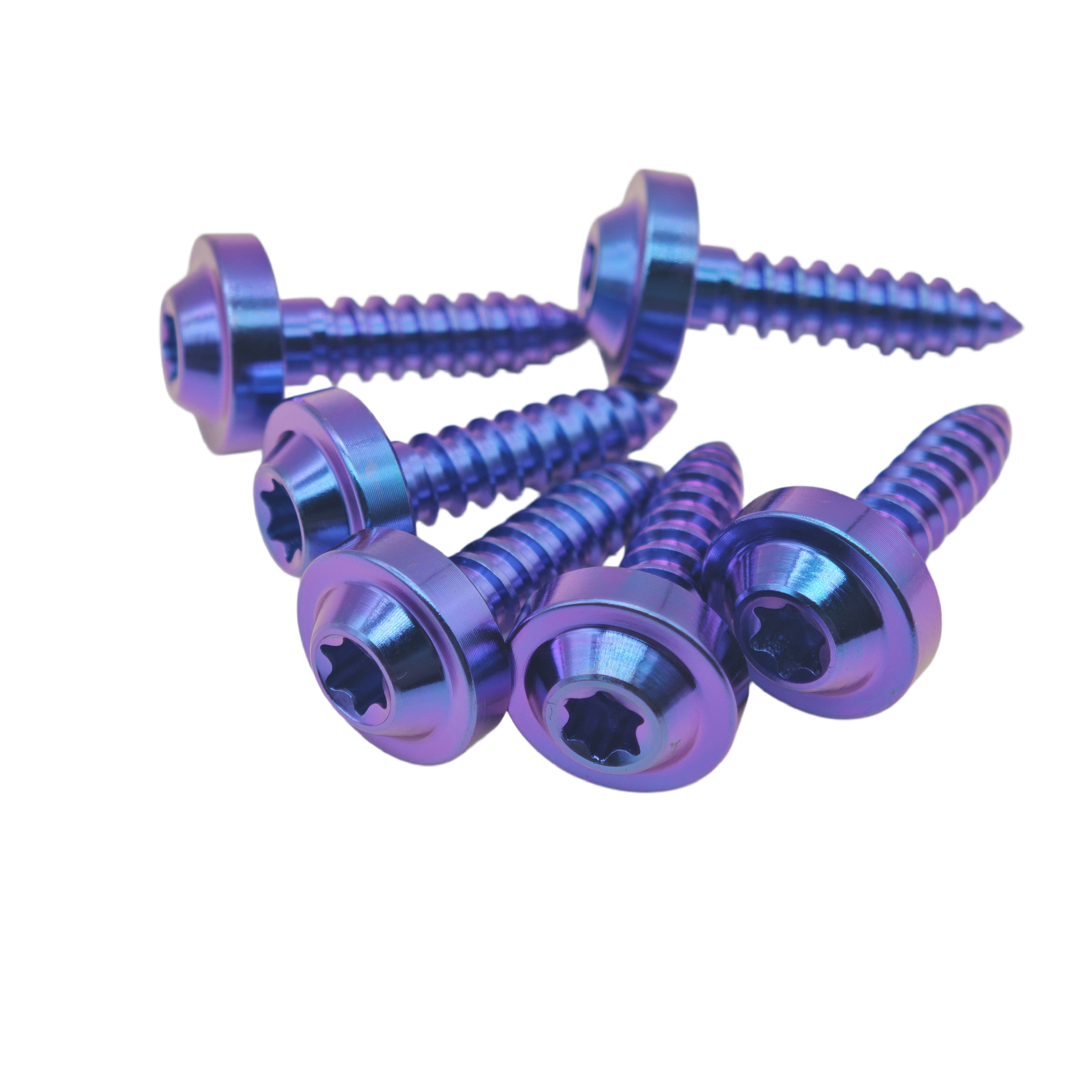
High Strength M4-M5 Titanium Alloy Torx Head Self-Tapping Screws Hex Washer Head Anodizing/PVD Finish DIN Standard Metric
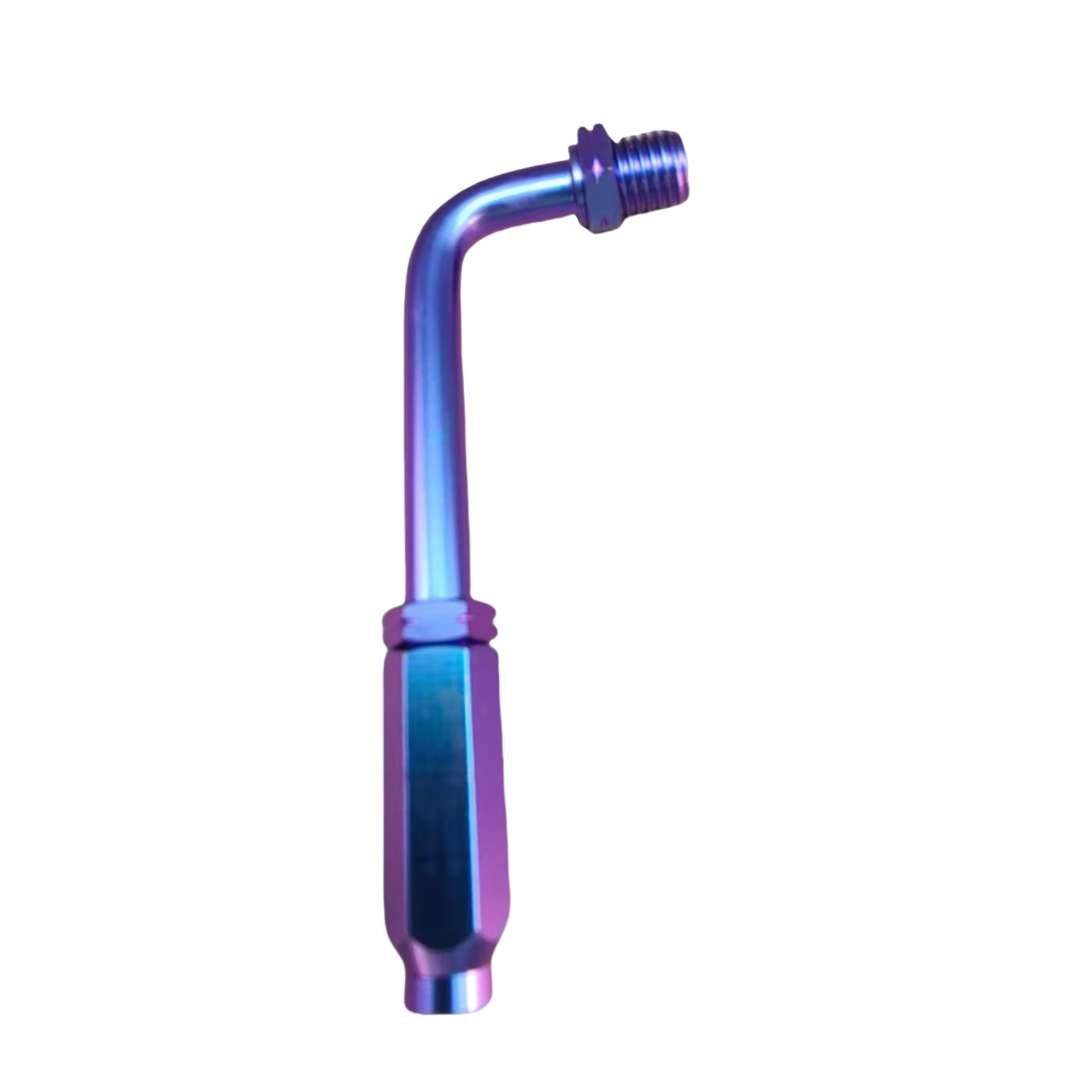
Custom CNC Gr5 Flat Head Titanium Alloy Motorcycle Throttle Line Colorful Refueling Cable Fittings Titanium Valve Parts
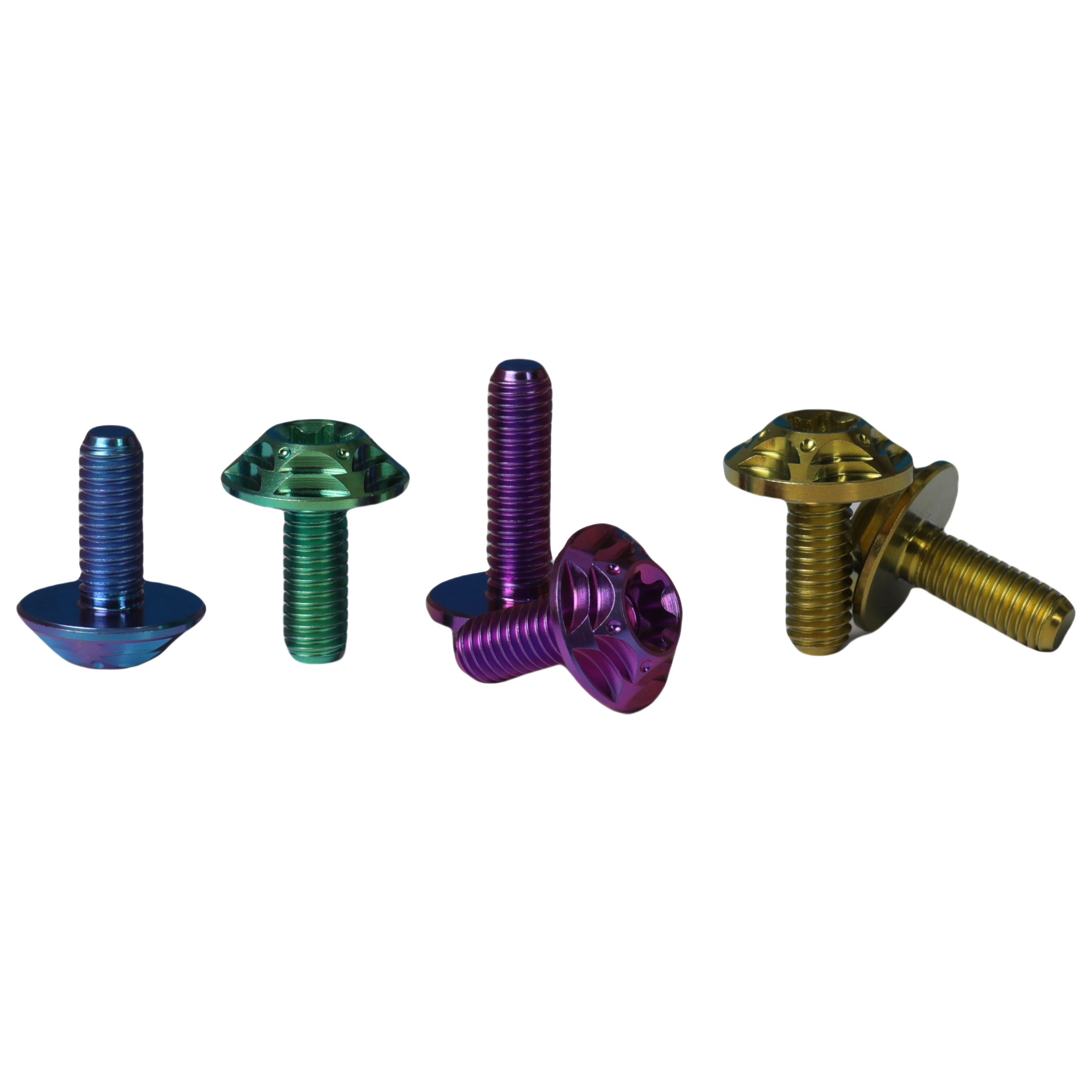
Titanium Alloy CNC Disc Brake Disc Head Bolts Torx Head DIN Thread Anodized/PVD Finish Class 10.9/12.9 Grade TKS Brand Factory
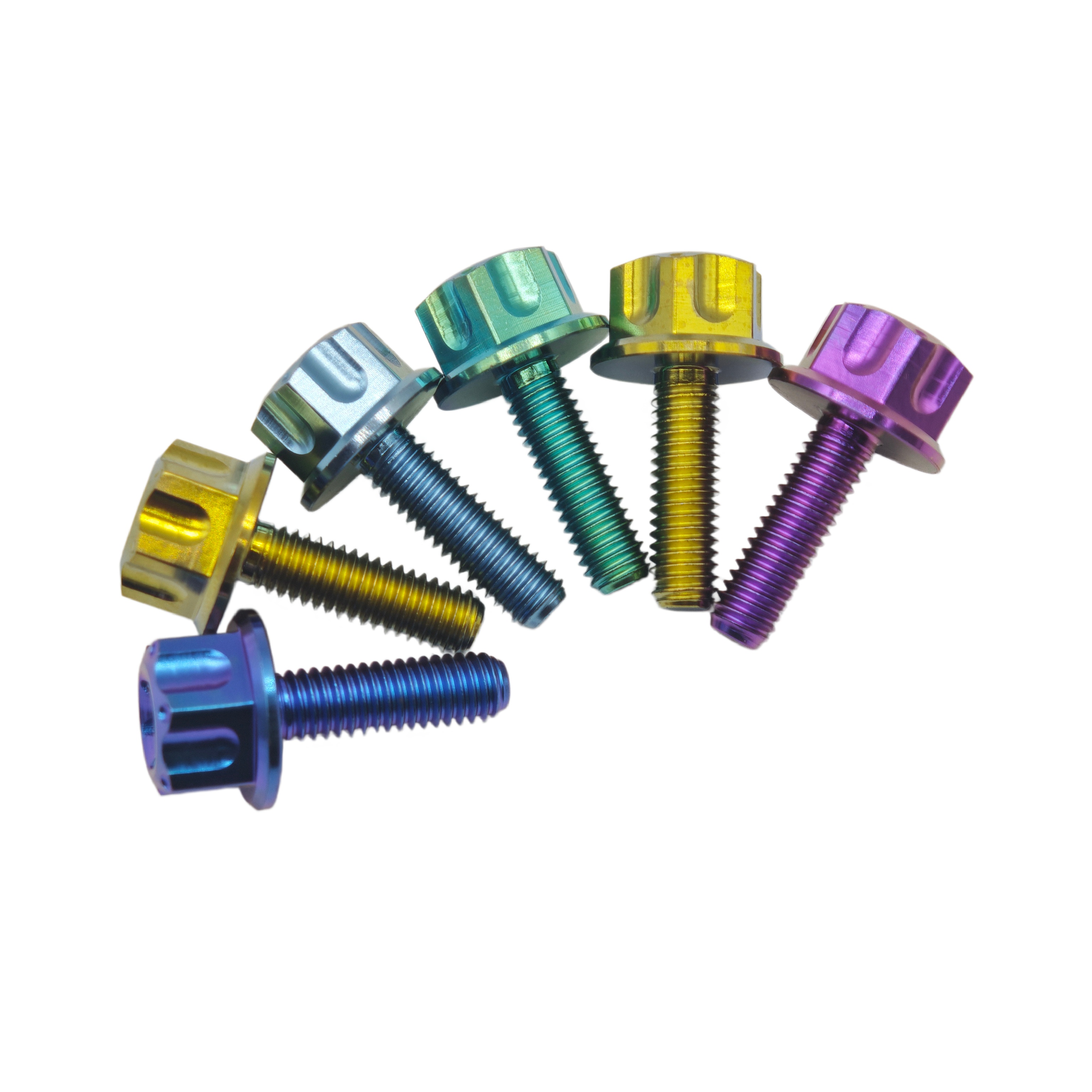
TECKSR Factory Price M4 Anodized GR5 Titanium Hex Flange Head Torx UNF Thread Class 5 Motorcycle Bolts
Engineering Authority
Titanium Rotor Bolt Engineering & Technical Whitepaper
A comprehensive technical breakdown on torque dynamics, shear fatigue prevention, material selection, and precision CNC manufacturing processes for high-performance brake rotor hardware.
1. Metallurgical Foundations: Why Ti-6Al-4V (Grade 5) Rules Brake Rotor Systems
Brake rotor bolts represent one of the most safety-critical fastener applications in automotive engineering, racing motorcycles, and high-performance bicycles. Unlike standard structural bolts, rotor fasteners operate in a harsh environment characterized by severe cyclic thermal shocks (exceeding 450°C at the brake disc boundary), immense rotational shear stresses, and aggressive environmental exposure to brake fluid, de-icing salts, and water.
To withstand these extreme dynamics, leading tier-1 OEMs and motorsport fabricators rely almost exclusively on Grade 5 Titanium (Ti-6Al-4V / UNS R56400). Composed of 6% aluminum, 4% vanadium, and remaining pure titanium, Grade 5 is an alpha-beta alloy engineered to provide an unparalleled strength-to-weight ratio.
Technical Information Gain: Replacing factory 10.9 steel rotor bolts with Ti-6Al-4V titanium bolts reduces unsprung and rotating mass on the wheel hub by approximately 44%. This directly diminishes gyroscopic inertia, allowing for faster turn-in handling, enhanced suspension responsiveness, and reduced brake wear.
Key Physical & Mechanical Properties of Ti-6Al-4V Rotor Hardware
- Tensile Strength: Minimum 895 to 1,050 MPa (exceeding ISO Class 8.8 and matching ISO Class 10.9 steel fastener performance).
- Yield Strength: 828 MPa minimum, preventing permanent bolt elongation under high torque loads.
- Density: 4.43 g/cm³ (compared to 7.85 g/cm³ for alloy steel), delivering substantial mass reduction.
- Corrosion Resistance: Formation of a self-healing, inert titanium dioxide (TiO2) oxide film renders it immune to atmospheric corrosion, brake fluid degradation, and chloride pitting.
2. Engineering Performance Matrix: Titanium vs. Alternative Materials
Selecting the optimal fastener material requires analyzing critical mechanical properties against working stresses. Below is a comparative engineering baseline detailing how Grade 5 titanium compares against traditional carbon steel, stainless steel, and lightweight aluminum alloys in disc rotor retaining applications.
| Mechanical Property | Ti-6Al-4V (Grade 5) Titanium | ISO 10.9 Alloy Steel | 316 Stainless Steel | 7075-T6 Aluminum |
|---|---|---|---|---|
| Density (g/cm³) | 4.43 (Lightweight) | 7.85 (Heavy) | 8.00 (Heavy) | 2.81 (Ultra-light) |
| Tensile Strength (MPa) | 950 - 1050 | 1040 | 600 - 700 | 570 |
| Yield Strength (MPa) | 880 - 920 | 940 | 290 | 505 |
| Shear Strength (MPa) | 550 - 600 | 620 | 370 | 330 |
| Fatigue Limit (Cycles) | > 10^7 High Fatigue | Moderate to High | Moderate | Low (Susceptible to snapping) |
| Brake Thermal Limits | Up to 400°C - Stable | Corrodes / Temp Limit | Galling at high temp | Fails above 150°C |
| Corrosion Resistance | Immune / Lifetime | Requires Plating | Good | Galvanic Oxidation |
3. OEM Manufacturing Workflows & Precision Engineering
Manufacturing OEM custom titanium rotor bolts demands absolute manufacturing rigor. Unlike standard machine screws, rotor bolts feature specialized head geometries—such as low-profile Torx (T25/T30) button heads or low-height hex flange heads—designed to maintain clearance with brake calipers while distributing clamping loads across the rotor carrier.
A. Precision Thread Rolling vs. Thread Cutting
For high-load rotor bolts, thread cutting via lathe is strictly prohibited for critical safety applications. Custom OEM manufacturers employ cold or hot thread rolling processes. Thread rolling continuously displaces titanium grain lines along the thread contours rather than cutting through them. This unbroken grain flow increases thread fatigue strength by over 30%, eliminates micro-burrs, and drastically increases resistance to stress concentration shear failures at the thread root.
B. Head Forging & CNC Multi-Axis Machining
Rotor bolt heads undergo specialized hot heading at controlled temperatures (~850°C in an argon-shielded or vacuum induction environment) to form the flange profile without introducing thermal embrittlement. Following heading, multi-axis Swiss CNC turning centers machine the precise head socket (Torx, Allen, or custom security drives) to tight tolerances (±0.005mm), ensuring zero tool slip and precise torque distribution during assembly.
C. Advanced Surface Coatings: Anodizing & PVD Thin-Film Deposition
Surface finishing serves dual purposes: aesthetic enhancement for custom builders and wear protection against galling and fret corrosion.
- Anodizing (Type II Voltage Anodizing): Electro-chemical oxidation yields dynamic, permanent light-interference colors (Gold, Blue, Purple, Burnt Rainbow, Green) without adding external paint thickness.
- PVD Physical Vapor Deposition (TiN, TiAlN, DLC): Applies an ultra-hard ceramic layer (2000-3000 HV) that provides unmatched scratch resistance, ultra-low friction coefficients, and a sleek stealth black or titanium nitride gold finish.
Industry Insights
Future Sourcing & Technology Trends in Titanium Fasteners
How evolving vehicle platforms, electric powertrains, and automated manufacturing are reshaping B2B OEM procurement globally.
⚡
1. EV Lightweighting & Range Maximization
As electric motorcycles and performance EVs push for higher battery efficiency, reducing unsprung rotational weight at the wheel hubs directly improves battery range per charge and overall dynamic acceleration metrics.
🛠
2. Digital Twin CAD & Rapid Prototyping
OEM buyers require rapid sample verification. Modern factories leverage 3D CAD modeling, FEA stress simulation, and 3-day short-run CNC sample delivery before scaling to high-volume cold-heading production lines.
🕐
3. Low-MOQ Flexible Manufacturing
B2B procurement is shifting away from massive rigid warehousing toward agile stock rotation. OEM manufacturers now offer lower minimum order quantities (MOQs from 100-200 pieces) to support specialized racing editions and custom aftermarket brands.
🔄
4. Closed-Loop Titanium Recycling
With global raw material price volatility, leading factories implement strict scrap recycling programs to capture clean CNC turnings and swarf, re-melting them into industrial-grade bar stock to support sustainable circular manufacturing.
🔍
5. Automated Optical 100% Inspection
Zero-defect mandates demand automated glass-plate optical sorting systems. Every bolt passes high-speed laser cameras checking pitch, head concentricity, flange diameter, and thread profile before packaging.
🛡
6. Anti-Galling Thread Geometry Innovation
Incorporating specialized micro-grooves, pre-applied anti-seize micro-encapsulation coatings, or slightly modified thread flank angles helps eliminate titanium galling during high-speed automated assembly lines.
Why Choose Zunvo
Enterprise Manufacturing Strengths & Capabilities
Located in Baoji, Shaanxi — China's "Titanium Valley" — Zunvo Titanium Products Co., Ltd. brings a decade of verified metallurgical expertise directly to global trade partners.
🏭
Baoji Titanium Valley Location
Direct proximity to premier titanium smelters and raw bar mills guarantees 100% mill-certified Grade 5 Ti-6Al-4V raw materials with complete heat-number traceability for every batch.
📐
Complete OEM / ODM Flexibility
From standard DIN/ISO metrics (M4 to M24) to custom drawing-based non-standard step bolts, rotor pins, cable adjusters, and custom flanged head profiles engineered specifically for your chassis.
🛡
Strict Quality Control & Certification
Equipped with thread pitch gauges, CMMs, optical projectors, and tensile strength test rigs. Mill test certificates (MTC) and inspection reports accompany every single shipment.
🚀
Rapid Sample & Bulk Lead Times
Standard catalog stock ships within 24 hours. Prototype custom samples ready in as little as 3 days, with bulk production cycles completed in 7-15 days worldwide.
Procurement Knowledgebase
Frequently Asked Questions (FAQ)
Common technical and purchasing inquiries from B2B buyers, OEM engineers, and distributor purchasing departments.
Q1: What grade of titanium is used for custom rotor bolts, and why?
We strictly utilize Grade 5 Ti-6Al-4V (Titanium Alloy) for all rotor bolts and brake structural fasteners. Grade 5 offers a minimum tensile strength of 895-1050 MPa, matching Class 10.9 steel bolts while providing 44% weight reduction and complete corrosion resistance. Commercially pure titanium (Grade 2) lacks the shear strength required for brake safety and is never used in rotor applications.
Q2: Can titanium rotor bolts directly replace OEM steel rotor bolts?
Yes. Grade 5 titanium bolts are a direct drop-in replacement for factory steel rotor bolts. Ensure that you adhere to the vehicle manufacturer's recommended torque specifications and apply a suitable anti-seize paste (copper or molybdenum disulfide based) during installation to prevent thread galling.
Q3: What torque specification should be applied to titanium brake rotor bolts?
Generally, Gr5 titanium bolts can be torqued to standard OEM service manual specifications for steel bolts (typically 20-25 Nm for standard M8 motorcycle rotor bolts, and 10-12 Nm for M6 bicycle rotor bolts). Always use a calibrated torque wrench and medium-strength threadlocker (Loctite 243) or anti-seize depending on dry/wet installation requirements.
Q4: Will anodized titanium colors fade or peel off over time under brake heat?
Anodized titanium colors are formed through an electro-chemical oxidation layer that changes how light reflects off the metal surface; there is no paint or dye that can peel off. While extreme operating temperatures exceeding 400°C over prolonged periods may shift the oxide thickness color slightly, normal braking conditions will not cause fading. For maximum wear resistance, PVD coating is recommended.
Q5: What is the Minimum Order Quantity (MOQ) for custom OEM titanium rotor bolts?
For standard catalog sizes, our MOQ starts as low as 100-200 pieces. For custom drawing-based hardware requiring specialized head tooling or custom thread lengths, we offer flexible sample production runs starting at 100 pieces to allow full physical validation before scaling up to mass production.
Q6: How do you prevent thread galling between titanium bolts and wheel hubs?
Galling occurs when friction causes metallic transfer between mating threads. We prevent galling by producing rolled smooth 6g threads with precise surface finish controls. Additionally, applying a light coat of anti-seize grease or medium liquid threadlocker during final assembly completely prevents galling during future removal cycles.
Q7: What quality control documentation do you provide with OEM orders?
Every bulk shipment includes a complete quality assurance package: Raw Material Mill Test Certificates (EN 10204 3.1 MTC), Dimensional Inspection Reports (thread pitch, flange height, drive depth), and optional Third-Party Chemical Analysis (SGS / TUV) upon request.
Request a Precision OEM Quote & Engineering Review
Need custom titanium rotor bolts, specialized motorcycle hardware, or bulk fastener manufacturing? Send us your CAD drawings or technical specifications today. Our engineering team responds within 7 hours.
Contact Us