Featured Precision Titanium Fasteners & Components
Engineered from certified Grade 5 Ti-6Al-4V titanium bar stock. Thread-rolled for maximum fatigue resistance, precision CNC machined, and surface-treated for anti-galling and extreme environment durability.
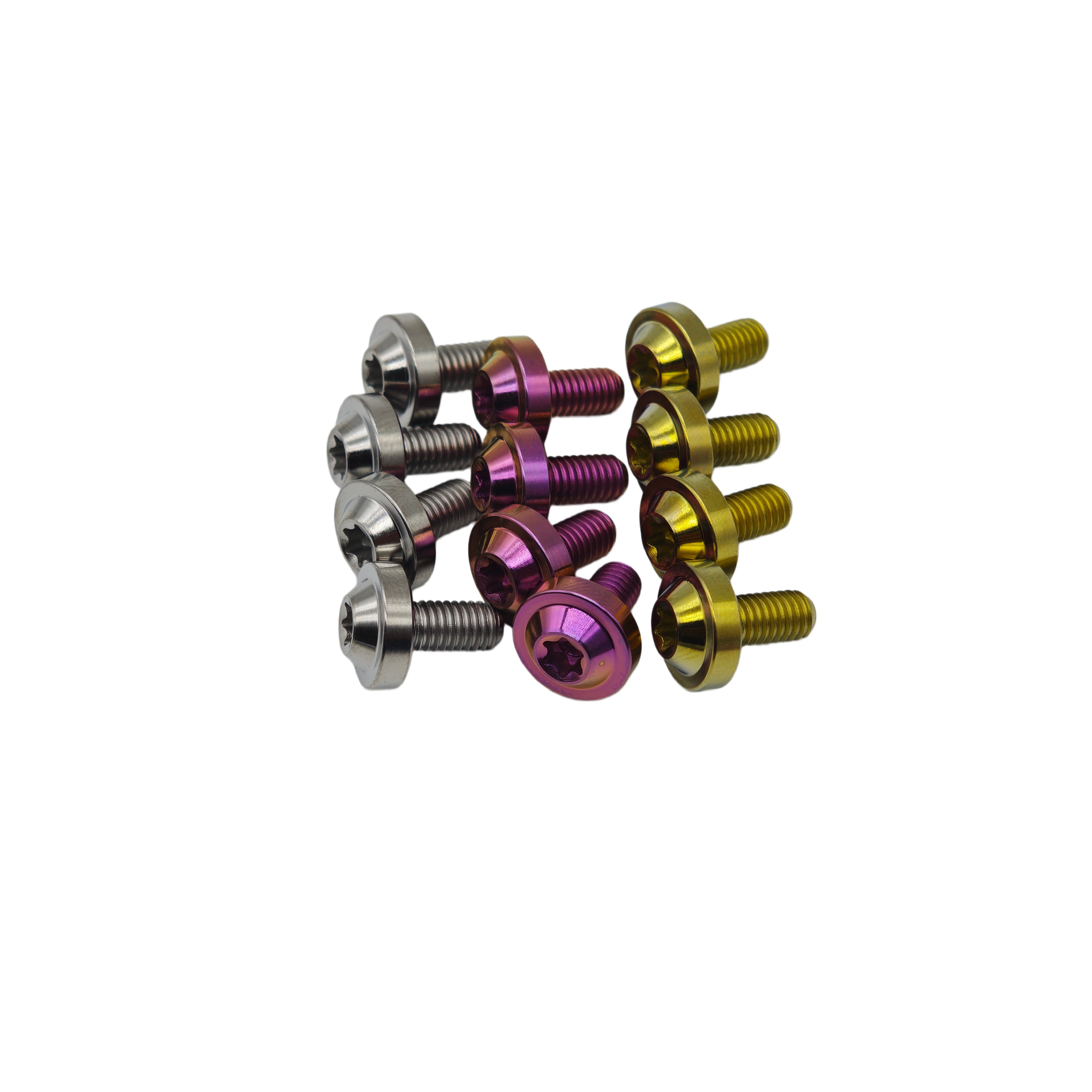
Custom GR5 Titanium M8 Disc Head Bolts with Plain Finish for Bike Motorcycle
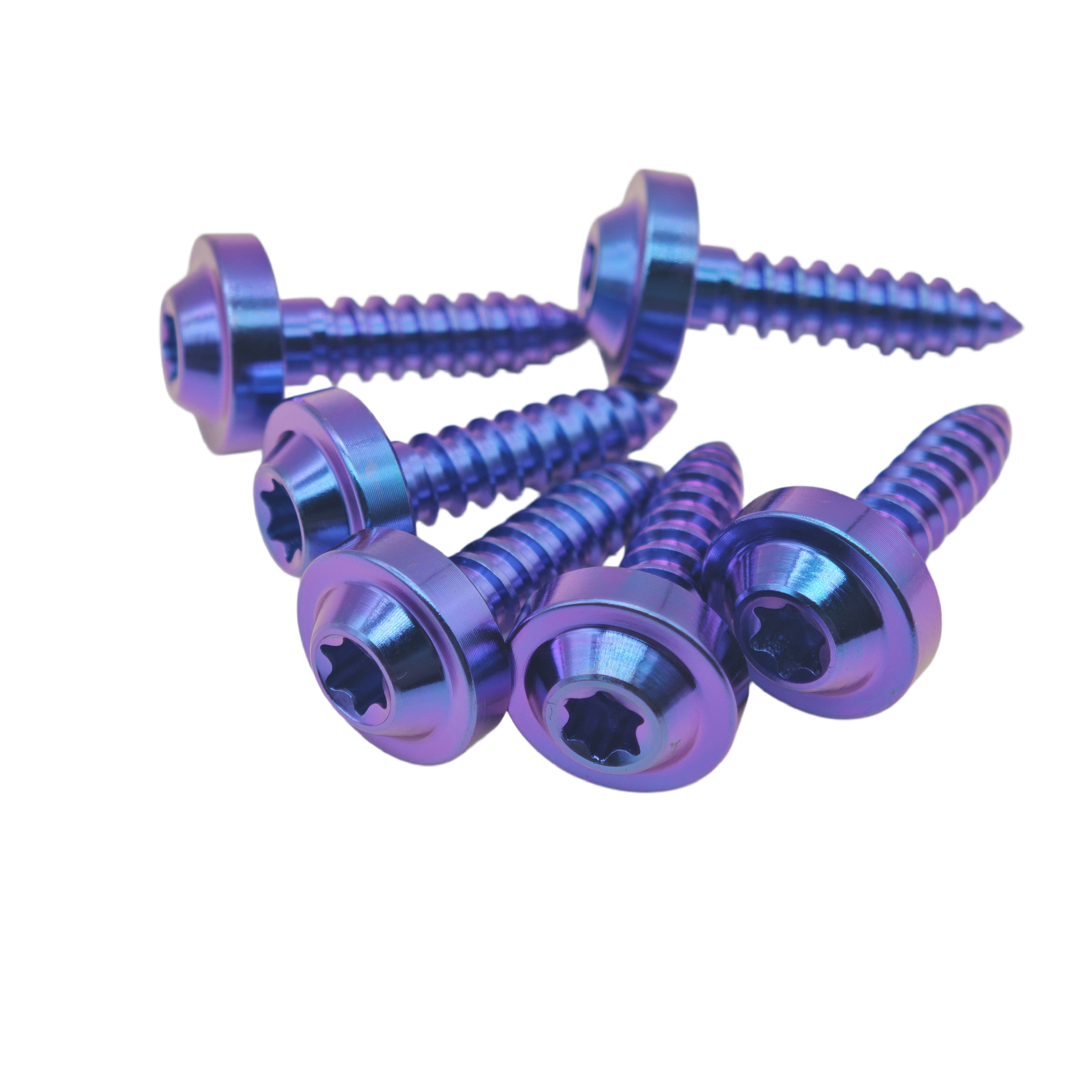
GR5 Anodized Titanium Torx Head Standard Thread Self-Tapping M6 Screw for Motorcycles
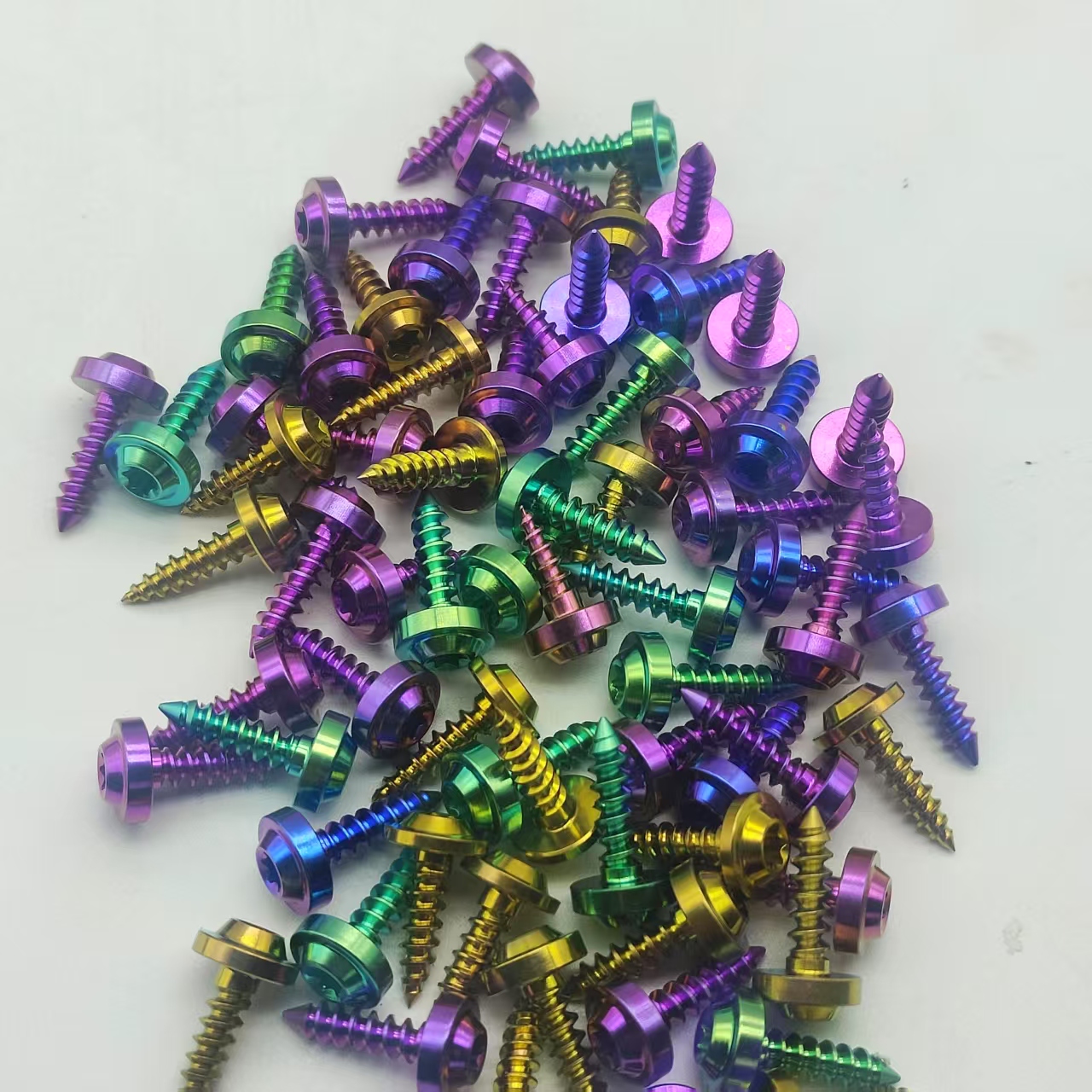
High Strength M4-M5 Titanium Alloy Torx Head Self-Tapping Screws Hex Washer Head Anodizing/PVD Finish DIN Standard Metric
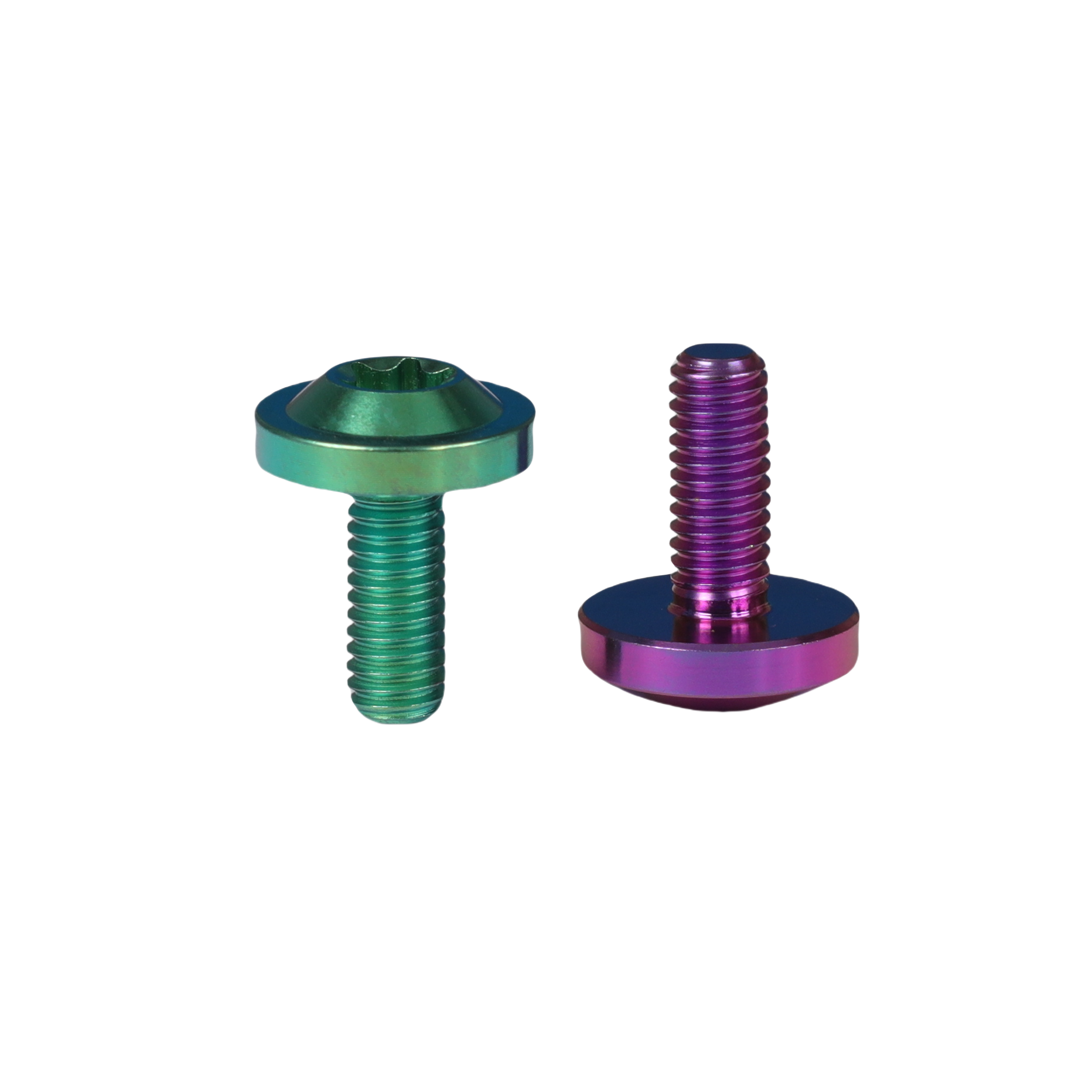
Corrosion-Resistant GR5 M6 Titanium Bolts Fasteners for Motorcycle Engine & Body Modification Screw
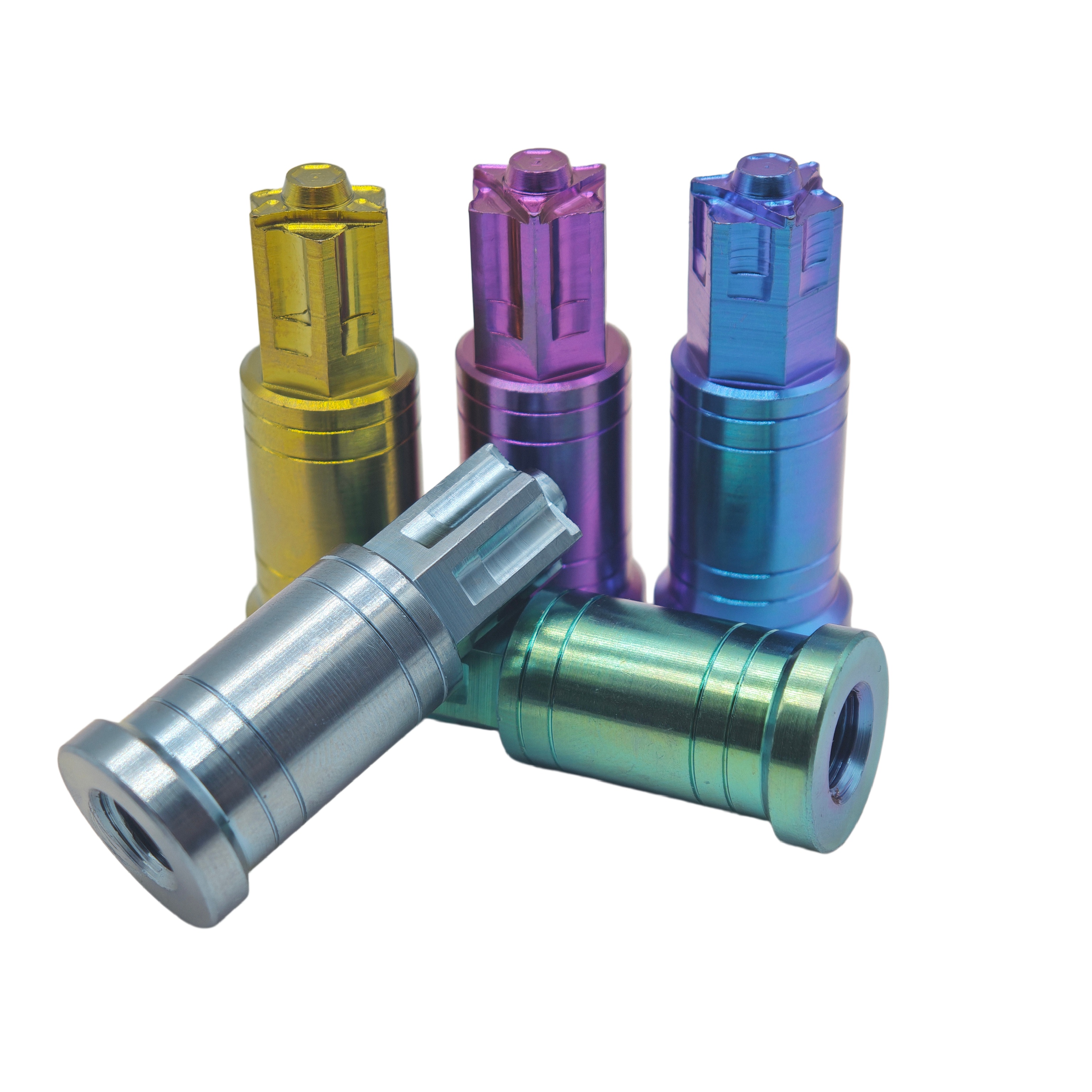
Factory Direct Sale GR5 Custom Titanium Spline Drive Sleeve Nuts Anodized/Plain Finish Flange Head Automotive Application Right
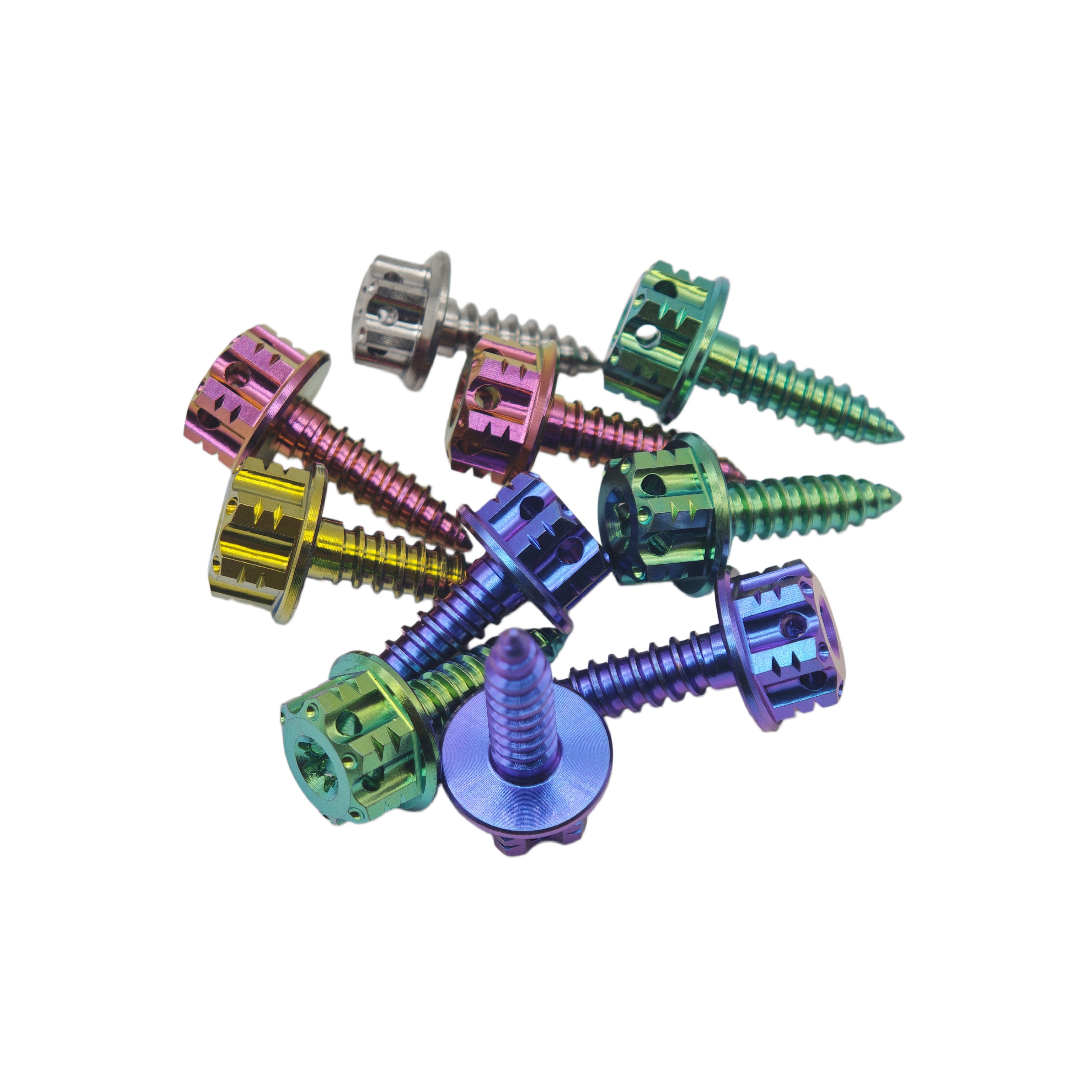
Factory Direct Sales of Metric M5*15 Grade 5 Titanium Alloy Flange Screws with Right Hand Thread for Mining
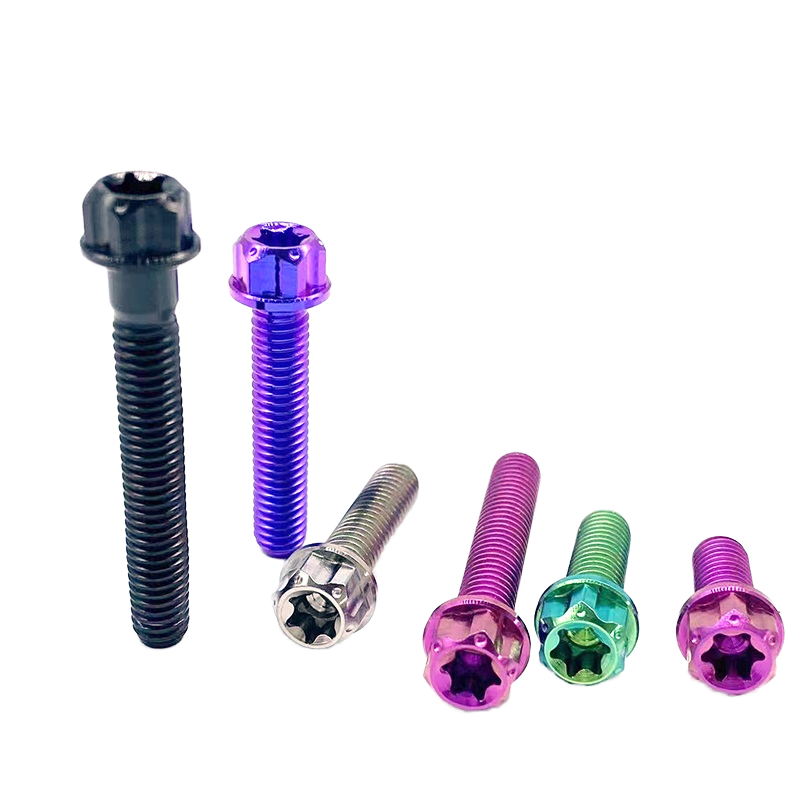
GR5 Titanium Alloy M8 M10 Flange Bolts Hexagon Screws for Motorcycle Applications Meets DIN Standard Metric Measurement System
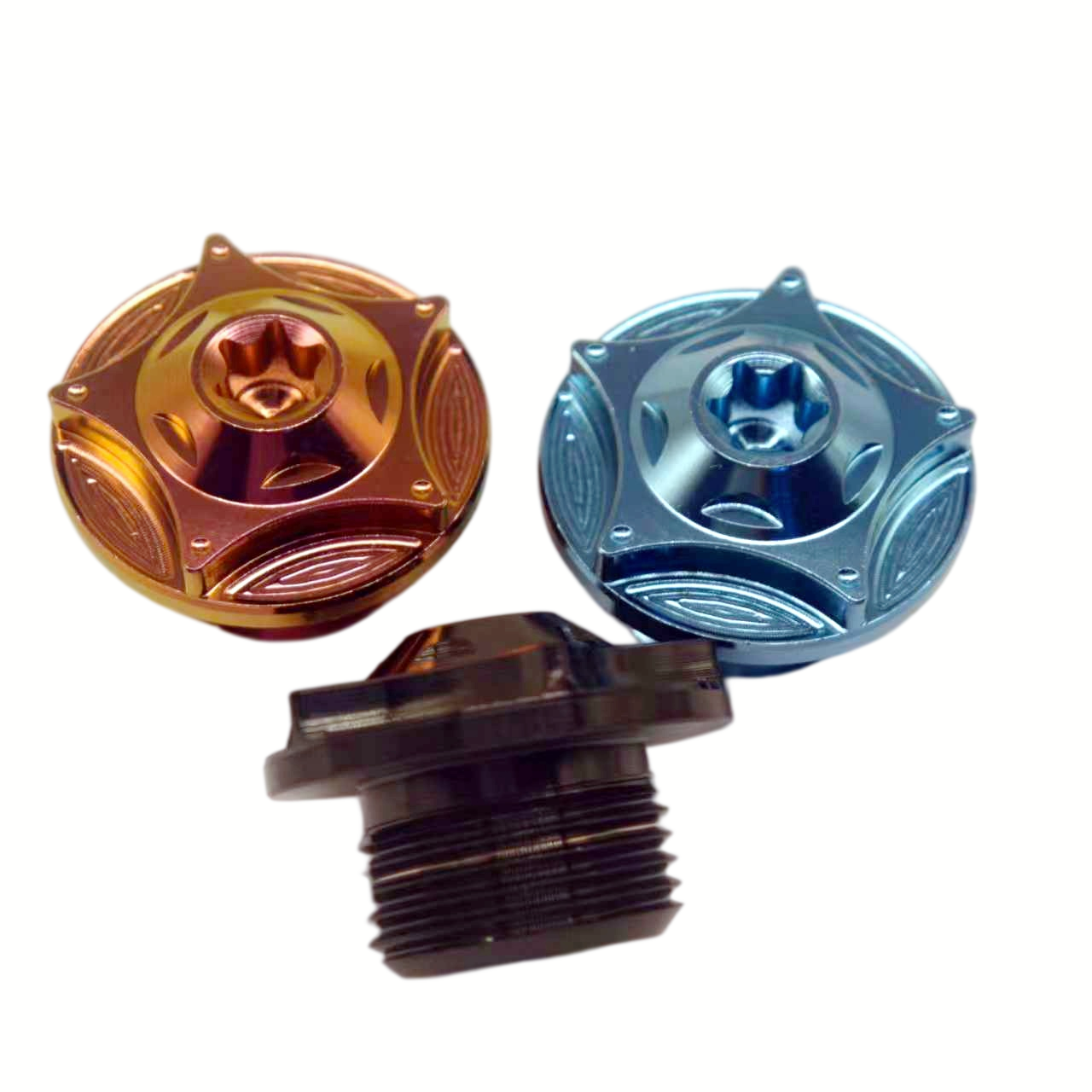
Motorcycle Engine Parts Bolts M14 Titanium Gr5 Nuts Oil Drain Plugs Titanium Nuts
Engineered Powertrain Fastening: Structural Dynamics & Ti-6Al-4V Alloy Advantage
Internal combustion engine (ICE) and high-performance racing powertrains operate under complex thermal cycles, multi-axial fatigue stress, and severe harmonic resonance. Selecting OEM/ODM titanium engine bolts requires an authoritative understanding of metallurgical phases, yield criteria, and physical expansion kinetics.
Why Ti-6Al-4V (Grade 5) Dominates Modern Powertrain Hardware
Grade 5 titanium (UNS R56400) is an alpha-beta alloy containing 6% aluminum as an alpha phase stabilizer and 4% vanadium as a beta phase stabilizer. This dual-phase microstructure yields an optimum balance of high tensile strength (≥895 MPa), light mass density (4.43 g/cm³), and exceptional resistance to stress corrosion cracking (SCC).
When compared against conventional Class 10.9 fastener steel (density 7.85 g/cm³), Grade 5 titanium delivers a 43.5% mass reduction without compromising structural clamping tension. In high-RPM automotive, motorcycle racing, and marine engine assemblies, reducing reciprocating and unsprung mass directly diminishes parasitic inertia, engine vibration, and valvetrain harmonic fatigue.
Critical Mechanical Comparison Metrics: Titanium vs Steel Alloys
Mass Efficiency Ratio: Titanium Grade 5 achieves a specific yield strength exceeding 187 kN·m/kg, compared to 120 kN·m/kg for quenched & tempered Class 10.9 steel.
Thermal Expansion Coefficient (α): At 8.6 × 10−&sup6; /K (20–300°C), Ti-6Al-4V provides exceptional joint stability when installed in magnesium or aluminum cylinder heads compared to stainless steel (α ≈ 16.0 × 10−&sup6; /K).
Non-Magnetic & Corrosion Inertness: Completely immune to chloride-induced pitting, synthetic engine oils, blow-by gases, and high-temperature oxidation up to 400°C (752°F).
Comprehensive Alloy Benchmark Table for Fastener Selection
| Material Specification | Yield Strength Rp0.2 (MPa) | Tensile Strength Rm (MPa) | Density (g/cm³) | Modulus E (GPa) | Fatigue Limit σ-1 (MPa) | Max Service Temp (°C) |
|---|---|---|---|---|---|---|
| Ti-6Al-4V Grade 5 (Solution Treated & Aged) | ≥ 828 | ≥ 895 | 4.43 | 114 | 510 | 400 |
| Ti-6Al-4V ELI (Grade 23 Ultra-Low Interstitial) | ≥ 759 | ≥ 828 | 4.43 | 114 | 480 | 350 |
| Quenched & Tempered Steel (ISO 898-1 Class 10.9) | 940 | 1040 | 7.85 | 210 | 420 | 250 |
| Quenched & Tempered Steel (ISO 898-1 Class 12.9) | 1100 | 1220 | 7.85 | 210 | 460 | 200 |
| Austenitic Stainless Steel (A2-70 / AISI 304) | 450 | 700 | 7.93 | 193 | 240 | 400 |
| Aerospace Aluminum 7075-T6 (Forged) | 505 | 570 | 2.81 | 71 | 160 | 120 |
Zunvo Titanium: Baoji Hub Manufacturing Excellence
Located in Shiling Road Industrial Park, Baoji ("China's Titanium Valley"), Zunvo Titanium Products Co., Ltd. operates a vertically integrated production facility combining raw billet verification, precision hot heading, 5-axis CNC machining, roll threading, and advanced PVD surface engineering.
Baoji Supply Chain Integration
Direct proximity to premier titanium titanium sponge smelters ensures 100% material traceability per mill heat number. Every batch is certified with EN 10204 3.1 Material Test Reports (MTC) containing chemical composition analysis and physical tensile testing verification.
Roll Threading vs Cut Threading
To resist engine cylinder head and crankcase high-frequency cyclic loading, Zunvo utilizes precision thread rolling rather than single-point cutting. Thread rolling cold-works the root radiuses, aligning grain boundaries and boosting fatigue life by over 300%.
Surface Coatings & Anti-Galling
Raw titanium suffers from galling under high sliding contact friction. We apply state-of-the-art multi-layer Physical Vapor Deposition (PVD) DLC (Diamond-Like Carbon), TiN, TiAlN, or electro-anodized oxidation to lower friction coefficients ($\mu \approx 0.12$) and prevent thread seizure.
Future Sourcing Trends in Titanium Powertrain Fasteners
Global OEM tier-1 buyers, performance engine builders, and industrial procurement managers are re-engineering supply chains. Here are the crucial market vectors shaping titanium fastener sourcing over the next decade.
1. Hybridization & High-RPM IC Engine Downsizing
As internal combustion engines downsize while boosting turbocharger forced-induction pressures, internal crankcase and valvetrain temperatures escalate sharply. Procurement teams are moving away from traditional Grade 2 or standard stainless steel toward modified Ti-6242 (Ti-6Al-2Sn-4Zr-2Mo) and Grade 5 alloys capable of holding tensile integrity at continuous thermal loads exceeding 450°C.
2. Digital Twin STEP-File Direct-to-Machining Procurement
Modern ODM procurement relies on frictionless CAD integration. Factory partners with automated 5-axis CMM inspection and instant DFM (Design for Manufacturability) analysis cut custom bolt development lead times from 6 weeks down to 72 hours. Digital thread verification eliminates costly fitment re-work during engine assembly line roll-out.
3. DLC Surface Chemistry Replacing Anodizing in Powertrains
While color anodizing remains popular for aesthetic motorcycle modification bolts, industrial and motorsport engine applications require Diamond-Like Carbon (DLC) or TiAlN Physical Vapor Deposition. These thin-film coatings increase surface hardness beyond 2200 HV (Vickers), eliminating thread galling when driven repeatedly into aluminum engine blocks with power tools.
4. Near-Net-Shape Hot Heading to Reduce Material Scrap
Because raw titanium titanium bar stock represents up to 60% of total bolt production cost, turning solid hex bars on CNC lathes produces excess material waste. Strategic suppliers are implementing induction-heated hot heading for flange bolt heads prior to thread rolling, lowering unit costs by 25–35% on high-volume OEM engine hardware orders.
Advances in Titanium Fastener Engineering
How modern metallurgy, multi-axis cold/hot forming, and automated quality control technologies are elevating the safety margins of critical engine hardware.
Grain Alignment via Hot Forging
When manufacturing engine cylinder head bolts or main bearing cap studs, machining bolt heads out of solid hexagonal stock cuts across the alloy's directional grain flow lines, creating stress concentration points at the head-to-shank transition radius. Zunvo utilizes precision induction warm/hot heading to continuously deform grain boundaries along the head geometry, resulting in superior shear strength and impact toughness.
Precision Rolled Threads (UNJ / MJ Profiles)
Standard 6g metric threads cut with single-point lathe carbide inserts leave microscopic tear marks and sharp root angles where fatigue cracks initiate under engine harmonic vibrations. Advanced titanium engine fasteners utilize aerospace-spec UNJ or MJ thread profiles with controlled enlarged root radiuses, formed exclusively via cold thread rolling dies after heat treatment.
Automated Optical & Laser Sorting
High-speed OEM engine assembly lines demand 0 PPM (Parts Per Million) defect ratios. Machine vision inspection platforms utilize high-resolution glass plate optical sorters and multi-axis laser triangulation sensors to instantly check pitch diameter, major diameter, head concentricity, flange flatness, and thread pitch on 100% of manufactured production runs.
Engineering Note: Torque-Tension Relationship & Anti-Seize Requirements
Installing titanium bolts into aluminum cylinder blocks or steel crankcases requires accounting for friction variation. Due to titanium's oxide film surface properties, dry assembly can cause galling or inaccurate pre-load clamping force. Always apply an approved copper-based or nickel-based anti-seize lubricant or specify PVD DLC coating. When using anti-seize paste, reduce dry torque specifications by 15% to 20% to prevent over-stretching thread pitch geometries.
Frequently Asked Technical & Procurement Questions
Comprehensive engineering guidance to assist tier-1 suppliers, racing teams, and industrial procurement buyers in specifying titanium fasteners.
How do Grade 5 Titanium engine bolts compare in strength to Class 10.9 and 12.9 steel bolts?
What precautions prevent thread galling when threading titanium bolts into aluminum engine heads?
- Specify factory-applied PVD DLC (Diamond-Like Carbon) or TiAlN coating.
- Utilize molybdenum disulfide (MoS2), nickel-based, or copper anti-seize paste during installation.
- Ensure tapped aluminum holes are clean, deburred, and held to strict class 6H thread tolerances.
- Avoid high-speed impact drivers during initial thread engagement.
Why is thread rolling mandatory for critical engine bolts instead of CNC lathe cutting?
How does the thermal expansion mismatch between Ti-6Al-4V and Aluminum impact clamp load?
What are Zunvo’s OEM/ODM minimum order quantities (MOQs) and production lead times?
What quality assurance documentation accompanies export shipments?
- EN 10204 3.1 Mill Test Certificate (MTC) detailing elemental chemical breakdown and physical mechanical test values.
- Dimensional Inspection Reports generated via CMM and optical sorting equipment.
- Surface coating thickness and adhesion test certificates for PVD/Anodized batches.
- Full batch heat number traceability records.
