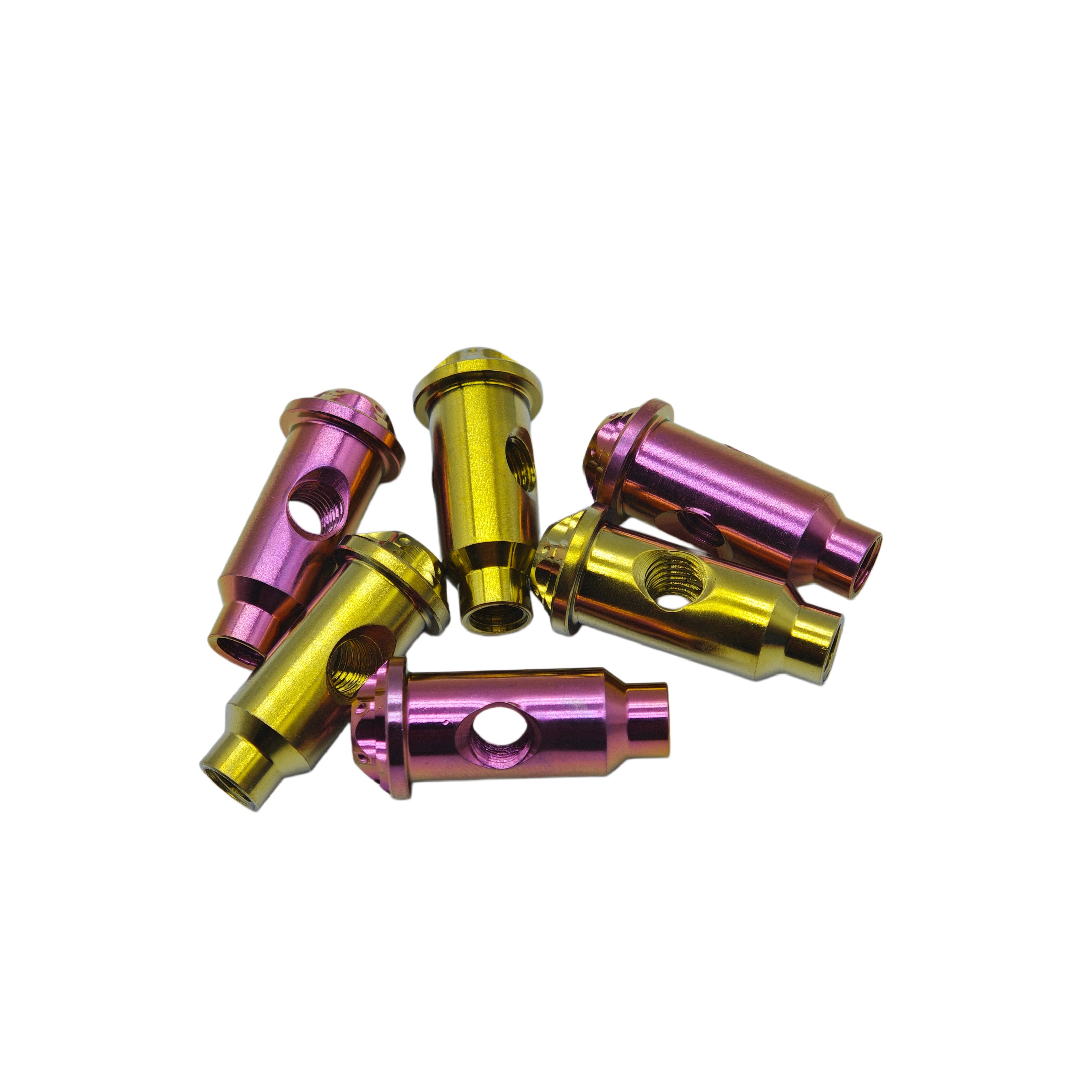
Featured CNC Titanium Components
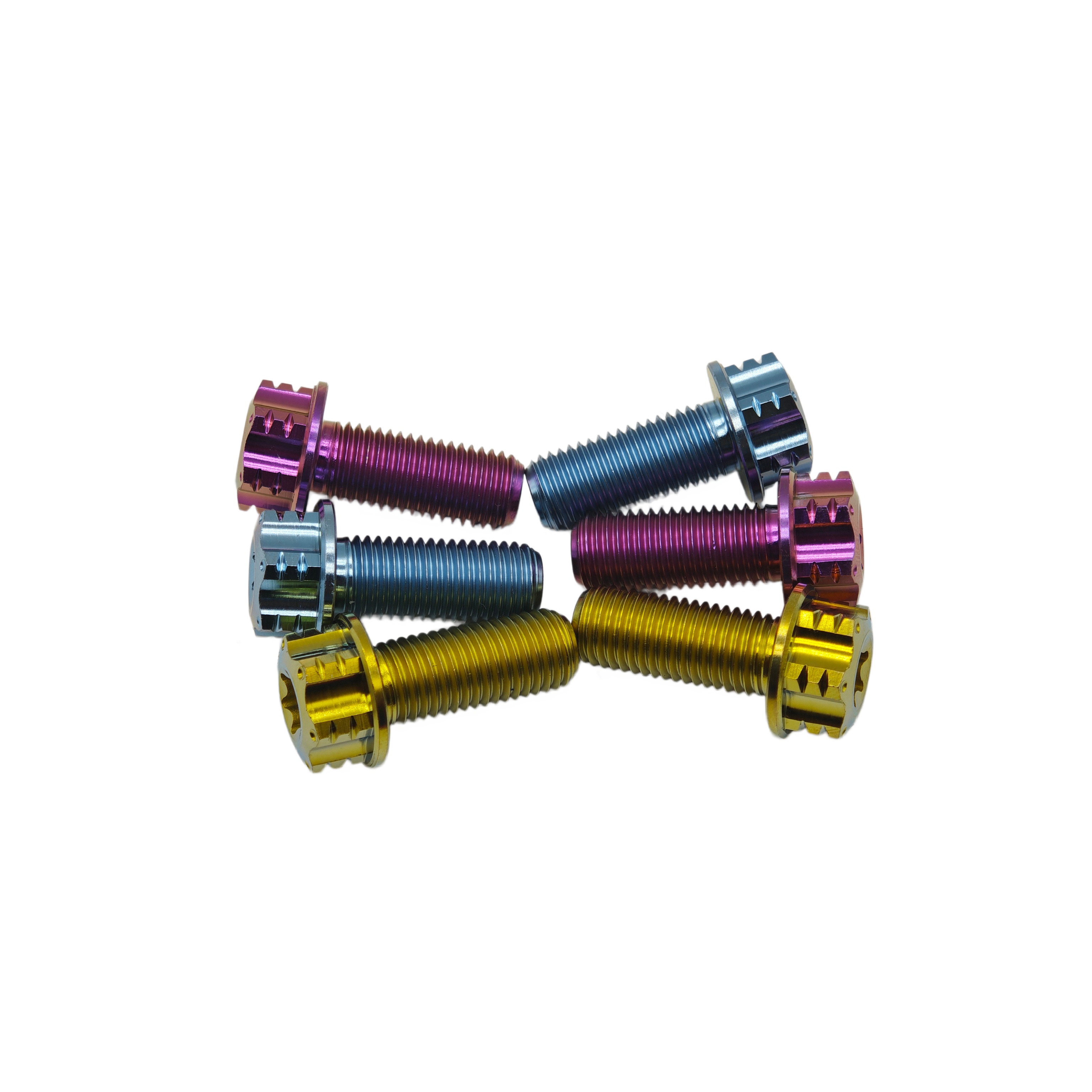
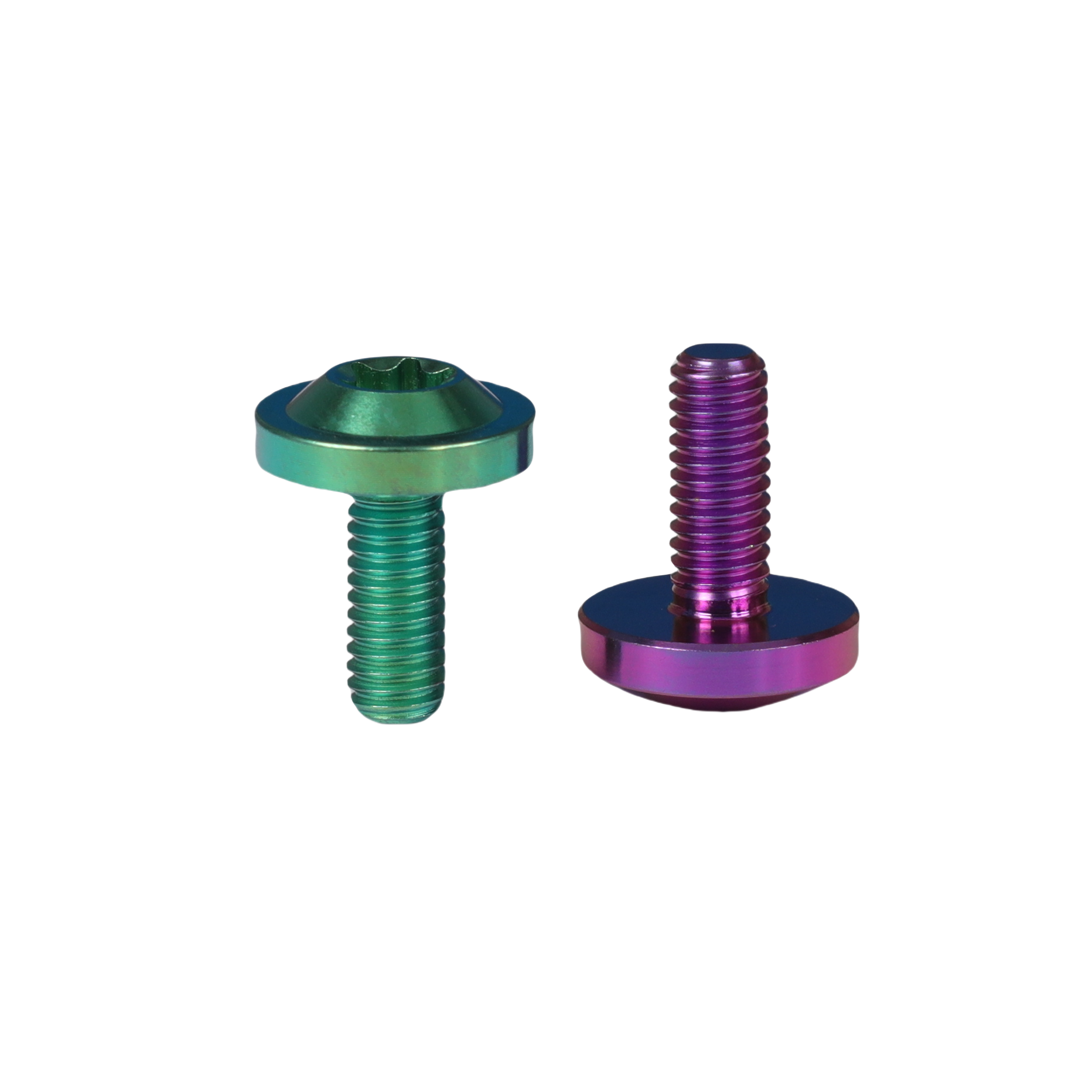
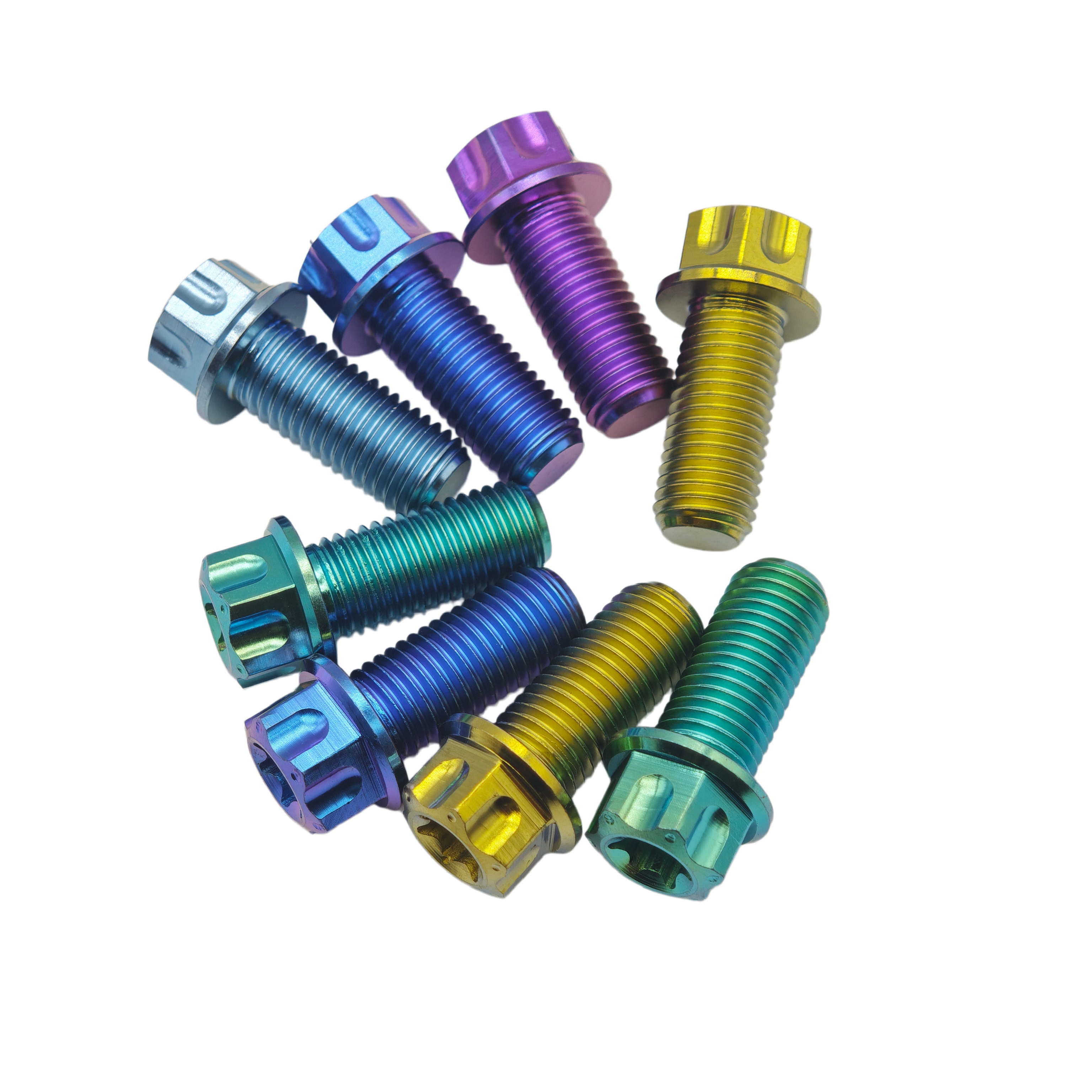
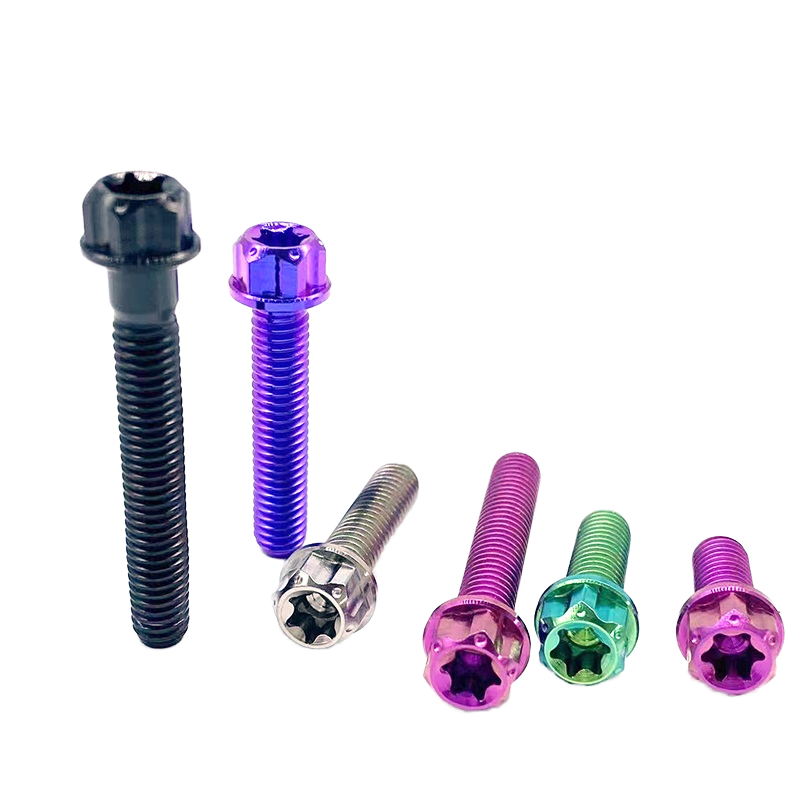
Engineered from Grade 5 Ti-6Al-4V bar stock with rolled threads, 100% optical inspection, and anodized/PVD protective finishes.
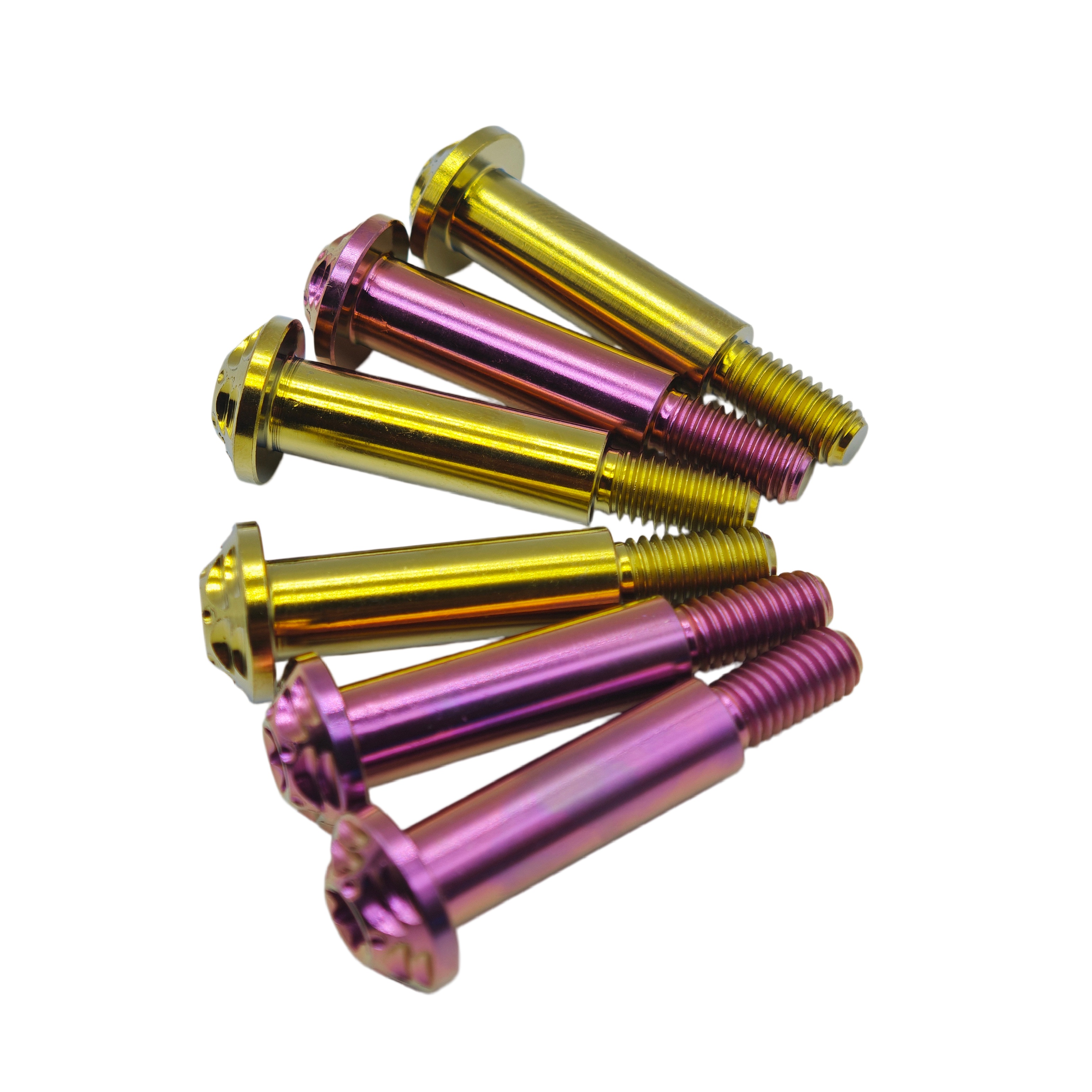
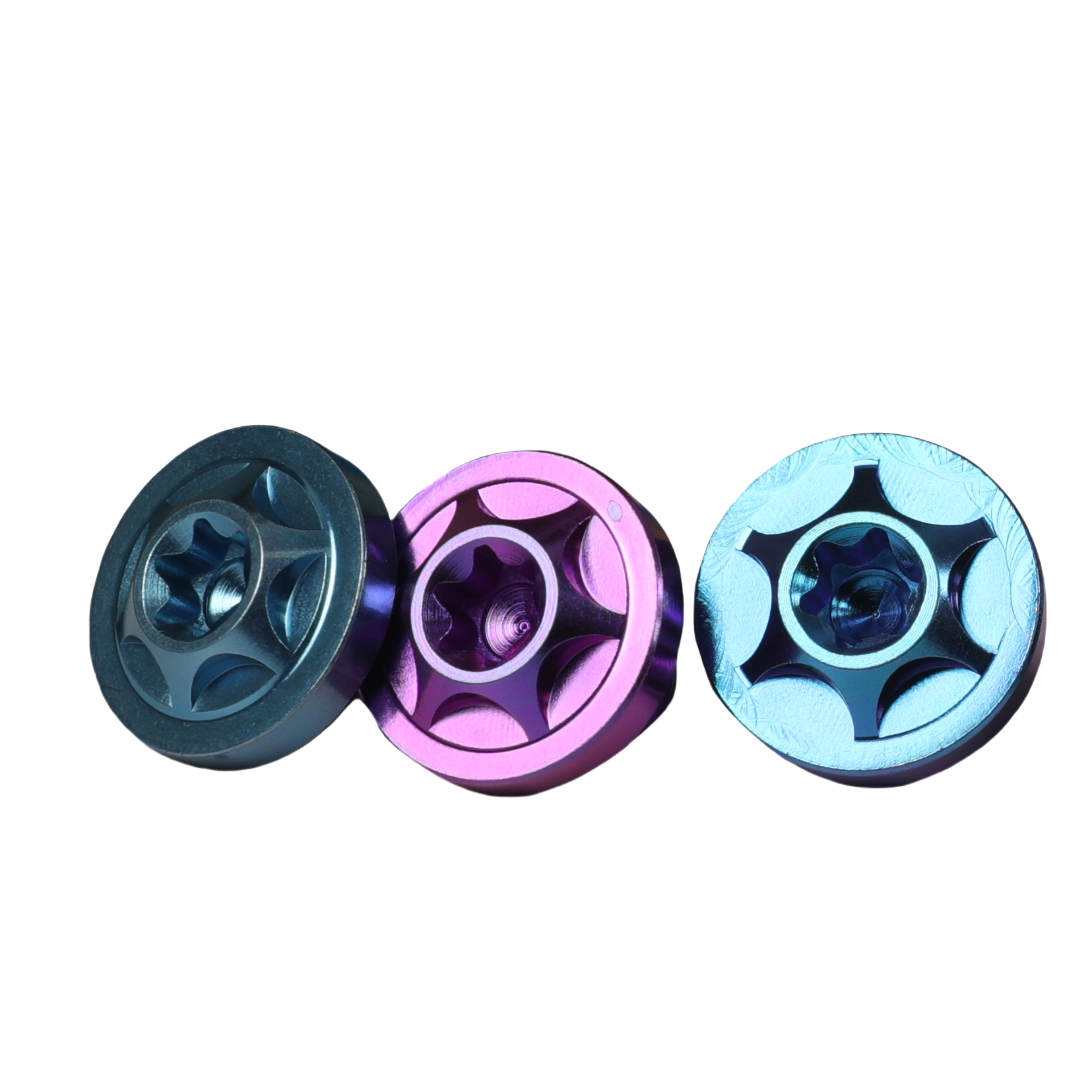
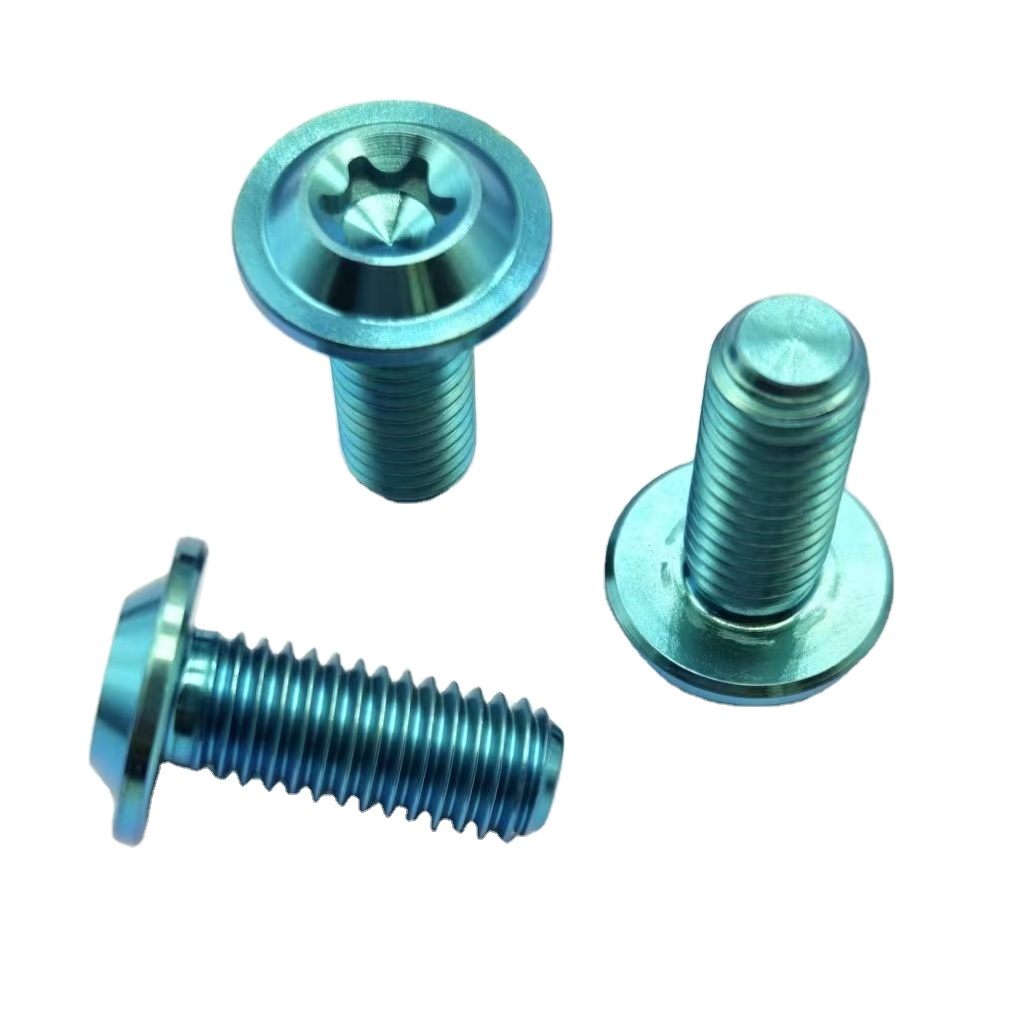
Engineering Audit Criteria for Top CNC Titanium Parts Manufacturers
Selecting an OEM supplier for Ti-6Al-4V Grade 5 hardware requires rigorous evaluation of metallurgical integrity, tooling dynamics, precision thread rolling, and surface passivation.
Information Gain: Why Titanium Sourcing Requires Specialized Technical Audit Frameworks
Unlike standard carbon steel or aluminum alloy machining, Computer Numerical Control (CNC) milling and turning of titanium alloys (specifically Grade 5 / Ti-6Al-4V) introduces severe thermal buildup and work-hardening risks. Titanium exhibits exceptionally low thermal conductivity (approx. 6.7 W/m·K for Gr5 vs. 150 W/m·K for aluminum). Without specialized high-pressure coolant tooling and rigid multi-axis machining centers, heat concentrates at the cutting edge, inducing micro-cracks and phase transformation in the finished component. Sourcing teams must evaluate vendors based on chip evacuation systems, custom cutting tool geometries, and post-machining stress-relief protocols.
1. Raw Material Verification & Traceability
Top-tier suppliers source bar stock directly from verified titanium smelters in established clusters like Baoji, Shaanxi. Every batch must be delivered with EN 10204 3.1 Mill Test Certificates (MTC) verifying chemical composition (5.5–6.75% Al, 3.5–4.5% V) and mechanical yield properties (≥828 MPa yield strength).
2. Cold Thread Rolling vs. Thread Cutting
For safety-critical structural applications (such as motorcycle brake disc bolts, axle nuts, and wheel lug bolts), cut threads introduce micro-notches that drastically reduce fatigue life. Tier-1 manufacturers utilize thread rolling dies that compress material grains along continuous flow lines, boosting shear strength and fatigue resistance by 25–30%.
3. Multi-Axis CNC Milling Capabilities
Complex custom geometries (e.g., lightweight skeletonized bolt heads, cross-dowel nuts, and 90-degree cable adjusters) demand 5-axis CNC multi-tasking lathe-mill centers. Single-setup machining eliminates cumulative positioning errors and ensures concentricity within ±0.005 mm.
CNC Titanium Supplier Tier Analysis
A data-driven benchmark contrasting specialized Grade 5 titanium manufacturers against general machine shops.
| Evaluation Metric | Tier-1 Specialized Manufacturer (e.g., Zunvo) | General CNC Machine Shop | Trading Intermediary |
|---|---|---|---|
| Primary Material Standard | Grade 5 Ti-6Al-4V (Aerospace/Motorsport Grade) | Mixed Gr2 / Lower Grade Ti Alloy | Unverified Sourcing / Variable Batches |
| Thread Processing Method | Cold-Rolled Threads (High Fatigue Life) | CNC Cut Threads (Higher Notch Sensitivity) | Outsourced / Varies by Batch |
| Machining Tolerance | ±0.005 mm (ISO 2768-m/f) | ±0.02 mm - ±0.05 mm | Dependent on Factory Subcontractor |
| Surface Treatment Options | Anodizing, PVD (TiN, DLC), Polishing, Vacuum Color | Basic Raw Finish or Outsourced Anodize | Third-party Anodizing (Color Fade Risk) |
| Quality Control Protocol | 100% CMM, Optical Projector, Thread Gauge Go/No-Go | Sampling Inspection (AQL 2.5) | Visual Spot Checks Only |
| Sample & Bulk Lead Time | 3 Days (Samples) / 7–15 Days (Mass Production) | 10–20 Days / 30+ Days | 20–30 Days / 45+ Days |
Future Sourcing & Manufacturing Development Trends
Key technological shifts reshaping the procurement landscape for precision titanium alloy components over the next decade.
Trend 1: Expansion of Physical Vapor Deposition (PVD) over Traditional Anodizing
While electrolytic color anodizing remains popular for decorative motorcycle modification bolts (creating vibrant purple, blue, gold, and green interference oxide films), high-wear mechanical interfaces are transitioning toward PVD vacuum coatings (such as Titanium Nitride - TiN, and Diamond-Like Carbon - DLC). PVD delivers surface hardness ratings exceeding 2500 HV, preventing cosmetic tool wear, thread galling, and color stripping during pneumatic wrench assembly.
Trend 2: Hybrid Additive & Precision CNC Finishing
Selective Laser Melting (SLM) 3D printing of titanium allow for complex internal lattices, but printed surfaces lack the mirror-smooth tolerances required for bearing seats and sealing surfaces. Sourcing workflows increasingly mandate hybrid production: additive manufacturing of lightweight hollow structures followed by 5-axis CNC finish-milling to achieve micron-level fit accuracy.
Trend 3: Automated Optical Inspection (AOI) & Zero-Defect Mandates
Automotive wheel hub screws, bicycle stem bolts, and brake caliper bleed nipples require 100% zero-defect guarantees due to strict liability risks. Modern CNC facilities integrate high-speed multi-camera optical sorters that inspect pitch diameter, head geometry, chamfer consistency, and surface blemishes at speeds of up to 300 parts per minute.
Trend 4: Sustainable Titanium Recycling & Closed-Loop Scrap Utilization
With raw titanium sponge prices subject to global supply chain fluctuations, major OEMs are establishing closed-loop supply contracts with manufacturers. Clean CNC swarf and machining turnings are segregated, briquetted, and remelted under vacuum-arc remelting (VAR) furnaces, lowering the overall carbon footprint of high-volume OEM parts production.
Enterprise Advantages: Zunvo Titanium Products Co., Ltd.
Located in Baoji, China's Titanium Valley, Zunvo delivers world-class OEM/ODM manufacturing of Gr5 fasteners and custom CNC structural parts.
Strategic Location in Titanium Valley
Founded in 2015 in Baoji, Shaanxi, Zunvo operates directly adjacent to China's primary titanium smelting mills. This guarantees immediate access to certified Grade 5 Ti-6Al-4V raw materials with complete heat number traceability and lower baseline raw material costs.
In-House Tooling & Production Scale
Spanning 1,000–3,000 m² of modern production space with a workforce of 101–200 skilled engineers and machinists, Zunvo houses multi-axis CNC Swiss lathes, automatic hot heading machines, high-precision thread rollers, and dynamic anodizing lines under one roof.
Uncompromised Quality & Fast Delivery
Zunvo maintains a 66% buyer reorder rate backed by a 4.9/5 aggregate rating. Standard catalog fasteners ship within 24 hours, custom CAD/drawing-based prototypes are produced in 3 days, and full mass production batches complete in 7–15 days with 100% QC inspection.
Frequently Asked Sourcing & Engineering Questions
In-depth technical responses covering mechanical design, galling prevention, coating durability, and OEM order protocols.
Why is Grade 5 (Ti-6Al-4V) titanium preferred over Grade 2 commercially pure titanium for CNC parts?
Grade 2 titanium is commercially pure (CP), offering high corrosion resistance but relatively low yield strength (approx. 275–380 MPa). In contrast, Grade 5 (Ti-6Al-4V) is an alpha-beta alloy heat-treated to achieve a minimum tensile strength of 895 MPa and yield strength of 828 MPa. This makes Gr5 comparable to Class 8.8 and high-strength alloy steel, providing the extreme tensile-to-weight ratio needed for motorsport brake disc bolts, axle nuts, bicycle stem bolts, and structural automotive wheel fasteners while saving ~44% weight compared to steel.
How do engineers prevent thread galling when installing titanium fasteners into aluminum or titanium female threads?
Titanium alloys have a natural tendency to gall (friction welding under high contact pressure) due to their thin oxide layer breaking down under torque. To prevent galling: (1) Always apply an anti-seize lubricant containing copper, molybdenum disulfide (MoS2), or graphite during installation; (2) Ensure threads are cold-rolled rather than cut, providing smoother flank surface finishes; (3) Maintain strict torque limits (typically 15-20% lower torque values than unlubricated steel bolts of identical dimension); and (4) Consider surface treatments like PVD coating or hard anodizing which increase thread surface lubricity.
Can a Grade 5 titanium bolt directly replace a Class 10.9 or 12.9 high-strength steel bolt?
Grade 5 titanium (≥895 MPa tensile strength) is roughly equivalent in strength to Class 8.8 carbon steel (≥800 MPa). It cannot directly replace Class 10.9 (≥1000 MPa) or Class 12.9 (≥1200 MPa) steel bolts in critical high-shear engine head or main structural joint applications without a complete engineering sizing review. If replacing Class 10.9/12.9 steel, engineers may upsize the titanium bolt diameter (e.g., moving from an M8 steel bolt to an M10 titanium bolt) or use specialized high-strength titanium alloys such as Ti-6Al-4V ELI or Beta-C titanium alloys.
What causes anodized titanium colors, and will the finish fade over time?
Titanium anodizing is an electrochemical process that grows a controlled oxide layer (TiO2) on the component surface. The color generated (gold, blue, purple, green, rose) is caused by light wave interference reflecting through the translucent oxide thickness, not chemical dyes. Because it contains no pigment, titanium anodizing will not bleach or fade under UV light or solar radiation. However, high mechanical abrasion (e.g., contact with socket wrenches or metal friction) can physically wear down the microscopic oxide film, altering the reflected color. For extreme wear applications, PVD (Physical Vapor Deposition) coatings are recommended.
What material testing certificates and documentation are provided with wholesale custom orders?
Upon request, every production shipment from Zunvo includes complete quality documentation: (1) EN 10204 3.1 Mill Test Certificates detailing exact heat numbers, chemical composition analysis, and tensile/yield testing results; (2) Dimensional Inspection Reports generated via Optical CMM equipment; (3) Thread Pitch Verification reports using Go/No-Go plug and ring gauges; and (4) Salt Spray Corrosion Test documentation for surface-treated lots.
What are the order minimums (MOQ), prototype lead times, and global shipping options for OEM parts?
For standard catalog inventory items, minimum order quantities start from 100–200 dozens. For custom drawing-based or non-standard CNC parts, prototype batches start from just 100 pieces to enable fitment verification before volume scaling. Sample lead times average 3 business days, while bulk custom production cycles take 7–15 business days. Zunvo provides door-to-door express shipping via DHL, FedEx, and UPS, as well as air and sea freight forwarder integration with complete export customs documentation.
Need Custom CNC Titanium Hardware Built to Drawing?
Send your CAD files (.STEP, .IGS, .DWG) or physical samples to Zunvo's engineering team for immediate manufacturability review, tolerance optimization, and factory-direct pricing within 7 hours.
