Featured Gr5 (Ti-6Al-4V) Fasteners & Custom Components
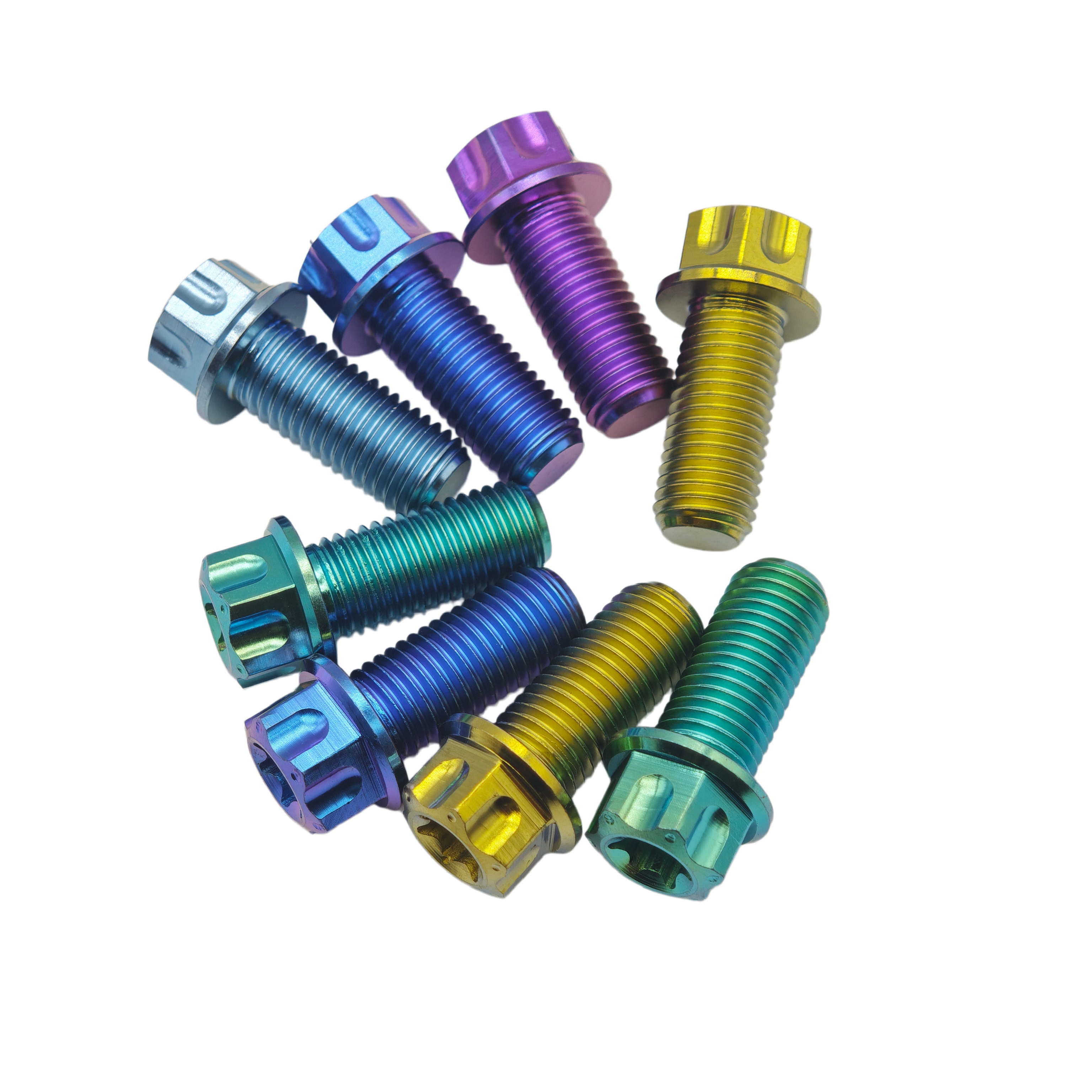
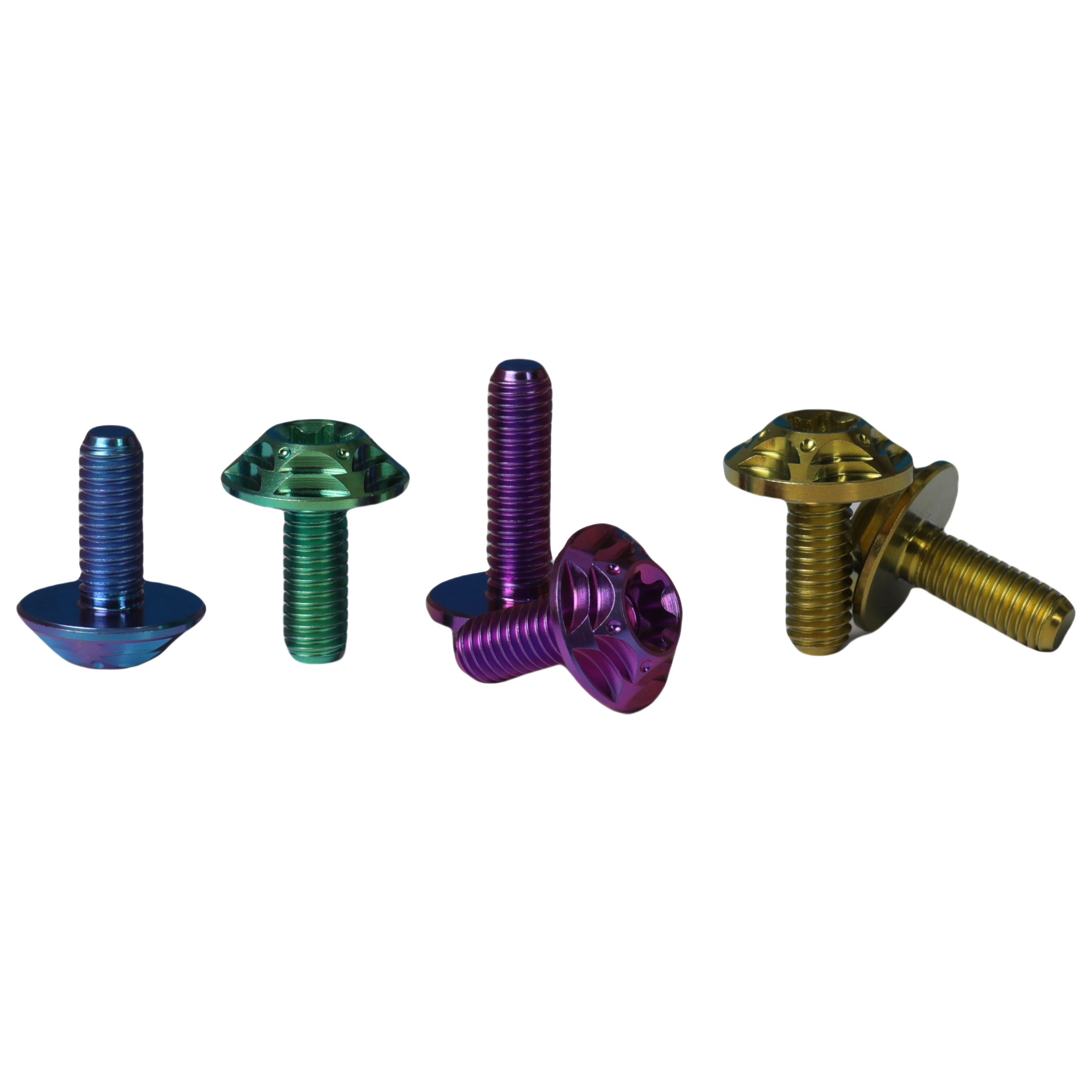
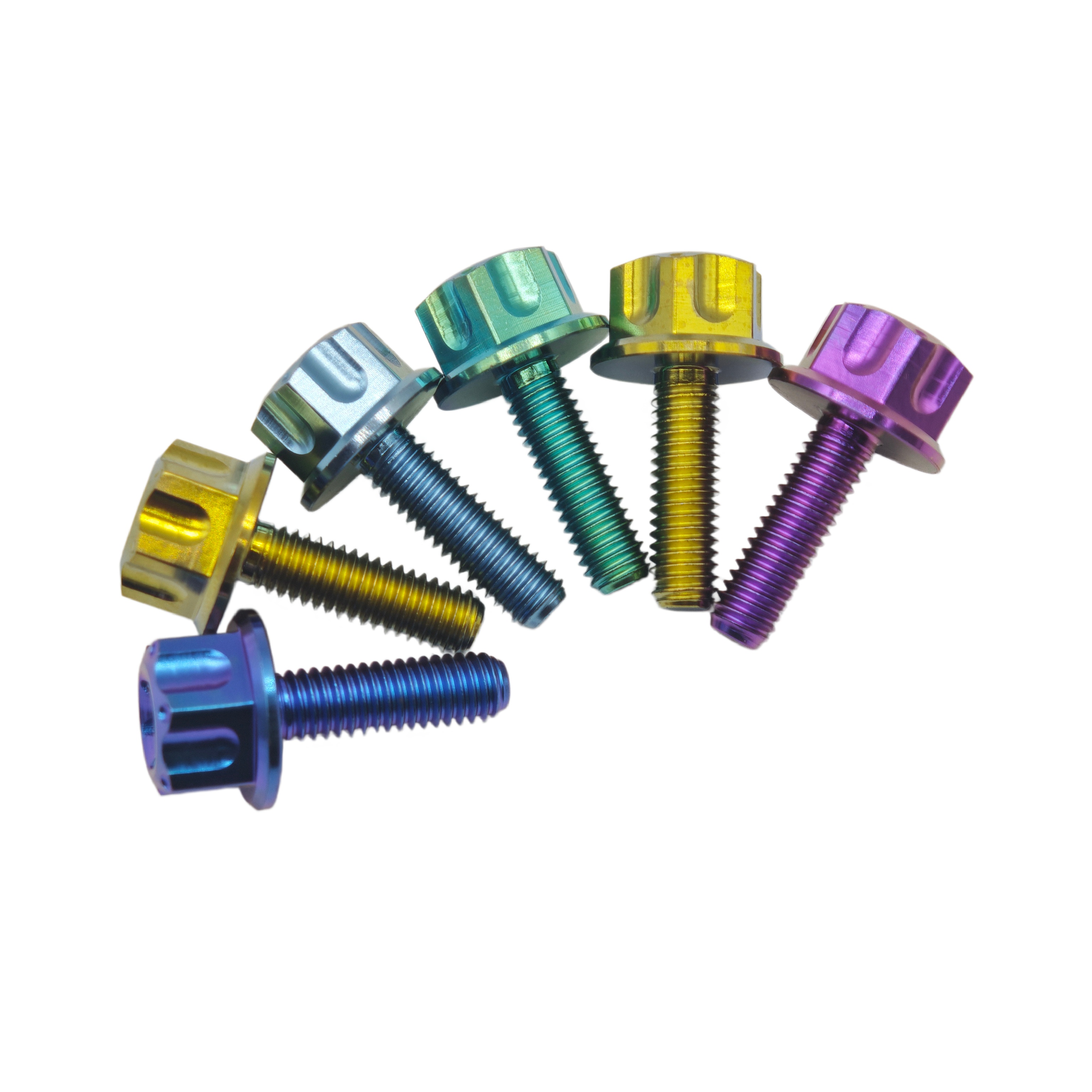
Each unit is fabricated from vacuum-arc remelted (VAR) titanium bar stock, precision-turned on multi-axis CNC Swiss lathes, and processed with rolled threads to ensure maximum shear stability and structural life.
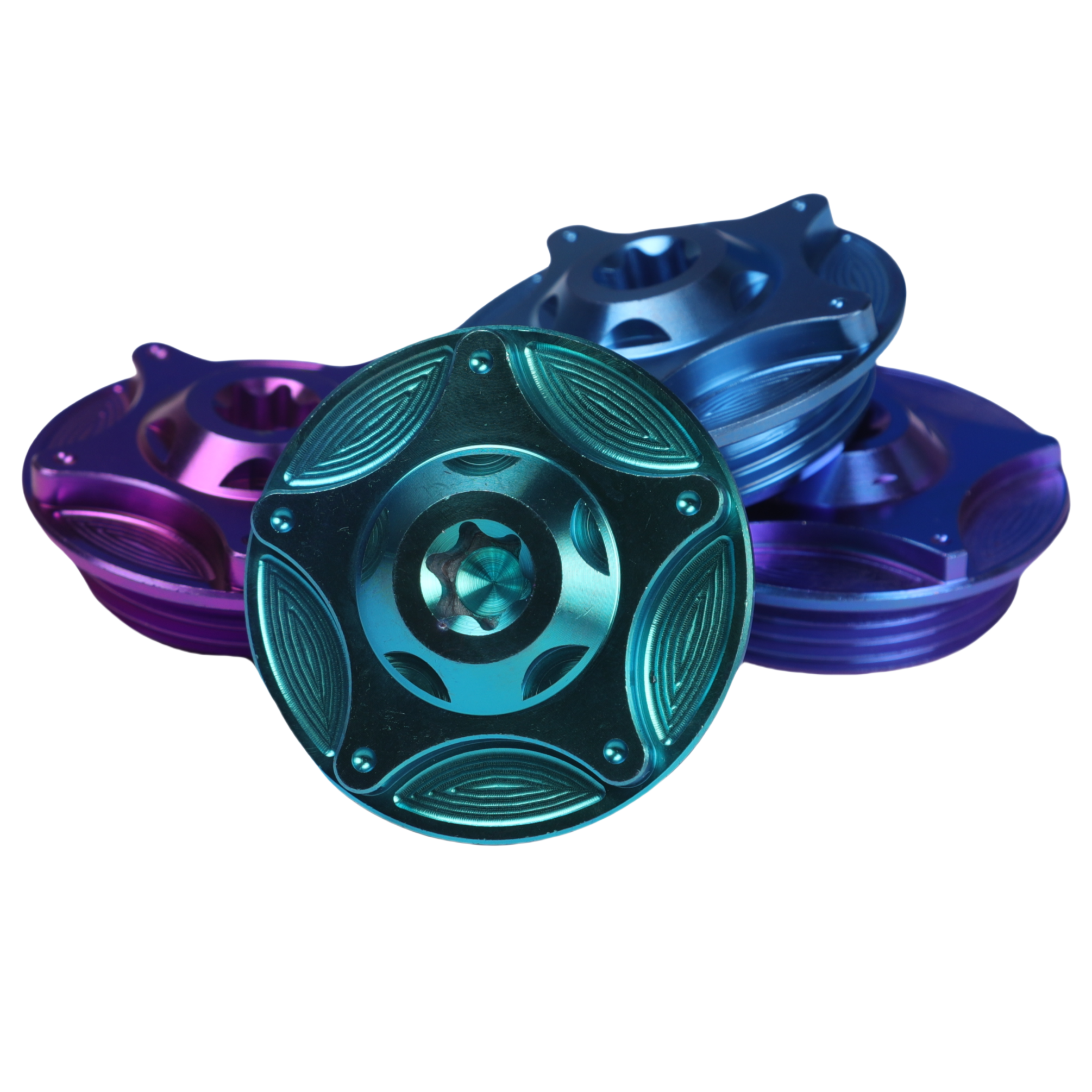
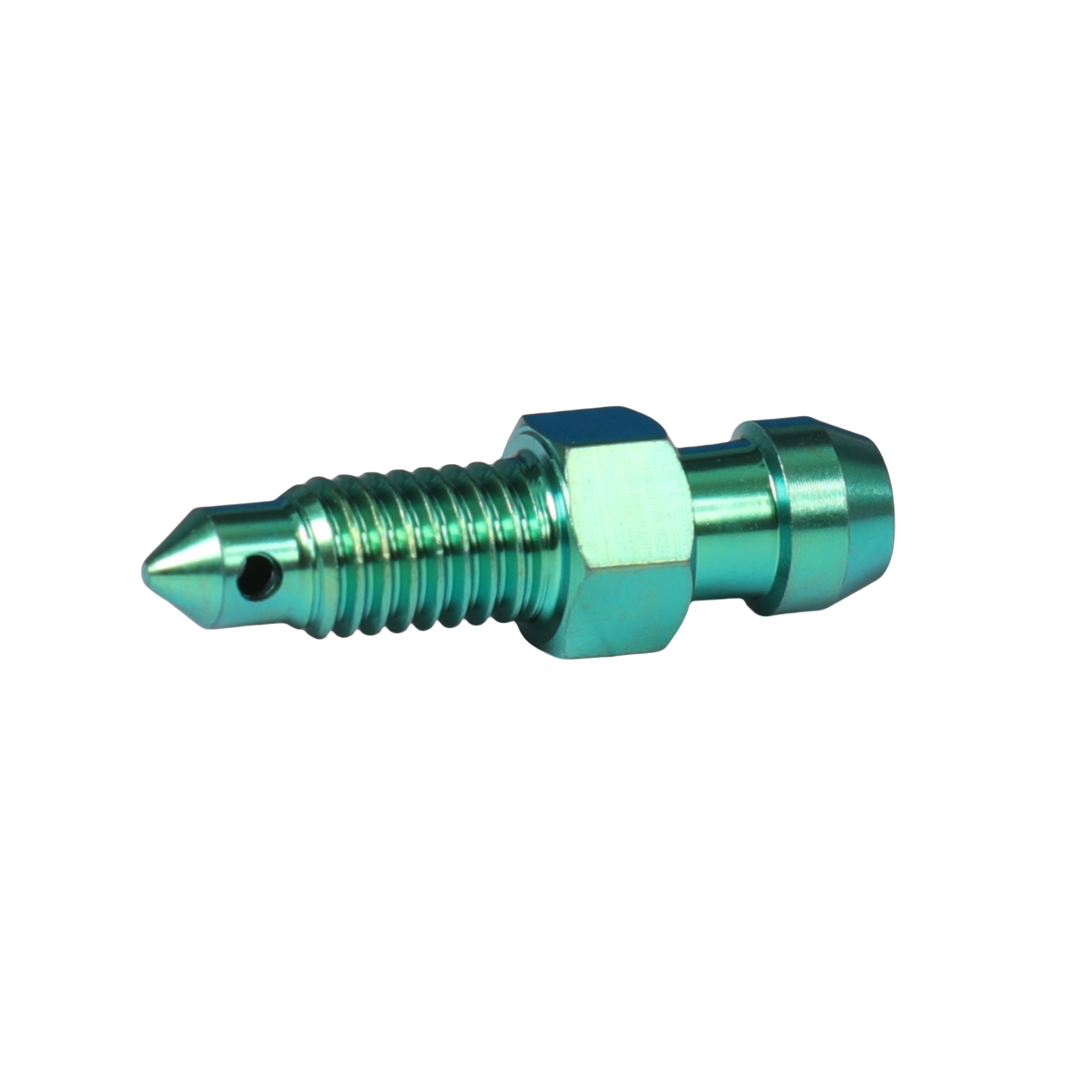
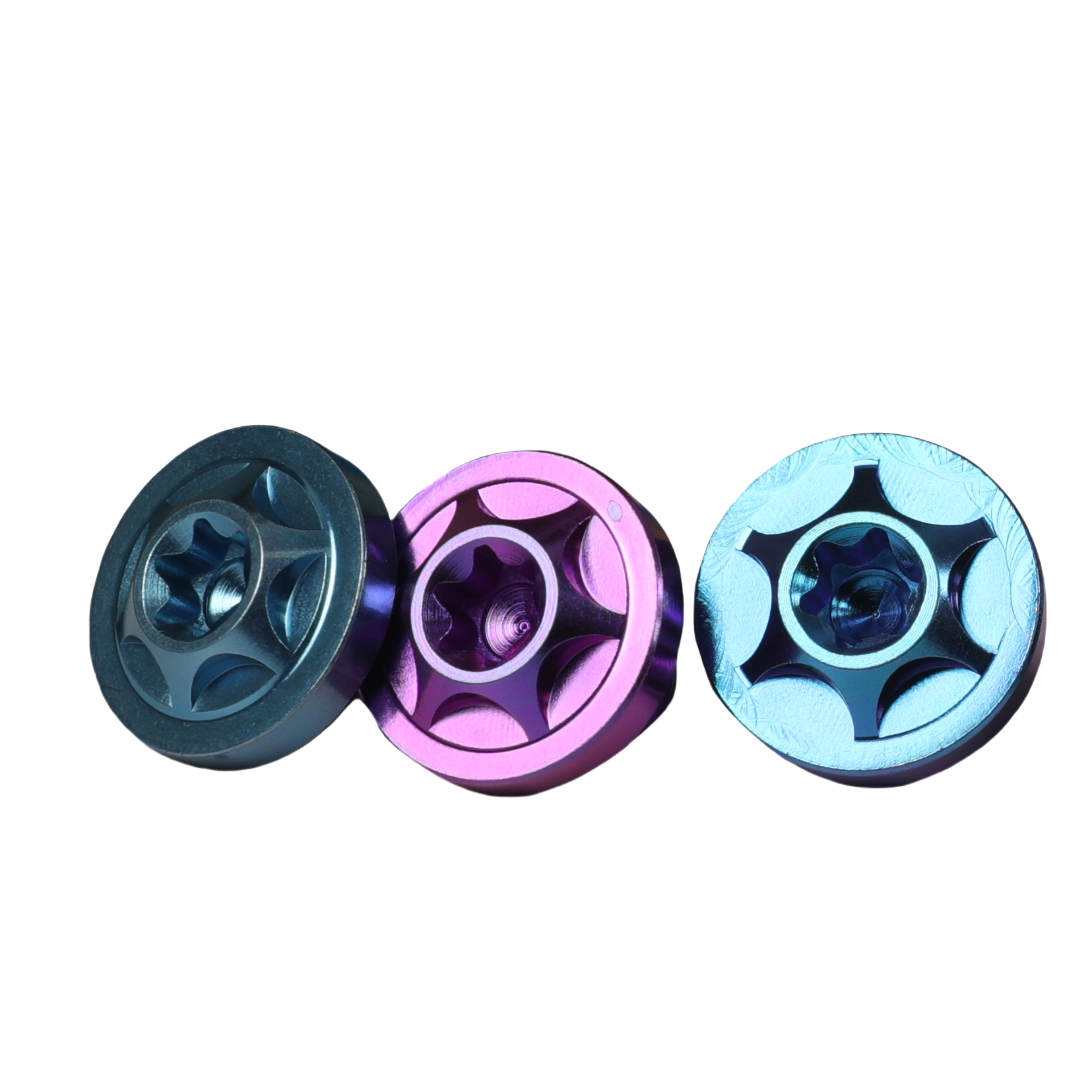
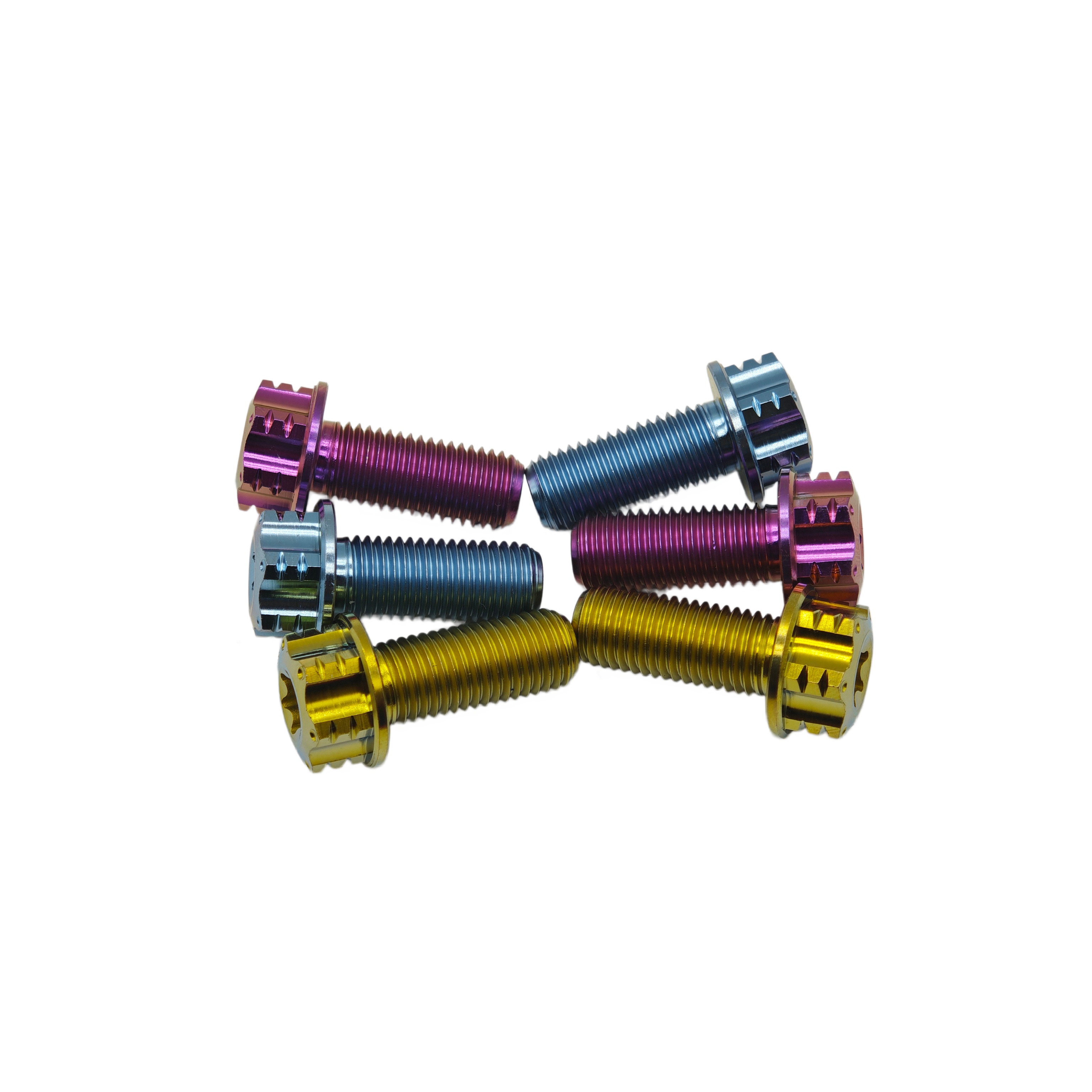
Grade 5 (Ti-6Al-4V) Metallurgical Architecture & Mechanical Integrity
In high-performance structural engineering, the specification of threaded hardware represents one of the most critical mechanical decisions. As a premier China GR5 titanium fasteners manufacturer and exporter based in Shiling Road Industrial Park, Baoji, Shaanxi, our facility operates at the nexus of metallurgical science and advanced mechanical fabrication. Commercial Grade 5 titanium (designated as UNS R56400, ASTM B348, and Werkstoff 3.7165) is an alpha-beta duplex alloy containing nominal additions of 6% aluminum and 4% vanadium. This dual-phase microstructure balances extreme yield strength, ductile fracture resistance, and unmatched chemical passivity against harsh operating media.
Unlike unalloyed commercially pure titanium (Grades 1 through 4), which is typically restricted to chemical immersion vessels and low-stress architectural trims, Ti-6Al-4V Grade 5 delivers a standard minimum ultimate tensile strength (UTS) of 895 MPa to 1050 MPa. With a specific density of just 4.43 g/cm³, Ti-6Al-4V provides a strength-to-weight ratio superior to both austenitic stainless steels (such as AISI 304 and 316) and structural quenched-and-tempered alloy steels (including Grade 8.8 and 10.9 fasteners). This characteristic is paramount in un-sprung automotive mass, high-speed motorcycle rotational assemblies, aerospace avionics racks, and racing suspension linkages where every gram saved directly translates to elevated dynamic handling, reduced inertia, and heightened thermal resilience.
Our manufacturing protocol enforces a strict segregation between cut-thread fabrication and cold-plastic rolled threads. Thread cutting mechanically interrupts the longitudinal grain flow of the titanium bar, introducing microscopic notch stress risers at the root diameter. In contrast, our production floor utilizes high-tonnage multi-die planetary thread-rolling machines. This cold-working process deforms the alloy past its yield point into precision hardened ground dies, inducing beneficial compressive residual stress along the thread root. As a consequence, our Gr5 titanium fasteners exhibit a 300% to 450% enhancement in cyclic fatigue endurance under high-frequency dynamic vibrations, completely eliminating sudden fatigue notch shear during severe track and road stresses.
Empirical Mechanical Comparison: Gr5 Titanium vs. Structural Fastener Alloys
Procurement teams and mechanical design engineers evaluating fastener substitutions must cross-reference yield performance, thermal stability, galvanic behavior, and mass metrics. Below is an engineering comparison compiled by our quality assurance testing laboratory:
| Physical & Mechanical Property | Grade 5 Titanium (Ti-6Al-4V) | Class 10.9 Carbon Steel | A2-70 Stainless Steel | 7075-T6 Billet Aluminum |
|---|---|---|---|---|
| Density (g/cm³) | 4.43 (≈44% lighter than steel) | 7.85 (High mass) | 7.93 (High mass) | 2.81 (Ultra light) |
| Yield Strength Rp0.2 (MPa) | 828 – 950 | 900 – 940 | 450 | 480 – 505 |
| Tensile Strength Rm (MPa) | 895 – 1050 | 1000 – 1040 | 700 – 800 | 540 – 570 |
| Strength-to-Weight Efficiency | 214 kN·m/kg (Exceptional) | 132 kN·m/kg | 95 kN·m/kg | 195 kN·m/kg |
| Brake Fluid / Salt Spray Resistance | Immune (Self-passivating TiO2) | Poor (Rapid red rust oxidation) | Moderate to High | Susceptible to pitting/pitting fatigue |
| Maximum Continuous Temperature | 400°C (752°F) | 250°C (482°F) | 400°C (752°F) | 120°C (248°F - Rapid softening) |
| Fatigue Notch Sensitivity | Low (With rolled thread roots) | Medium | High (Prone to work hardening) | Very High |
*Data derived from ASTM F468/F467 standards, ISO 898-1 mechanical testing procedures, and internal spectrometer/tensile tests conducted at our Baoji inspection lab.
Surface Engineering, Anti-Galling Physics & Color Anodization
A frequent concern voiced by international procurement managers regarding titanium hardware is thread galling (cold welding). Galling originates from titanium's high chemical affinity for self-mating materials and its thin native oxide film breakdown when subjected to high contact pressure and dry frictional heat. As an authority in titanium fastener export, our company has implemented advanced tribological treatments to eliminate installation binding while elevating cosmetic durability:
1. Multi-Stage Anodic Oxidation (Type II Anodizing): Utilizing automated pulse-rectified DC current tanks with electrolyte temperature controlled to within ±1°C, we control the synthetic growth of an amorphous titanium dioxide (TiO2) barrier layer. The vibrant color palette—ranging from burnt blue, deep purple, and emerald to radiant rainbow and champagne gold—does not rely on organic dyes, pigments, or chemical paints. Rather, it represents optical thin-film wave interference. The specific thickness of the transparent oxide film causes incident light waves to refract and reflect at differing phases, producing intense, fade-resistant color gradients that survive prolonged UV exposure, chemical degreasers, and road wash without peeling or flaking.
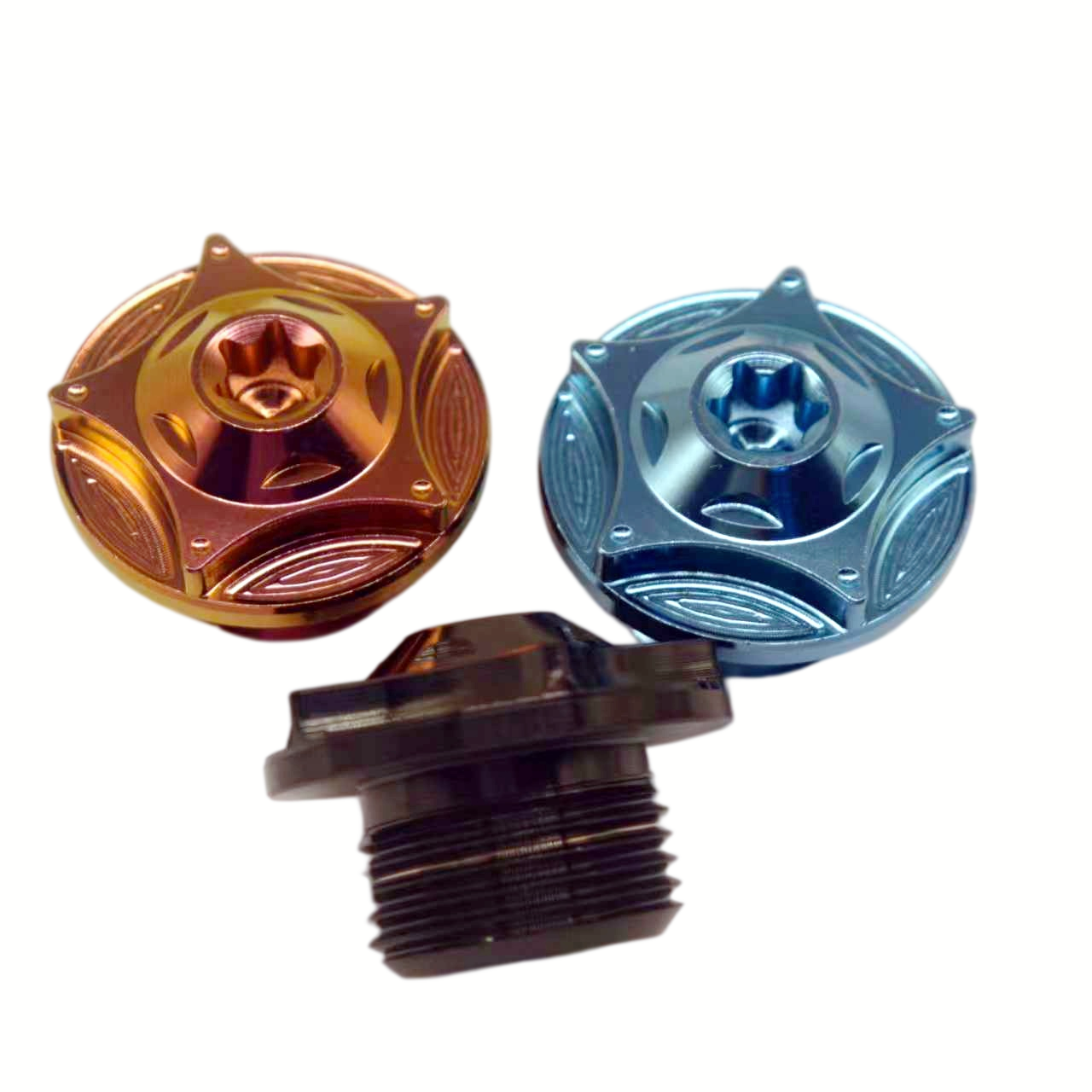
2. Physical Vapor Deposition (PVD) Thin-Film Coating: For severe-duty friction points, such as disc rotor flange bolts and engine axle nuts subjected to high torque loads, we apply specialized magnetron-sputtered PVD coatings. These include Titanium Nitride (TiN - Brilliant Gold), Aluminum Titanium Nitride (AlTiN - Gunmetal), and Diamond-Like Carbon (DLC - Obsidian Black). With surface micro-hardness levels exceeding 2500 to 3200 HV (Vickers), PVD layers dramatically lower the friction coefficient (μ = 0.12 - 0.15), providing exceptional scratch resistance against impact sockets and preventing micro-welding between thread flanks.
3. Engineering Anti-Seize Protocols: In critical structural assemblies where titanium bolts engage tapped female aluminum or magnesium housings (e.g., crankcases, brake calipers, swingarms), we supply pre-applied or recommend molybdenum disulfide (MoS2) or copper-free anti-seize paste. This paste provides a sacrificial lubricating barrier that prevents galvanic couples and guarantees accurate torque-to-tension conversion under shop torquing.
Why Global Buyers Partner with Zunvo Titanium
From our certified facility in Shiling Road Industrial Park, Baoji, we operate as an integrated production plant and export house, bypassing intermediaries to provide factory-direct pricing, rapid sampling, and end-to-end quality assurance.
Future Procurement & Technological Trends in Titanium Hardware
How electrification, hybrid vehicle platforms, localized supply chains, and environmental mandates are transforming the global demand for engineered titanium fastening solutions.
Frequently Asked Questions by Industrial & Wholesale Buyers
Detailed engineering answers regarding alloy selection, torque specifications, galvanic corrosion insulation, and international sample testing protocols.
Can Gr5 (Ti-6Al-4V) titanium bolts directly replace Class 10.9 or 12.9 high-tensile steel bolts in brake rotors?
Yes, in the vast majority of performance motorcycle and automotive applications, Grade 5 titanium bolts serve as direct replacements for standard Grade 8.8 and Class 10.9 steel fasteners. Gr5 possesses a standard ultimate tensile strength of 895–1050 MPa and yield strength exceeding 828 MPa, which aligns closely with Class 10.9 steel specifications (minimum 940 MPa yield).
For applications originally rated for ultra-high-tensile Class 12.9 (1220 MPa UTS), our engineering team conducts a thorough stress-cross-section review. Because titanium has a modulus of elasticity roughly half that of carbon steel (114 GPa vs. 210 GPa), a Gr5 bolt flexes more elastically before yielding. When replacing 12.9 bolts in severe high-shear locations, we often specify our cold-worked, roll-threaded Class 10.9/12.9 TKS series with thickened head flanges, ensuring safety factors are maintained while trimming 44% of hardware mass.
How does your factory prevent galvanic corrosion between titanium fasteners and aluminum housings?
Galvanic corrosion can arise when two dissimilar metals with diverging electrode potentials (titanium being highly noble at approximately +0.05V vs. aluminum at -0.90V) are placed in direct electrical contact within an active electrolyte, such as road salt slurry or coastal brine.
To neutralize galvanic coupling, we advocate a multi-pronged approach: (1) Applying our high-density PVD or ceramic-based surface treatments which introduce a non-conductive boundary; (2) Installing Grade 5 titanium washers or non-metallic composite shims to eliminate localized surface scrubbing; and (3) Utilizing anti-seize pastes fortified with PTFE, aluminum complex, or zinc oxide during mechanical torquing. These barrier compounds prevent moisture ingress into thread flanks, isolating the metals and preventing galvanic degradation indefinitely.
What is the standard installation torque protocol for Grade 5 titanium fasteners?
Because titanium fasteners exhibit lower thread friction when lubricated, applying standard dry steel torque values can inadvertently over-stretch the bolt shank past its yield threshold. When using recommended anti-seize thread paste or medium-strength thread-locking fluid (e.g., Loctite 243), the friction coefficient is stabilized at approximately μ = 0.12.
Our general engineering rule of thumb is to tighten Grade 5 titanium bolts to 80%–85% of the original manufacturer's dry steel torque specification, always verifying with a calibrated torque wrench rather than an impact tool. For example: an M6 Grade 5 titanium flange bolt typically torques to 9.5–10.5 N·m (compared to 12 N·m for steel); an M8 rotor bolt torques to 22–25 N·m; and an M10 bolt torques to 42–46 N·m. Comprehensive engineering torque sheets per thread pitch are supplied with our OEM client documentation.
Will vibrant anodized colors (Burnt Blue, Gold, Rainbow, Purple) fade, peel, or oxidize over time?
Unlike conventional aluminum anodizing, which relies on introducing organic dye pigments into microscopic open pores that subsequently seal, titanium anodizing is a dye-free electrochemical process. The color produced is an intrinsic physical phenomenon known as constructive thin-film wave interference. Applying specific voltages across our precision electrolytic baths induces an impervious titanium dioxide (TiO2) crystalline film ranging from 20 to 120 nanometers thick.
Because there are zero organic pigments or lacquers, the color will never chip, flake, peel, or degrade under direct sun UV exposure. The color remains stable unless mechanically abraded down to the raw substrate by aggressive grinding or acid etching. For high-wear contact surfaces (like wheel lug nuts repeatedly touched by pneumatic sockets), we suggest our PVD (Physical Vapor Deposition) DLC or TiN coatings, which possess surface hardness ratings above 2500 HV.
What are your minimum order quantities (MOQ), custom sample lead times, and global delivery terms?
To accommodate both growing specialty brands and established industrial distributors:
- Catalog Standard Hardware: Minimum orders typically start at 100 to 200 pieces (or dozens) depending on thread size, with inventory items dispatching within 24–48 hours.
- Custom OEM/ODM Drawing Parts: Low-barrier validation runs start from just 100 pieces per custom drawing, allowing clients to test fitment and dyno tolerances without large capital expenditures.
- Sample Machining Lead Time: Fast-track 3-day turnaround on custom CNC samples with complete optical measurement reports.
- Volume Production & Freight: Bulk orders are typically completed in 7 to 15 business days. We provide global door-to-door express deliveries via DHL, FedEx, and UPS (3–5 business days transit), as well as direct consolidated sea and air freight with all export customs clearances, CO, and MTC documentation managed in-house.
Partner with China's Foremost Gr5 Titanium Fastener Manufacturer
Whether you are developing a custom motorcycle titanium bolt kit, upgrading lightweight racing chassis components, or sourcing containerized metric hardware to DIN/ISO/UNF standards, our Baoji engineering facility delivers unmatched metallurgy, certified tolerances, and factory-direct savings.
