Featured Titanium Fasteners & OEM Hardware
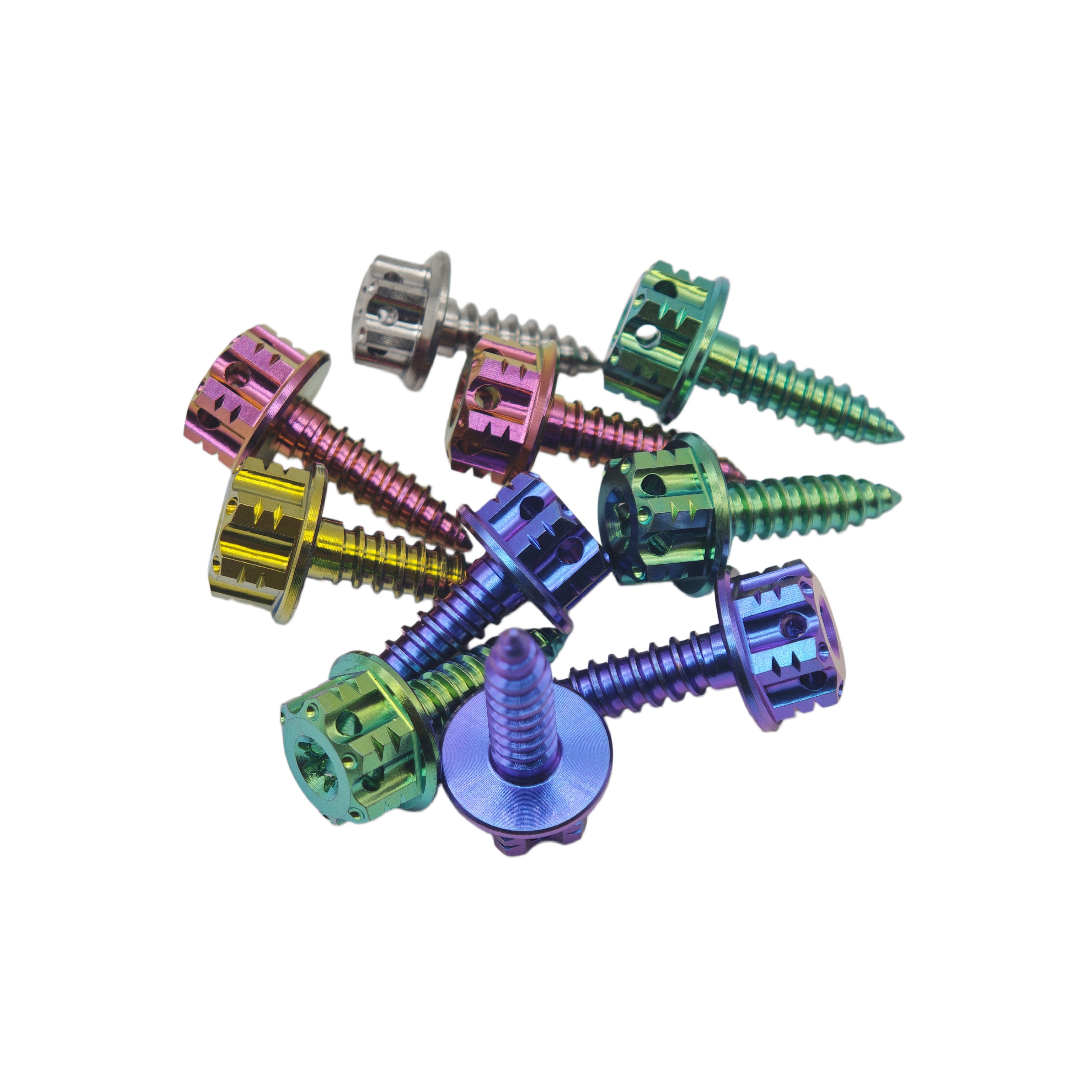
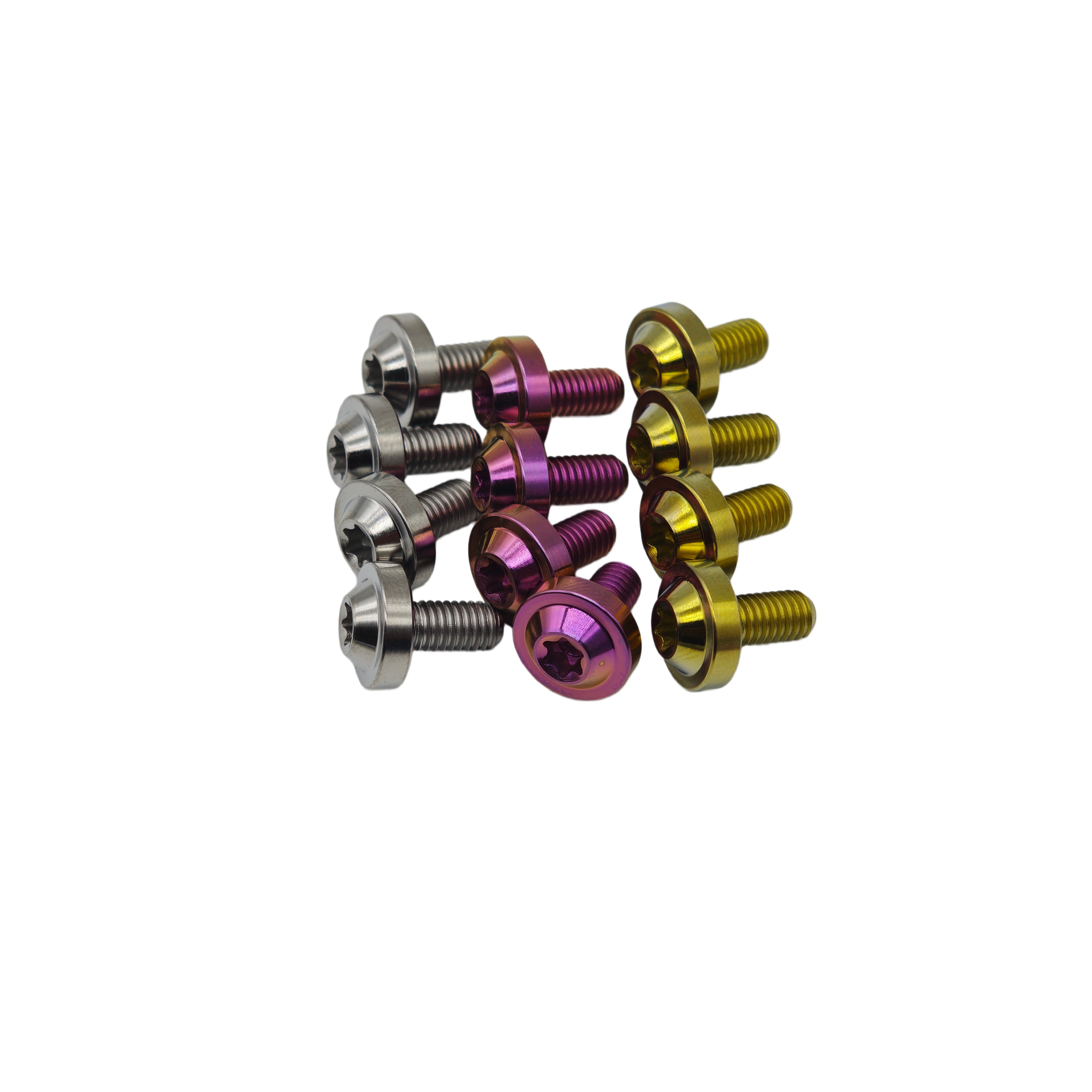
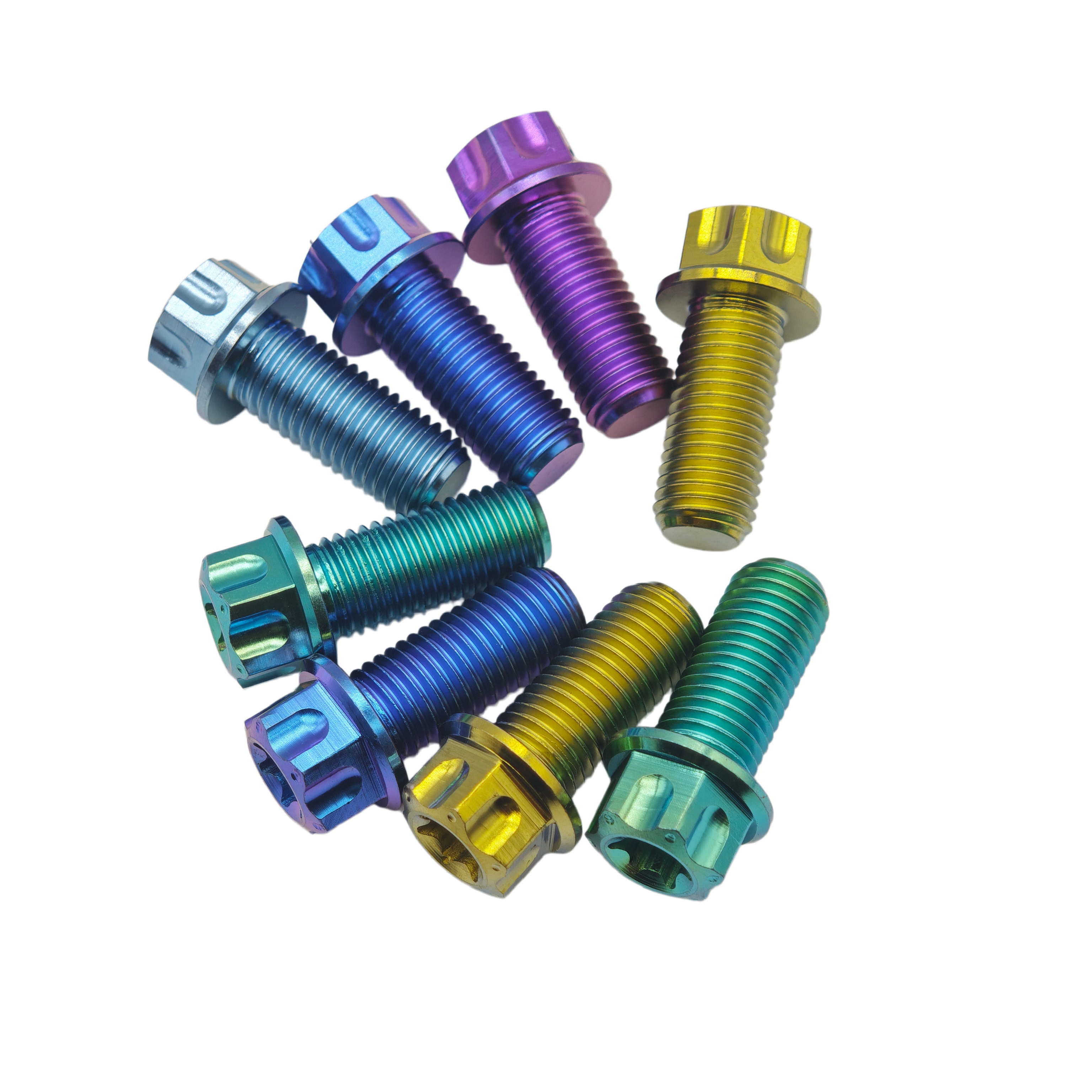
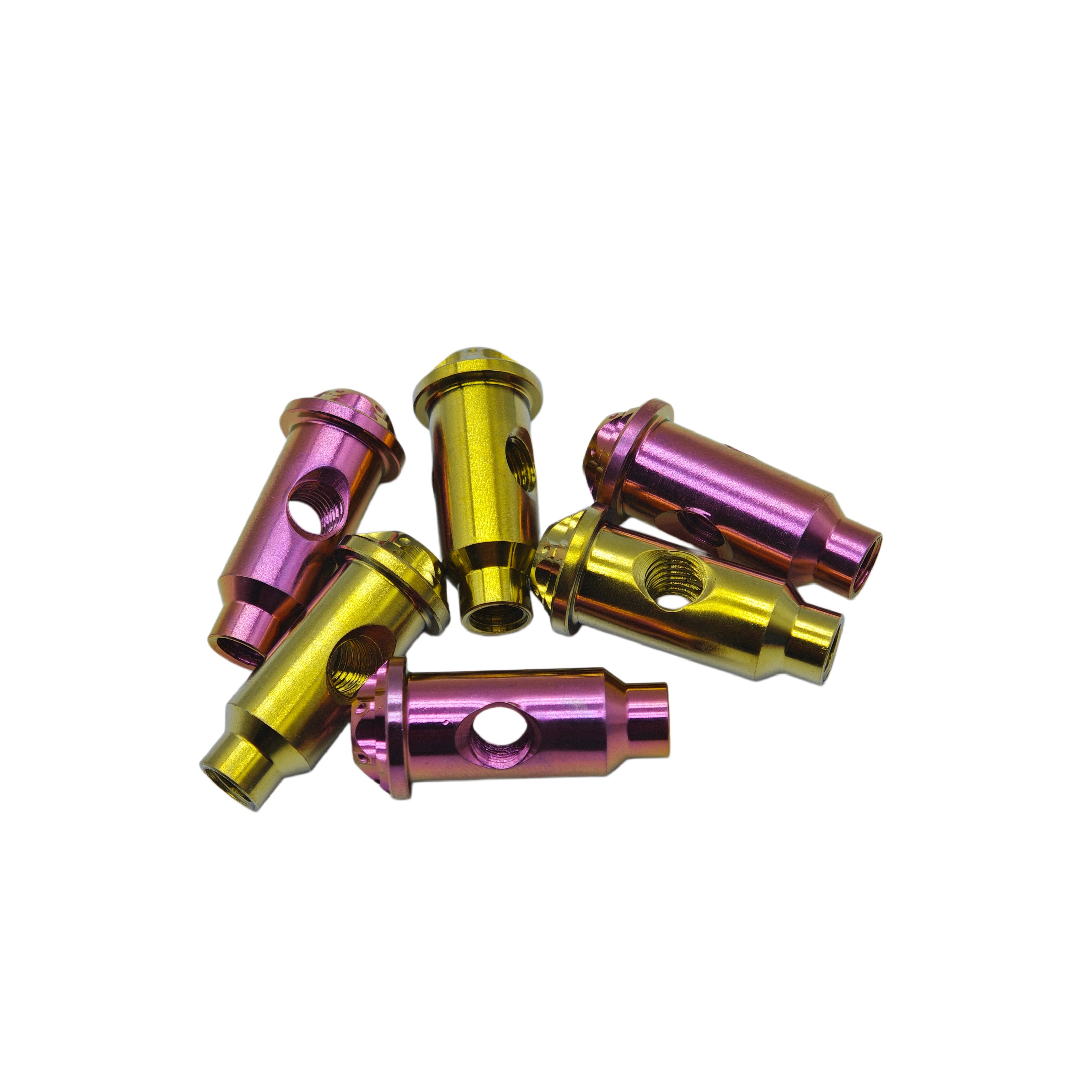
Factory-direct Ti-6Al-4V Grade 5 fasteners engineered for aerospace, motorcycle, bicycle, and high-stress industrial frame assemblies.
Why Partner with China's Premier Titanium Fastener Manufacturer
Located in Baoji—China's world-renowned "Titanium Valley"—Zunvo Titanium Products Co., Ltd. delivers verified metallurgical excellence, precision CNC turning, and OEM reliability.
Baoji Strategic Supply Ecosystem
Situated in Shiling Road Industrial Park, Baoji, Shaanxi, our factory directly taps into primary titanium smelting and sponge processing facilities. This geographic advantage grants us priority access to certified raw Ti-6Al-4V bar stock with full heat-number traceability, reducing raw material procurement cycles by 35% compared to non-specialized regional hubs.
Zero-Defect Quality Control (100% Verified)
Every single titanium frame bolt, motorcycle disc brake screw, and custom axle nut undergoes strict multi-stage quality control. Utilizing digital optical comparators, CMM inspection, micro-hardness testers, and precision thread pitch gauges (6g/6H standard), we guarantee flawless thread engagement and zero micro-fissures on critical structural load fasteners.
Enterprise Core Capabilities & Service Benchmarks
- Experienced Workforce: Dedicated team of 101–200 skilled engineers, CNC machinists, and metallurgical quality inspectors.
- Production Floor: 1,000–3,000 m² modern manufacturing facility equipped with multi-axis CNC Swiss automatic lathes, cold-heading machines, thread rollers, and vacuum PVD coating chambers.
- OEM / ODM Agility: Custom drawing analysis within 24 hours, functional 3D prototypes produced within 3 days, and full mass-production scaling within 7–15 days.
- Global Trade Trust: Rated 4.9 / 5.0 by verified international B2B buyers across North America, Europe, Central America, Southeast Asia, and the Middle East.
Metallurgical Whitepaper: Engineering Titanium Frame Fasteners
An authoritative analysis on Ti-6Al-4V Grade 5 performance dynamics, shear resilience, thread-rolling grain structure, and anti-galling surface protocols.
When selecting frame fasteners for high-stress applications—such as motorcycle chassis pivots, bicycle frame suspension linkages, automotive subframes, or heavy industrial machinery—fastener integrity directly dictates structural safety. Titanium frame bolts from certified China suppliers have emerged as the superior alternative to Grade 10.9 steel and 7075-T6 aluminum alloys.
1. Material Science & Mechanical Property Dynamics
The vast majority of structural titanium frame bolts produced by Zunvo Titanium are forged from Grade 5 Titanium (Ti-6Al-4V, UNS R56400). This alpha-beta alloy incorporates 6% aluminum to stabilize the alpha phase (enhancing yield strength) and 4% vanadium to stabilize the beta phase (improving ductility and hot workability).
| Mechanical / Physical Property | Ti-6Al-4V Grade 5 Titanium | Class 10.9 Alloy Steel | 316 Stainless Steel | 7075-T6 Aluminum |
|---|---|---|---|---|
| Density (g/cm³) | 4.43 | 7.85 | 7.98 | 2.81 |
| Ultimate Tensile Strength (MPa) | ≥ 895 – 1000 | 1040 | 620 | 570 |
| Yield Strength (0.2% Proof, MPa) | ≥ 828 | 940 | 290 | 505 |
| Specific Strength (Strength-to-Weight Ratio) | 202 kN·m/kg (Highest) | 132 kN·m/kg | 77 kN·m/kg | 202 kN·m/kg |
| Elastic Modulus (Young's Modulus, GPa) | 114 | 210 | 193 | 72 |
| Corrosion Resistance (Chloride & Road Salt) | Immune / Indestructible | Poor (Requires Coating) | Moderate | Moderate (Prone to Pit) |
2. Grain Continuity: Thread Rolling vs. Thread Cutting
A critical metric that separates premium China titanium frame bolt suppliers from budget machine shops is the method of thread formation. Cutting threads into titanium bar stock severs the internal crystalline grain flow of the alloy, creating stress concentration notches at the root of each thread. Under harmonic vibrations or cyclic load forces, cut threads suffer from premature fatigue cracking.
Zunvo utilizes precision cold-heading and thread-rolling processes. Rolling under extreme hydraulic pressure forces the metal grains to conform to the thread profile without severing the fiber structure. This work-hardens the thread flank and root, yielding up to a 300% increase in fatigue endurance limits and significantly reducing micro-burr generation during torque tightening.
3. Preventing Tribological Galling & Micro-Seizure
Titanium alloys inherently possess a low thermal conductivity and a thin passive oxide film ($TiO_2$). Under extreme clamping torque without proper lubrication, contact friction between male titanium threads and female frame bosses can disrupt this oxide layer, causing atomic transfer and metal galling (cold welding). To overcome galling in high-torque frame applications, Zunvo implements three engineering countermeasures:
Controlled Anodizing
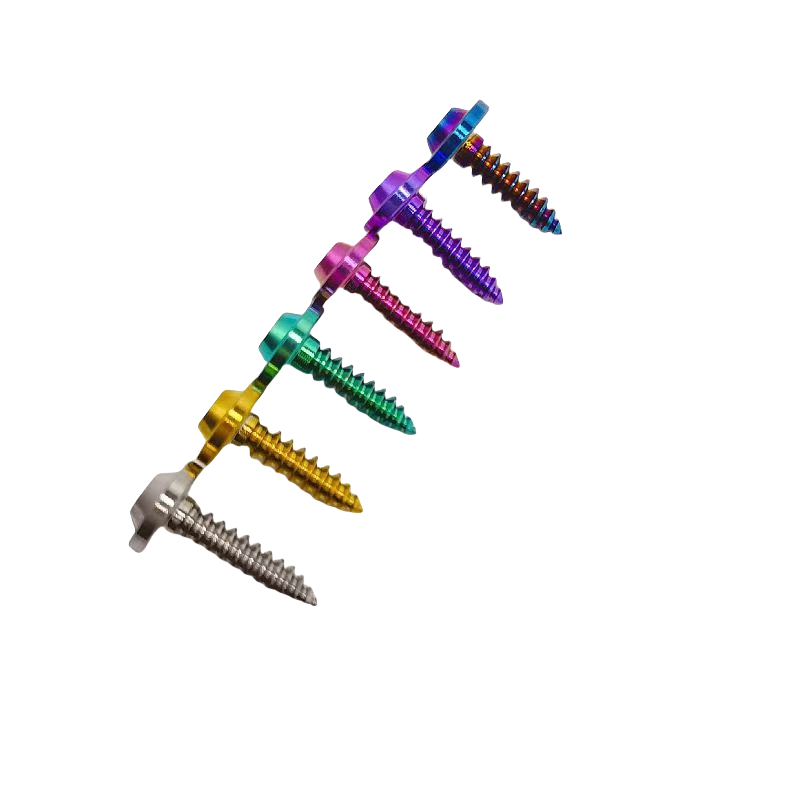
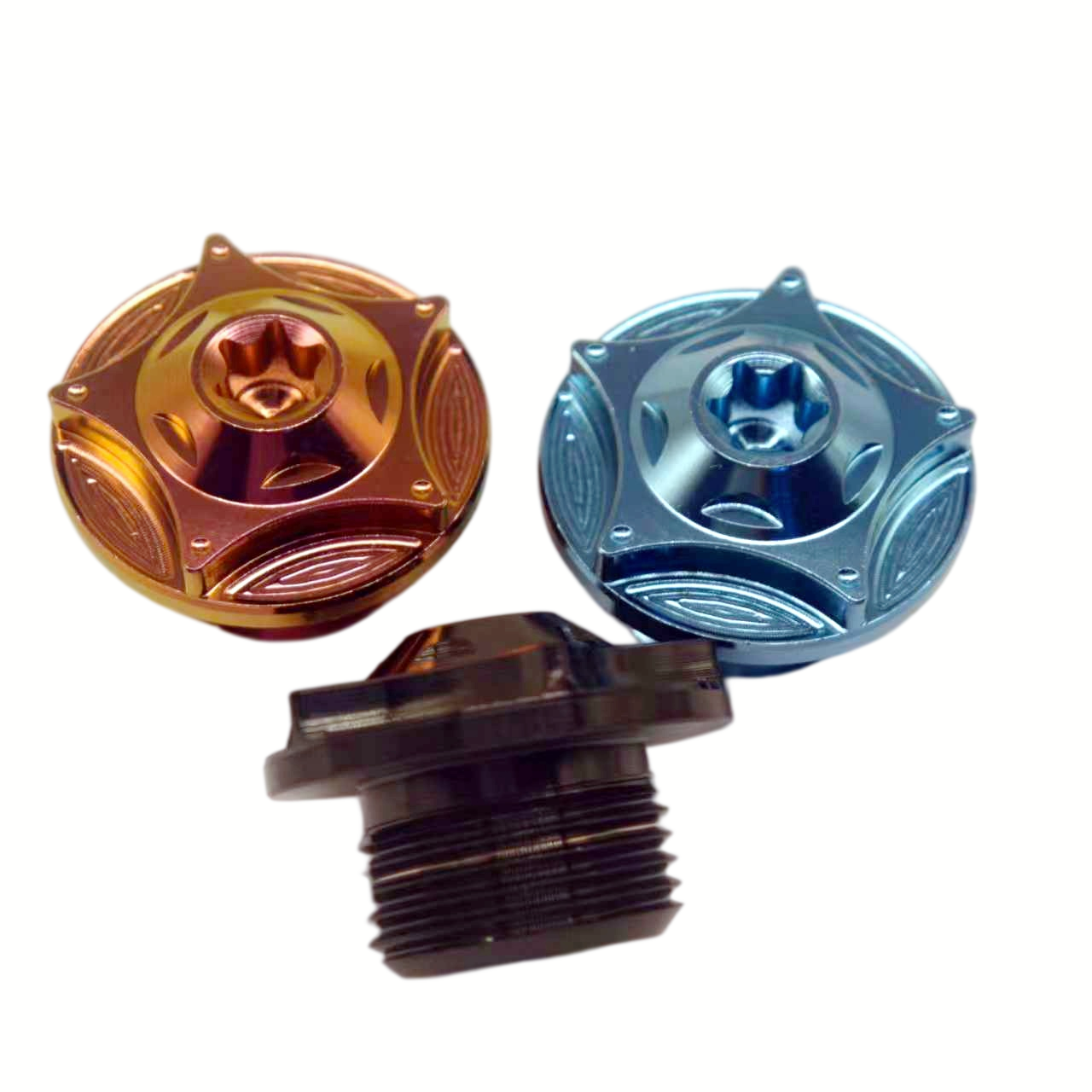
Electrochemical anodization forms a compact, uniform dielectric oxide layer ($10\text{nm} - 150\text{nm}$) that reduces friction coefficients while offering vivid color customization (Burnt Rainbow, Gold, Cobalt Blue, Purple).
PVD Vacuum Coating
Physical Vapor Deposition applies ultra-hard films such as Titanium Nitride (TiN) or Diamond-Like Carbon (DLC), pushing surface hardness above 2200 HV and eliminating metal-on-metal friction entirely.
Anti-Seize Paste Protocols
We supply detailed torque torque-friction charts recommending Molybdenum Disulfide ($MoS_2$) or copper-based anti-seize paste during assembly, stabilizing tighten tension torque values.
Future Procurement Trends in Titanium Frame Fasteners (2025–2030)
Strategic insights for B2B purchasing managers, engineering designers, and global distributors navigating the evolving titanium hardware market.
1. Micro-Lightweighting & Structural Topology Optimization
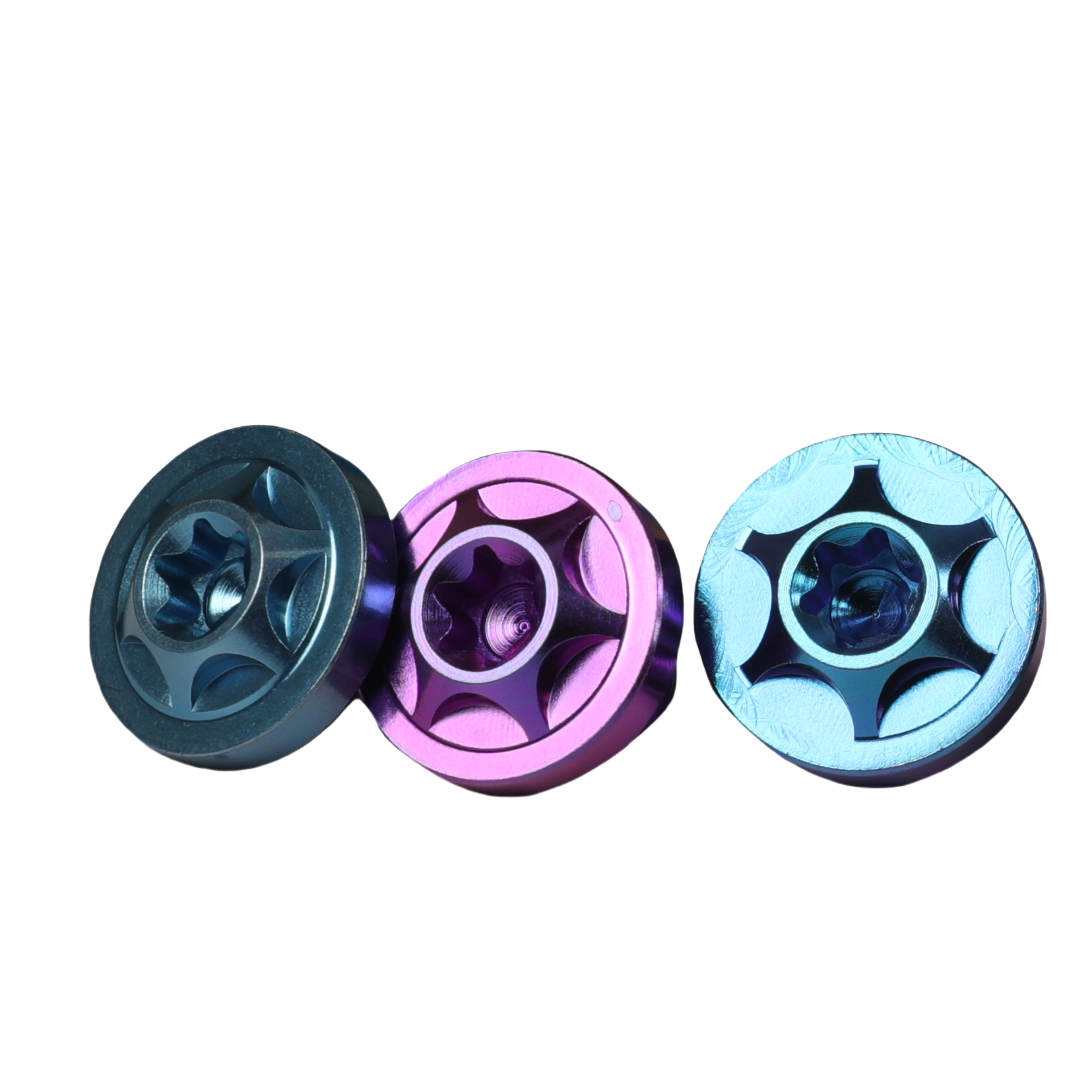
Modern vehicle frame design is moving away from generic hex-head fasteners toward custom-engineered, hollow-shank, and scalloped flange geometries. Through advanced FEA (Finite Element Analysis) co-development with OEM buyers, China suppliers are now producing frame bolts featuring internal hex-lobe (Torx/6-Lobe) drives and relieved shanks that strip away non-structural mass while maintaining high shear load capabilities.
2. Direct-from-Source Supply Chain Consolidation
B2B buyers are increasingly bypassing regional distributors in favor of direct engagement with factory-verified manufacturers in Baoji. Direct supplier integration reduces unit costs by 25–40%, eliminates broker markups, and enables direct engineering feedback for custom OEM drawing modifications, short-run prototyping, and private-label blister packaging.
3. Adoption of Advanced Multi-Color PVD & Ceramic Coatings
While traditional electrochemical anodizing remains popular for bike and motorcycle modification, demanding automotive and aerospace sectors demand higher wear resistance. The market is rapidly shifting toward functional PVD titanium coatings (such as Matte Titanium Black DLC and Titanium Carbonitride), which offer superior salt-spray corrosion resistance exceeding 1,000 hours without surface degradation.
4. Closed-Loop Circular Economy & Material Traceability
Global environmental compliance (REACH, RoHS, ISO14001) now requires full chemical composition reporting. Leading China suppliers are establishing closed-loop titanium scrap recycling programs, where high-purity CNC turnings are re-melted via Vacuum Consumable Arc Melting (VAR) to produce industrial-grade Grade 2 and Grade 5 ingots, lowering total carbon footprint figures for OEM partners.
Supplier Audit & Verification Checklist for B2B Buyers
Use this engineering framework when evaluating China titanium frame bolt suppliers to guarantee material authenticity and manufacturing competence.
1. Material Authenticity
Ensure the supplier provides genuine Mill Test Certificates (EN 10204 3.1) corresponding to the exact ingot heat number. Request chemical spectro-analysis verifying Aluminum (5.5–6.75%) and Vanadium (3.5–4.5%) contents.
2. Dimensional Accuracy
Verify that pitch diameter, thread lead, and head concentricity are held within tight tolerances ($\pm 0.005\text{mm} - \pm 0.02\text{mm}$) using calibrated optical profile projectors and 6g thread ring gauges.
3. Surface Roughness
Inspect fastener transition radii and shank smooth surfaces. Quality frame bolts should maintain a surface finish of $Ra \le 0.8 \mu m$ ($Ra \le 0.4 \mu m$ for ground shanks) to prevent stress concentrations.
Frequently Asked B2B Procurement Questions
Clear, technical answers to common queries regarding titanium frame bolt sourcing, engineering conversions, and order fulfillment.
Which titanium grade is recommended for critical frame structural bolts?
For load-bearing structural positions—such as engine mount bolts, frame pivot axles, brake caliper mounts, and suspension links—Grade 5 Ti-6Al-4V is strictly required due to its high tensile strength ($\ge 895\text{ MPa}$) and yield strength ($\ge 828\text{ MPa}$). Commercially Pure Grade 2 titanium should only be used for non-structural applications, such as bodywork fairing screws, water bottle cage bolts, or light cover plates.
Can a Grade 5 titanium bolt directly replace a Class 10.9 or 12.9 steel frame bolt?
A Grade 5 Ti-6Al-4V bolt easily replaces Class 8.8 and Class 10.9 steel fasteners, delivering equivalent or superior strength with a 44% weight reduction. However, if replacing a ultra-high-tensile Class 12.9 steel bolt ($1200\text{ MPa}$ tensile), your engineering team should conduct a shear strength review. In many cases, upsizing the bolt thread diameter by one metric size (e.g., M8 to M10) maintains full safety factors while still saving net frame weight.
What are your minimum order quantities (MOQ) for catalog items vs. custom drawings?
For standard metric catalog items (such as DIN912 socket head bolts or standard flange screws), our standard MOQ starts at 100–200 dozens (or 100–200 pieces depending on part size). For custom OEM/ODM items based on buyer CAD/3D drawings, we support prototype batch runs starting at just 100 pieces to allow engineering validation before full production scaling.
Do anodized or PVD colored titanium bolts fade, peel, or rust over time?
Titanium does not contain iron and is 100% immune to rust and atmospheric corrosion, even under continuous salt spray exposure. Anodized colors are produced by controlled titanium oxide film light interference—they will never peel or flake off like traditional paint or electroplating. However, high mechanical abrasion from tools can wear thin anodized layers; for high-wear hex sockets or power tool install locations, we recommend hard PVD coatings (DLC Black or TiN Gold).
What torque value and assembly paste should be specified for titanium frame bolts?
Because titanium has a lower elastic modulus ($114\text{ GPa}$) than steel ($210\text{ GPa}$), recommended torque values are typically 15–20% lower than equivalent Class 10.9 steel fasteners to prevent over-stretching the thread root. Always specify copper anti-seize paste or Molybdenum Disulfide ($MoS_2$) grease on male thread flanks during assembly to stabilize the friction factor ($K \approx 0.12 - 0.15$).
What are Zunvo's standard lead times and export shipment options?
In-stock catalog fasteners are dispatched within 24 hours. Custom prototype samples are produced in 3 days. Full production runs typically take 7 to 15 days. We handle complete export customs clearance and deliver door-to-door globally via DHL, FedEx, UPS air express, or ocean freight with full tracking support.
Engineered for Zero Failure. Delivered on Schedule.
Partner directly with Baoji’s verified titanium fastener manufacturing facility. Contact our engineering team today for immediate CAD drawing reviews, material test reports, and factory-direct price quotations.
Send an Inquiry