Precision-Machined Titanium Lug Hardware & Fasteners
Machined from heat-treated Ti-6Al-4V (Grade 5) bar stocks utilizing multi-axis CNC Swiss turning centers and precision thread rolling for superior cyclic fatigue resistance.
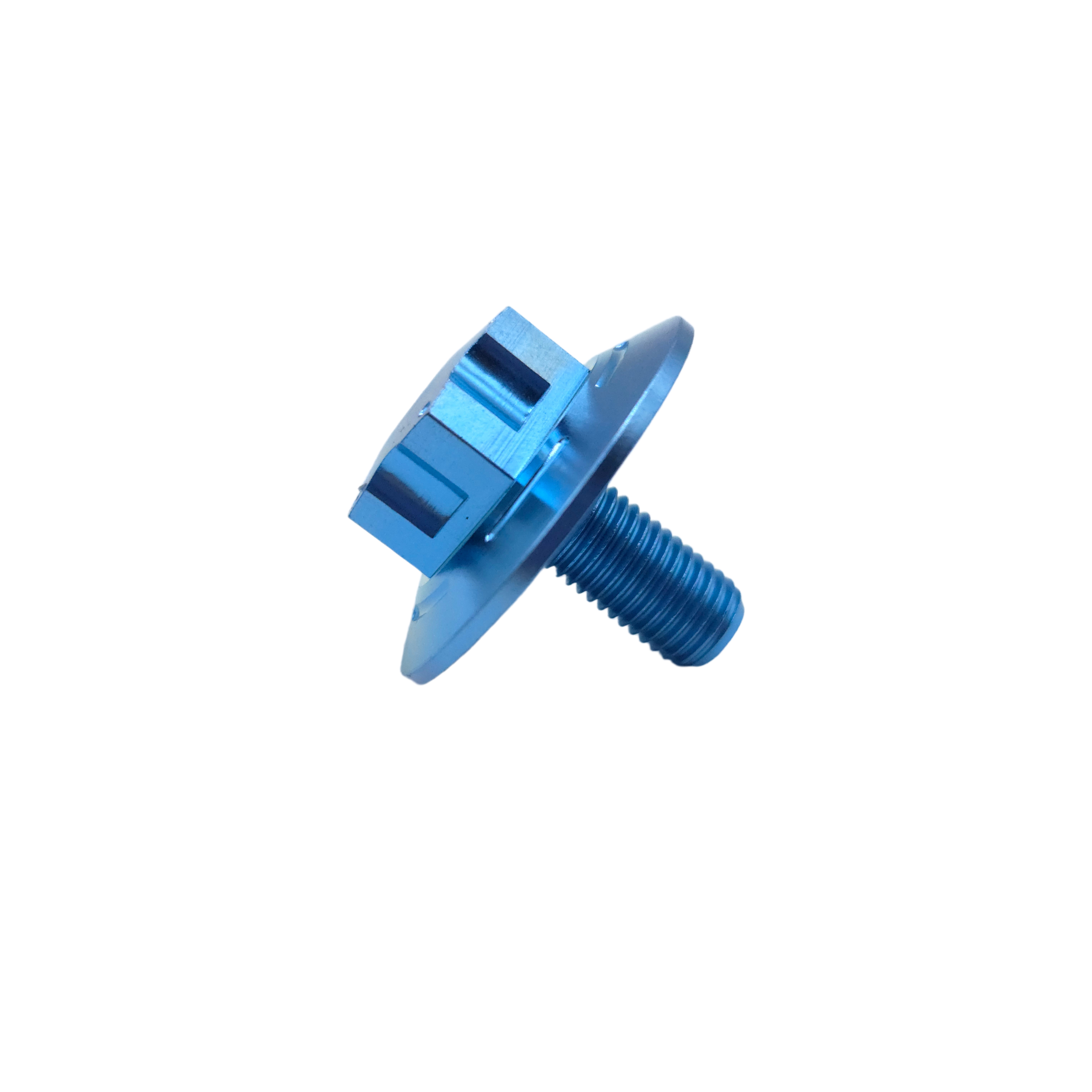
Factory Supply GR5 Titanium Hex Flange Head Bolt M10X20 DIN Thread Anodized Polish Finish
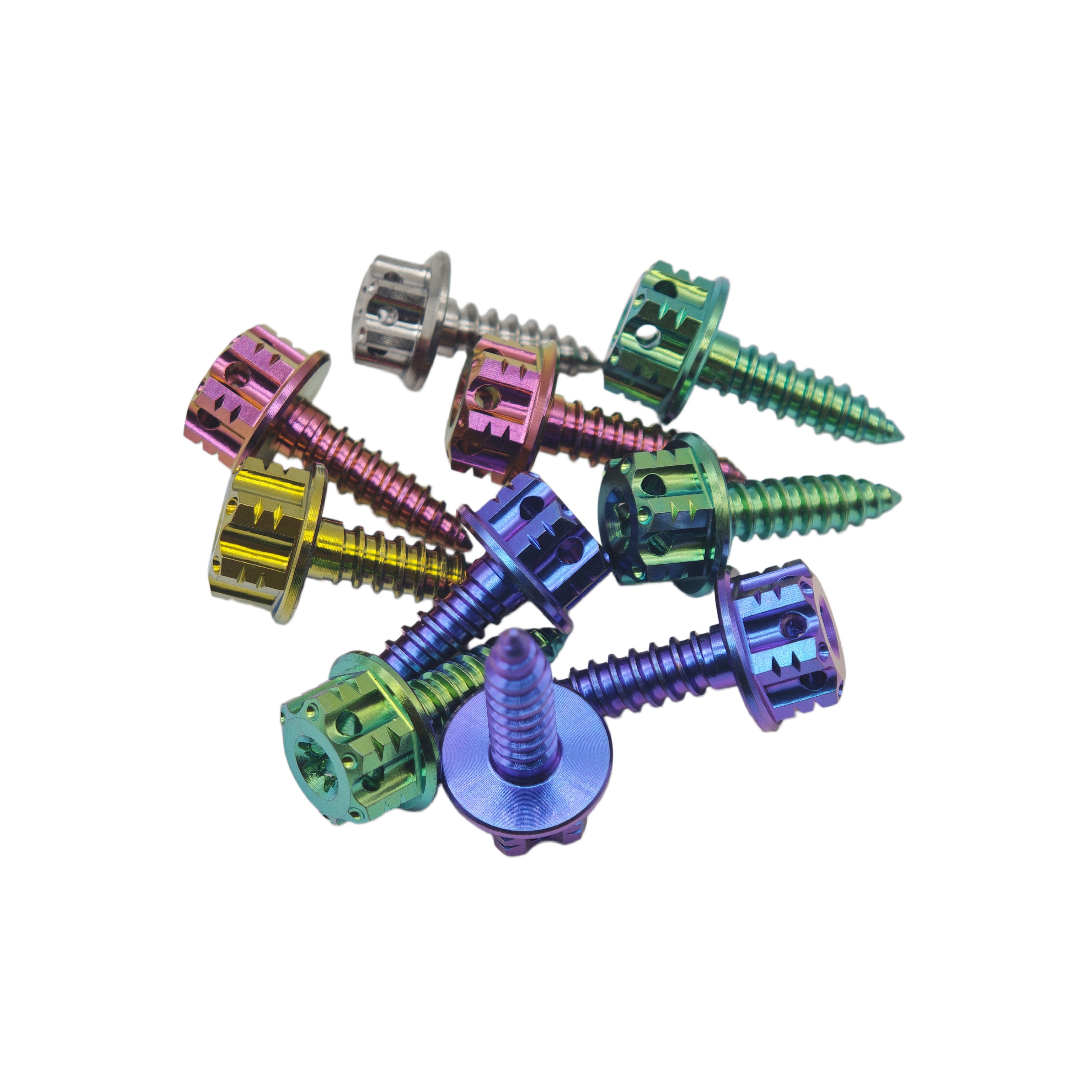
Factory Direct Sales Metric M5*15 Grade 5 Titanium Alloy Flange Screws Right Hand Thread
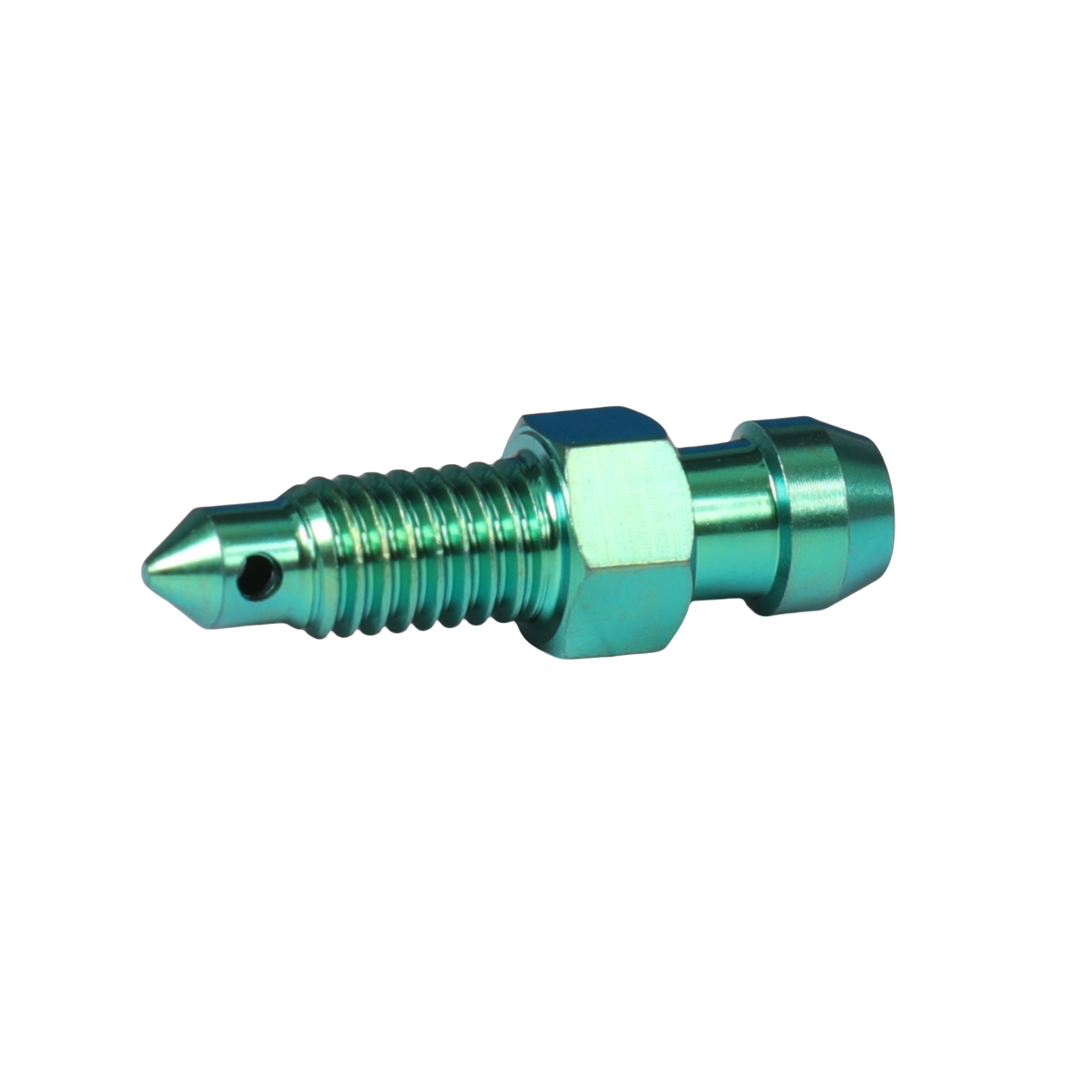
TKS M6 Anodized Gr5 Titanium Hex Caliper Oil Drain Bolt Screw Metric System
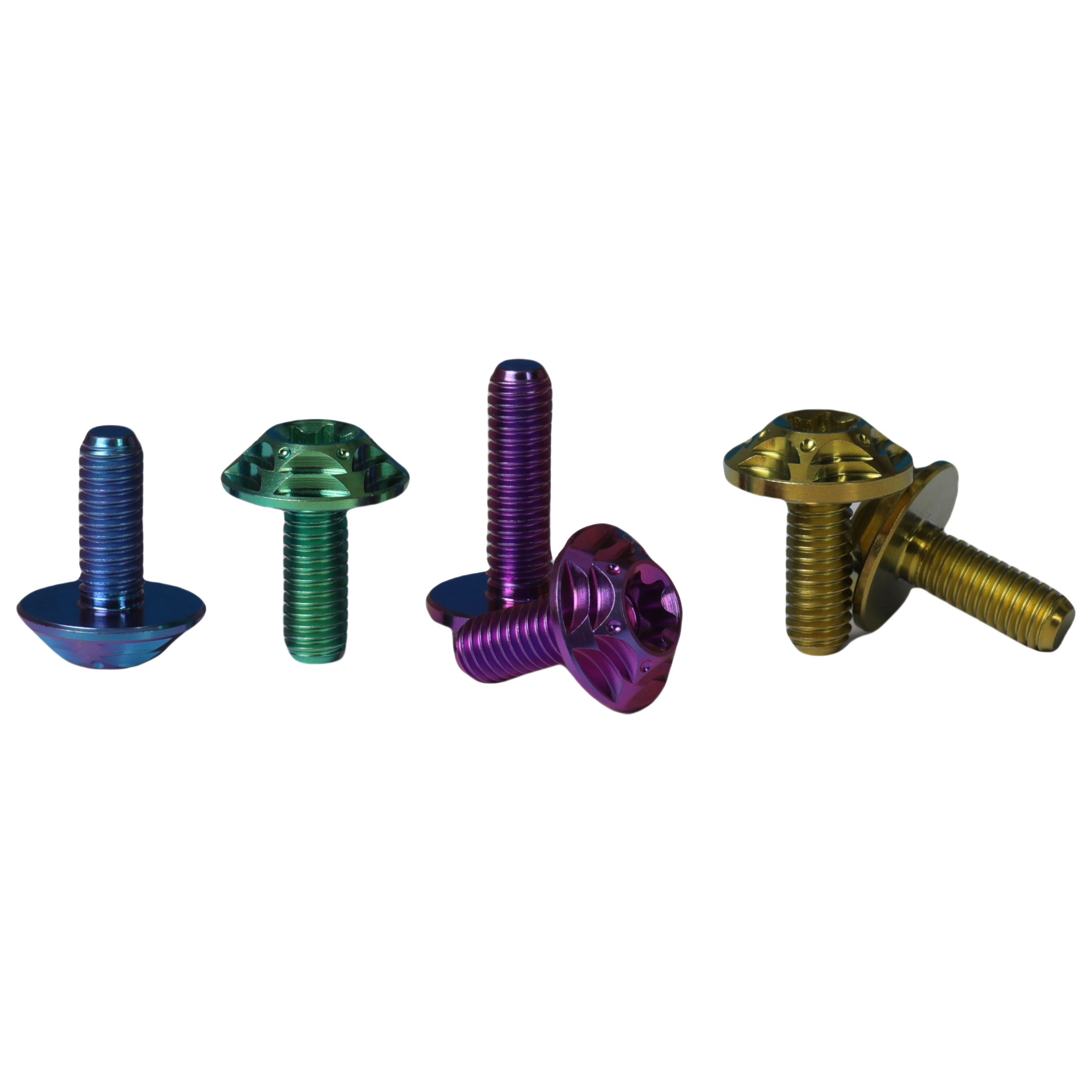
Titanium Alloy CNC Disc Brake Disc Head Bolts Torx Head DIN Thread Anodized/PVD
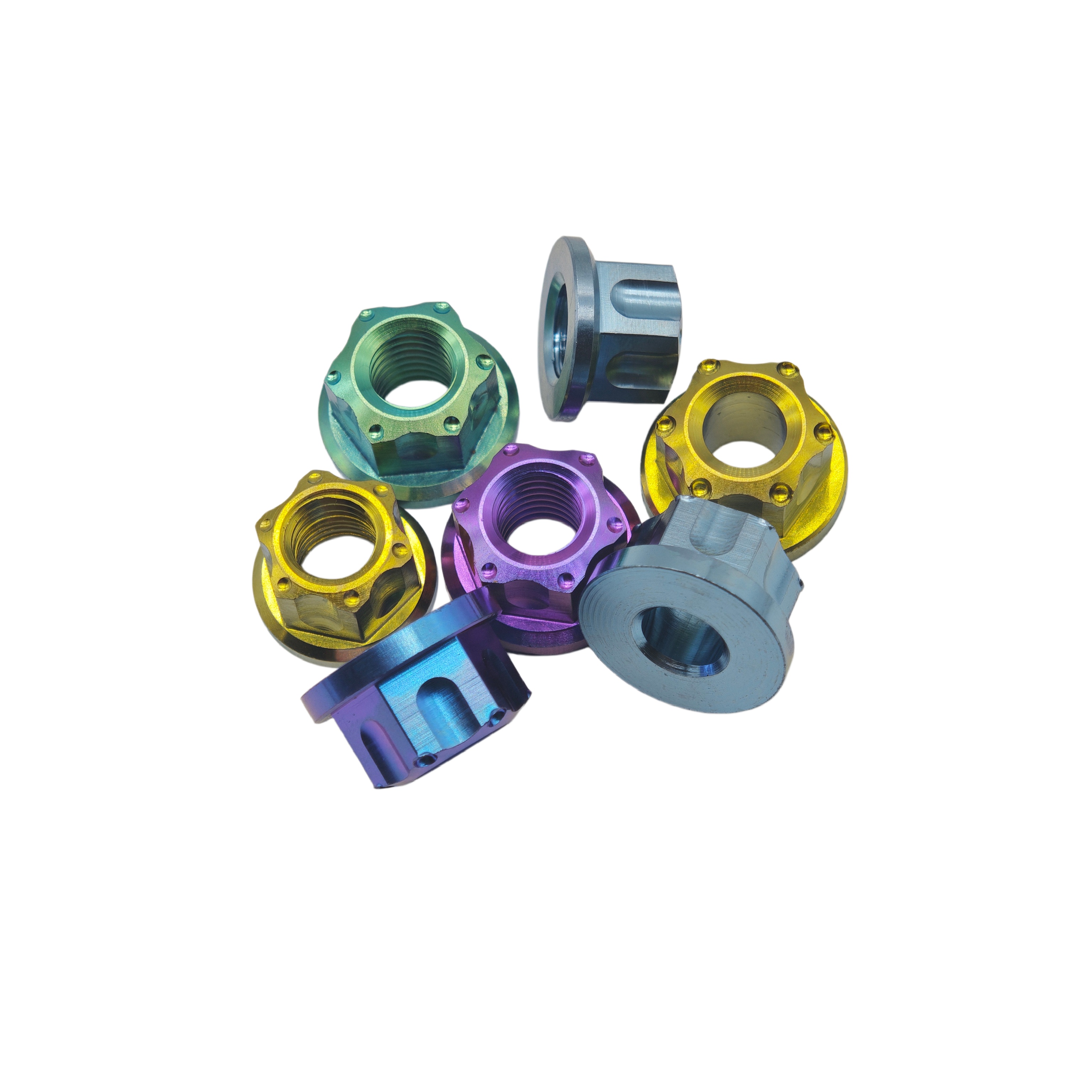
Factory Direct Sales Anodized/Plain Finish Right Hand Thread Gr5 Hexagon Flange Titanium Open Nut M10/M8
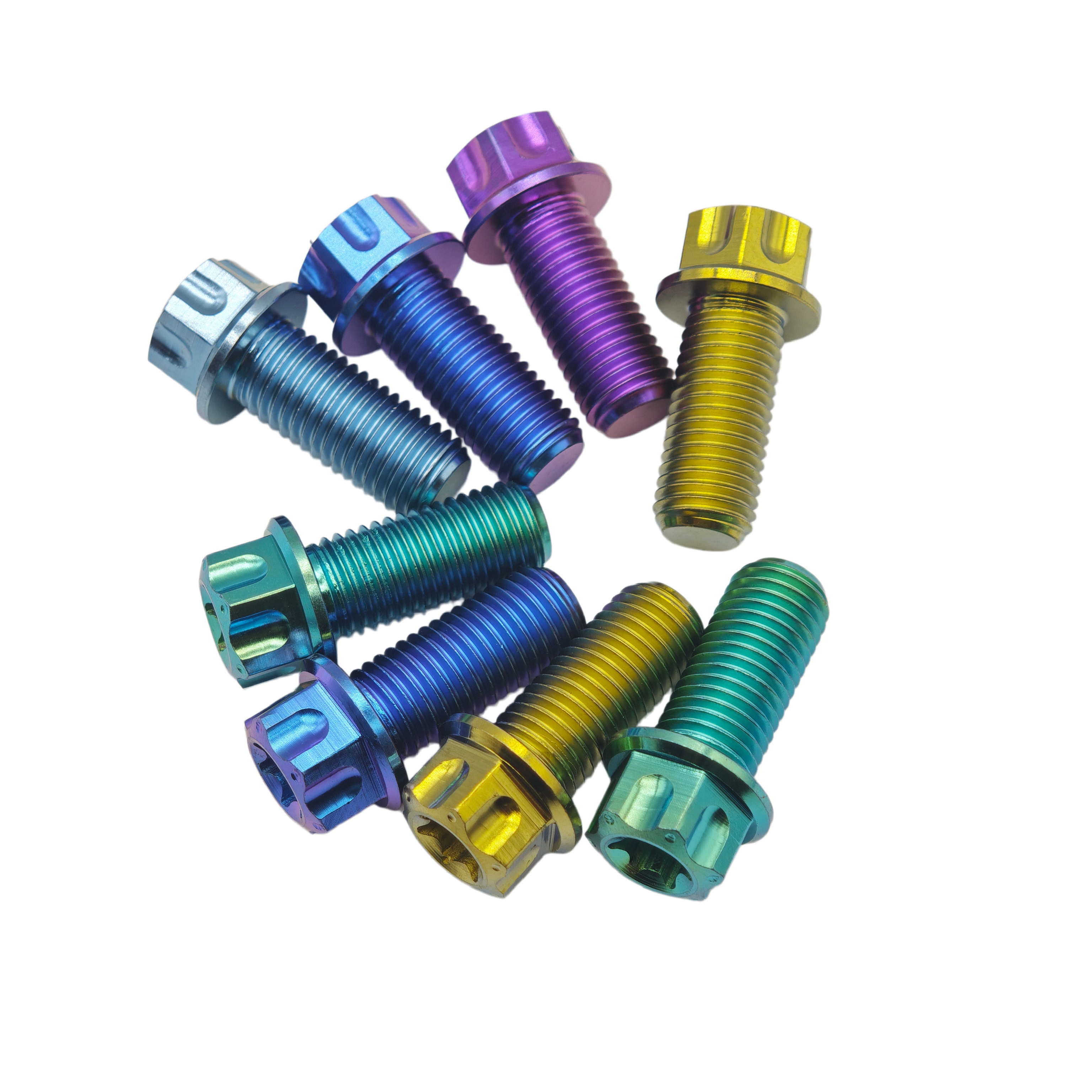
Factory Wholesale Anodized GR5 Titanium Hex Flange Head Bolts M8/M10 UNF Thread
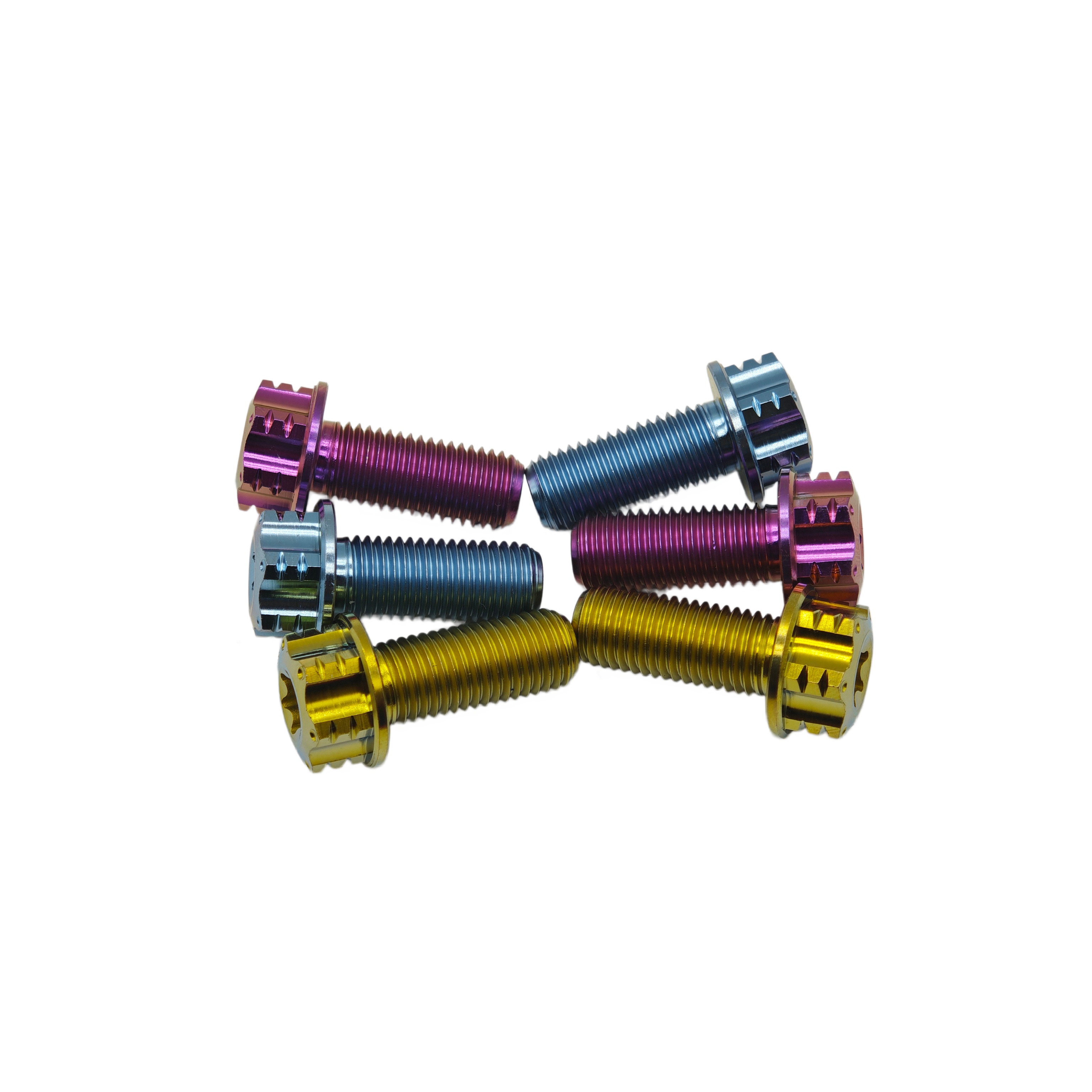
Hot Selling Gr5 Titanium Bolts M10*25mm Hex Flange Head Plain Finish UNF Thread Modified
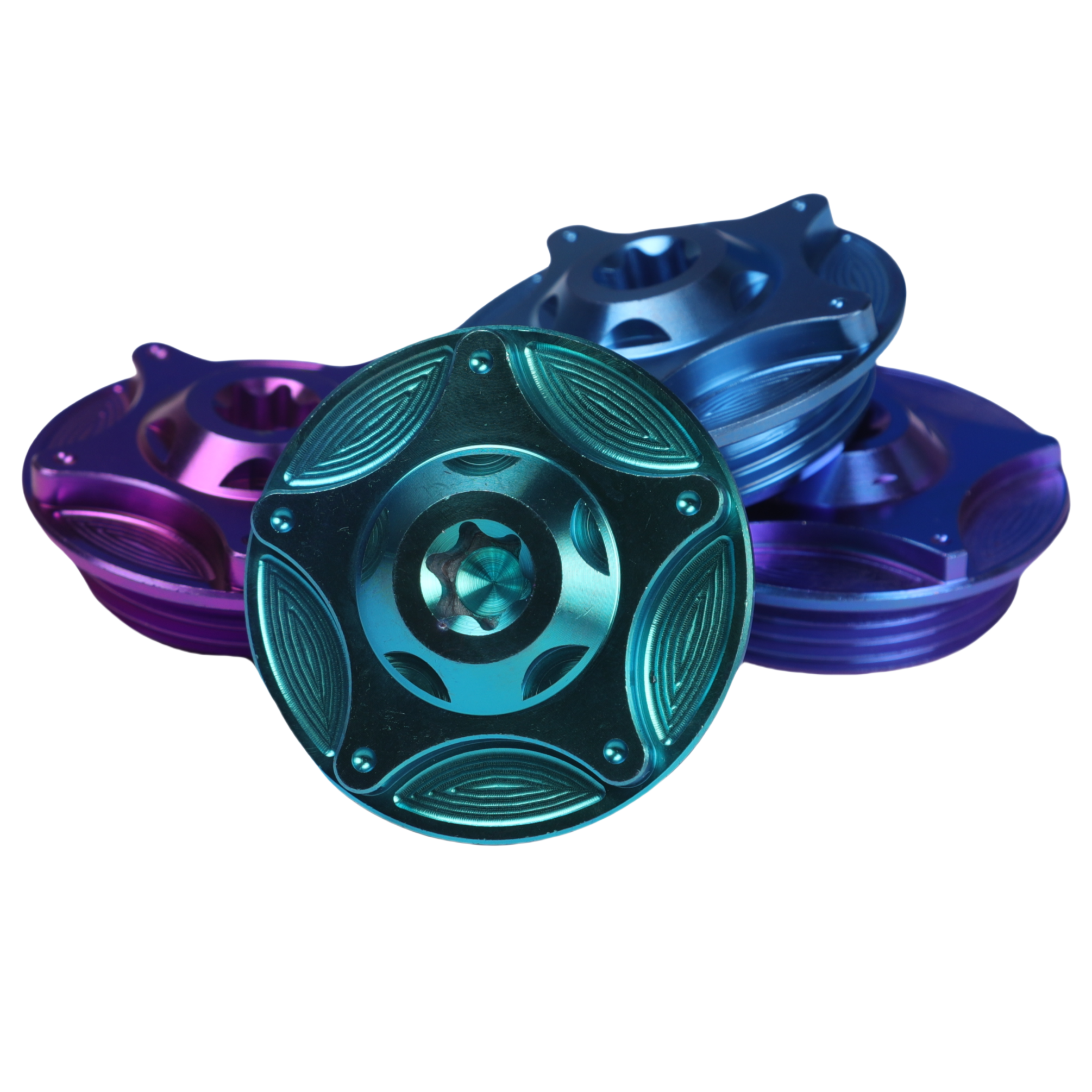
High Strength Customized M31* Super Light Anti-Skid Oil Cap for Custom Production Plants Nut
The Metallurgy of Titanium Lug Bolts: Mechanics, Tensile Yield, and Unsprung Mass Dynamics
Why modern supercar architectures, electric hypercars, and endurance motorsport programs are phasing out zinc-plated carbon steel wheel studs in favor of aerospace-grade Ti-6Al-4V fasteners.
In competitive motorsport and high-performance automotive engineering, wheel hub fastening represents a safety-critical mechanical interface. Wheel bolts do not merely hold the wheel to the hub assembly; they must generate and maintain a strictly calculated clamping preload (Fv) capable of withstanding extreme cyclic shear loads, brake rotor thermal spikes exceeding 650°C, and severe rotational inertia forces.
Traditional OEM wheel bolts utilize Class 10.9 or 12.9 quench-and-tempered carbon/alloy steels (such as 42CrMo4). While offering high tensile strength, these ferrous fasteners introduce substantial penalties in unsprung rotational mass and exhibit high susceptibility to stress-corrosion cracking (SCC) when exposed to de-icing road salts, brake cleaning solvents, and acidic environmental conditions. Conversely, Grade 5 Titanium (Ti-6Al-4V, Werkstoff 3.7165, UNS R56400) features a structural density of 4.43 g/cm³ compared to steel's 7.85 g/cm³—rendering an immediate 43.5% to 45% mass reduction without compromising yield strength.
From a vehicle dynamics standpoint, reducing unsprung rotational weight at the wheel hub delivers disproportionately greater performance gains than removing identical mass from the chassis. Decreased rotational inertia directly translates to sharper suspension rebound/compression compliance, lower gyroscopic resistance during high-speed directional changes, and improved anti-lock braking system (ABS) actuation efficiency.
| Mechanical & Physical Parameter | Gr5 Ti-6Al-4V (Heat Treated) | Class 10.9 Carbon Steel | Class 12.9 Alloy Steel | 7075-T6 Billet Aluminum |
|---|---|---|---|---|
| Density (g/cm³) | 4.43 (Super Light) | 7.85 | 7.85 | 2.81 |
| Ultimate Tensile Strength (Rm, MPa) | 950 – 1,050 | 1,000 – 1,040 | 1,200 – 1,220 | 540 – 570 |
| Yield Strength (Rp 0.2, MPa) | 880 – 980 | 900 – 940 | 1,080 – 1,100 | 480 – 505 |
| Modulus of Elasticity (GPa) | 110 – 114 (Superior Elastic Compliance) | 205 – 210 | 205 – 210 | 71 – 72 |
| Fatigue Endurance Limit (10⁷ Cycles) | 510 MPa (With Rolled Threads) | 420 MPa | 480 MPa | 160 MPa (High Fatigue Failure Risk) |
| Thermal Expansion Coeff. (10⁻⁶/K) | 8.6 (Matches Carbon-Ceramic Rotors) | 11.7 | 11.5 | 23.4 (Excessive Expansion Gap) |
| Corrosion & Salt Spray Rating | Immune to Chloride Pitting (>1,000 hrs) | Poor (Requires Galvanic Zinc) | High Embrittlement Risk | Susceptible to Galvanic Seizing |
Critical Fastener Integrity: Rolled Threads vs. Cut Threads in Wheel Fastener Longevity
A major failure mode among substandard aftermarket titanium bolts is thread shear and fatigue fracturing initiated at the thread root. When titanium threads are produced via single-point CNC cutting or manual tapping, the continuous grain structure of the forged titanium bar is severed perpendicularly. This machining method introduces microscopic notch stress concentrations and micro-tear fissures along the root radii.
At our Baoji manufacturing facility, all titanium wheel lug bolts are engineered with cylindrical progressive thread rolling performed after hot-heading and precision CNC shank profiling. Under massive hydraulic pressure, hardened rolling dies plastically deform the outer fiber layers of the titanium bar into the thread geometry. This process yields three vital engineering advantages:
Continuous Grain Flow
The metallurgical grain flow lines follow the contour of the crest, flank, and root without interruption, eliminating micro-notch stress concentration points.
Work-Hardened Surface
Severe plastic deformation induces significant work-hardening on the thread flanks, boosting root surface hardness from 32 HRC up to 38–41 HRC.
Residual Compressive Stress
Rolling introduces deep beneficial compressive residual stress along thread valleys, elevating rotational fatigue life beyond 2.5 million alternating load cycles.
Have a Custom Lug Bolt Drawing or Technical CAD Requirement?
Our application engineers review your thread tolerances, seat geometry (cone/ball/floating collar), and provide a manufacturability report within 7 hours.
Future Procurement Trends in Automotive Titanium Fasteners (2025–2035)
Strategic analysis for enterprise procurement teams, luxury tuning houses, and racing constructors navigating raw material volatility, ESG compliance, and EV lightweighting.
1. Transition to Floating-Collar (Two-Piece) Geometry
Monolithic 60° cone seat wheel bolts suffer from galling and uneven friction coefficients between the bolt face and the alloy wheel seat. The procurement shift is rapidly standardizing on two-piece floating washer designs. A free-spinning 7075-T6 hard-anodized or Grade 5 titanium collar prevents rotational scuffing during tightening, ensuring 95% of applied torque directly converts into clamp tension rather than frictional parasitic loss.
2. Electric Vehicle (EV) Platform Lightweighting Mandates
Heavy battery packs (400–700 kg) place extreme weight burdens on modern EVs. Tier-1 automotive manufacturers are aggressively auditing corner weights. Switching 20 lug bolts per vehicle from 12.9 carbon steel to precision Ti-6Al-4V saves approximately 1.2 kg to 1.8 kg of rotational mass across all four hubs. This directly improves regenerative braking response, lowers drivetrain shudder, and increases EPA/WLTP operating range.
3. Anti-Galling PVD Surface Coatings Replacing Anodizing
While electrochemical color anodizing remains popular for styling, aerospace and OEM platforms demand Physical Vapor Deposition (PVD). High-wear coatings such as Diamond-Like Carbon (DLC), Titanium Aluminum Nitride (TiAlN), and Chromium Nitride (CrN) lower the dry friction coefficient from 0.35 down to 0.10–0.12. This eliminates thread galling when installing bolts into steel wheel hubs without requiring excessive, messy anti-seize pastes.
4. Digital Heat Traceability & Blockchain Material Certificates
Procurement directors are enforcing full raw material verification down to the sponge titanium reduction stage. Aerospace AS9100 and ISO 9001 compliance now require 100% heat-lot tracking with optical emission spectrometry (OES) chemical validation. Every fastener batch is accompanied by EN 10204 3.1 Mill Test Reports guaranteeing carbon, nitrogen, oxygen, and hydrogen interstitial limits are strictly contained within ASTM B348 specifications.
5. Consolidation in China’s "Titanium Valley" Supply Hubs
Global supply chain volatility has accelerated direct partnerships with integrated manufacturers located in Baoji, Shaanxi. Over 65% of China’s total titanium processing occurs within this cluster. Direct factory sourcing bypasses European and North American re-packagers, slashing procurement lead times from 16 weeks to under 15 days while delivering 30–45% unit cost economies of scale.
6. Expansion into Closed-End Spline & Star Drive Anti-Theft Profiles
Traditional 17mm and 19mm hex drive bolts are increasingly complemented by proprietary tamper-resistant spline, 7-point star, and bespoke internal-drive heads. These geometries reduce bolt head outer diameter to fit high-end concave wheel bolt wells, shave additional weight, and safeguard expensive aftermarket forged wheels against unauthorized removal.
Why Global Tier-1 Distributors Source from Zunvo Titanium Products Co., Ltd.
Founded in 2015 in Baoji, China's world-renowned Titanium Valley, Zunvo Titanium Products Co., Ltd. operates as an onsite-verified manufacturer and exporter specializing in Grade 5 Ti-6Al-4V fasteners. With a production floor spanning 1,000–3,000 m² and an expert team of 101–200 precision engineers, machinists, and metallurgical specialists, we manage every step of the supply chain in-house: from certified vacuum arc remelted (VAR) titanium bars, to multi-spindle CNC turning, automated thread rolling, vacuum PVD coating, and automated optical sorting.
Aerospace Inspection Lab
Equipped with Mitutoyo CMM, Keyence optical comparators, hydraulic tensile testers, and thread pitch micrometer laser analyzers guaranteeing zero-defect shipments.
OEM & ODM Custom Branding
Custom thread engagement lengths (28mm to 65mm), extended shanks for wheel spacers, bespoke laser etched logos, and turnkey anodized/PVD color palettes.
Turnkey Global Logistics
Consolidated export documentation, customs clearance handling, and door-to-door express delivery (DHL, FedEx, UPS) or sea/air container freight directly to your warehouse.
Frequently Asked Questions (FAQ) for Titanium Lug Bolt Buyers
Clear, uncompromised technical answers addressing torque specs, anti-galling lubrication, galvanic corrosion, and procurement verification.
What torque specification should be used when installing Grade 5 titanium wheel lug bolts? ✕
How do you prevent thread galling (cold welding) between titanium bolts and steel wheel hubs? ✕
1. Surface Engineering: Specify our factory PVD (DLC or TiCN) coatings, which introduce an ultra-hard, low-friction ceramic barrier layer that reduces the friction coefficient below 0.12.
2. Lubrication: Apply a microscopic film of copper-based, nickel-based, or molybdenum disulfide (MoS₂) anti-seize paste to the thread flanks and seat area during installation. Note: If an anti-seize lubricant is applied, reduce specified tightening torque by 10%–15% to compensate for the reduced frictional drag and avoid over-stretching the fastener.
Can a Grade 5 titanium lug bolt safely replace an OEM Class 10.9 or 12.9 steel bolt? ✕
Is there a risk of galvanic corrosion between titanium bolts, aluminum wheels, and steel hubs? ✕
What is the standard production lead time and Minimum Order Quantity (MOQ)? ✕
What documentation and quality certifications accompany each shipment? ✕
• Complete chemical composition breakdown (Ti balance, Al, V, Fe, C, N, H, O content) verified via Optical Emission Spectrometry.
• Mechanical tensile yield, elongation, and reduction of area test data.
• 100% Go / No-Go optical thread gauge and CMM dimensional compliance reports.
• Ultrasonic flaw detection confirmation ensuring absence of internal voids, porosity, or metallurgical inclusions.
How do electrochemical anodized finishes compare with PVD vacuum coatings? ✕
PVD (Physical Vapor Deposition) vaporizes metallic nitrides in a high-temperature vacuum chamber, bonding a 2–4 micron ceramic compound (DLC or TiN) directly into the titanium substrate. PVD produces extreme surface hardness (HV 2,500–3,000) with exceptional scratch resistance, making it ideal for motorsport wheel hubs subjected to high-frequency tire changes.
Can you manufacture lug bolts with custom seat geometries for OEM vs. aftermarket wheels? ✕
• 60° Conical / Tapered Seats: Standard for aftermarket wheels (BBS, Enkei, Rays, Vossen, HRE, Rotiform).
• Radius / Ball Seats: Precision R12, R13, and R14 ball profiles standard on OEM Porsche, Audi, Volkswagen, and Mercedes-Benz platforms.
• Two-Piece Floating Washers: Conical or spherical floating collars that eliminate frictional scuffing and torque distortion during aggressive torque application.
Partner with China’s Leading Titanium Fastener Manufacturer
Whether you require bulk standard DIN-spec inventory, custom motorsport wheel bolts, or contract private-label packaging for your brand, Zunvo delivers uncompromised aerospace metallurgy direct from Baoji.
