Precision Machined Titanium Fasteners & Hardware
Engineered to aerospace tolerances in Baoji, China. Featuring rolled threads, CNC concentricity checks, and multi-stage anodic protection.
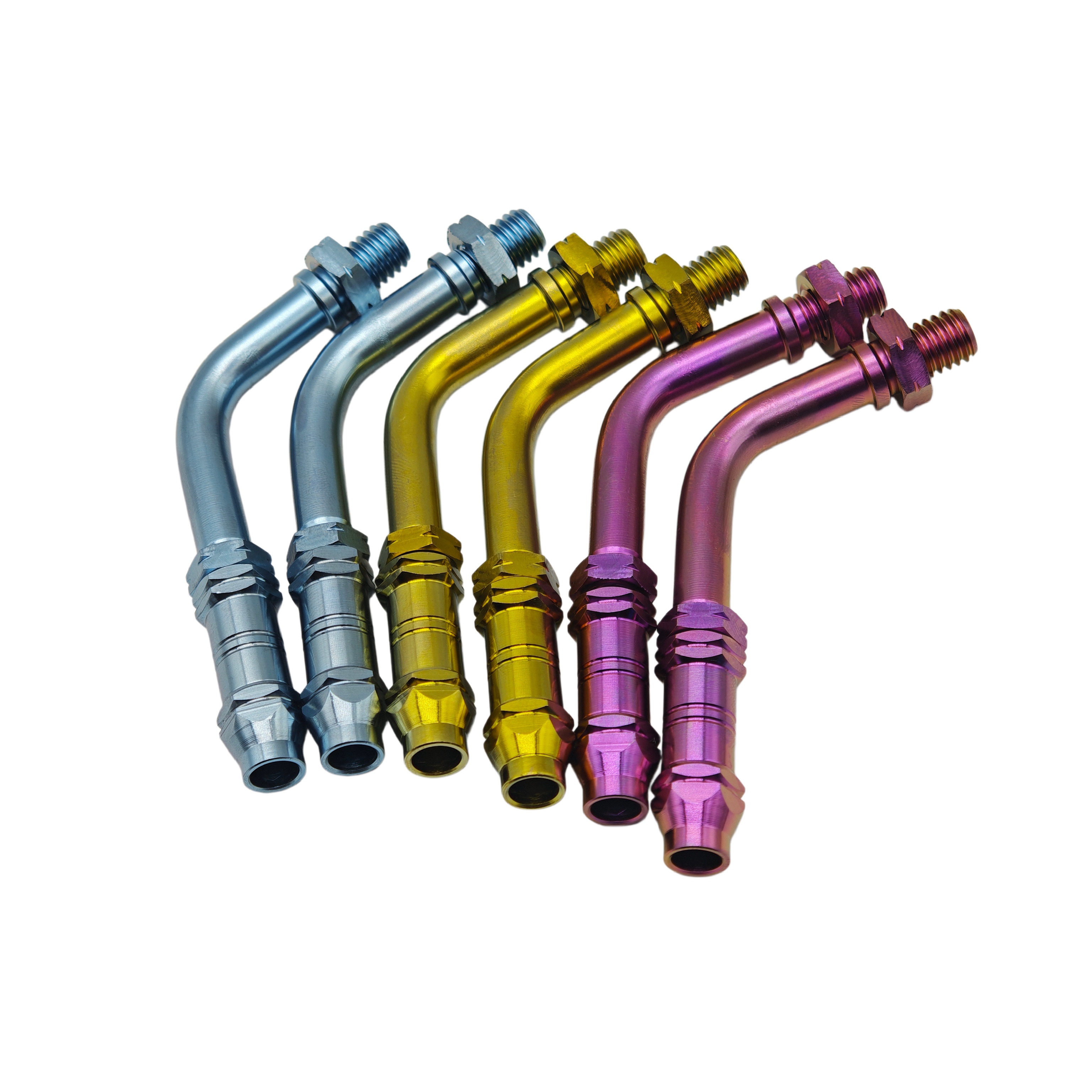
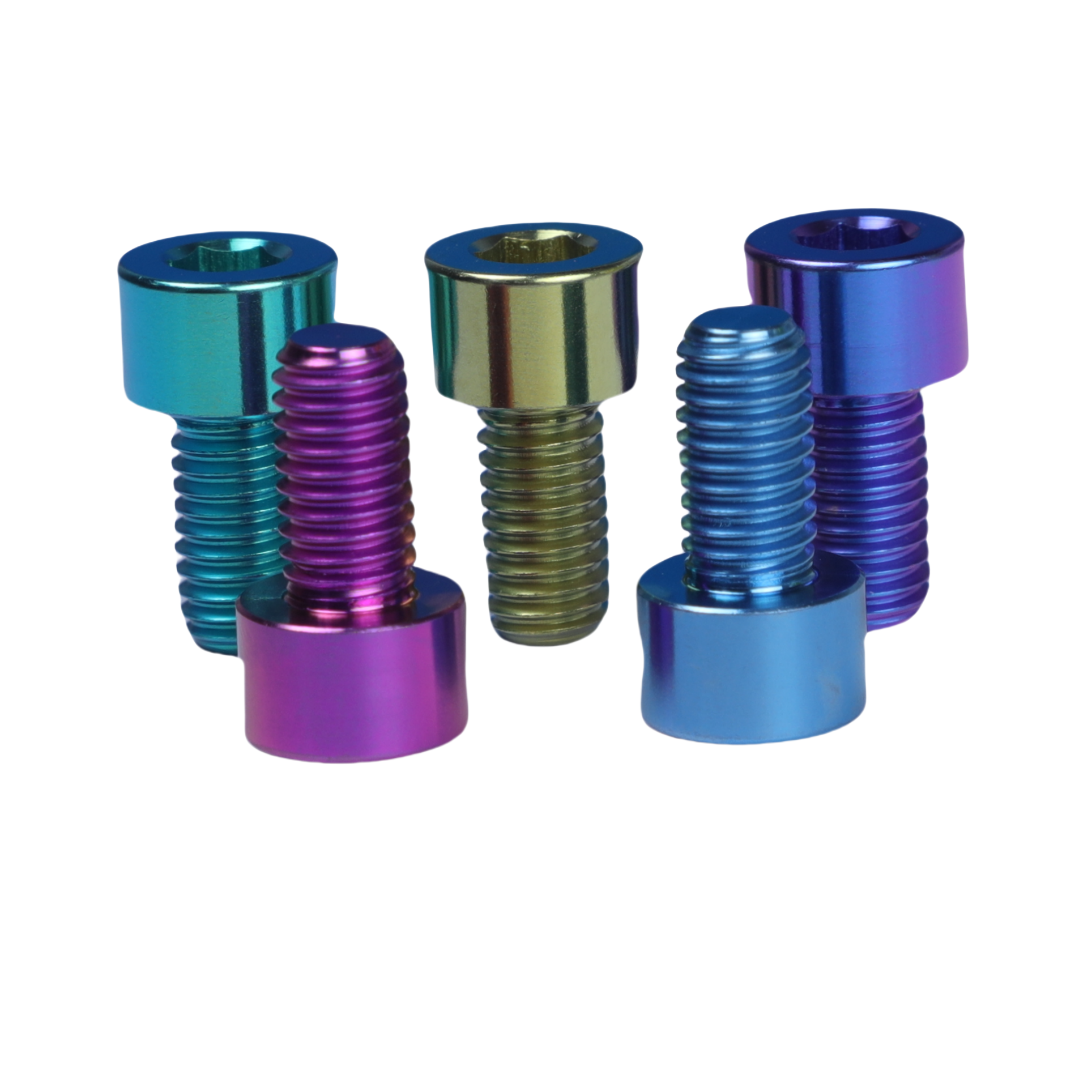
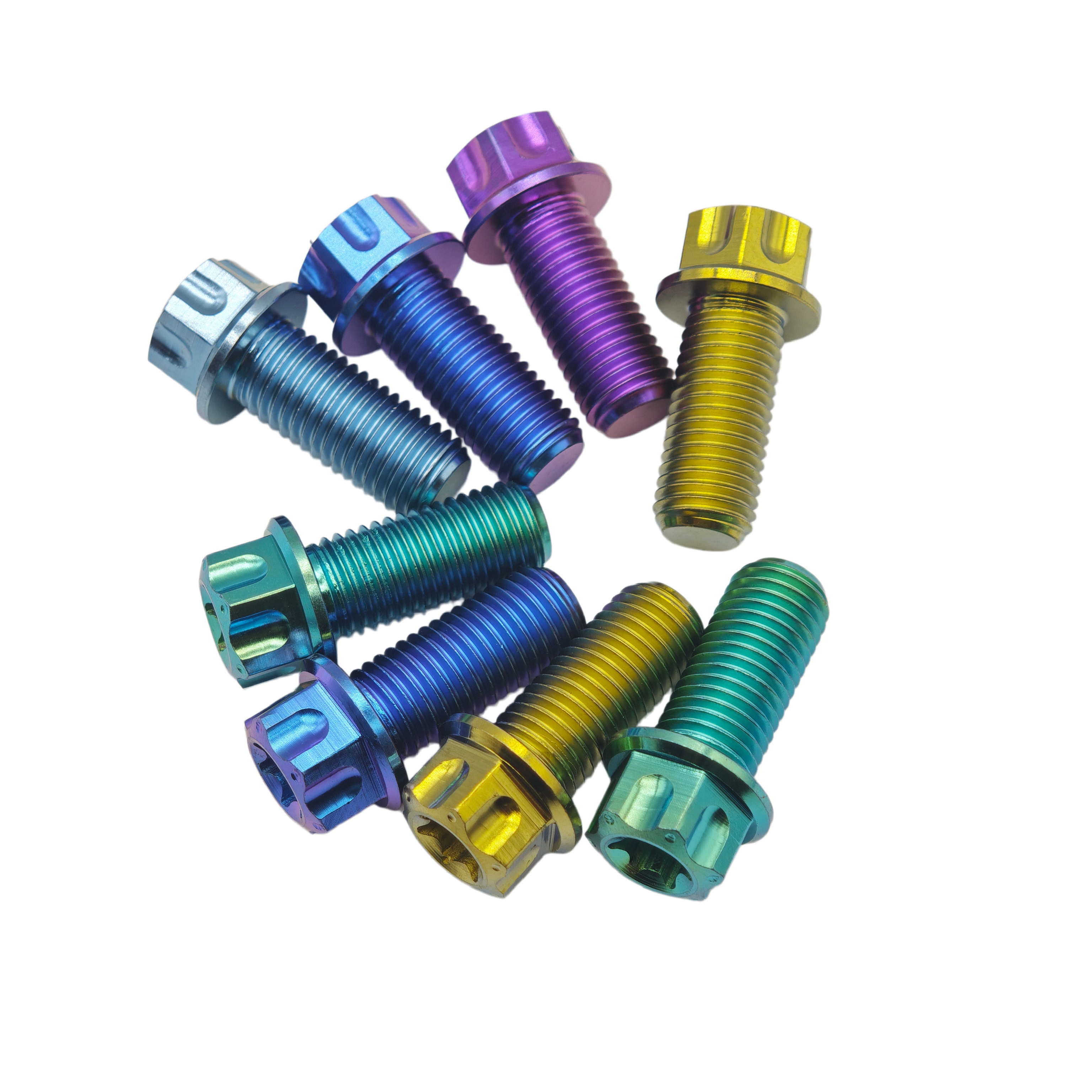
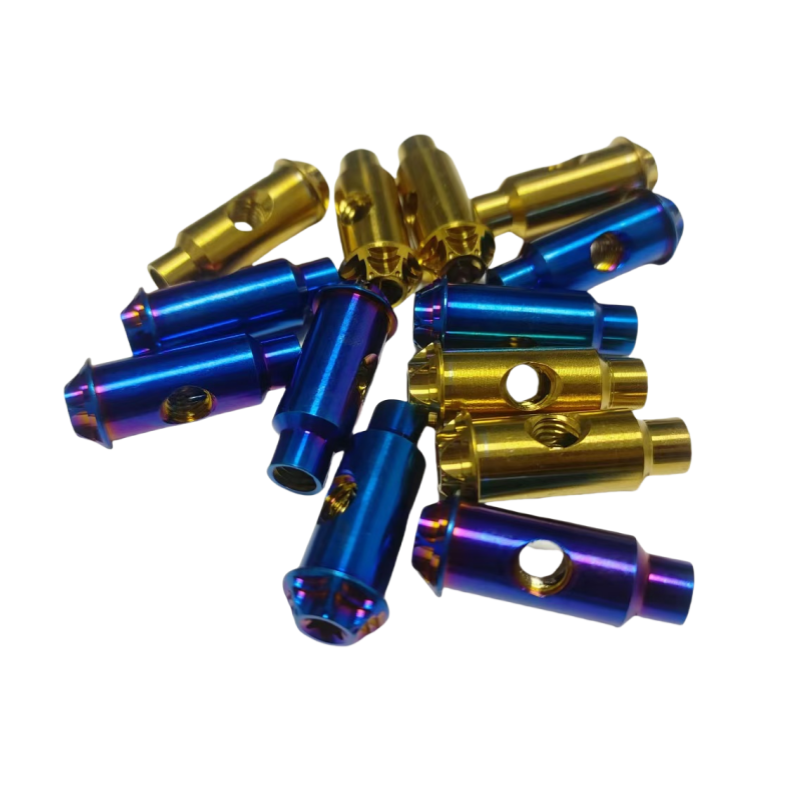
1. Metallurgical Foundations of Titanium Wheel Stud Manufacturing
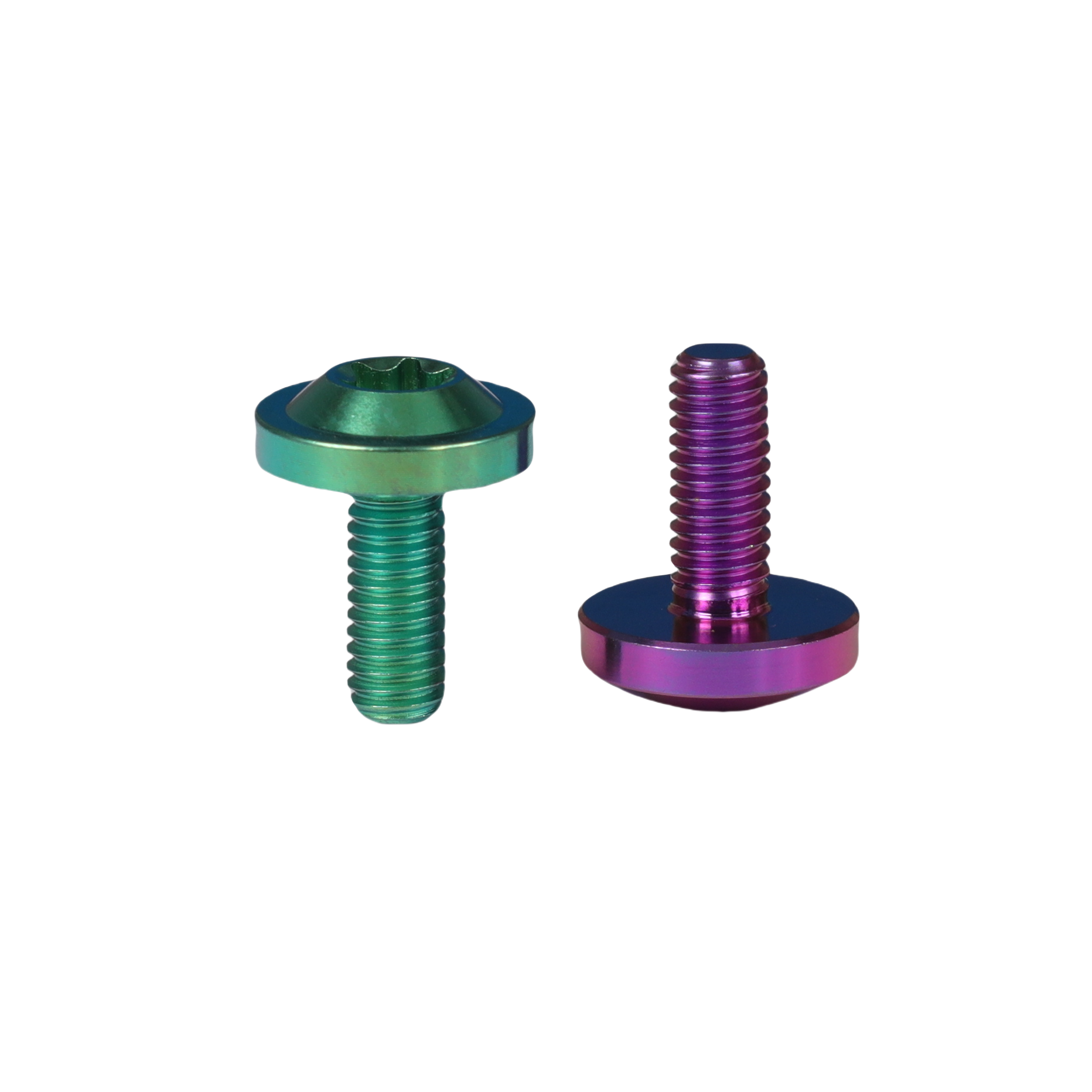
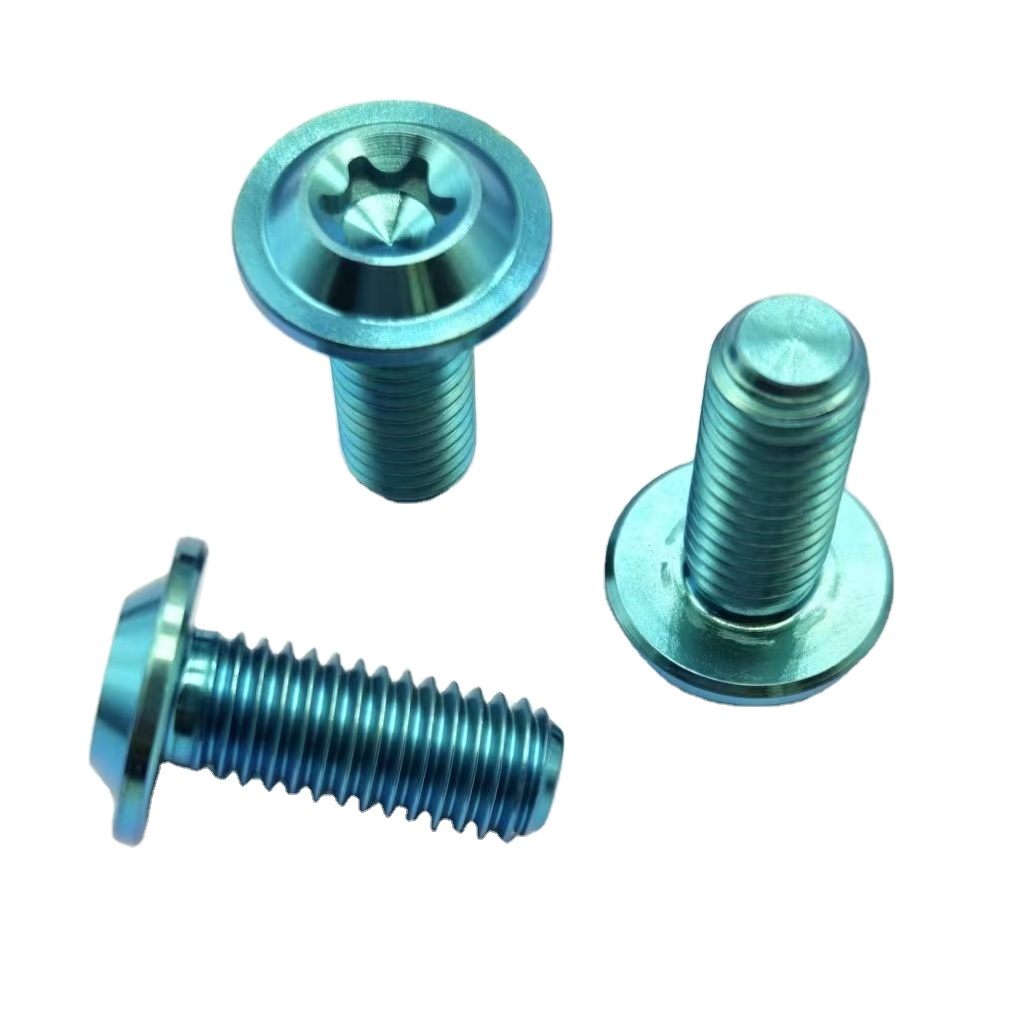
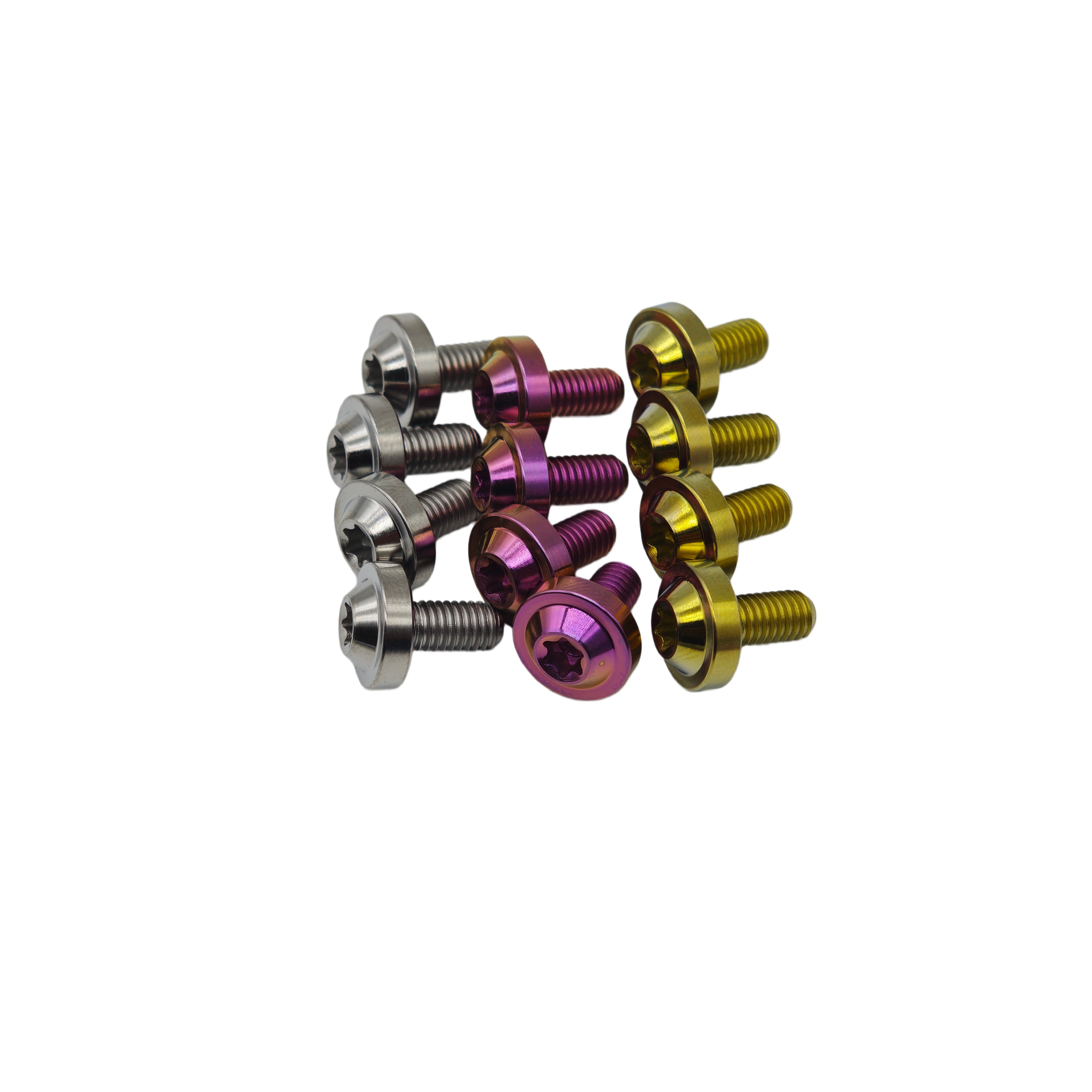
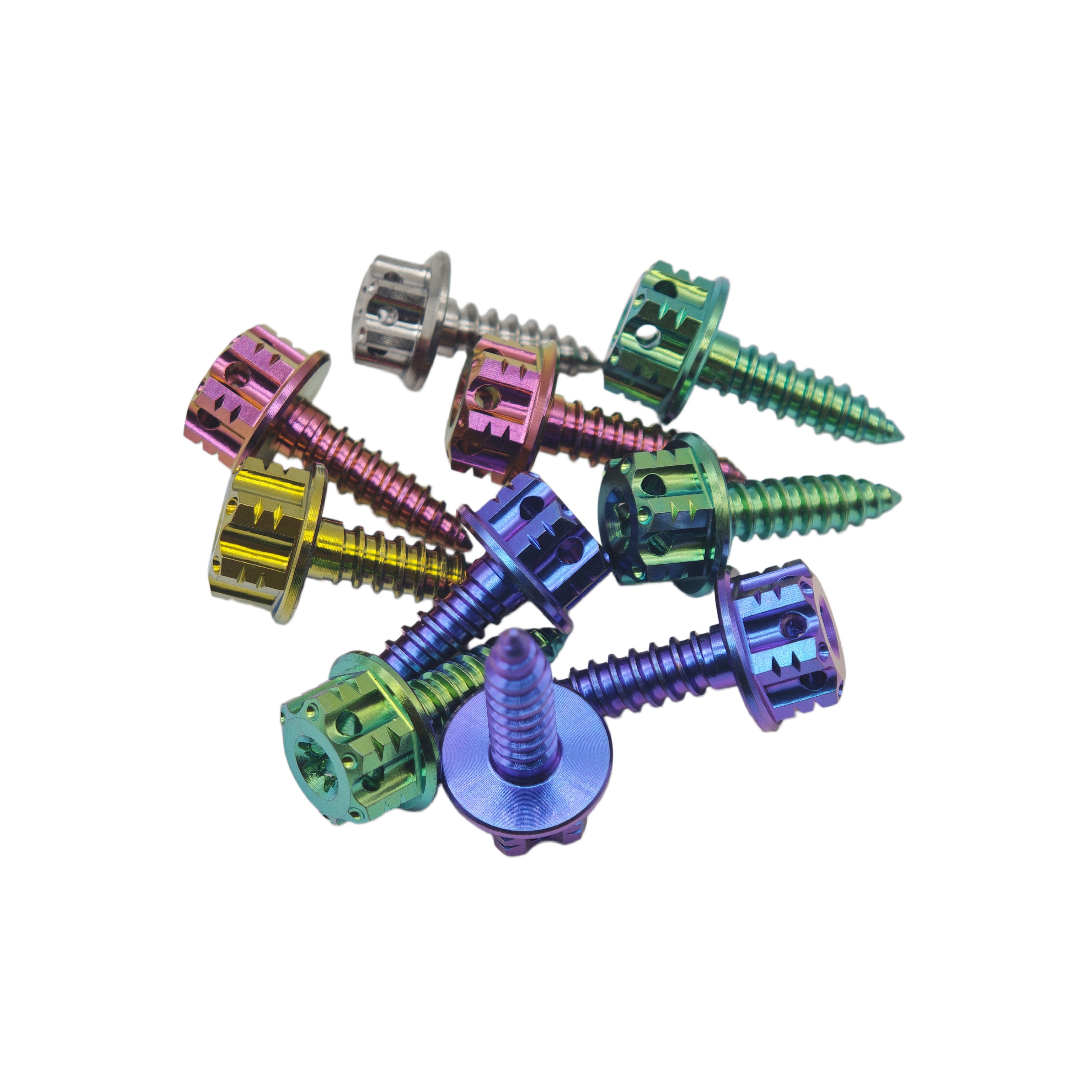
In modern automotive racing, track performance upgrades, and high-stress industrial applications, wheel studs represent the fundamental shear interface between the vehicle hub and rotating assembly. Historically, high-tensile chromoly steel (SAE 4140, 4340, or SCM435) has been the de facto standard due to ease of hot forging and predictable tensile modulus. However, in extreme environments demanding unsprung weight reduction, superior rotational inertia optimization, and absolute chemical inertness against saline road deicers and glycol-based brake fluids, Grade 5 Titanium (Ti-6Al-4V, UNS R56400) has supplanted iron-based alloys as the premier fastener substrate.
Sourced and processed in Baoji, Shaanxi—widely recognized as China's "Titanium Valley"—our titanium alloy raw material undergoes strict vacuum consumable arc melting (VAR) to ensure uniform interstitial element limits. Comprising roughly 6% aluminum (an alpha stabilizer enhancing high-temperature tensile strength) and 4% vanadium (a beta stabilizer enhancing ductile fracture toughness), Ti-6Al-4V possesses an unprecedented strength-to-weight ratio.
Comparison of Automotive Fastener Alloys Under Dynamic Stress
| Alloy Specification | Density (g/cm³) | Tensile Strength (MPa) | Yield Strength (MPa) | Thermal Expansion (µm/m·K) | Corrosion Resistance |
|---|---|---|---|---|---|
| Gr5 Ti-6Al-4V (Hot-Forged & Rolled) | 4.43 | 950 – 1050 | 880 – 920 | 8.6 | Immune (Atmospheric/Chloride) |
| Grade 10.9 Alloy Steel (SCM435) | 7.85 | 1040 – 1200 | 940 | 12.2 | Low (Requires Zinc/Phosphate) |
| Grade 12.9 Alloy Steel (4140 Quenched) | 7.85 | 1220 | 1100 | 12.5 | Susceptible to Hydrogen Embrittlement |
| A4-80 Stainless Steel (AISI 316) | 8.00 | 800 | 600 | 16.0 | High (Susceptible to Galling) |
| Aerospace 7075-T6 Aluminum (Studs) | 2.81 | 572 | 503 | 23.2 | Moderate (Prone to Shear Fatigue) |
2. Grain-Flow Mechanics: Why Rolled Threads Outperform Cut Threads
The manufacturing doctrine at premier Chinese facilities dictates a clear distinction between budget CNC-turned fasteners and aerospace-grade structural wheel studs. Thread cutting on a standard CNC lathe severs the continuous metallic crystalline flow lines of the extruded titanium bar. Under cyclical radial acceleration and braking torque (which induces repeated tension-compression-bending spikes), severed grain lines become microscopic stress concentration notches, accelerating fatigue crack propagation.
Conversely, specialized Tier-1 manufacturers in China employ high-tonnage cylindrical die thread rolling following multi-axis CNC blank preparation. Rolling physically displaces the titanium grain matrix, creating a dense, uninterrupted fiber contour around the thread roots and crests. This cold work hardening induces localized compressive residual stress across the thread roots, amplifying fatigue endurance limits by over 300% compared to single-point cutting.
Future Sourcing & Technological Trends in Titanium Hardware
Key technological vectors shaping how tier-1 racing teams, hypercar builders, and industrial distributors source from China through 2030.
EV Unsprung Mass Reduction
Electric vehicle architectures utilize heavy traction battery packs, necessitating drastic unsprung mass reduction at the knuckle and hub assembly. Switching from heavy steel studs to Gr5 titanium cuts rotating fastener weight by ~44%, substantially refining active damping responsiveness and lowering suspension wear.
Advanced PVD & Tribological Finishes
While traditional voltage anodizing yields brilliant cosmetic hues, the future of motorsport fasteners lies in Physical Vapor Deposition (PVD) DLC (Diamond-Like Carbon) and TiN coatings. These sub-micron films drop friction coefficients to < 0.15, practically eradicating micro-welding galling during fast pneumatic pit-stop tire changes.
Digitally Certified Supply Chains
Global procurement executives demand real-time verification. Modern Chinese suppliers supply mill-traceable spectrometer heat certificates (ICP-AES), full 3D CMM coordinate verification reports, and optical eddy-current flaw verification data sheets linked directly to custom barcode batches.
Manufacturing Infrastructure & Technical Capabilities
Operating in Shiling Road Industrial Park, Baoji, Shaanxi, our manufacturing ecosystem leverages immediate geographic proximity to primary titanium smelting centers. This supply synergy eradicates intermediary scrap markups and guarantees fully documented ingot-to-fastener traceability. Founded in 2015, the plant integrates a workforce of 101–200 technical specialists, precision CNC turning-milling centers, multi-axis automated heading presses, and proprietary in-house vacuum cleaning and passivation channels.
Rapid Prototyping Cycle
CAD/STEP model reviews completed within 24 hours. Custom drawing prototypes and physical sample runs dispatched in as few as 3 business days for validation.
Zero-Defect Metrology
Comprehensive thread ring and plug gauging (Class 6g/6H tolerances), digital optical projection profile verification, and non-destructive surface flaw inspection.
Worldwide Fulfillment Logistics
Consolidated multi-region trade routing across North America, Europe, Southeast Asia, and the Middle East, supported by dedicated customs clearance packaging.
Torque-Tension Dynamics & Assembly Engineering
When replacing factory Grade 10.9 or 12.9 carbon steel wheel studs with Titanium Ti-6Al-4V hardware, engineers must account for the friction coefficient ($\mu$). Titanium has a natural tendency toward micro-welding or galling when rubbed dry against aluminum wheel seats or identical titanium nuts under high normal forces. To prevent thread seizing and achieve accurate clamping pre-load:
1. Lubrication: Always apply a molybdenum disulfide, anti-seize paste, or copper-based thread lubricant. This stabilizes the thread friction coefficient between 0.10 and 0.12.
2. Torque Values: Torque values must be derived from tension clamping targets rather than uncalibrated impact guns. We supply calibrated torque-tension lookup curves customized for raw, anodized, and PVD-treated surfaces.
Procurement & Engineering FAQ
Direct technical answers addressing installation tolerances, metallurgy, galvanic risks, and bulk ordering mechanics.
Can Grade 5 Titanium wheel studs safely replace Grade 10.9 or 12.9 OEM steel studs?
How do you prevent galvanic corrosion between titanium studs and aluminum wheel hubs?
What is the difference between hot-forged heads and fully CNC-machined titanium studs?
What are your factory MOQ standards and sample turnaround schedules?
How do PVD and anodized surface treatments hold up against repetitive impact wrench cycles?
Ready to Upgrade Your Fastener Architecture?
Submit your CAD drawings, sample specifications, or bulk wholesale requests directly to our Baoji metallurgical engineering desk. Average technical response time ≤ 7 hours.
Contact Us