Precision-Engineered Titanium Fasteners
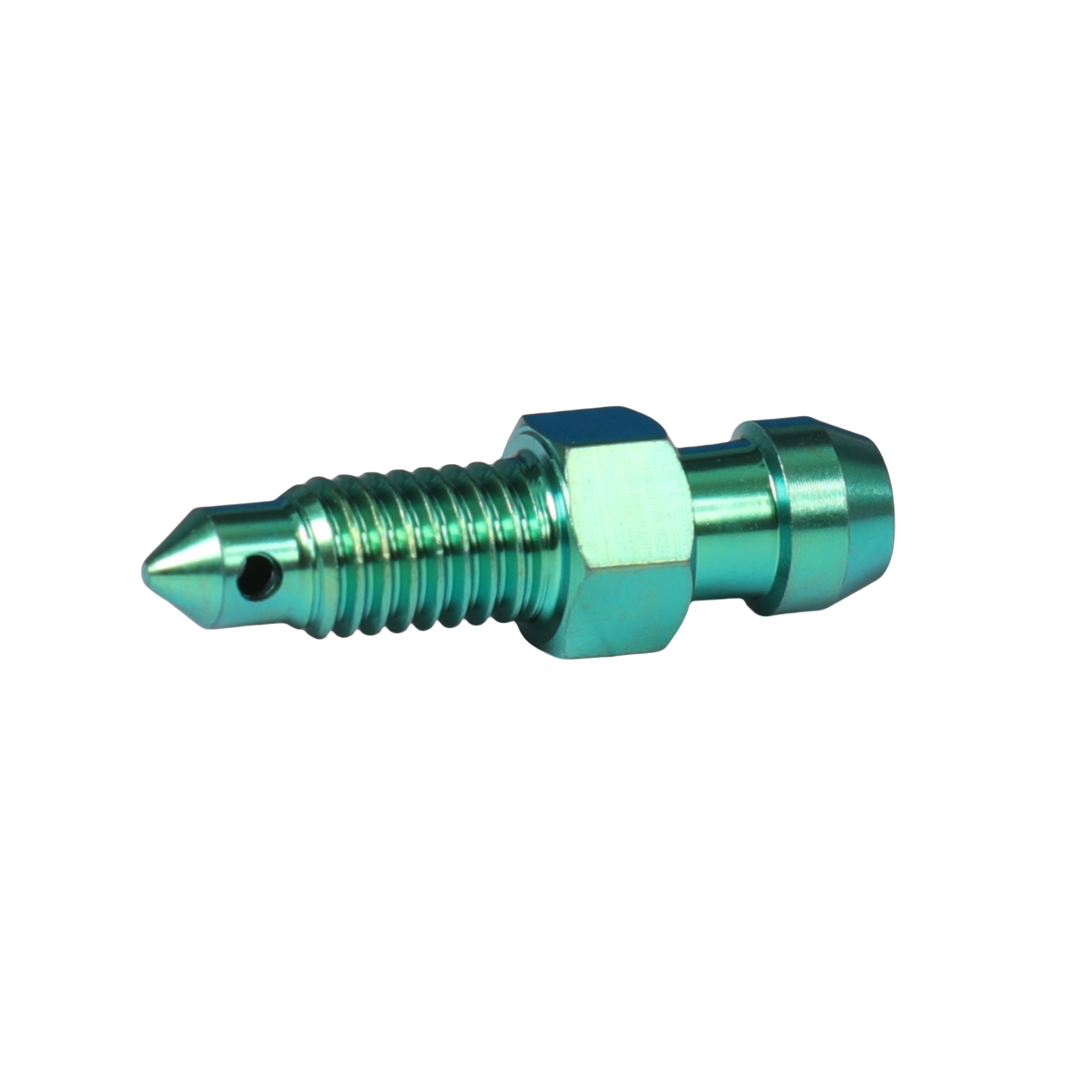
Manufactured from Grade 5 (Ti-6Al-4V) and Grade 2 titanium for superior strength-to-weight ratio, complete pitting corrosion resistance, and high fatigue endurance in subsea and marine environments.

Why Top Marine Engineers Choose Zunvo Titanium
Located in Baoji, China's "Titanium Valley," Zunvo Titanium Products Co., Ltd. combines localized raw material smelting proximity with international quality control metrics to supply aerospace and marine-grade fasteners globally.
Traceable Raw Materials
We source raw titanium ingots exclusively from verified sponge titanium producers. Every batch of Grade 5 (Ti-6Al-4V) and Grade 2 bar stock comes with complete Mill Test Certificates (MTC) according to EN 10204 3.1 standards, ensuring zero material contamination in marine applications.
Advanced CNC & Thread Rolling
Our workshop is equipped with high-precision multi-axis CNC turning-milling centers and automatic cold/hot heading machinery. Thread rolling rather than cutting is applied to critical marine fasteners to build continuous grain flow and eliminate stress concentration risers.
Rigorous Quality Assurance
Quality checks are performed at every step: optical sorting machines, Go/No-Go thread gauges, CMM dimensional checks, and salt-spray corrosion chamber testing. We ensure zero thread burrs, tight tolerances (down to ±0.005 mm), and flawless visual finishes.
Marine Titanium Fasteners Engineering Whitepaper
In harsh marine, coastal, and subsea environments, fastener failure poses catastrophic risks to vessel integrity, offshore drilling rigs, subsea robotics (ROVs/AUVs), and naval defense infrastructure. Traditional marine materials such as 316L stainless steel, nickel-copper alloys (Monel), and marine-grade aluminum suffer from localized pitting, crevice corrosion, stress corrosion cracking (SCC), or excessive weight penalties. Titanium fasteners have emerged as the definitive engineering solution for mission-critical marine operations.
1. The Passivation Science Behind Titanium Seawater Immunity
The remarkable resistance of titanium in seawater is driven by its instantaneous formation of a tenaciously adherent, self-healing oxide film ($\text{TiO}_2$, rutile and anatase phase). Unlike stainless steel—which relies on a fragile chromium oxide film easily disrupted in stagnant, low-oxygen chloride environments—titanium's protective oxide film regenerates in milliseconds whenever damaged, even in warm seawater up to 300°C (572°F).
Laboratory immersion tests and real-world offshore deployment data demonstrate that Grade 2 (unalloyed CP titanium) and Grade 5 ($\text{Ti-6Al-4V}$) display a corrosion rate in ambient marine water of less than 0.0001 mm per year—effectively infinite service life. Furthermore, titanium fasteners exhibit absolute resistance to Pitting Resistance Equivalent Number ($\text{PREN}$) challenges and crevice corrosion under marine biofouling growth (barnacles, mussels, and macro-algae).
| Material Specification | Density (g/cm³) | Yield Strength (MPa) | Tensile Strength (MPa) | Saltwater Pitting Resistance | Galvanic Compatibility with Carbon Composite |
|---|---|---|---|---|---|
| Gr5 Titanium (Ti-6Al-4V) | 4.43 | 828 - 910 | 895 - 1000 | Immune (< 0.0001 mm/yr) | Excellent (Matching Corrosion Potential) |
| Gr2 CP Titanium | 4.51 | 275 - 450 | 345 - 520 | Immune (< 0.0001 mm/yr) | Excellent |
| 316L Stainless Steel | 7.98 | 220 - 300 | 520 - 620 | Prone to Crevice Corrosion | Poor (Risk of Severe Galvanic Cell) |
| Monel 400 (Ni-Cu) | 8.80 | 240 - 350 | 550 - 650 | Moderate (Susceptible in stagnant water) | Moderate |
| 7075-T6 Aluminum | 2.81 | 505 | 570 | Severe Pitting & Stress Corrosion | Extremely Poor (Sacrificial Anode) |
2. Weight Reduction and Structural Dynamics in Subsea Systems
At a density of 4.43 g/cm³, Grade 5 titanium is roughly 45% lighter than 316L stainless steel and alloy steels, while matching or exceeding class 8.8 and class 10.9 structural bolts in tensile yield strength. In autonomous underwater vehicles (AUVs), remotely operated vehicles (ROVs), and racing yachts, every kilogram saved directly improves payload buoyancy, vessel acceleration, and operational battery life.
When used in combination with modern carbon fiber reinforced polymer (CFRP) composite hulls and structural members, Grade 5 titanium fasteners eliminate the severe galvanic corrosion standard steel bolts trigger when embedded in carbon matrix structures. Titanium and graphite possess remarkably close noble electrical potentials, completely avoiding localized degradation of composite joints.
Future Procurement & Product Development Trends in Marine Hardware
As the global ocean economy accelerates toward deeper offshore energy exploration, offshore wind power electrification, subsea robotics, and lightweight naval engineering, the technical demands placed on marine titanium fasteners are evolving rapidly. Procurement managers and OEM design engineers must align their procurement strategies with several major manufacturing and technological shifts:
1. Shift to High-Fatigue Thread-Rolled Fasteners
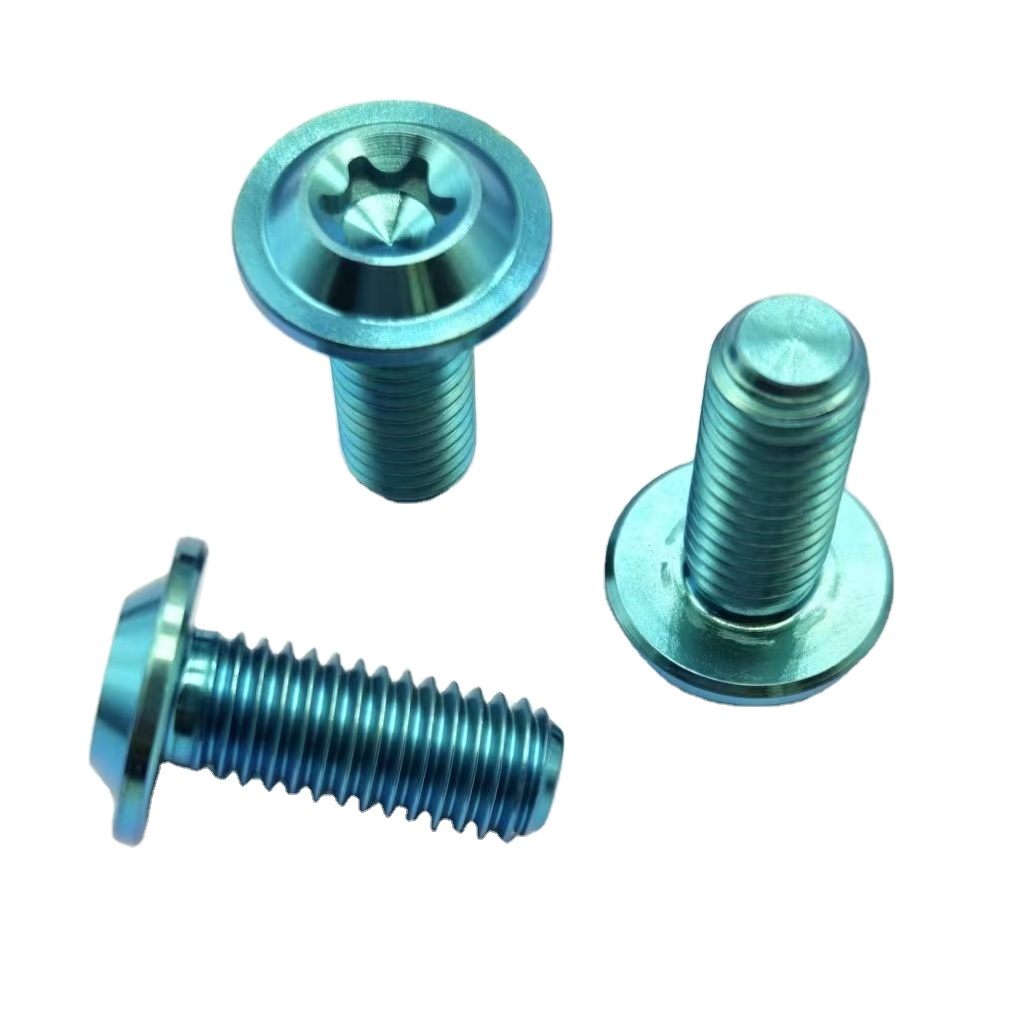
Cut threads generate sharp internal stress notches that initiate fatigue cracks under continuous ocean wave action. Industry trends mandate thread rolling post-heat treatment for all marine bolts (DIN 912, hex flange bolts, and custom rotor studs) to impart compressive residual stresses into thread roots, boosting dynamic cyclic fatigue resistance by over 300%.
2. Advanced Anti-Galling Surface Technologies
Gall resistance is a crucial focus for titanium thread hardware. Modern trends favour specialized surface modifications such as Type II Anodizing (AMS 2488), Micro-Arc Oxidation (MAO), and physical vapor deposition (PVD) anti-wear coatings (such as TiN, TiAlN, or CrN). These treatments reduce thread friction coefficients ($\mu \approx 0.12 - 0.15$), eliminating dry galling during high-torque assembly without requiring messy grease application.
3. Specialized Custom Geometries for Subsea Robotics
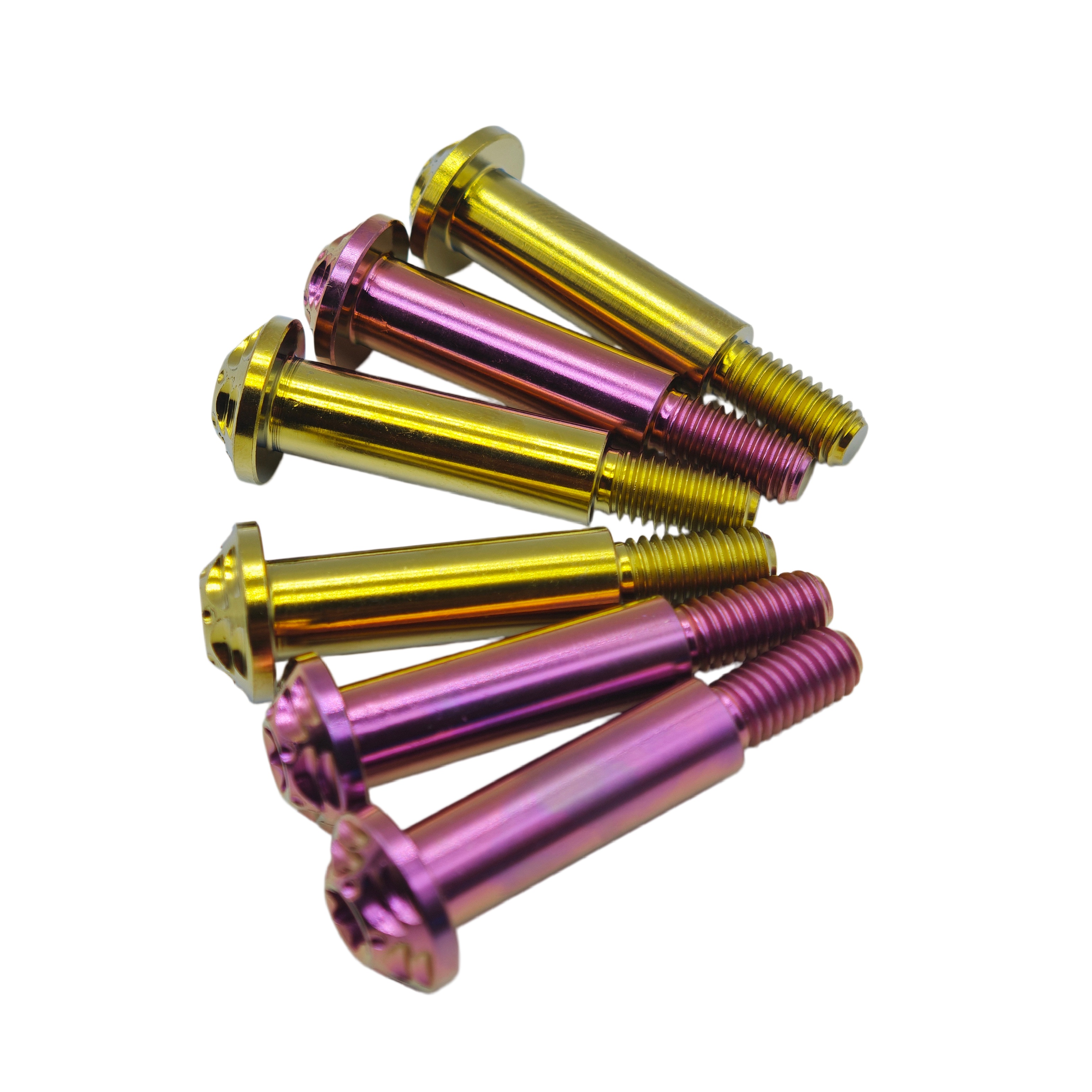
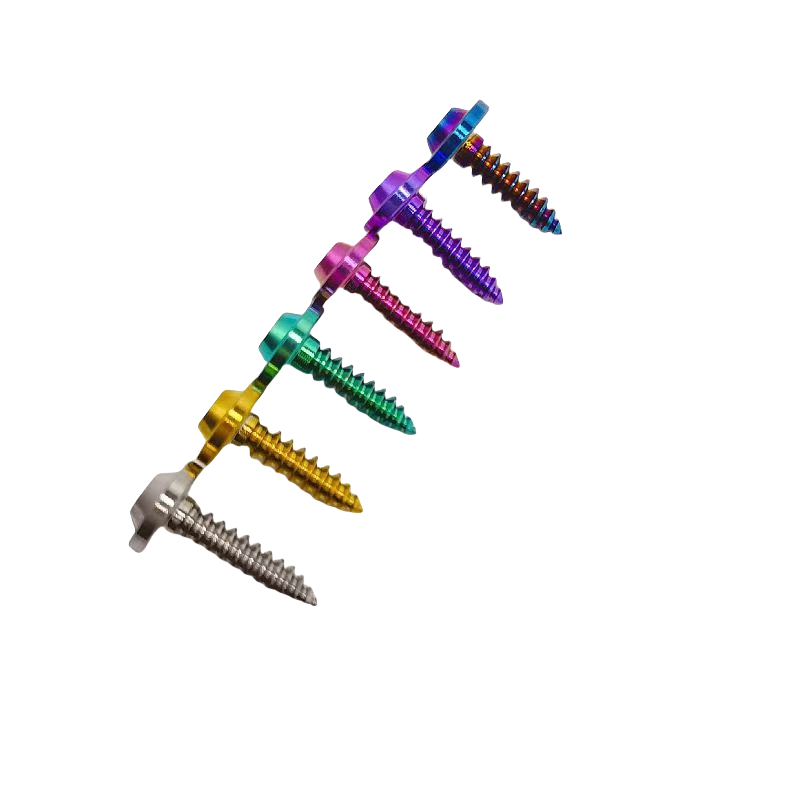
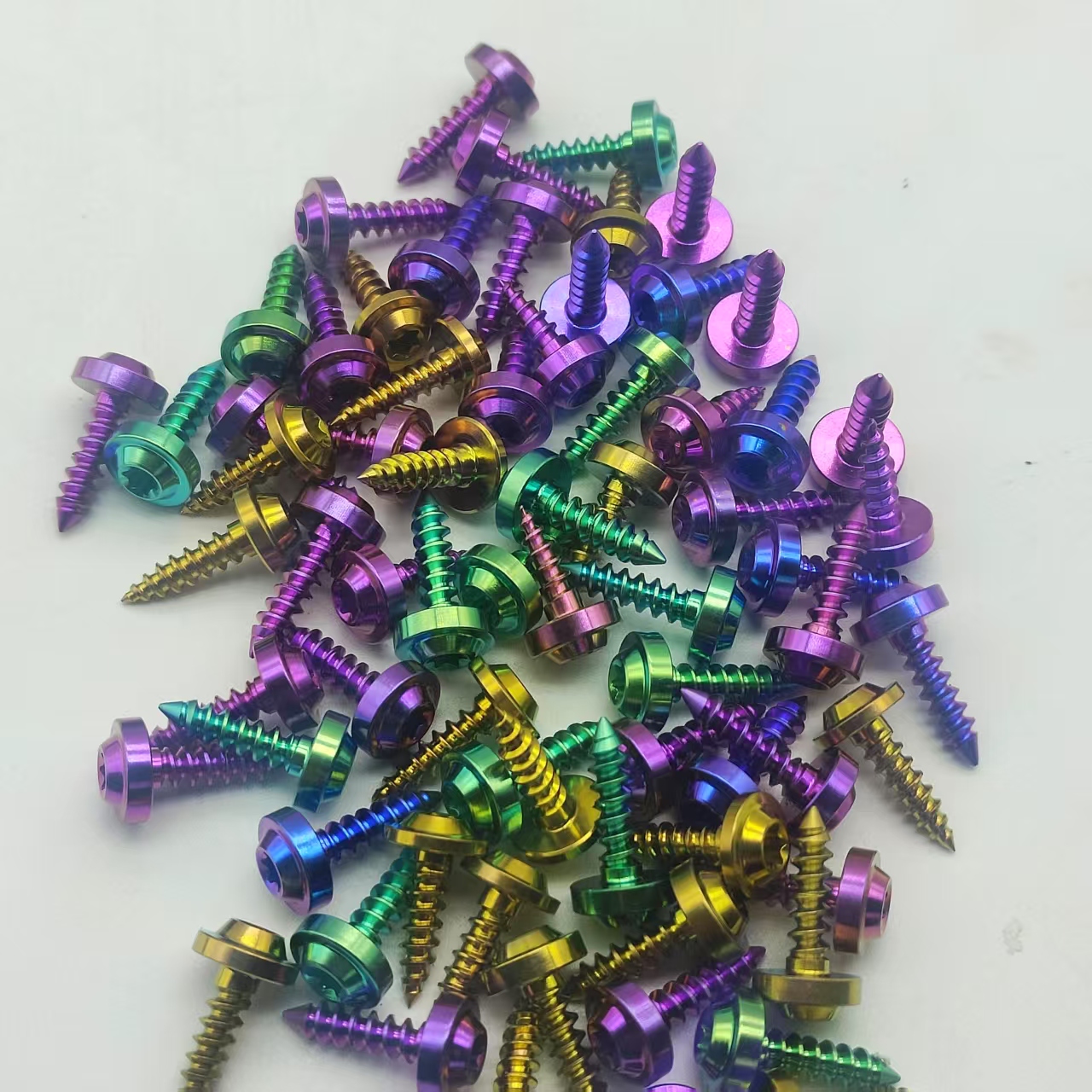
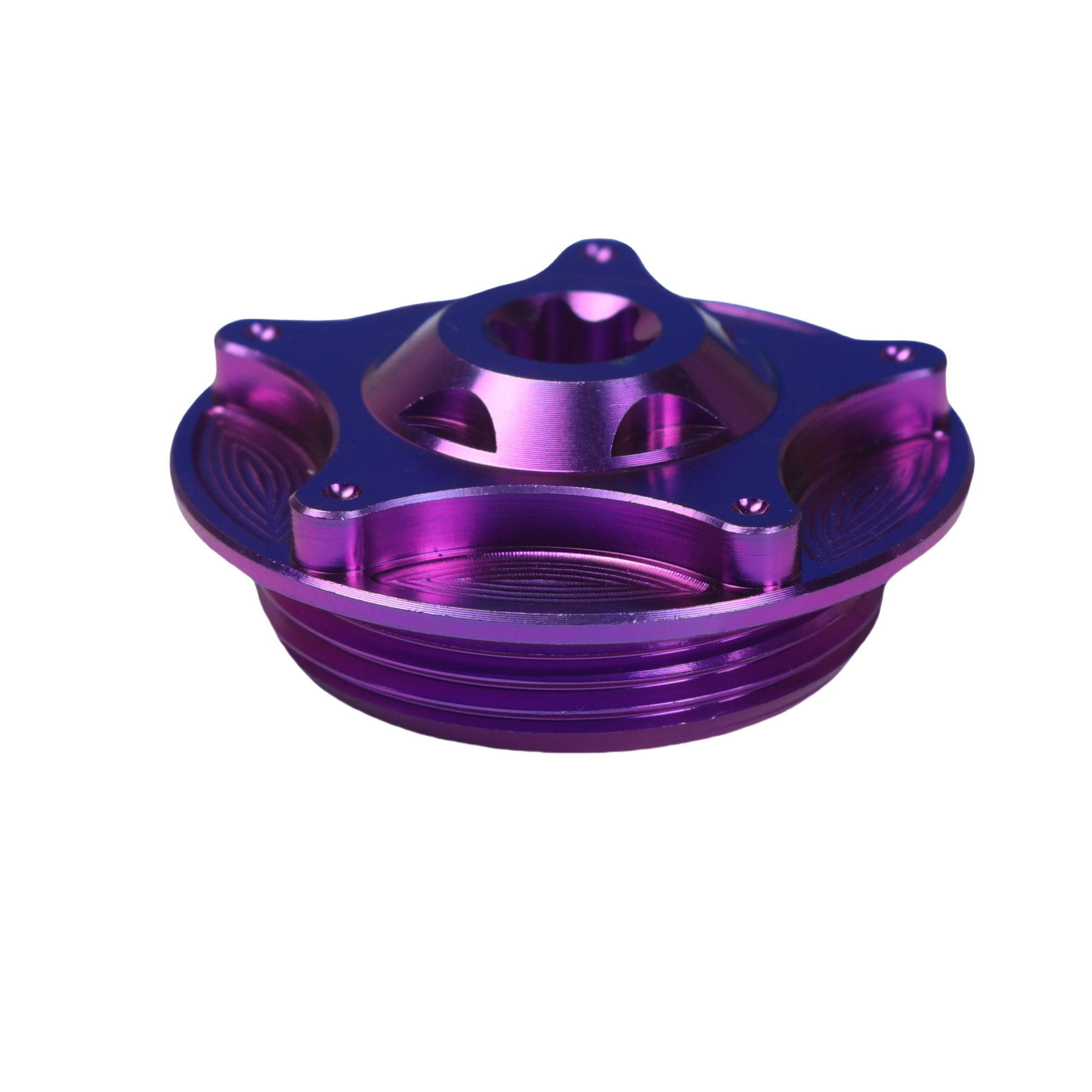
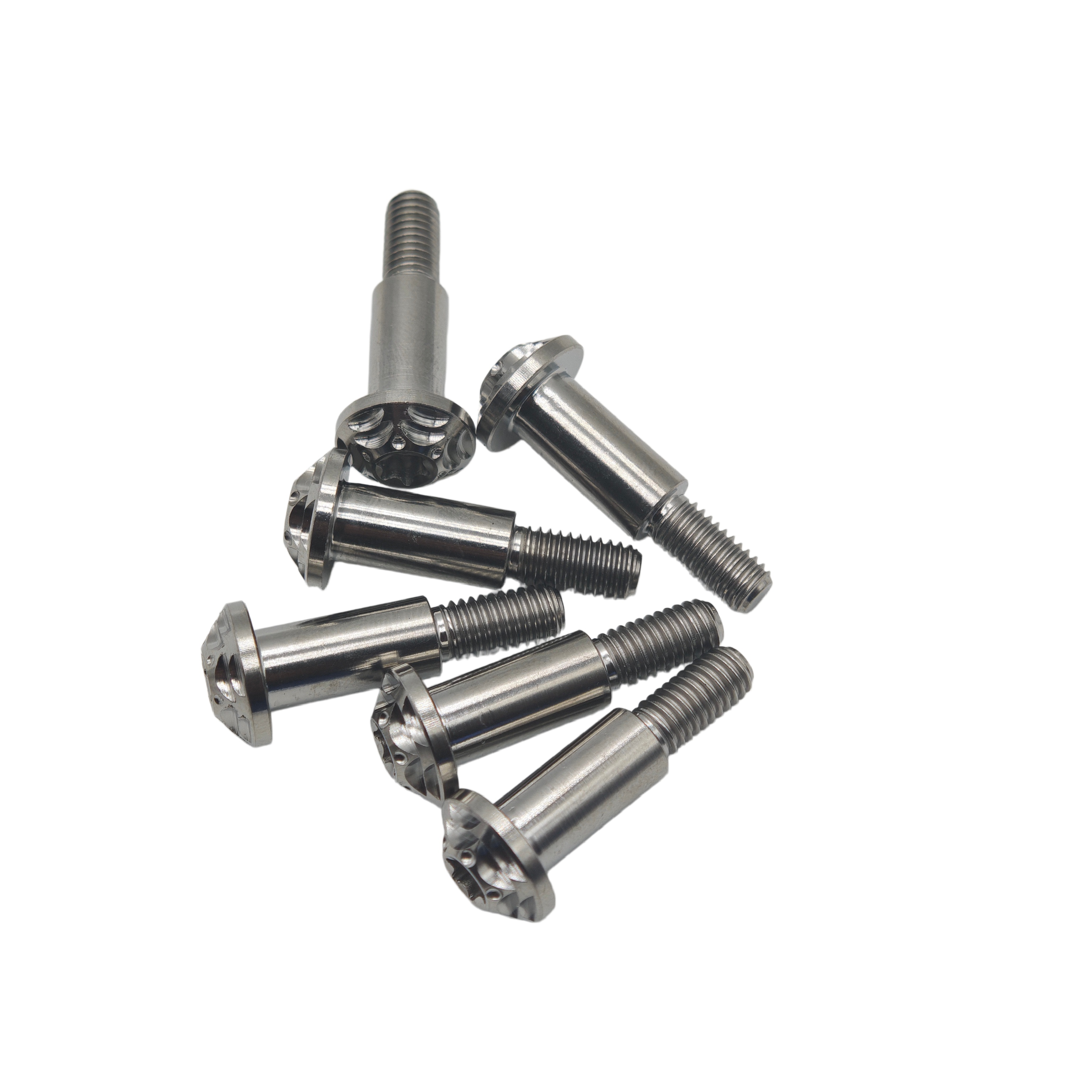
Standard hex bolts are increasingly giving way to specialized Torx-drive shoulder screws, recessed pan head self-tapping fasteners, and customized hollowed-flange bolts. These designs allow robotics manufacturers to create streamlined, low-hydrodynamic-drag housings, flush-mounted subsea camera enclosures, and quick-release battery compartment seals.
4. Total Traceability & Decarbonized Procurement
Global ocean engineering contractors are enforcing strict supply chain compliance. Future procurement strategies demand end-to-end material traceability—from raw titanium sponge melting to final CNC machining—accompanied by digital inspection reports, mill test certificates, and carbon footprint accountability.
Frequently Asked Questions on Marine Titanium Fasteners
Key engineering questions answered by our material specialists to help you streamline your fastener specification and procurement process.
Which titanium grade is recommended for marine and subsea fasteners?
For high-load, structural, and drive components (such as brake bolts, axle nuts, flange studs, and rotor hardware), Grade 5 Titanium (Ti-6Al-4V) is the standard material due to its high minimum tensile strength ($\ge 895\text{ MPa}$). For lower load, non-structural applications requiring extreme ductility and maximum chemical corrosion resistance (such as oceanographic instrument casings or decorative trim), Grade 2 Commercially Pure (CP) Titanium is frequently selected.
How do you prevent thread galling when assembling titanium marine bolts?
Thread galling occurs when raw metallic surfaces cold-weld under friction. To completely prevent galling during high-torque marine installation, we recommend: 1) Using anodized or PVD-coated titanium bolts; 2) Applying anti-seize lubricant containing nickel or molybdenum disulfide ($\text{MoS}_2$) prior to mating; 3) Controlling tightening speeds and avoiding power impact drivers.
Can Grade 5 titanium bolts directly replace Class 10.9 steel fasteners?
Yes. Grade 5 ($\text{Ti-6Al-4V}$) has a typical ultimate tensile strength of $950 - 1050\text{ MPa}$, making it structurally equivalent to Class 8.8 and Class 10.9 steel bolts while saving approximately 45% in mass. For safety-critical joints engineered for Class 12.9, our engineering team can perform a structural evaluation to optimize bolt diameter or thread pitch accordingly.
What are the minimum order quantities (MOQs) and custom sample lead times?
Standard catalog fasteners (such as DIN 912, M6/M8 flange bolts, self-tapping screws) feature low MOQs starting at 100–200 units or dozens. For custom drawing-based CNC components, our rapid prototyping shop provides sample production within 3 business days, allowing engineers to confirm fitment before scaling up to mass production.
Do anodized titanium finishes hold up against marine saltwater exposure?
Yes. Anodization colors (such as blue, purple, gold, and green) are achieved through controlled oxide film thickness interference—no paints, dyes, or organic pigments are added. The resulting titanium oxide coating will not peel, chip, or dissolve in saltwater. For heavy mechanical abrasion environments, we recommend our PVD black or nitride physical vapor deposition coatings.
Ready to Upgrade Your Marine Fastener Supply Chain?
Send us your product CAD drawings, OEM part numbers, or specific thread requirements. Our titanium engineering experts deliver complete technical feedback and competitive factory quotes within 7 hours.
Inquire Now