Featured Titanium Fasteners & Hardware Series
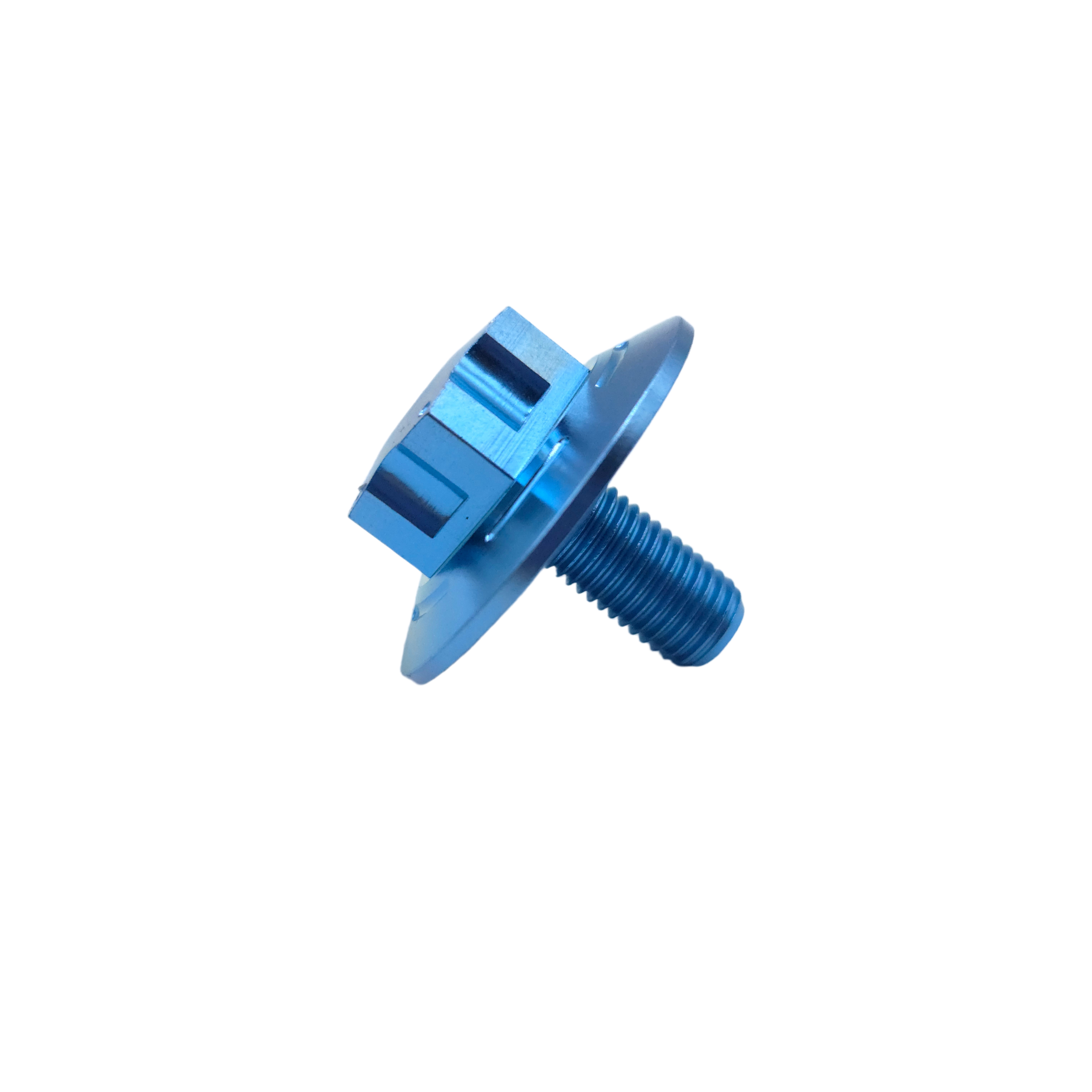
Factory Supply GR5 Titanium Hex Flange Head Bolt M10X20 DIN Thread Anodized Polish Finish Motorcycle Gasoline Cap
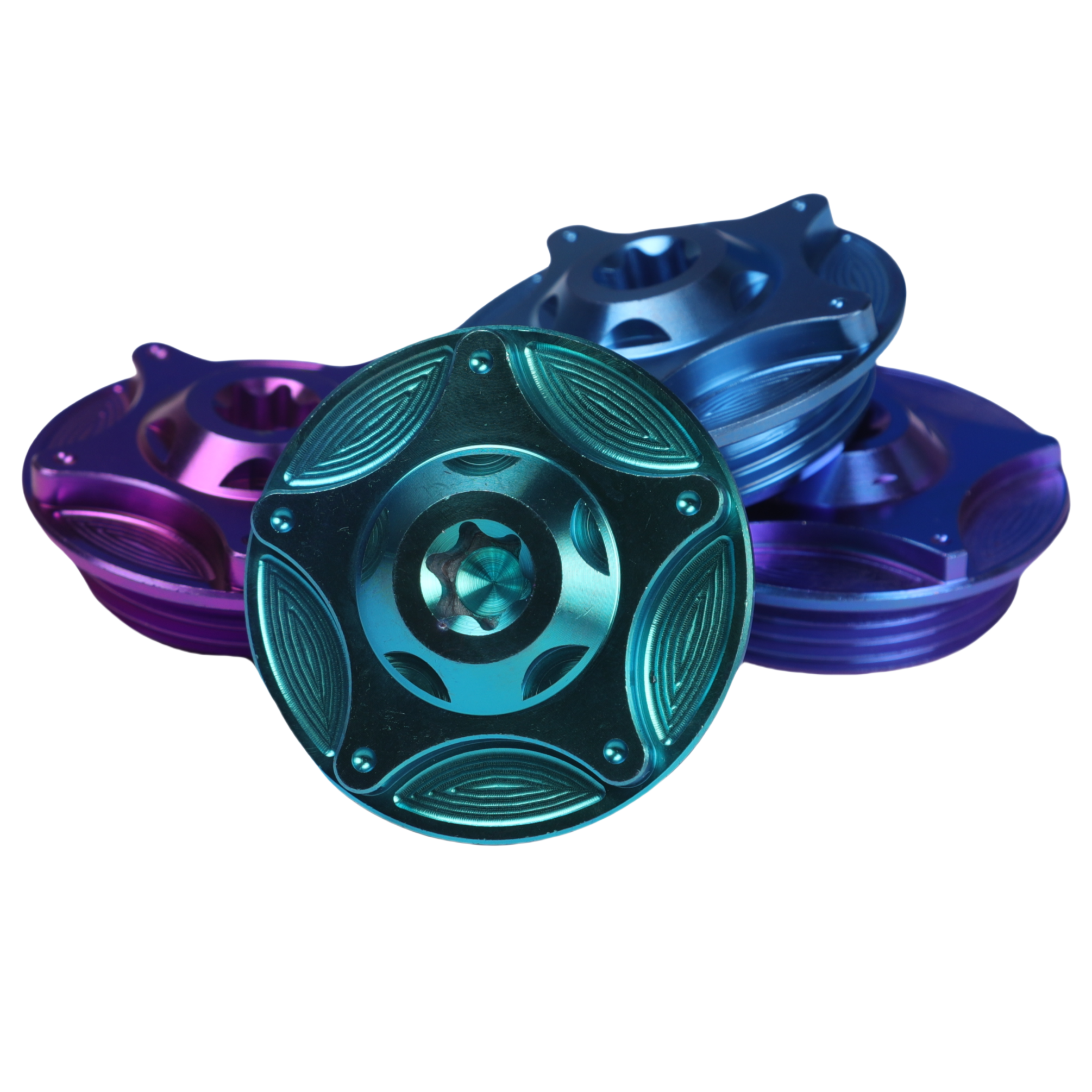
High Strength Customized M31*Super Light Anti-Skid Oil Cap for Motorcycle Custom Production Plants Nut
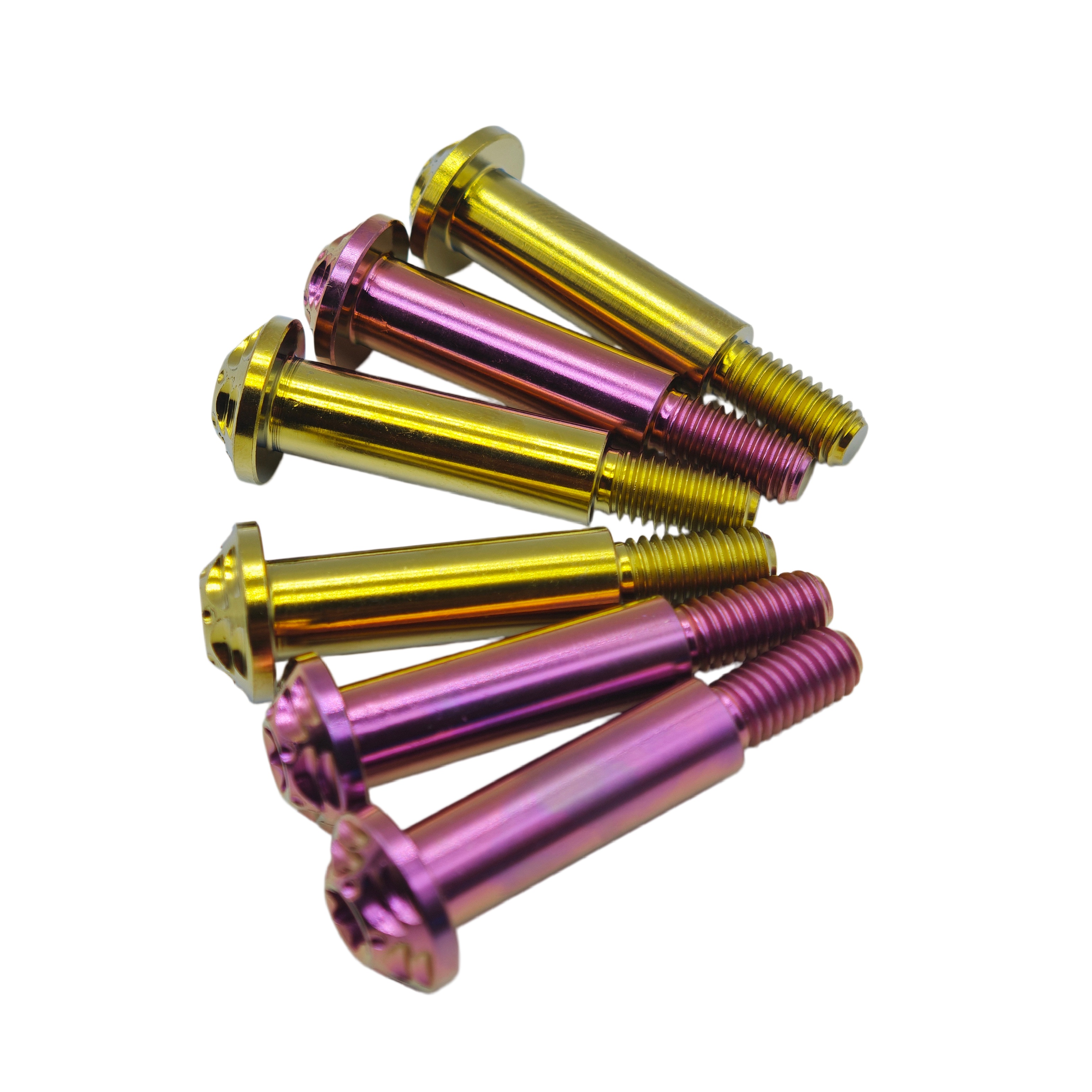
Factory Price GR5 Titanium Alloy Anodized Pan Head M6 Brake Lever Bolt Motorcycle Modification Special
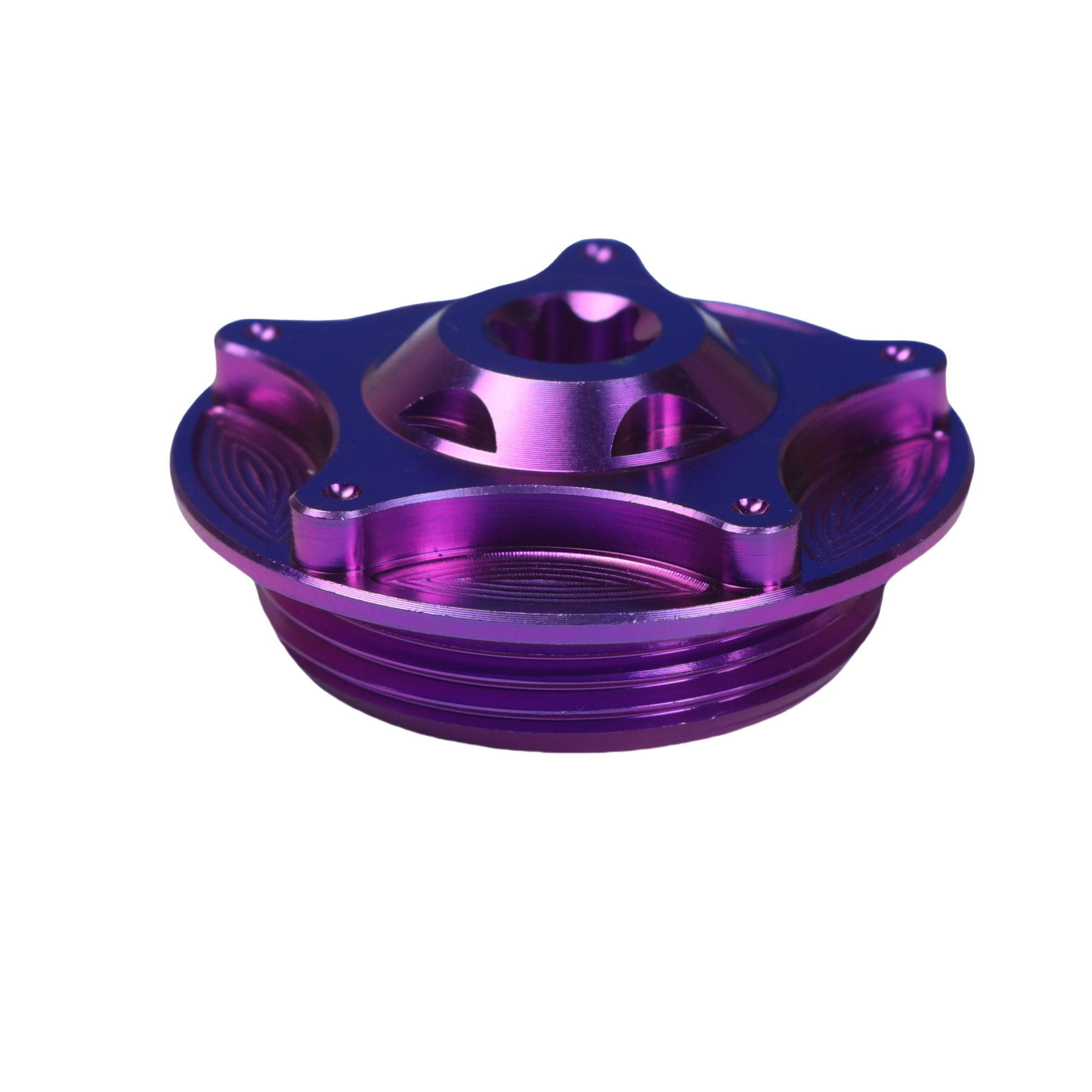
Factory Wholesale Titanium Alloy Motorcycle Modified Custom Workpiece GR5 Bolts Fasteners Oil Cap Nut
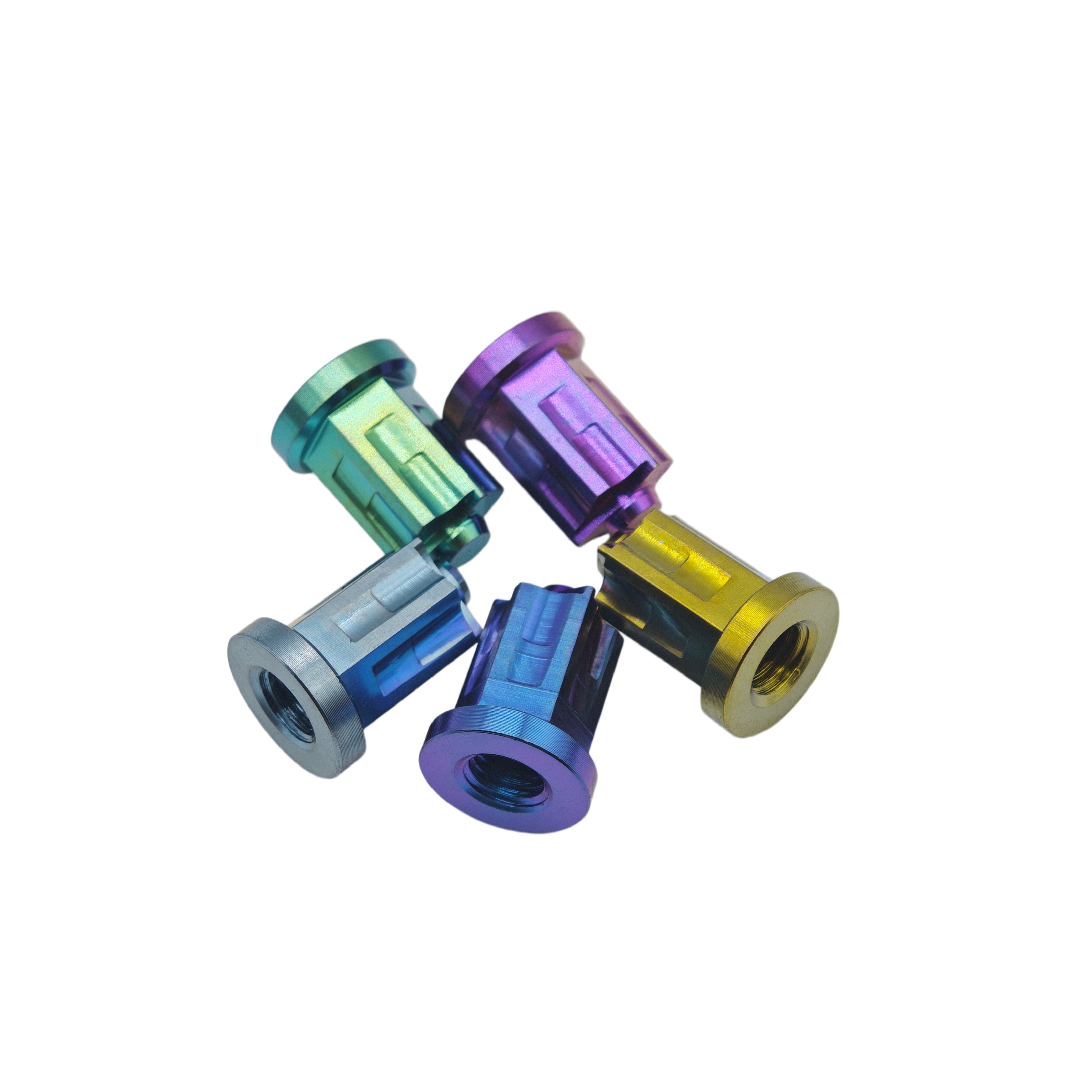
Tecksr Titanium Alloy Hex Head French-style Closed Flower Nuts Class 10 GR5 Motorcycle Modification Parts Nut
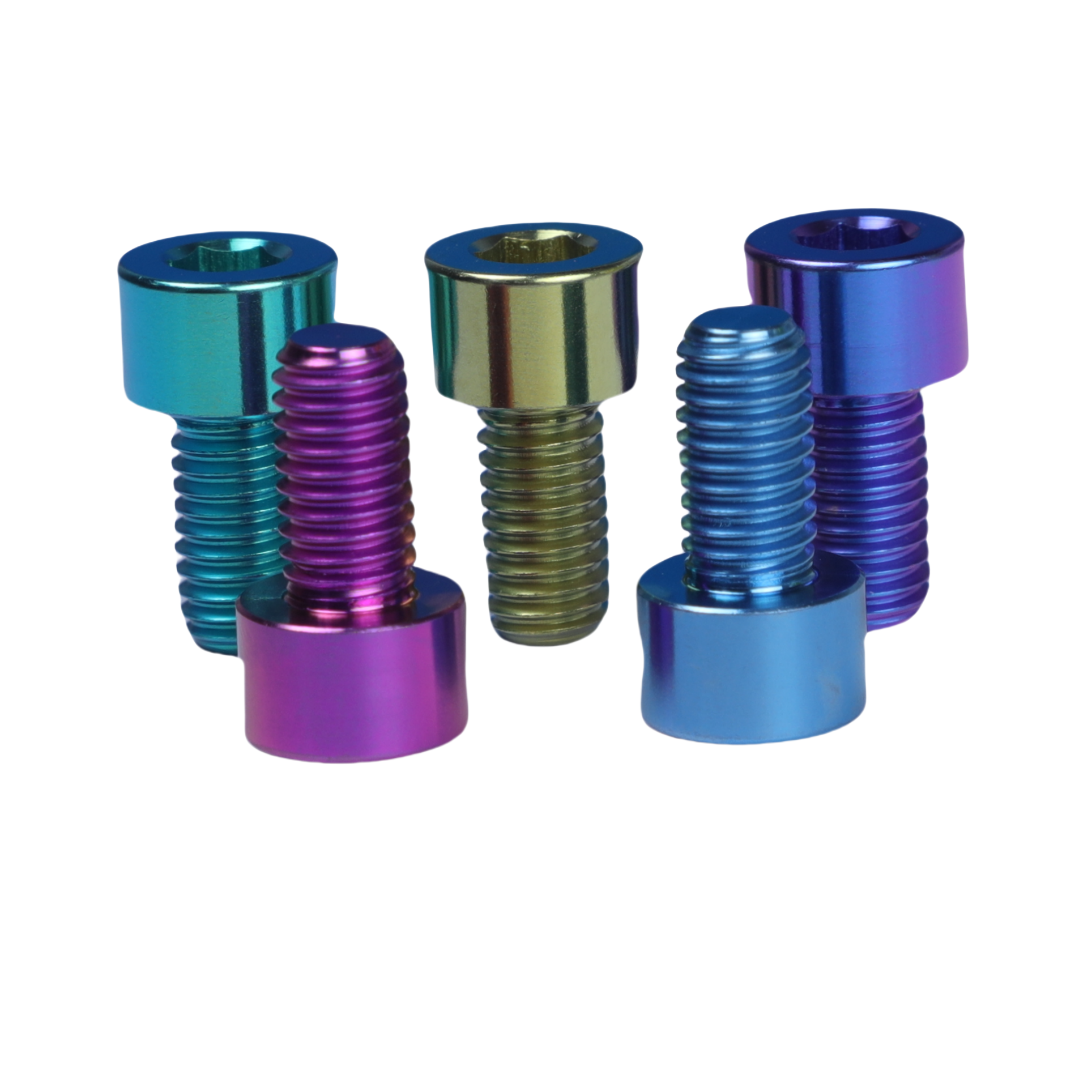
High Quality DIN912 GR5 Titanium Alloy Hexagon Socket Head Bolts Industrial Fastener Machine Made Titanium Screws
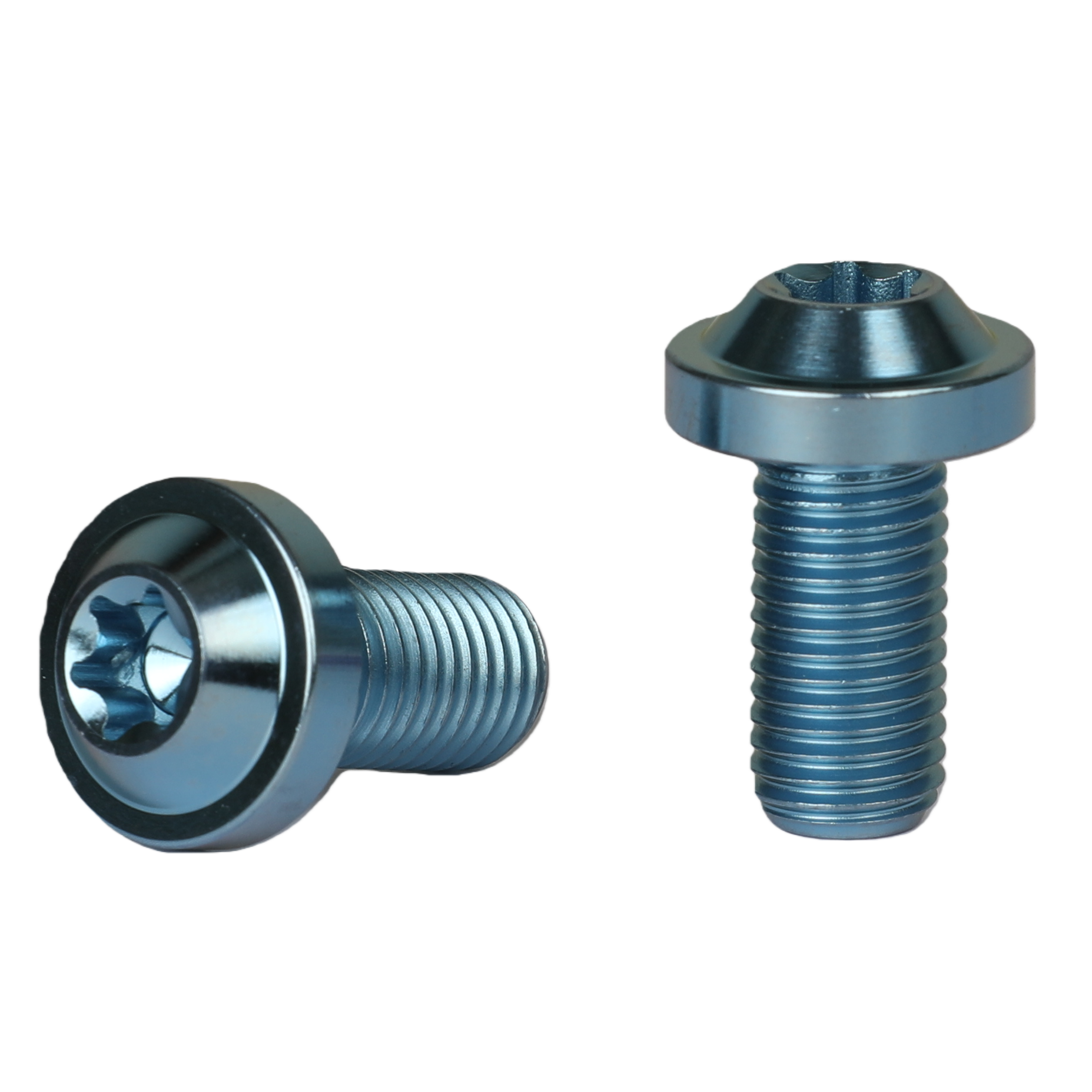
GRX Grade 5 Titanium Pan Head Brake Disc Screws for Race Motorcycle M6/M8/M10 DIN Thread
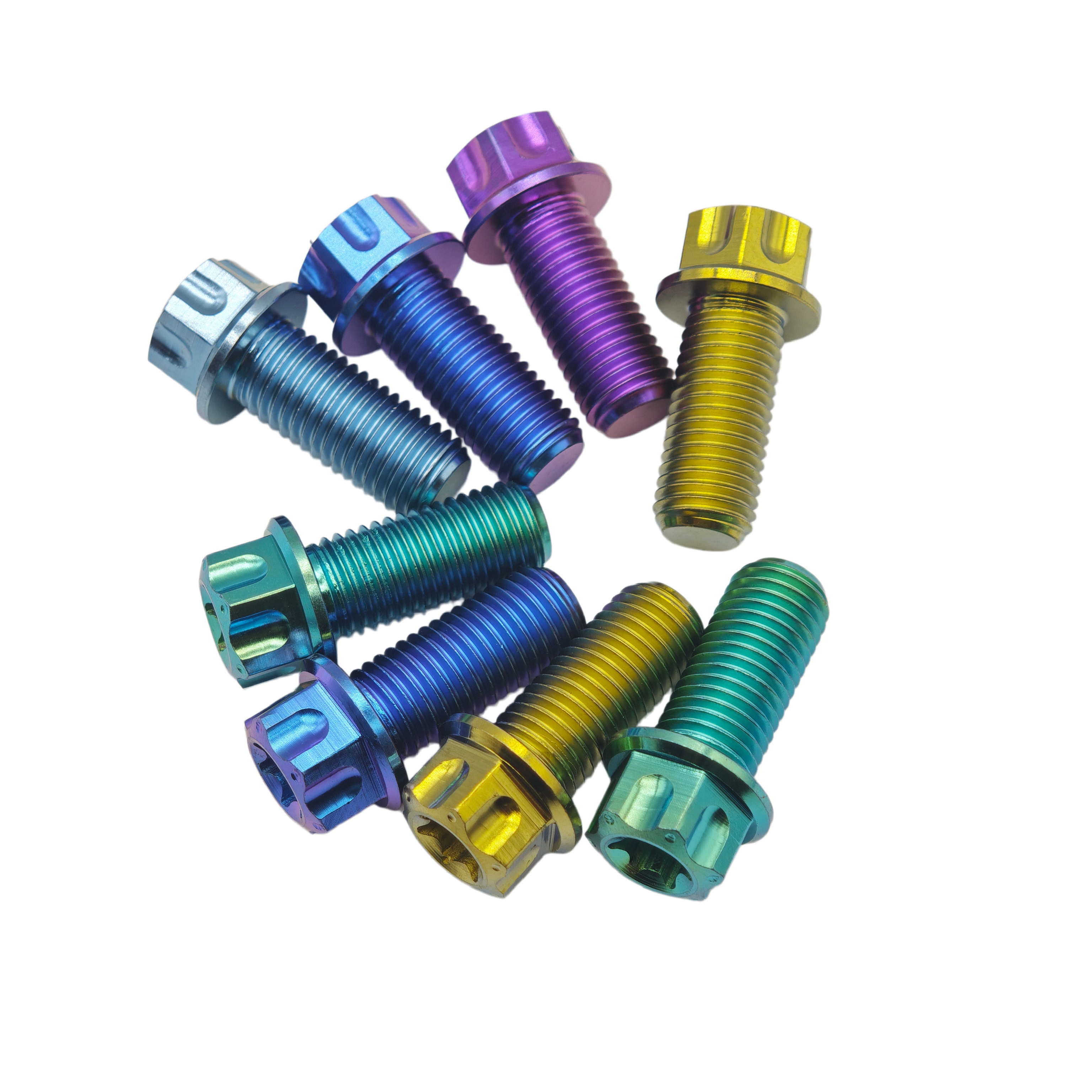
Factory Wholesale Anodized GR5 Titanium Hex Flange Head Bolts M8/M10 UNF Thread Motorcycle Bolts
Engineering White Paper: Metallurgical Fundamentals of Titanium Flat Washers
Understanding load distribution dynamics, microstructural fatigue resistance, and surface passivation in mission-critical bolted joints.
In high-performance industrial engineering, aerospace construction, marine subsea systems, and motorsport chassis design, the flat washer is often underestimated. However, in bolted joints subject to thermal stress, cyclic vibration, and aggressive corrosive media, a standard carbon steel or stainless steel washer frequently becomes the primary failure point. Titanium flat washers—manufactured specifically from Grade 5 Ti-6Al-4V (UNS R56400) or Grade 2 Commercially Pure Titanium (UNS R50400)—provide the essential mechanical and chemical barrier required to maintain joint integrity under extreme conditions.
The primary function of a titanium flat washer is threefold: uniform clamping force distribution, prevention of surface galling and embedment on lighter substrate alloys (such as carbon fiber composites or 7075-T6 aluminum), and galvanic isolation across dissimilar metal interfaces. When tightening a high-tensile titanium bolt, local compressive stresses beneath the bolt head or nut face can exceed the yield strength of soft mating materials. A precision-machined or fine-stamped titanium washer expands the load-bearing footprint, eliminating plastic deformation and localized stress concentrations that trigger fatigue cracks.
From an electrochemical perspective, titanium forms an instantaneous, self-healing oxide film (predominantly passive TiO₂ oxide layer) when exposed to air or oxygen-rich moisture. This passive layer confers immunity to chloride stress corrosion cracking (SCC), pitting in marine saltwater splash zones, and attack by synthetic hydraulic fluids or racing fuels. Consequently, leading global OEM buyers specify titanium flat washers as standard components in extreme service environments.
Titanium Flat Washer Product Lines & Dimensional Standards
Standardized metric and imperial dimensions engineered for extreme temperature, pressure, and corrosive environments.
Zunvo Titanium Products Co., Ltd. manufactures an extensive array of titanium flat washers conforming strictly to international manufacturing tolerances, including DIN, ISO, ASTM, and custom OEM CAD blueprints.
| Washer Type & Standard | Material Grade Options | Size Range (Nominal) | Surface Finish Options | Primary Industry Application |
|---|---|---|---|---|
| DIN 125 A / ISO 7089 (Standard Flat Washer) | Ti-6Al-4V Grade 5 / CP Grade 2 | M2 – M36 (Custom up to M64) | Bright Machined / Anodized Color / PVD Black | General Engineering, Motorsport Chassis, Chemical Processing |
| DIN 9021 / ISO 7093 (Large Outer Dia / Fender) | Ti-6Al-4V Grade 5 | M3 – M24 | Micro-Polished / Anodized Gold/Blue/Rainbow | Composite Material Clamping, Automotive Bodywork, Marine Decking |
| DIN 433 / ISO 7092 (Small Outer Diameter) | Ti-6Al-4V Grade 5 / CP Grade 1 | M2 – M20 | Raw Satin / Anodized / Passivated | Recessed Socket Cap Screws, Electronics Enclosures, Aerospace Avionic Mounts |
| DIN 6340 / High-Load Thick Washers | Ti-6Al-4V Grade 5 (Heat Treated) | M6 – M30 | Precision Ground / Hardened Anodized | Heavy Machinery Clamping, High-Pressure Valves, Structural Turbines |
| Custom Precision CNC Turned Shims | Grade 5 / Grade 9 (Ti-3Al-2.5V) | Custom Thickness (0.1mm - 10mm) | PVD TiN / DLC / Electrochemical Anodized | Medical Equipment, Racing Suspension Setup, Subsea Electronics |
Future Procurement Trends for Titanium Flat Washers (2025–2030)
How global manufacturing shifts, environmental regulations, and advanced material science are redefining titanium fastener supply chains.
1. Shift Toward Closed-Loop Material Traceability & Digital Passports
International procurement entities in the EU and North America increasingly demand full digital mill test certificates (MTC compliant with EN 10204 3.1) linked to raw material heat numbers. Future purchasing contracts prioritize suppliers capable of providing complete material lifecycle verification—from Sponge Titanium production in Baoji to micro-hardness testing reports.
2. Rapid Growth in Hydrogen Economy & Subsea Offshore Markets
With the rapid expansion of green hydrogen electrolysis plants and offshore wind installations, demand for Grade 2 and Grade 5 titanium washers is projected to surge by 14.8% CAGR. Hydrogen embrittlement resistance and superior resistance to splash-zone biofouling make titanium flat washers mandatory in zero-emission fuel cell stacks and subsea manifolds.
3. Advanced PVD & Micro-Arc Oxidation (MAO) Surface Treatments
Standard electrochemical anodizing is giving way to Physical Vapor Deposition (PVD) TiN, DLC (Diamond-Like Carbon), and MAO ceramic coatings. Modern buyers require washers with low friction coefficients (μ < 0.12) to completely eliminate thread and bearing-surface galling during high-torque robotic automated assembly lines.
4. EV Lightweighting & Carbon Fiber Interface Integration
As electric vehicle manufacturers strive to maximize battery pack efficiency and range, mass reduction is critical. Titanium flat washers replace heavy steel counterparts in structural aluminum frames and carbon-fiber-reinforced polymer (CFRP) battery enclosures, preventing galvanic reaction while shaving 44% weight per fastener point.
5. Adoption of Precision CNC Turning Over Conventional Stamping
High-speed press stamping often creates burrs and micro-fissures along the washer rim. To prevent stress risers under fatigue loading, tier-1 aerospace and automotive buyers are mandating 100% CNC-turned and double-sided chamfered titanium flat washers for uniform load distribution.
6. Direct Factory Contract Manufacturing & Regional Hub Stocking
To mitigate global supply disruptions, international distributors are bypassing trading intermediaries and forming direct strategic partnerships with Chinese production powerhouses in Baoji, securing dedicated buffer stock and 3-day sample dispatch windows.
Industry Development Trends & Production Technology Breakthroughs
How advanced CNC machining, vacuum heat treatment, and automated optical inspection are setting new quality benchmarks.
Evolution 1: Ultra-Precision CNC Turning & Automatic Chamfering Technology
Historically, flat washers were manufactured primarily via punching dies from titanium sheet stock. However, punching Ti-6Al-4V sheet introduces edge micro-cracks due to titanium's low work-hardening exponent and high yield-to-tensile ratio. Modern production centers utilize multi-spindle Swiss-type CNC automatic lathes. By machining directly from cold-drawn, centerless-ground titanium bar stock, dimensional tolerances of ±0.005 mm and surface roughness of Ra 0.4 µm are consistently achieved, eliminating sharp burrs that can scratch mating flange surfaces.
Evolution 2: Vacuum Annealing & Stress Relieving Protocols
Internal residual stresses introduced during cold heading or cutting can cause dimensional distortion during high-temperature thermal cycling. Leading titanium washer manufacturers implement computer-controlled high-vacuum heat treatment furnaces (operating at 10⁻⁴ Torr vacuum level at 700°C–750°C). This process stress-relieves the titanium matrix without oxygen alpha-case contamination, ensuring exceptional ductility and fatigue life.
Evolution 3: Voltage-Controlled Anodizing & PVD Color Coating
Color coding is vital in fast-paced motorsport pit stops and aerospace assembly to distinguish metric sizes instantly. Advanced electrochemical anodization utilizes controlled micro-voltage bath systems to yield durable, interference-based oxide colors (Burnt Rainbow, Gold, Electric Blue, Purple) without organic dyes. For high-wear environments, Physical Vapor Deposition (PVD) deposits titanium nitride (TiN) or carbon-nitrogen films, elevating surface hardness to over 2200 HV.
Evolution 4: 100% Automated Optical & Image-Measuring Quality Control
Manual micrometer inspection of mass-produced washers is insufficient for Zero-Defect OEM mandates. Modern quality control lines integrate high-speed glass disk optical sorting machines equipped with 360-degree high-resolution CCD cameras. Every single flat washer is checked in real-time for inner diameter (ID), outer diameter (OD), thickness, flatness, and surface scratches at rates exceeding 600 pieces per minute.
Why Zunvo Titanium Products Co., Ltd. is the Premier Global Supply Partner
Direct factory production from Baoji "China Titanium Valley" with complete quality verification and custom engineering support.
Founded in 2015 in Baoji, Shaanxi Province—the world-renowned epicenter of titanium smelting and processing—Zunvo Titanium Products Co., Ltd. operates a state-of-the-art manufacturing facility spanning over 3,000 square meters. By integrating raw material sourcing directly from local top-tier titanium sponge smelters, Zunvo eliminates intermediate markup costs while maintaining total heat-number batch traceability from raw ingot to final packaged fastener.
100% Certified Material Traceability
Every batch of titanium flat washers, bolts, and nuts is supplied with Mill Test Certificates (MTC) detailing chemical composition (ICP-OES analyzed) and mechanical tensile test data compliant with ASTM B265 and AMS 4928 standards.
Rapid Prototyping & Flexible MOQ
Unlike rigid traditional factories, Zunvo supports standard catalog order MOQs starting at just 100–200 dozens, with custom drawing-based prototyping delivered in as fast as 3 working days.
In-House CNC Machining & Surface Finishing
Equipped with over 50 sets of multi-axis CNC machines, thread rollers, and dynamic anodizing lines, Zunvo controls every step of production under one roof, guaranteeing strict deadline compliance.
Global Export Experience & 4.9/5 Rating
Exporting to over 40 countries across North America, Europe, Southeast Asia, and the Middle East. Rated 4.9 out of 5 by verified B2B buyers for product finish, dimensional accuracy, and responsive customer engineering support.
Frequently Asked Questions by B2B Buyers & Design Engineers
Expert answers to common engineering questions regarding material selection, surface treatment, torque retention, and custom manufacturing.
- Grade 5 (Ti-6Al-4V): Select Grade 5 for high-stress applications requiring exceptional tensile strength (≥ 895 MPa) and deformation resistance under heavy bolt torque (such as motorcycle brake discs, automotive suspension, aerospace frames, and engine mounts).
- Grade 2 (CP Titanium): Select Grade 2 when maximum chemical corrosion resistance is paramount and clamping load requirements are moderate (such as marine saltwater pipe flanges, chemical processing equipment, and desalination plants). Grade 2 offers superior ductility and cold formability at a lower material cost.
- Apply an anti-seize assembly paste (such as copper, molybdenum disulfide, or titanium-based anti-seize) to the washer bearing faces.
- Specify a hard coat surface finish such as PVD DLC coating, Micro-Arc Oxidation (MAO), or Hard Anodizing, which significantly increases surface micro-hardness and reduces the coefficient of friction.
Ready to Elevate Your Fastener Hardware & Supply Chain?
Connect directly with Zunvo's titanium metallurgical engineers. Request custom drawing quotes, technical specification datasheets, or complete product catalogs today.
Get Catalog