Featured Titanium Step & Modification Fasteners
Precision CNC-machined, thread-rolled, and multi-axis tolerance-controlled fasteners configured for motorsport, cycling, aerospace, and high-vibration assemblies.
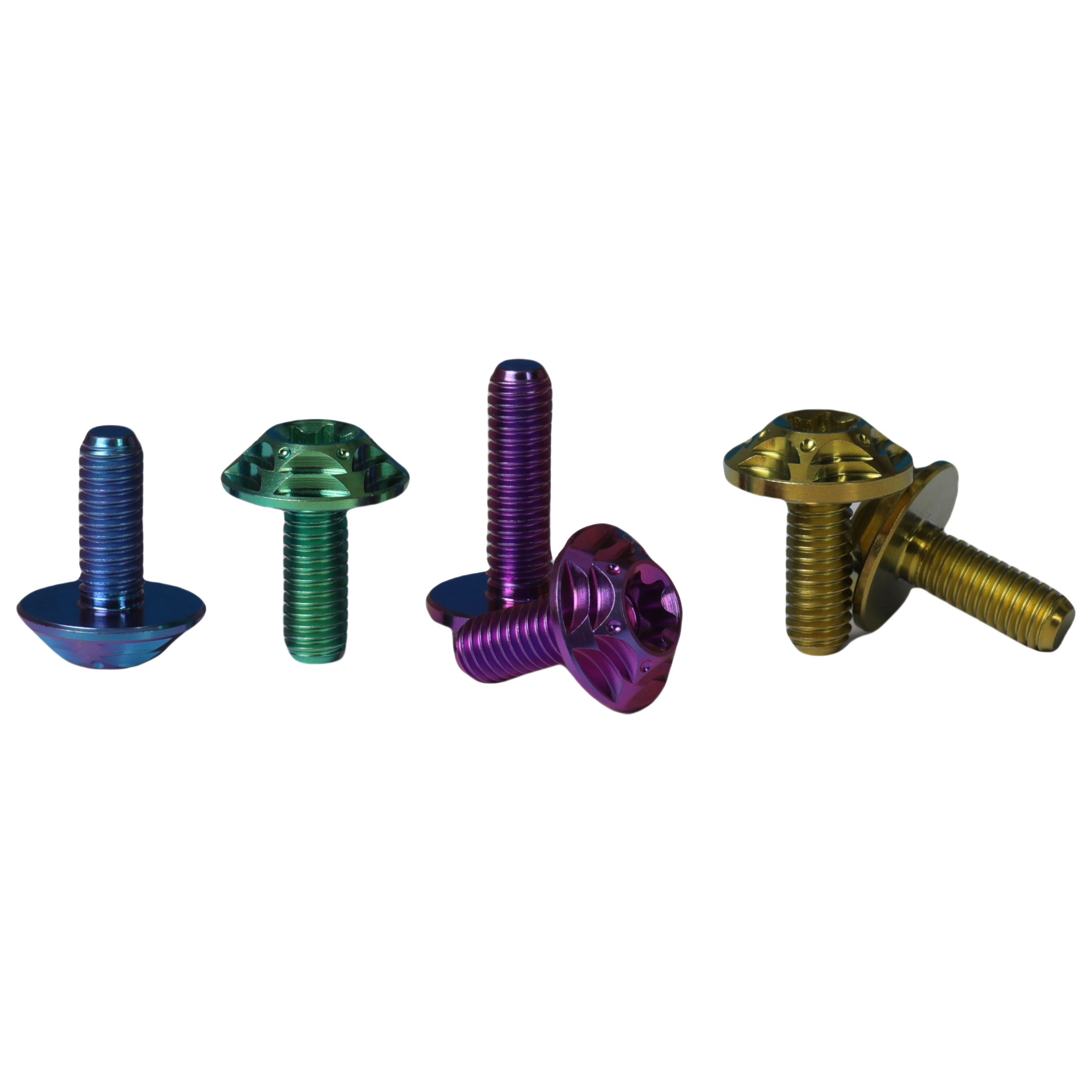
Titanium Alloy CNC Disc Brake Disc Head Bolts Torx Head DIN Thread Anodized/PVD
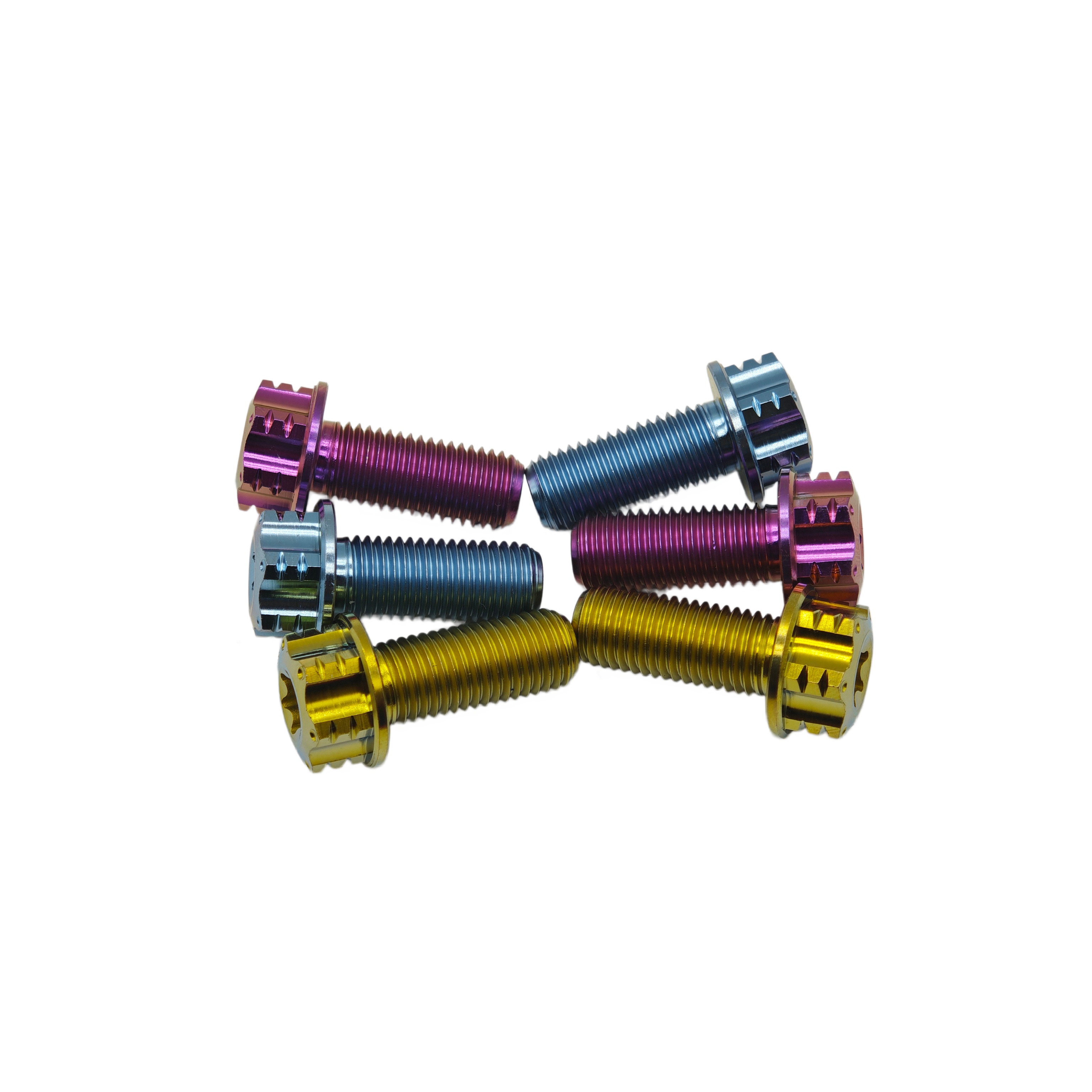
Hot Selling Gr5 Titanium Bolts M10*25mm High Quality Hex Flange Head Plain Finish
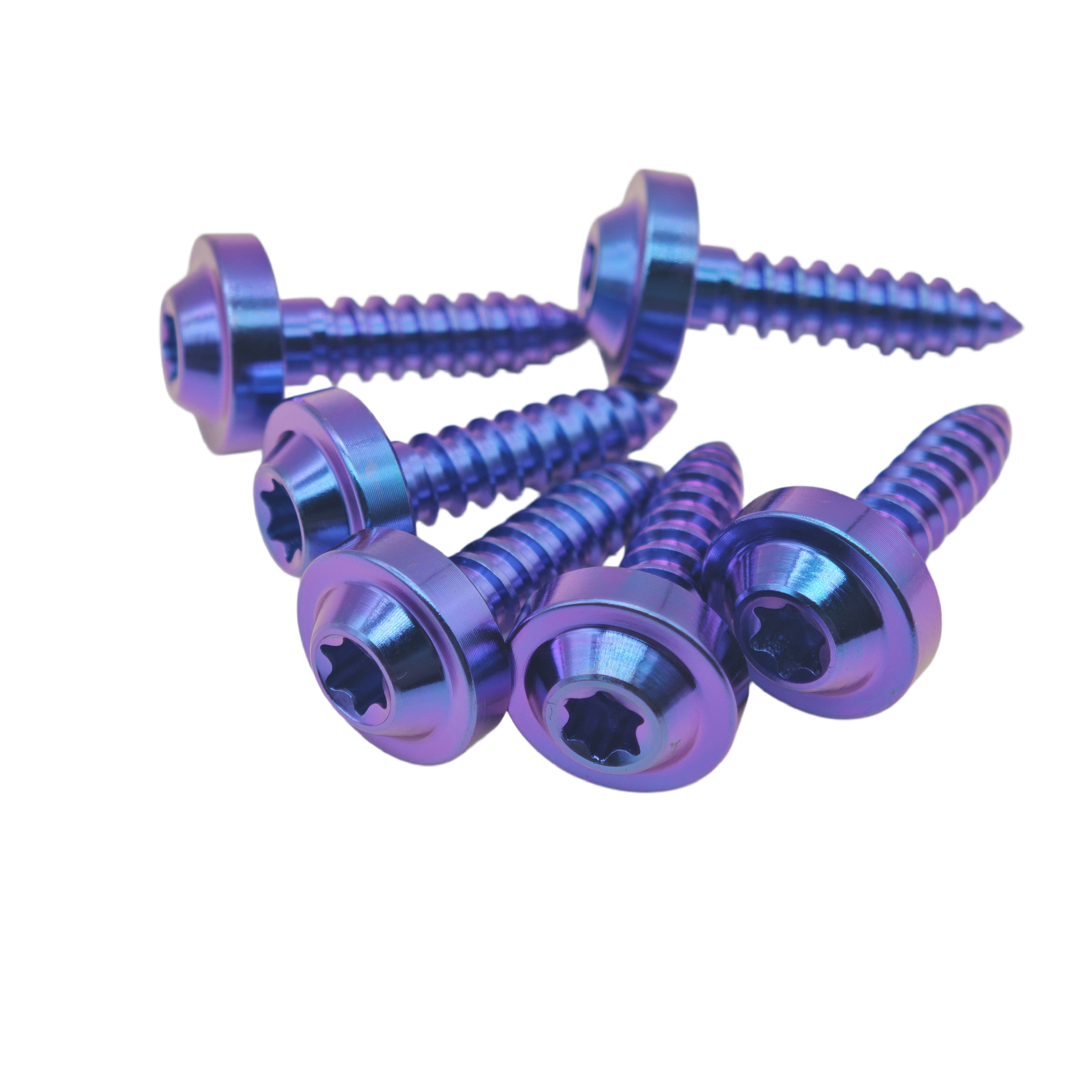
GR5 Anodized Titanium Torx Head Standard Thread Self-Tapping M6 Screw for Motorcycles
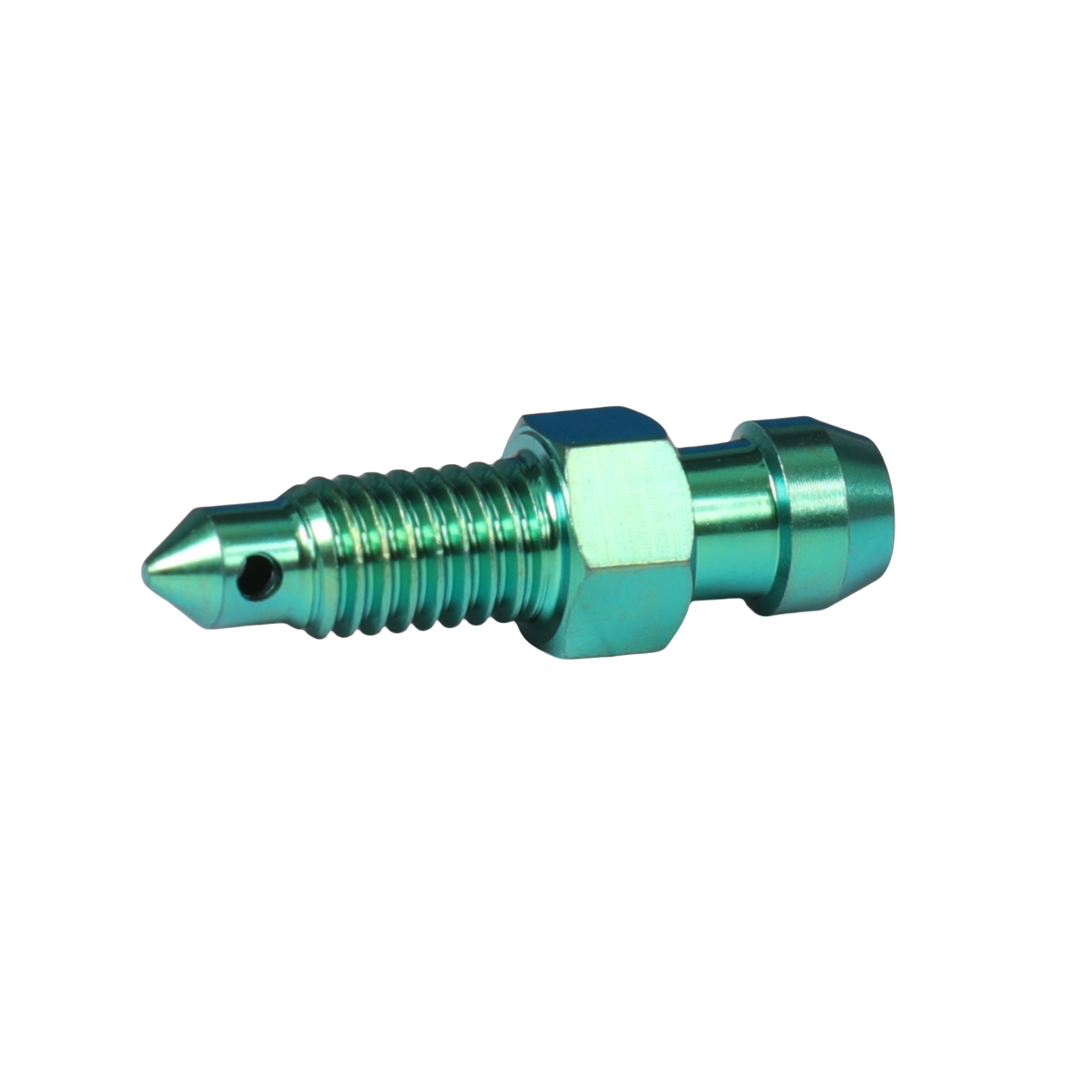
TKS M6 Anodized Gr5 Titanium Hex Motorcycle Caliper Oil Drain Bolt Screw
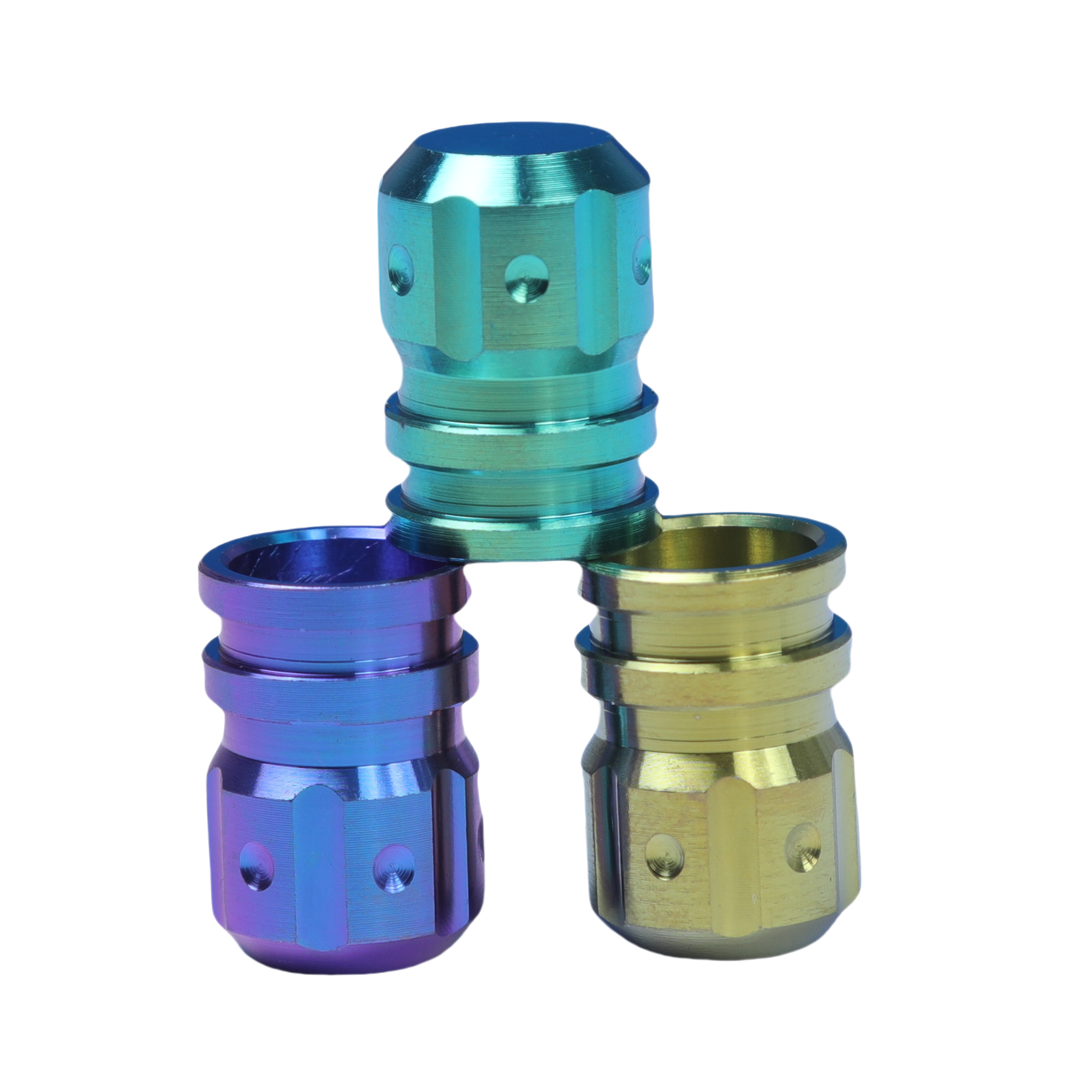
Universal Titanium Alloy Tire Valve Dust Cap Nuts Dust-proof CNC Parts
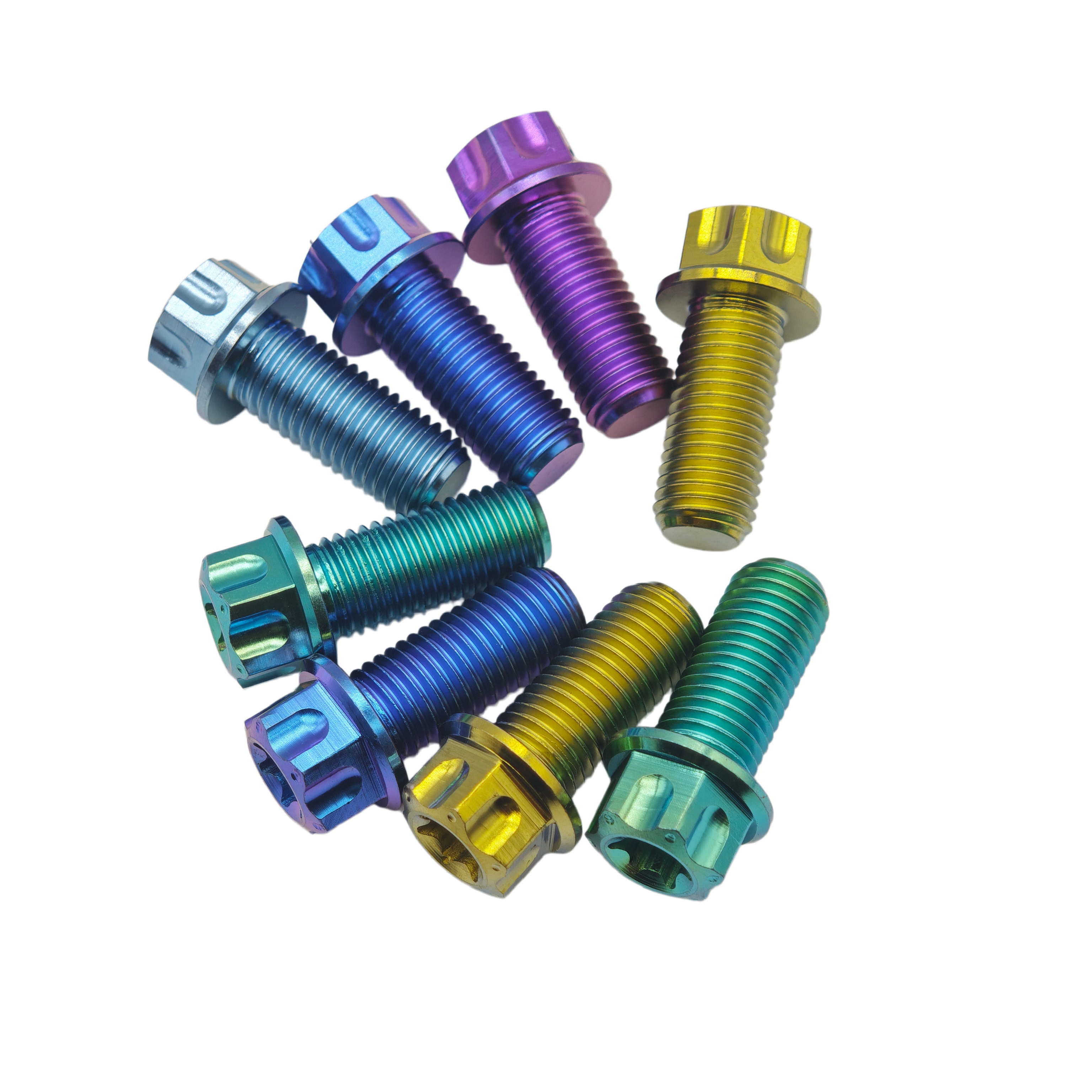
Factory Wholesale Anodized GR5 Titanium Hex Flange Head Bolts M8/M10 UNF Thread
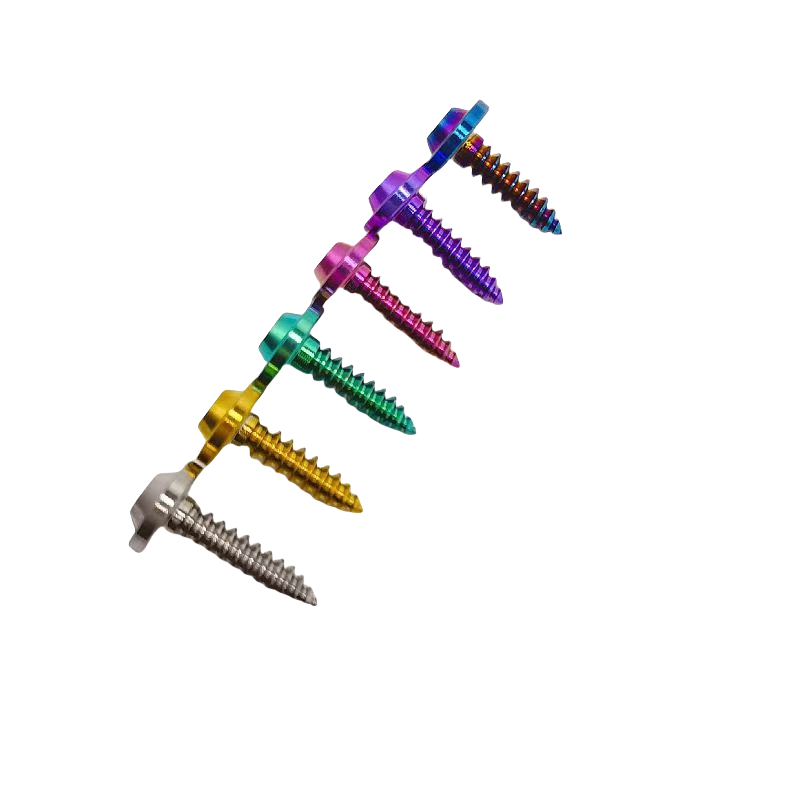
Pabrik Produksi M4/M5 Blue Grey Titanium Pan Head Self-Tapping Screws DIN Standard
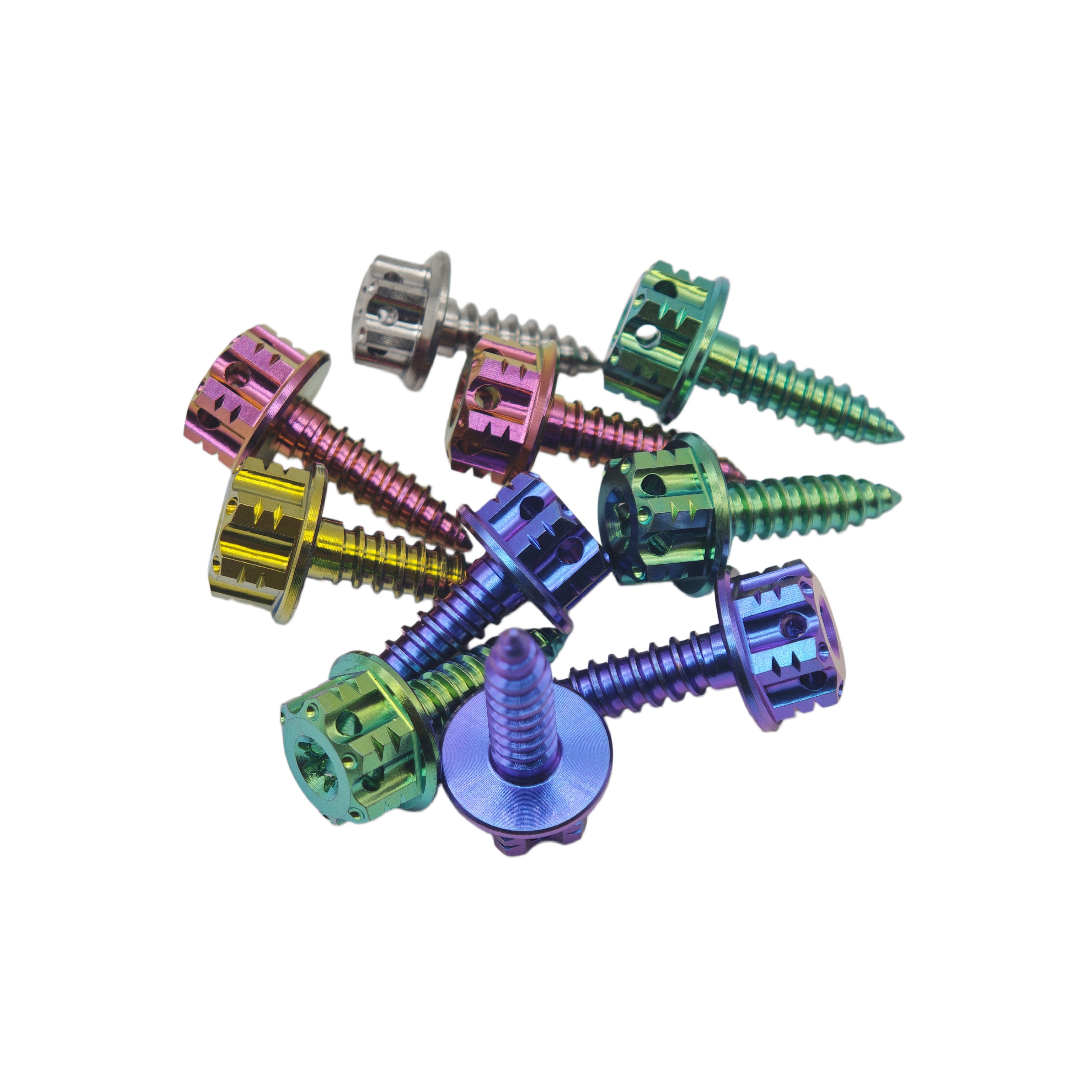
Factory Direct Sales of Metric M5*15 Grade 5 Titanium Alloy Flange Screws Right Hand Thread
The Metallurgy and Kinematic Mechanics of Precision Titanium Step Bolts
In modern precision mechanical systems, step bolts—also termed shoulder screws, stepped pivot bolts, or precision sleeve bolts—serve a dual mechanical function: acting concurrently as high-tensile structural fasteners and precision bearing pivots. Unlike generic threaded fasteners governed purely by ISO 898 clamping dynamics, titanium step bolts incorporate an unthreaded, centerless ground cylindrical shank (the step) that establishes a precise mechanical stop, bearing guide, or dampening mount. Selecting the proper titanium step bolts manufacturer requires deep metallurgical appraisal, understanding dynamic fatigue limits, and verifying CNC rolling processes to prevent catastrophic shear or notch sensitivity under cyclically reversing operational loads.
Design Tip for Tier-1 Engineers: When transitioning from 12.9 alloy steel shoulder bolts to Ti-6Al-4V Grade 5 step bolts, never calculate load envelopes solely on static tensile metrics. Account for titanium's lower modulus of elasticity (114 GPa vs. 210 GPa in steel), which provides remarkable mechanical deflection dampening under impact, but requires tight shoulder concentricity (within 0.01 mm) to eliminate non-axial bending stresses.
1. Metallurgical Synthesis: Why Ti-6Al-4V (Grade 5) Dominates Stepped Fasteners
Grade 5 titanium (UNS R56400 / ASTM B348), an alpha-beta alloy containing 6% aluminum and 4% vanadium, constitutes the industry benchmark for heavy-duty structural step bolts. The microstructural phase equilibrium offers a yield strength exceeding 828 MPa, combined with exceptional notch toughness. In dynamic assemblies, such as motorcycle floating brake disc buttons, high-performance suspension linkages, and automated robotics end-effectors, components endure abrasive contact coupled with road salts, moisture, or elevated thermal cycles. While austenitic stainless steel (A2-70/A4-80) exhibits susceptibility to stress corrosion cracking (SCC) and galling, and aluminum 7075-T6 suffers from rapid fatigue degradation beyond 120°C, Gr5 titanium constructs a spontaneous, self-healing rutile (TiO₂) passivation layer that renders it entirely impervious to chloride attack and brake fluid immersion.
| Property Matrix | Ti-6Al-4V Grade 5 (Stepped) | Class 12.9 Alloy Steel | 316L Stainless Steel | 7075-T6 Hard Anodized |
|---|---|---|---|---|
| Mass Density (g/cm³) | 4.43 (Optimized) | 7.85 (Heavy) | 7.95 (Heavy) | 2.81 (Ultra-light) |
| Tensile Yield Strength (MPa) | 828 - 920 | 1,100 | 240 | 505 |
| Elastic Modulus (GPa) | 114 (Impact Absorption) | 210 (Stiff) | 193 (Ductile) | 72 (Prone to Deflection) |
| Shear Fatigue Limit (Rotary) | High (Thread Rolled) | Moderate (Corrosion-degraded) | Low | Very Low |
| Salt Spray Resistance (NSS) | > 2,000 hrs (No pitting) | < 96 hrs (Plated) | 1,000 hrs (Pitting risk) | 240 hrs |
2. Critical Machining Architecture: CNC Grinding vs. Roll-Formed Threads
A premier defect encountered in sub-standard step bolts is the micro-crack propagation occurring at the junction between the bearing shoulder and the run-out thread root. High-grade titanium manufacturers avoid single-point cut threading for safety-critical step bolts. Because titanium has a low thermal conductivity (approx. 6.7 W/m·K), cut threads trap machining heat at the tool edge, producing work-hardening micro-fractures. At Zunvo, all Grade 5 step bolts utilize high-precision Swiss-type multi-axis CNC machines for shoulder step turning, followed by centerless cylindrical grinding down to ±0.005 mm tolerances. Subsequently, the threads are cold roll-formed under hydraulic pressure. Roll forming compresses the titanium grain structure along continuous uninterrupted contours, boosting the fatigue resistance by upwards of 30% to 45% compared to lathe-turned threads.
3. Surface Conversion Technologies: PVD and Electrochemical Anodizing
While titanium alloys feature outstanding intrinsic chemical passivity, bare titanium rubbing against mating metals (such as aluminum brackets or steel sleeves) can suffer from adhesive wear and micro-fretting under severe vibration. Consequently, top-tier suppliers apply surface treatments tailored to the kinematic interface:
- Micro-Arc & Voltage Anodizing: Imparts vibrant interference colors (Burnt Blue, Gold, Purple, Rainbow) by varying the nanometer-scale thickness of the surface oxide film. This process introduces zero pigment or heavy metal coatings, ensuring that dimensions remain unaltered while resisting thermal peeling up to 400°C.
- Physical Vapor Deposition (PVD): For aggressive sliding contacts, PVD coats the step bolt with Titanium Nitride (TiN) or Diamond-Like Carbon (DLC). This yields a surface hardness exceeding 2,500–3,000 HV, drastically dropping the friction coefficient (µ < 0.15) to prevent galling during high-frequency oscillation.
Future Sourcing & Procurement Trends in Titanium Fasteners
Global supply chains are shifting toward high-integrity, lightweight, and traceable hardware solutions across competitive commercial sectors.
Near-Net-Shape Cold/Hot Heading Integration
Rising raw titanium billet costs are accelerating the adoption of combined warm-heading and finish-CNC technologies. By forming step pre-forms before finish-grinding, certified manufacturers reduce scrap yield from 65% down to under 20%, offering commercial buyers major price stability across large-scale blanket orders.
Digital Heat Traceability & EN 10204 3.1 Auditing
Procurement directors in motorsport, EV development, and aerospace now mandate end-to-end spectroscopic material audits. Future contracts prioritize vendors providing direct mill certificate verification from Baoji's prime smelting bases, eliminating third-party secondary scrap blends.
Lightweighting in EV & Autonomous Drones
Electric hypercars, urban air mobility (UAM) platforms, and robotic humanoids demand weight reduction at high pivot points to preserve battery range and optimize center-of-gravity dynamics. Titanium step bolts are systematically replacing steel shoulder studs in suspension uprights, gimbal assemblies, and battery pack retention links.
Enterprise Advantages: Why Partner with Zunvo
Strategically situated in Baoji, China's Titanium Valley, Zunvo bridges tier-one metallurgical resources with ultra-precision CNC engineering capabilities.
Titanium Valley Ecosystem
Established in 2015 within Baoji's Shiling Road Industrial Park, our direct proximity to titanium sponge smelters and certified bar mills guarantees rapid batch sourcing, 100% heat traceability, and immediate metallurgical quality control.
Multi-Axis CNC Precision
Operating a modernized facility ranging 1,000–3,000 m² with 101–200 staff, we achieve stepped tolerances down to ±0.005 mm with 6g/6H thread precision, capable of meeting drawing configurations from micro-M2 up to heavy industrial M24.
Rapid Prototyping & Agility
We solve long lead-time bottlenecks. Standard stock fasteners ship in 24 hours, custom drawing-based step bolt samples are turned in 3 days, and mass batch runs are delivered within 7 to 15 days, supported by rapid response times averaging under 7 hours.
Certified Trade Reliability
Onsite-verified manufacturer with a 4.9/5 verified buyer score and a 66% reorder index. Every production lot undergoes go/no-go thread gauging, CMM profile projection, and tensile verification before shipping worldwide via DHL, FedEx, or air/sea freight.
Frequently Asked Questions for B2B Procurement Teams
Straightforward answers addressing design limits, galling mitigation, MOQ requirements, and international trade compliance.
What specific tolerances can be maintained on custom titanium step bolts and shoulder dimensions?
How does titanium prevent galling (thread seizing) during high-torque installation?
Can a Grade 5 titanium step bolt directly replace an ISO Class 10.9 or 12.9 steel bolt?
What is the Minimum Order Quantity (MOQ) and sample turnaround time for drawing-based parts?
Do you supply material test reports and heat trace numbers with commercial shipments?
Accelerate Your Sourcing with Certified Precision Fasteners
Partner directly with an onsite-verified manufacturer in Baoji, China. Receive comprehensive drawing reviews, competitive volume pricing tiers, and rapid sample delivery.
