Featured Precision Titanium Fasteners for Guatemala City
Hot-forged, precision CNC Swiss-machined, and multivalent anodized Grade 5 titanium fasteners engineered to ISO/DIN specifications, backed by chemical lot traceability.
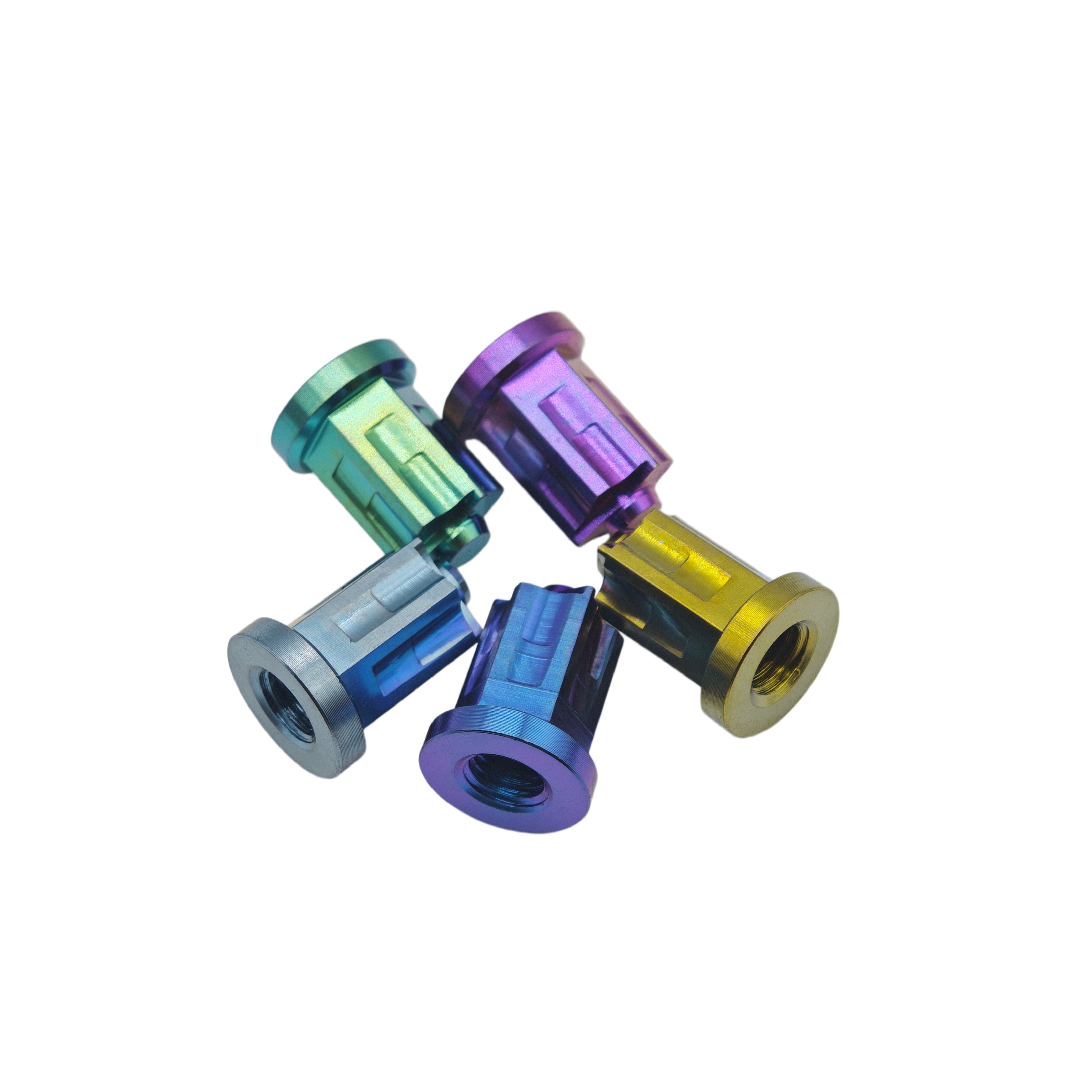
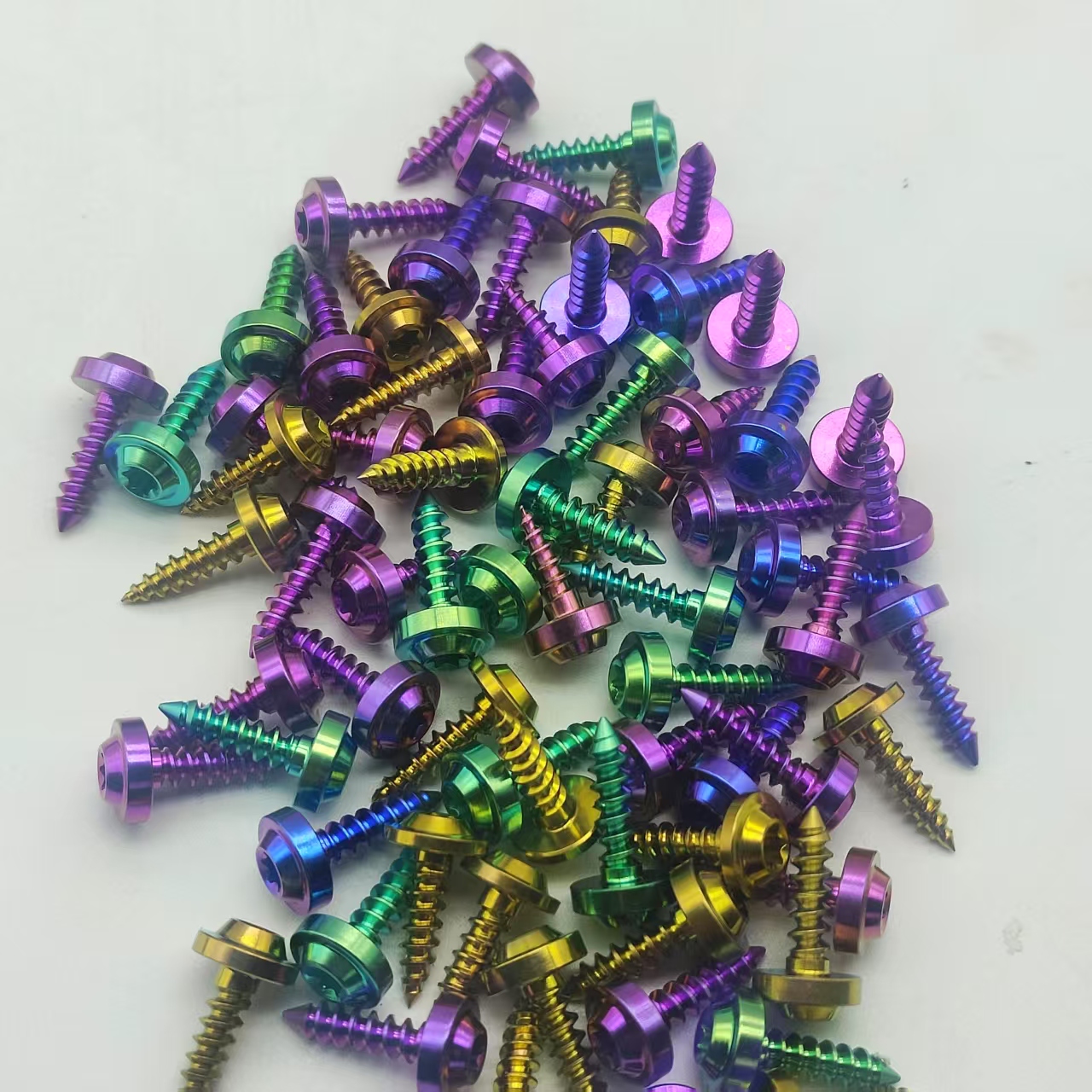
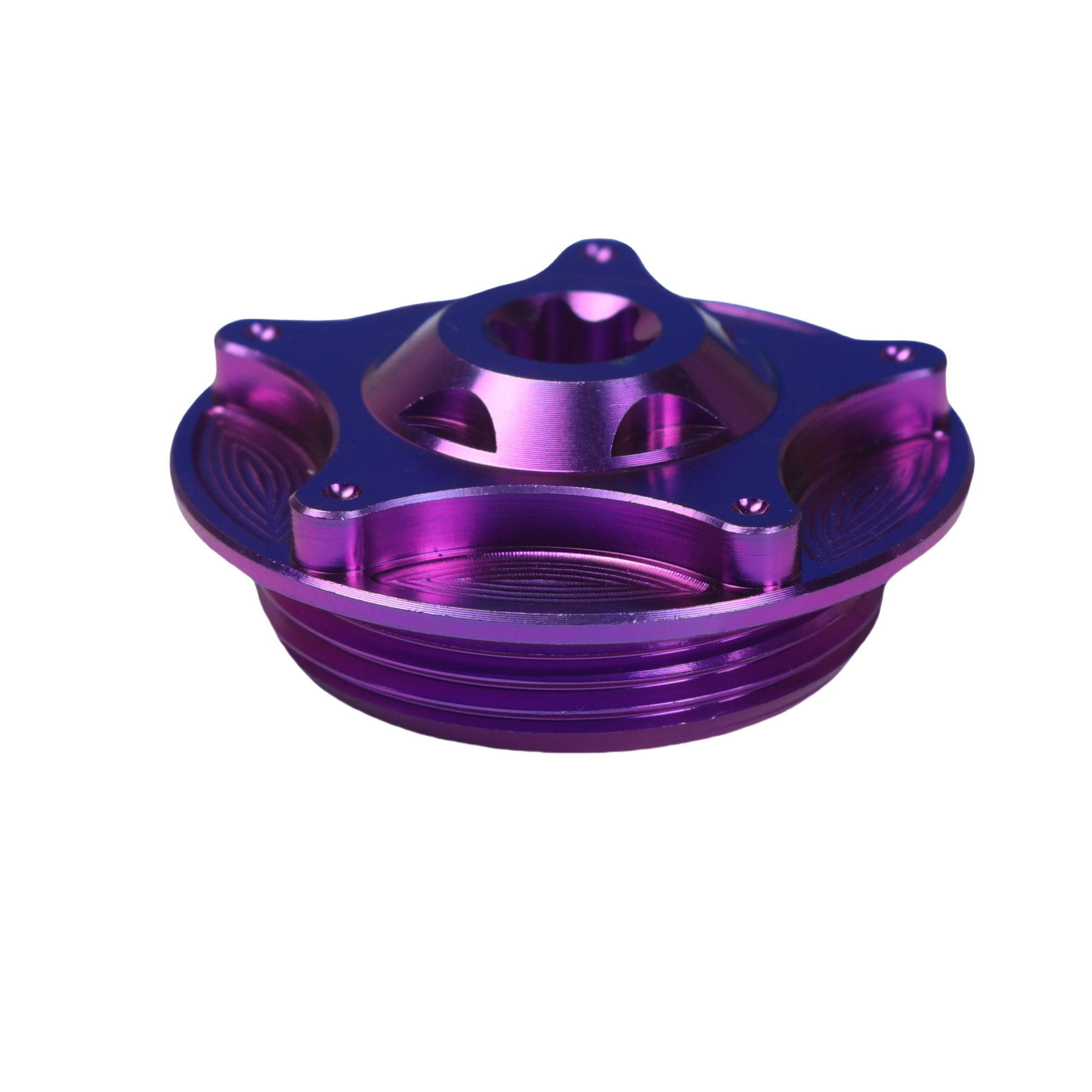
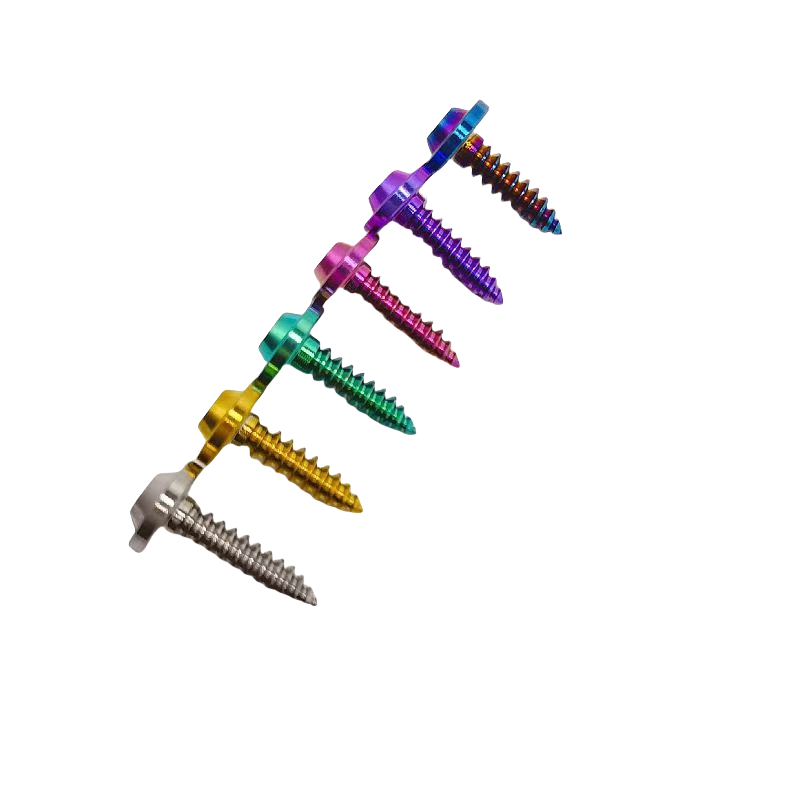
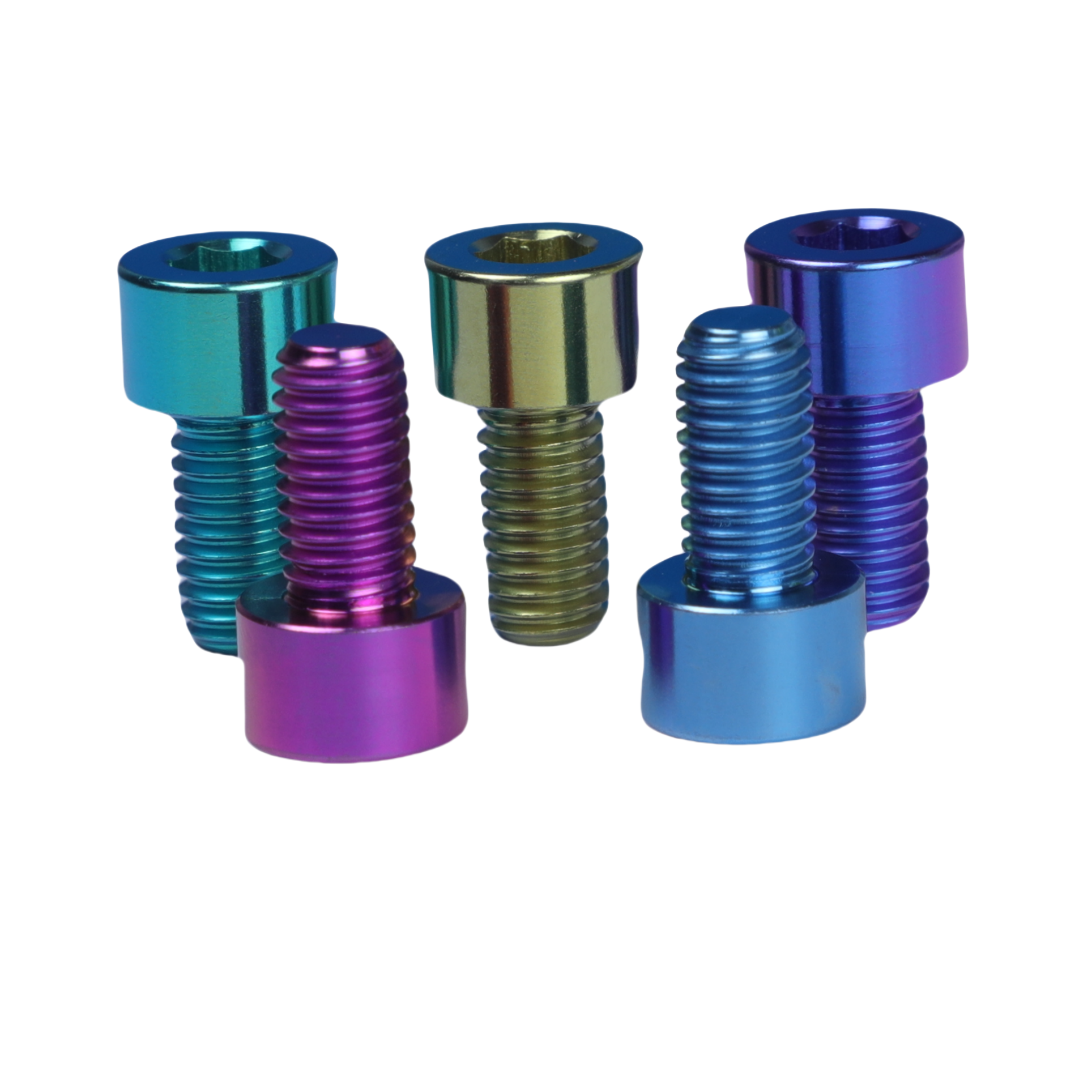
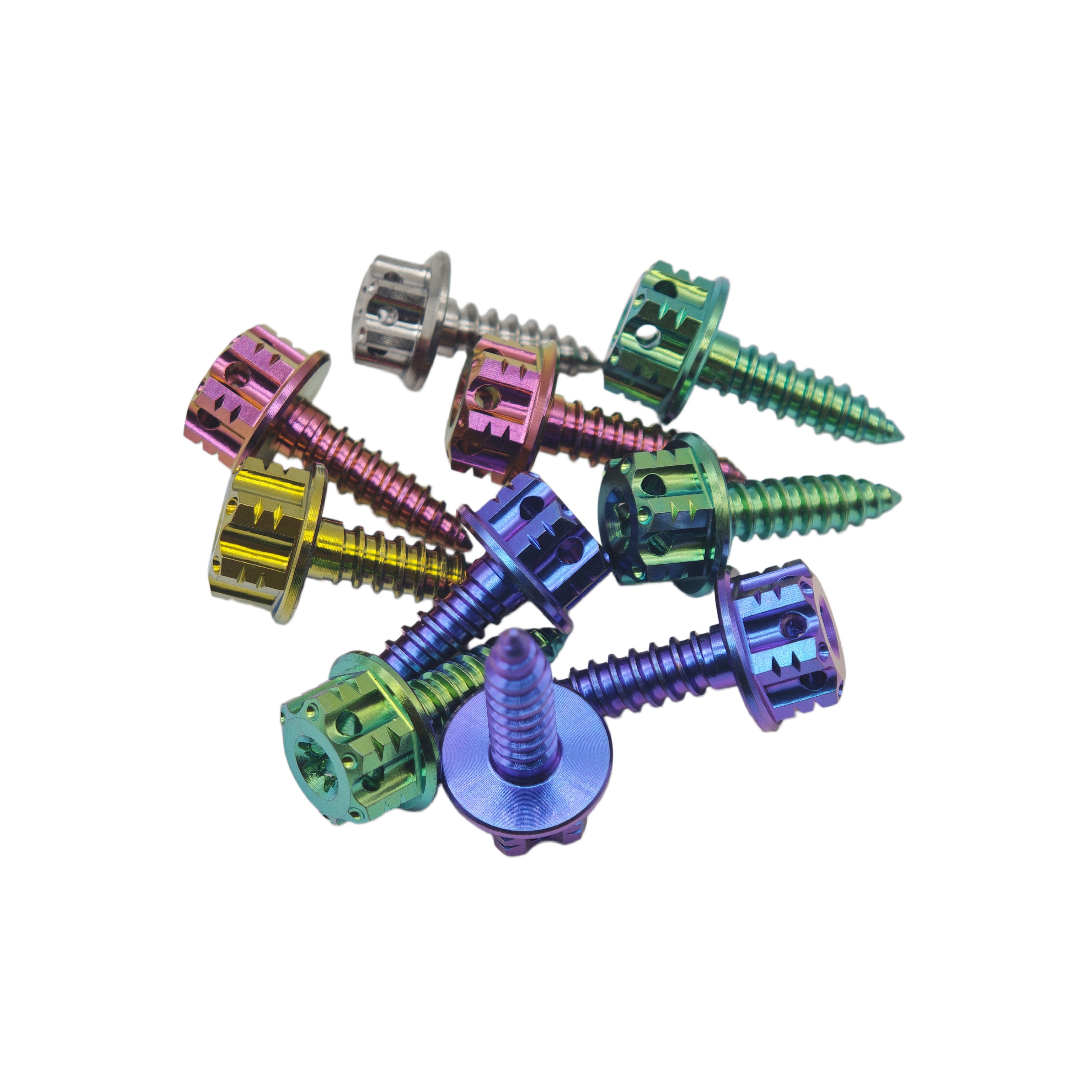
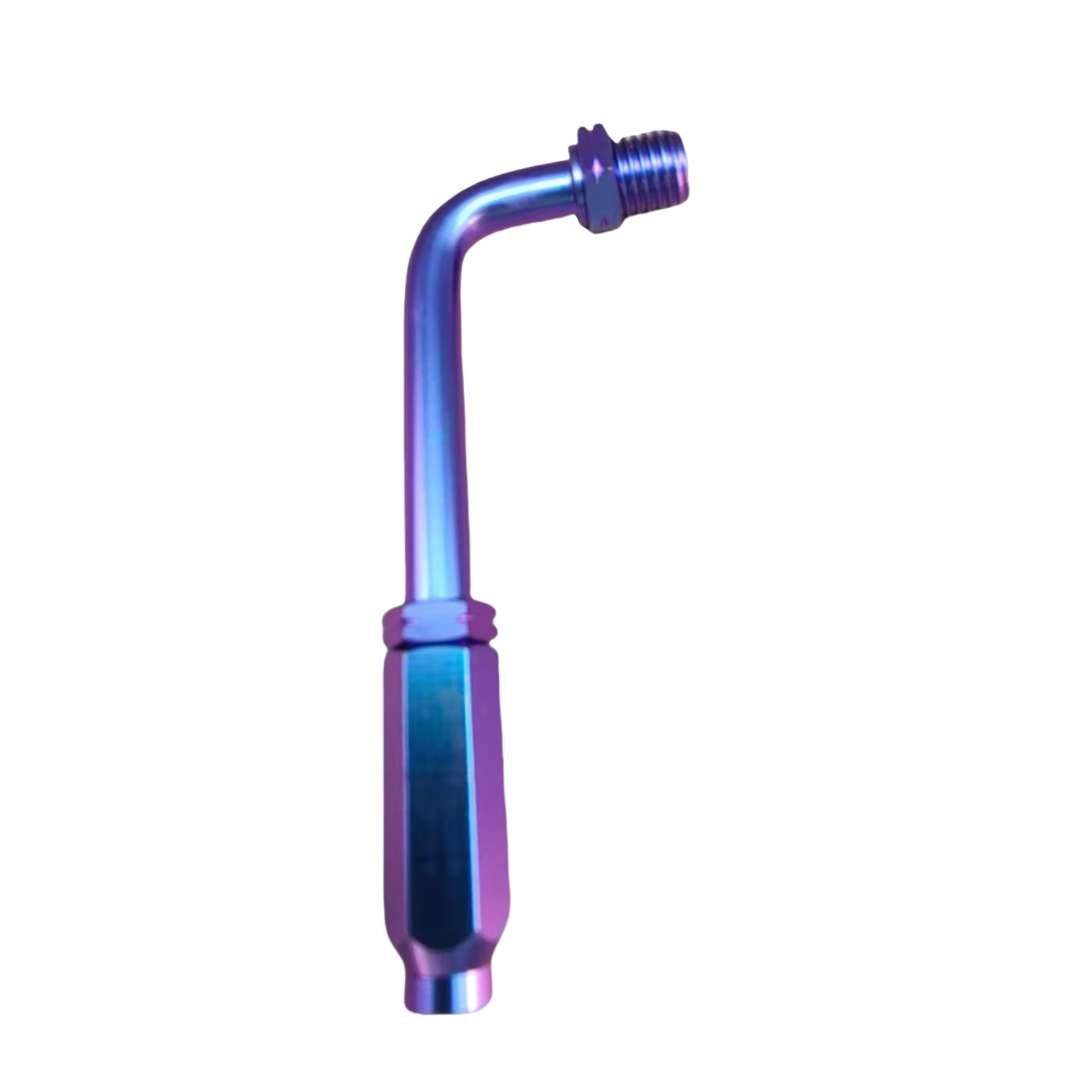
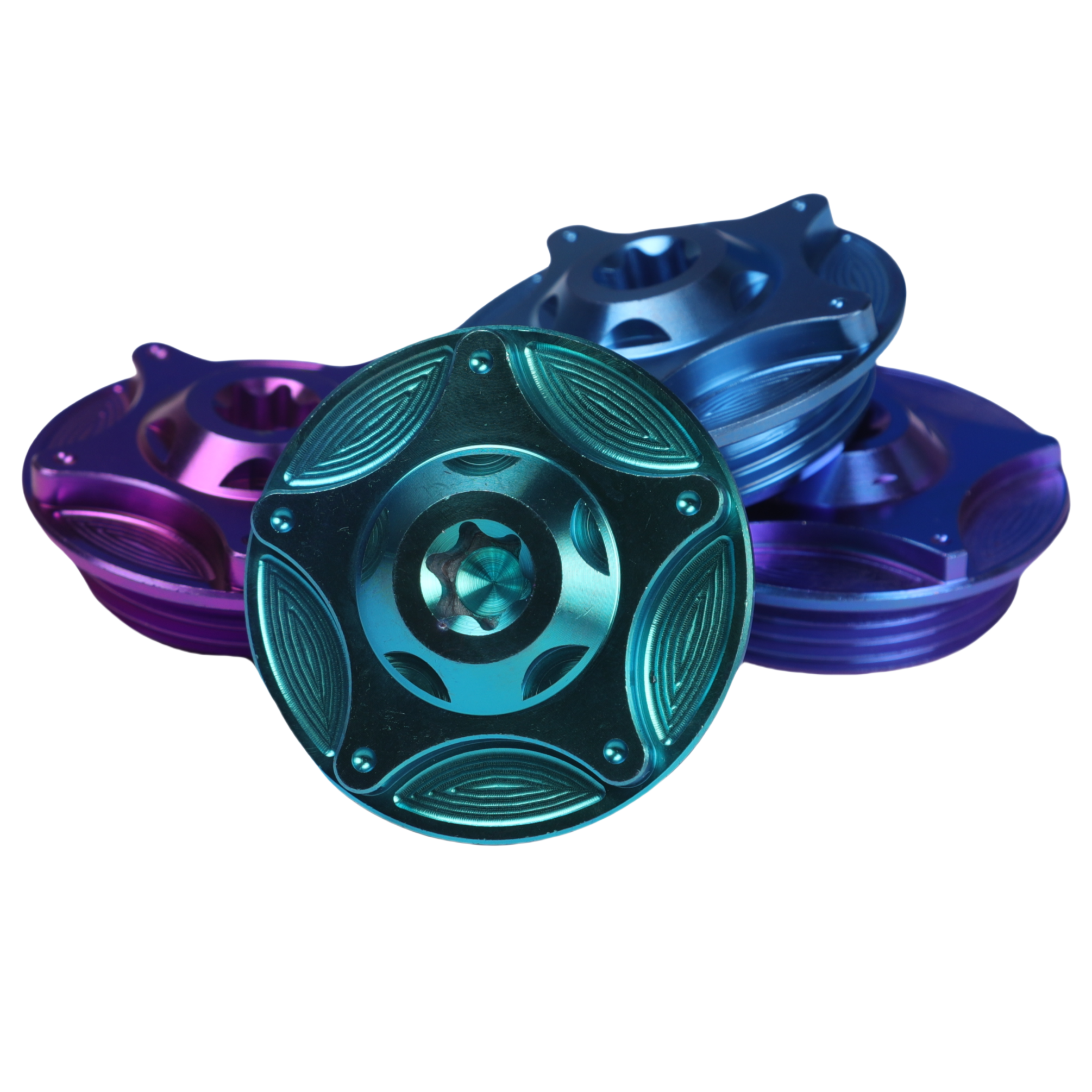
Metallurgical Superiority: Why Ti-6Al-4V Dominates in Guatemala City's Harsh Operating Environments
Industrial operations, logistics corridors, and high-performance automotive tuning across the Valley of the Hermitage (Guatemala City metropolitan area) face exceptional environmental challenges. Sitting at an altitude of approximately 1,500 meters, Guatemala City is characterized by intense ultraviolet radiation, dramatic diurnal temperature shifts, high humidity during the protracted rainy season (May through November), and persistent atmospheric exposure to volcanic particulates rich in sulfur dioxide (SO₂), hydrogen sulfide (H₂S), and abrasive silicates from active neighbors like Volcán de Pacaya and Volcán de Fuego.
Conventional zinc-plated carbon steel (Class 8.8 and 10.9) and standard austenitic stainless steels (AISI 304 and 316) repeatedly fail under these conditions. Carbon steels suffer accelerated galvanic and atmospheric corrosion once their thin surface coatings are breached by airborne abrasive volcanic dust. Stainless steels, while reasonably corrosion-resistant, are prone to severe chloride and sulfide stress corrosion cracking (SCC) along mechanical grain boundaries, and their high density (7.93 g/cm³) imposes significant rotational and unsprung weight penalties. By contrast, Grade 5 Titanium (Ti-6Al-4V, UNS R56400 / Werkstoff 3.7165) provides an unyielding metallurgical barrier.
1. Anodic Oxidation: Physics of Interference Coloration
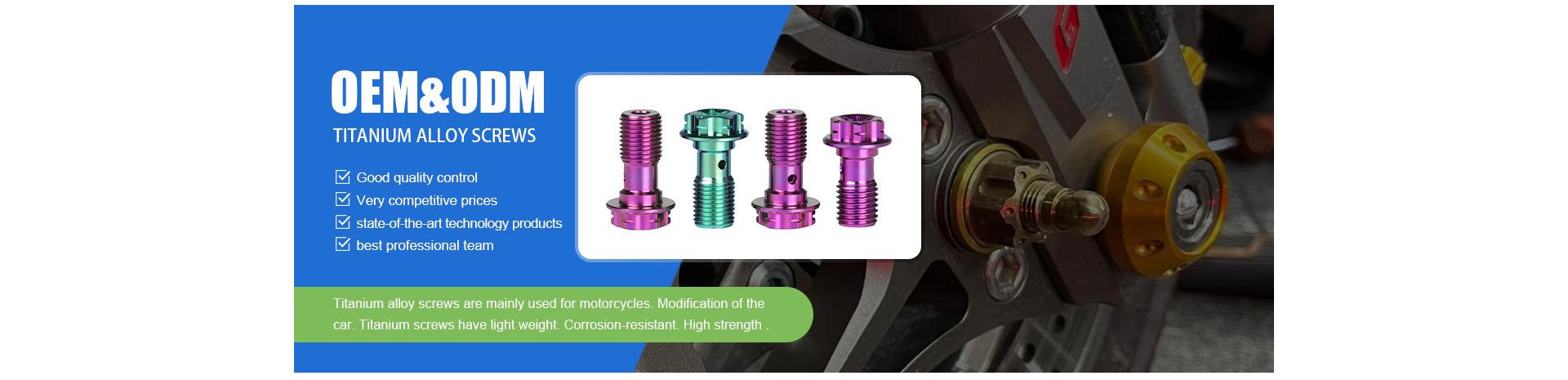
The anodized finish on Zunvo titanium fasteners is not a painted layer, chemical dye, or organic plating. It is an electrochemically cultivated, coherent barrier layer of Titanium Dioxide (TiO₂) grown directly out of the base metal. By manipulating DC bath voltage between 15V and 110V in an environmentally controlled phosphate or sulfuric electrolyte solution, our engineers precisely modulate the thickness of the TiO₂ film between 20 nm and 350 nm.
Color perception is entirely generated by thin-film optical wave interference. Light rays reflecting off the exterior surface of the transparent oxide film interfere constructively and destructively with light rays reflecting from the metal-oxide interface beneath. This produces vivid, permanent interference colors (Burnt Gold, Electric Blue, Violet, Magenta, and Green) that:
- Never delaminate, chip, or flake: The oxide is an integral crystallographic extension of the titanium substrate, eliminating the contamination risks that paint or powder-coat present in sensitive food, beverage, and pharmaceutical processing machinery.
- Enhance surface dielectric barrier properties: Providing superior electrical insulation that completely prevents galvanic coupling when mating with carbon fiber components, magnesium alloys, or anodized aluminum housings.
- Resist photolytic degradation: The inorganic TiO₂ structure is completely impervious to the extreme tropical UV indices experienced at Guatemala City’s high elevation.
2. Rolled Threads vs. Cut Threads: Fatigue Resistance under High Dynamic Loads
Unlike lower-tier suppliers who machine bolt threads via single-point CNC cutting—which cuts across the natural metallurgical grain lines of the titanium alloy and introduces microscopic notch-stress risers—Zunvo employs high-precision cryogenic thread-rolling dies. Cold plastic deformation during thread rolling continuous the grain flow lines along the flanks and through the root radius of each thread.
This critical manufacturing distinction yields a work-hardened root zone with residual compressive surface stresses, increasing fatigue cycle endurance by up to 300% under high cyclic vibrational loading. This makes our Grade 5 fasteners the prime choice for the critical suspension linkages, brake caliper mounts, and engine head assemblies navigating the steep, bumpy switchbacks of Carretera a El Salvador and the CA-9 transport corridor.
| Mechanical & Physical Property | Gr5 Titanium (Ti-6Al-4V) | A2-70 Stainless (AISI 304) | A4-80 Stainless (AISI 316) | Class 10.9 Alloy Steel |
|---|---|---|---|---|
| Density (g/cm³) | 4.43 (Ultralight) | 7.93 | 8.00 | 7.85 |
| Tensile Strength (MPa) | 895 – 1050 | 700 | 800 | 1000 – 1040 |
| Yield Strength 0.2% (MPa) | ≥ 830 | 450 | 600 | 900 – 940 |
| Strength-to-Weight Ratio (kN·m/kg) | 214 (Exceptional) | 88 | 100 | 132 |
| Sulfur & Salt Corrosion Immunity | Immune (Passivated TiO₂) | Moderate Pitting | Good Resistance | Extremely Poor (Rusts Fast) |
| Fatigue Limit / Cycle Life | High (Rolled Threads) | Moderate | Moderate | High (Subject to Corrosion Notch) |
| Magnetic Permeability (µ) | 1.00005 (Non-magnetic) | 1.015 (Slightly cold worked) | 1.008 | Ferromagnetic |
Localized Engineering Application Scenarios in Guatemala
How specialized mechanical, commercial, and agro-industrial sectors in Guatemala City leverage Grade 5 anodized hardware to defeat premature equipment failure.
Urban Fleet & Motorsport Tuning (Zone 9, Zone 10 & Autódromo Pedro Cofiño)
Motorcycle delivery fleets navigating the dense stop-and-go topography of Calzada Roosevelt and Carretera a El Salvador generate massive thermal cycling in brake discs and caliper mountings. Concurrently, performance racers at Autódromo Pedro Cofiño demand severe unsprung mass shedding. Replacing OEM steel rotor bolts with Zunvo M8x24 and M10 brake bolts reduces rotational mass by 44%, drastically improves heat dissipation, and prevents bolt seizure caused by torrential rainy season flash-flooding.
Sugar Refining & Coffee Wet-Milling Machinery (Villa Nueva & Pacific Logistics Corridor)
Guatemala’s premier agro-industries—sugar mills operating downstream along the Escuintla-Guatemala City industrial belt and high-altitude coffee processing mills (beneficios húmedos)—process fluids with high concentrations of organic sugars, fruit acids, and fermenting mucilage. In centrifuges, screw presses, and pipeline flanges, standard fasteners pit rapidly under acidic organic run-off. Our DIN 912 and DIN 6921 Gr5 bolts deliver 100% immunity to organic acids, slashing unscheduled processing downtime during critical harvest cycles.
Volcanic Ash & Telecommunication Tower Infrastructure (Altiplano Highlands)
Radio repeater towers, microwave telecommunications equipment, and solar inverter arrays installed on mountain peaks surrounding Guatemala City (such as Cerro Alux and Volcán de Agua) endure perpetual exposure to abrasive, acidic volcanic clouds laden with sulfur and nitrogen compounds. Steel and aluminum hardware experience catastrophic galvanic degradation. Grade 5 titanium bolts maintain absolute structural integrity, eliminating hazardous remote tower maintenance and retightening operations.
Fastener Procurement & Industrial Trends in Central America
Key market drivers transforming hardware procurement from low-cost disposable fasteners to total-lifecycle titanium engineering solutions.
Transition from Replacement Cycles to Permanent Hardware
Purchasing managers in Guatemala City's commercial fleet operations and manufacturing plants are rapidly moving away from cheap zinc-plated fasteners. Due to the high cost of maintenance labor in heavy traffic corridors and the financial impact of machine downtime, companies realize that replacing an oxidized carbon steel bolt three times over two years costs significantly more than installing a Grade 5 titanium bolt once.
With titanium's indefinite lifespan in atmospheric and humid conditions, commercial operators in Guatemala achieve a positive return on investment within 14 months, while eliminating equipment failure liabilities.
Optimized Trans-Pacific Supply Routing to Puerto Quetzal
Guatemala City serves as the primary distribution hub for the entire Northern Triangle (Guatemala, El Salvador, Honduras). Rather than importing Chinese titanium fasteners indirectly via North American re-exporters with steep markups, modern Guatemalan distributors establish factory-direct channels with Baoji manufacturing hubs.
By leveraging direct maritime routes into Puerto Quetzal (Pacific Coast) with transit times of 22 to 26 days, combined with air courier via La Aurora International Airport (GUA) for 3-day rapid prototypes, local importers maintain robust margins and zero stockout vulnerabilities.
Engineered by Zunvo Titanium: A Decade of Metallurgy Expertise
Founded in 2015 in Baoji, Shaanxi Province—the world-renowned epicenter of titanium sponge smelting and precision milling—Zunvo Titanium Products Co., Ltd. operates a dedicated 3,000 m² high-precision production facility staffed by 101 to 200 highly specialized technicians.
We bridge the gap between aerospace-level metallurgical purity and accessible industrial customization. By maintaining direct relationships with domestic certified smelters, every batch of titanium bar stock entering our CNC Swiss lathes is certified with full heat-number material test reports (MTR), ensuring Guatemalan buyers receive exactly what they specify—without adulteration or metallurgical voids.
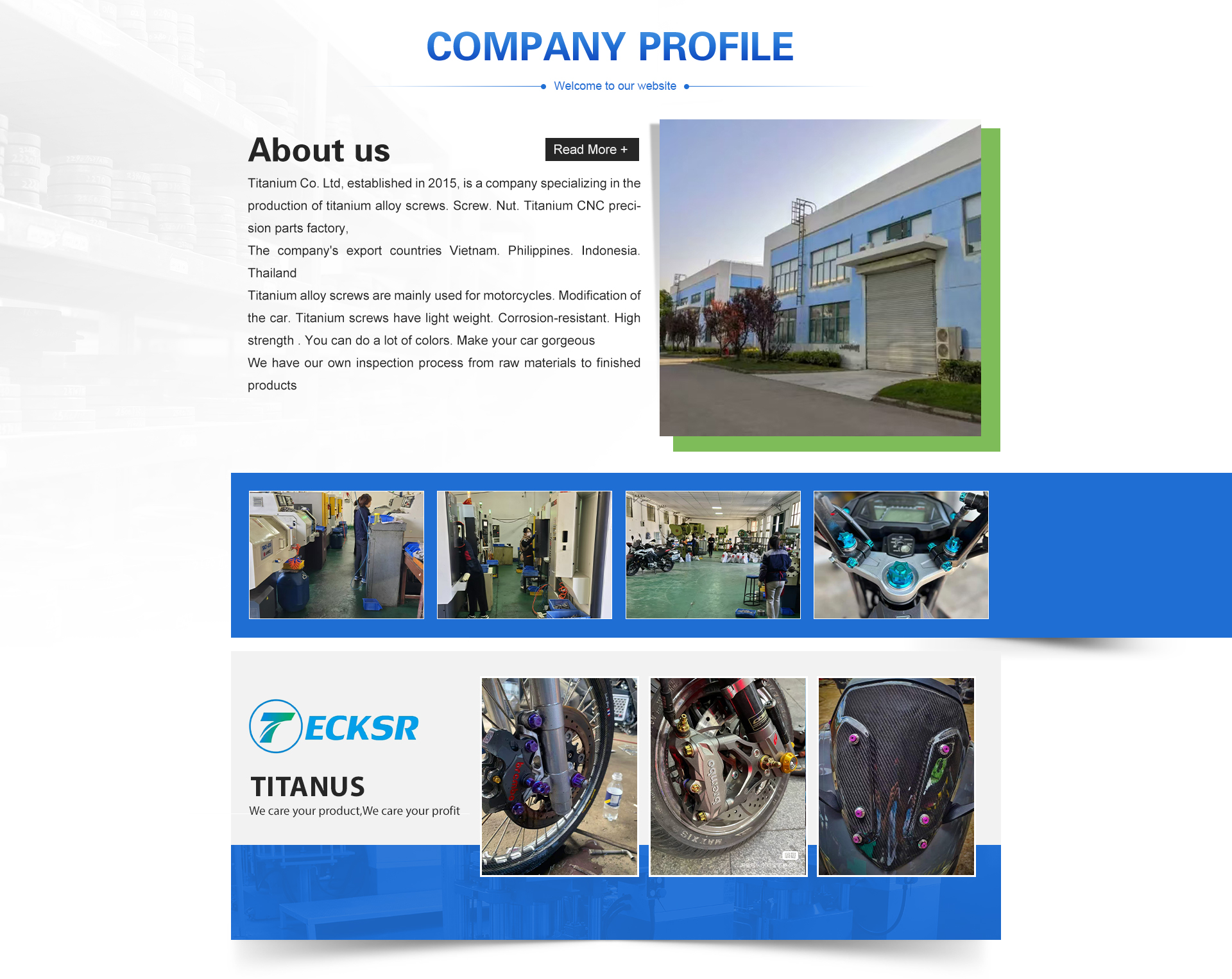 CNC Machining Center
 Thread Rolling Workshop
 Finished Goods Storage
 Optical CMM Testing
Frequently Asked Questions for Guatemala City Buyers
Detailed answers regarding customs clearance, anti-galling procedures, torque adjustments, and factory logistics.
How are titanium fasteners classified under Guatemala SAT customs import tariffs?
Under the Central American Tariff System (SAC - Sistema Arancelario Centroamericano) administered by the Superintendencia de Administración Tributaria (SAT) in Guatemala, titanium fasteners are universally classified under HS Code 8108.90.00 (Articles of Titanium) or under the mechanical fastener chapter HS 7318 depending on custom broker declaration specifics. Our export team provides pre-cleared commercial invoices, detailed packing lists, certificates of origin, and Mill Test Certificates (MTR) to ensure swift processing through customs at Puerto Quetzal or Aeropuerto Internacional La Aurora (GUA).
Can Grade 5 titanium bolts directly replace Class 10.9 or 12.9 steel bolts on motorcycle brakes?
Yes, in the vast majority of performance motorcycle and automotive applications. Grade 5 titanium boasts a tensile strength of 895–1050 MPa and a yield strength exceeding 830 MPa, directly matching the mechanical requirements of Class 10.9 steel while saving 44% in mass. For high-shear applications previously using Class 12.9, our engineering team can evaluate your shear plane dimensions and recommend custom head diameters or adjusted shank diameters to ensure identical or superior safety margins.
How do we prevent thread galling (cold welding) during assembly in tropical environments?
Titanium naturally forms a tough oxide film which, under extreme friction and high dry torque, can cause galling against other titanium, stainless steel, or aluminum threads. In high-humidity climates like Guatemala City, we recommend: (1) Applying a specialized anti-seize lubricant containing Molybdenum Disulfide (MoS₂), copper, or nickel paste during assembly; (2) Reducing dry torque values by approximately 15% to 20% to account for reduced thread friction; (3) Utilizing our PVD-coated or Micro-Arc Oxidation (MAO) treated fasteners, which incorporate low-friction ceramic surface layers that inherently eliminate galling.
Will anodized colors fade under the intense tropical UV radiation of Guatemala?
No. Unlike anodized aluminum (which relies on organic dyes injected into porous oxide pockets that break down under UV radiation), titanium anodization is a completely non-dyed, inorganic optical interference film. The color comes from the refractory index of pure titanium dioxide (TiO₂). Because there are no dyes or organic pigments, our anodized finishes will never fade, chalk, or bleach under tropical sunlight. For extreme-abrasion contact points (such as wrench flats or foot-peg mounts), we also provide PVD (Physical Vapor Deposition) titanium nitride and carbon coatings for maximum diamond-like surface hardness.
What are the typical minimum order quantities (MOQ) and production lead times?
For standard catalog parts (such as DIN 912 socket bolts, M8x24 brake rotor screws, and M6 fairing hardware), our minimum order quantity starts as low as 100 to 200 units per specification to allow workshops and distributors to validate demand. Custom CNC items manufactured to your 2D/3D CAD drawings have an MOQ of 100 pieces. In-stock inventory ships within 24–48 hours; custom prototype samples are produced in 3 to 5 business days, and bulk container production runs typically complete within 12 to 18 days.
Can Zunvo manufacture custom non-standard fasteners according to OEM drawings or worn samples?
Yes. Our engineering division regularly assists industrial clients across Central America with reverse engineering and OEM production. You can send us CAD files (.STEP, .IGS, .DWG, .PDF) or express a physical sample to our Baoji laboratory. We perform high-accuracy coordinate measuring machine (CMM) dimensional capture, spectral alloy verification, and optical pitch mapping, returning a manufacturability report and formal quotation within 24 hours.
