Grade 5 Ti
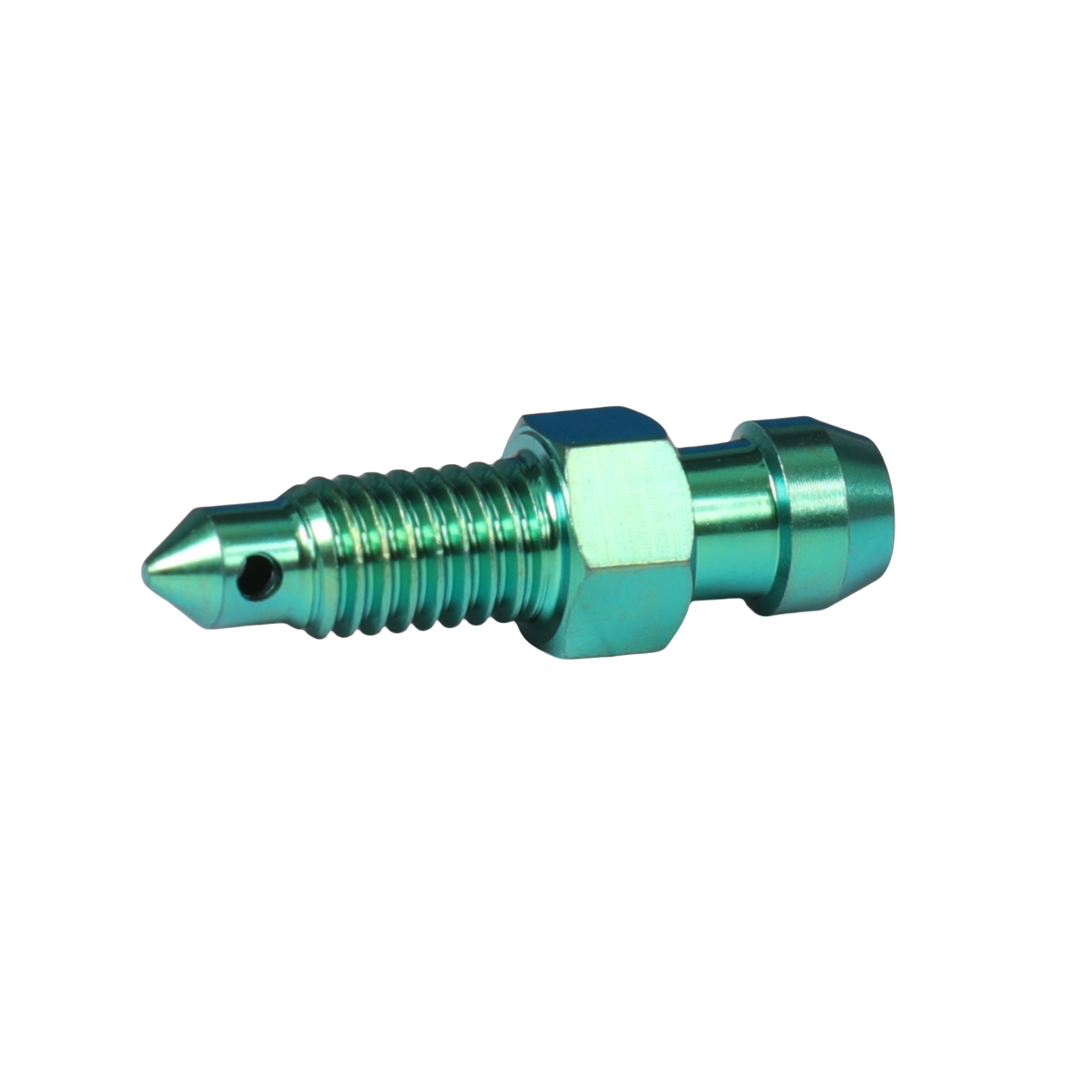
Precision-engineered aerospace & marine hardware serving Merseyside maritime, high-performance automotive tuning, and Merseyside manufacturing corridors.
Machined from Grade 5 Ti-6Al-4V bar stock with rolled threads, tight concentricity (±0.005mm), and Type II micro-anodized passivation against harsh marine and road salt conditions.
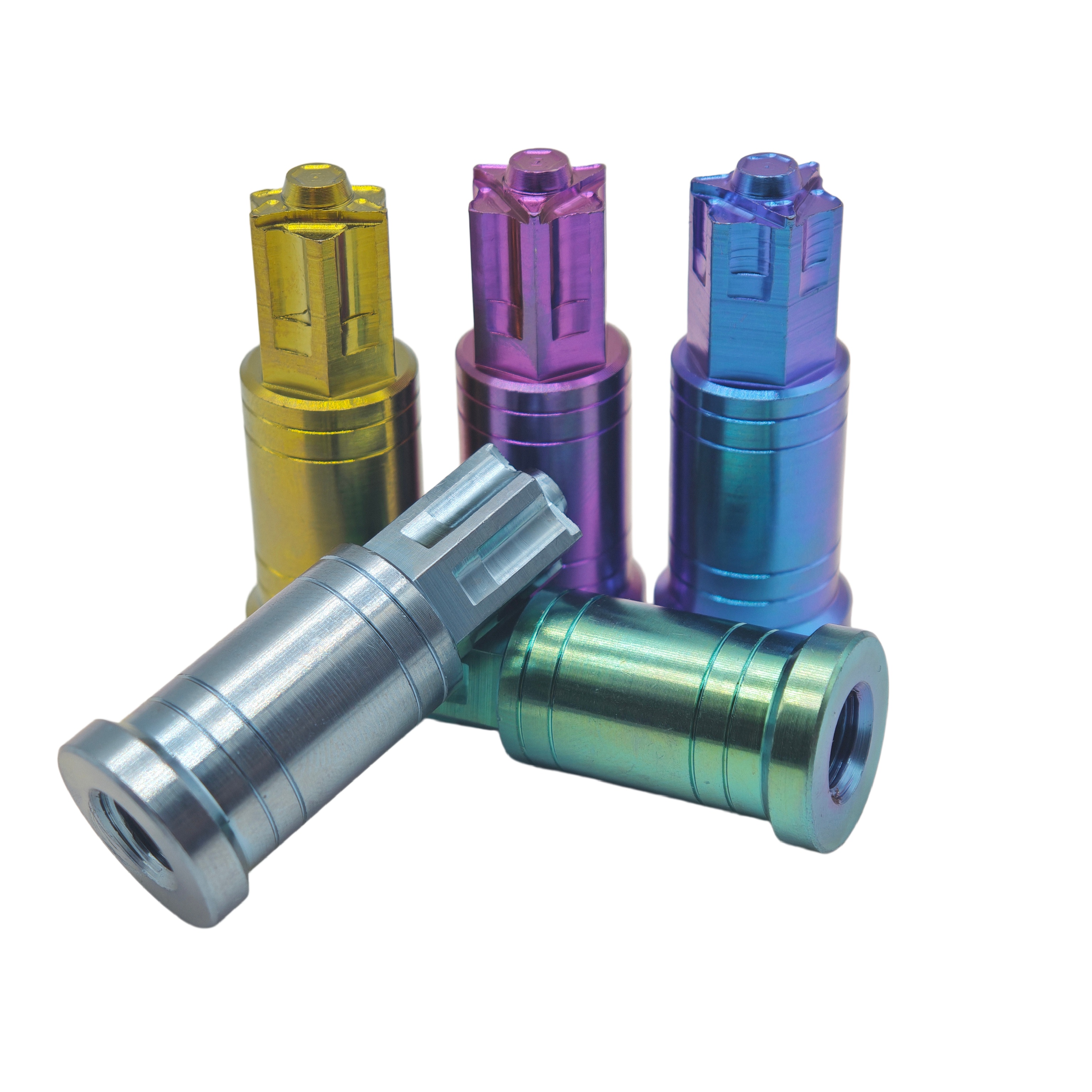
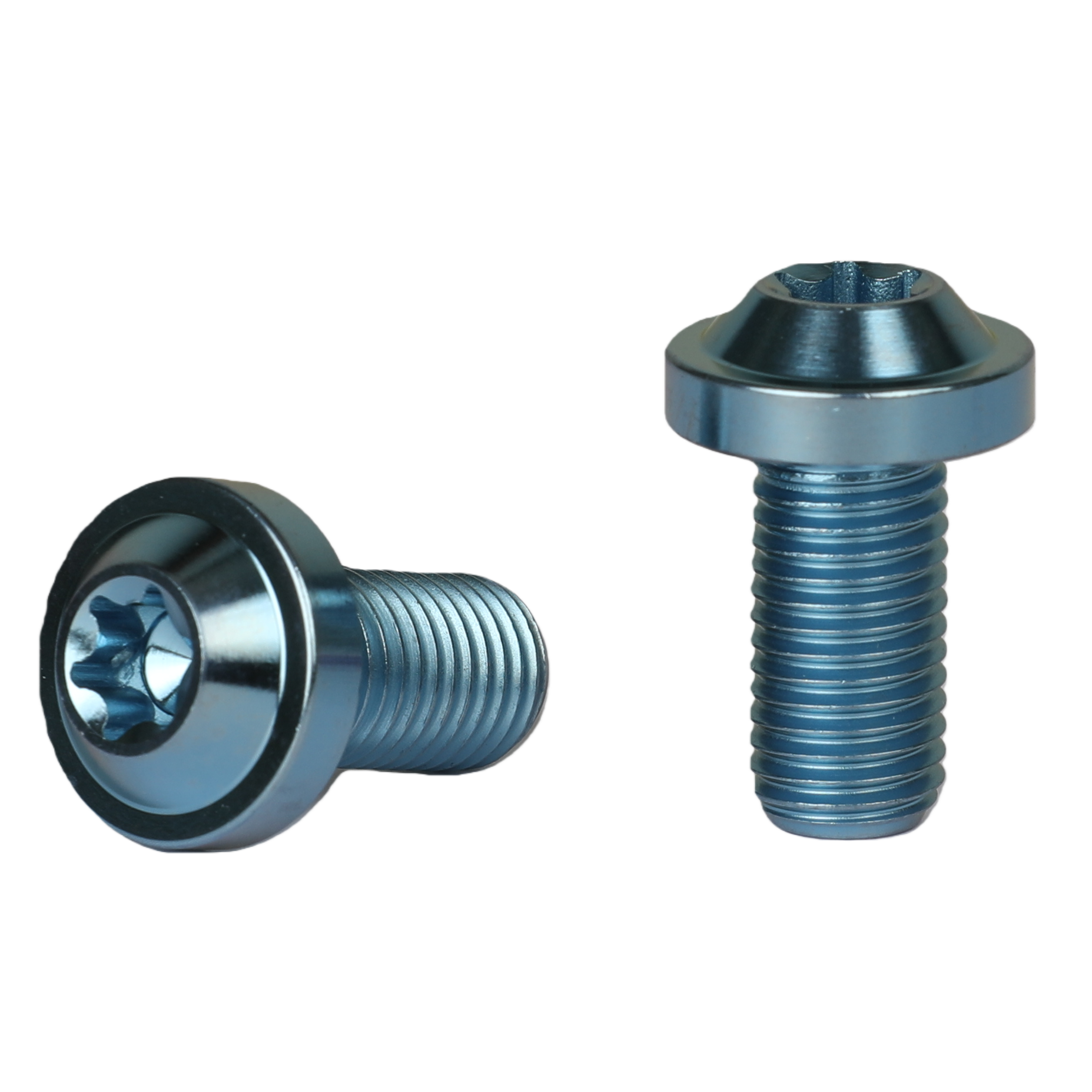
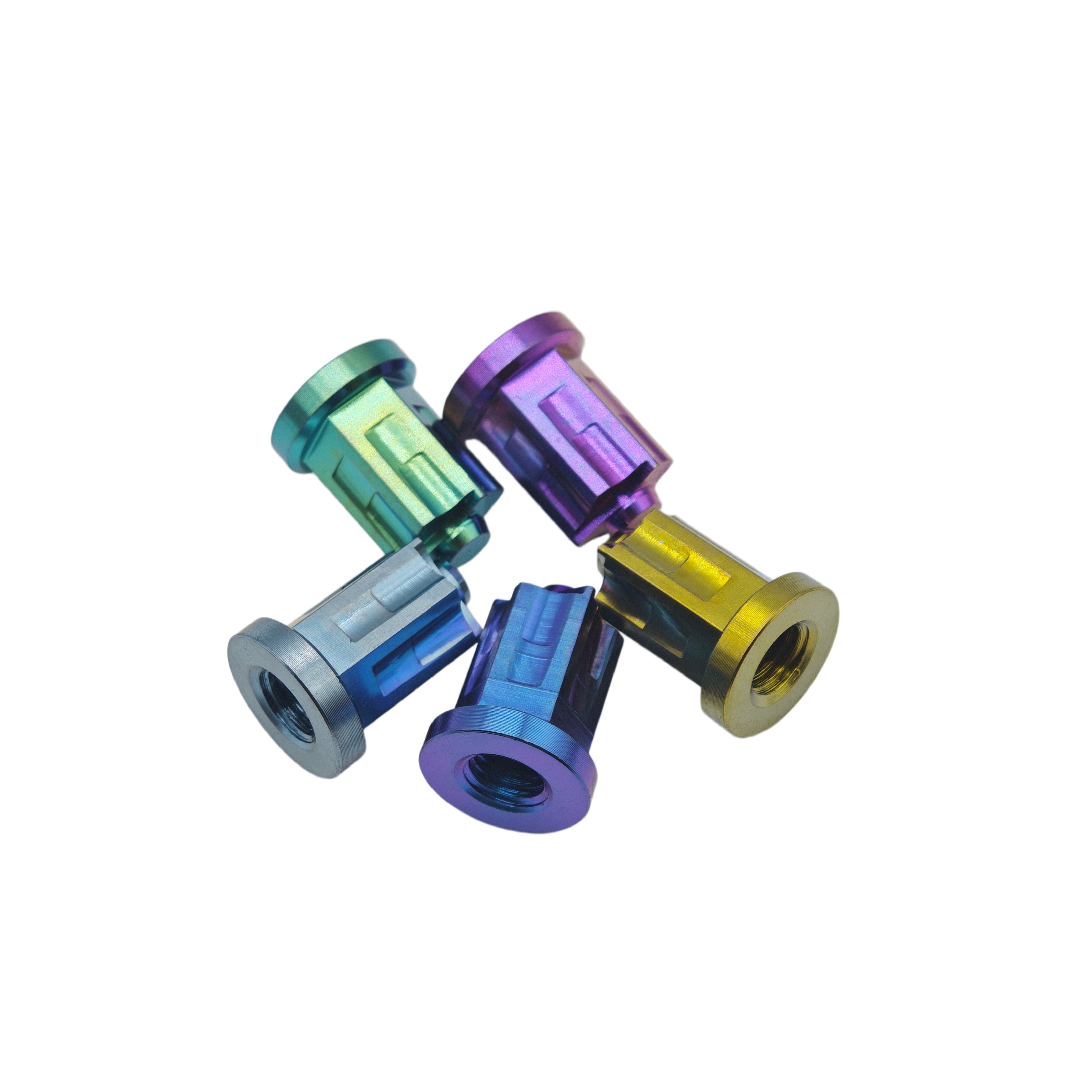
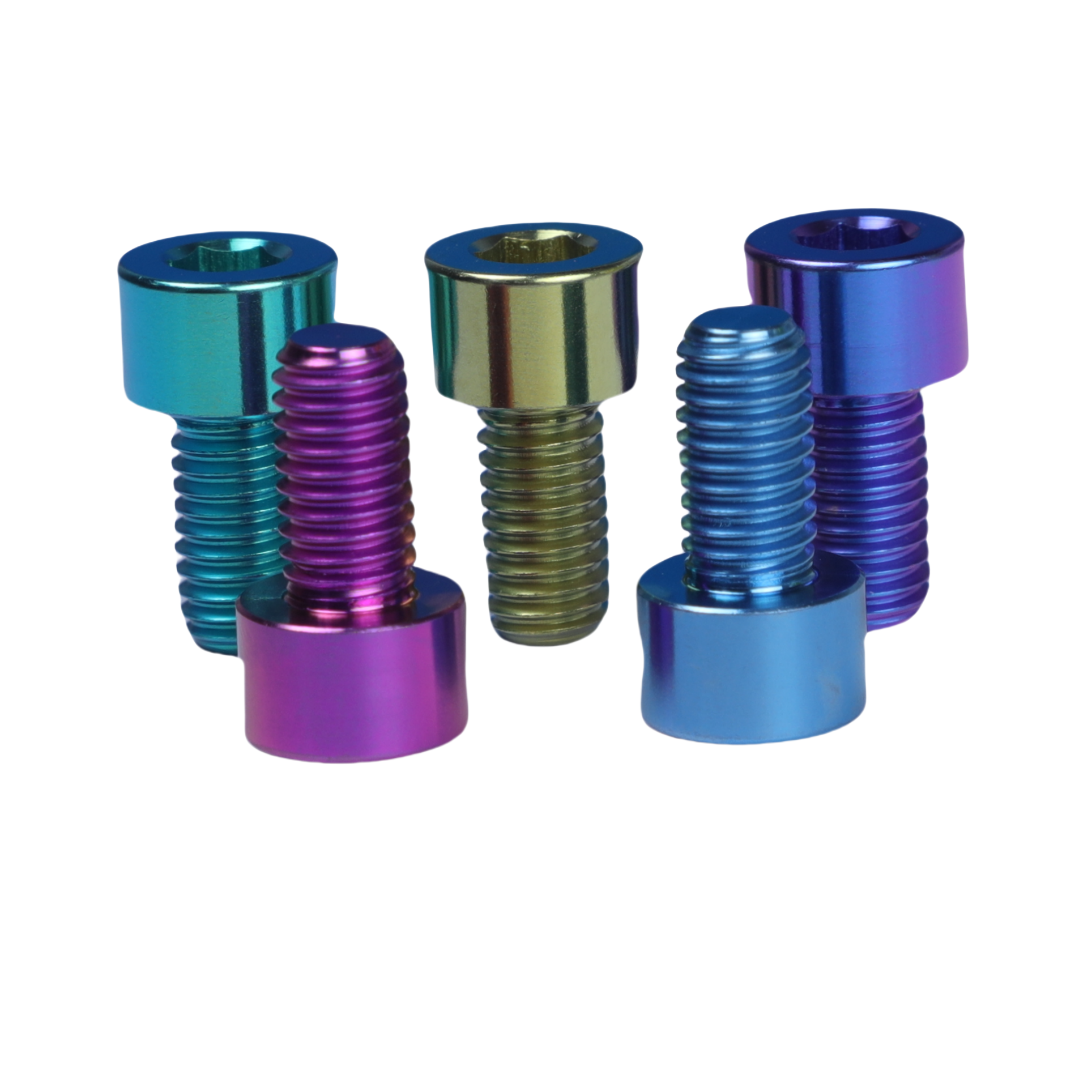
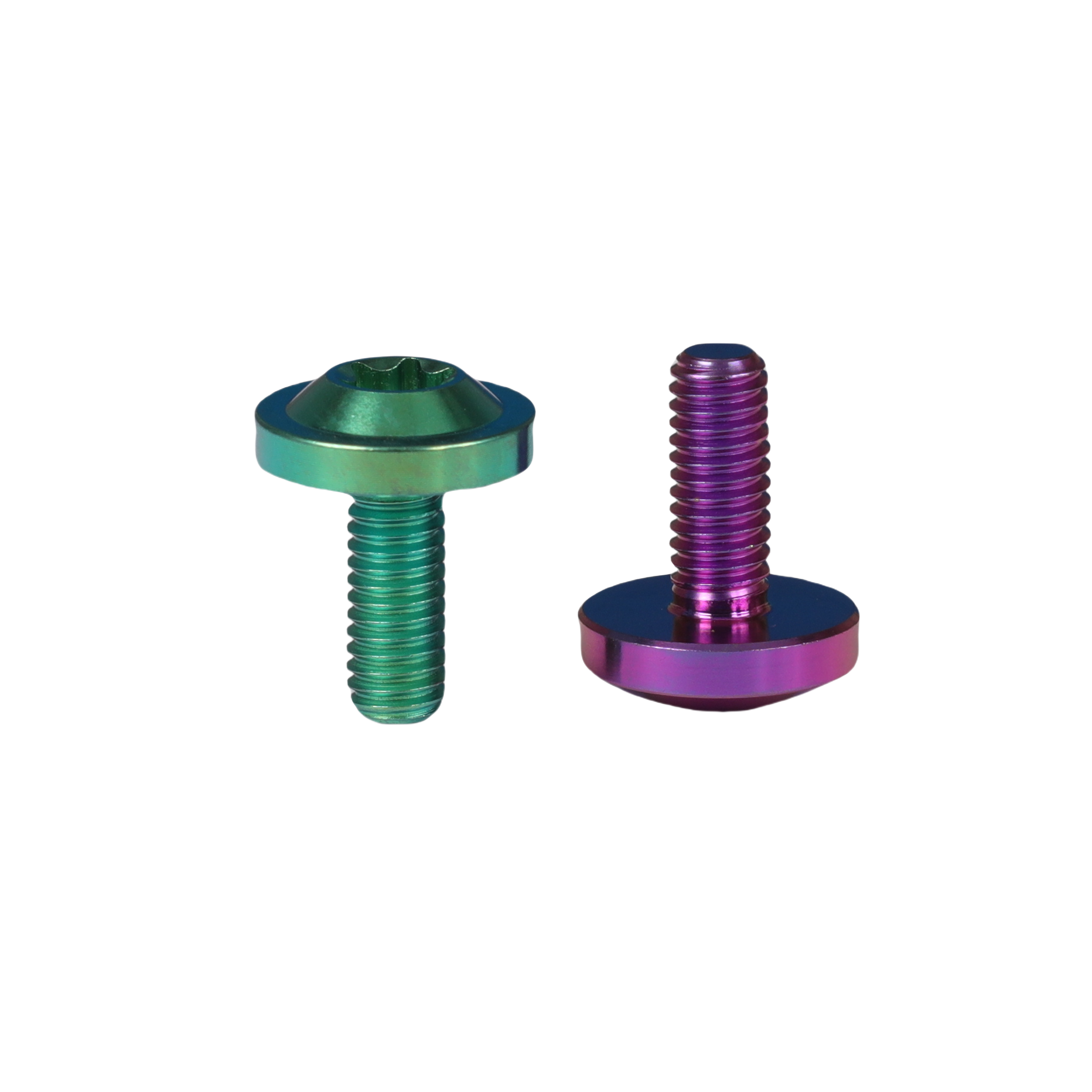
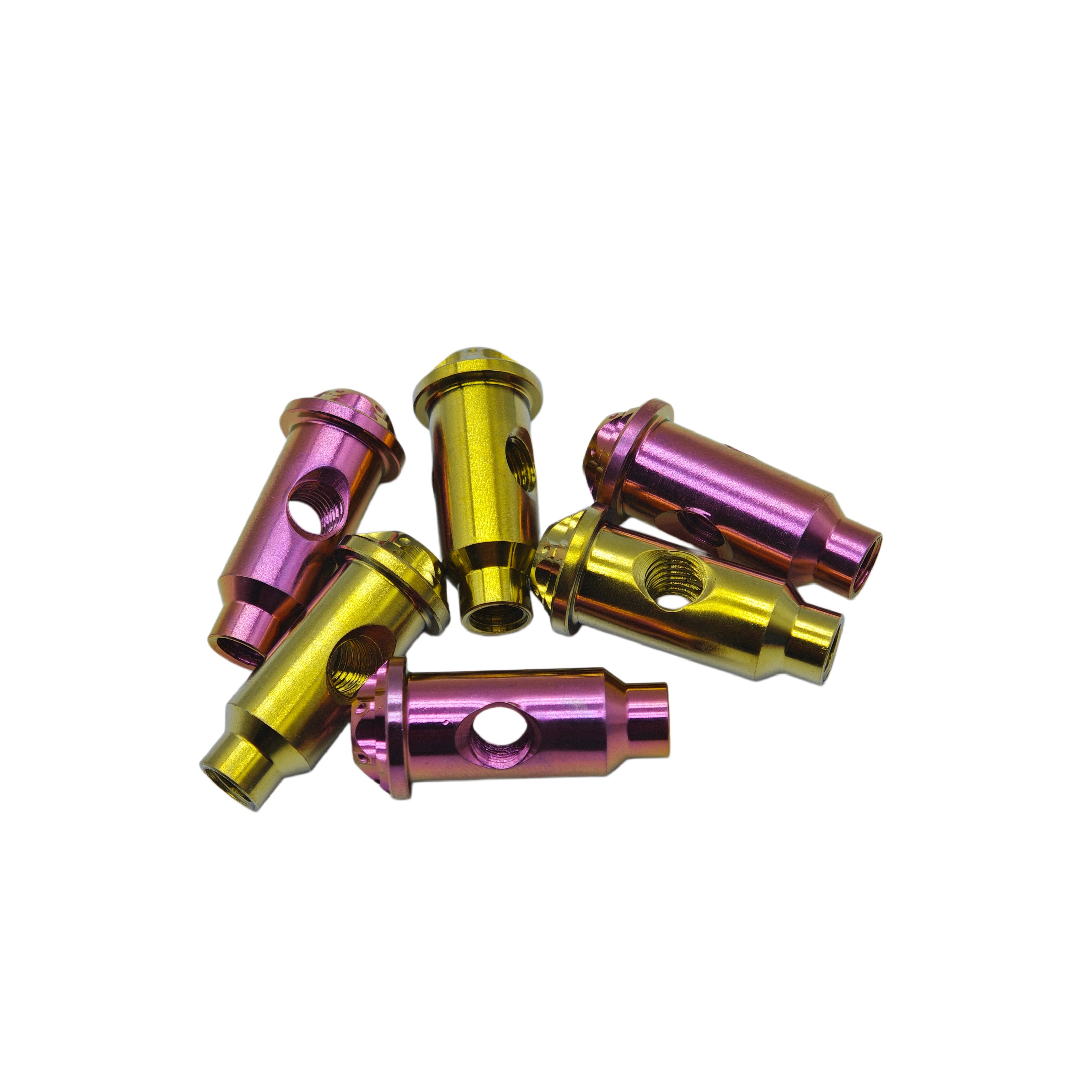
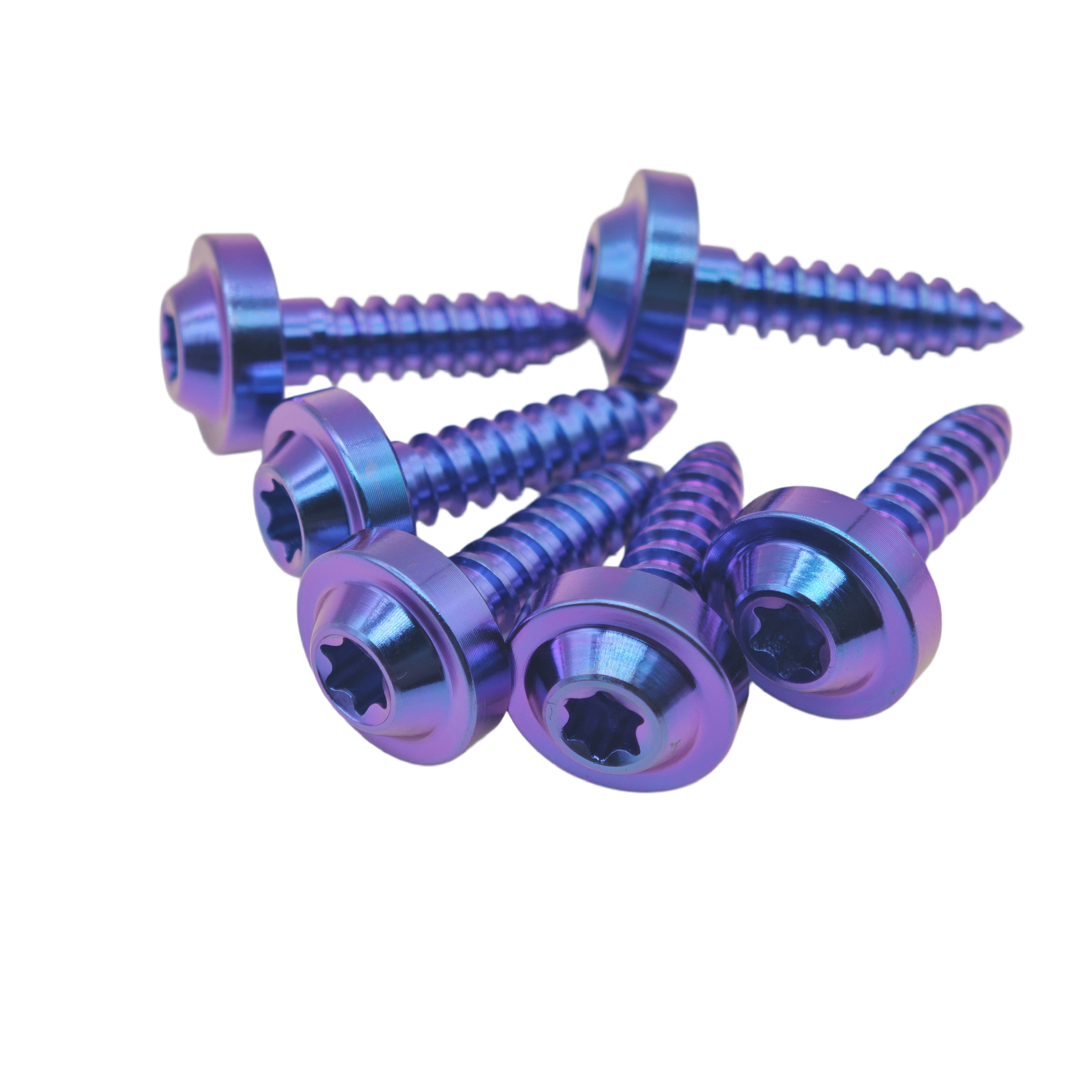
As premier exporters delivering direct into the North West of England via the Port of Liverpool and Manchester Ship Canal corridors, understanding material boundaries is critical. When transitioning legacy assemblies from Grade 8.8, 10.9 structural steel or A2/A4 stainless steel to Grade 5 (Ti-6Al-4V, UNS R56400), procurement directors secure distinct thermodynamic and physical performance enhancements.
Standard marine fastening often defaults to 316 austenitic stainless steel; however, in accelerated chloride-rich, oxygen-depleted niches (such as crevices beneath bolt flanges and submerged fittings in the Mersey Estuary), austenitic steels suffer catastrophic localized crevice corrosion and pitting. Our anodized Grade 5 titanium fasteners form an instantaneous, ceramic-like self-healing surface oxide film (TiO₂ Rutile/Anatase matrix) capable of resisting chloride stress corrosion cracking at tensile potentials exceeding 900 MPa.
| Mechanical / Chemical Property | Ti-6Al-4V Grade 5 (Titanium) | A4-80 (Marine 316 Stainless) | 10.9 High Tensile Carbon Steel |
|---|---|---|---|
| Ultimate Tensile Strength (MPa) | 895 – 1000 MPa | 800 MPa | 1040 MPa |
| Yield Strength (0.2% Offset, MPa) | 828 MPa | 600 MPa | 940 MPa |
| Specific Strength (Strength-to-Weight Ratio) | 205 kN·m/kg | 100 kN·m/kg | 132 kN·m/kg |
| Microstructural Pitting Potential in Seawater | Immune (>+1.2V vs SCE) | Prone to crevice breakdown | Severe general corrosion |
| Galling Tendency & Gall Mitigation | Mitigated via Electro-Anodizing / PVD | High without lubricant | Moderate |
Every fastener machined in our manufacturing floor undergoes thread rolling post-heat treatment. Unlike single-point thread turning which shears microstructural metallurgical grain boundaries, cold-rolled threading introduces deep, continuous compressive residual stresses into the thread root radii, conferring an elevated endurance fatigue threshold necessary for high-load Liverpool motorsport and dry-dock rigging applications.
Tailored component configurations fulfilling regional supply chain mandates across industrial logistics parks, racing complexes, and offshore maritime corridors.
From the Port of Liverpool container docks to Birkenhead refit yards, offshore vessels and survey catamarans face intense estuarine galvanic exposure. Our Grade 5 fasteners, passivated and anodized in gold, electric blue, and raw polish, eliminate unscheduled downtime on hydraulic umbilical brackets, topside radar towers, and saltwater telemetry pods.
Liverpool and the Cheshire tuning belt host premier racing development garages, track preparation facilities, and privateer motorcycle paddocks. Reducing unsprung rotating mass across brake caliper bleed systems, brake rotor pan-head bolts, and wheel lug spline sleeves directly reduces gyroscopic inertia and enhances damper response over high-curb apexes.
The manufacturing basin extending through Widnes, Runcorn, and Speke houses pharmaceutical processing and fine chemical production. Our high-integrity DIN912 socket head cap screws and flower flange nuts prevent chloride pitting in humid air extraction ducts and sterile fluid routing stations.
The UK manufacturing landscape is executing strategic dual-sourcing mandates following supply chain realignments. Importers and technical engineering directors across Liverpool, Halton, and Greater Manchester are standardizing fastener procurement under several key criteria:
1. Decoupling from Intermediary Warehousing Margins: Regional distributors in Merseyside historically purchased titanium hardware from secondary European stockists, paying compounded markups of 35%–60%. Modern supply protocols establish direct partnerships with onsite-verified origin manufacturers possessing ISO compliant metallurgy labs and mill-traceable raw stock.
2. Color-Coded Torque Verification via PVD & Anodizing: In competitive trackside maintenance and automated modular assemblies, technicians leverage controlled color anodization (purple, burnt rainbow, cyan blue, emerald, deep black) not solely for aesthetic appeal, but as visual poka-yoke indicators distinguishing thread pitch, nominal length, and safety-critical torque stages.
3. Accelerated Low-Volume Sampling Prior to High-Run Deliveries: Fastener failure in marine or motorsport assemblies carries high financial risk. Modern engineering mandates demand 3-day rapid CNC prototyping for thread engagement validation, torque tension testing, and ultrasonic thickness calibration before high-volume containerized bulk drops enter Royal Seaforth Docks.
Directly situated within Baoji, China's central Titanium Valley, providing complete end-to-end metallurgical traceability from raw vacuum arc-remelted ingot to finished aerospace fasteners.
We source high-purity sponge and forged Grade 5 Ti-6Al-4V bar stock directly from verified smelters, supplying EN 10204 3.1 Mill Test Certificates (MTC) detailing precise elemental composition (Fe, O, C, N, H) and lot tensile parameters per heat number.
Operating multi-axis Swiss CNC automatic screw lathes and cold/warm heading arrays across a 3,000 m² facility. Our high-speed thread rolling infrastructure preserves uninterrupted structural grain paths along the pitch line.
Each delivery batch undergoes comprehensive mechanical validation: optical coordinate measuring machine (CMM) dimensional checks, 6g/6H thread pitch verification with calibrated go/no-go gauges, and Rockwell hardness verification.
Maintaining responsive lead times with average inquiry response under 7 hours. Rapid 3-day sample turnaround and scalable production cycles from 100-piece custom batches to multi-thousand dozen distributions with door-to-door air freight (DHL, FedEx, UPS) and full container sea clearance into Liverpool.
Clear, technically verified answers addressing torque specs, anti-seize protocols, customs clearances, and color retention.
Yes, provided torque values and thread interfaces are reviewed. Grade 5 Ti-6Al-4V has a typical ultimate tensile strength of 950 MPa and yield strength of ~830 MPa—very close to structural Grade 10.9 steel (1040 MPa ultimate, 940 MPa yield). Because titanium has roughly half the modulus of elasticity of steel (114 GPa vs 210 GPa), our engineering team provides adjusted tightening torque charts to achieve target preload clamping forces without thread yield.
Titanium can exhibit friction-induced cold welding (galling) when mated under high tension against similar passive metals. We recommend high-pressure anti-seize paste containing copper, molybdenum disulfide (MoS₂), or nickel. Alternatively, selecting our specialized anodized, dry-film lubricated, or PVD-coated finishes substantially reduces friction coefficient (μ) during installation.
Unlike paints, powder coats, or zinc plating that can flake or peel, our anodization is an electrochemical transformation of the titanium surface into a crystalline oxide layer. The vibrant colors result from light interference across precise oxide thicknesses. This layer is chemically inert and completely resistant to UV degradation, engine coolant, hydraulic oil, and marine salt-fog.
We work under standard Incoterms (DAP, DDP, CIF, FOB). For urgent engineering and prototype requirements, we provide DDP express services via DHL/FedEx, where UK Customs tariff classification (Commodity Code: 8108.90), duties, and import VAT are managed seamlessly without administrative delays at your receiving bay.
