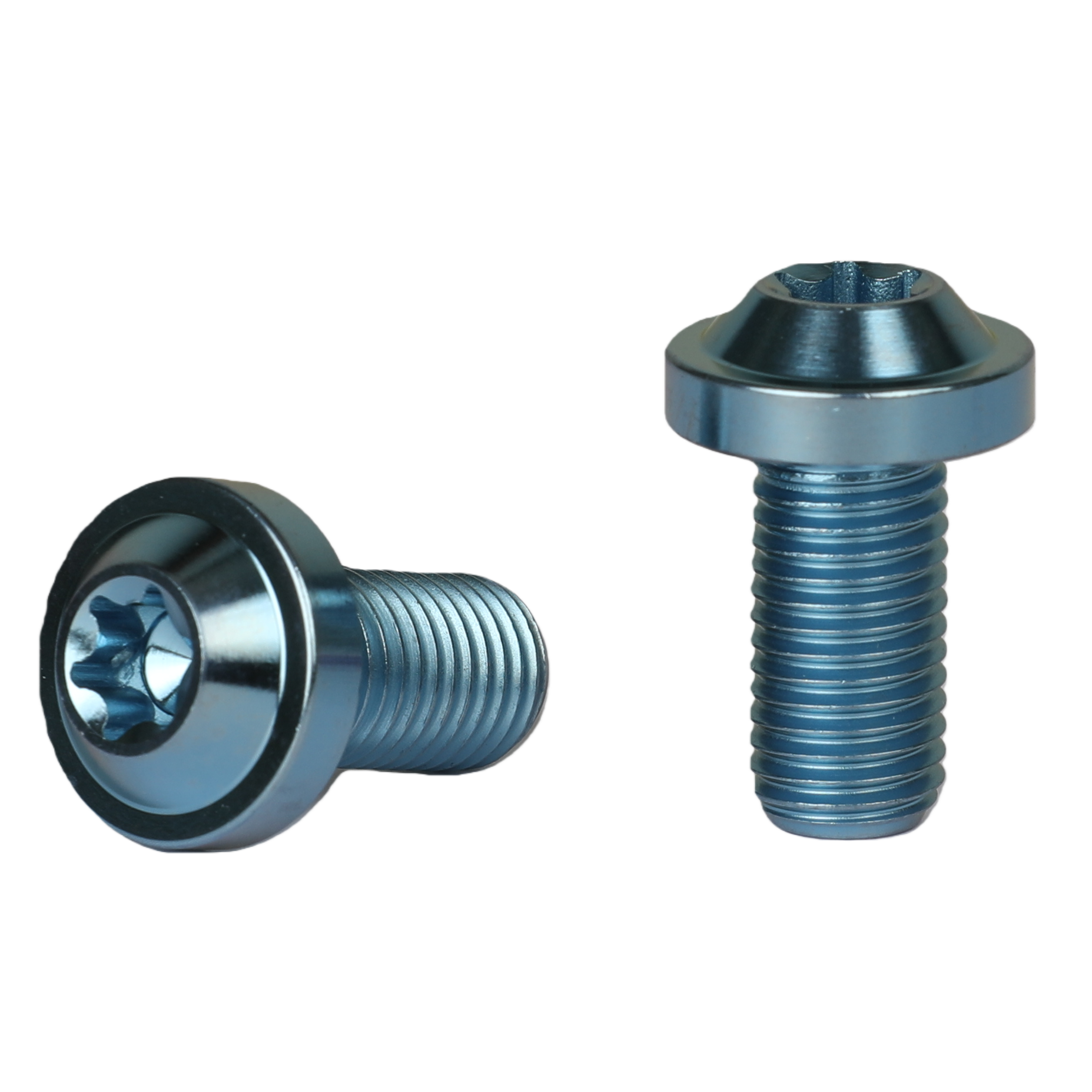
Featured Precision Fasteners & Hardware Assemblies
Explore our field-proven Grade 5 (Ti-6Al-4V) components designed for high-stress applications, corrosive coastal installations, and critical dynamic payloads across Bruges and the wider Port of Antwerp-Bruges corridor.
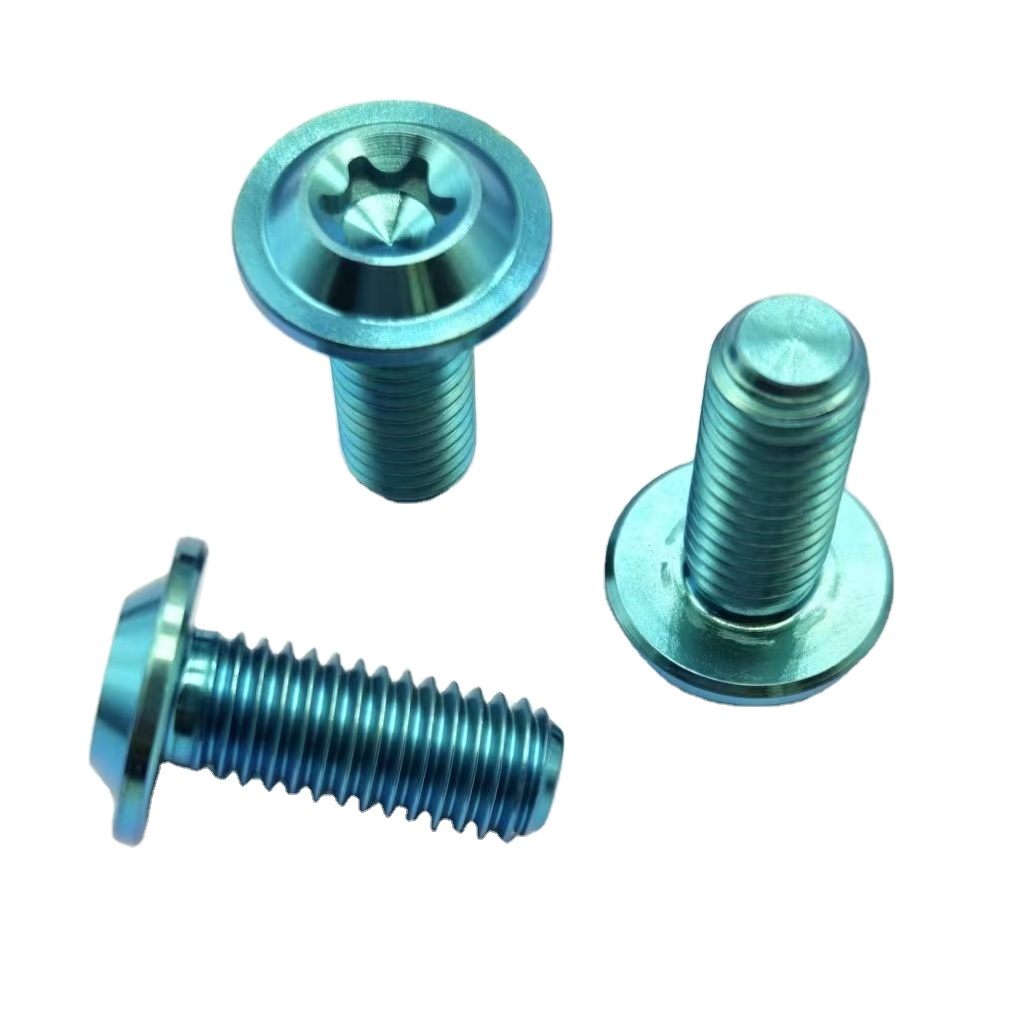
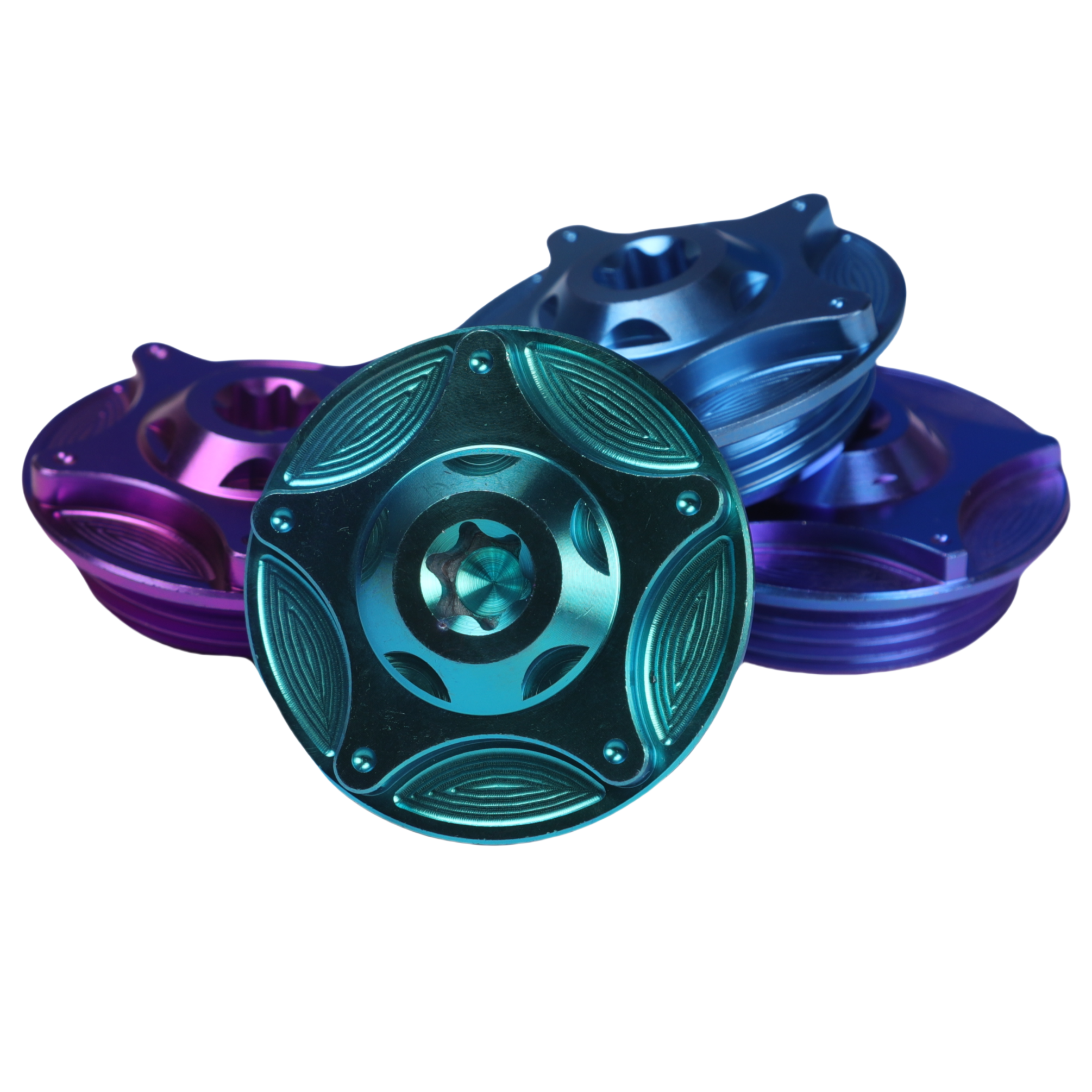
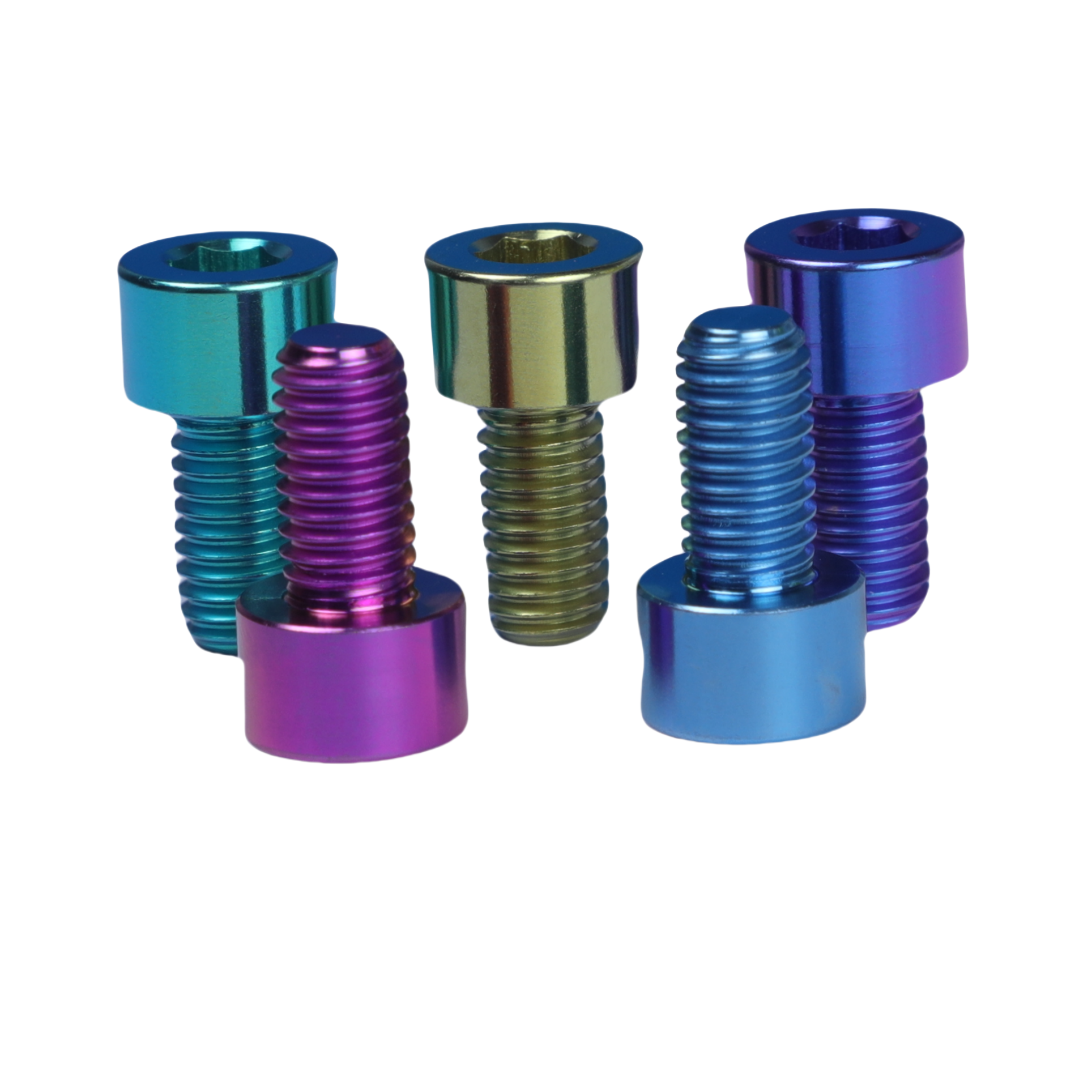
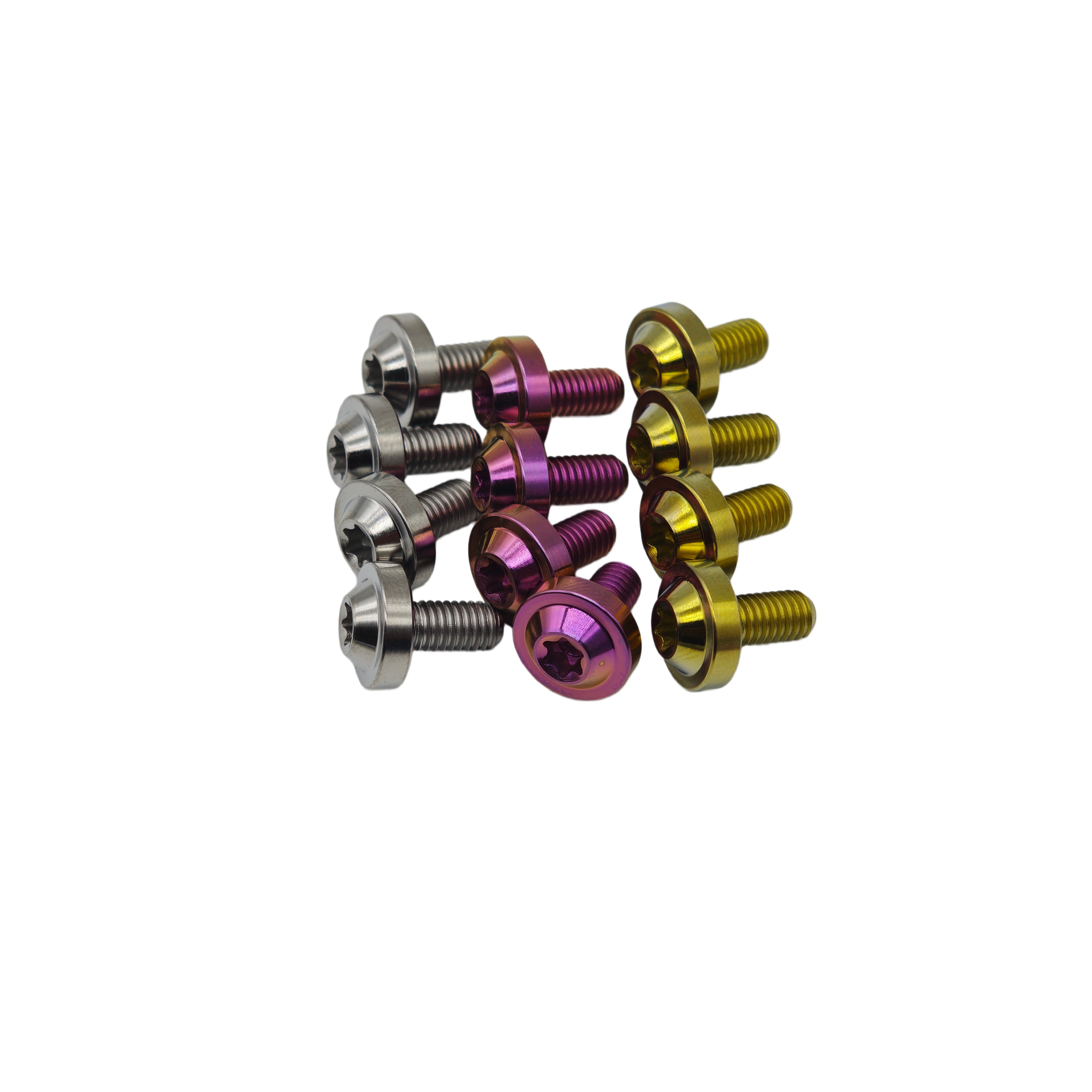
≥ 895 MPa
Yield Strength Ti-6Al-4V
± 0.005 mm
Multi-Axis CNC Tolerance
44% Less
Weight Relative to 8.8/10.9 Steel
Zero
Chloride Pitting in Marine Environments
Engineering Whitepaper: Metallurgical Advantage of Grade 5 Titanium in Flemish Coastal Deployments
Precision bolting solutions deployed within West Flanders encounter challenging physical demands. Operating at the interface of industrial automation and maritime exposure via the Zeebrugge coastal platform, assemblies are constantly exposed to saline atmospheres, industrial exhaust condensation, and cyclic mechanical strain. Standard electro-galvanized or generic 304/316 austenitic stainless steels often succumb to chloride-induced stress corrosion cracking (CSCC) and severe galvanic degradation over prolonged operational windows.
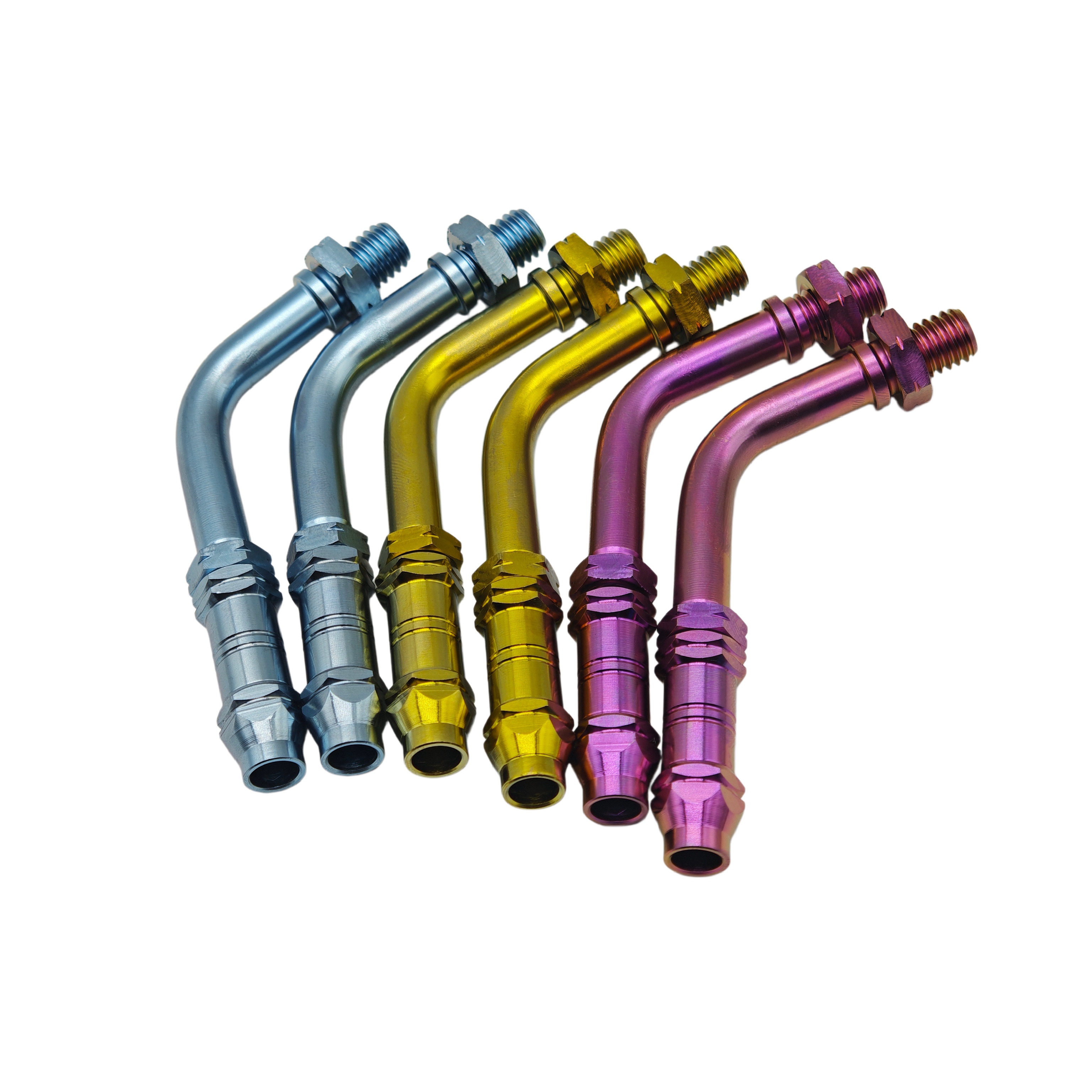
Our CE-certified titanium nut kits, structural fasteners, and bespoke CNC components are exclusively forged and cut from aerospace-grade Ti-6Al-4V (Grade 5, UNS R56400 / Werkstoff 3.7165). Gr5 titanium presents an alpha-beta dual-phase microstructure that balances remarkable ultimate tensile strength (≥ 930–1000 MPa) with an ultra-low specific gravity of 4.43 g/cm³. The resulting strength-to-weight ratio allows Flemish engineering plants, marine equipment designers, and racing bike fabricators to cut unsprung structural mass by up to 45% without reducing clamping torque integrity or pull-out retention capabilities.
| Property Parameter | Ti-6Al-4V Grade 5 (Zunvo Fasteners) | A4-80 Stainless Steel | Class 10.9 Carbon Steel | 6082-T6 Aluminum |
|---|---|---|---|---|
| Density (g/cm³) | 4.43 | 8.00 | 7.85 | 2.70 |
| Ultimate Tensile Strength (MPa) | ≥ 950 | 800 | 1040 | 310 |
| Yield Point 0.2% Proof (MPa) | ≥ 880 | 600 | 940 | 260 |
| Resistance to Chloride / Saline Spray | Immune (Spontaneous TiO&sub2; Passivation) | Moderate (Pitting Risk) | Poor (Requires Galvanic Dip) | Poor (Galvanic / Exfoliation) |
| Thermal Expansion Coeff. (×10&supmin;&sup6;/K) | 8.6 | 16.0 | 11.5 | 23.1 |
Thread-Rolling Work Hardening
Unlike standard thread-cutting techniques which disrupt grain continuity, all our male metric threads (M4 through M24) are cold-formed via continuous thread-rolling machines. This cold-work process introduces beneficial compressive residual stresses along the thread root, enhancing dynamic fatigue life by over 300% under cyclical vibratory conditions.
Tribological Anti-Galling Coatings
Titanium exhibits an inherent tendency toward microwelding and galling when paired against similar metals under high contact friction. We mitigate this through controlled physical vapor deposition (PVD) finishes, electrochemical anodizing, and molybdenum disulfide/graphite micro-coatings that normalize the friction coefficient between 0.12 and 0.15.
Precision Aerospace Tolerancing
Our Swiss-type 5-axis CNC turning and machining centers operate within strict tolerances down to ±0.005 mm. Flange bearing surfaces, socket recesses, and nut seating shoulders are trued perpendicularly to thread pitch lines within 0.02 mm, preventing non-axial bending stresses upon torquing.
Localized Applications: Delivering Mechanical Value Across Bruges Industry Hubs
Bruges is globally recognized for historical preservation, but its modern economic backbone is defined by rapid logistics, maritime integration through Port of Antwerp-Bruges (Zeebrugge), high-performance cycling engineering, and agricultural equipment manufacturing. Precision Grade 5 Titanium Nut Kits, flange bolts, and bespoke adjusters resolve long-standing maintenance bottlenecks in several focal sectors:
Port of Zeebrugge Marine Hardware
Automated harbor equipment, container handling sensors, crane linkage bushings, and specialized marine craft components operate within the splashing zone. Grade 5 titanium nut and bolt assemblies eliminate the chronic maintenance labor caused by rusted fasteners, enduring deep marine exposure without pitting or seizing.
Flemish Pro-Peleton Racing Cycling
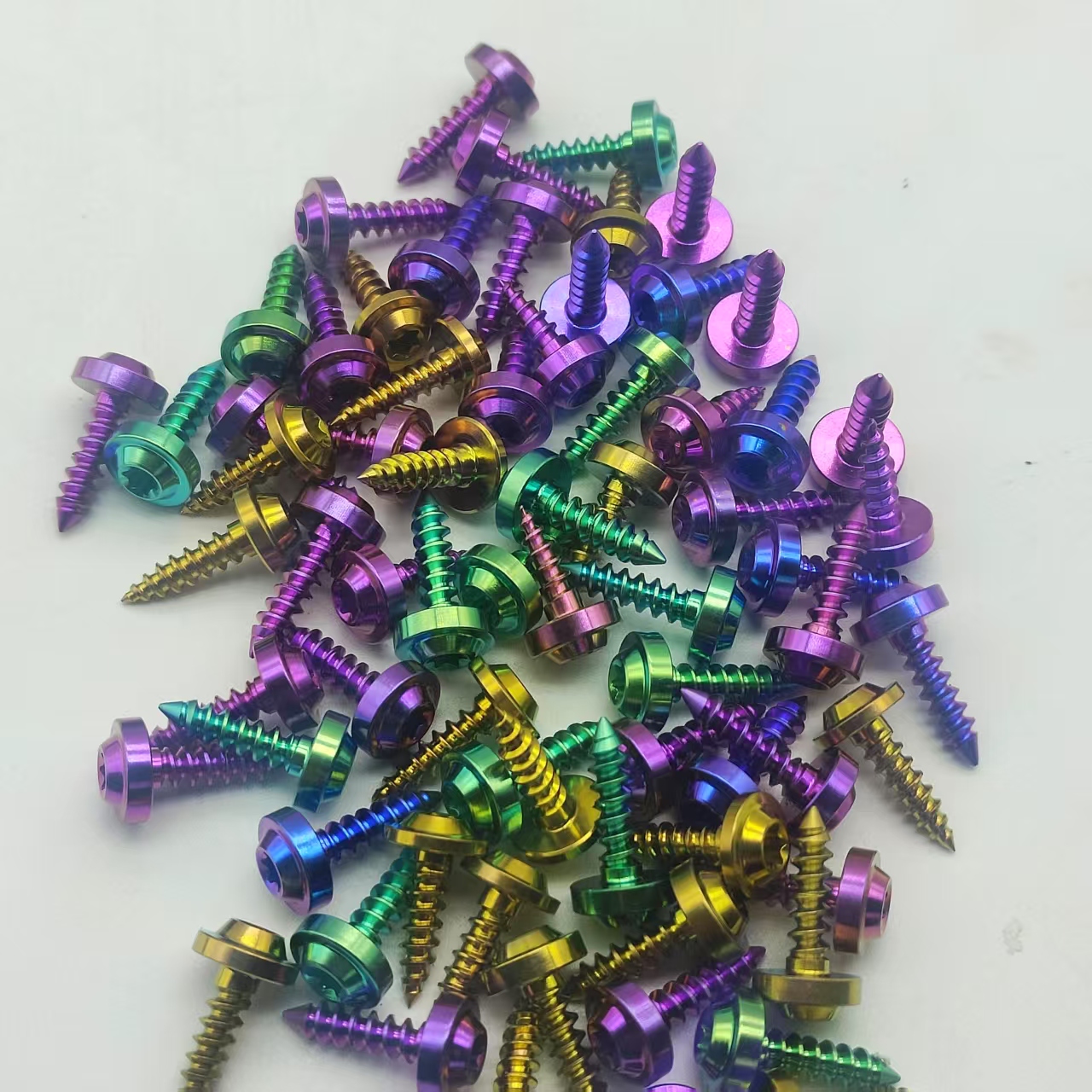
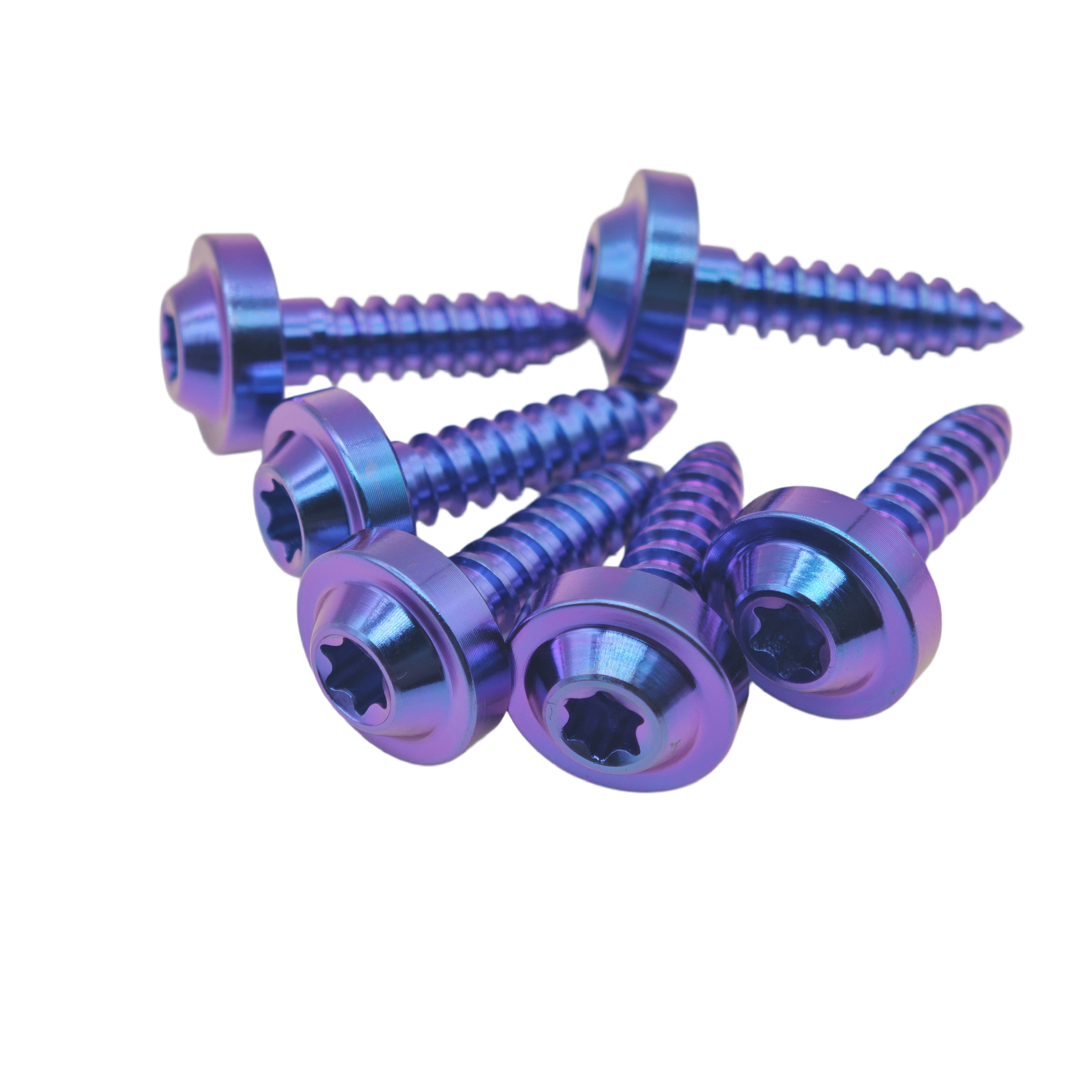
Flanders is the global epicentre for elite road racing and cyclocross. Cycling engineering firms and performance modification workshops across Bruges utilize our M4-M6 Torx self-tapping fairing screws, stem bolts, seatpost barrel nuts, and brake disc hardware to trim critical grams while securing structural integrity over rough cobblestones.
Industrial Automation & Sorting Plants
West Flanders' fast-growing food-packaging plants, pharmaceutical processing, and cold-storage distribution warehouses rely on high-speed delta robots and conveyors. Reducing end-of-arm hardware mass with ultra-light titanium nuts accelerates cycle times and eases load burdens on servo motors.
Regional Market Dynamics: The Decarbonization & Lightweighting Trajectory
Procurement criteria throughout Belgium and the European Single Market are undergoing structural changes governed by carbon neutrality targets (EU Green Deal) and the Machinery Regulation (EU) 2023/1230. Across industrial machinery sectors, equipment builders are under mandate to decrease continuous energy draw by trimming moving tare-weights while verifying the chemical traceability of incoming supply components.
This macro-trend directly accelerates the conversion from heavy carbon alloys to titanium fastener systems. Where rotating equipment, robotics, or high-performance transit machinery operates 24/7, replacing 10 kg of structural fastener mass yields measurable energy savings over extended service intervals. Furthermore, supply chain compliance requires total provenance transparency. Every batch exported to our Belgian partners is backed by raw material Melt Test Certificates (EN 10204 Type 3.1), demonstrating adherence to ASTM B348, AMS 4928, and ISO 5832-3 standards.
Lifecycle Operational Cost Reduction
While initial acquisition costs for titanium exceed mild steel, our clients realize an overall reduction in life-cycle costs. The elimination of downtime from seized studs, thread galling, and unscheduled maintenance cycles provides payback on equipment within 18 months of deployment.
Strict RoHS / REACH Harmonization
Our anodizing, PVD, and electro-polishing processes operate in complete compliance with European Regulation (EC) No 1907/2006 (REACH) and Directive 2011/65/EU (RoHS). Fasteners are free from SVHC substances, hexavalent chromium (Cr6+), lead, and cadmium.
Precision Metric Standardization
To integrate seamlessly into continental maintenance environments, all products are machined in compliance with DIN 912, DIN 6921, DIN 6923, ISO 7380, and ISO 10642 standards, guaranteeing clean inter-changeability without re-tooling your technicians' bench sets.
Why Global Supply Leaders Source from Zunvo
Direct manufacturing execution from Baoji—China's Titanium Valley—paired with responsive European export capabilities.
Raw Material Lineage
Immediate access to Baoji smelters allows us to guarantee 100% virgin sponge titanium feedstock. No reclaimed scrap; complete optical emission spectroscopy verified per melt lot.
Dedicated Production Base
Operating a facility of 1,000–3,000 m² with 101–200 staff, including multiaxis CNC lathes, heading headers, and laser quality verification desks.
Rapid Prototyping & Sampling
Custom 2D/3D drawing reviews handled within 24 hours. Physical sample batch machining completed within 3 business days for dimension trial fittings.
Verified Trade Integrity
Verified supplier rated 4.9/5 with an average reply turnaround of ≤ 7 hours and steady repeat contract fulfillment rates across North America, the Middle East, and Europe.
Procurement & Technical FAQ: Titanium Fastener Solutions
Essential guidance compiled by our engineering department for buyers, maintenance engineers, and technical distributors evaluating titanium hardware transitions in Belgium.
Can Grade 5 titanium bolts and nuts directly replace 8.8, 10.9, or 12.9 high-tensile steel fasteners?
Grade 5 (Ti-6Al-4V) titanium delivers a nominal tensile strength of 950–1050 MPa, making it directly comparable to, and often superior to, ISO Class 8.8 and Class 10.9 structural steels while achieving an approximate 44% to 45% reduction in total weight. However, where engineering designs specify ultra-high-tensile Class 12.9 hardware (exceeding 1200 MPa tensile strength under extreme non-fatigue preload), substituting titanium requires an engineering review of joint geometry or a marginal up-sizing of thread diameter (e.g., transitioning from an M8 steel fastener to an M10 titanium configuration) to maintain required safety margins.
How is galvanic corrosion prevented when mating titanium nuts to aluminum or carbon composite housings?
While titanium is immune to atmospheric chloride oxidation, its position on the galvanic scale relative to aluminum can trigger galvanic corrosion on adjacent aluminum parts in the presence of an electrolyte like coastal marine mist. To completely isolate this reaction, our technical recommendation includes deploying an inert barrier such as non-conductive PTFE washers, dry-film anti-seize pastes (nickel-based or moly-based), or our specialized PVD and thin-film physical barrier anodizing treatments, which inhibit electrical ion migration across contact surfaces.
What prevents galling during high-torque assembly operations?
Titanium-on-titanium friction can initiate thread pick-up or micro-seizure (galling) when tightened dry under high clamping pressures. All our titanium nut and bolt assemblies feature high-precision cut or rolled pitch lines with smooth flank finishes. We mandate the application of quality anti-seize lubricants (e.g., copper-free lithium or molybdenum-based compounds) during assembly, or we pre-treat the parts with physical vapor deposition (PVD) anti-friction coatings that keep friction coefficients stable between 0.10 and 0.14.
What are standard delivery windows, MOQ constraints, and customs workflows for shipment into Belgium?
Standard catalog items (including metric DIN912 cap bolts, DIN6923 flange nuts, and standard brake disc fasteners) ship from existing stock reserves within 24 to 48 hours. Drawing-based bespoke components require roughly 3 business days for initial prototype milling, with volume production runs delivered in 7 to 15 business days. We partner directly with DHL, FedEx, and international air/sea freight specialists to facilitate direct customs entry via Brussels, Antwerp, or Liege airport clearing channels, accompanying each consignment with clean commercial documentation and mill certificates.
What level of test certification is supplied alongside our purchase order?
Every commercial batch is accompanied by an EN 10204 Type 3.1 Material Certificate detailing the specific chemical analysis (percentages of Ti, Al, V, Fe, C, N, H, O) along with destructive mechanical testing measurements (tensile strength, proof yield, percentage elongation, and reduction of area). On request, supplementary non-destructive testing reports—including ultrasonic internal void checks and optical CMM inspection certificates—are integrated with documentation packs.
Advance Your Assemblies with Certified Titanium Hardware
Connect with our technical desk to discuss DIN/ISO sizing, request material certification sheets, or obtain prompt pricing tailored for Western European industrial logistics.
