Grade 5 Ti
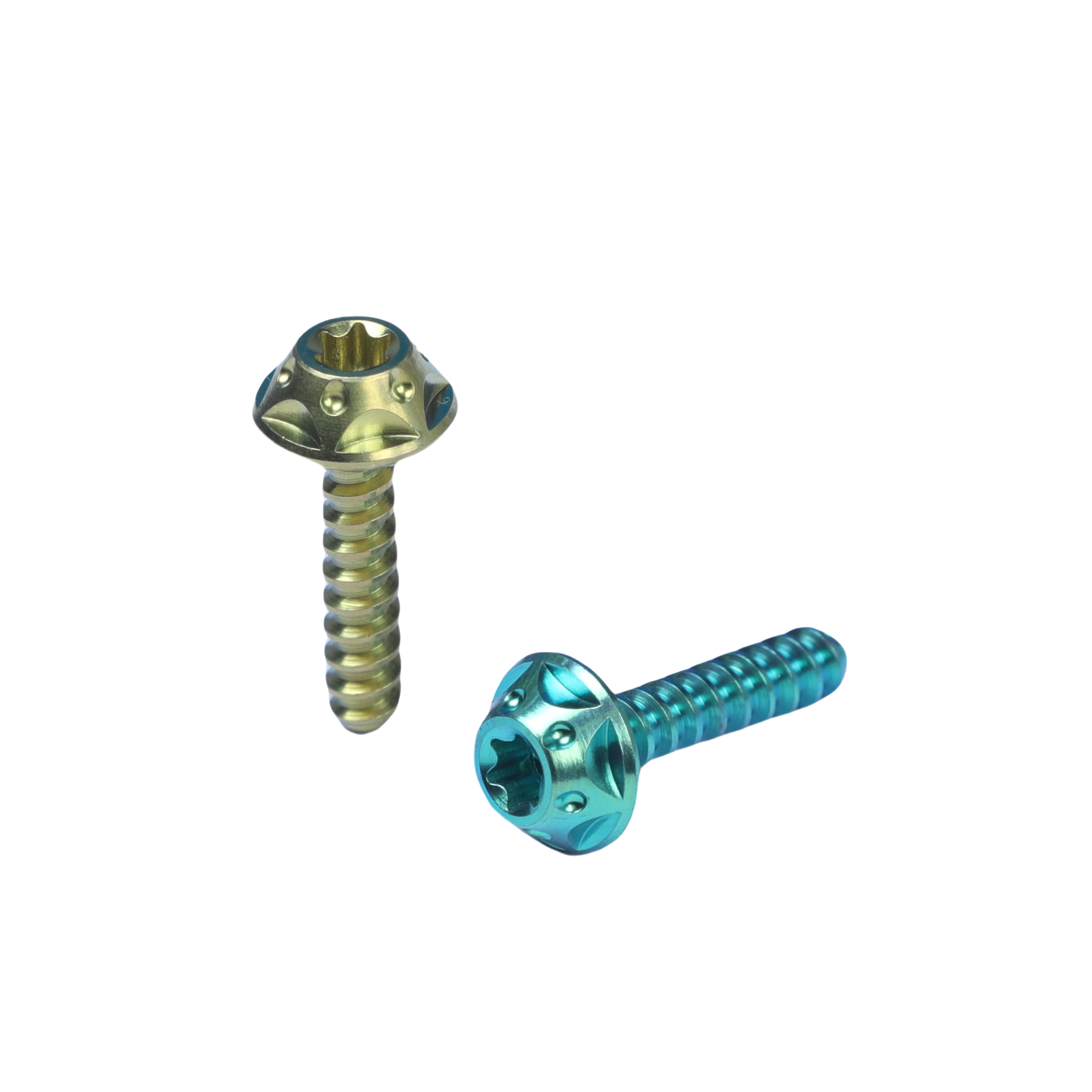
Engineered from certified Ti-6Al-4V Grade 5 bar stock with rolled threads, micrometer-level shoulder concentricity, and specialized PVD/Anodized surface passivation.
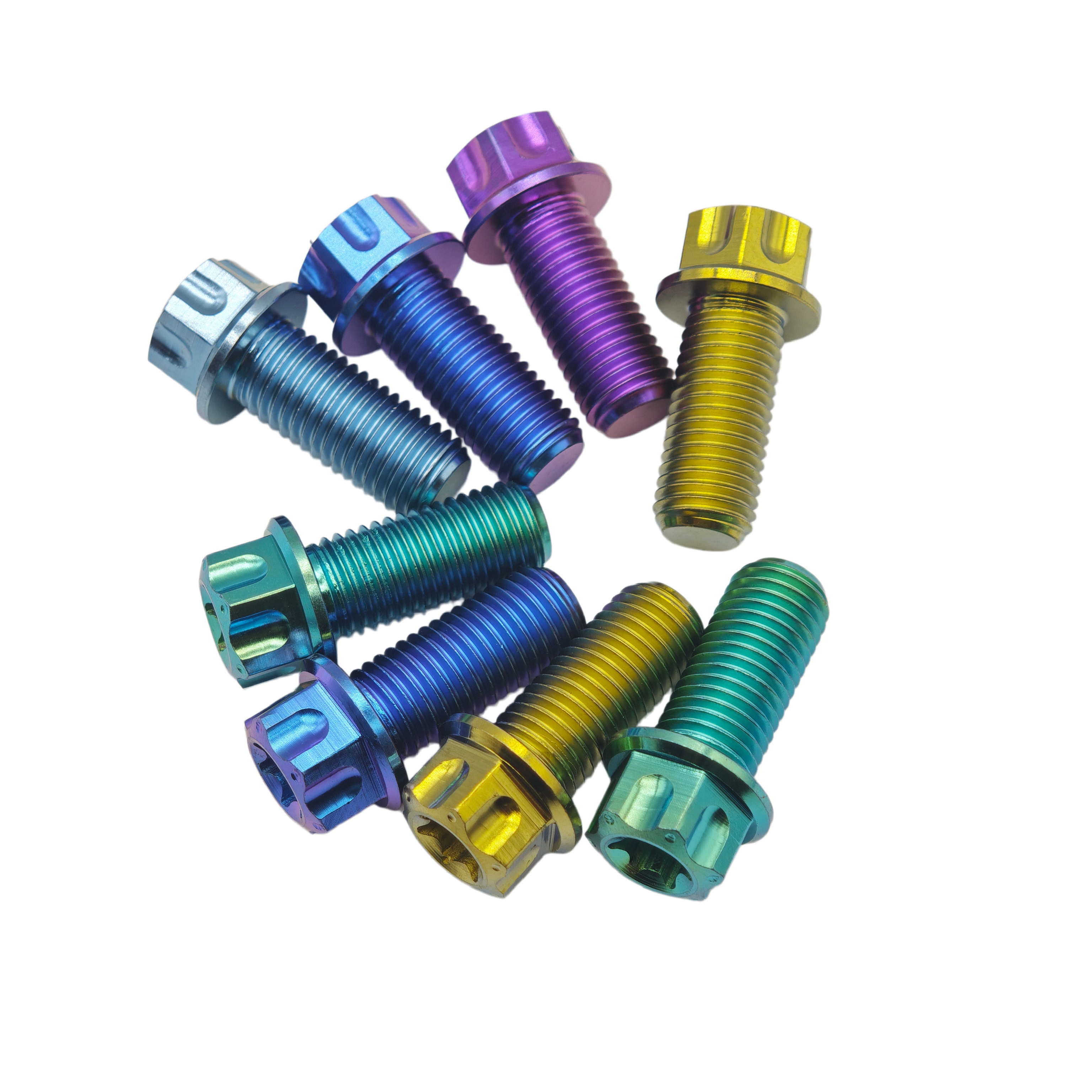
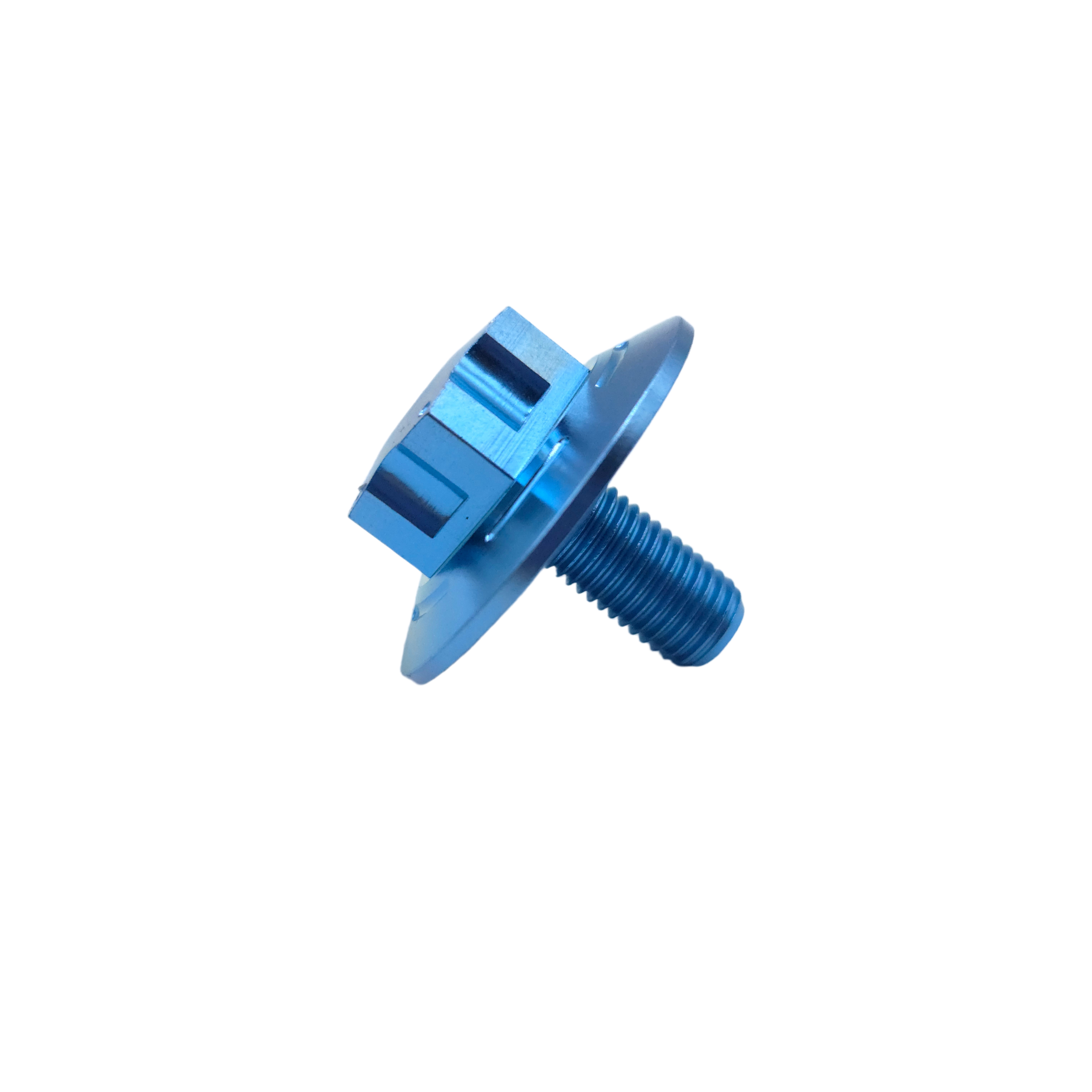
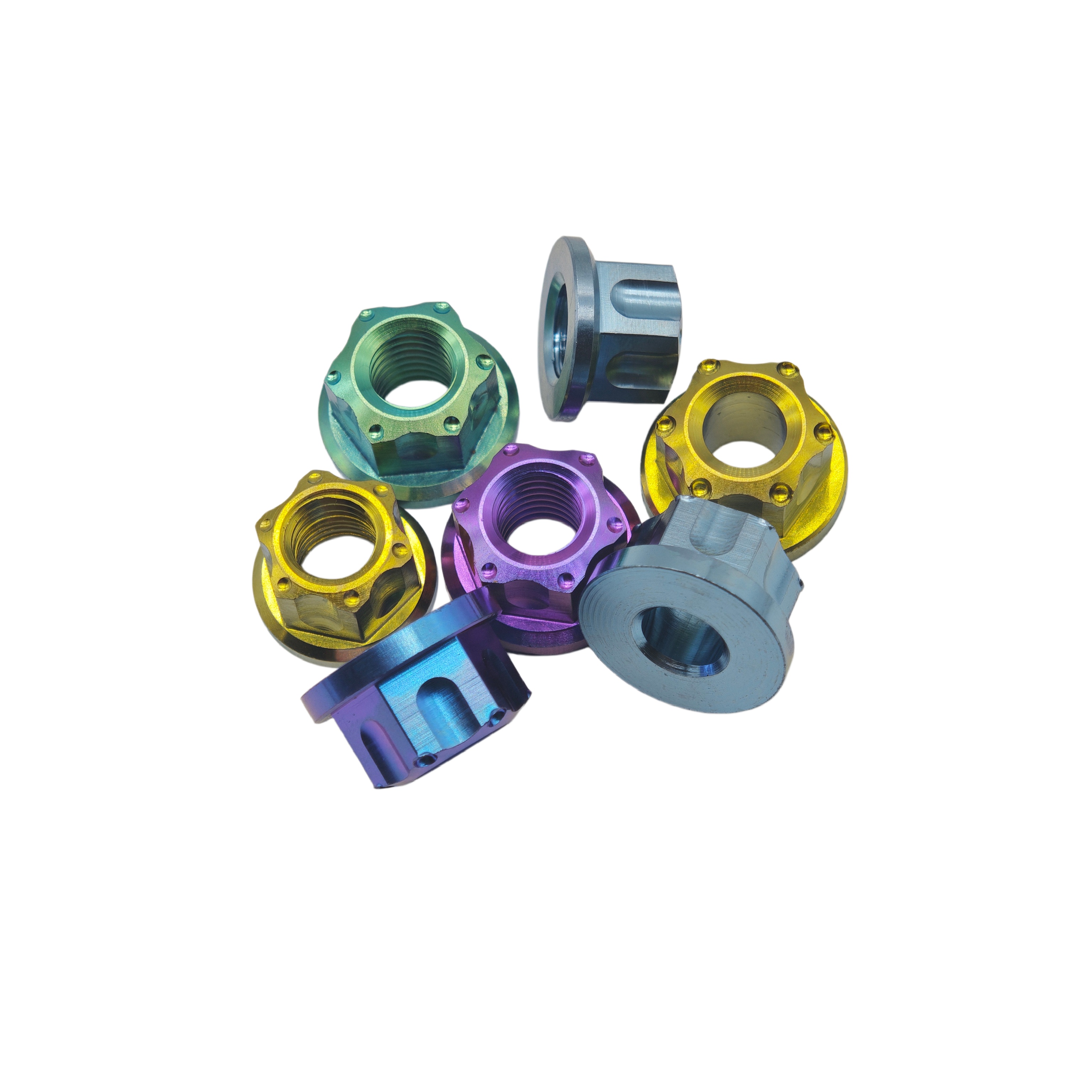
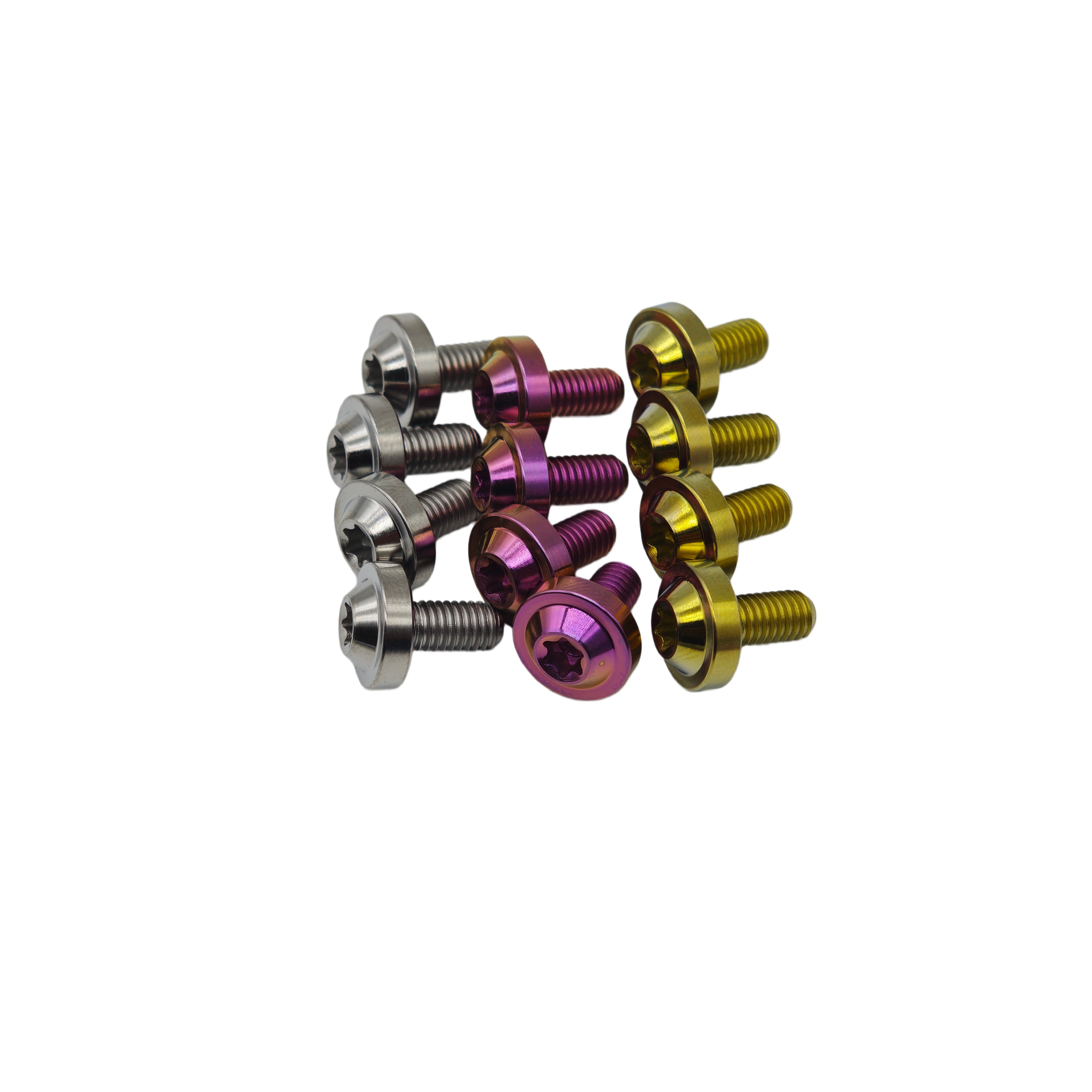
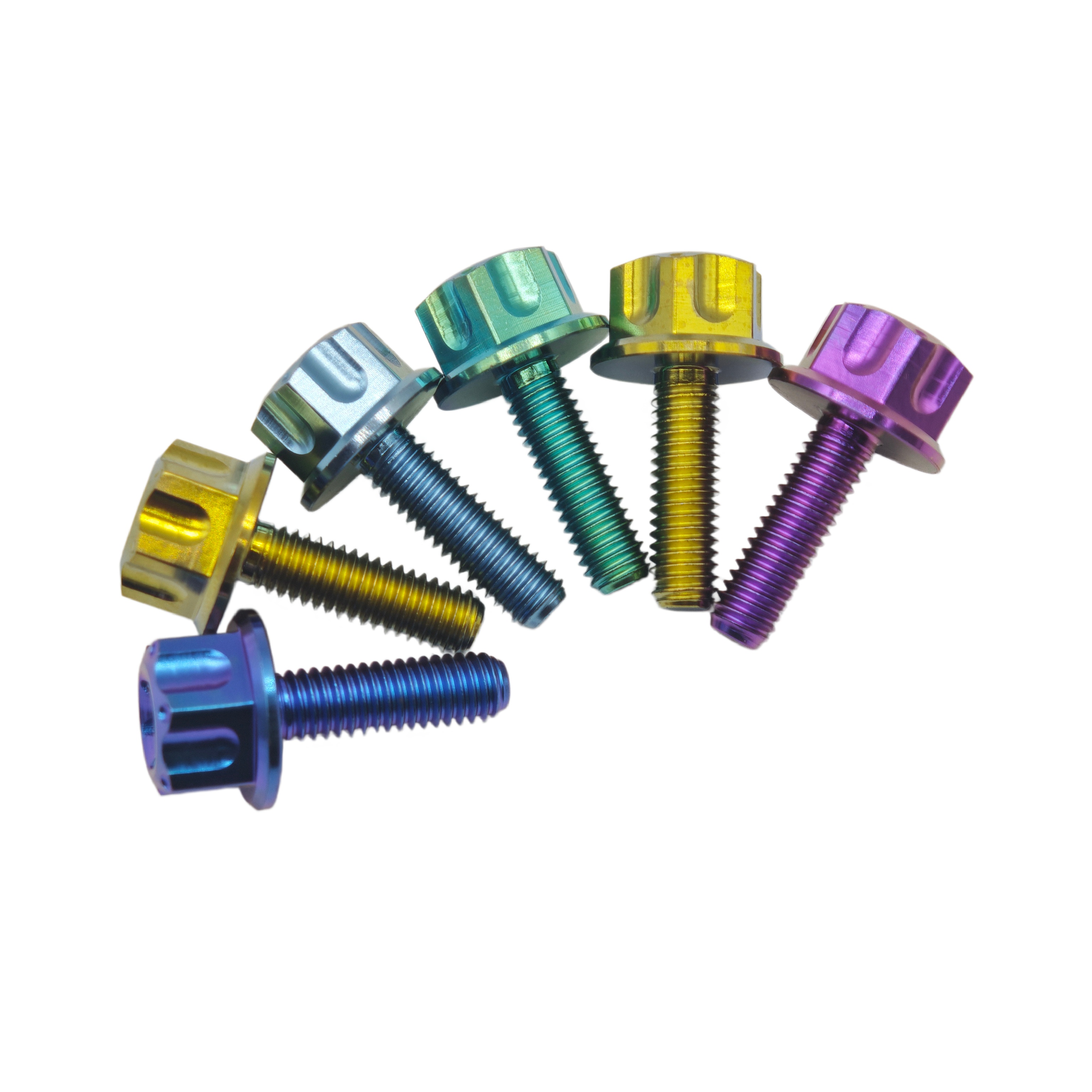
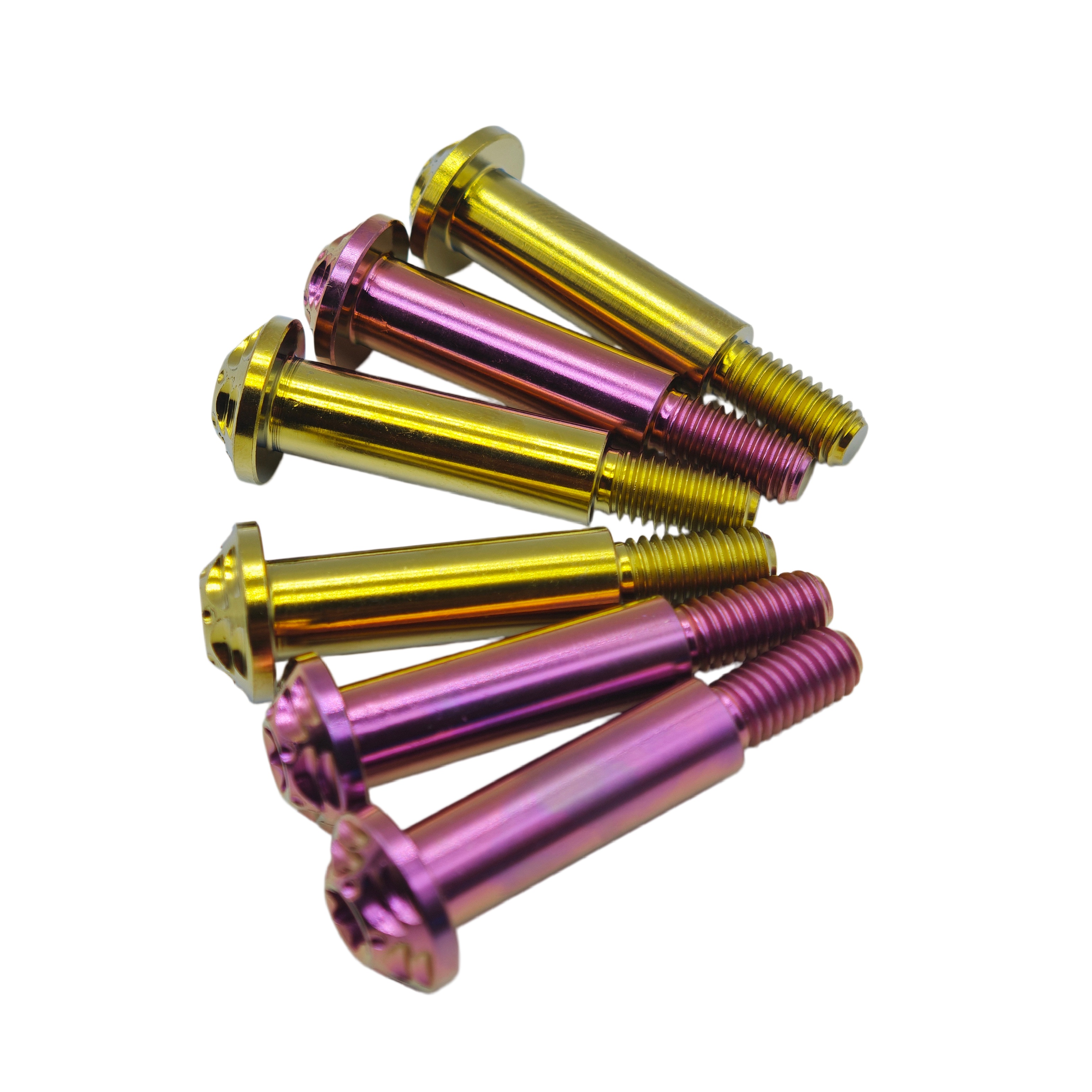
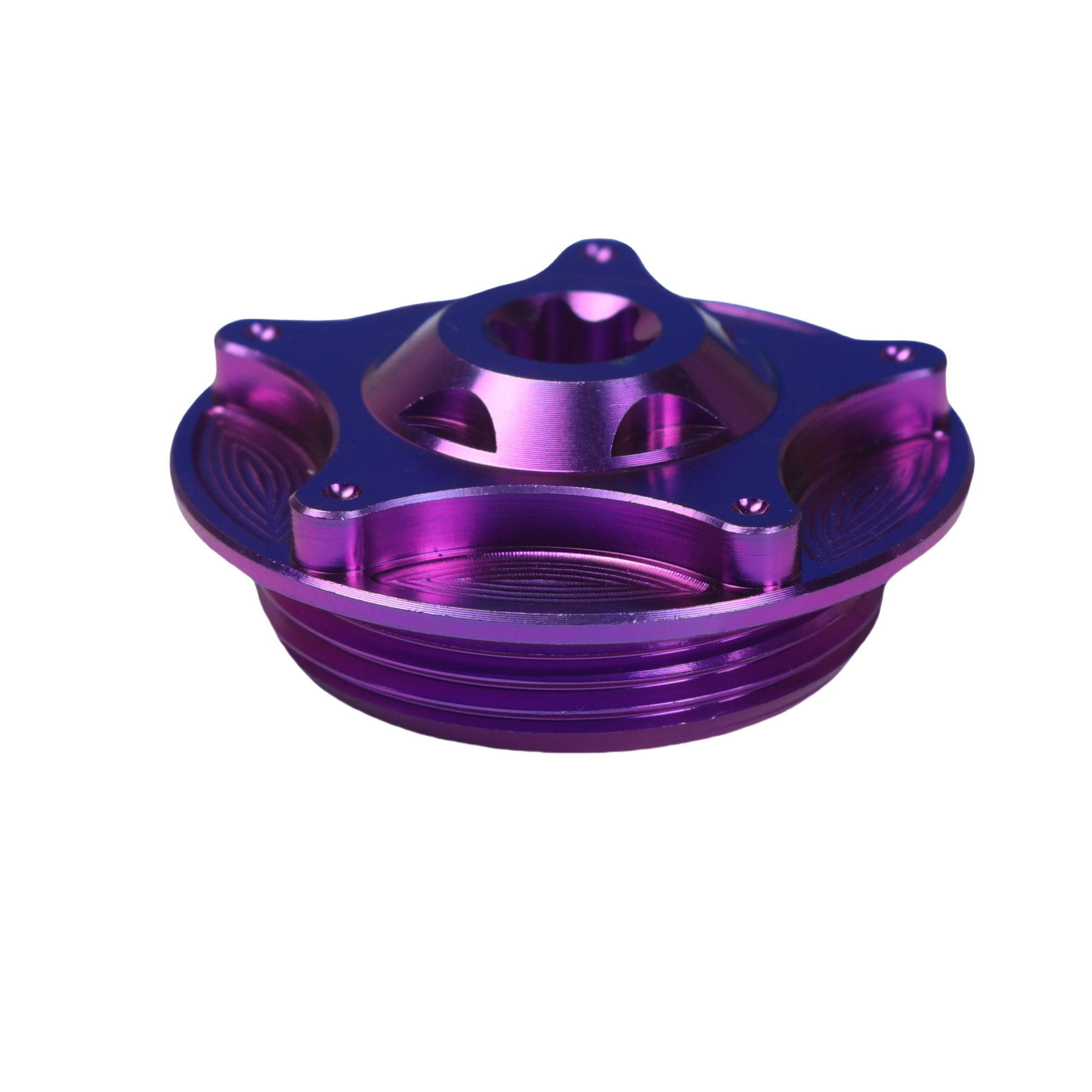
In mechanical assemblies across Iceland—from the specialized research vessels traversing Faxaflói bay to the demanding geothermal energy extraction facilities in Hellisheiði—fastener failure typically stems not from monotonic tensile overload, but from two environmental vulnerabilities: chloride-induced stress corrosion cracking (SCC) at elevated geothermal fluid temperatures and low-temperature embrittlement during maritime Arctic exposure. CE-certified titanium shoulder bolts engineered by Zunvo address both failure modes through precise material crystallography and meticulous precision tooling.
A shoulder bolt (also termed a stripper bolt or pivot screw, adhering to ISO 7379 or custom DIN dimensional standards) relies on its unthreaded cylindrical shank (the shoulder) to serve as a high-precision shaft, pivot bearing, linear sliding guide, or mounting pin. When engineered from commercially standard carbon steels or even austenitic stainless steels (such as A2-70 or A4-80), mechanical assemblies frequently suffer from galvanic breakdown in sulfurous geothermal steam, or experience shearing at the thread relief groove caused by vibration fatigue. The application of alpha-beta Grade 5 Titanium (Ti-6Al-4V, UNS R56400) creates a transformative engineering solution for equipment architects operating in Reykjavik and beyond.
Titanium derives its superior chemical stability from the spontaneous formation of an adherent, inert titanium dioxide (TiO₂) ceramic passive film. Even when scratched or abraded within pivot mechanism assemblies, the passivation boundary layer self-heals instantaneously in the presence of trace oxygen or moisture. In Icelandic environments containing volatile hydrogen sulfide (H₂S), carbon dioxide (CO₂), and concentrated chlorides, austenitic 304 and 316 stainless steels frequently develop pitting and crevice corrosion under sealing gaskets and thread engagements. Grade 5 Titanium remains impervious to pitting corrosion up to temperatures well in excess of 250°C, delivering uninterrupted service life in heat exchangers, submersible monitoring instrumentation, and downhole telemetry housings.
While Grade 2 commercially pure (CP) titanium offers satisfactory corrosion protection, its yield strength (approx. 275–350 MPa) is inadequate for critical kinetic joints requiring defined pre-loads and resistance to shear deformation. Zunvo selectively uses double-melted (vacuum arc remelted) Grade 5 titanium, heat-treated to achieve a uniform equiaxed alpha+beta grain microstructure. This guarantees a minimum tensile strength of 895 MPa and a yield strength exceeding 828 MPa, allowing structural designers in Reykjavik to achieve structural equivalence with Class 8.8 and Class 10.9 structural steels while slashing rotational mass and deadweight by 44% (density of 4.43 g/cm³ compared to 7.85 g/cm³ for alloy steels).
| Engineering Property | Ti-6Al-4V Grade 5 (Zunvo) | AISI 316L (A4-80) Stainless | 12.9 High-Tensile Steel | 7075-T6 Aerospace Aluminum |
|---|---|---|---|---|
| Density (g/cm³) | 4.43 | 8.00 | 7.85 | 2.81 |
| Yield Strength (MPa) | 828 – 910 | 600 | 1,100 | 505 |
| Ultimate Tensile Strength (MPa) | ≥ 895 – 1,000 | 800 | 1,220 | 570 |
| Charpy V-Notch Impact @ -40°C (J) | ≥ 17 – 24 (Ductile) | ~70 | < 15 (Embrittlement Risk) | Low Ductility |
| Chloride Pitting Resistance (PREN) | Immune at Ambient Temp | 23 – 25 (Pitting Prone) | Zero (Rapid Rust) | Exfoliation Risk |
| Coefficient of Thermal Expansion (10⁻⁶/K) | 8.6 (High Stability) | 16.0 | 11.5 | 23.4 |
Manufacturing shoulder bolts from Ti-6Al-4V presents significant production challenges due to its low thermal conductivity (6.7 W/m·K) and high chemical affinity for cutting tools at elevated temperatures. Zunvo executes shoulder finish turning via high-pressure coolant 5-axis CNC machining centers, keeping surface roughness below Ra 0.4 µm. This precise finish eliminates micro-grooves that cause premature bearing wear or fatigue initiation under cyclic mechanical excitation. Furthermore, instead of cutting threads—which cuts through the continuous metallographic grain flow—Zunvo employs cold thread rolling on high-tonnage multi-die formers. Thread rolling cold-works the thread root and flank surfaces, generating beneficial residual compressive stresses that elevate fatigue cycle limits by upwards of 30% under reversed-bending conditions.
Direct supply from Baoji, China's Titanium Valley, paired with CE compliance, full European documentation, and comprehensive batch inspection.
Situated within Baoji's aerospace cluster, we source virgin titanium ingots backed by 3.1 Mill Test Certificates (MTC) detailing complete chemical and mechanical heat analysis.
Prototyping tailored to your specific mechanical drawing within 3 business days. Bulk orders completed in 7–15 days, shipping directly via DHL/FedEx Express to Reykjavik.
Every shoulder bolt batch passes optical comparator projection, CMM dimensional verification, thread ring gauge testing (6g/6H tolerances), and tensile testing.
Offering micro-arc oxidation, multi-color voltage anodizing (Burnt Rainbow, Blue, Gold), and vacuum PVD Diamond-Like Carbon (DLC) coating for exceptional anti-galling performance.
How specialized engineering teams in Reykjavik deploy titanium shoulder bolts to overcome aggressive environmental and structural challenges.
Reykjavik's maritime research initiatives and specialized fishing vessel equipment operate in cold, highly oxygenated North Atlantic seawater where crevice corrosion destroys conventional fasteners within months.
Iceland's geothermal power generation stations channel superheated steam laden with H₂S, silicates, and brine. Normal high-tensile steel fasteners suffer severe sulfide stress cracking (SSC) under load.
Autonomous weather surveillance rovers and drone setups traversing the interior highlands require maximum payload efficiency and hinge performance that will not shatter at -30°C.
How Iceland's unique technological shift towards zero-emission robotics, deep ocean observation, and circular geothermal extraction is reshaping fastener specifications.
Over the past five years, Reykjavik has transformed into an active innovation incubator for marine biotechnology, green energy tech, and autonomous Arctic exploration. This industrial evolution has placed stringent demands on mechanical fasteners that legacy DIN/ISO standards never anticipated. Three key industry shifts stand out:
Icelandic naval architects and unmanned surface vessel (USV) fabricators are increasingly shifting away from marine steel hulls toward resin-infused carbon fiber structures. In such assemblies, coupling stainless steel or structural alloy steel to carbon fiber sets up an intense galvanic cell in sea air, which aggressively corrodes the metal fastener. Titanium possesses an electrochemical potential virtually identical to that of carbon fiber, completely neutralizing the risk of galvanic corrosion. Shoulder bolts manufactured by Zunvo are increasingly ordered with custom shoulder lengths and low-profile flange heads to distribute clamping forces across fragile carbon composites without localized crushing.
Iceland's tourism and rescue services rely heavily on modified super-jeeps capable of tackling glacier crevasses and unbridged river crossings. As these platforms transition to high-capacity battery electric drives, un-sprung weight reduction becomes paramount to preserve range and suspension responsiveness. High-stress suspension pivot joints, shock absorber eyes, and steering linkages are swapping heavy 10.9 steel shoulder bolts for Zunvo Grade 5 titanium bolts, cutting critical mass while resisting winter road de-icing salts and harsh volcanic sand abrasion.
Key information regarding tolerances, material testing, European customs clearance, and cold-climate torque procedures.
Yes. As an onsite-verified manufacturer, all fasteners produced by Zunvo destined for the European Economic Area (EEA), including Iceland, comply fully with RoHS and REACH environmental regulations. CE certification declarations of conformity, mill test certificates according to EN 10204 3.1, and mechanical testing records are furnished with every shipment.
Titanium has a natural tendency to gall when mated dry against other reactive metals due to friction and microwelding of the surface oxide layer. For sub-arctic marine installations in Reykjavik, we recommend utilizing an anti-seize compound containing molybdenum disulfide (MoS₂) or nickel. Alternatively, Zunvo provides factory-applied PVD Diamond-Like Carbon (DLC) or TiAlN hard coatings, which drop the friction coefficient below 0.15 and entirely prevent cold welding.
Our standard ISO 7379 shoulder bolts feature precision ground shank tolerances of f9 or h8. For custom aerospace and scientific robotics projects, our CNC finishing line routinely hits tolerances within ±0.005 mm (h6 or g6). Runout between the thread pitch diameter and the shoulder diameter is rigorously constrained within 0.02 mm TIR (Total Indicator Reading).
Catalog inventory items ship within 24 hours. Custom drawing-based orders are turned around in 7 to 15 days depending on batch volume and surface anodization requirements. We dispatch air courier consignments via DHL Express or FedEx directly to Keflavík/Reykjavik within 4 to 6 transit days, providing complete export packing lists, commercial invoices, and HS Code documentation (7318.15 / 8108.90) to streamline Icelandic customs entry.
Absolutely. While standard ISO 7379 catalogs have fixed shoulder-to-thread ratios, the majority of our engineering customers require non-standard geometries—such as extended unthreaded pivot lengths, undercut reliefs, cross-drilled heads for safety lock-wires, internal Torx / Hex drives, or specialized UNF fine pitch threads. Provide us your 2D PDF or 3D STEP file for a complete engineering review within 24 hours.
Send us your drawings or application specifications. Our senior metallurgical and fastener engineering team delivers manufacturability evaluations, stress-distribution assessments, and wholesale export quotations within 7 hours.
