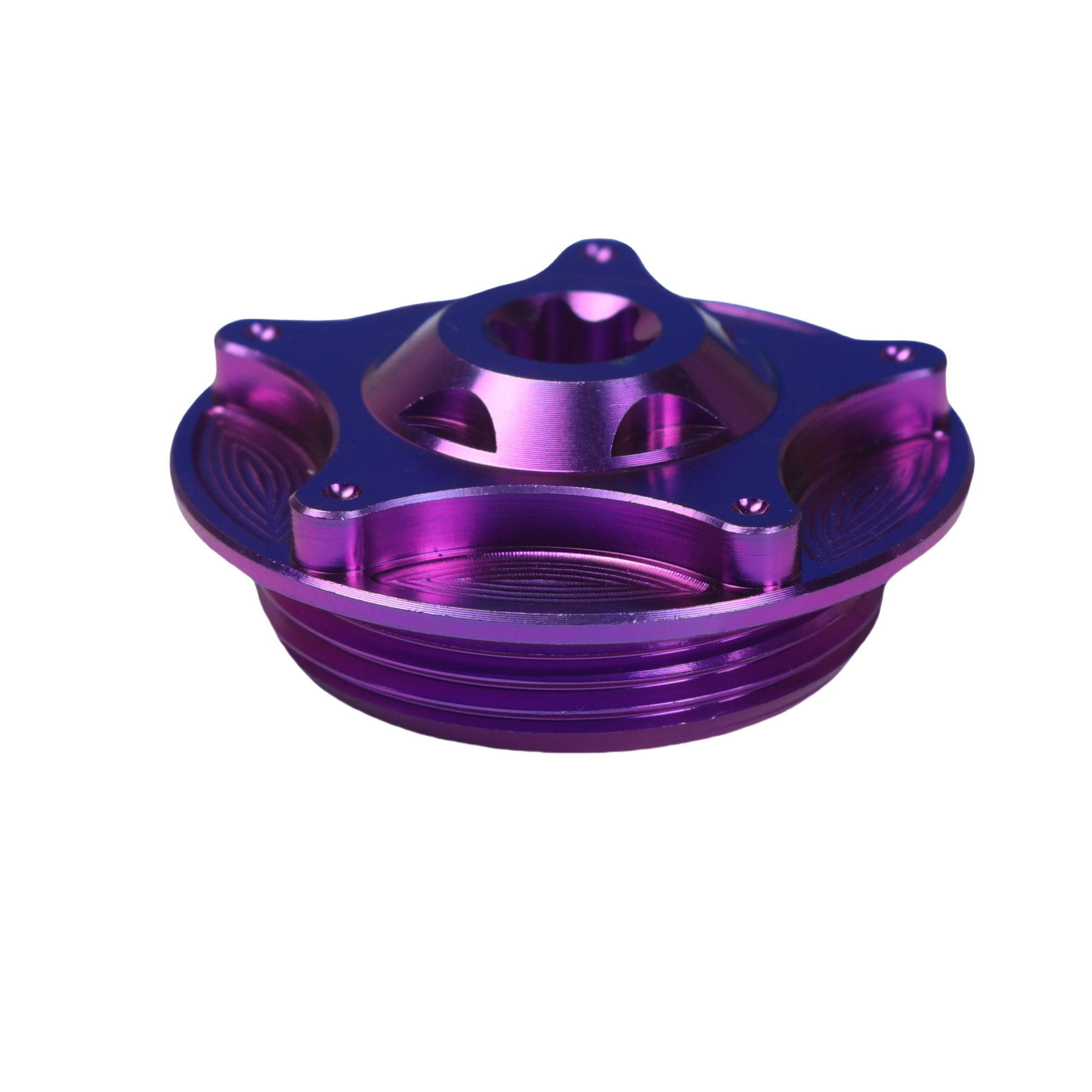
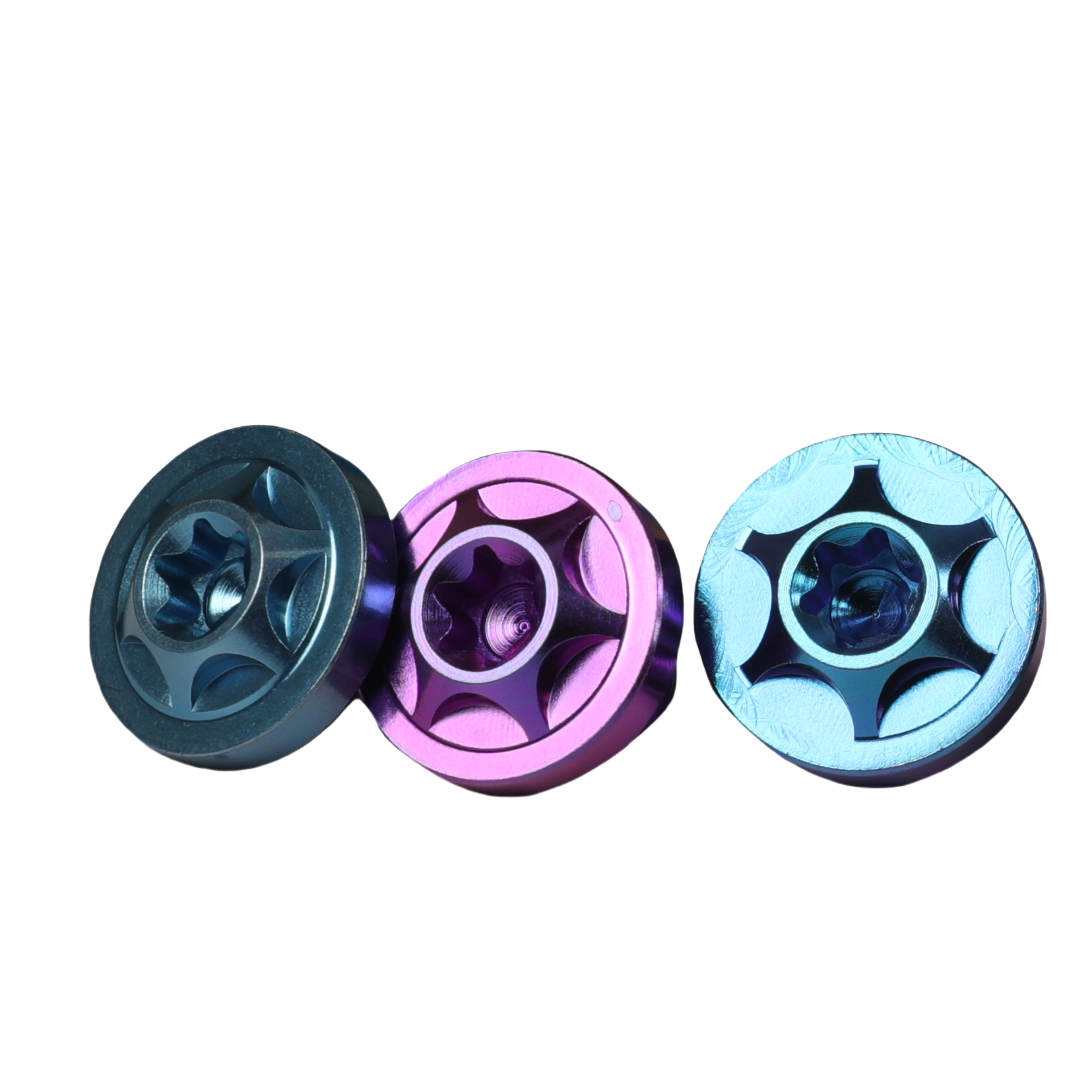
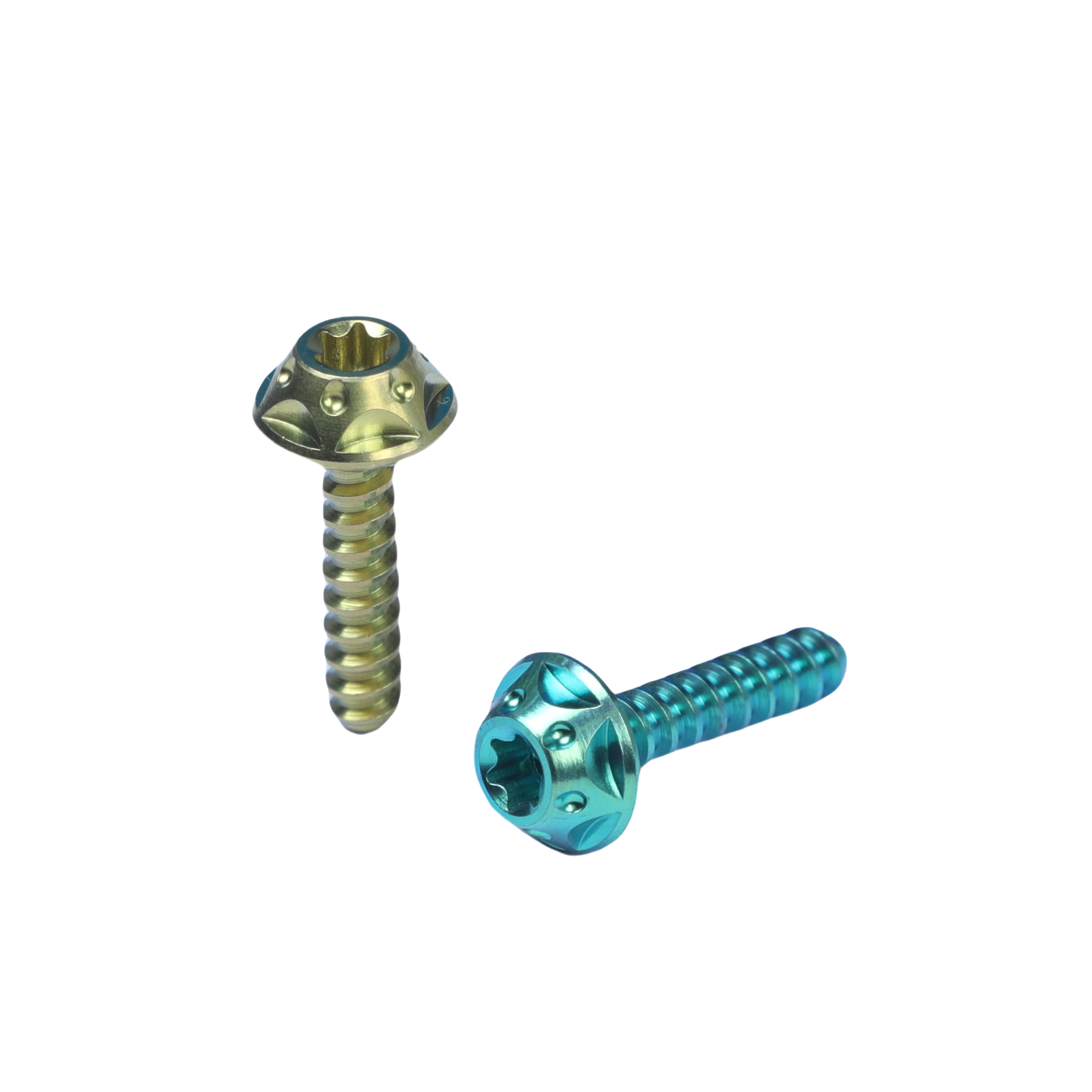
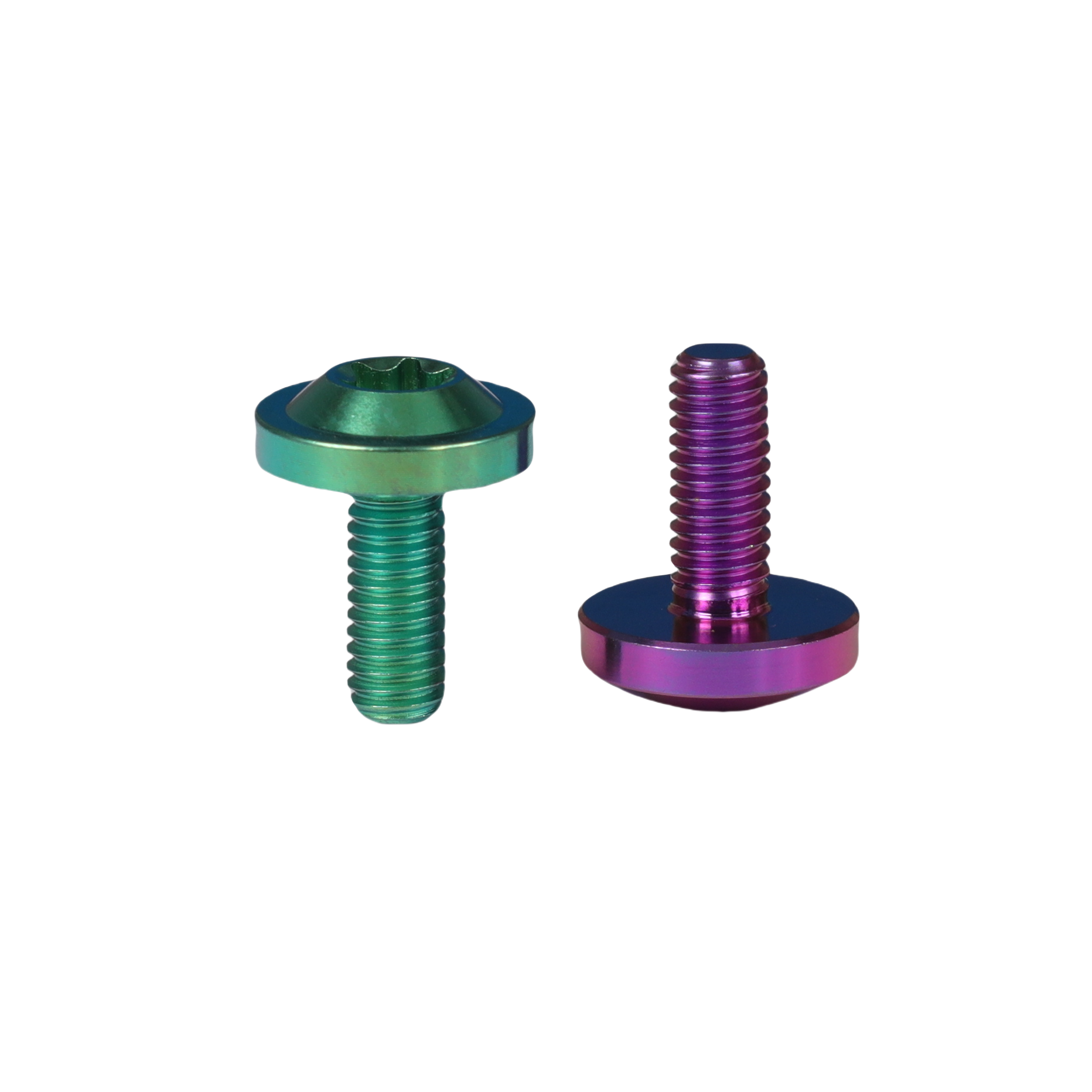
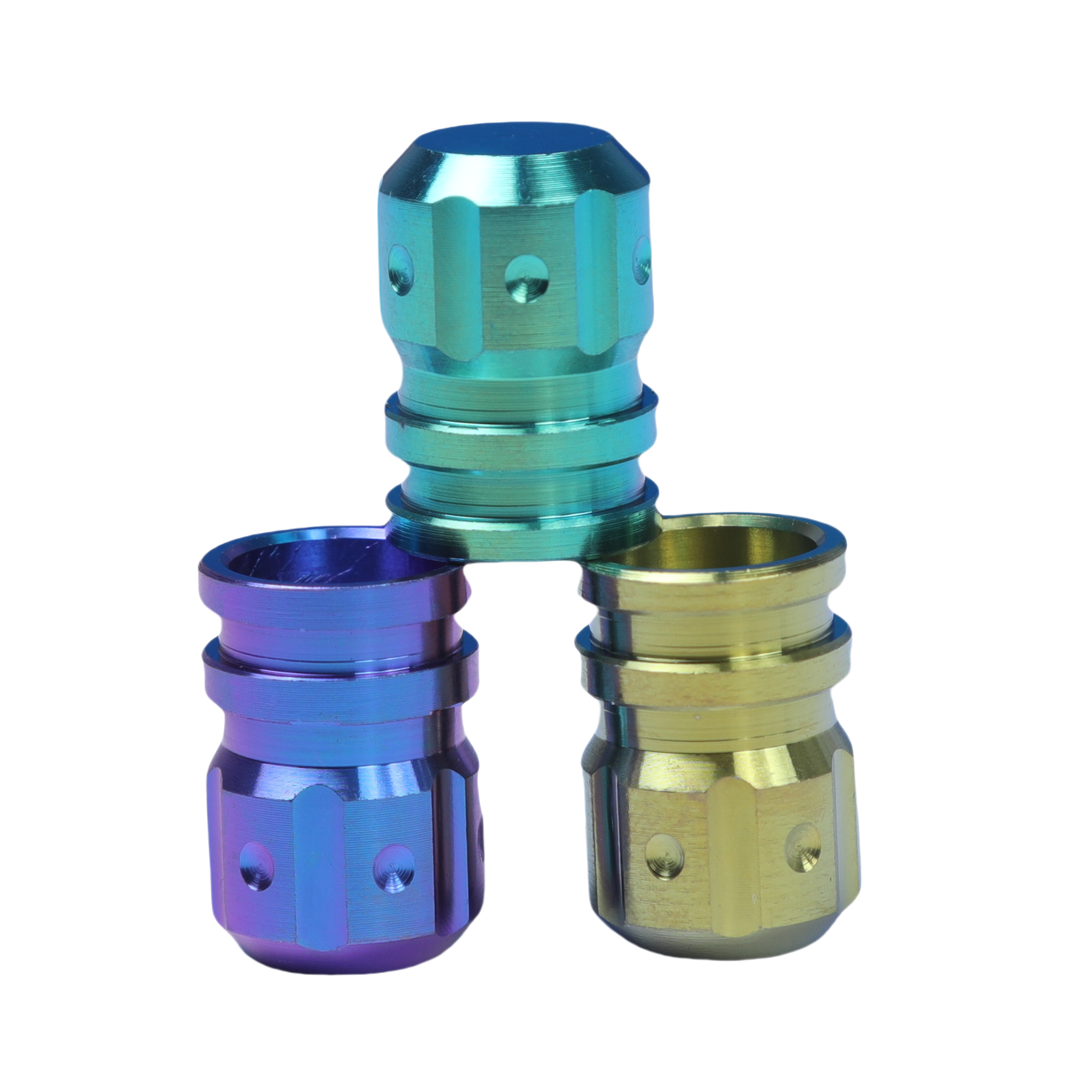
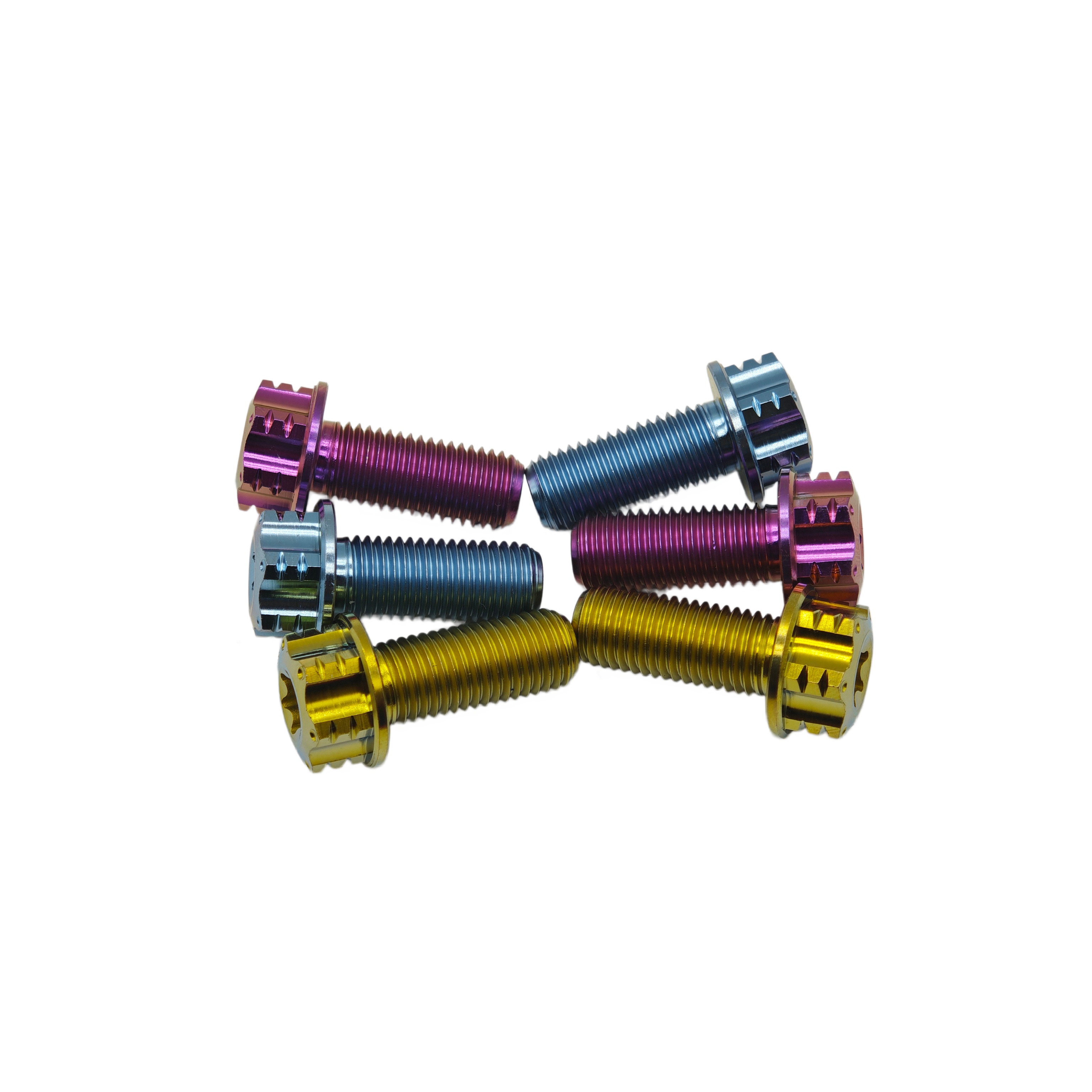
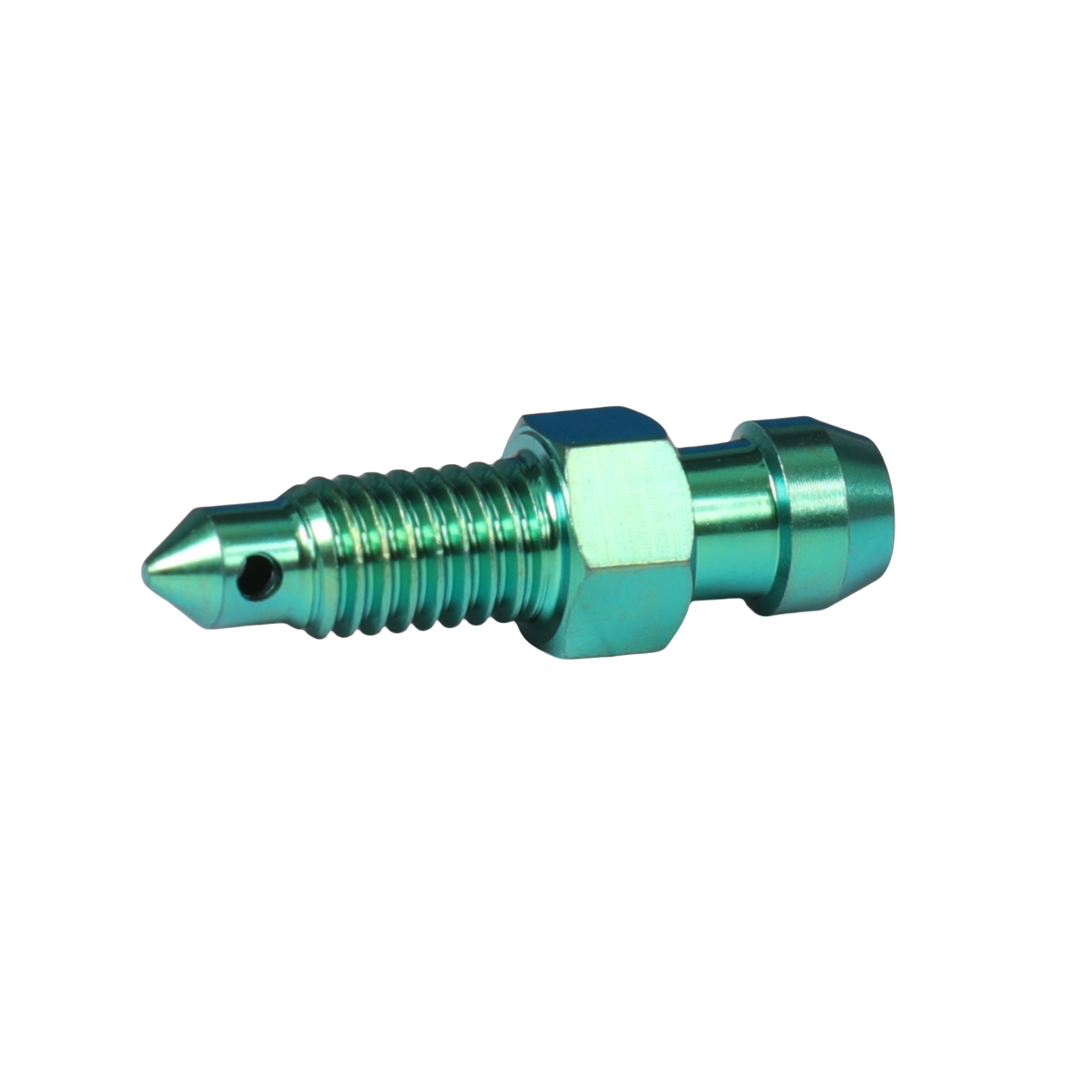
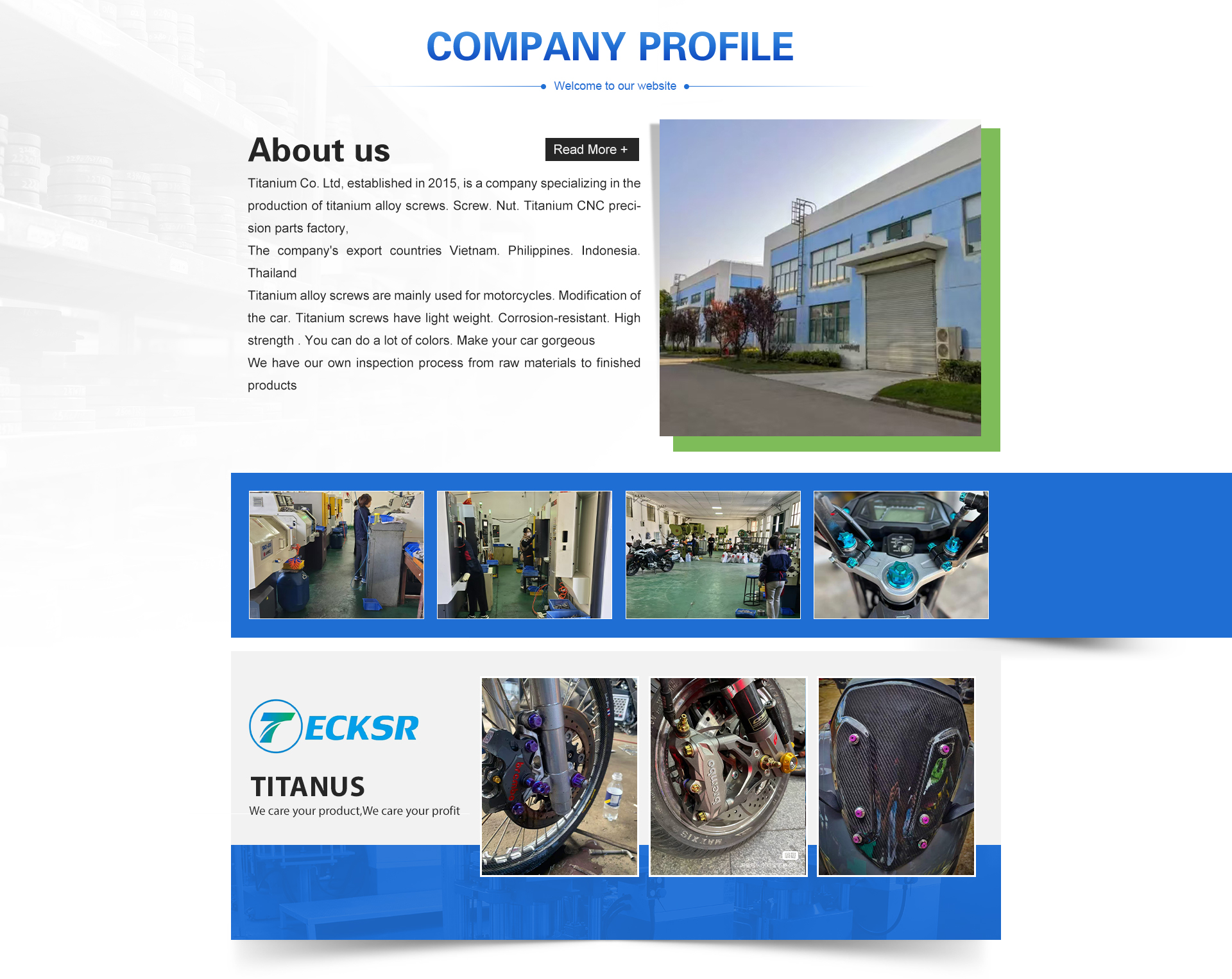
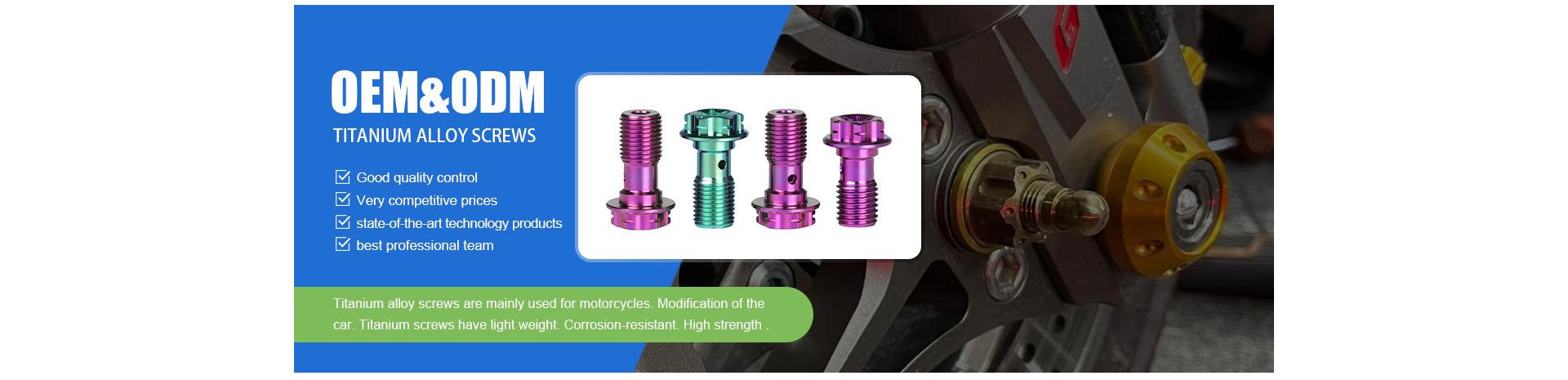
Manufactured in Baoji ("China's Titanium Valley") using virgin aerospace bar stock. Every batch comes with complete 3.1 chemical & physical mill test inspection certificates, tailored for Bandung's racing garages, customization workshops, and mechanical engineering facilities.
An authoritative engineering breakdown of metallurgy, dynamic stress resilience, and procurement economics for West Java's automotive, racing, and precision manufacturing ecosystems.
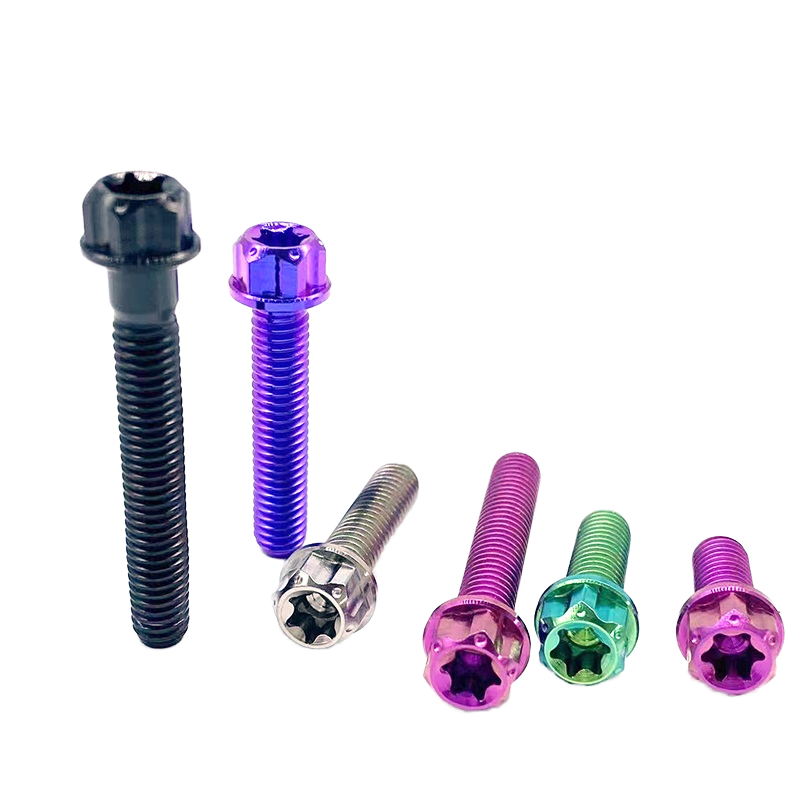
The city of Bandung, nestled in the volcanic highlands of West Java at an elevation of over 768 meters, holds a distinct industrial and cultural identity within Indonesia. Known both as the country's historic textile manufacturing capital and as an epicenter for technological innovation powered by the Bandung Institute of Technology (ITB), Greater Bandung (incorporating Cimahi, Padalarang, and the Soreang industrial corridors) has developed an intensely demanding market for advanced hardware. In recent years, this landscape has intersected with Indonesia's thriving motorsport and automotive customization economy. For mechanical designers, tuning garage proprietors in areas like Lengkong, Buahbatu, and Cicaheum, and precision mechanical fabricators, the transition from conventional carbon steel and standard AISI 304 stainless steel fasteners to Grade 5 (Ti-6Al-4V, Werkstoff 3.7165) Titanium Fasteners is no longer purely cosmetic—it is an engineering upgrade rooted in physics and corrosion kinetics.
Standard carbon steel bolts (Grade 8.8 or 10.9) and commercial austenitic stainless steels (A2-70 / A4-80) suffer from severe limitations when deployed under West Java's operational conditions. While carbon steel requires galvanization or zinc flake coatings that chip and oxidize rapidly under Bandung's humid subtropical highland climate (characterized by frequent mountain rainfall, high ambient moisture, and exposure to volcanic soils with low pH), standard stainless steels present significant weight penalties and relatively low yield strengths (typically around 450 to 600 MPa). By contrast, virgin Ti-6Al-4V Grade 5 titanium alloy engineered by Zunvo Titanium Products Co., Ltd. demonstrates a minimum tensile strength of 895 to 1050 MPa with a yield strength surpassing 828 MPa, accompanied by an ultra-low density of just 4.43 g/cm³ (versus ~7.85 g/cm³ for structural steel).
| Fastener Material Profile | Zunvo Aerospace Gr5 (Ti-6Al-4V) | AISI 304 / A2-70 Stainless | 10.9 High-Tensile Carbon Steel | 7075-T6 Billet Aluminum |
|---|---|---|---|---|
| Density (g/cm³) | 4.43 (Optimized Lightweight) | 7.93 (Heavy) | 7.85 (Heavy) | 2.81 (Extremely Light) |
| Tensile Strength Rm (MPa) | 950 – 1050 | 700 | 1040 | 570 |
| Yield Strength Rp0.2 (MPa) | 880 – 950 | 450 | 940 | 505 |
| Strength-to-Weight Ratio (kN·m/kg) | 214 (Industry Benchmark) | 88 (Sub-optimal) | 132 (Moderate) | 202 (High, Low Fatigue) |
| Modulus of Elasticity (GPa) | 114 (Superior Damping) | 193 (Stiff) | 210 (Rigid) | 72 (Soft) |
| Tropical & Chemical Corrosion | Total Immunity (TiO2 Passivation) | Good (Pitting in Chlorides) | Severe Rusting without Plating | Prone to Galvanic Pitting |
| Dynamic Fatigue Life (Cycles) | > 10⁷ with Rolled Threads | Moderate | High (Subject to Hydrogen Embrittlement) | Very Low Fatigue Limit |
In dynamic automotive and motorcycle engineering—particularly across West Java's competitive drag bike, road race, and Sentul circuit championship builds originating from Bandung garages—reducing unsprung rotational weight produces a disproportionately large mechanical benefit. A fastener securing a brake disc rotor, wheel axle, sprocket, or brake caliper experiences rapid acceleration, deceleration, and high harmonic vibration frequencies. Replacing a set of OEM steel M8 rotor bolts and M10 brake caliper bolts with Zunvo Grade 5 titanium reduces hardware mass by approximately 44% at the extreme perimeter of the rotating wheel assembly.
This mass delta directly decreases the wheel's moment of inertia ($I = m \cdot r^2$), significantly enhancing suspension responsiveness over uneven road surfaces like the winding curves of Lembang, Subang, and the Nagreg mountain passes. Furthermore, titanium's lower modulus of elasticity (114 GPa versus 210 GPa in steel) allows the fastener to flex elastically under extreme shock loads without taking permanent plastic deformation, damping mechanical shock waves before they fatigue aluminum caliper housings or magnesium wheel hubs.
From underground racing workshops and luxury automotive tuners to high-tech research centers and industrial textile facilities, discover where Zunvo titanium hardware delivers mission-critical value.
Key economic, technological, and supply-chain drivers altering how West Java engineers and trade importers select fastener manufacturers in China.
Headquartered in Shiling Road Industrial Park, Baoji, Shaanxi, China—the epicenter producing over 60% of China's titanium raw mill output. Here is how our production ecosystem guarantees your competitive edge.
Direct adjacency to China's leading titanium smelters grants us first-run selection of defect-free, ultrasonic-tested Ti-6Al-4V vacuum-melted billets with full metallurgical heat-number tracking.
Our workshop houses high-speed sliding-head Swiss lathes and multi-axis CNC turn-mill centers capable of holding tight tolerances down to ±0.005 mm on thread pitch, shank runout, and head concentricity.
Unlike budget workshops that cut threads on a standard lathe, Zunvo rolls all fastener threads. Rolling aligns metal grain flow continuously along the thread crest and root, increasing fatigue endurance by 300%.
Every lot passes digital optical profile projectors, thread Go/No-Go plug gauges (6g / 6H precision standards), micro-hardness testing, and CMM dimension verification before final seaworthy/air packaging.
Everything you need to know regarding shipping logistics to West Java, customs handling, anti-galling engineering protocols, surface durability, and order customization.
Send your 2D/3D technical drawings (DWG, STEP, PDF) or required part dimensions today. Our Baoji metallurgists and CNC engineering teams evaluate tolerance, material compliance, and price quotes within 7 hours.