Featured Titanium Hardware Portfolio
Engineered in Baoji, China's Titanium Valley, under rigorous ISO/IATF quality controls. Available in precision metric sizing, customized thread pitches, and specialized electrochemical surface treatments for Korean automotive distributors and OEM integrators.
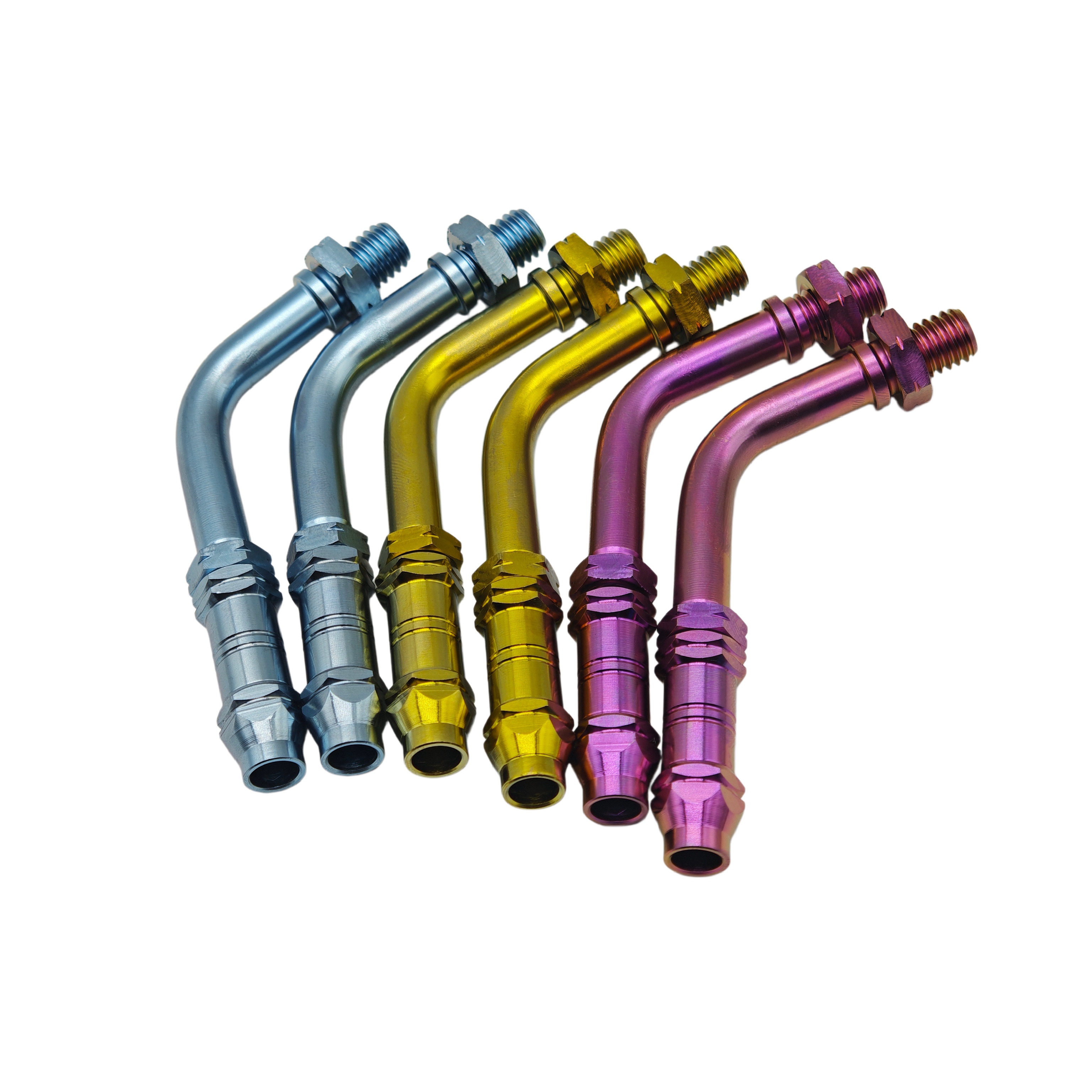
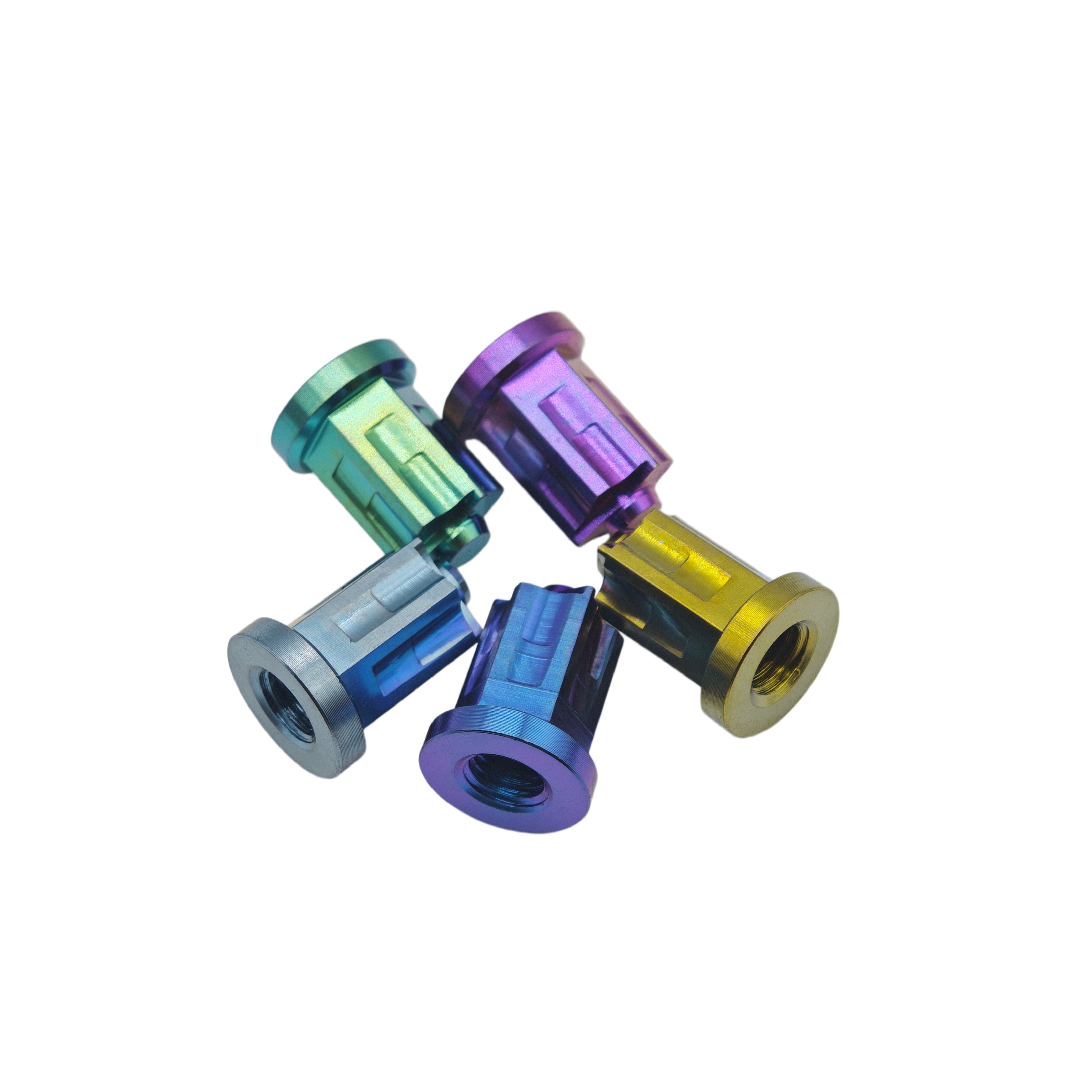
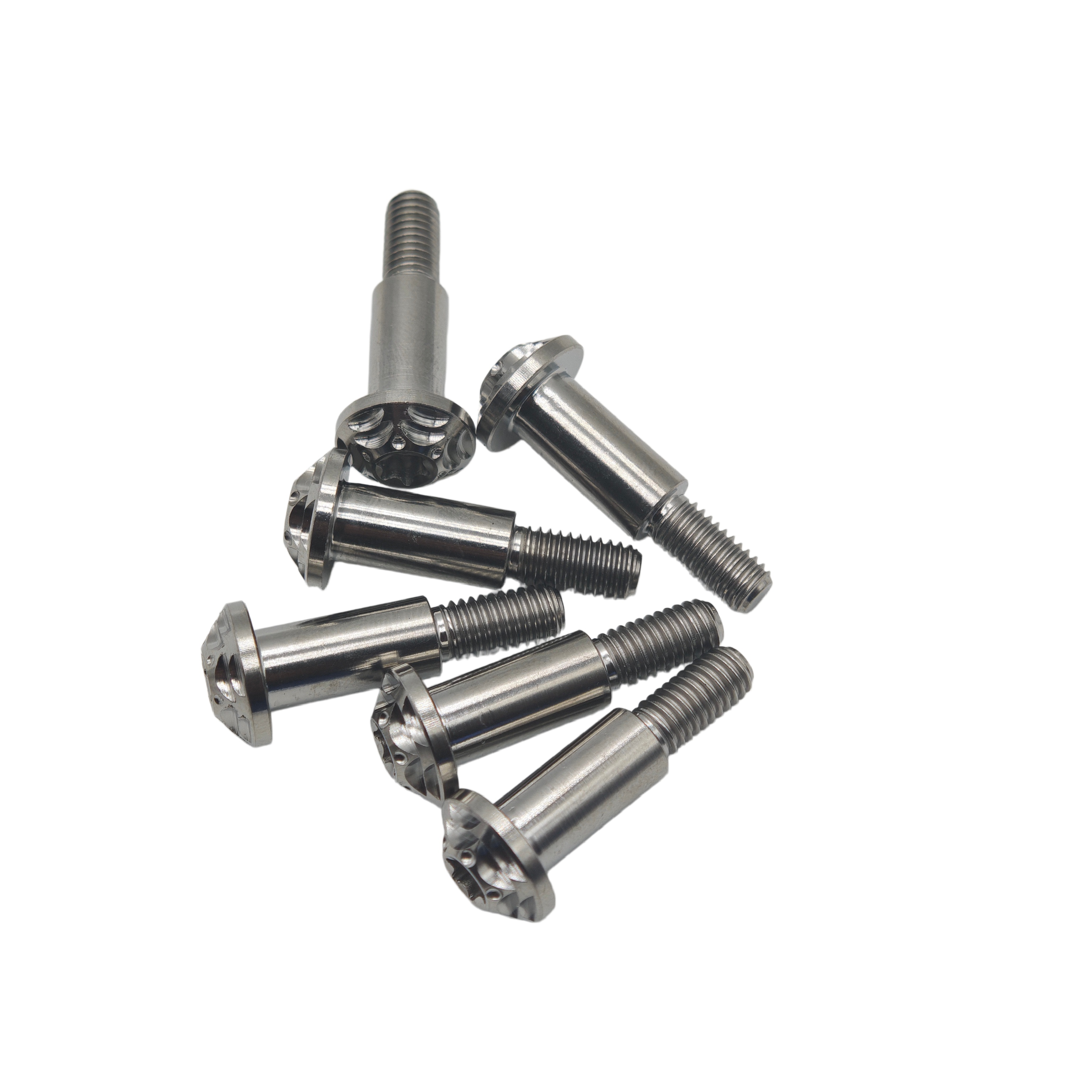
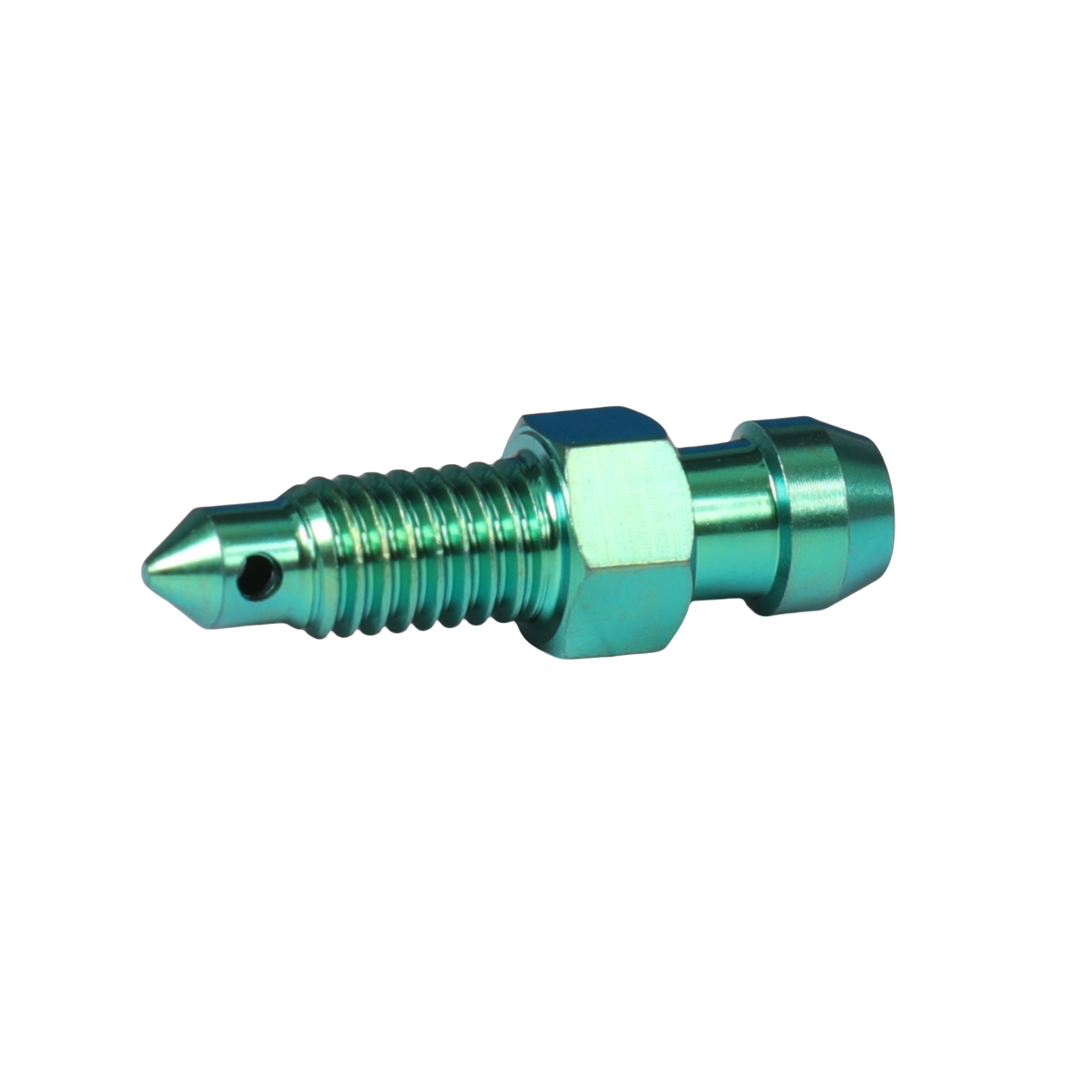
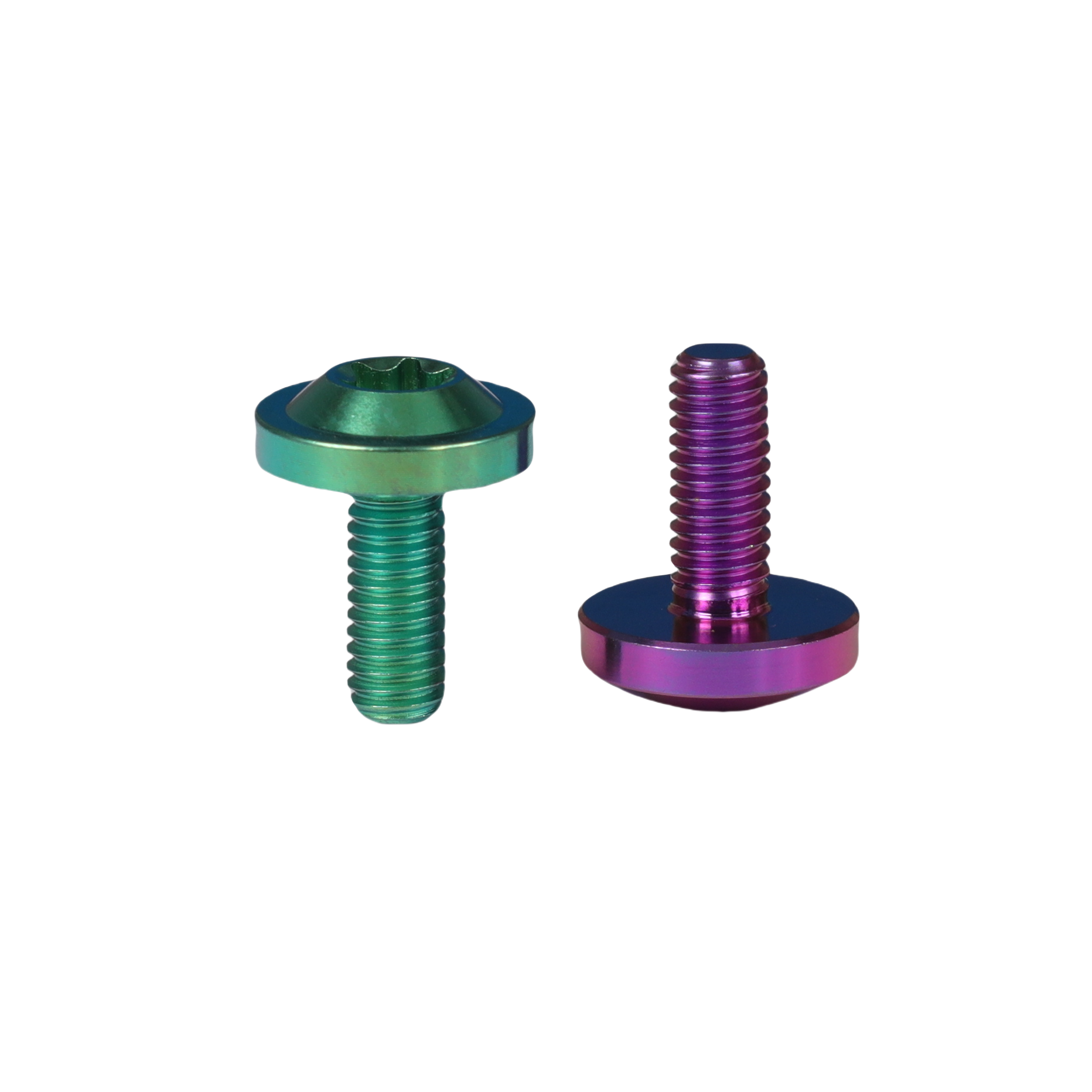
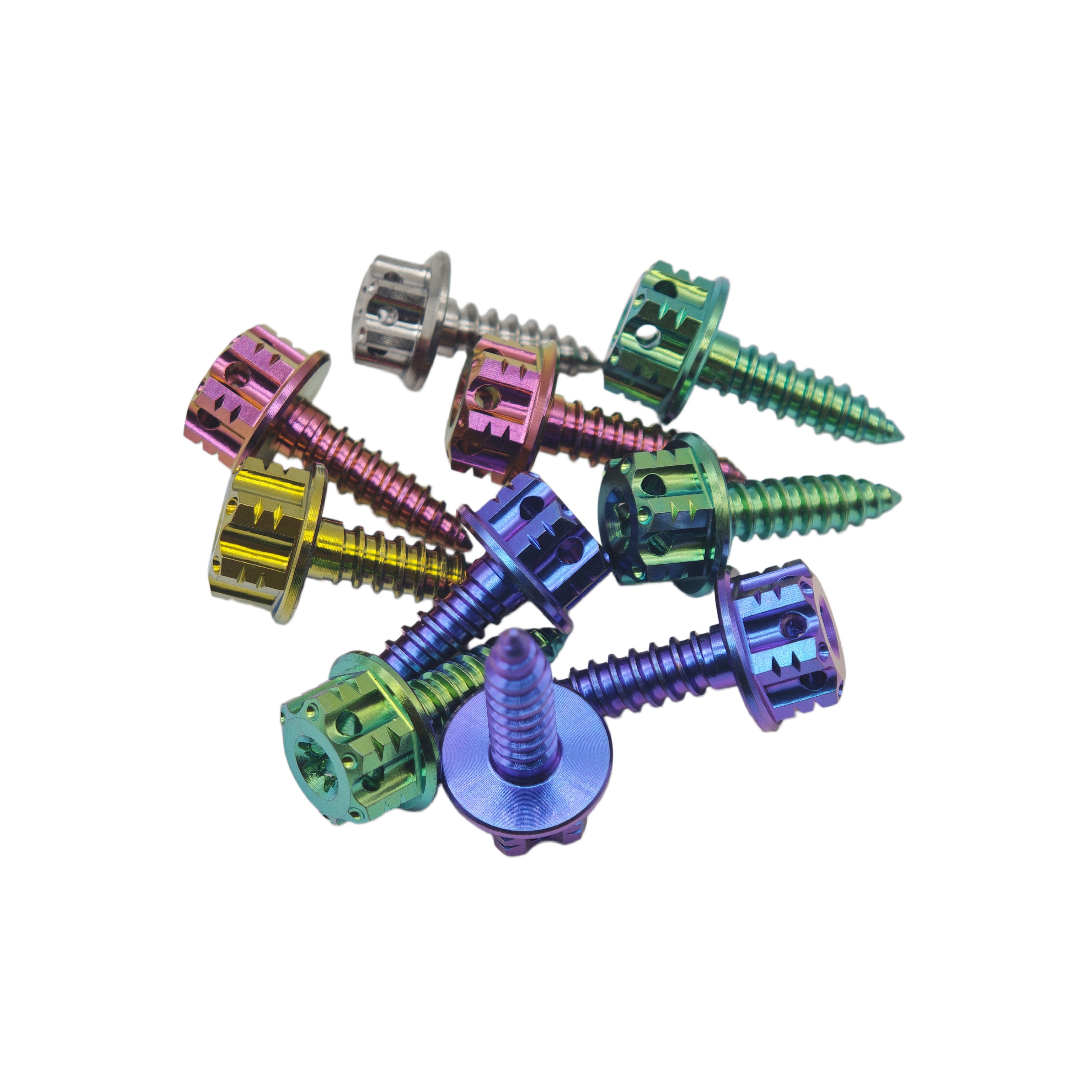
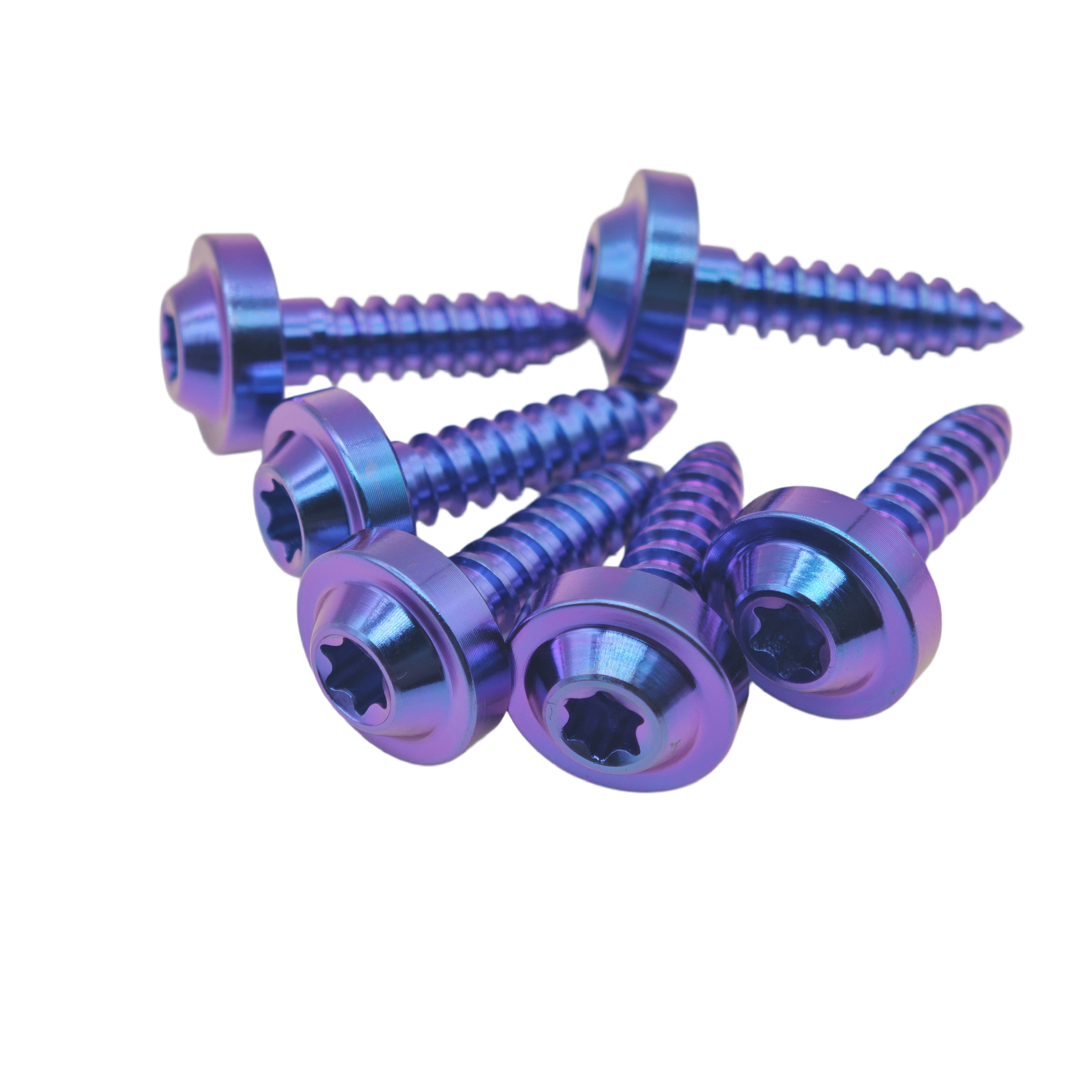
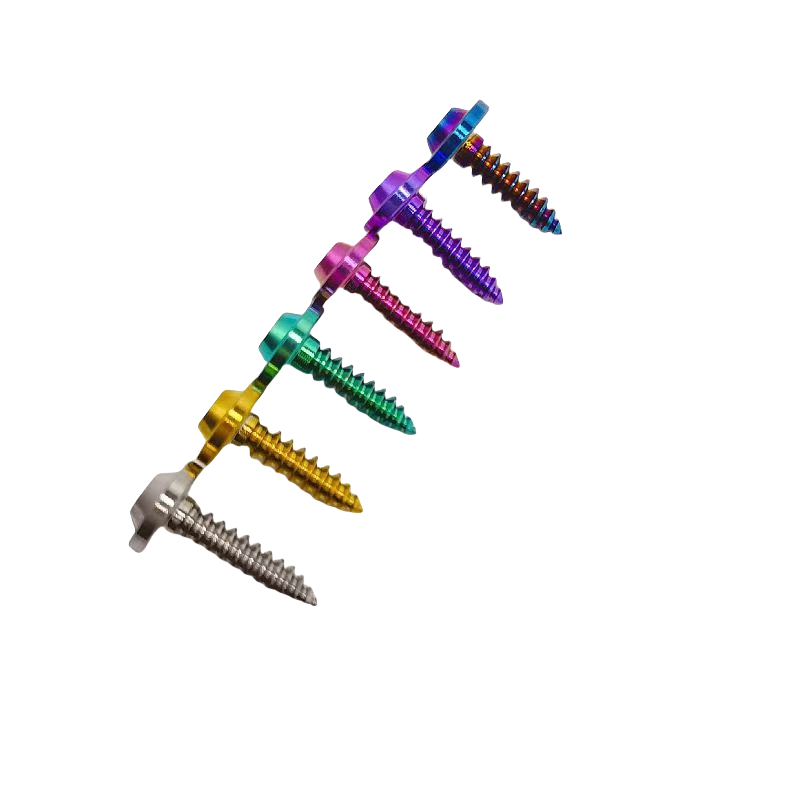
Engineering Whitepaper: Metallurgical & Mechanical Integrity of Titanium Spline Drive Sleeve Nuts
As the South Korean automotive sector accelerates its pivot toward high-performance sports vehicles, electric powertrains, and specialized motorsport series (such as the Hyundai N Festival and Superrace Championship), the structural demands on wheel attachment systems have undergone a fundamental shift. Conventional steel lug nuts and aftermarket aluminum alloy fasteners are increasingly recognized as failure points under extreme shear, cyclic thermal stress, and corrosive winter environments.
Our Grade 5 Titanium (Ti-6Al-4V, Werkstoff 3.7165) Spline Drive Sleeve Nuts are specifically engineered to eliminate these mechanical compromises. Manufactured exclusively from certified vacuum-arc remelted (VAR) billet bar stock sourced directly from the Baoji titanium smelting basin, our nuts achieve an optimal tensile strength exceeding 950 to 1,050 MPa while delivering a remarkable 44% mass reduction compared to Class 10.9 structural steel fasteners.
| Material Engineering Parameter | Ti-6Al-4V Grade 5 (Our Nut) | SCr440 / SCM435 (OEM Steel) | A7075-T6 (Forged Aluminum) | SUS304 (Stainless Steel) |
|---|---|---|---|---|
| Density (g/cm³) | 4.43 | 7.85 | 2.81 | 7.93 |
| Ultimate Tensile Strength (MPa) | ≥ 950 - 1050 | ≥ 980 - 1080 | ≥ 540 | ≥ 520 |
| Yield Strength (Rp 0.2, MPa) | ≥ 880 | ≥ 830 | ≥ 480 | ≥ 210 |
| Fatigue Strength Limit (10⁷ cycles, MPa) | 510 | 420 | 160 | 240 |
| Thermal Expansion Coefficient (10⁻⁶/K) | 8.6 | 12.2 | 23.4 | 17.3 |
| Preload Relaxation Rate (Track Temp 250°C) | < 3.2% | 6.8% | > 28.5% (Critical Failure) | 11.4% |
| Resistance to Calcium Chloride (CaCl₂) | Immune (Passivated TiO₂) | Rapid Oxidation / Pitting | Galvanic Pitting / Exfoliation | Crevice Corrosion Susceptible |
The design morphology of the Sleeve Nut (Shank-style) with Spline Drive addresses two severe geometric challenges encountered by Korean tuning specialists. First, modern multi-piece forged wheels and deep-dish monoblock tuners often feature narrow lug nut recesses (< 21mm diameter) paired with ultra-short stud protrusion through thick wheel centers. Our sleeve extension inserts directly into the wheel mounting hole, adding 6mm to 15mm of supplemental thread engagement without requiring extended hub studs. Second, the external spline drive pattern disperses torque evenly across six or seven radial flutes, virtually eliminating the head stripping, socket slippage, and cosmetic destruction characteristic of standard thin-wall hex sockets operating at >110 N·m torque ratings.
Rotational Mass Reduction
Significantly minimizes unsprung mass at all four wheel hubs, drastically sharpening steering response, dynamic damper rebound control, and high-frequency chassis stability on technical circuits.
CNC Thread Turning Precision
Single-point CNC internal thread cutting followed by roller burnishing ensures thread profile conformance to ISO 965-2 6H tolerances, preventing binding, galling, and pitch deflection under torque.
Salt Spray Neutral Resistance
Fully immune to atmospheric degradation, winter road-clearing de-icers (CaCl₂), and brake fluid runoff, backed by continuous ASTM B117 salt fog environmental testing validations.
Localized Application Scenarios Across South Korea
From professional motorsport paddocks in Gangwon-do to industrial cleanrooms in Gyeonggi-do, our titanium spline drive sleeve nuts solve mission-critical fastening dilemmas across diverse Korean performance sectors.
Inje Speedium & Yeongam KIC Circuit Track Days
South Korea's premier racing series and amateur track-day ecosystems (featuring Hyundai Avante N, I30 N, and Genesis Coupe platforms) subject wheel hubs to brake rotor temperatures surpassing 650°C. Conventional aluminum nuts soften, stretch, and fuse to studs at these temperatures. Our Grade 5 titanium sleeve nuts retain yield properties up to 450°C continuous, guaranteeing wheel retention and instant pit-lane tire changes without lug seizure.
Next-Gen EV Weight Minimization (Ioniq 5 N & EV6 GT)
High-output electric vehicles deployed across South Korea produce explosive instantaneous torque (>740 Nm), demanding exceptional clamping preload to avoid wheel-slip against hub faces. Simultaneously, EV engineering teams constantly fight rotational unsprung mass to reclaim battery efficiency and optimize dynamic suspension damping. Our titanium spline nuts shed over 1.2 kg of rotating unsprung inertia per axle assembly compared to factory steel.
Heavy Calcium Chloride (CaCl₂) De-Icing Protection
During Korean sub-zero winters, highways across the Seoul Capital Area, Gangwon Mountain passes, and expressways are intensively treated with concentrated calcium chloride and rock salts. Steel fasteners rust instantly, while aluminum nuts suffer severe galvanic corrosion against steel studs, resulting in thread stripping. Titanium forms an impenetrable, self-healing titanium oxide (TiO₂) layer that remains unaffected by chemical road salts.
Suwon & Pyeongtaek Fab Automation Jigs
Beyond automotive wheels, our sleeve nuts are imported by automation integrators supporting Korea’s world-leading semiconductor and battery assembly clusters. Featuring absolute non-magnetic characteristics, zero outgassing in vacuum environments, and high resistance to aggressive cleaning acids, these precision fasteners serve as sleeve alignment nuts in wafer handling robotics and automated guided vehicles (AGVs).
Localized Industry Trends & Korean Regulatory Dynamics
The aftermarket automotive landscape in South Korea is experiencing unprecedented institutional growth. Following the continuous revisions by the Ministry of Land, Infrastructure and Transport (MOLIT) to relax automotive tuning regulations (자동차 튜닝 활성화 대책), automotive enthusiasts in Korea are shifting away from cheap visual accessories toward high-integrity, safety-certified chassis and powertrain enhancements.
1. Strict Wheel Integrity & Thread Engagement Oversight: The Korea Transportation Safety Authority (TS / 한국교통안전공단) mandates strict inspection standards during regular vehicle roadworthiness tests. A frequent cause for inspection rejection on aftermarket forged wheels is insufficient thread engagement on wheel studs. By integrating our engineered sleeve shank design, Korean tuners achieve full thread engagement (depths of 1.5× thread diameter, exceeding KS B 0201 standards) without replacing pressed hub studs—ensuring seamless TS inspection passing.
2. Shift from Standard Anodizing to PVD & Micro-Arc Oxidation (MAO): Discerning Korean buyers demand visual longevity. Traditional electrolytic anodizing on titanium can experience micro-abrasion from pneumatic impact sockets and road grit. As an advanced manufacturing exporter, we provide Physical Vapor Deposition (PVD) titanium carbo-nitride coatings (yielding durable Titanium Black, Burnt Neon Rainbow, and Champagne Gold finishes) with hardness ratings exceeding 2,200 HV, guaranteeing that impact tools will not chip or discolor the finish.
3. Standardization on Metric M12×1.5, M12×1.25, and M14×1.5 Pitches: The Korean domestic car market has evolved from predominantly M12 fasteners on older Hyundai/Kia platforms to heavy-duty M14×1.5 architectures on contemporary Genesis sedans, Hyundai N-line crossovers, and imported German chassis (BMW, Mercedes-AMG, Porsche). Our factory maintains dedicated tooling setups for all three configurations with custom chamfered seat options (60-degree conical taper, ball seat, or floating washer sleeves).
Why Korean Importers Choose Zunvo Titanium
Strategic positioning in China's titanium epicenter combined with rigorous multi-stage quality assurance systems delivers an unbeatable balance of cost efficiency, metallurgical purity, and supply consistency.
Baoji Titanium Hub Origin
Directly adjacent to China's primary titanium sponge refineries. We source exclusively certified Ti-6Al-4V bar stock with complete melt heat traceability, avoiding remelted scrap alloys completely.
Advanced 5-Axis CNC Milling
Equipped with Citizen and DMG Mori multi-axis Swiss-turning CNC machinery, achieving concentricity tolerances within ±0.005mm for flawless balance at wheel speeds exceeding 300 km/h.
100% Optical & Gauge QC
Every sleeve nut lot is verified using optical sorting machines, CMM dimensional verification, and manual Go/No-Go plug thread gauge testing prior to automated ultra-sonic degreasing and packaging.
Korea Express Logistics
Strategic logistics partnerships with Incheon Air Cargo Hub and Busan Port shipping lanes. Sample batches delivered within 3-5 days; bulk sea-freight orders cleared in under 10 days.
Frequently Asked Questions by Korean Engineers & Buyers
Addressing critical specifications, import customs protocols, thread engagement mechanics, and surface durability parameters.
Our standard automotive spline sleeve nuts feature a shank outer diameter of 15.6mm (designed to glide seamlessly into standard 16.0mm forged wheel bolt holes) with sleeve insertion depths available in 6.0mm, 8.5mm, 10.0mm, and 12.0mm. Custom shank diameters down to 14.8mm or up to 18.0mm can be CNC-machined according to your CAD drawings within 3 business days.
Titanium has a natural affinity for cold friction-welding (galling) against steel when unlubricated under high torque. We mitigate this through two distinct engineering solutions: (1) internal thread roller burnishing to eliminate microscopic tooling ridges, and (2) proprietary solid dry-film anti-friction lubricants or specialized PVD coatings. We also mandate and supply molybdenum disulfide (MoS₂) or copper-based anti-seize paste alongside technical installation spec sheets for workshop technicians.
All commercial shipments dispatched to Incheon or Busan Port include comprehensive EN 10204 Type 3.1 Inspection Certificates. This documentation verifies raw material chemistry via optical emission spectroscopy (Ti balance, Al 5.5-6.75%, V 3.5-4.5%, Fe <0.40%, O <0.20%), tensile yield reports, ultrasonic internal flaw tests, and Certificate of Origin (Form E or Korea-China FTA preferential certificates for duty exemption).
Yes. We provide turnkey OEM/ODM private label services for Korean distributors targeting Coupang, Naver SmartStore, and local tuning garages. This includes high-resolution fiber laser marking of logos and torque ratings directly on the nut crowns, accompanied by custom CNC spline drive key sockets and branded luxury magnetic presentation boxes with Korean-language technical specifications.
For M12×1.5 and M12×1.25 Grade 5 titanium sleeve nuts, the calibrated dry torque setting is 105–115 N·m (77–85 ft-lbs). If utilizing anti-seize lubricant, torque should be reduced by 10% to approximately 95–100 N·m to maintain proper fastener stretch without overloading the stud. For M14×1.5 applications (such as Genesis and EV platforms), the calibrated torque is 135–145 N·m. High-speed pneumatic impact guns should never be used for final torque setting—calibrated hand torque wrenches are always recommended.
For standard stock catalog sizes (such as M12×1.5 and M14×1.5 in natural metallic, PVD black, or burnt titanium finishes), our MOQ is just 100 pieces (or 5 vehicle sets of 20 pieces), allowing tuning shops to test demand. Fully custom drawing-based dimensional modifications require an MOQ of 500 pieces. Sample prototypes ship within 3–5 working days via DHL Express, and full production container batches are fulfilled within 12–15 business days.
Accelerate Your Titanium Fastener Sourcing for South Korea
Connect directly with our Baoji engineering headquarters. Upload your CAD drawings, request free prototype evaluation samples, or obtain wholesale distributor pricing with full Korea-China FTA tariff preference support within 4 hours.
Contact Us