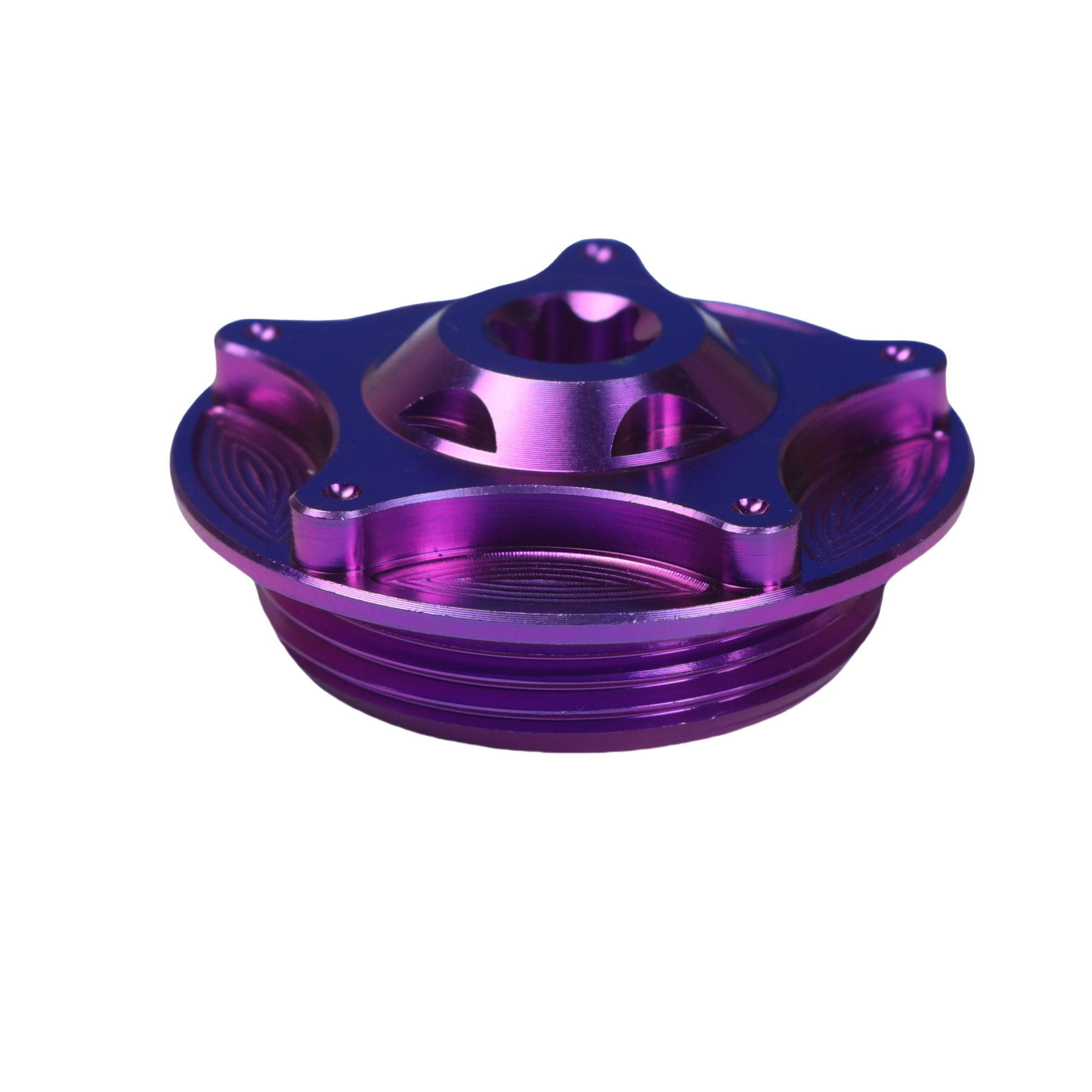
Certified High-Precision Titanium Fasteners & Hardware
Direct wholesale catalog manufactured from aerospace-grade Grade 5 (Ti-6Al-4V) bar stock. Thread-rolled for superior fatigue life and high-vibration resilience across aerospace, defense, and high-performance engineering programs.
±0.005 mm
CNC Machining Tolerance
≥ 895 MPa
Tensile Strength (Gr5)
4.43 g/cm³
Density (44% Lighter than Steel)
EN 10204 3.1
Certified MTR Traceability
Engineering Whitepaper: Bridging Baoji Titanium Valley with France's GIFAS Ecosystem
A rigorous metallurgical overview of titanium fastener supply chain security, stress corrosion resistance, and ISO/EN certified production for European Tier 1 & Tier 2 aerospace subcontractors.
France maintains one of the world's most intricate and stringent aerospace manufacturing networks, anchored by prime system integrators such as Airbus, Safran, Dassault Aviation, and MBDA. As the European aerospace industry scales build rates under aggressive single-aisle backlogs (A320neo family) and next-generation defense platforms (Rafale F4/F5 and SCAF / FCAS), procurement executives across Occitanie, Île-de-France, and Nouvelle-Aquitaine face critical bottlenecks in primary raw material procurement and precision cold-headed/CNC fastener production.
Originating from Baoji, Shaanxi Province—widely recognized as China's "Titanium Valley" representing over 60% of China's titanium melting capacity—our production facility serves as an agile, vertically integrated manufacturing partner. By directly procuring vacuum-arc remelted (VAR) titanium sponge bars and managing the entire life cycle in-house (drawing, hot-heading, precision CNC turning, thread rolling, vacuum heat treatment, and surface passivation), we eliminate intermediate trading tiers, drastically reducing lead times while meeting the rigorous documentation and quality requirements demanded by French aerospace primes.
Information Gain: Thermal Expansion & CFRP Galvanic Synergy: French aircraft designs heavily feature Carbon-Fiber-Reinforced Polymers (CFRP), as seen in the wing assemblies of the Airbus A350 XWB and composite fairings on Safran nacelles. Standard cadmium-plated or stainless steel fasteners trigger severe galvanic corrosion and suffer thermal expansion mismatches (ΔCTE). Grade 5 Ti-6Al-4V matches CFRP electrochemical potential with virtually zero galvanic corrosion, ensuring structural integrity across 30-year airframe design service lifetimes.
Comprehensive Metallurgical & Mechanical Comparison
For design engineers specifying mechanical joints within primary and secondary aircraft structures, balancing strength-to-weight ratio, shear capability, and fatigue limits at extreme operating temperatures is paramount. Below is a comparative performance benchmark of our aerospace-grade Ti-6Al-4V Grade 5 fasteners versus conventional aviation materials.
| Mechanical / Chemical Property | Aerospace Gr5 Ti-6Al-4V (Annealed) | A286 High-Temp Stainless | Inconel 718 Superalloy | 7075-T6 Aerospace Aluminum | Class 10.9 Alloy Steel |
|---|---|---|---|---|---|
| Nominal Composition | Ti-6Al-4V (UNS R56400) | Fe-25Ni-15Cr-1.2Mo-2Ti | Ni-19Cr-18.5Fe-5.2Nb-3Mo | Al-5.6Zn-2.5Mg-1.6Cu | 40Cr / 4140 Quenched & Temp. |
| Density (g/cm³) | 4.43 (Optimal Lightweight) | 7.92 | 8.19 | 2.81 | 7.85 |
| Ultimate Tensile Strength (MPa) | ≥ 895 – 1050 | ≥ 900 – 1000 | ≥ 1240 – 1400 | ≥ 570 | ≥ 1040 |
| Yield Strength 0.2% (MPa) | ≥ 828 | ≥ 585 | ≥ 1030 | ≥ 500 | ≥ 940 |
| Specific Strength (MPa / (g/cm³)) | 214 (Unmatched Efficiency) | 114 | 151 | 202 | 132 |
| Fatigue Limit (Unnotched, 10⁷ cycles) | 510 MPa (Rolled Threads) | 380 MPa | 580 MPa | 160 MPa | 480 MPa |
| CFRP Galvanic Compatibility | Exemplary / Zero Corrosion | Moderate Passivation Req. | Good / High Weight Penalty | Catastrophic Rapid Pitting | Poor / Severe Galvanic Attack |
| Maximum Working Temp (°C) | 400 °C Continuous | 650 °C | 650 °C – 700 °C | 120 °C | 300 °C |
Localized Aerospace & Defense Use Cases in France
Precision-engineered fasteners designed for specific operating environments across France's major manufacturing basins and technology clusters.
Aerospace Valley (Toulouse & Bordeaux)
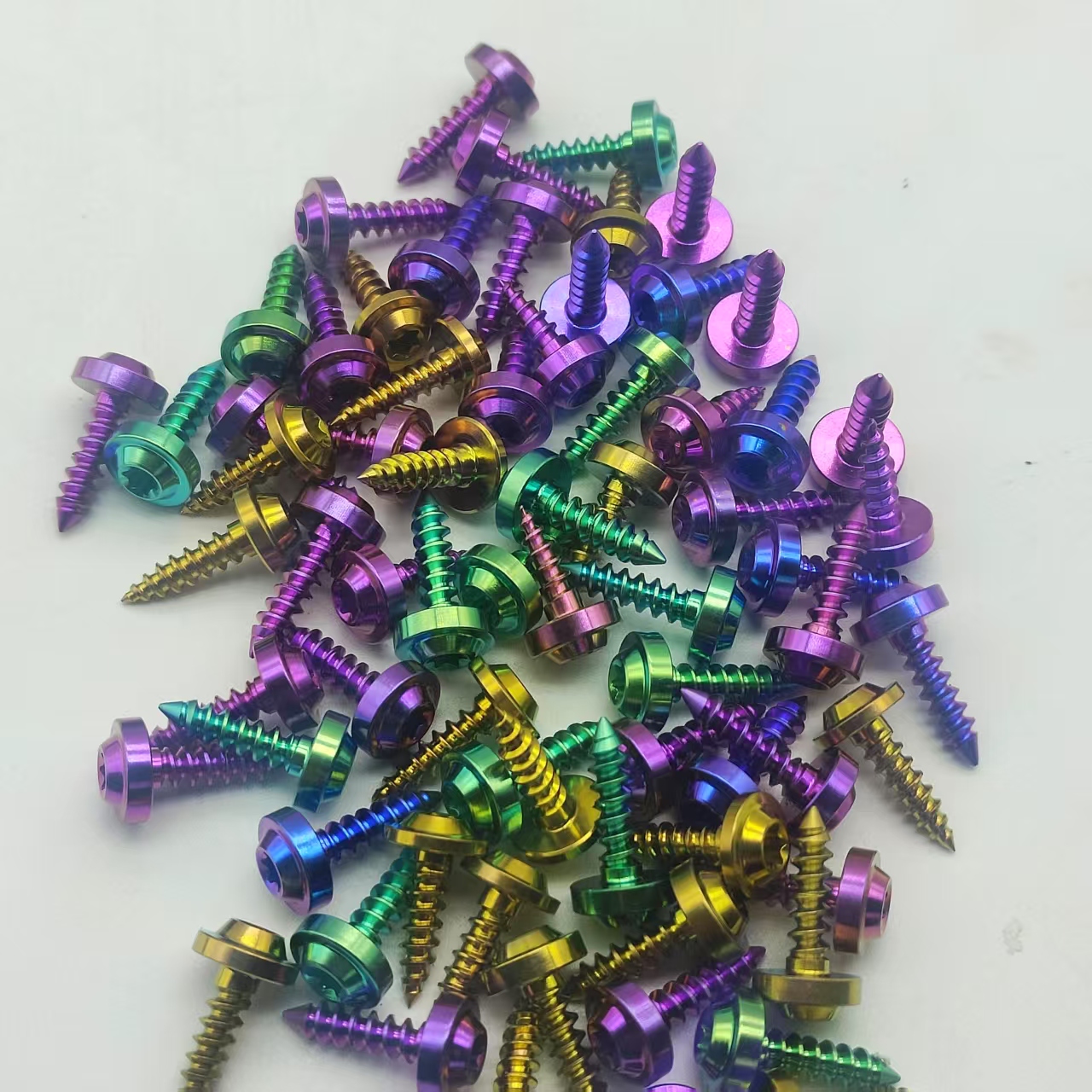
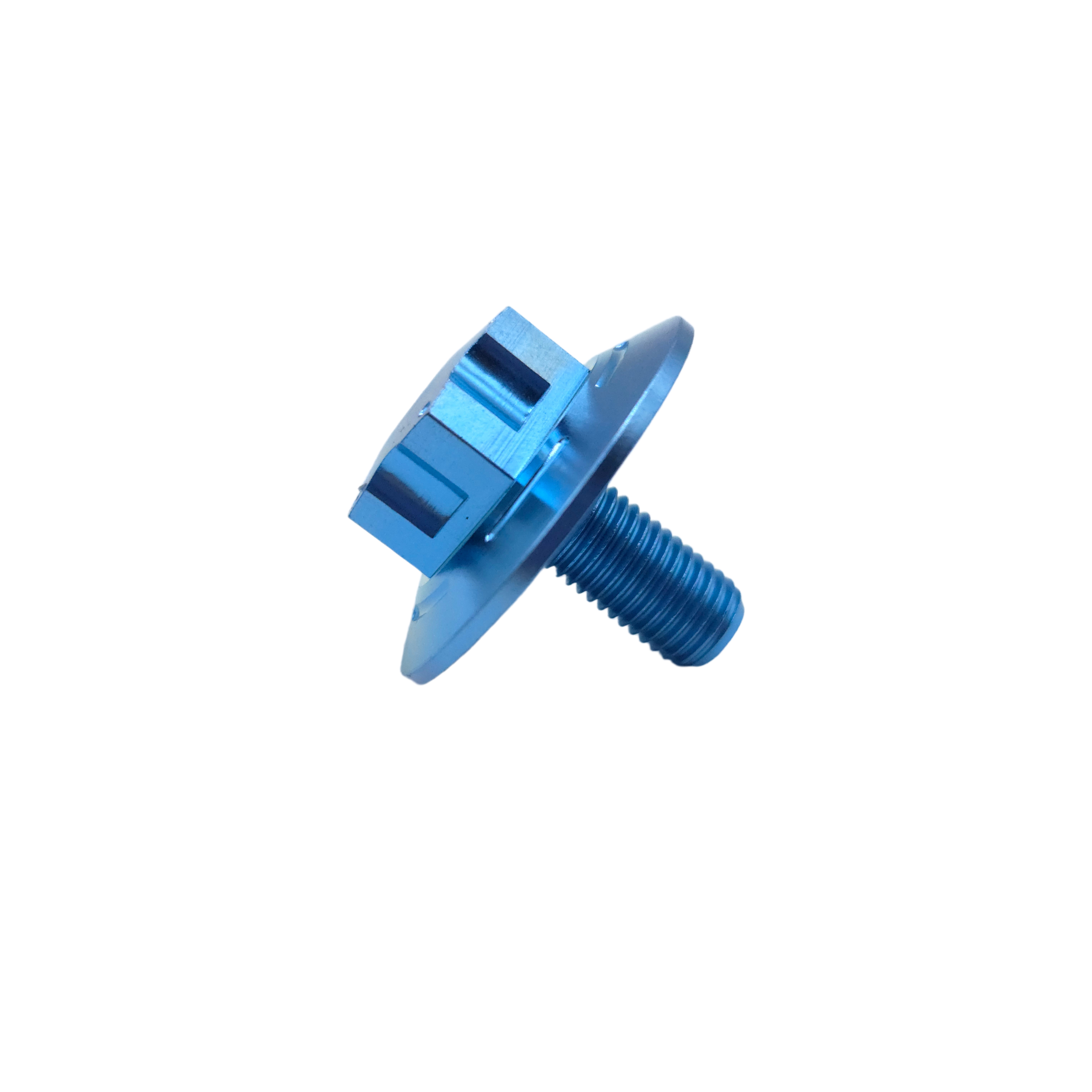
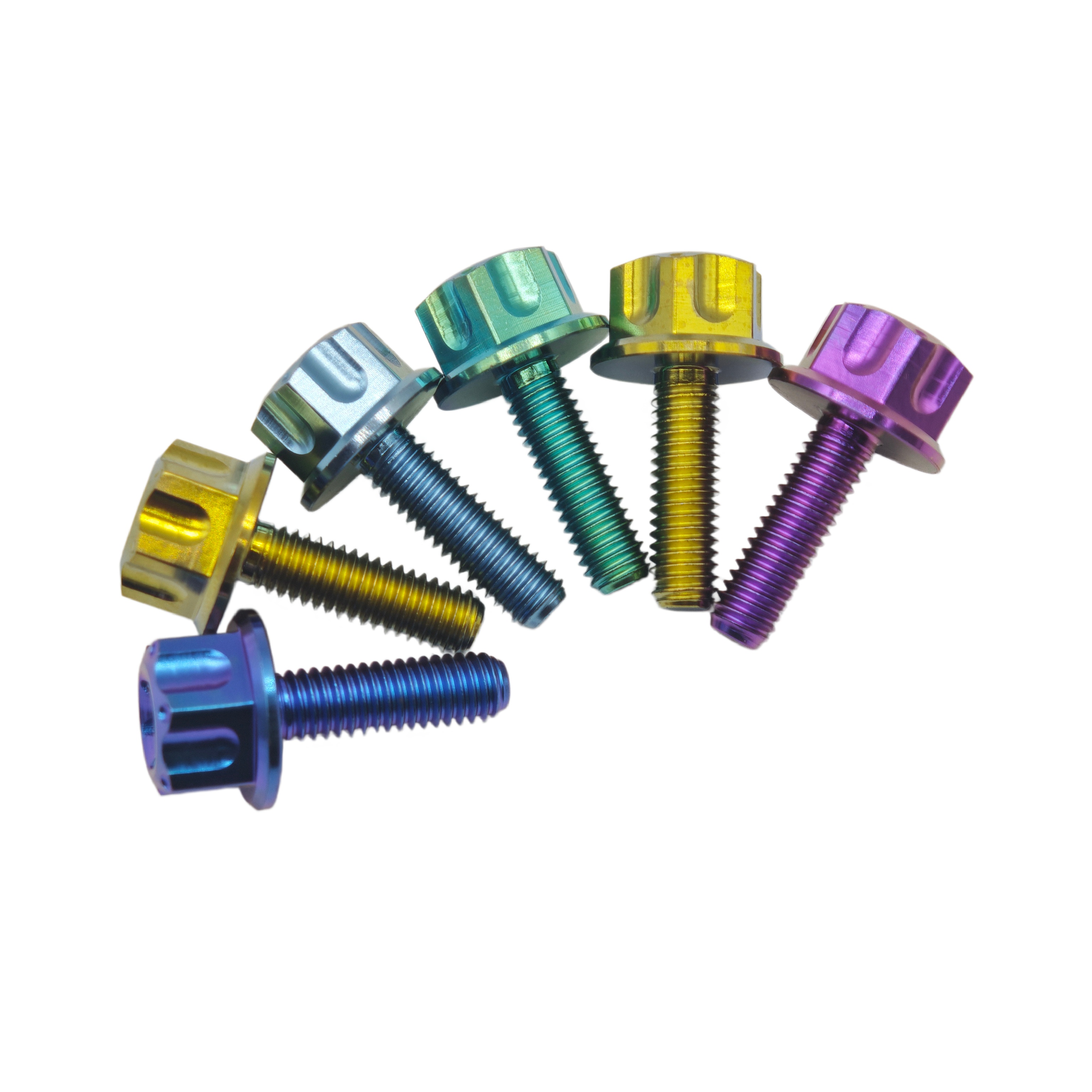
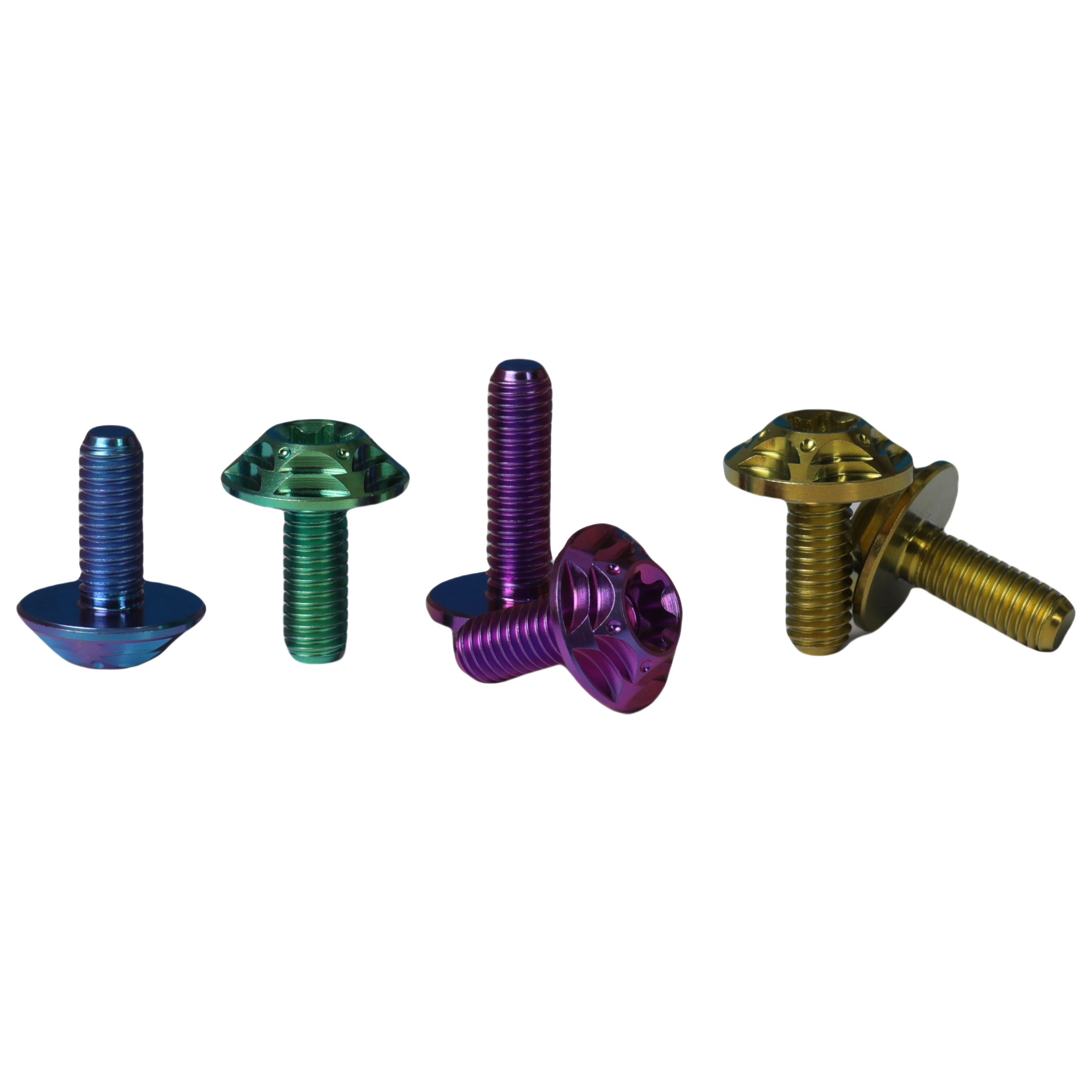
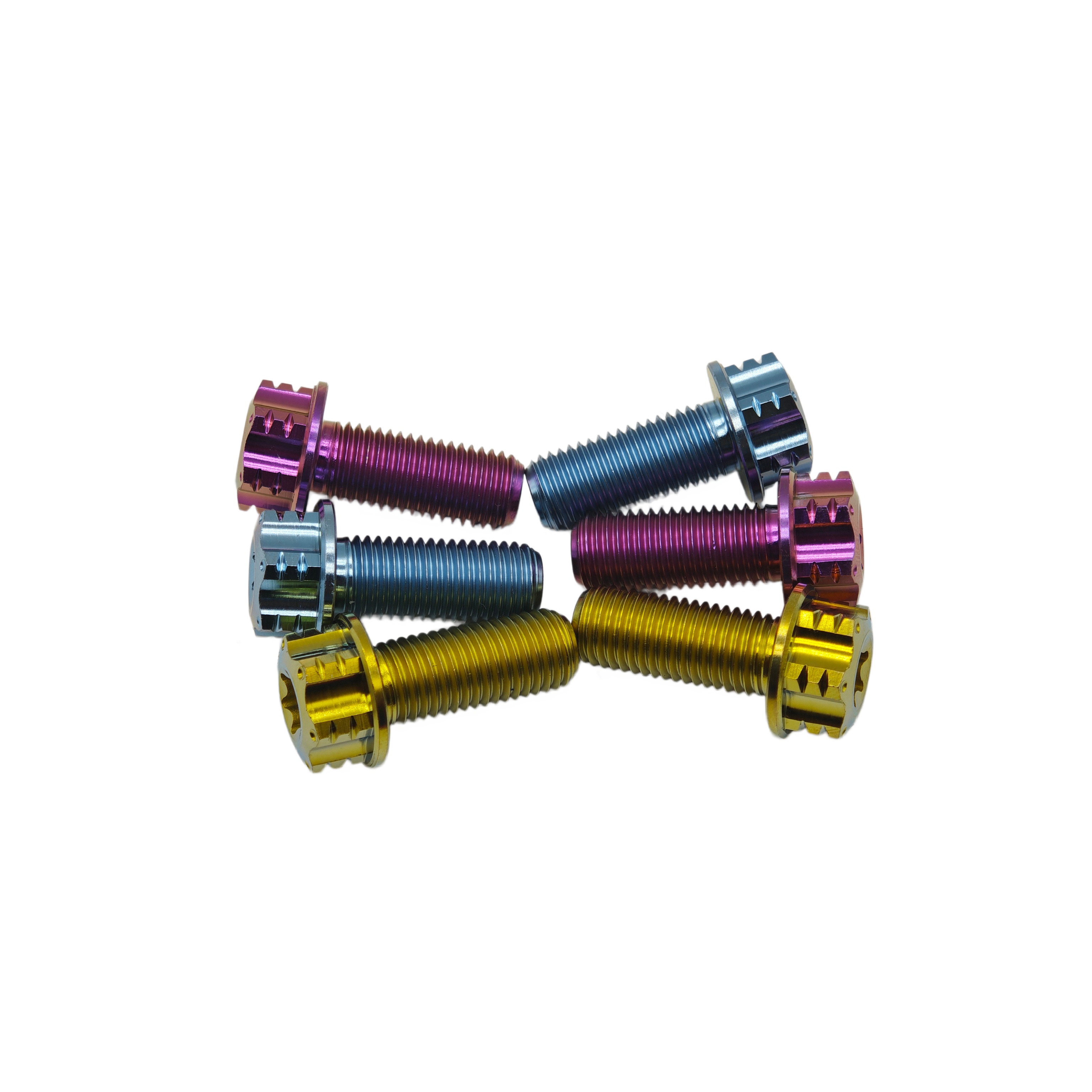
Applied directly within primary composite wing-box ribs, trailing-edge flap tracks, and nacelle attachment pylons. Our tight-tolerance (±0.005mm) Gr5 hex-flange and Torx pan-head screws resist cyclic fatigue under continuous high-lift aerodynamic flutter.
ASTech & Safran Corbeil/Villaroche Corridors
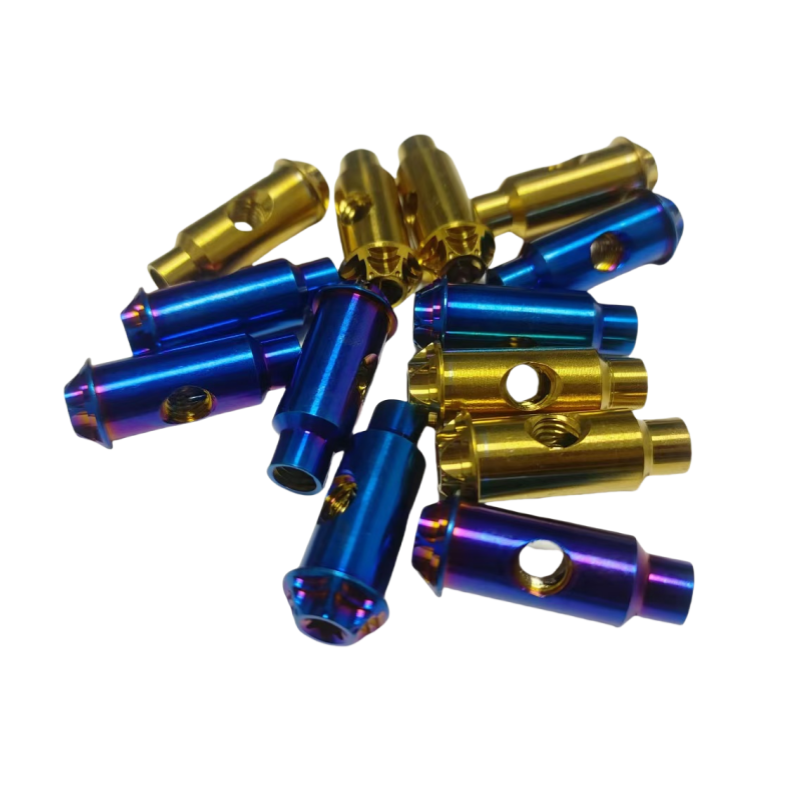
For jet propulsion accessory gearboxes, fan casings, and thrust reverser structures. Precision-turned Gr5 dowels, hollow weight-saving bolts, and bleed nipples withstand thermal shifts between -55°C cruise altitude conditions and +350°C engine bay proximity.
Naval Group & Marine Aerospace (Toulon & Brest)
Carrier-borne naval aviation (Rafale Marine) and maritime helicopter rotor-mast links. Titanium fasteners are completely impervious to chloride stress corrosion cracking (SCC), salt spray fog, and marine cavitation, delivering maintenance-free longevity.
French Motorsport & Hypercar (Magny-Cours & Le Mans)
Unsprung weight reduction for French endurance racing prototypes and performance engineering. Our Class 10.9/12.9 equivalent titanium brake disc rotor screws, spline-drive lug nuts, and axle studs reduce rotating inertia by up to 45% compared to alloy steel.
New Space & Hypersonics (Kourou Support & Vernon)
Liquid propulsion fluid conduits, satellite fairing decoupling rings, and avionics enclosures. Cryogenic fracture toughness of our low-interstitial Grade 5 ELI titanium alloys guarantees uncompromised tensile load retention at liquid nitrogen (-196°C) temperatures.
Technological Trends & French Procurement Directives (2025–2035)
How strict European environmental mandates, weight optimization, and industrial standards are reshaping titanium fastener specifications.
1. CORAC Roadmap and Single-Aisle Lightweighting Pressures
The French Civil Aviation Research Council (CORAC) has laid down strict roadmaps aiming for ultra-efficient, next-generation commercial aircraft by 2035. Every single kilogram subtracted from an airframe's baseline operating weight (OEW) eliminates up to 120 metric tons of lifecycle CO2 emissions. In a commercial transport aircraft containing between 1.5 million and 3 million discrete fasteners, transitioning structural and interior fasteners from cadmium-plated steel or nickel alloys to Grade 5 titanium delivers upwards of 400 kg in aggregate mass reduction without compromising safety margins.
2. REACH Regulation (EC No 1907/2006) and Cadmium Replacement
Under European REACH regulations, hexavalent chromium (Cr6+) and cadmium electroplating—traditionally used on aviation fasteners for sacrificial corrosion protection—face stringent environmental bans across the European Union. French industrial customers require compliant surface finishing technologies. Our factory provides 100% REACH-compliant, eco-friendly surface treatments:
- Type II Anodization (AMS 2488D): Eliminates galling during high-speed torque installation and dramatically improves anti-fretting resistance without introducing toxic heavy metals.
- Micro-Arc Oxidation (MAO / PEO): Synthesizes an ultra-hard (up to 1200 HV) ceramic TiO2 layer, providing exceptional wear protection for high-movement aerospace pivots and hinge bolts.
- Molybdenum Disulfide (MoS2) Dry Film Lubrication: REACH-certified inorganic solid lubricant applied over passivated titanium to secure reproducible torque-tension relationships (K-factor: 0.11 – 0.15).
3. Continuous Thread Rolling vs. Machined Threads
French aerospace quality inspection teams actively reject threaded components that exhibit micro-cut metal fibers. Our cold-heading and hot-heading processes, followed by precision CNC thread rolling using high-speed ground cylindrical dies, redirect the titanium crystallographic grain flow continuously along the thread contour and root radius. This grain continuity creates deep residual compressive stresses, increasing cyclic fatigue endurance by over 300% compared to conventional cut threads.
Why France's Aerospace Buyers Partner with Our Baoji Factory
Bridging Chinese titanium raw material dominance with Western European quality, inspection, and contractual standards.
Baoji Raw Material Cluster
Immediate upstream access to certified titanium sponge suppliers in Baoji's Titanium Valley. We control ingot melting traceability down to the raw vacuum arc remelting (VAR) heat lot, securing cost advantages and raw material stability.
100% Quality Assurance & CMM
Every single aerospace-grade production batch undergoes optical automatic sorting, thread pitch gauge verification, non-destructive ultrasonic defect screening, and full Coordinate Measuring Machine (CMM) dimensional reports.
EN 10204 3.1 Traceability
Every shipment is delivered with comprehensive chemical spectrometry analysis, room/high-temperature tensile test records, macro/microstructure metallurgy, and full heat-lot mill test certificates (MTR) required by European auditors.
DDP Air Cargo to French Hubs
Experienced in European Incoterms with door-to-door Delivered Duty Paid (DDP) logistics directly to Paris CDG, Lyon Saint-Exupéry, or Toulouse-Blagnac air cargo terminals, managing EU customs, EORI, and tariff filings in-house.
Frequently Asked Questions by French Engineering & Procurement Teams
Key technical, regulatory, and logistics inquiries addressed with clear, definitive specifications.
How do you guarantee material compliance with EN 10204 Type 3.1 standards?
Every production run of titanium fasteners begins with verified titanium bar stock with known chemical heat numbers. We provide complete EN 10204 3.1 inspection certificates that detail mechanical testing (ultimate tensile strength, 0.2% offset yield strength, elongation percentage, reduction of area), chemical analysis of all alloying elements (Al, V, Fe, C, N, H, O), and ultrasonic testing records for internal porosity verification.
How does your factory prevent galling (grippage) on titanium-on-titanium interfaces?
Titanium possesses a thin natural oxide layer that can rupture under high mechanical clamping pressures, causing cold welding or galling. We mitigate this through controlled surface modification: aerospace-grade Type II Anodization (AMS 2488D), PVD thin-film ceramic deposition (TiN / TiAlN), or dry-film MoS2/graphite coatings. These treatments ensure stable tightening torques and permit repeated disassembly without thread binding.
What are your standard turnaround times for custom drawings (Plan / Fichier CAO)?
For custom components manufactured from customer-supplied STEP/IGES 3D files or 2D technical drawings, our engineering team completes feasibility reviews and DFM (Design for Manufacturability) analysis within 24 hours. CNC prototypes are delivered within 3 to 5 business days via express air courier. Standard bulk volume runs typically require 10 to 18 business days depending on surface treatments.
Can you provide custom packaging, kitting, and French aerospace barcoding?
Yes. We regularly assemble customized assembly kits (poly-bagged or partitioned blisters) tagged with human-readable labels and high-density Data Matrix / QR codes matching your internal part numbers (ERP / P/N). Cleanroom packaging, nitrogen purged vacuum bags, and desiccants are standard for long-term aerospace spare parts shelving.
Are your fasteners subject to EU Dual-Use export restrictions?
Standard fasteners (bolts, screws, nuts, studs) designed to metric (DIN, ISO) or unified (UNF, UNJ) thread standards generally fall outside dual-use export control Annex I unless specially modified for military missiles or nuclear applications. We perform full export compliance verification and provide clear harmonized system (HS) customs codes (typically HS 8108.90) to ensure clearance into the EU.
What is your capability regarding UNJ controlled-root radius fatigue threads?
For flight-critical structural bolts, we produce metric MJ (ISO 5855) and imperial UNJ (AS8879) threads featuring an enlarged, controlled root radius (0.1501P to 0.1804P). This gentle curvature suppresses stress concentrations at the thread valley, maximizing fatigue strength under cyclic operational loads.
Accelerate Your Aerospace Hardware Sourcing with Baoji Direct Manufacturing
Send your CAD models, technical drawings, or bill of materials (BOM). Our engineering and international logistics teams will provide a comprehensive DFM review, competitive tiered wholesale quotation, and material test documentation within 24 hours.
