Self-Tapping
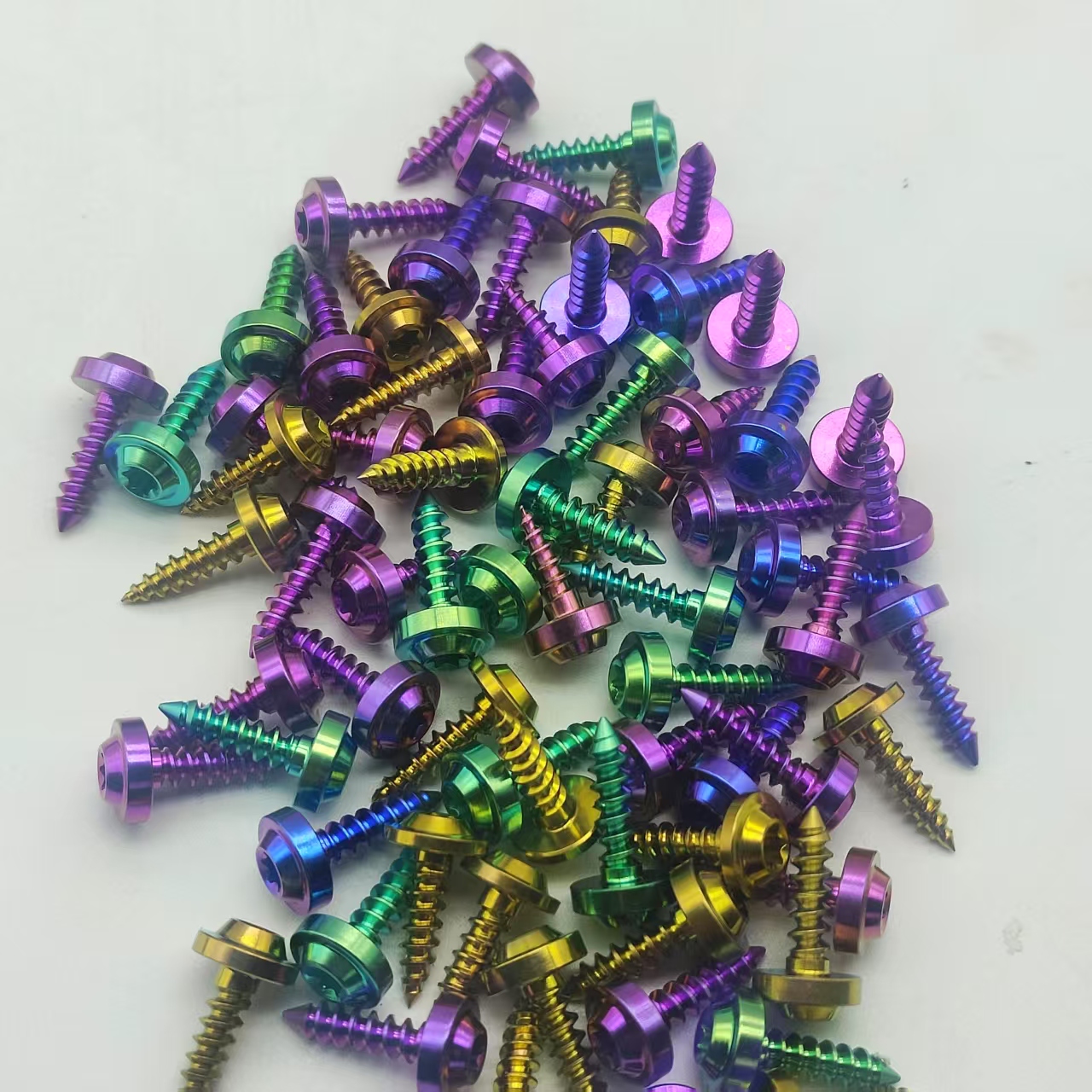
Engineered for high-stress marine assemblies, coastal automotive performance, and chloride-laden atmospheric durability. Complete drawing traceability and mill cert compliance.
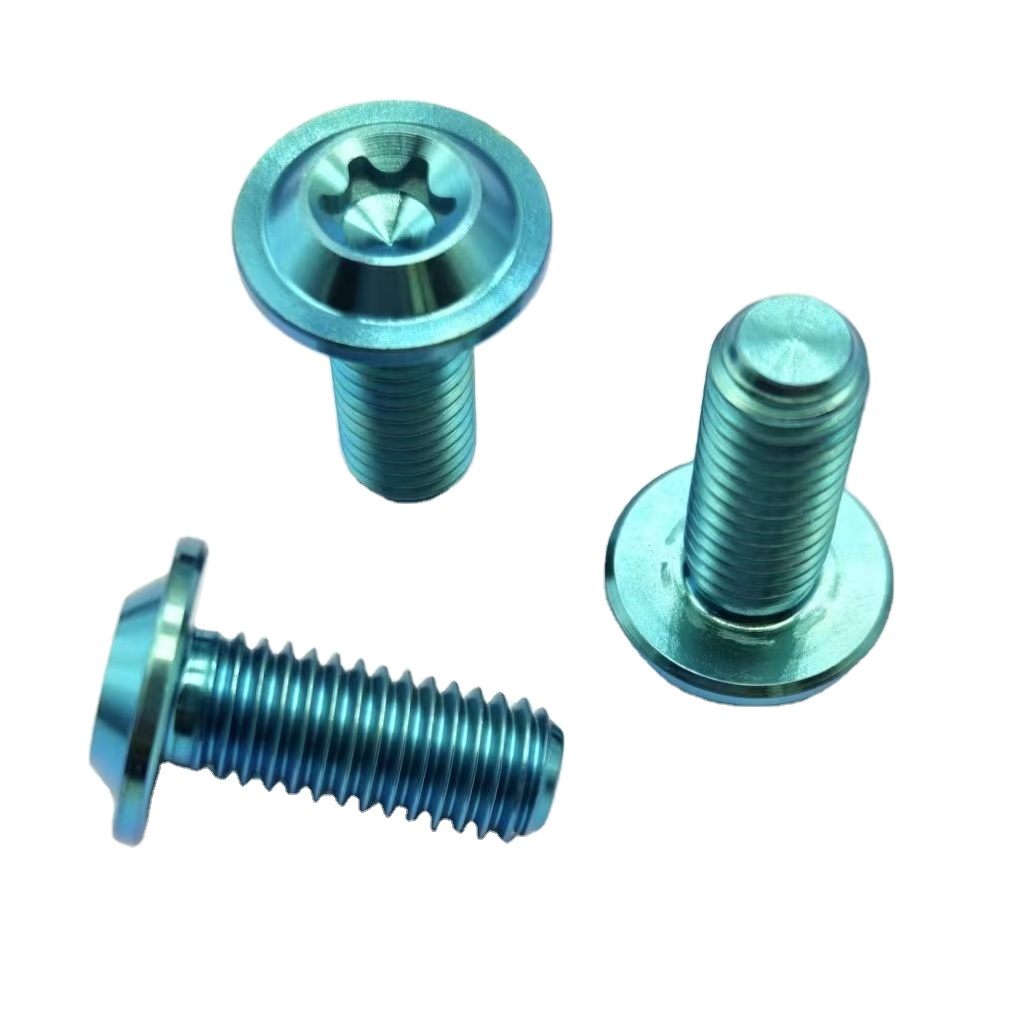
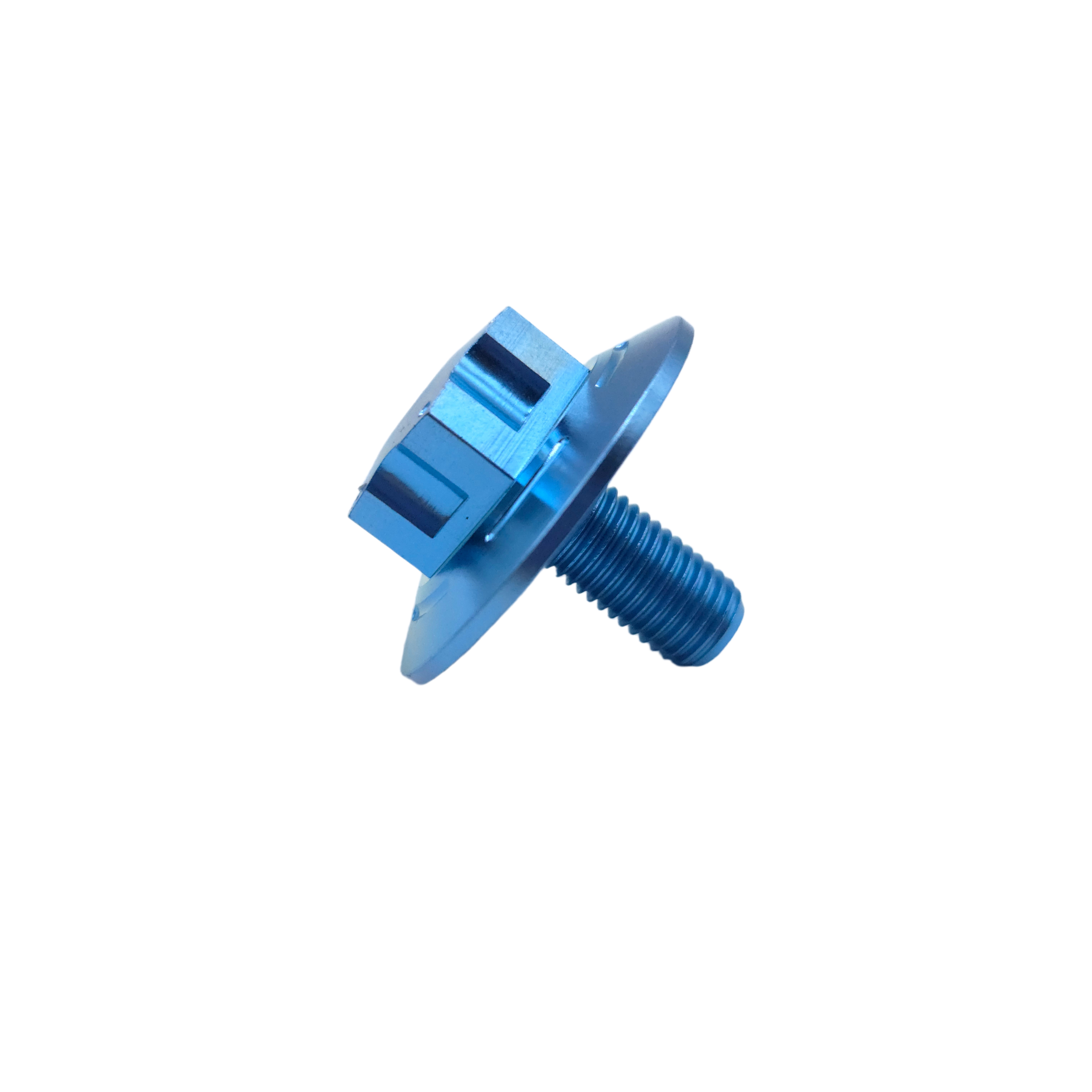
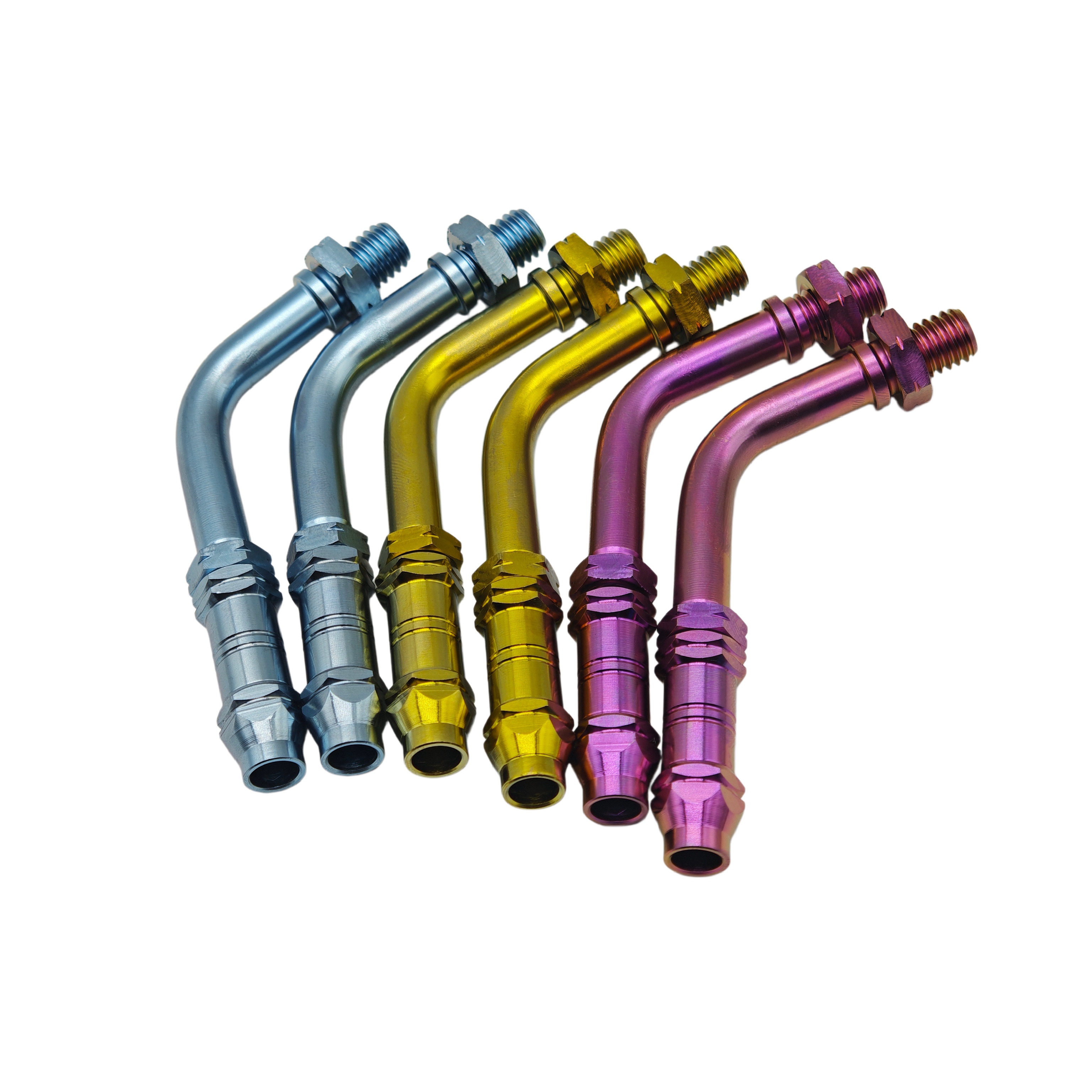
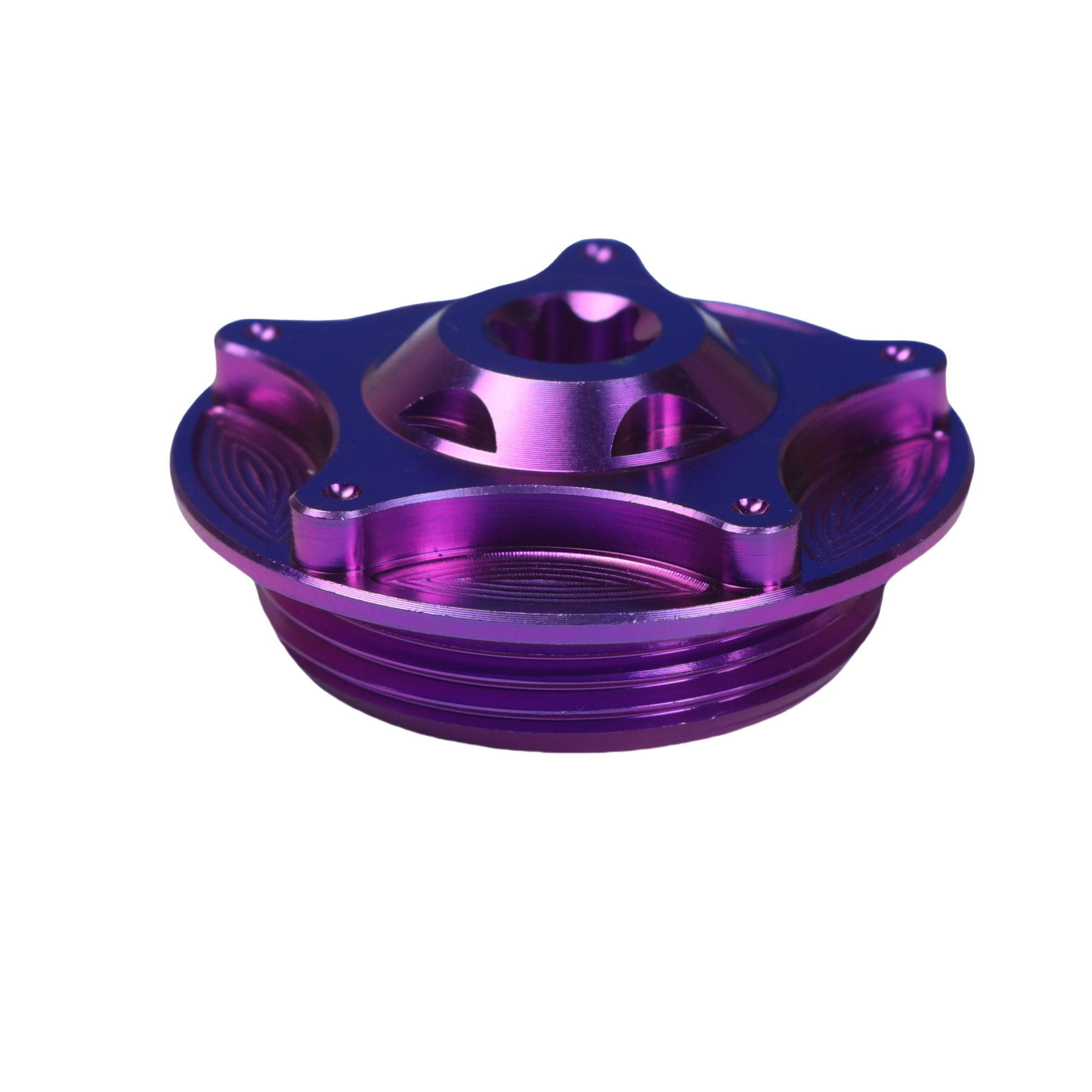
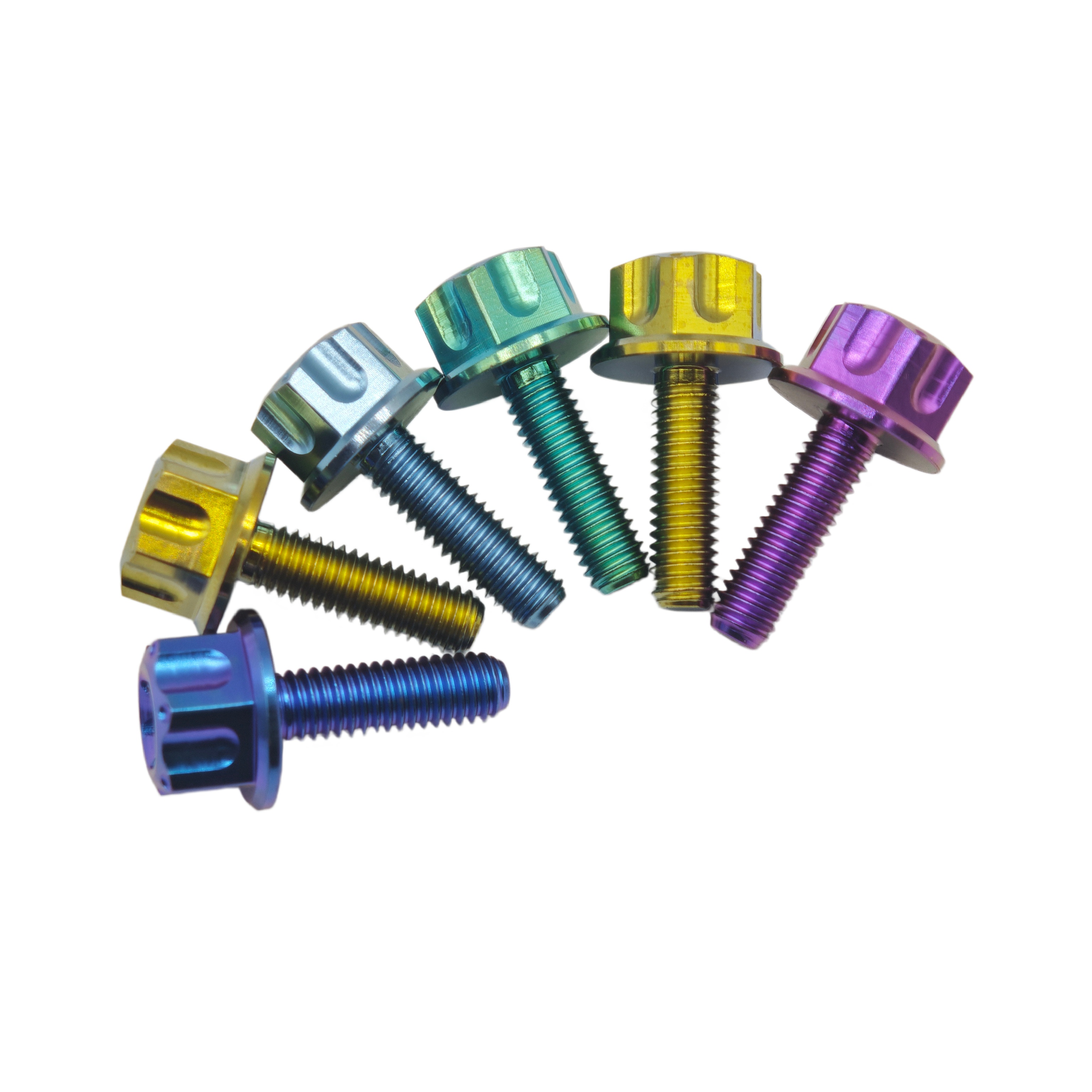
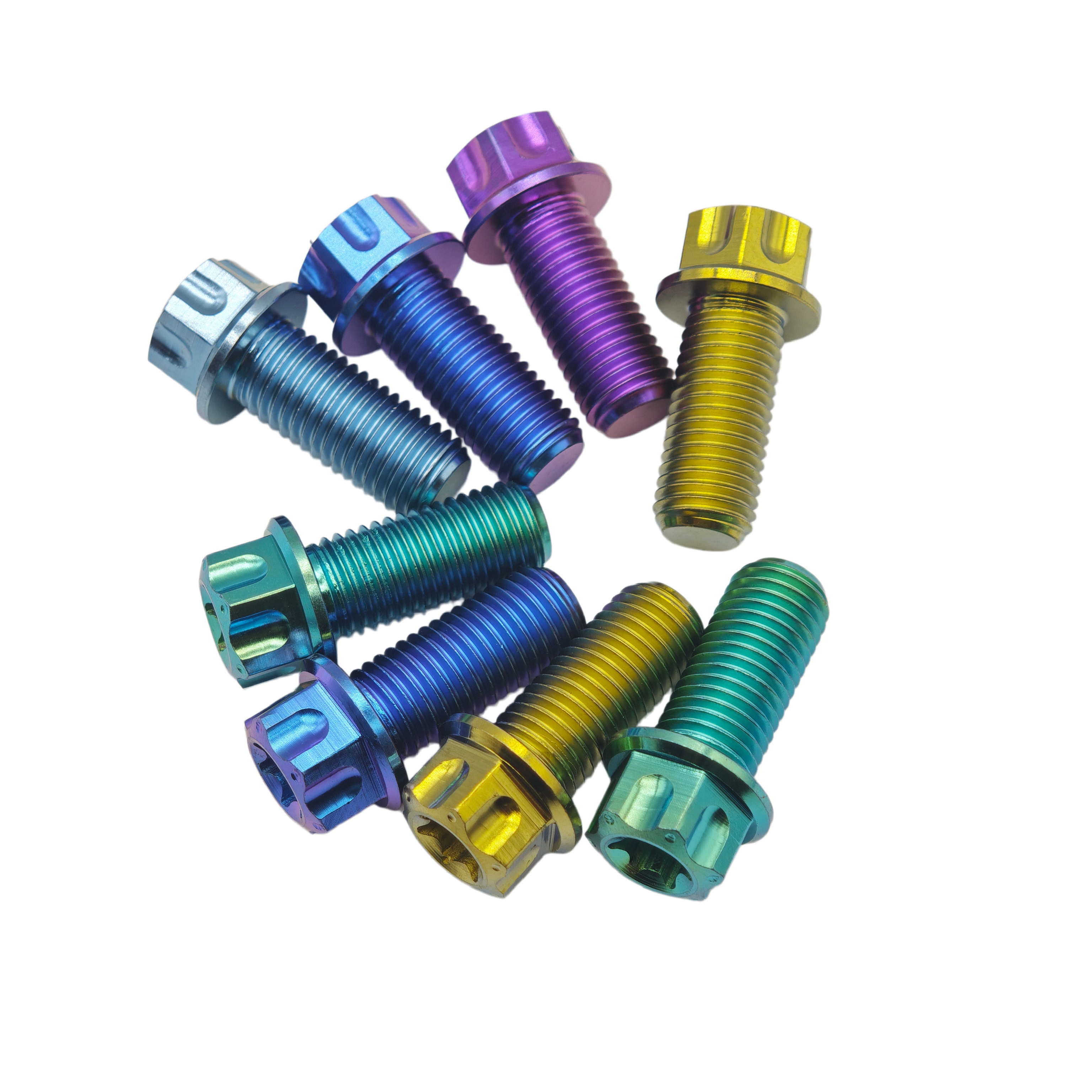
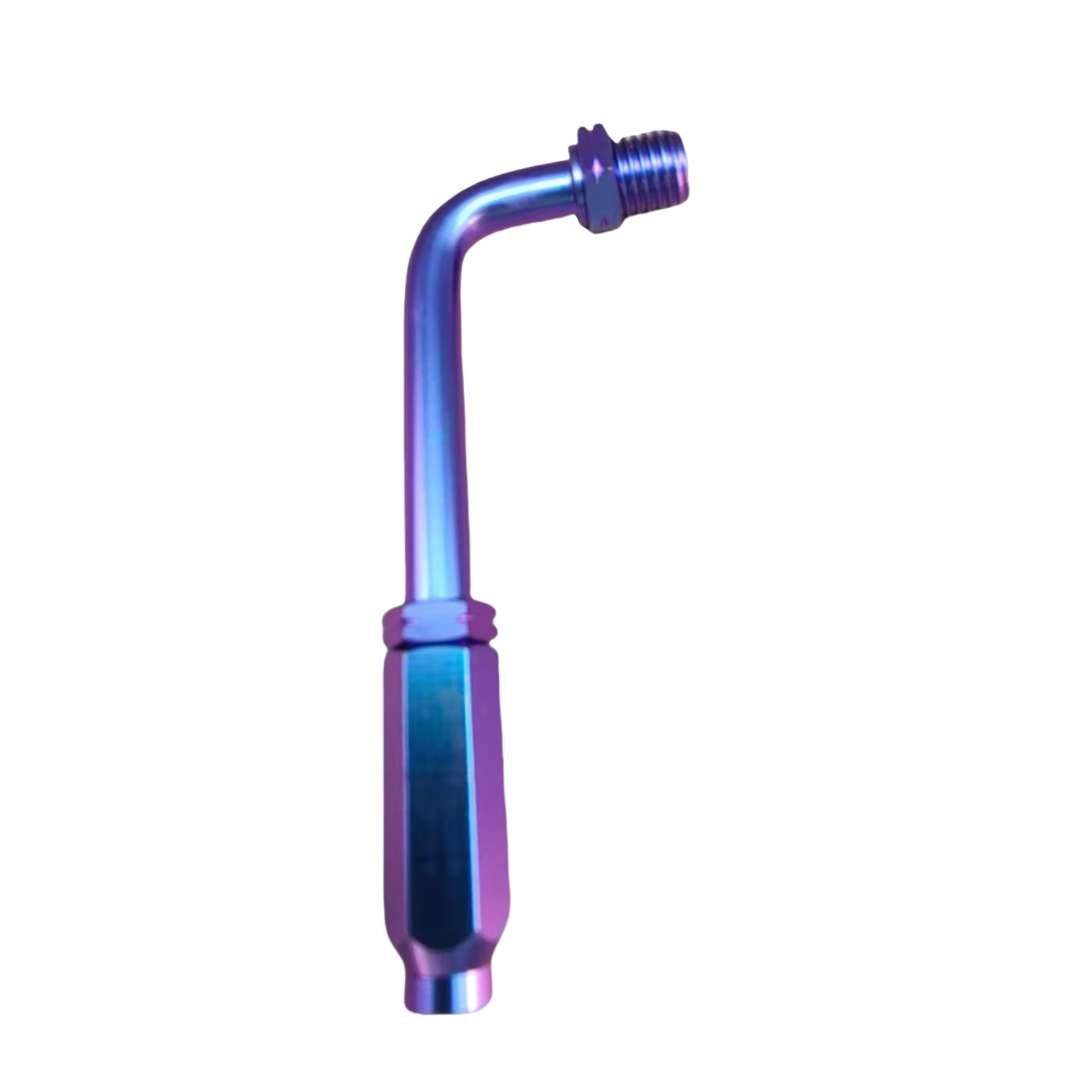
The coastal industrial landscape of the Korean East Sea corridor, anchored by the port city of Wonsan, imposes some of the most aggressive environmental degradation factors in northeast Asia. Industrial procurement officers, marine dock engineers, and commercial fabricators operating in Wonsan routinely confront rapid atmospheric chloride attack, continuous salt-fog immersion, severe thermal shifts between severe winters and humid oceanic summers, and violent vibration profiles on maritime vessels. Under these operational conditions, conventional zinc-plated carbon steel screws experience red rust within weeks, while standard AISI 304 and 316 austenitic stainless steel self-tapping screws are plagued by chloride-induced stress corrosion cracking (CSCC), pitting, and catastrophic crevice failure.
To solve this failure cycle, Chinese manufacturing hubs centered in Baoji—known globally as "China Titanium Valley"—have engineered specialized cold-headed and CNC-turned Grade 5 (Ti-6Al-4V) and Grade 2 commercial pure titanium self-tapping screws. The immediate economic and technical return for Wonsan enterprises lies in titanium's spontaneous formation of a continuous, chemically inert, ceramic-like titanium dioxide (TiO2) passivation barrier. Even in aerated sea spray or sub-surface splash zones characteristic of Wonsan Harbor and the Kalma peninsula coast, titanium self-tapping fasteners exhibit a corrosion rate virtually indistinguishable from zero (under 0.0001 mm/year).
Understanding the exact mechanical envelope of fasteners is essential for design engineers selecting tapping solutions for aluminum marine superstructures, high-density polyethylene (HDPE) pontoons, and carbon fiber automotive fairings. Below is an authoritative metallurgical comparison derived from empirical mill testing data:
| Alloy Grade | Material Standard | Density (g/cm³) | Min. Tensile Strength (MPa) | Yield Strength (0.2% MPa) | Seawater Pit Resistance (CCT) | Magnetic Permeability |
|---|---|---|---|---|---|---|
| Gr5 (Ti-6Al-4V) | ASTM B348 / F136 | 4.43 | ≥ 895 | ≥ 828 | Immune (> 80°C) | Non-magnetic (1.00005) |
| Gr2 Titanium (CP) | ASTM B348 | 4.51 | ≥ 345 | ≥ 275 | Immune (Ambient) | Non-magnetic (1.00005) |
| AISI 316L Stainless | ASTM A276 | 7.98 | ≥ 485 | ≥ 170 | Severe Pitting (> 25°C) | Slight (Cold worked) |
| Class 8.8 Alloy Steel | ISO 898-1 | 7.85 | ≥ 800 | ≥ 640 | Catastrophic Oxidation | Strong Ferromagnetic |
| Alloy 7075-T6 (Al) | ASTM B221 | 2.81 | ≥ 572 | ≥ 503 | Exfoliation Susceptible | Non-magnetic |
Self-tapping screws eliminate the overhead of secondary nut-threading and pre-tapping procedures in rapid manufacturing lines. When fastening into thin-walled sheet metals, marine fiber-reinforced plastics (FRP), or composite fairings, thread geometry dictates structural pull-out resistance. Our Baoji manufacturing lines utilize multi-axis roll-threading tooling to compress rather than cut the titanium crystalline grains along the screw flank, increasing fatigue limits by over 30% compared to ground threads.
Engineered adaptations delivering zero-maintenance lifecycles across port infrastructure, naval transport refit, recreational craft, and coastal architectural facades.
In ship repair facilities operating along Wonsan Bay, Grade 5 titanium self-tapping screws are extensively utilized for fastening interior aluminum-honeycomb partitions, console panels, radar instrument brackets, and navigational LED light fixtures directly into fiberglass and marine alloy frames, eliminating galvanic oxidation caused by trapped seawater.
The expansion of tourism and administrative zones along the Wonsan-Kalma coastal strip requires architectural fittings that withstand unrelenting sea wind, fog, and industrial emissions. Hex washer head titanium self-tapping fasteners secure exterior composite wall panels, marine HVAC compressor housings, and seaside solar mounting arrays without staining facades with orange rust drip.
Recreational utility motorcycles, ATVs, and jet-skis operating across coastal sandy trails face intensive abrasive grit and saltwater wash. Our lightweight, colorful PVD-coated and anodized M4/M5 Torx self-tapping bolts secure plastic body fairings, throttle assemblies, and exhaust heat guards without loosening under extreme resonant vibration.
For decades, regional procurement teams in North Korea's maritime belt prioritized baseline unit cost, sourcing low-grade carbon steel or generic A2 stainless screws. However, the operational reality of marine maintenance in Wonsan has catalyzed a structural paradigm shift toward Total Life-Cycle Costing (LCC). When a steel screw rusts or seizes within a high-speed craft's composite hull or an offshore crane's control cabinet, extraction requires invasive EDM burning, structural re-drilling, and costly downtime.
By adopting Grade 5 Ti-6Al-4V fasteners, industrial operators in Wonsan achieve:
Combining primary raw material proximity with precision CNC workshops to deliver fully verified industrial fastener volumes worldwide.
Founded in 2015 within the Shiling Road Industrial Park in Baoji, Shaanxi. Being sited alongside top titanium smelters guarantees direct access to premium, certified Ti-6Al-4V ingots with 100% heat number traceability.
Our 1,000–3,000 m² advanced workshop runs high-speed multi-axis CNC machines and automated cold-heading units capable of holding dimensional tolerances down to ±0.005 mm on critical thread pitches and head geometries.
3-day rapid prototyping on custom drawings, standard catalog parts dispatched within 24 hours from finished goods stock, and full containerized bulk production cycles fulfilled within 7 to 15 business days.
Backed by a 101–200 employee manufacturing and QA team, maintaining a 66% repeat buyer rate, average response times under 7 hours, and an aggregate customer satisfaction rating of 4.9 out of 5 stars.
Practical technical and logistical answers for corporate buyers, marine engineers, and distribution managers sourcing titanium fasteners.
For load-bearing, structural, or high-vibration applications (such as fairing brackets, vehicle frames, and marine hull assemblies), Grade 5 Ti-6Al-4V is standard due to its high tensile strength (≥ 895 MPa). Grade 2 Commercially Pure (CP) titanium is specified where maximum formability or non-critical cosmetic fastening under extreme chemical immersion is primary.
Titanium is nobler than aluminum. When driving titanium self-tapping screws into marine grade aluminum alloys (e.g., 5083 or 6061) in saltwater environments, we recommend applying an anti-seize paste (such as nickel-based compound or Tef-Gel), or opting for our PVD-coated/anodized fasteners to create a non-conductive barrier layer that arrests galvanic current.
Because Grade 5 titanium does not deform easily, pre-drilling the correct pilot hole is critical. For thermoplastic and fiberglass (FRP) panels, drill to the root diameter of the screw (approximately 80–85% of major thread diameter). For structural aluminum sheets, a pilot hole sized to 88–92% of the major diameter ensures smooth tapping torque without binding.
Anodized colors are produced by micro-layer refraction of light through a controlled titanium dioxide film—there is no paint or organic pigment to blister or peel. For high-wear contact surfaces, our physical vapor deposition (PVD) titanium nitride (TiN) or diamond-like carbon (DLC) coatings provide surface hardness exceeding 2000 HV, resisting salt fog and tool wear indefinitely.
For standard catalog items, MOQ starts at 100 to 200 dozens, with ready inventory available for 24-hour dispatch. For non-standard or custom drawing orders (such as special head diameters or custom threading pitches), prototype batches start at just 100 pieces with 3-day turnaround so Wonsan engineers can validate fit and torque performance.
Every production batch is accompanied by Mill Test Certificates (MTR) according to EN 10204 3.1 standards, certifying exact chemical composition (Ti, Al, V, Fe, C, N, H, O contents) and tensile/yield mechanical properties. Certificate of Origin (CO), packing lists, and commercial invoices are tailored for streamlined cross-border trade.
Partner directly with Baoji’s premier titanium fastener manufacturing plant. Whether you require standard DIN/ISO self-tapping screws or tailored CNC components to blueprint specifications, our engineers deliver within 7 hours.
