Precision CNC Titanium Components for European OEM Delivery
Manufactured from ultrasonic-tested Ti-6Al-4V Gr5 billets, featuring rolled threads to ISO/DIN tolerances and specialized surface passivation for mission-critical mechanical assemblies.
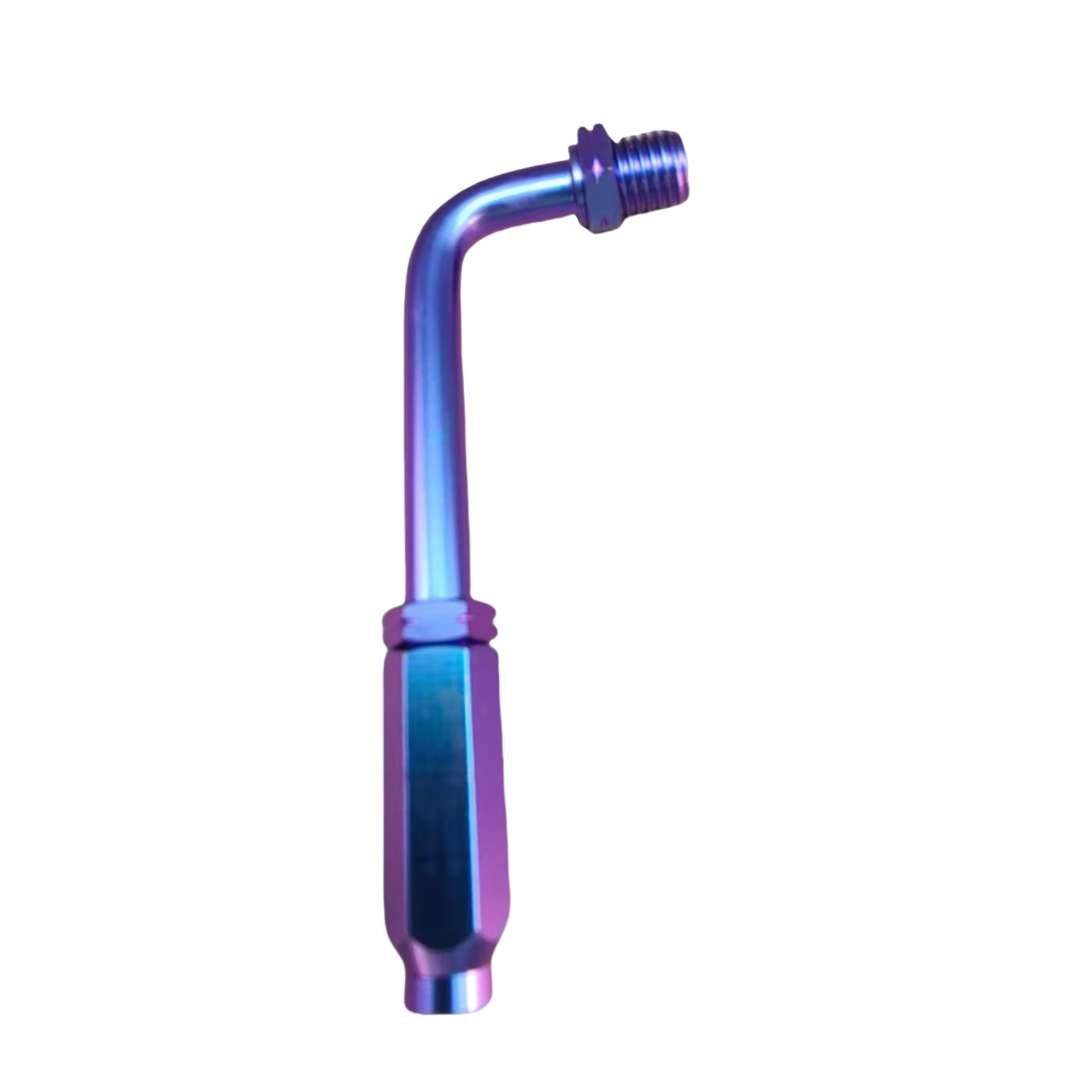
Custom CNC Gr5 Flat Head Titanium Throttle Cable Fittings
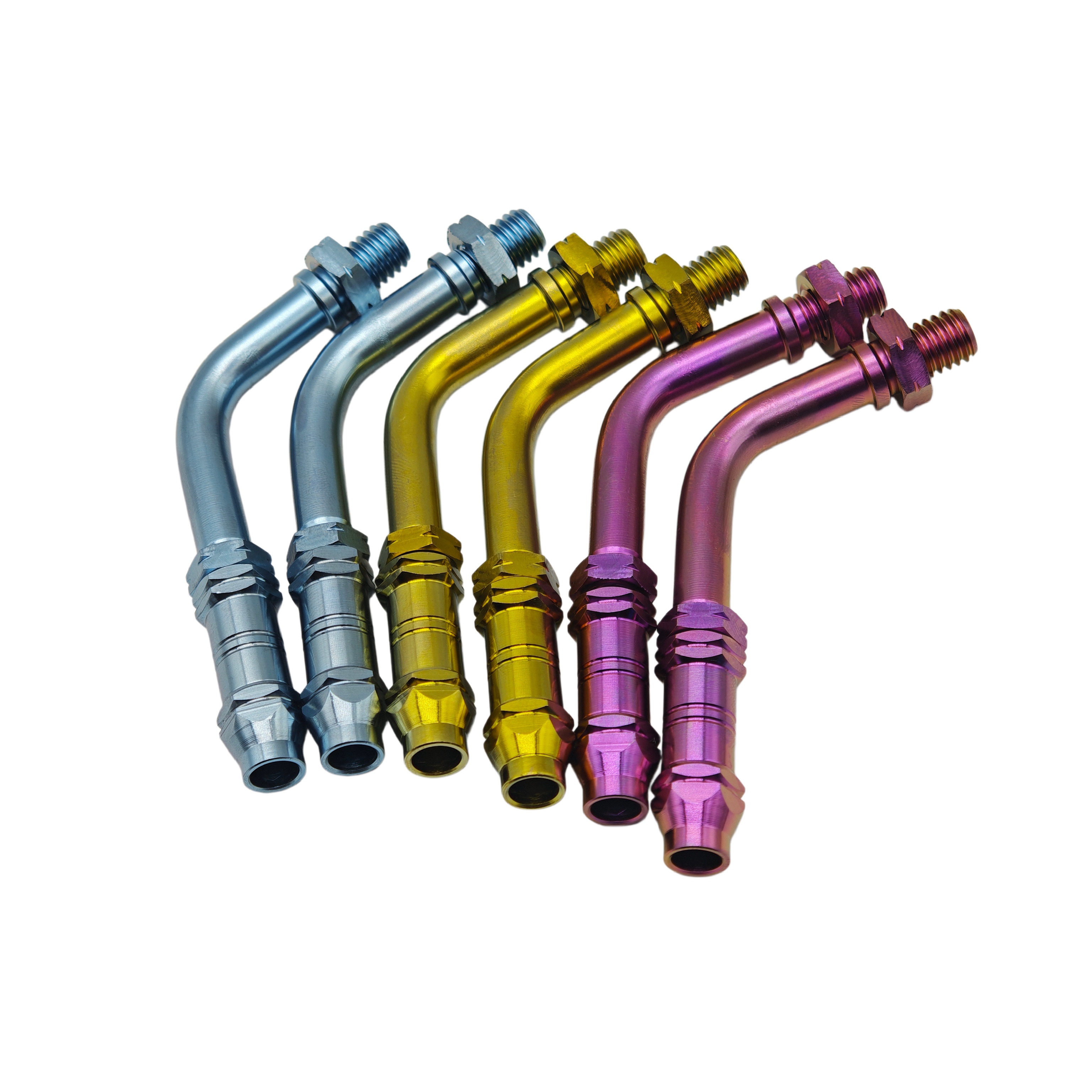
M10 CNC 90° Hex Flange Gr5 Titanium Cable Adjuster
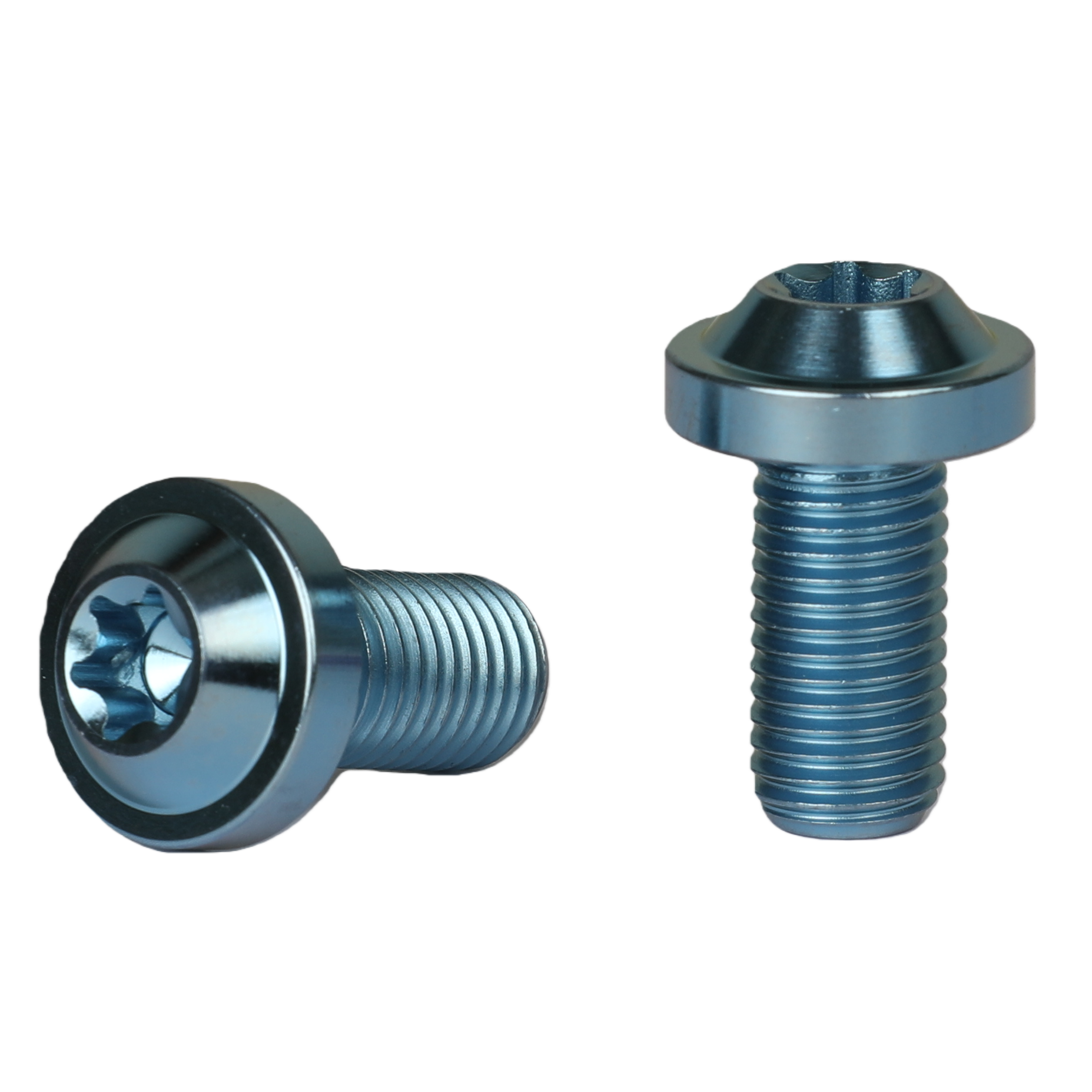
GRX Grade 5 Titanium Pan Head Brake Disc Screws
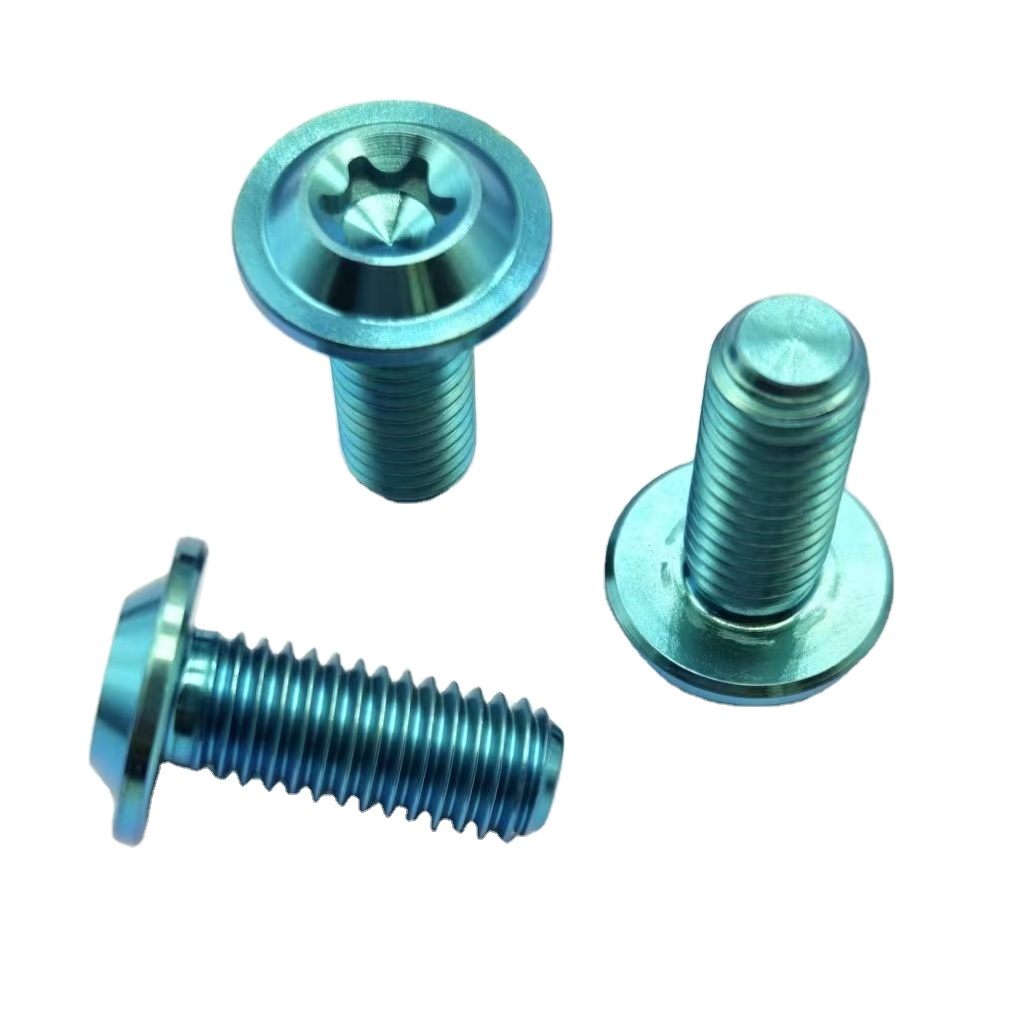
Customized M8 Gr5 Titanium Alloy Pan Head Bolts
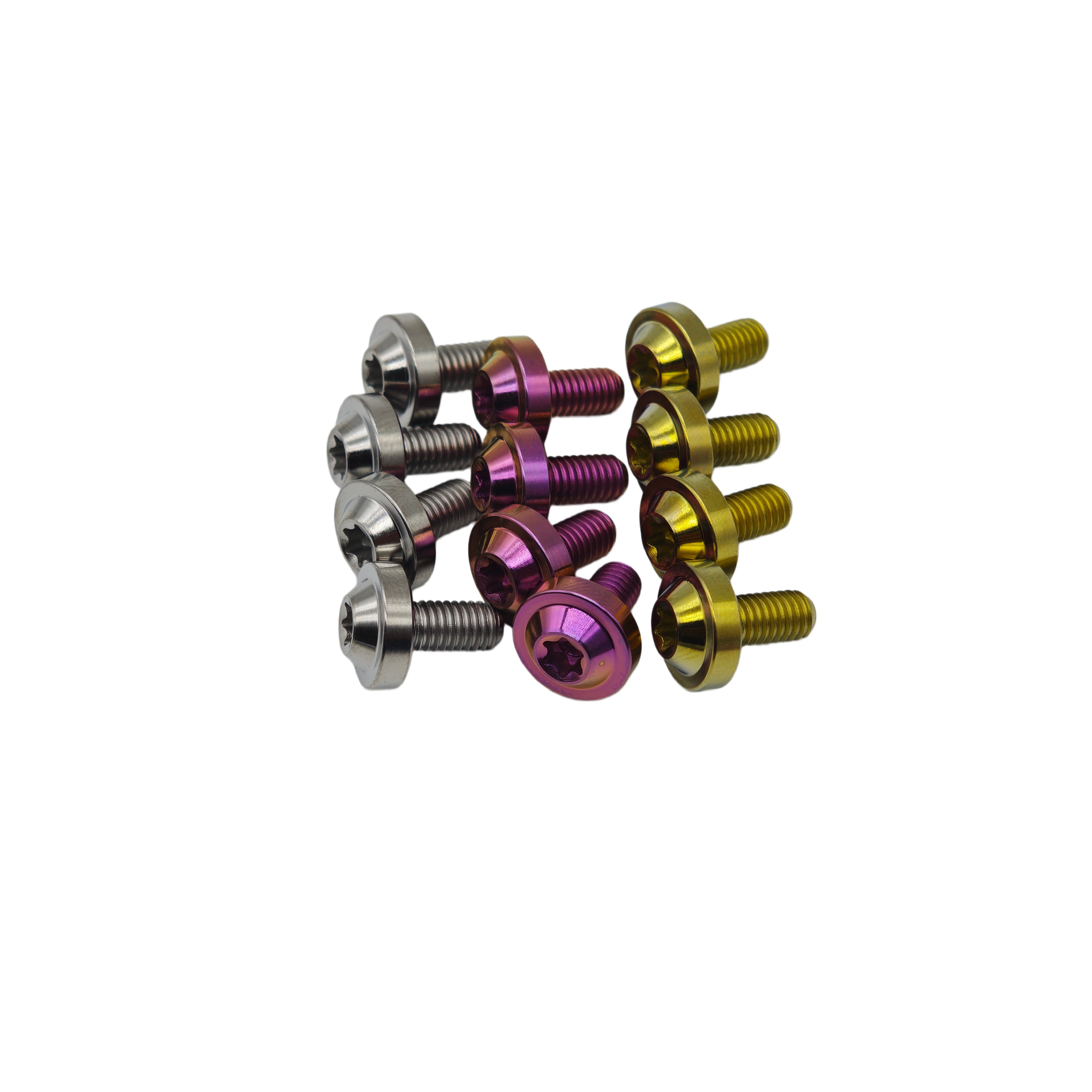
Custom Gr5 Titanium M8 Disc Head Plain Finish Bolts
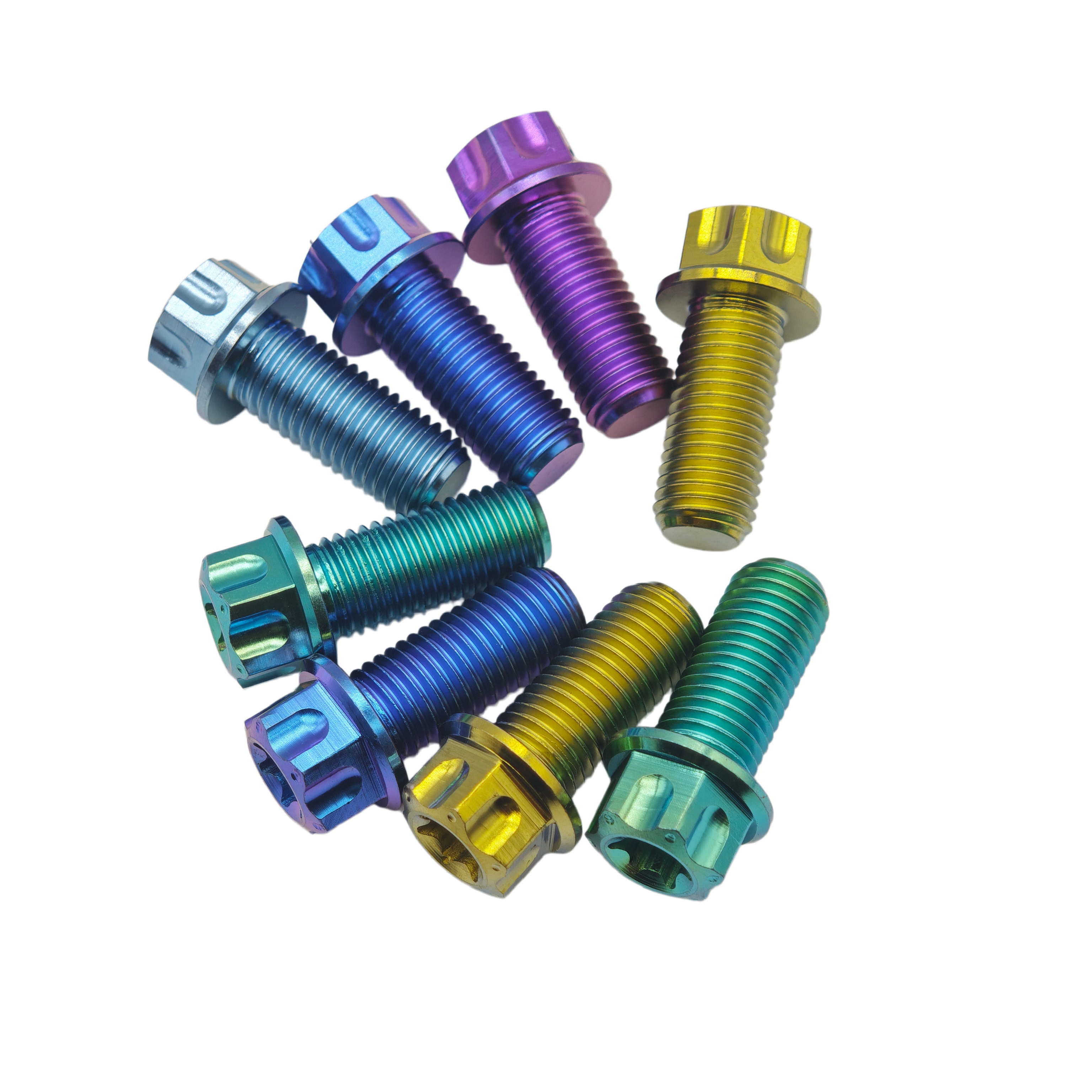
Anodized Gr5 Hex Flange Head Bolts M8/M10 UNF
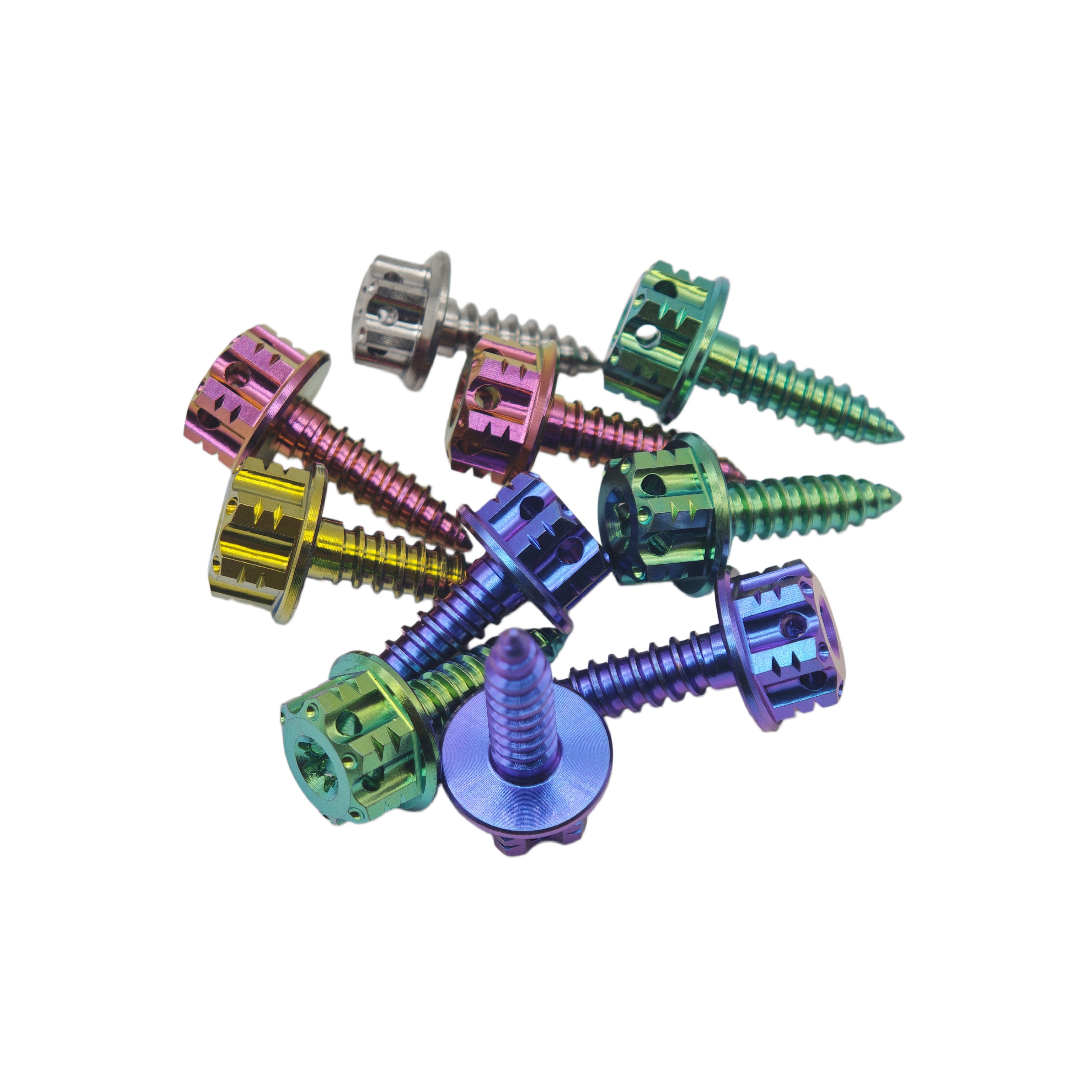
Metric M5*15 Gr5 Titanium Alloy Flange Screws
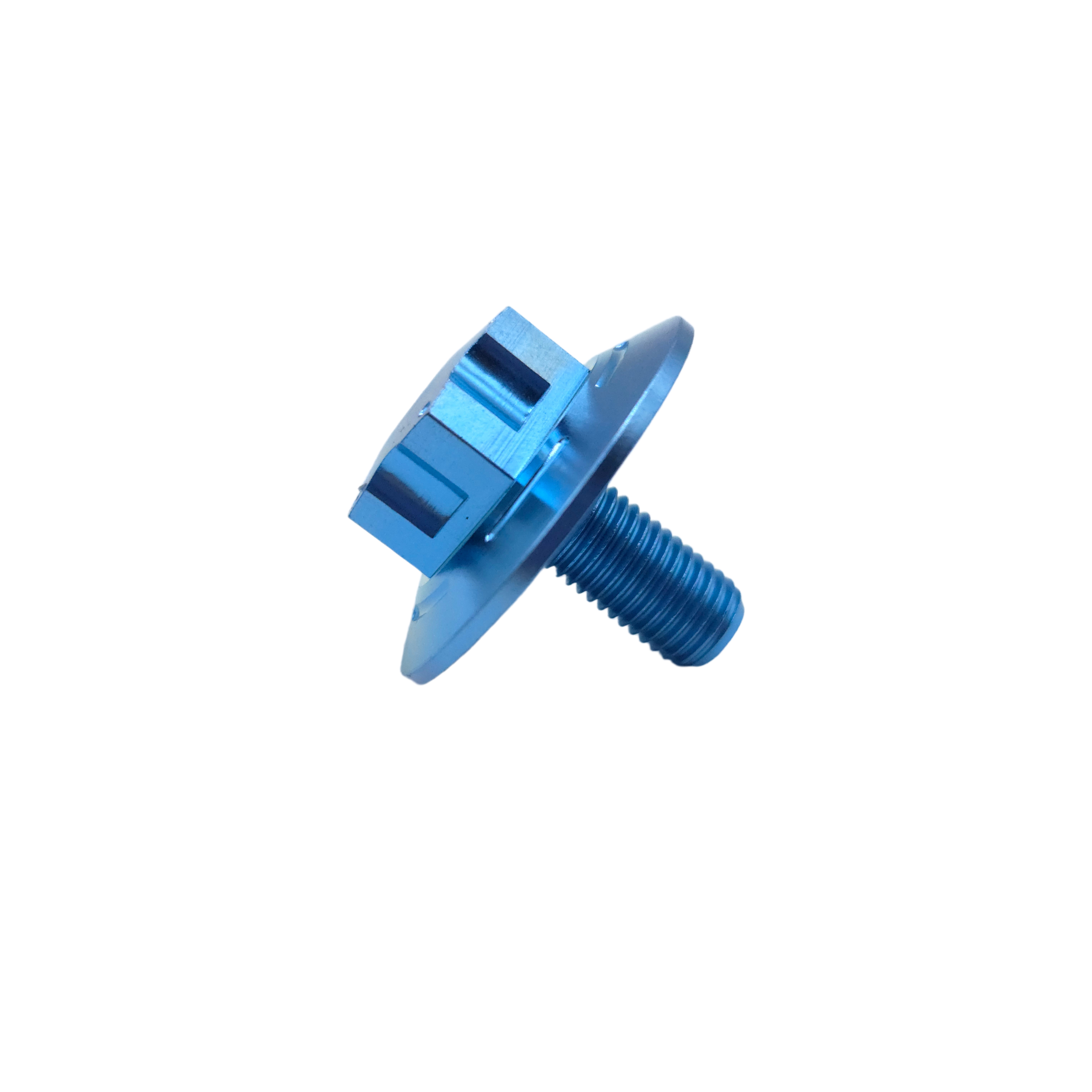
Gr5 Hex Flange Head Bolt M10X20 DIN Anodized Polish
1. Technical Specification Baseline: The Engineering Rationale for Grade 5 Titanium in Transylvania's Industry
In modern high-precision mechanical manufacturing, Cluj-Napoca has evolved into a premier epicenter of high-tech innovation within Central and Eastern Europe. Known for its demanding engineering standards across mechatronics, industrial robotics, precision medical systems, and motorsport prototyping, regional design engineers frequently face an engineering compromise when relying on conventional metals. Traditional A2-70 or A4-80 stainless steels offer corrosion protection but impose excessive gravitational mass. Conversely, high-tensile 12.9 alloy steels provide mechanical load capacity but fail in aggressive environmental conditions, suffering catastrophic corrosion and hydrogen embrittlement. High-strength aircraft aluminum (such as 7075-T6) reduces weight, yet lacks long-term fatigue strength and thermal endurance under cyclic shear.
As an onsite-verified titanium fastener and CNC components manufacturer located in Baoji, China—known globally as the core of "China's Titanium Valley"—we deliver engineered solutions directly to procurement teams and R&D facilities across Cluj County and the greater Transylvania region. Our operational foundation relies on raw material purity: certified Grade 5 Ti-6Al-4V (UNS R56400 / ASTM B348). Grade 5 titanium is an alpha-beta alloy characterized by a minimum tensile strength of 895 MPa, a yield strength exceeding 828 MPa, and a low volumetric density of approximately 4.43 g/cm³. By delivering roughly 44% to 45% weight savings compared to high-alloy steels with identical or superior tensile thresholds, our CNC titanium hardware eliminates unnecessary parasitic inertia in automated robotic arms, high-velocity reciprocating drivetrains, and dynamic assembly tooling.
2. Metallurgical Properties & Manufacturing Tolerances
Every batch exported to Cluj-Napoca conforms to stringent European metrology expectations. Using multi-axis CNC turn-mill centers and high-speed Swiss lathes, we achieve diametrical and concentricity tolerances down to ±0.005 mm. Critical thread profiles conform strictly to Class 6g metric pitch standards and Class 2A Unified Fine (UNF) standards. Through strict vacuum annealing and micro-finishing, our titanium components exhibit an exceptionally low thermal expansion coefficient of 8.6 × 10⁻⁶/K (20°C to 100°C), preventing dynamic thermal seizing in high-heat industrial actuators where standard metals expand and freeze during long continuous runtimes.
Localized Application Scenarios Across Cluj County's Ecosystem
From the automated assembly lines in Tetarom Industrial Parks to specialized university research laboratories, discover how our custom CNC titanium hardware directly addresses technical challenges across the local manufacturing landscape.
Tetarom Industrial Parks • Industrial Robotics
In high-speed robotic pick-and-place arms and automated mechatronic cells operating in Tetarom I, II, and III (Jucu), minimizing end-of-arm tooling (EOAT) weight is vital. Integrating our CNC Gr5 titanium flanged bolts and lightweight hollow shafts cuts inertial load, directly extending servo motor life, reducing vibrational backlash, and increasing cycle accelerations.
Motorsport & Automotive Powertrain Engineering
Transylvania's specialized automotive engineering centers and race car preparation teams (competing in regional hill-climb and circuit championships like Transylvania Motor Ring) rely on our titanium brake disc screws, M10 bleed valves, and wheel hub bolts. These parts withstand track brake temperatures above 600°C without thermal degradation or unsprung weight penalties.
UTCN Research Labs & MedTech Prototypes
In collaborative development with technical incubators associated with the Technical University of Cluj-Napoca (UTCN), our micro-turned Grade 5 and commercially pure Grade 2 titanium fittings serve in experimental fluid handling, analytical instrumentation, and biomedical prototype enclosures requiring complete biocompatibility and zero chemical leaching.
Mining Tooling & Heavy Geological Systems
Subterranean exploration, drilling equipment, and hydrological monitoring sensors deployed across Transylvanian mining projects utilize our Metric M5–M16 titanium alloy flange screws. The stable titanium dioxide (TiO₂) passivation layer prevents pitting corrosion even when submerged in acidic mine runoff and chloride-rich subterranean waters.
Strategic Industrial Shifts: Why Cluj-Napoca Is Upgrading to Advanced Titanium Solutions
The manufacturing landscape of Cluj-Napoca is undergoing a profound structural transition. Once primarily recognized as a software development and business service capital, the Cluj metropolitan area has transformed into a high-value manufacturing cluster within Romania. The expansion of the Cluj Innovation City initiative, coupled with continuous capital investments across Tetarom industrial parks, has prompted local enterprises to migrate away from low-margin contract assembly toward proprietary, precision-engineered hardware production. This evolution aligns directly with three structural trends:
1. Industry 4.0 Lightweighting and High-Cycle Automation: As Cluj factories adopt intelligent robotic manufacturing lines, machine design engineers are seeking higher throughput per watt. Heavy steel fasteners on high-speed kinetic axes create unnecessary rotational and linear inertia, driving higher actuator thermal loads. By substituting steel with CNC-machined Grade 5 titanium, mechanical engineers achieve lower energy consumption and faster cycle times without structural redesign.
2. Rapid Prototyping and Near-Zero Downtime Tooling: The local ecosystem thrives on agile product iterations. Our direct factory prototyping model—capable of turning CAD designs into high-tolerance titanium physical components in as few as 3 days—empowers Transylvanian automation builders to iterate mechanical concepts rapidly, bypassing multi-tiered local distributors that often impose lengthy European lead times.
3. Resilience Against Harsh Operational Chemistries: In automotive sensor enclosures, chemical processing valves, and localized environmental testing stations, standard coated fasteners inevitably suffer galvanic peeling and oxidative rust over seasonal cycles. Titanium’s spontaneous self-healing oxide film offers immunity to salt spray, humidity, and volatile chemical reagents, safeguarding critical telemetry equipment against costly field breakdowns.
Material Performance Matrix: Titanium Gr5 vs. Alternative Engineering Alloys
A data-driven engineering assessment comparing Ti-6Al-4V against traditional steels and structural aluminum alloys commonly specified by European mechanical engineering departments.
| Mechanical & Physical Property | Grade 5 Titanium (Ti-6Al-4V) | A2-70 Stainless Steel | Grade 12.9 Carbon Alloy Steel | Aircraft Aluminum (7075-T6) |
|---|---|---|---|---|
| Density (ρ) [g/cm³] | 4.43 | 7.93 | 7.85 | 2.81 |
| Tensile Strength (Ultimate, Rᵢ) [MPa] | ≥ 895 – 1050 | 700 | 1,220 | ~570 |
| Yield Strength (Offset 0.2%, Rᵺ₀.₂) [MPa] | ≥ 828 | 450 | 1,100 | ~503 |
| Specific Strength Ratio (Strength/Density) | 202 – 237 | 88 | 155 | 202 |
| Modulus of Elasticity (Young's E) [GPa] | 110 – 114 | 193 | 210 | 71.7 |
| Corrosion Resistance (Chlorides & Atmosphere) | Exceptional (Immune to Pitting) | Moderate to High | Extremely Poor (Requires Plating) | Moderate (Pitting Prone) |
| Continuous Operational Temperature Range | -250°C to +400°C | -196°C to +400°C | -40°C to +250°C | -50°C to +120°C |
Direct Factory Production From Baoji to Cluj-Napoca
Zunvo Titanium Products Co., Ltd. combines raw material access at the source with multi-axis precision machining and verified export logistics, providing seamless delivery to Romanian enterprises.
Mill-Certified Ti-6Al-4V
Operating in Baoji, China's Titanium Valley, allows us to procure certified sponge-melted Grade 5 ingots directly. Every export shipment to Cluj-Napoca includes EN 10204 Type 3.1 chemical composition and mechanical test certificates linked to exact melt heat numbers.
Precision CNC Tolerance
Our workshop houses high-precision turn-mill machines and multi-spindle automatic lathes. We consistently execute complex geometries, miniature cable adjusters, Torx sockets, and thread-rolled profiles that drop seamlessly into European production lines.
Fast Prototype Sampling
For custom engineering and bespoke component development, we transition from your CAD/STEP files to fully inspected physical titanium prototypes in as few as 3 business days, eliminating prototyping bottlenecks for Cluj R&D teams.
Verified Buyer Confidence
With an onsite-verified facility footprint of 1,000–3,000 m² and a dedicated team of skilled technicians, our strict zero-defect quality control guarantees consistent thread geometry and surface finishes lot after lot.
Frequently Asked Questions: Ordering Titanium Parts in Cluj-Napoca
Clear, direct answers regarding customs compliance, material authentication, shipping channels, and mechanical compatibility for industrial buyers in Romania.
How do we handle customs clearance and import duties into Cluj-Napoca, Romania?
All commercial exports to Romania strictly follow European Union customs frameworks. Most titanium fasteners and CNC components enter under TARIC code 8108.90 (Titanium and articles thereof). We furnish all necessary export documentation, including commercial invoices with full HS code descriptions, packing lists, certificates of origin, and EN 10204 3.1 material test reports. We offer flexible Incoterms including DAP directly to your Cluj facility, or DDP (Delivered Duty Paid) via express couriers where import customs clearance and VAT are managed upfront.
What logistics routes and delivery timeframes apply for Cluj County?
For urgent prototypes and small-to-medium manufacturing runs (up to 250 kg), we ship door-to-door via DHL Express, FedEx Priority, or UPS Air, arriving at your facility in Cluj-Napoca within 4 to 7 business days from dispatch (serviced via Cluj International Airport - CLJ or Timișoara/Bucharest hubs). For volume contract orders, consolidated air freight or sea freight to Constanșa Port with intermodal bonded rail/truck transport provides optimal cost-per-kilogram efficiency.
How do you prevent thread galling when installing titanium bolts into aluminum or steel?
Titanium alloys have a natural tendency toward galling under high contact pressures due to frictional friction. When mounting our Grade 5 titanium bolts into aluminum housings or steel brackets in your assembly lines, we recommend: 1) Utilizing anti-seize paste containing copper, molybdenum disulfide (MoS₂), or ceramic compounds; 2) Applying our specialized PVD (Physical Vapor Deposition) or hard-anodized surface coatings which create a low-friction barrier; 3) Adhering strictly to calibrated torque specifications, factoring in friction reduction.
Can you manufacture custom CNC titanium parts according to internal European CAD models?
Yes. We regularly produce non-standard parts directly from client engineering data. We accept CAD models in .STEP, .IGES, .DWG, and .DXF formats. Our engineering team conducts a thorough Design for Manufacturability (DFM) review within 24 hours, evaluating tool access, fillet radii, thread relief grooves, and tolerance budgets before prototype milling commences.
What are your Minimum Order Quantities (MOQ) for custom parts versus standard catalog bolts?
For standard catalog parts (such as DIN 912 socket screws, pan head brake disc bolts, or hex flange nuts), our MOQ starts at 100 to 200 pieces or dozens, allowing easy replenishment for maintenance or small-batch runs. For fully bespoke, drawing-based CNC components requiring custom tool setups, our prototype minimum is just 50 to 100 pieces, enabling thorough physical and fatigue validation prior to scaling up to mass production.
Will anodized titanium hardware withstand harsh winter road conditions in Cluj?
Unlike painted, powder-coated, or zinc-electroplated steel fasteners which degrade and chip when exposed to gravel impacts and calcium chloride de-icing salts used on Romanian roadways, titanium anodizing is an electrochemical process that thickens the intrinsic titanium oxide (TiO₂) layer. The resulting vivid colors derive from light wave interference rather than organic pigments, ensuring they will never flake, peel, or rust during harsh winter driving cycles.
Ready to Upgrade Your Mechanical Hardware with Certified Titanium?
Send our application engineering team your CAD files, technical drawings, or physical sample specifications. Receive a comprehensive DFM evaluation, fixed pricing in USD or EUR, and mill material verification within 7 business hours.
Contact Us