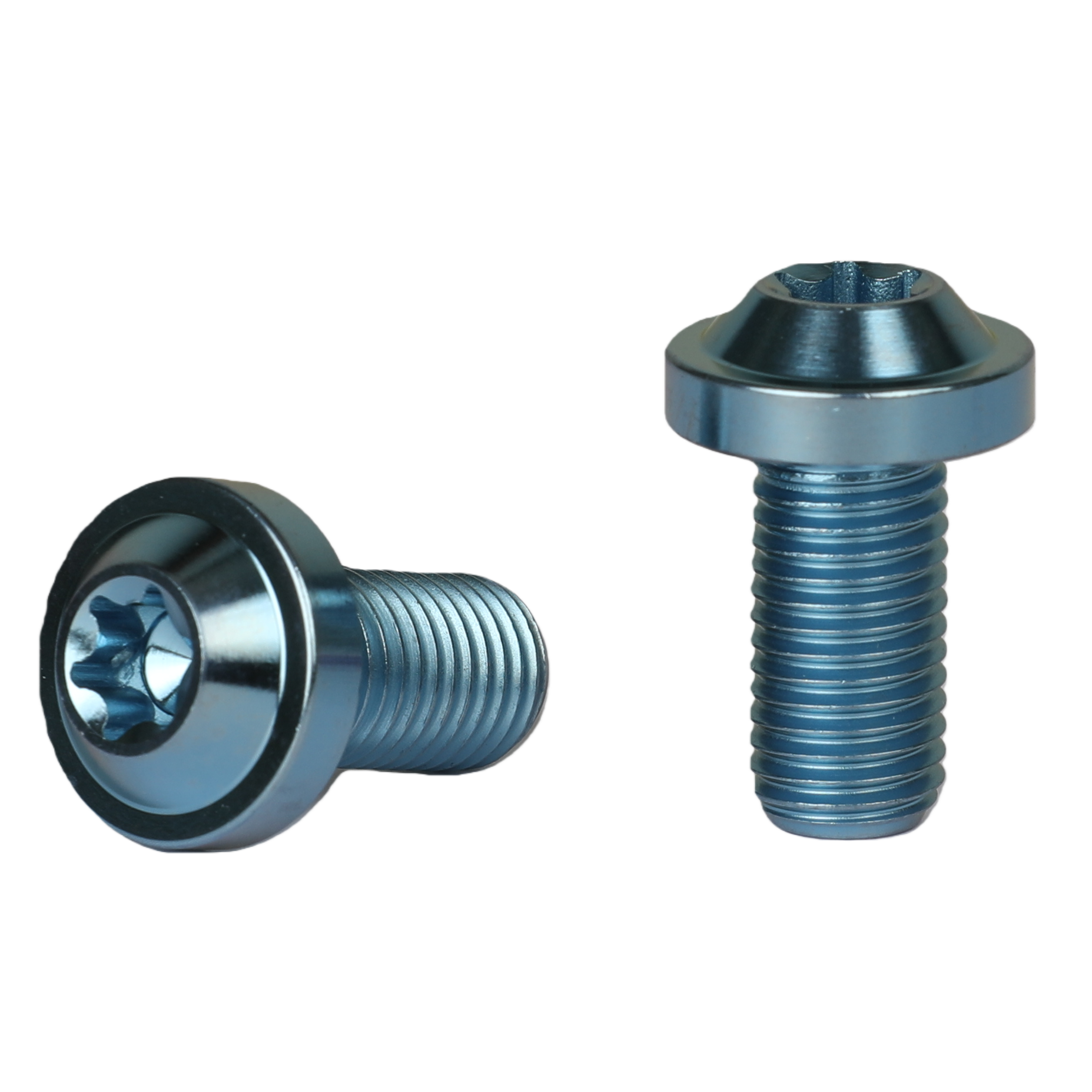
Stockholm Quick-Ship & Precision Spec Series
Engineered Titanium Components & Fasteners
Precision-lathed, thread-rolled, and multi-axis profiled from certified aerospace-grade titanium bar stock. Preserving structural integrity under harsh Baltic sub-zero conditions and high dynamic cyclic loads.
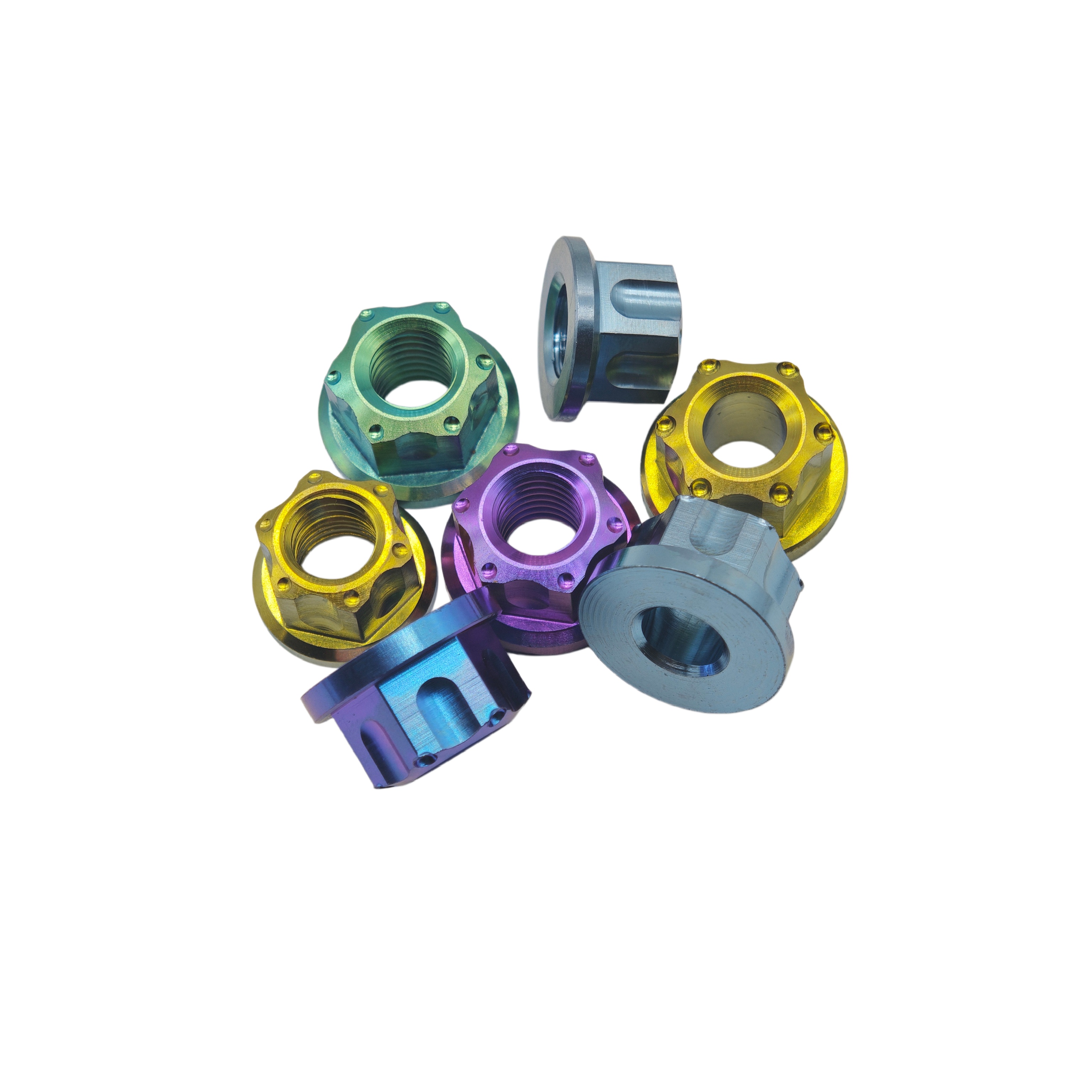
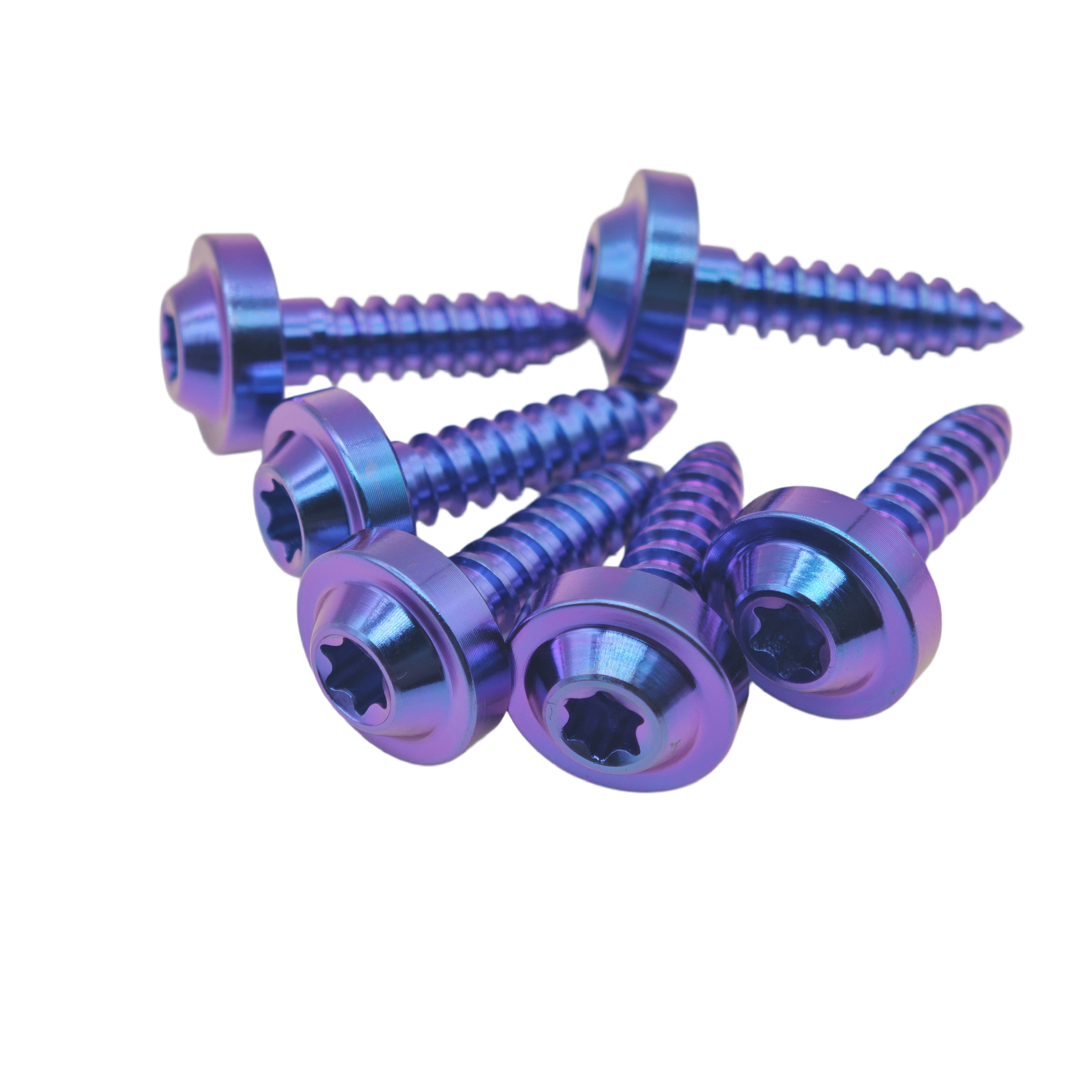
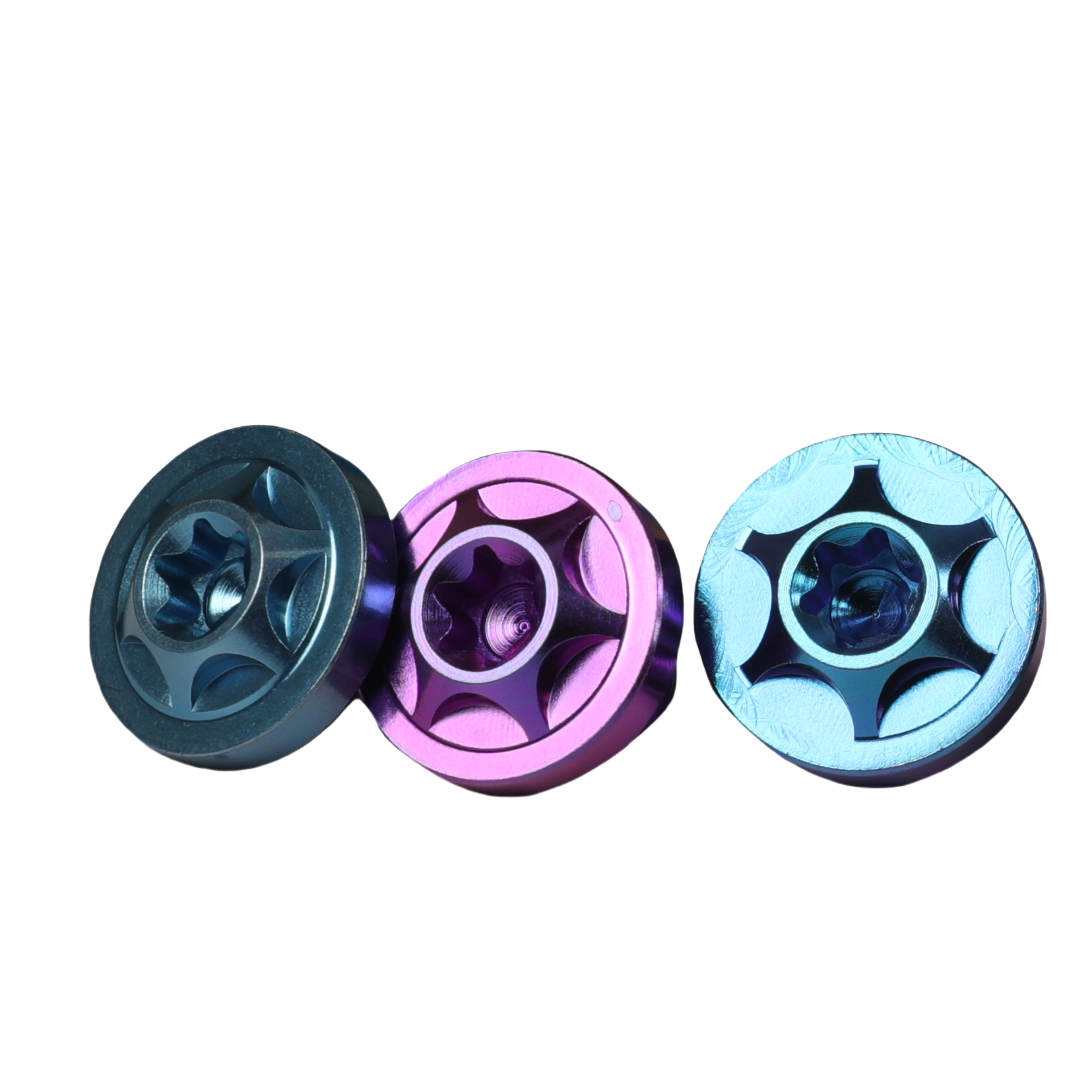
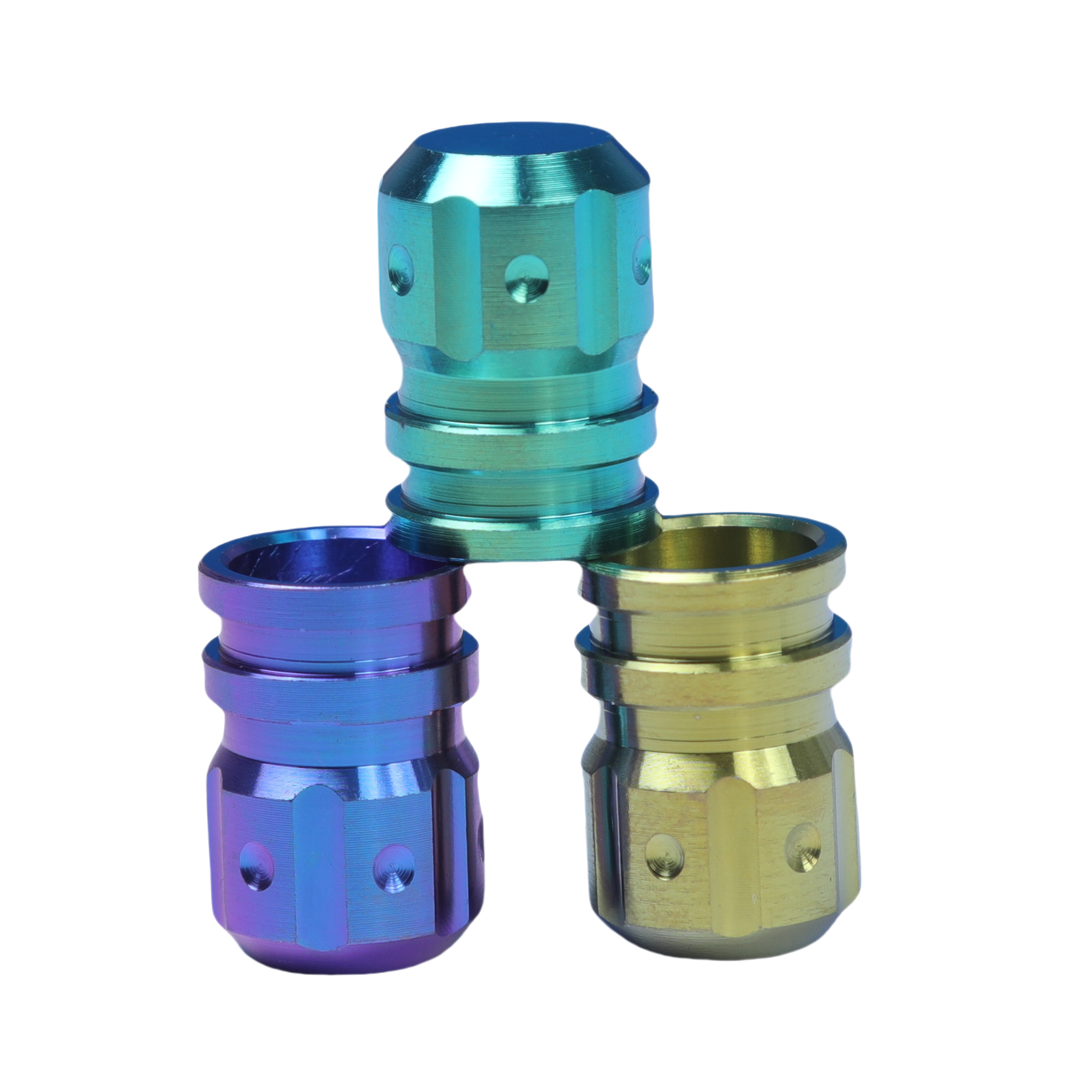
Stockholm & Nordic Industrial Ecosystem: Engineering Demand for Precision CNC Titanium
The Greater Stockholm metropolitan area, anchoring Sweden’s primary industrial innovation corridor alongside the Mälardalen basin, has transitioned rapidly toward zero-emission electrification, autonomous oceanic mapping, medtech robotics, and hyper-efficient aerospace defense architectures. From the high-tech R&D enclaves in Kista Science City to automotive powertrain hubs around Södertälje and maritime naval yards across the Stockholm Archipelago, mechanical design engineers face a converging set of technical demands: radical mass reduction without structural modulus compromise, permanent immunity to saline and brackish water chloride oxidation, and absolute cryogenic stability during Nordic winter operational cycles.
Precision CNC machined titanium parts serve as the vital linchpin in these challenging Scandinavian applications. When systems operate in conditions where conventional austenitic stainless steels (such as AISI 304 or even marine-grade 316L) succumb to micro-pitting or stress corrosion cracking (SCC), or where 7000-series hard-anodized aeronautical aluminum experiences fatigue notch degradation under cyclic thermal shocks (-40°C winter ambient to +180°C internal friction zones), Ti-6Al-4V Grade 5 (ISO 5832-3 / ASTM B348 / W.Nr. 3.7165) provides the definitive balance of strength, weight, and chemical resilience.
Procuring CNC titanium components within the Swedish supply matrix frequently encounters bottlenecks: extended domestic machine shop lead times exceeding 12 to 16 weeks, elevated Nordic hourly milling labor surcharges, and limited local stock of qualified exotic bar stock. By establishing a direct, mill-certified supply bridge between Baoji—the epicenter of global titanium synthesis—and Stockholm procurement directors, our engineering operations eradicate these friction points through rapid CAD/CAM turnaround, certified 3.1 chemical inspection batch tracking, and direct air logistics landing at Stockholm Arlanda (ARN) within days.
Metallurgical Superiority: Cold Thread-Rolling vs. Thread Turning
A critical engineering distinction implemented across our fastener and structural CNC parts line is the deployment of precision thread-rolling rather than single-point thread turning for all metric pitch threads (M2 up to M24). In safety-critical sectors, such as high-torque motorcycle brake rotors, EV subframe mounts, and subsea acoustic telemetry sensors deployed in the Baltic Sea, single-point lathe-cut threads introduce microscopic notch stress concentrations and sever the continuous austenitic-grain flow of the titanium alloy. This microstructural discontinuity elevates the risk of fatigue cleavage under dynamic sinusoidal vibration.
Our computer-controlled rolling process hydraulically cold-forms the flank contours between synchronized carbide dies. This induces severe compressive plastic strain along the thread root and pitch lines, work-hardening the root radius and imparting continuous grain orientation. Consequently, rolled Grade 5 titanium bolts yield up to 30% higher cyclic fatigue life compared to cut-thread equivalents, matching class 10.9 and 12.9 high-tensile steel ratings while dropping assembly tare weight by 44%.
Engineering Material Comparison: Titanium Gr5 vs. Conventional Alloys
When Swedish structural engineers calculate the power-to-weight balance for hyper-performance electric vehicles or subsea maritime housings, empirical tensile and corrosion metrics govern alloy selection. The table below outlines published engineering values comparing aerospace Grade 5 titanium against prevalent European engineering metals.
| Mechanical / Physical Property | Grade 5 Titanium (Ti-6Al-4V) | Marine Stainless (A4-80 / 316L) | High-Tensile Steel (Class 12.9) | Aero Aluminum (Al 7075-T6) |
|---|---|---|---|---|
| Density ($\rho$, g/cm³) | 4.43 | 8.00 | 7.85 | 2.81 |
| Ultimate Tensile Strength ($R_m$, MPa) | ≥ 895 – 1050 | 800 | 1220 | 570 |
| Yield Strength ($R_{p0.2}$, MPa) | ≥ 828 | 600 | 1100 | 505 |
| Specific Strength ($R_m / \rho$, kN·m/kg) | 202 – 237 | 100 | 155 | 202 |
| Modulus of Elasticity ($E$, GPa) | 114 | 193 | 210 | 71.7 |
| Baltic Sea Brackish Water Corrosion | Completely Immune (Pitting Resistance Equivalent > 40) | Susceptible to Crevice Pitting under Biofouling | Rapid Rusting / Catastrophic Oxidation | Galvanic Pitting / Exfoliation Corrosion |
| Sub-Zero Impact Notch Toughness (-40°C) | Retains Ductility / No Ductile-to-Brittle Transition | Acceptable (Retains Austenitic Toughness) | Severe Embrittlement Risk | Moderate Notch Degradation |
| Magnetic Permeability ($\mu_r$) | 1.00005 (Non-magnetic / RF Neutral) | 1.008 (Slightly Magnetic after Cold Work) | Ferromagnetic (> 100) | Non-magnetic |
*Data compiled from verified ASTM B348, ISO 3506-1, and DIN EN ISO 898-1 specifications. Titanium components demonstrate an unparalleled specific strength-to-weight index combined with total biological and chloride passivity.
Targeted Application Environments in the Greater Stockholm Region
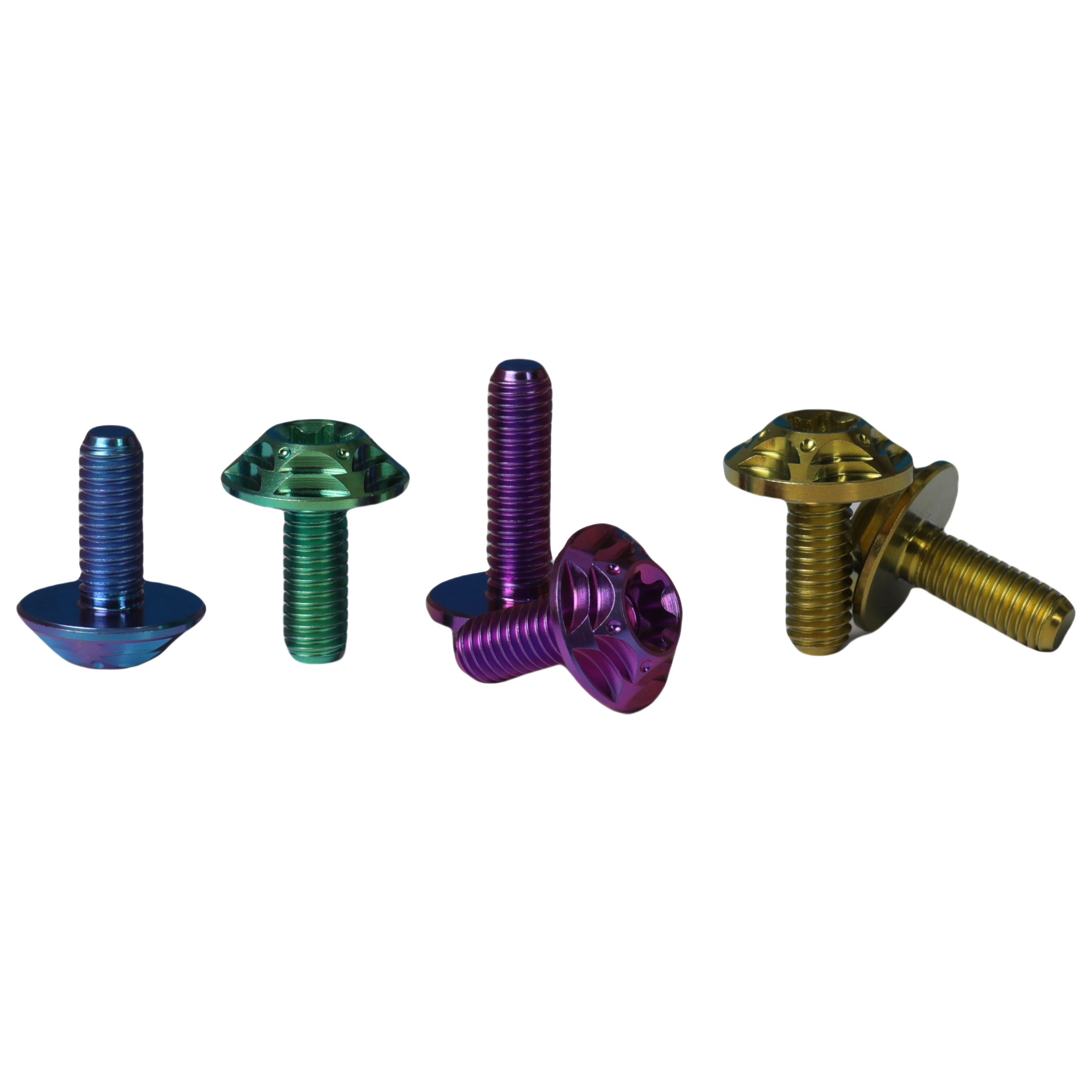
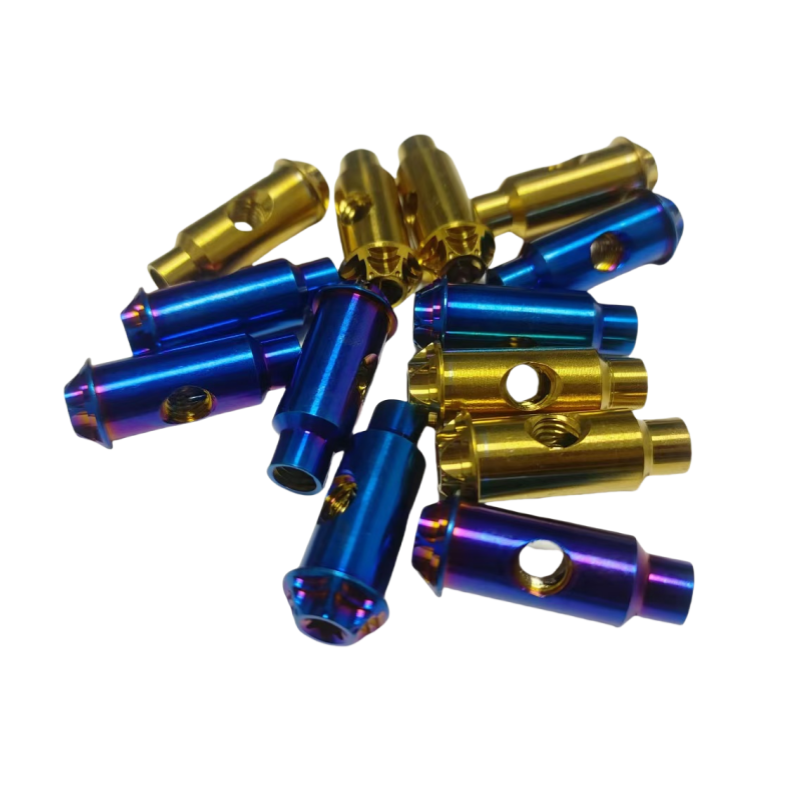
Precision CNC parts machined from Grade 5 and Grade 2 titanium bridge fundamental operational gaps across specialized Scandinavian industrial sectors. We supply tailored geometric profiles, micro-turned pins, and structural hex-flange assemblies explicitly tuned for these environments:
Baltic Maritime & Autonomous Drones
Autonomous surface vessels and bathymetric sonar pods navigating the Stockholm archipelago require zero corrosion under thin-film brackish conditions. Our CNC titanium transducer mounts and cross-dowel nuts remain impervious without toxic sacrificial coatings.
Hypercar & EV Powertrain Dynamics
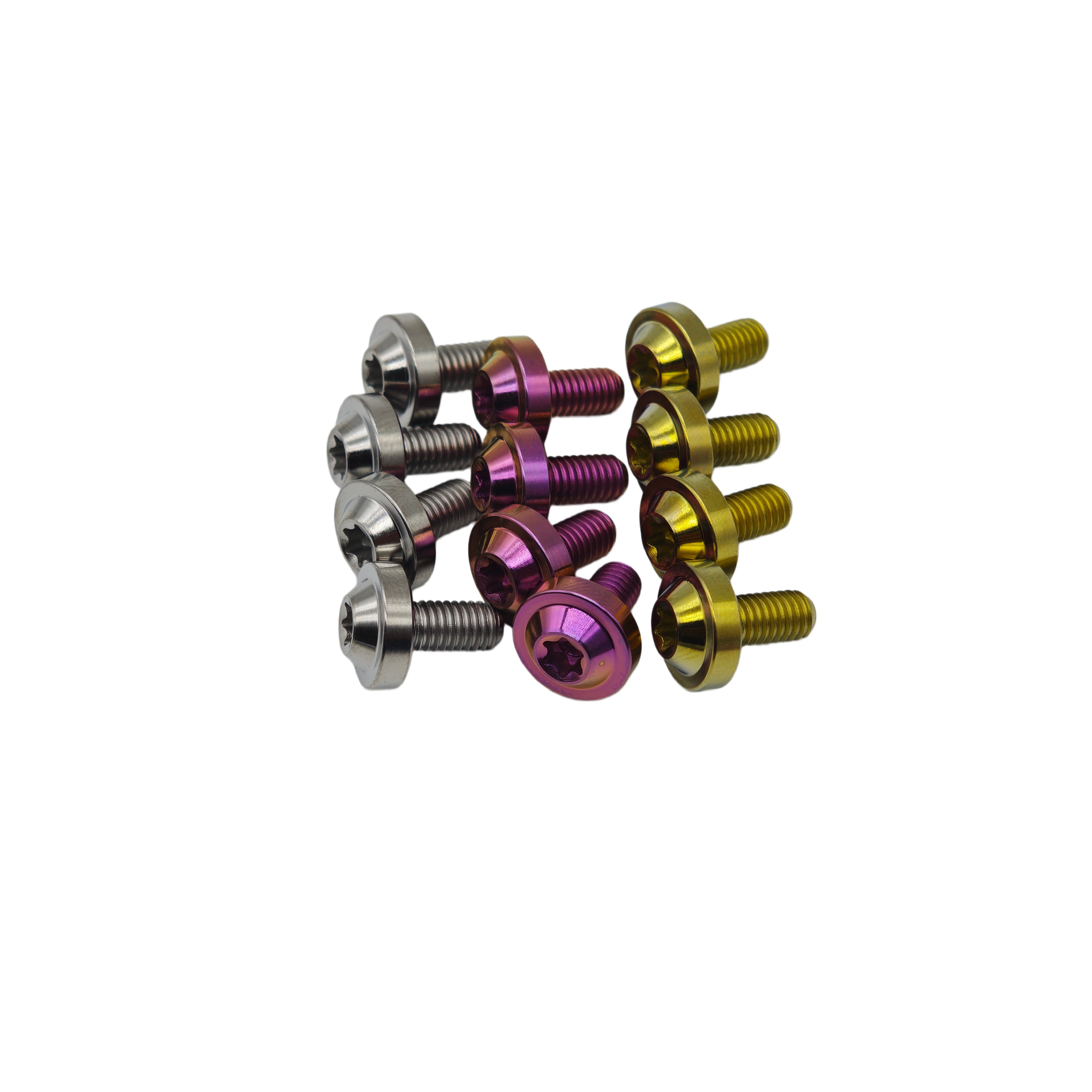
Sweden’s high-performance automotive developers require unsprung rotational weight reduction. Our M8/M10 Torx-drive disc brake rotor bolts and custom wheel hub spline nuts reduce unsprung gyro-inertia by 44%, elevating track cornering dynamics.
MedTech & Hagastaden Life Science
Stockholm’s medical device ecosystem centers on robotic prosthetics and surgical automation. Biocompatible Grade 5 ELI (ASTM F136) parts machined with surface finishes below Ra 0.2 µm resist aggressive autoclave sterilization cycles without degradation.
Aerospace & Satellite Arrays
Telecommunication payloads and aerospace testing out of regional defense facilities rely on non-magnetic, low thermal expansion ($\alpha = 8.6 \times 10^{-6}/\text{K}$) titanium brackets, fasteners, and precision CNC standoffs preventing signal distortion.
Stockholm Procurement Trends: The Push for ESG, CBAM & Lean Supply Chains
Procurement methodologies within Swedish Tier-1 and Tier-2 engineering contractors have changed drastically under the influence of EU regulatory frameworks and strict corporate sustainability doctrines. Buyers across Stockholm, Solna, and Uppsala no longer evaluate vendors solely on ex-works part prices; lifecycle ESG compliance, chemical substance tracking, and localized delivery agility now carry equal weighting during vendor validation.
1. Carbon Border Adjustment Mechanism (CBAM) Preparedness
As the European Union phases in CBAM obligations, Swedish manufacturers must quantify the embedded carbon footprint of imported intermediate metal components. By utilizing state-of-the-art multi-axis CNC turn-mill stations powered by renewable hydroelectric energy sources, our facility actively optimizes raw material utilization rates. Titanium swarf and turnings are segregated into hermetic vacuum reclamation streams, maintaining circular material economies and furnishing verifiable scrap recycling ledgers that simplify EU import declarations at Swedish customs ports.
2. Elimination of Hydrogen Embrittlement and Toxic Plating
Conventional high-strength fasteners in the class 10.9 and 12.9 categories require electroplated zinc-nickel or cadmium surfaces to withstand Scandinavian road salt (sodium chloride and calcium chloride applied abundantly during Stockholm winters). This chemical electroplating process inevitably presents the hazard of hydrogen embrittlement, often resulting in sudden, catastrophic bolt fractures under continuous static preload. Our Grade 5 titanium components inherently generate a self-healing, chemically inert titanium dioxide ($\text{TiO}_2$) passivation film upon oxygen exposure, delivering lifetime atmospheric protection without hazardous heavy-metal surface coatings, fully complying with Swedish Miljöbalken environmental ordinances.
3. Physical Vapor Deposition (PVD) & Anodizing Formulations
For high-wear mechanisms and anti-galling demands, our localized Stockholm deliveries feature advanced surface conditioning. Voltage-regulated titanium anodizing yields vibrant, light-interference color codes (burnt blue, gold, violet) without synthetic pigments. In high-friction interfaces, such as motorcycle brake discs or marine subframe hardware, we deposit ultra-dense Diamond-Like Carbon (DLC) or Titanium Nitride (TiN) PVD coatings, raising surface hardness up to 2500–3000 HV and preventing thread galling during rapid pneumatic assembly.
Why Nordic Engineers Choose Us
Manufacturing Infrastructure & Technical Capabilities
Backed by more than ten years of specialized titanium machining from Baoji, China's "Titanium Valley," we deliver an uninterrupted bridge between certified raw titanium bar extraction and turnkey CNC export.
100% Heat-Number Material Traceability
Every single titanium billet originates from certified vacuum arc remelted (VAR) ingots. We issue original EN 10204 Type 3.1 Inspection Certificates with every shipment to Stockholm, validating exact spectral chemistry (Fe, C, N, H, O content) and physical tensile values.
Sub-Micron 5-Axis CNC Precision
Our workshop houses multi-spindle Citizen Swiss lathes and DMG MORI 5-axis simultaneous machining centers capable of maintaining structural tolerances down to ±0.005 mm. Complex 3D geometries, internal cooling galleries, and lightweight pocketing are produced in single operations.
Rapid Air Hub Delivery to Stockholm
Prototyping orders ship in as little as 3 days, with series production batches dispatched via direct express air transit arriving at Stockholm-Arlanda (ARN) customs clearance within 3 to 5 business days, backed by pre-cleared TARIC codes and DDP options.
Engineering Guidance
Frequently Asked Technical Questions by Stockholm Buyers
Practical mechanical, logistics, and metallurgic answers formulated by our senior application engineering team.
How do you prevent thread galling (skärning) when assembling titanium fasteners into aluminum or titanium castings?
Thread galling is a well-documented adhesive friction challenge in reactive metals that form rapid passive oxide films under shear pressure. When Swedish technicians torque titanium bolts directly into Grade 5 housings or high-strength 6061-T6/7075-T6 aluminum engine housings, micro-welding of high spots can occur. To eliminate this risk, we implement three proactive engineering solutions:
- Thread Surface Micro-Finish: Maintaining rolled thread flank roughness below Ra 0.4 µm to minimize mechanical interlocking.
- Anti-Galling Surface Coatings: Depositing specialized thin-film Physical Vapor Deposition (PVD) Diamond-Like Carbon (DLC) or molybdenum disulfide ($MoS_2$) solid dry-lubricant films.
- Assembly Lubrication Protocol: Recommending copper-free synthetic anti-seize paste (such as nickel-based or ceramic micro-particle paste) torqued to calculated K-factor coefficients ($K \approx 0.11 - 0.13$).
Can Grade 5 titanium bolts directly substitute class 10.9 or 12.9 OEM steel bolts on race vehicle calipers and disc brakes?
Yes, conditionally based on a verified torque-tension audit. Grade 5 Ti-6Al-4V delivers a nominal tensile strength of 950–1050 MPa with a yield point above 880 MPa, placing it squarely in the performance band of ISO 898-1 Class 10.9 steel (which requires 1040 MPa tensile). Because titanium exhibits roughly half the elastic modulus of steel (114 GPa vs. 210 GPa), a titanium bolt stretches twice as much as a steel bolt under equivalent tension. This increased elongation provides superior resistance against vibrational loosening under cyclical thermal expansions encountered during heavy braking at track events like Mantorp Park or Gotland Ring. However, tightened torque targets must be recalculated using calibrated torque wrenches to account for the revised thread friction coefficient.
What documentation accompanies titanium shipments entering Sweden through Arlanda Airport customs?
We provide complete commercial and technical customs dossiers to guarantee smooth clearance with Tullverket (Swedish Customs). Every shipment packet contains:
- EN 10204 Type 3.1 Inspection Certificate: Documenting melt ingot heat numbers, complete chemical spectrometry (including strict limits on interstitial elements H, O, N, C, Fe), and destructive mechanical tensile and elongation test results.
- Dimensional Inspection Protocol (FAIR): Full First Article Inspection Reports executed using calibrated Hexagon 3-axis CMM and optical profile projectors.
- Commercial Invoice with Harmonized Tariff Codes (HS Code): Correctly classifying goods under 8108.90 (other titanium articles) or 7318-related fasteners to establish duty assessments and VAT compliance.
- EU RoHS & REACH Compliance Declarations: Verifying complete freedom from hazardous SVHC substances.
How does Baltic Sea brackish salinity affect CNC machined titanium parts compared to stainless steels?
The Baltic Sea surrounding the Stockholm archipelago features a unique brackish aquatic environment with variable salinity (0.3% to 0.8% salt concentration) coupled with severe localized organic biofouling. Austenitic stainless steels like AISI 304 and even molybdenum-bearing 316L (A4) suffer from stagnant crevice corrosion underneath biological deposits and fastener washer interfaces, where low-oxygen micro-environments degrade the passive chromium-oxide layer. Titanium, conversely, forms an instantaneous, thermodynamically stable rutile and anatase titanium dioxide ($\text{TiO}_2$) barrier film that exhibits zero measurable corrosion rate in Baltic water up to temperatures exceeding 250°C.
What CNC tolerances and thread standards can your manufacturing lines achieve for custom drawings?
Our standard CNC turning and milling operations routinely hold geometric tolerances to ISO 2768-m (medium) or fine tolerances down to ±0.005 mm (5 microns) on critical diameters, ground bearing seats, and locator pin journals. Threading systems conform strictly to standard European metric specifications (ISO 965-1 Class 6g for external male threads and Class 6H for internal female threads), as well as unified imperial thread pitches (UNF, UNC) and specialized racing taper threads. Thread runout and pitch diameters are monitored on-line using calibrated Mitutoyo go/no-go plug gauges and optical shadowgraphs.
What is the minimum order quantity (MOQ) for non-standard titanium parts designed to custom CAD prints?
For standard catalog fasteners (such as M6x20 pan head or M8 flange nuts), stock items ship from minimum packaging units of 100 to 200 pieces. For custom CNC turned/milled components requiring specialized CAD/CAM program development, custom live-tooling chuck setups, or bespoke raw bar diameters, our prototyping tier initiates at 50 to 100 units. This enables Swedish engineering teams to validate assembly fits, balance kinematics, and run field tests prior to scheduling batch releases of 1,000 to 50,000 components.
How durable are anodized titanium color finishes when exposed to Nordic road salt and mechanical pressure?
Unlike anodized aluminum, which relies on organic dye absorption into an open porous oxide layer that can leach or fade under harsh UV and salt exposure, titanium anodization is an electrochemical interference phenomenon. An electric potential grows a completely dense, transparent oxide dielectric layer ($\text{TiO}_2$). The observed color (such as burnt gold, cyan, or royal purple) is produced purely by light interference reflecting from the metal boundary. This layer cannot flake, peel, or blister under Swedish de-icing chemical exposure. However, direct metal-on-metal impact from hex keys or pneumatic sockets can abrade the micron-thin oxide layer. For extreme mechanical abrasion environments, we recommend our specialized high-hardness PVD coatings (black DLC or titanium carbonitride).
What are the standard transit lead times from production completion to delivery at Stockholm facilities?
Once quality control passes and final packaging seals are completed, express door-to-door air freight (via DHL Express, FedEx Priority, or UPS Worldwide) takes approximately 3 to 5 business days to reach Stockholm-area industrial estates (including Kista, Södertälje, Järfälla, and Nacka). For high-volume scheduled production supply contracts (palletized freight exceeding 500 kg), sea-air multimodal logistics or consolidated ocean freight via the Port of Gothenburg / Port of Stockholm can be arranged with 28 to 35-day transit periods, optimizing unit freight overhead.
Connect Directly with Our Titanium Engineering Specialists
Send your 2D engineering drawings (PDF/DWG) or 3D STEP/IGES models. Our engineering office provides full DFM (Design for Manufacturability) feasibility reviews, stress evaluation, and fixed-price ex-works or DDP Stockholm quotations within 7 hours.
