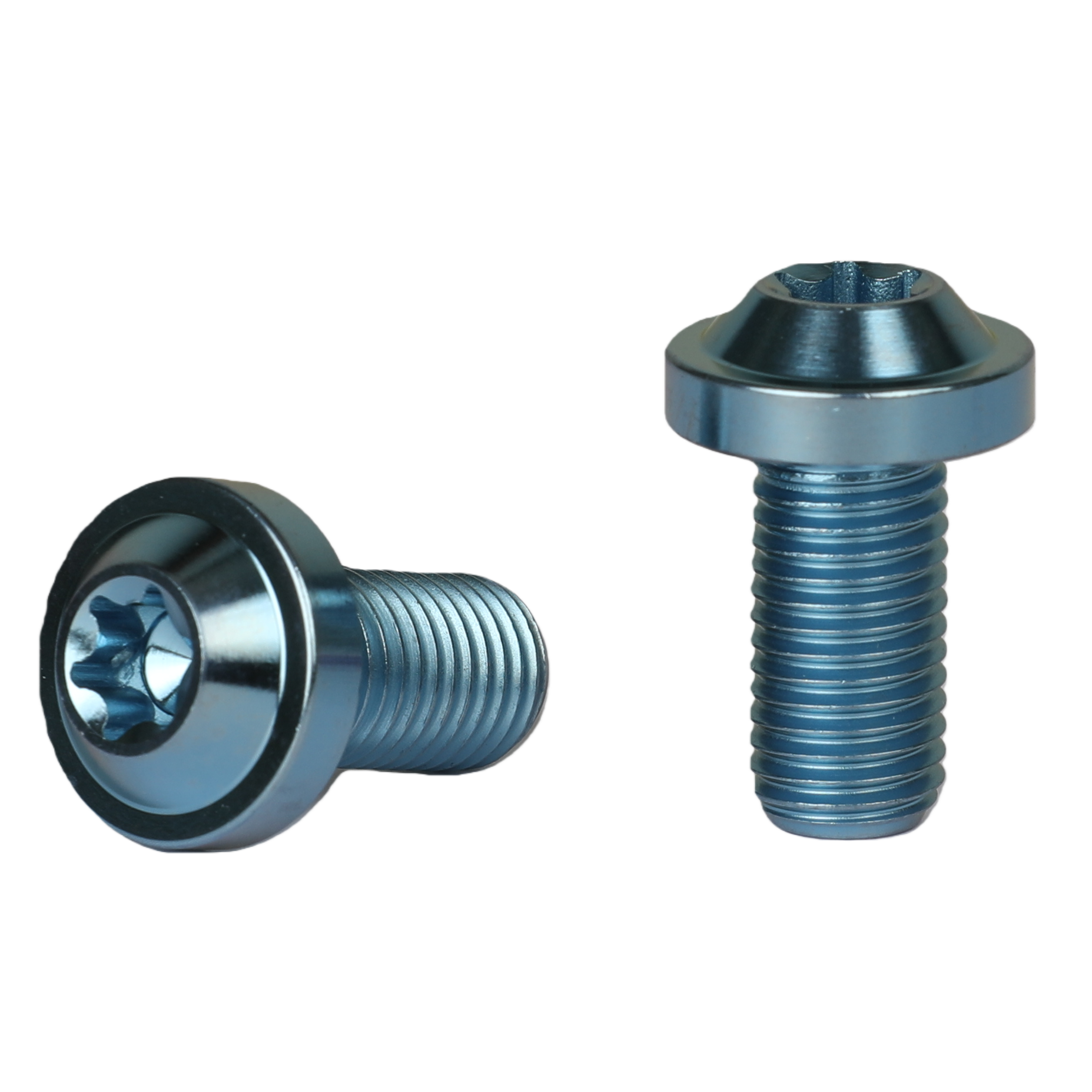
GRX Grade 5 Titanium Pan Head Brake Disc Screws for Race Motorcycle M6/M8/M10 DIN Thread
Ti-6Al-4V
M6 / M8 / M10
Shear-Resistant
Engineered from aerospace-certified Ti-6Al-4V (Grade 5) bar stock in China's Titanium Valley (Baoji), our fasteners deliver unmatched strength-to-weight efficiency, complete pitting corrosion immunity, and tight DIN/ISO tolerances for marine, hyper-bike, and industrial racing assemblies.
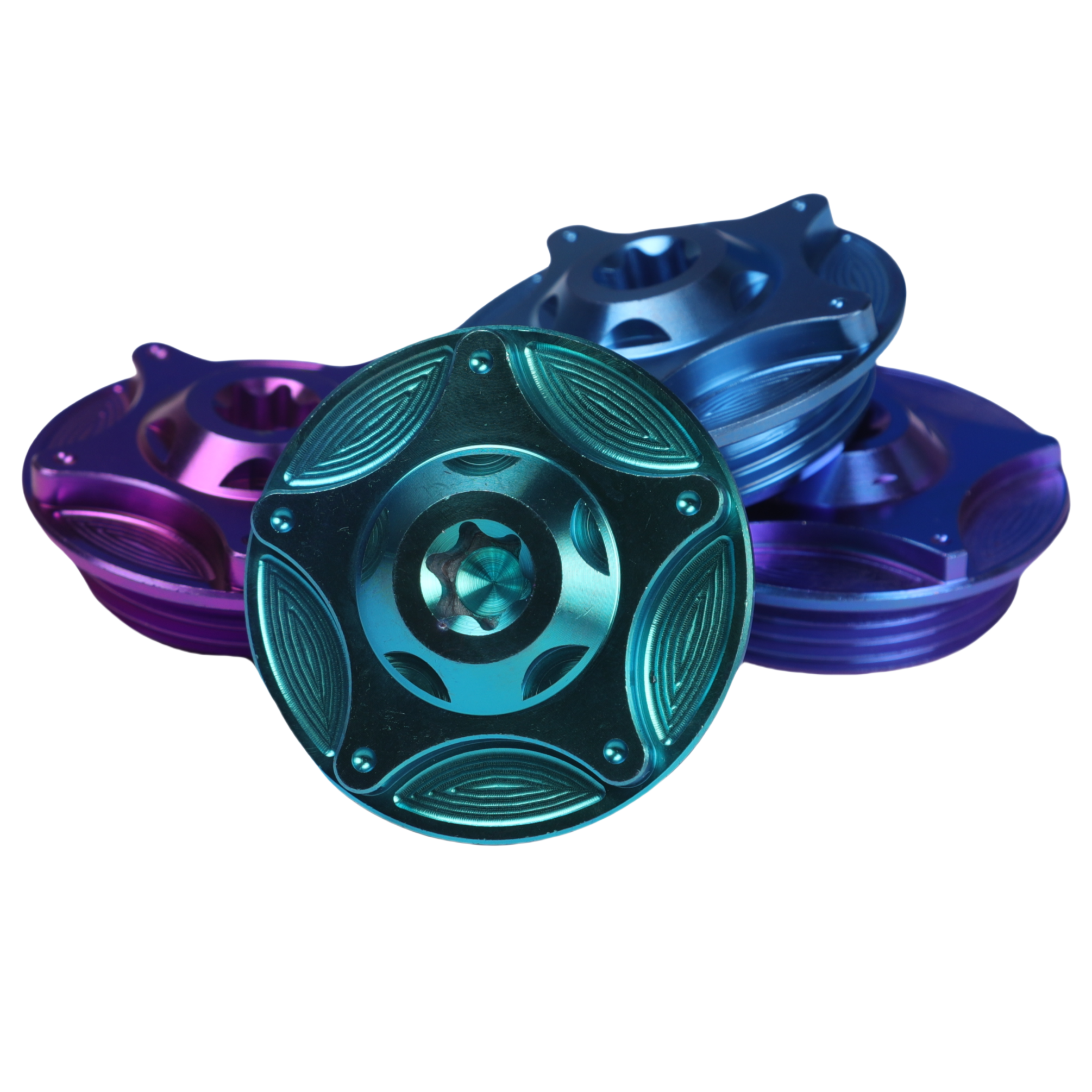
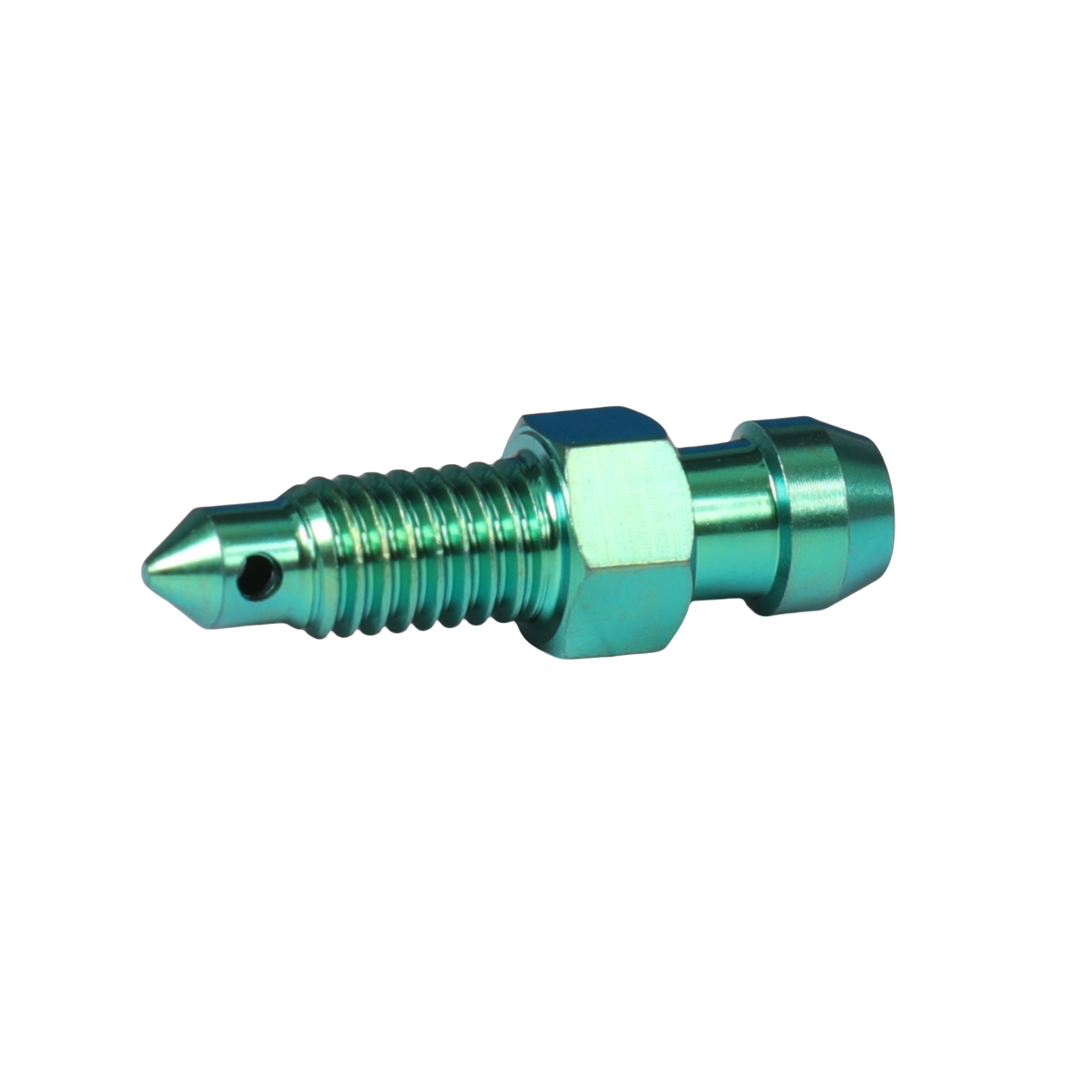
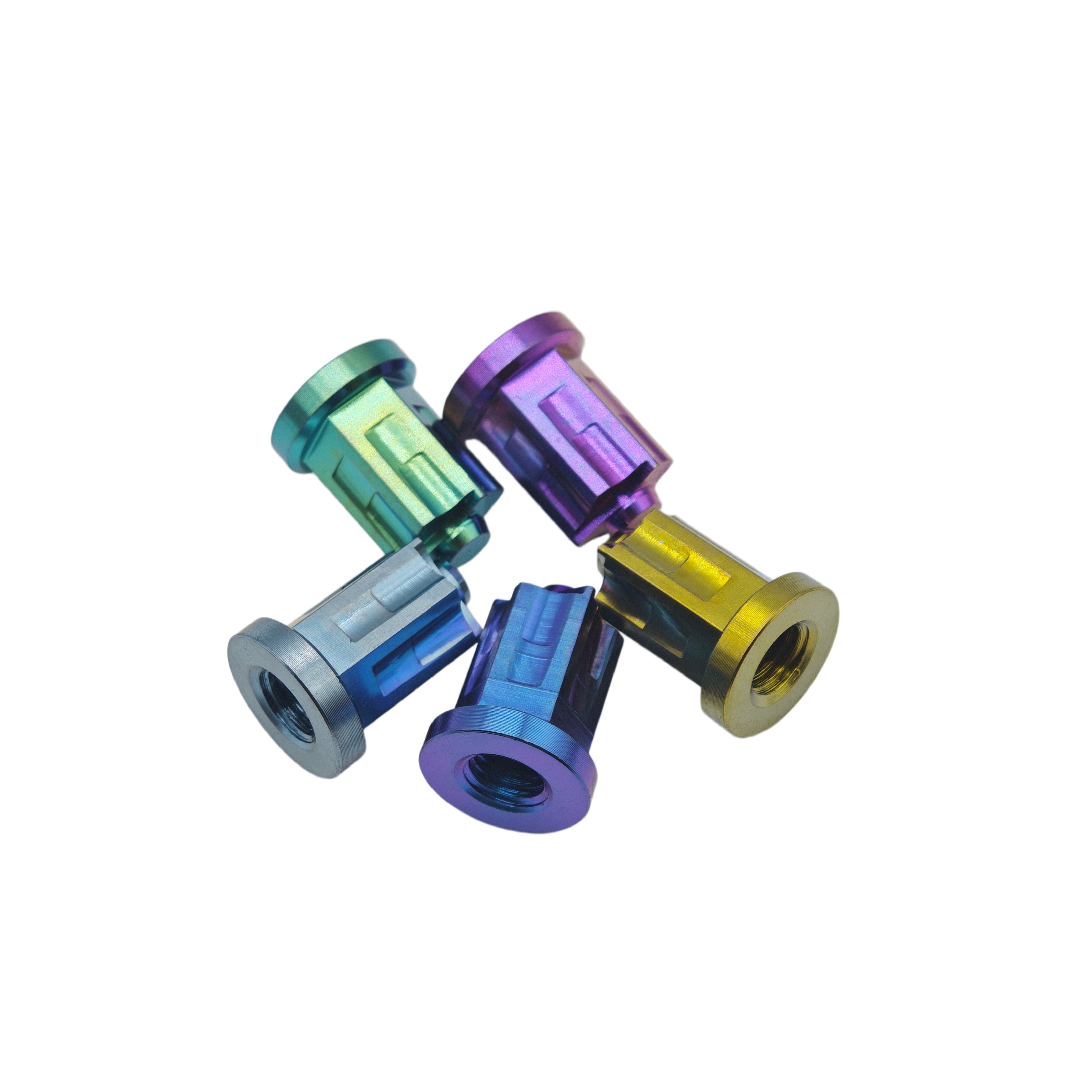
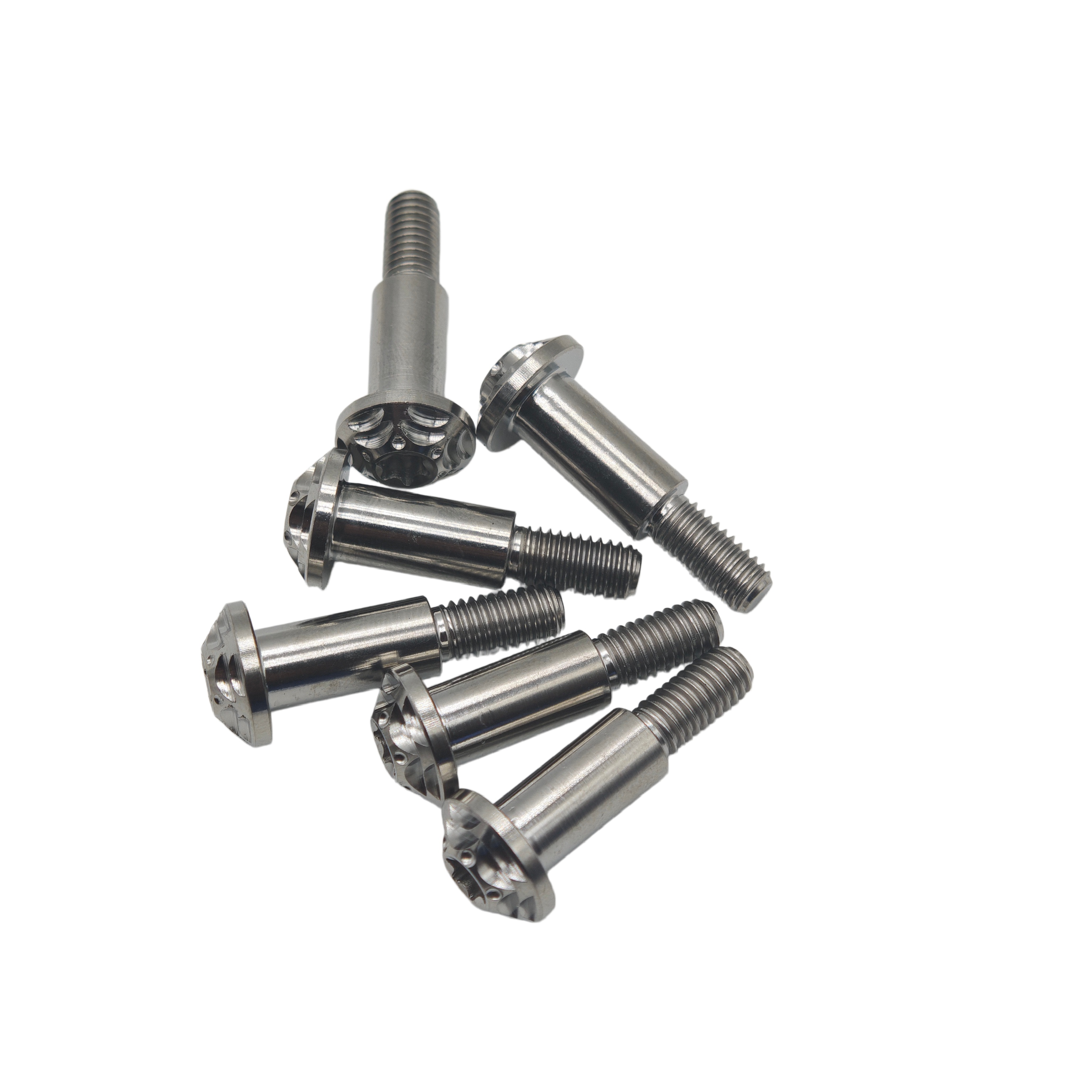
A metallurgic analysis of why naval architects, yacht refit yards in the Port of Genoa (Porto Antico, Sestri Ponente), and Northern Italian performance racing programs are rapidly replacing A4/316L stainless steel with Ti-6Al-4V fasteners.
Genoa represents one of the Mediterranean's most demanding maritime, aerospace, and high-performance engineering capitals. From the mega-yacht refit dry docks of the Port of Genoa (Bacino Portuale di Genova) to the specialized marine research labs along the Ligurian coastline, hardware failure induced by harsh marine atmospheres is an intolerable operational and financial risk. While traditional marine fasteners have relied upon austenitic stainless steel (such as AISI 316L or A4-70/A4-80), these materials exhibit pronounced vulnerability to chloride-induced pitting, crevice corrosion in stagnant bilge environments, and stress corrosion cracking (SCC) under cyclic dynamic loads.
As an onsite-verified titanium fastener manufacturer originating from Baoji, China—the globally recognized "Titanium Valley"—Zunvo delivers direct OEM/ODM metallurgical solutions designed to solve these exact Ligurian operational challenges. Titanium Grade 5 (Ti-6Al-4V, Werkstoff 3.7165, UNS R56400) spontaneously generates an instantaneous, self-healing, tenaciously adherent oxide barrier film (TiO&sub2; rutile/anatase passivity) upon exposure to oxygen or moisture. Even when completely submerged in warm, saline Mediterranean currents or subjected to continuous salt-spray winds along the Corso Italia, Grade 5 titanium demonstrates a measured corrosion rate of 0.000 mm per year, rendering premature replacement and galvanic seizing obsolete.
Overhauling deck winches, furling rigs, hydraulic swim platforms, and composite bulkhead tie-downs in Genoa's refit yards. Gr5 titanium eliminates rust staining on teak decks and white gelcoats while shaving hundreds of kilograms from top-heavy superstructures to optimize vessel center-of-gravity (CG).
For Ligurian marine robotics, benthic sonar arrays, and subsea acoustic transducers deployed at depths exceeding 2,500 meters in the Ligurian Sea Trench. Titanium's absolute resistance to high-pressure microbiological fouling and seawater immersion guarantees structural integrity without sacrificial zinc anodes.
Northern Italy and the Ligurian mountain road circuits demand instant unsprung mass reduction. Replacing brake rotor fasteners, caliper mounting bolts, and rear swingarm axle nuts with rolled-thread Gr5 titanium yields 44% rotational weight savings, radically improving gyroscope responsiveness and braking heat dissipation.
Empirical baseline comparison for mechanical engineers and naval procurement specialists evaluating strength, fatigue limits, and long-term durability in chloride-saturated Ligurian environments.
| Mechanical & Physical Property | Ti-6Al-4V Grade 5 (Zunvo) | AISI 316L (A4-80) Marine Stainless | Inconel 625 Nickel Superalloy | Aluminium 7075-T6 (Ergal) |
|---|---|---|---|---|
| Density (g/cm³) | 4.43 (Optimal Lightweight) | 7.98 (Heavy Tare Weight) | 8.44 (Excessive Weight) | 2.81 (Extremely Light) |
| Tensile Strength Rm (MPa) | ≥ 895 – 1,050 | 800 (Class A4-80 max) | 827 – 1,000 | 570 (Low Shear Margin) |
| Yield Strength Rp0.2 (MPa) | ≥ 828 | 600 | 414 – 550 | 503 |
| Strength-to-Weight Ratio (kN·m/kg) | 202 – 237 (Highest Structural Efficiency) | 100 (Baseline) | 118 (Moderate) | 203 (High, but Pitting Prone) |
| Ligurian Seawater Pitting (PREN) | Immune (Forms Stable TiO&sub2; Passivity) | PREN ~25 (Susceptible to Crevice Attack) | PREN >45 (Excellent Immunity) | Extremely Poor (Severe Galvanic Rot) |
| Magnetic Permeability (μ) | 1.00005 (100% Non-Magnetic) | 1.020 (Cold Work Introduces Magnetism) | 1.0006 (Non-Magnetic) | 1.00000 (Non-Magnetic) |
| Thermal Expansion (×10&supmin;&sup6; / K) | 8.6 (Matches Carbon Fiber Composites) | 16.5 (High CTE Mismatch) | 12.8 (Moderate CTE) | 23.4 (Severe Risk of Joint Loosening) |
1. Carbon Fiber Composite Integration in Genoa Naval Architecture: Contemporary motor yachts and racing catamarans crafted in Ligurian shipyards increasingly utilize pre-preg carbon fiber hulls, spars, and deck structures. Fastening carbon fiber with standard steel or aluminum creates an aggressive galvanic cell due to the massive potential difference (+0.25V for Carbon vs -0.80V for Aluminum). This results in catastrophic galvanic degradation of the metallic hardware. Grade 5 titanium holds a noble galvanic potential nearly identical to carbon fiber (+0.05V to +0.10V), allowing direct structural bolting without non-conductive isolation sleeves, phenolic washers, or sealants that break down over time.
2. Superyacht Decarbonization and Top-Weight Rationalization: As European Union environmental maritime directives mandate lower operational emissions, yacht designers in Genoa are systematically stripping deadweight. Every kilogram saved on superstructures, radar arches, and flybridges compounds stability, enabling reduced ballast requirements, extended cruising range, and optimized diesel-electric battery payloads. Switching high-stress rigging hardware, deck cleats, hydraulic line flanges, and glazing bolts to CNC-machined Grade 5 titanium achieves an immediate 44% weight dividend without compromising structural yield.
3. Precision Additive & 5-Axis Aftermarket Customization: Genoa has emerged as a premier European hub for custom performance engineering. Racing bike fabricators, hypercar tuners, and specialized marine craft builders no longer settle for off-the-shelf catalog fasteners with generic dimensions. The demand has pivoted toward bespoke thread lengths, French-style closed crown heads, hollow-core weight-relieved shanks, captive shoulder washers, and specialized Torx drive architectures that provide clean industrial aesthetics and tamper resistance.
Explore our full-process manufacturing footprint: certified smelting heat numbers, high-speed multi-axis CNC machining, cold heading, rolled thread forming, and rigorous metallurgical lot tracing.


Direct factory execution from China's primary titanium cluster paired with international trade competence and engineering documentation.
Located in Shaanxi's Titanium Valley, we enjoy immediate proximity to raw sponge smelters and certified vacuum arc remelting (VAR) ingot mills. Every fastener batch is accompanied by an authentic Mill Test Certificate (EN 10204 3.1) with full chemical analysis and mechanical tensile reports traceable to the heat lot number.
Unlike small machining job shops that machine threads on standard lathes, our fastener threads are formed via precision cylindrical die thread rolling machines. This aligns the metallic grain structure continuously along the thread contour, dramatically improving fatigue life and shear limits in high-vibration engine or rigging mounts.
Naval refit deadlines in Genoa allow zero margin for protracted development delays. Provide our engineering desk with an IGES/STEP 3D model, 2D PDF drawing, or physically worn component. Our engineering office delivers complete DFM feedback within 24 hours and ships functional CNC pilot samples in just 3 days.
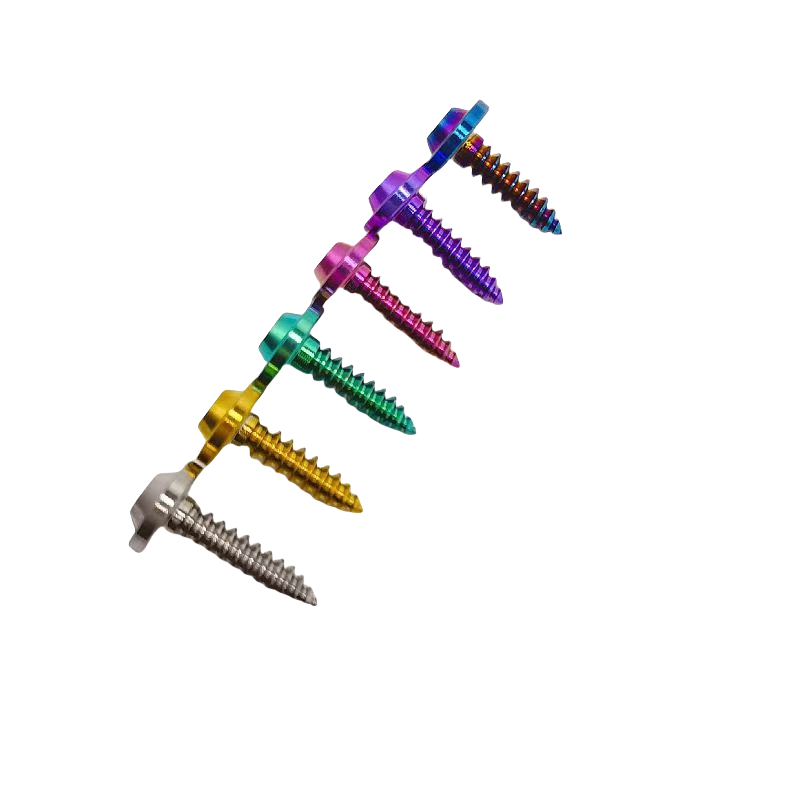
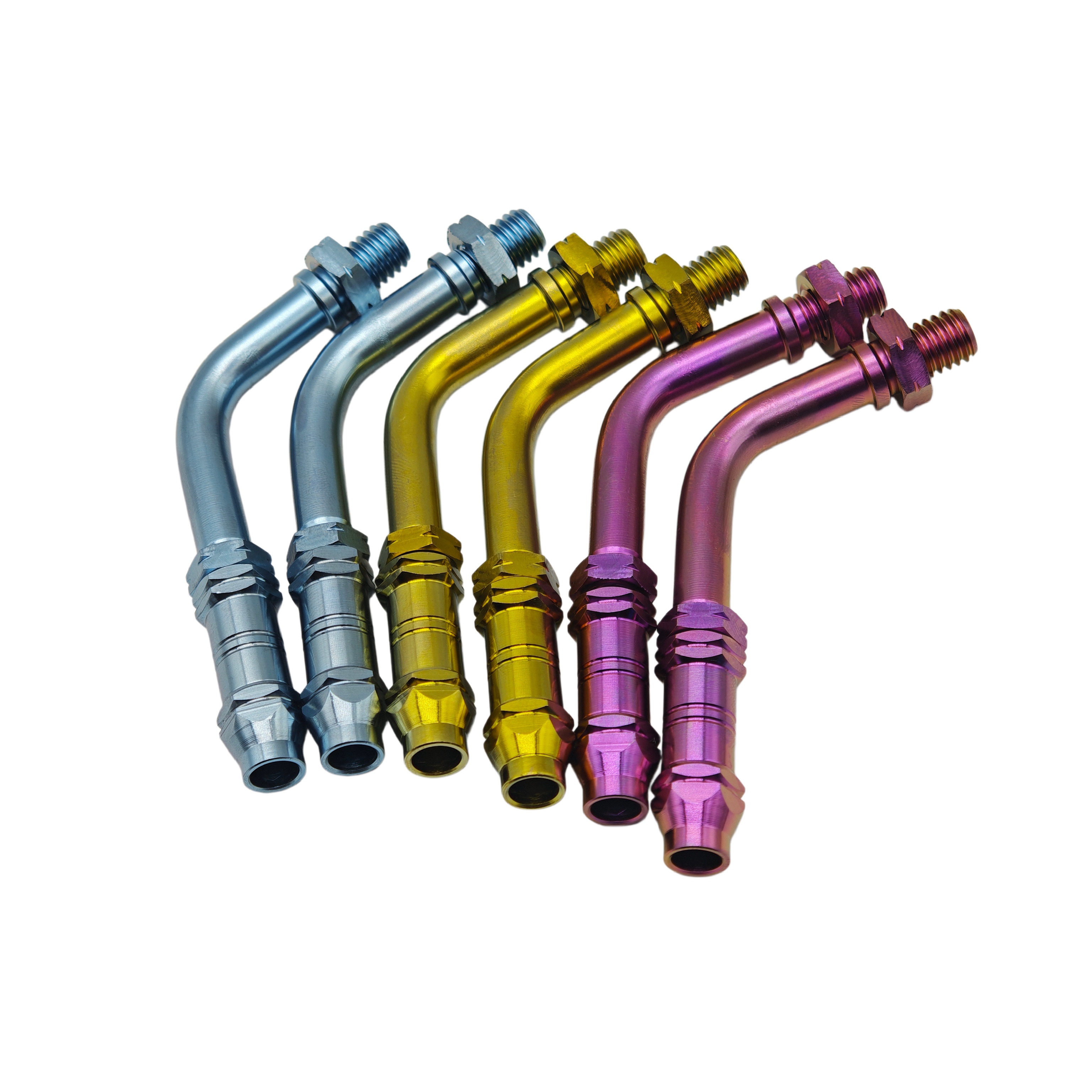
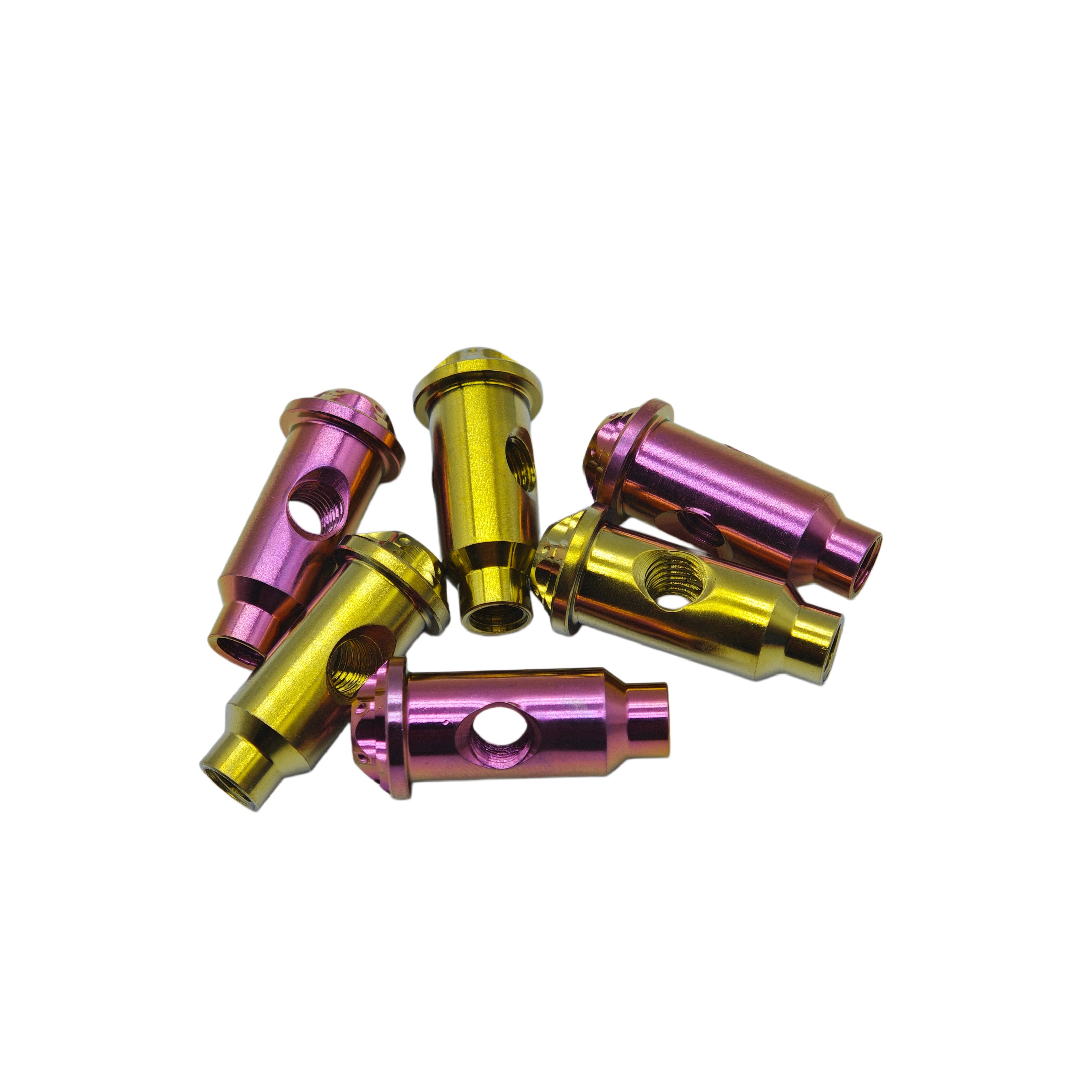
Eliminate fastener galling completely. In addition to high-purity electrolytic color anodizing (Electric Blue, Burned Rainbow, Gold, Violet), we operate physical vapor deposition (PVD) vacuum chambers providing micro-hard Diamond-Like Carbon (DLC) and Titanium Nitride (TiN) anti-friction layers for severe sliding contact.
Practical metallurgical, customs, engineering, and anti-galling guidelines compiled by Zunvo's chief technical export engineers.
Whether you require standard DIN 912 socket head screws for immediate stock dispatch or tailored drawing-based Ti-6Al-4V fasteners for an upcoming superyacht refit in Genoa, our metallurgists provide immediate CAD reviews and pricing within 7 hours.
Send an Inquiry