Featured Titanium Hardware & Socket Fasteners
Precision-machined from certified Grade 5 (Ti-6Al-4V) aerospace bar stock, roll-threaded to Class 6g tolerance, with full lot traceability for Baltic industrial engineering.
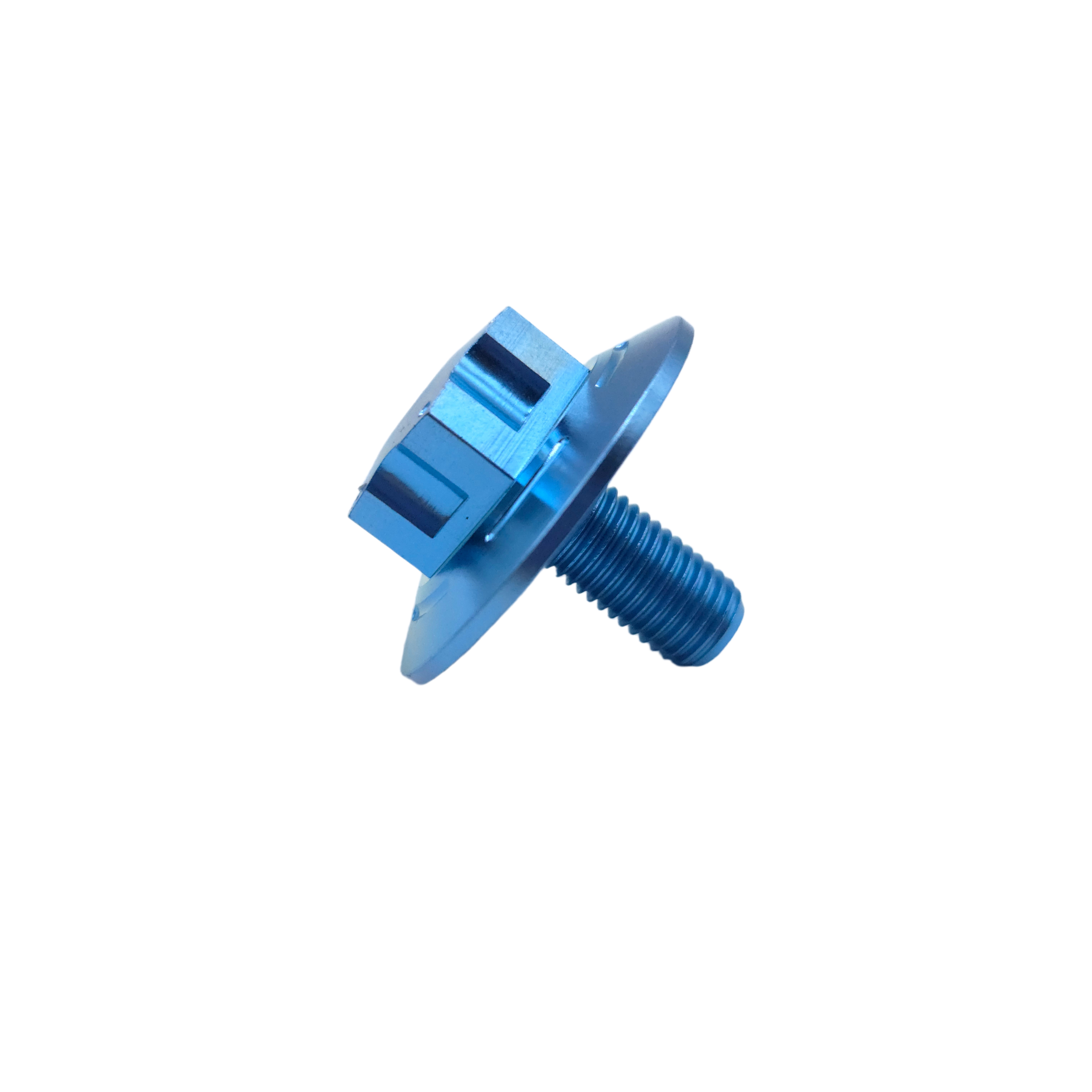
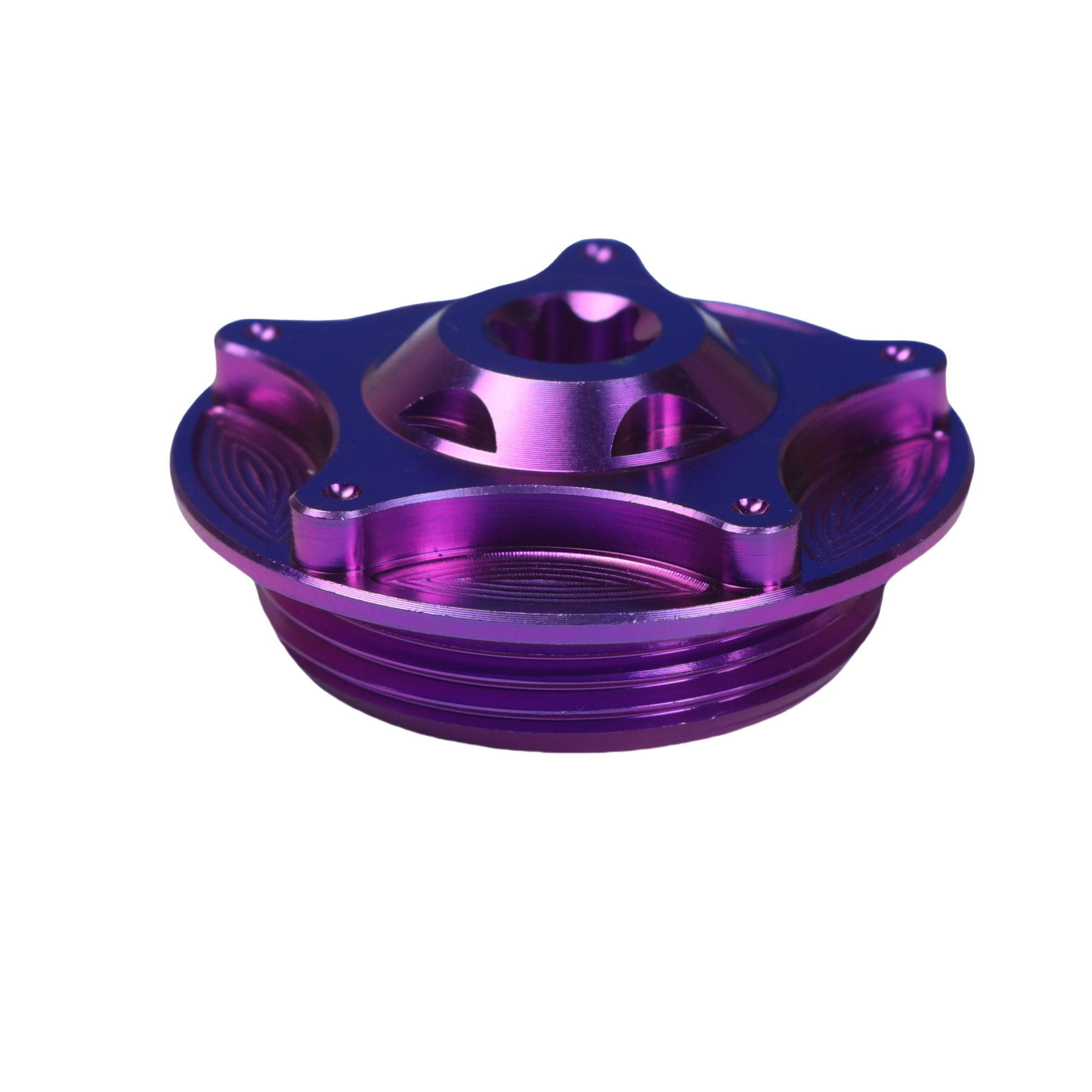
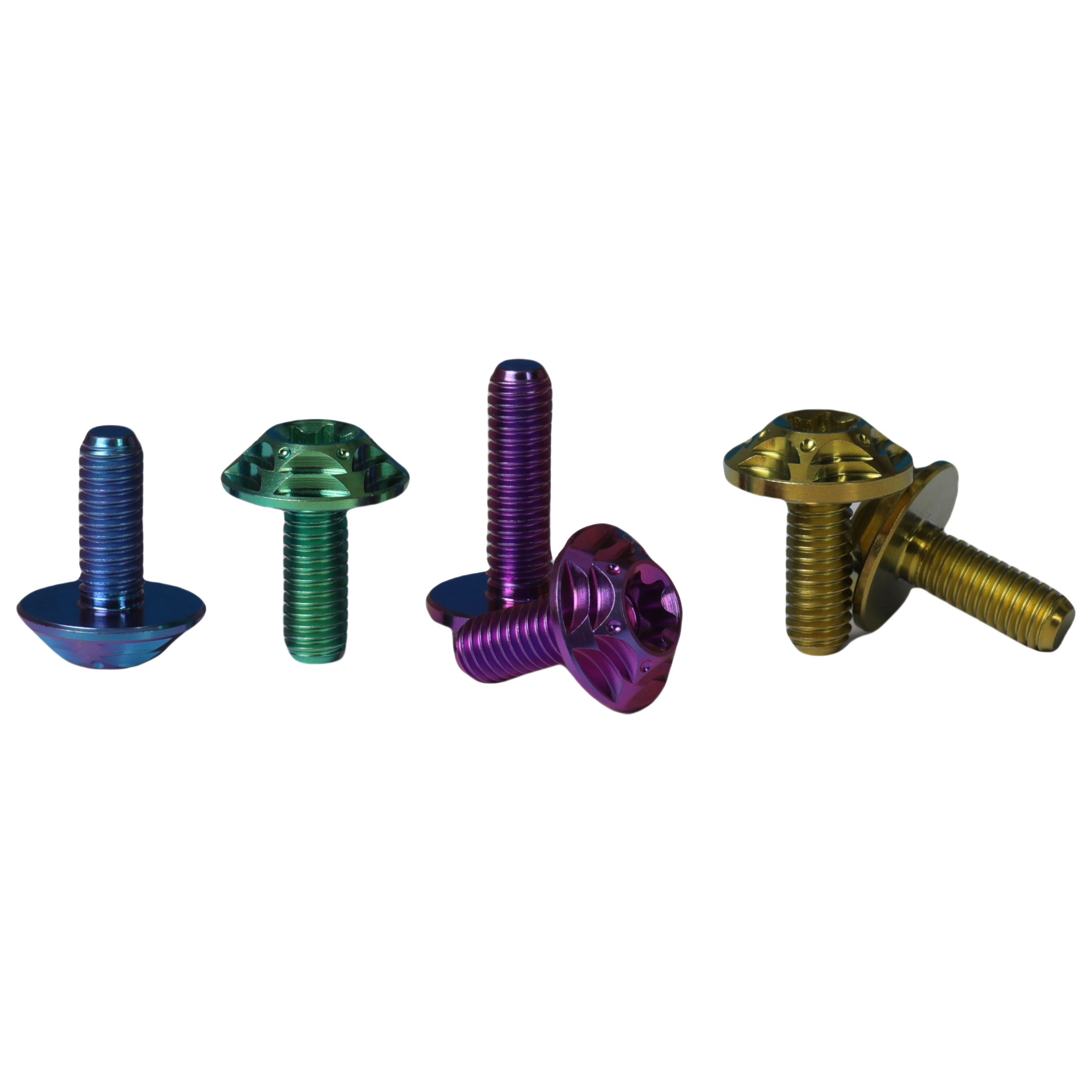
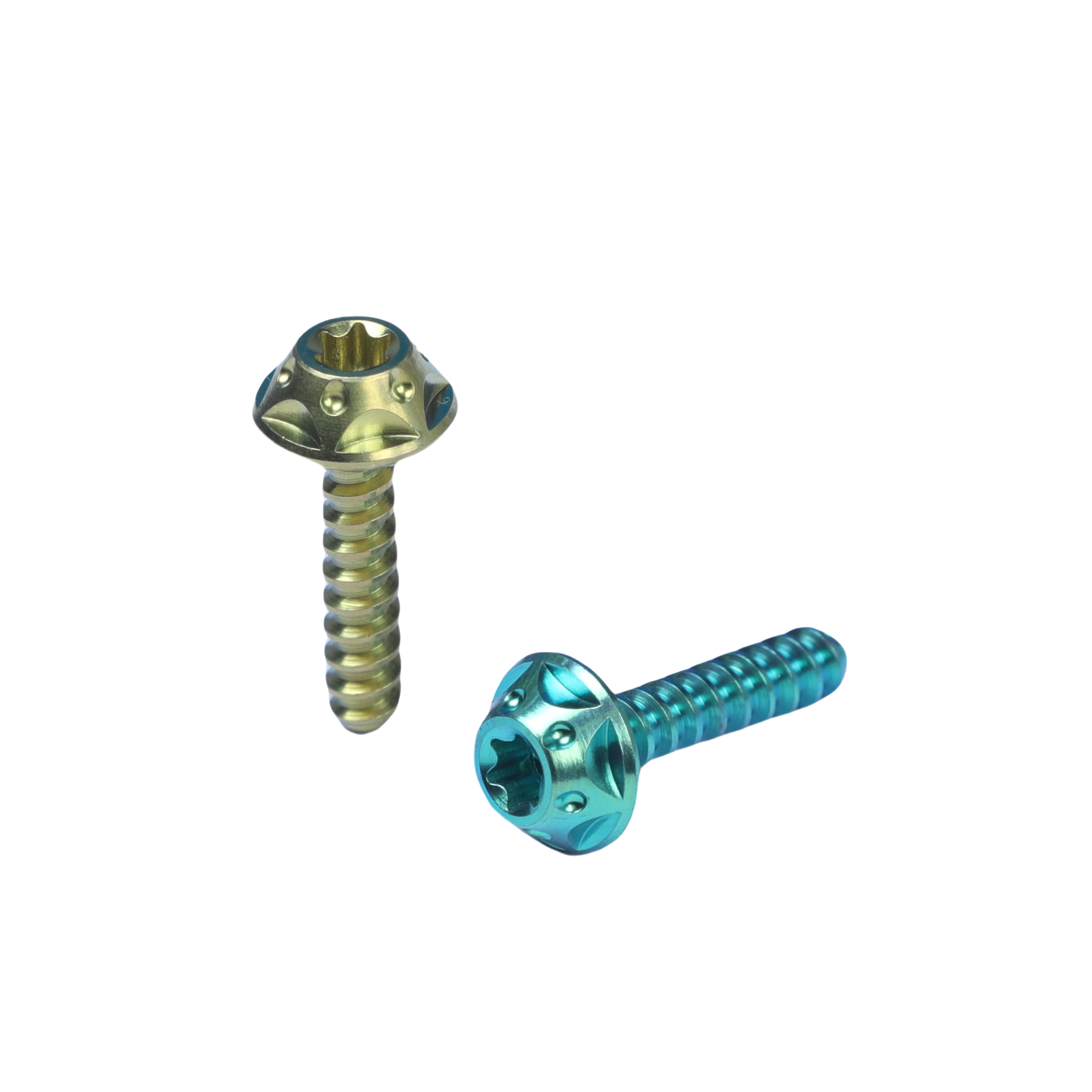
Technical Whitepaper: DIN 912 (ISO 4762) Hexagon Socket Head Cap Screws in Advanced Titanium Metallurgy
In precision mechanical engineering, the DIN 912 standard (internationally recognized under ISO 4762) defines the rigorous geometric boundaries for cylindrical-head fasteners with internal hexagonal socket drives. When realized in Grade 5 Titanium (Ti-6Al-4V, UNS R56400, Werkstoff 3.7165), this standard ceases to be merely a standard mechanical fastener and transforms into a mission-critical structural component designed for high-stress, mass-critical, and corrosive environments. Industrial buyers, roboticists, and optical design engineers in Tartu—the scientific epicenter of Estonia—increasingly demand this specialized metallurgical execution to satisfy rigorous European Union operational directives and high-frequency dynamic loading constraints.
1. Comprehensive Material Science & Mechanical Property Comparison
Grade 5 titanium is an alpha-beta dual-phase alloy containing nominal additions of 6% aluminum (an alpha-phase stabilizer that increases tensile threshold) and 4% vanadium (a beta-phase stabilizer that preserves ductileness and fracture toughness). Unlike common austenitic stainless steels (such as DIN 1.4301 / A2-70 or DIN 1.4404 / A4-80) or standard 8.8-grade quenched-and-tempered carbon steels, Ti-6Al-4V provides a strength-to-weight ratio virtually unparalleled among structural fastening materials. The following engineering matrix contrasts the critical mechanical parameters essential for Tartu procurement teams evaluating structural integrity:
| Mechanical Property | Ti-6Al-4V (Grade 5 Titanium) | A4-80 Stainless Steel (1.4404) | Grade 10.9 Structural Alloy Steel | 7075-T6 Aerospace Aluminum |
|---|---|---|---|---|
| Density (ρ, g/cm³) | 4.43 | 8.00 | 7.85 | 2.81 |
| Ultimate Tensile Strength (Rm, MPa) | 950 – 1050 | 800 | 1040 | 572 |
| Yield Strength 0.2% Offset (Rp0.2, MPa) | ≥ 880 – 920 | 600 | 940 | 503 |
| Modulus of Elasticity (E, GPa) | 110 – 114 | 193 | 206 | 71.7 |
| Specific Strength Index (kN·m/kg) | 214 – 237 | 100 | 132 | 204 |
| Magnetic Susceptibility (χm) | Non-Magnetic (Paramagnetic) | Slightly Magnetic after work | Ferromagnetic | Non-Magnetic |
| Sub-Zero Impact Ductility (-40°C) | Excellent (No DBTT transition) | Good | Susceptible to Brittle Cleavage | Fair |
| Chloride Stress Corrosion Resistance | Immune in Baltic brackish/de-icing salts | Moderate (Pitting risk in Cl-) | Extremely Poor (Rapid rust) | Susceptible to SCC micro-cracking |
2. Precision Manufacturing Architecture: Cold Heading vs. Multi-Axis CNC Turning
Manufacturing DIN 912 bolts in titanium requires sophisticated production control. Due to titanium's low thermal conductivity (approx. 6.7 W/m·K compared to 50 W/m·K for steel) and severe chemical affinity for cutting tools at high temperatures, traditional machining easily induces surface galling and work-hardening. Zunvo utilizes high-precision Swiss-type multi-axis CNC turn-mill centers and warm-heading processes with precision hydraulic feed:
Cold / Warm Heading of Internal Hex Sockets: The hexagonal socket in our DIN 912 screws is formed via specialized punch tooling under controlled atmospheric induction heating. This forces the titanium grain structure to follow the contour of the socket walls rather than severing it (as occurs in broaching or standard milling). This continuous grain flow eliminates stress risers at the internal vertices, yielding an increase in socket drive stripping torque of over 28%.
Thread Rolling Mechanics: All threads (M2 through M24) conform strictly to DIN 13-1 standards with Class 6g medium-fit external tolerances. Threads are exclusively cold-rolled between precision cylindrical hardened dies rather than cut. Thread rolling induces compressive residual stresses within the thread root radius, increasing dynamic fatigue resistance by more than 300% under high-frequency vibratory loads, which is crucial for autonomous rovers and drones operating in rugged Estonian terrains.
3. Strategic Applications Across Tartu’s High-Technology Ecosystem
Tartu serves as the intellectual, academic, and advanced technological engine of the Republic of Estonia. Home to the world-renowned University of Tartu (Tartu Ülikool) and the thriving commercial innovation hub at Tartu Science Park (Tartu Teaduspark), the city hosts cutting-edge engineering ventures where standard commercial steel hardware fails to meet operational criteria:
Autonomous Robotics & AGVs
Tartu's autonomous vehicle clusters and robotic delivery innovators rely on DIN 912 M4 to M8 Gr5 titanium screws. Reducing un-sprung mass in drive wheel hub assemblies and sensor mounts prolongs battery duty-cycles while sustaining high torque across extreme vibration cycles.
Laser Photonics & Optics
Researchers at the Tartu Institute of Physics integrate non-magnetic DIN 912 fasteners inside high-vacuum optical benches, electron beam test rigs, and laser enclosures. Zero outgassing and near-zero magnetic permeability eliminate beam distortion and contamination.
Cryogenic & Harsh Weather Tech
Southern Estonian winter temperatures routinely drop below -25°C. Ferritic carbon steels undergo ductile-to-brittle transitions causing catastrophic bolt head snapping. Ti-6Al-4V retains exceptional Charpy notch impact toughness down to -196°C.
4. Emerging Engineering & Supply Chain Trends in Southern Estonia
Transition toward Carbon Fiber Composites (CFRP): Advanced drone developers and defense hardware suppliers clustered in the Tartu-Viljandi-Tallinn corridor are transitioning rapidly from aircraft aluminum frames to high-modulus carbon-fiber matrix composite structures. Fastening carbon-fiber structures with aluminum or carbon steel causes galvanic corrosion due to the high cathodic potential of carbon fibers. Titanium possesses a stable electrochemical electrode potential nearly identical to graphite (+0.2V to +0.3V versus SCE), making DIN 912 titanium bolts the only metallurgically stable mechanical fastener for direct contact with CFRP without insulating sleeves.
Direct Sourcing from Baoji’s Specialized Industrial Cluster: Estonian hardware procurement managers are streamlining their supply lines. Historically, Baltic engineering firms purchased small volumes of titanium bolts from intermediary distributors in Central Europe at significant markups. Today, engineering teams in Tartu work directly with onsite-verified manufacturers like Zunvo Titanium in Baoji, China (China's Titanium Valley). This direct B2B partnership guarantees raw material pedigree, custom drawing-based modifications within 3 to 5 business days, and complete EN 10204 3.1 Mill Test Certificates directly matched to the smelter ingot heat number.
5. Critical Assembly Guidelines: Torque, Tightening, and Galling Prevention
When substituting DIN 912 8.8 or 10.9 steel screws with Grade 5 Titanium in precision machinery in Tartu, design engineers must adjust assembly parameters:
Tightening Torque Coefficient (μ): The natural oxide film (TiO2) on titanium exhibits a high friction coefficient against other titanium, stainless steel, or aluminum threads. Dry installation may cause severe adhesive thread galling or cold welding under modest torque. Zunvo mandates the application of anti-seize pastes (e.g., molybdenum disulfide MoS2 or copper-based paste) or recommends factory-applied micro-thin dry-film lubricants or PVD (Physical Vapor Deposition) coatings. With appropriate lubrication (μ ≈ 0.12), the recommended tightening torque for standard metric coarse sizes follows:
| Bolt Size (DIN 912 Metric) | Pitch (mm) | Recommended Preload (kN) | Tightening Torque Lubricated (N·m) | Tightening Torque Dry (N·m) - Use with Caution |
|---|---|---|---|---|
| M3 × 0.5 | 0.50 | 2.2 | 1.2 | 1.8 |
| M4 × 0.7 | 0.70 | 3.9 | 2.8 | 4.1 |
| M5 × 0.8 | 0.80 | 6.4 | 5.6 | 8.2 |
| M6 × 1.0 | 1.00 | 9.0 | 9.5 | 14.0 |
| M8 × 1.25 | 1.25 | 16.5 | 23.0 | 34.0 |
| M10 × 1.5 | 1.50 | 26.5 | 46.0 | 68.0 |
| M12 × 1.75 | 1.75 | 38.5 | 79.0 | 115.0 |
Baoji Engineering Prowess at Baltic Service
Founded in 2015 at the center of Baoji Titanium Valley, China, Zunvo combines deep titanium metallurgy with agile export-grade manufacturing.
Baoji Raw Material Pedigree
Direct proximity to premier titanium smelters ensures 100% genuine aerospace-grade Ti-6Al-4V bar stock with verifiable heat-to-lot documentation.
Rapid Sampling & Low MOQs
Standard prototype samples shipped in 3 business days; custom technical drawing modifications supported from 100-piece pilot runs for Tartu startups.
In-House Optical Inspection
Every production run undergoes 100% thread Go/No-Go plug gauging, CMM profile projection, and visual defect sorting prior to international crating.
Reliable Door-to-Door Freight
Daily express logistics via DHL, FedEx, and UPS straight to Tartu and Tartu County, handling export customs and documentation seamlessly.
Frequently Asked Questions: Tartu Procurement
Clear technical, logistical, and commercial guidelines for ordering DIN 912 titanium socket screws from Tartu and the wider Baltic region.
What documentation is supplied to verify material compliance for EU regulations in Estonia?
Can DIN 912 titanium bolts directly replace Class 10.9 or 12.9 alloy steel screws in robotics?
How fast can custom-length DIN 912 bolts be delivered to Tartu?
What surface treatments are recommended to prevent thread galling during automated assembly?
What is your minimum order quantity (MOQ) for Tartu research labs and university spin-offs?
How do DIN 912 titanium bolts withstand harsh Southern Estonian winter environments?
Accelerate Your Tartu Project with Certified Titanium Fasteners
Speak directly with our Baoji metallurgy specialists. Request full dimensional CAD models, detailed stress calculations, or immediate factory volume quotations with express Baltic shipping.
Get Catalog