UNF / Metric
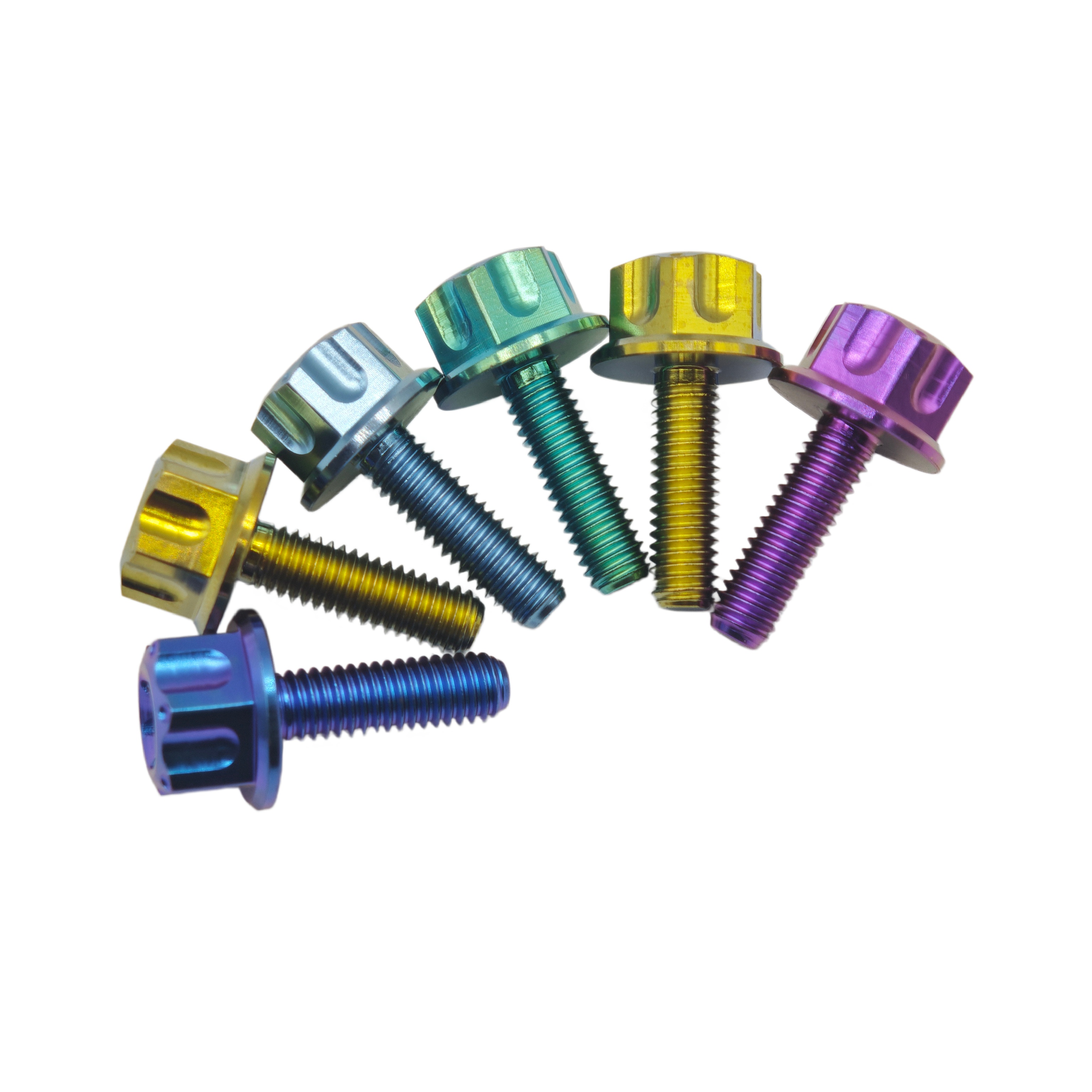
Thread-rolled, hot-forged, and CNC-machined Grade 5 titanium bolts tested to exceed ASTM B348, AMS 4928, and ISO 3506-1 standards.
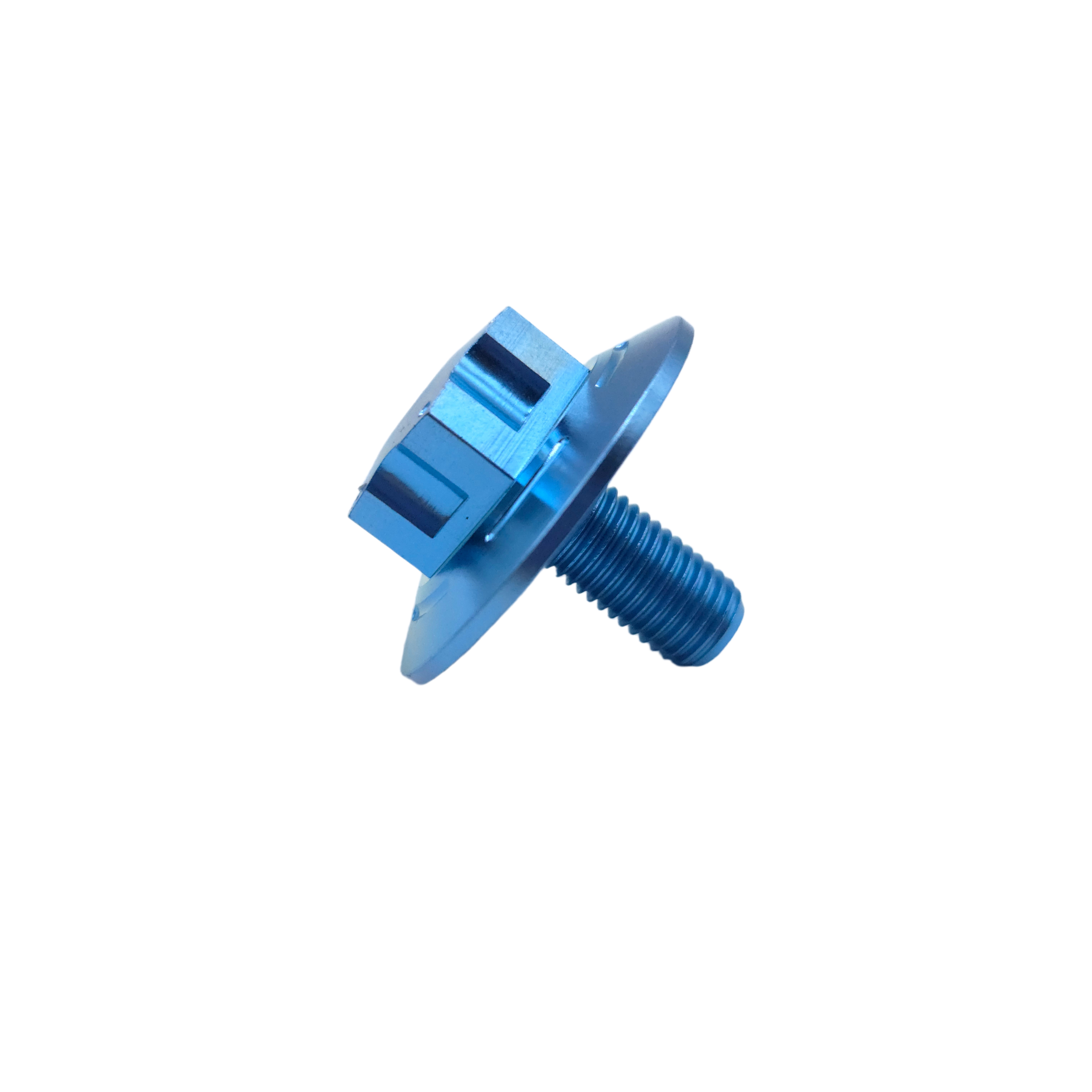
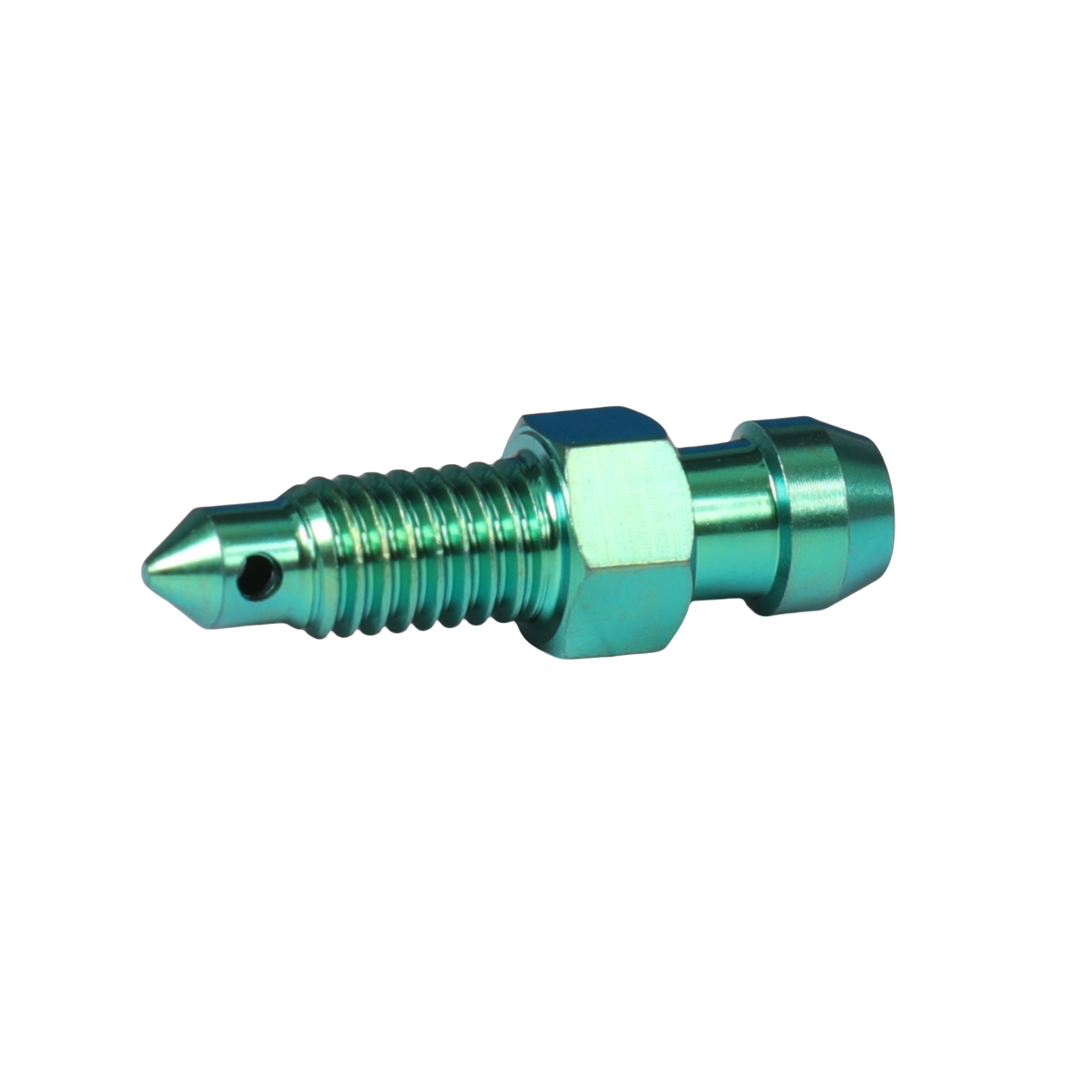
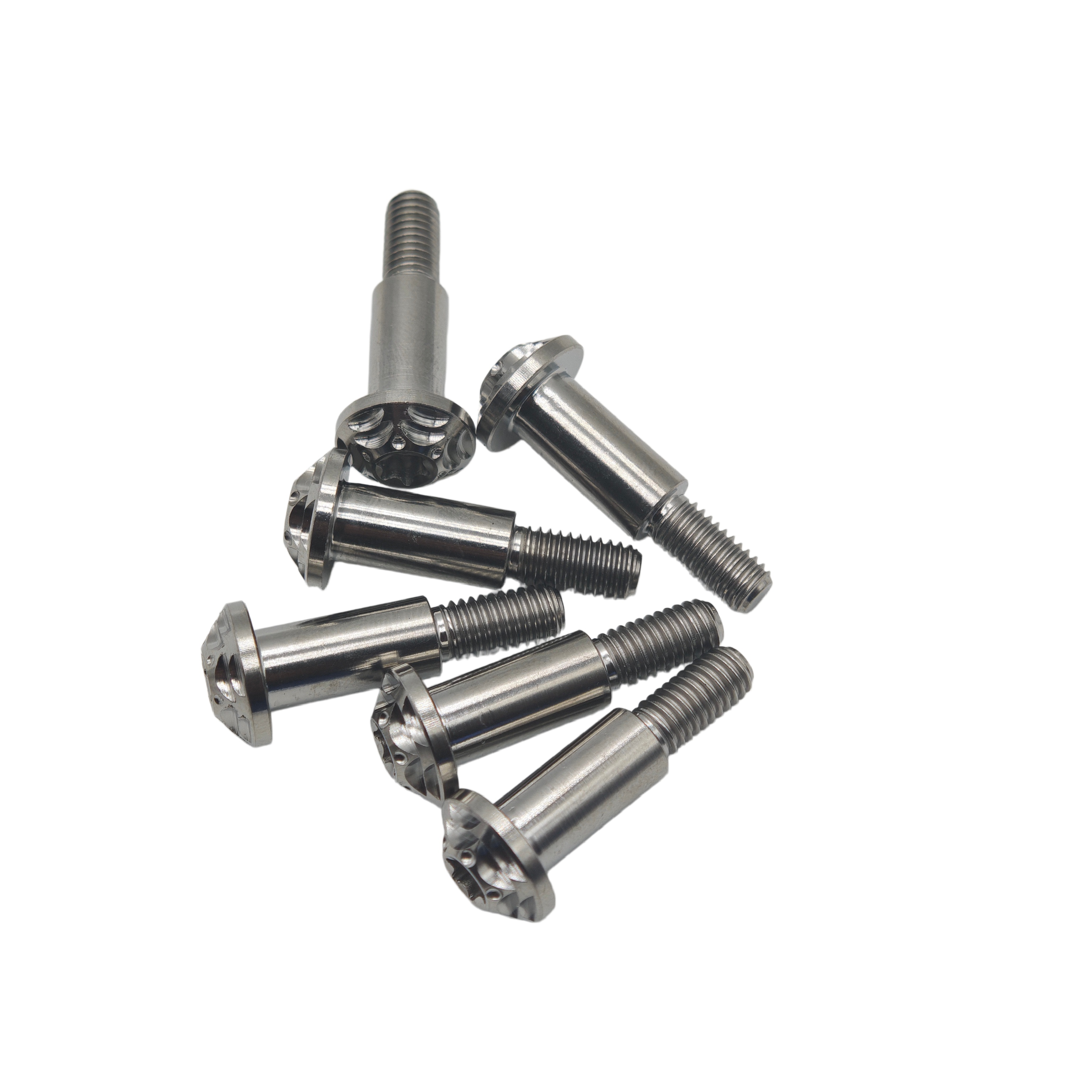
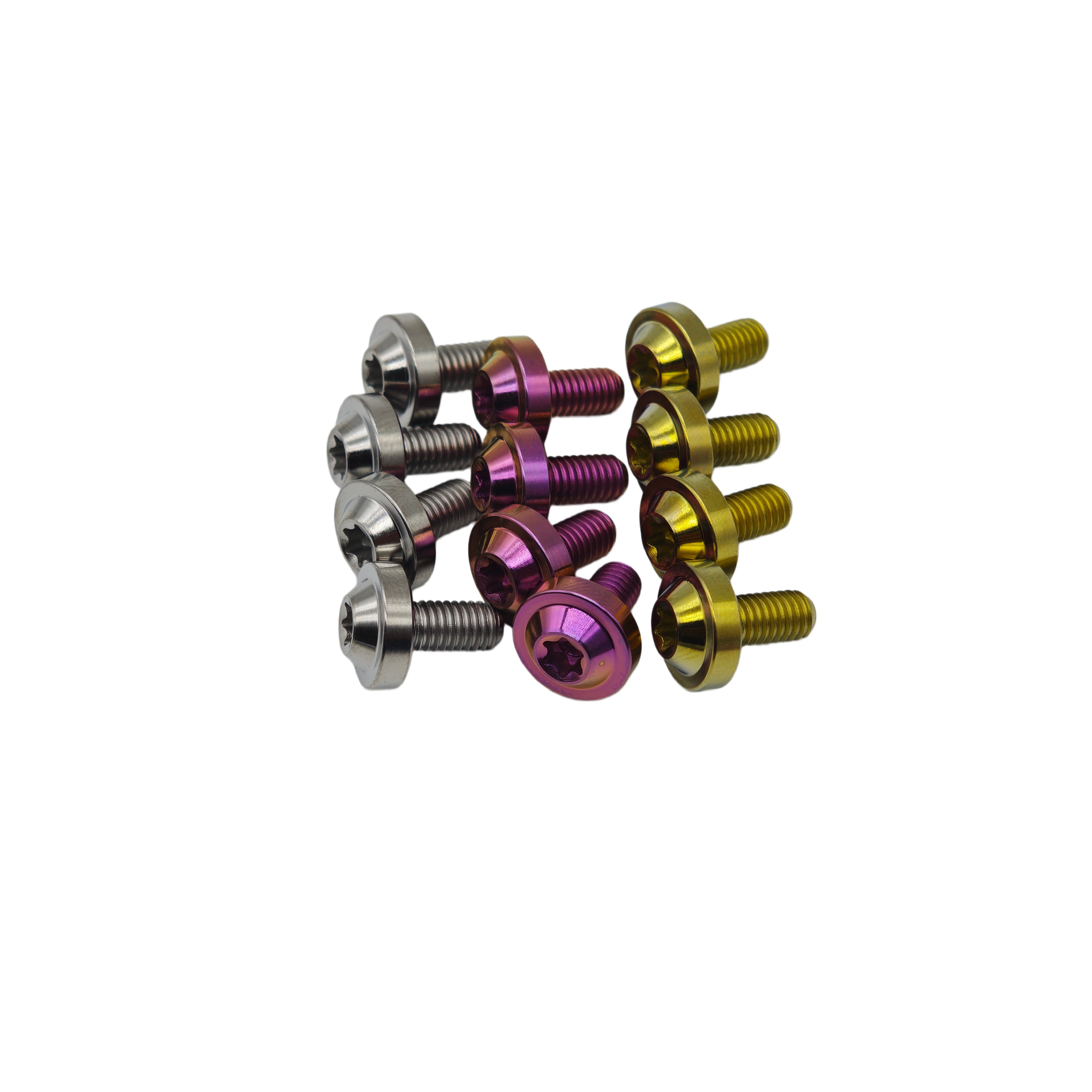
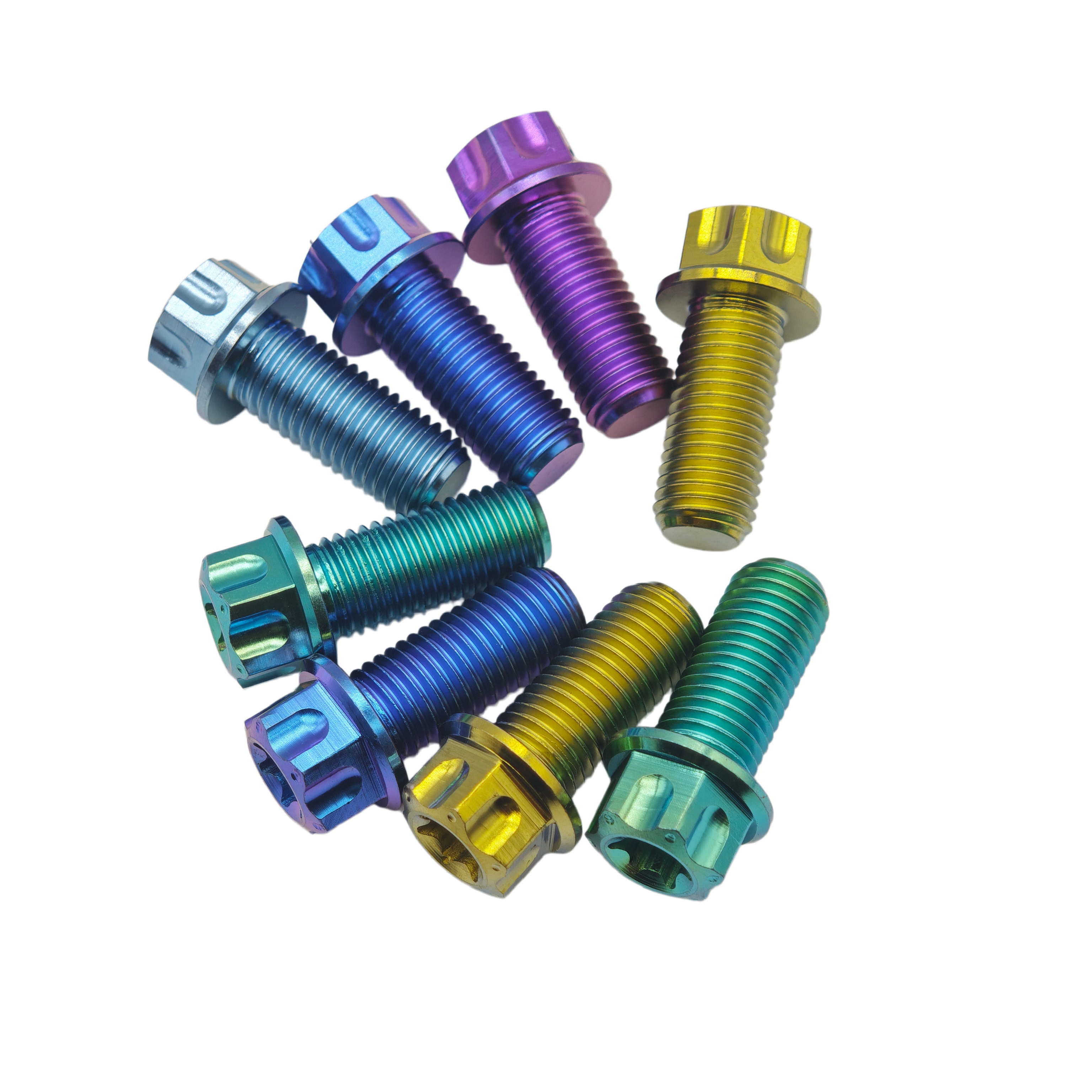
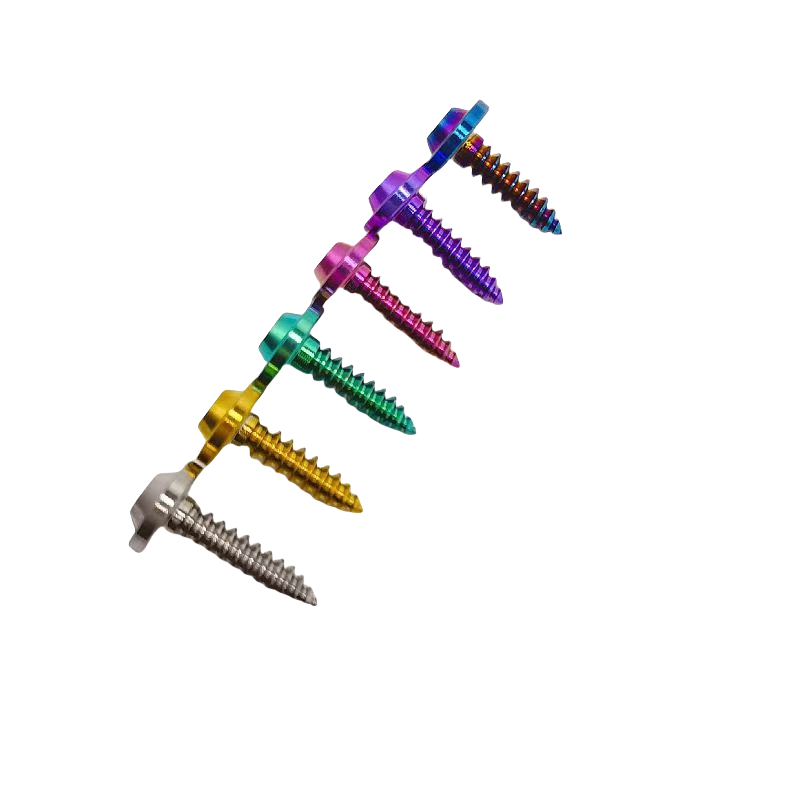
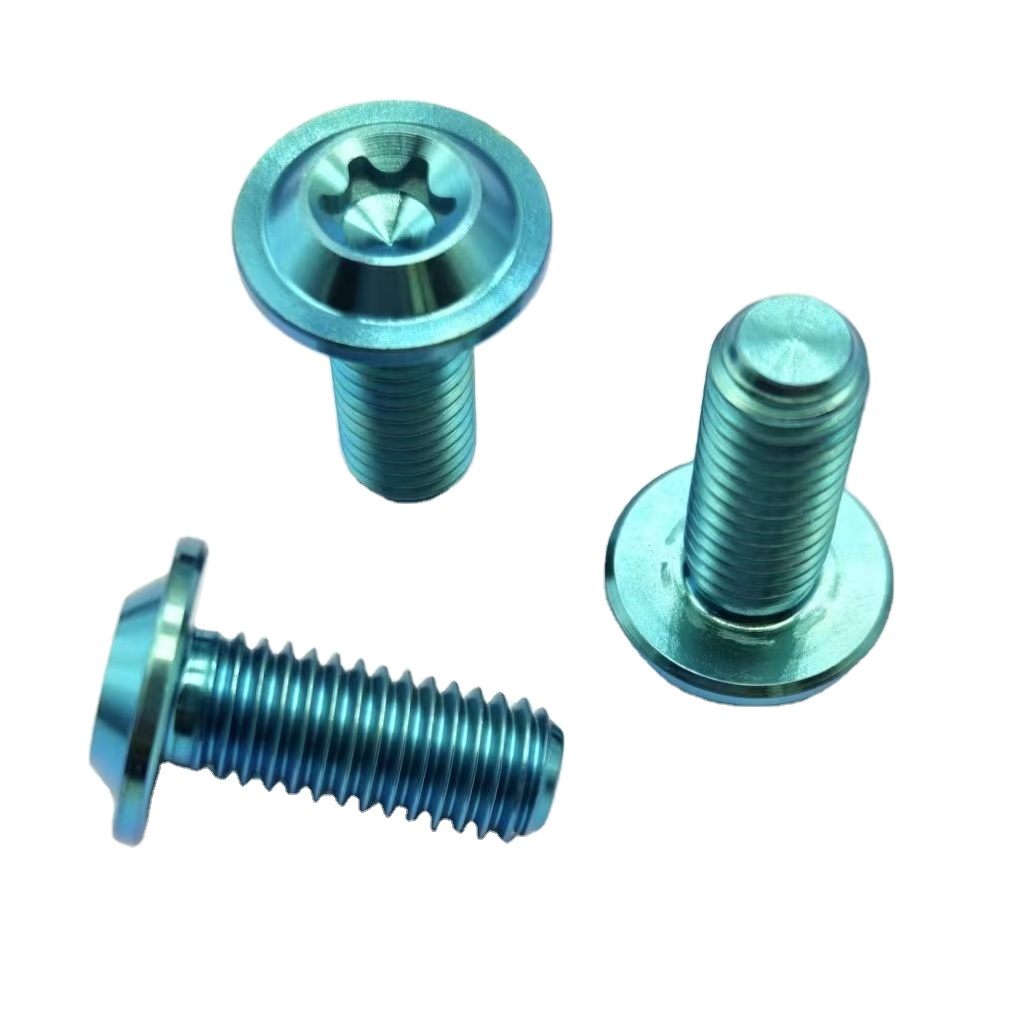
For design engineers, mechanical fabricators, and tier-1 procurement managers throughout Victoria, selecting the optimal fastening system requires navigating the intersection of corrosion mechanics, dynamic stress loads, and strength-to-weight optimization. Grade 5 Titanium (Ti-6Al-4V, UNS R56400) represents an alpha-beta alloy formulated to combine elevated mechanical strength with exceptional chemical inertness. Unlike standard commercial stainless steel alloys (such as 304 or 316) that can suffer localized pitting and crevice corrosion under saline spray or chloride-laden marine environments, Ti-6Al-4V forms an instantaneous, stable, protective oxide film ($TiO_2$) that prevents catastrophic degradation across a broad operational temperature threshold from cryogenic ranges up to +400°C.
In mechanical assemblies where rotating mass, unsprung weight, or vibration harmonics dictate system fatigue life, titanium fasteners provide an unparalleled engineering advantage. Operating with a density of 4.43 g/cm³ compared to approximately 7.85 g/cm³ for alloy structural steels, Gr5 titanium yields a remarkable 44% direct mass reduction. Concurrently, with minimum tensile strengths reaching 895–950 MPa and yield strengths beyond 828 MPa, it rivals or exceeds the mechanical capacity of Grade 8.8 and Grade 10.9 structural steel fasteners, eliminating the design penalty historically associated with lightweight structural hardware.
| Material Classification | Yield Strength (MPa) | Tensile Strength (MPa) | Density (g/cm³) | Modulus of Elasticity (GPa) | Chloride Resistance |
|---|---|---|---|---|---|
| Gr5 Ti-6Al-4V (Annealed) | 828 – 910 | 895 – 1000 | 4.43 | 114 | Immune (Ambient) |
| Stainless Steel 316 (A4-70) | 450 | 700 | 8.00 | 193 | Susceptible to Crevice Pitting |
| High-Tensile Steel 10.9 | 940 | 1040 | 7.85 | 210 | Requires Plating / Highly Vulnerable |
| Aerospace Aluminum 7075-T6 | 503 | 572 | 2.81 | 71.7 | Moderate (Galvanic Susceptibility) |
Precision manufacturing of Gr5 bolts requires strictly monitored metallurgical protocols. At Zunvo Titanium, our cold heading, hot forging, and multi-axis CNC turning centers ensure uncompromised grain structure alignment. Instead of cutting threads—which shears the metal's internal grain flow lines and induces micro-notches susceptible to cyclic fatigue failure—all critical bolt threads are thread-rolled under hydrostatic dies. This cold-working method significantly hardens the thread root and crown, bolstering shear strength and fatigue endurance across motorsport, maritime, and subsea industrial installations.
Tailored fastening solutions serving major engineering precincts across Melbourne, Port Phillip, Westernport Bay, and the Geelong defense hub.
Across Melbourne’s Port Phillip, Geelong docks, and coastal Victoria, marine infrastructure experiences severe salt fog and electrolytic immersion. Our Gr5 titanium bolts, caliper bleed nipples, and flange screws prevent chloride stress corrosion cracking on offshore vessels, commercial catamarans, and specialized maritime dredging machinery without requiring sacrificial zinc coatings.
From the Phillip Island Grand Prix Circuit to Sandown Raceway and Calder Park, high-performance racing demands minimal unsprung mass and dynamic rotor thermal resilience. Zunvo M8 and M10 brake disc bolts and hex flange axle nuts dissipate transient brake temperatures upwards of 350°C while resisting shear fatigue during aggressive cornering loads.
Victoria is Australia's premier advanced engineering corridor, hosting aerospace supply lines, advanced composite manufacturing in Fishermans Bend, and burgeoning renewable energy projects. Gr5 fasteners satisfy rigorous aerospace structural margins, non-magnetic constraints, and galvanic isolation standards required in carbon fiber assemblies and subsea turbines.
Victoria’s mechanical engineering landscape is currently navigating a distinct technological transition. As industrial programs pivot toward decarbonization, lightweighting, and automated production, fastener specifications are evolving rapidly:
1. Carbon-Fiber Composite Integration & Galvanic Mitigation: With Victorian aerospace fabricators and specialized automotive body builders adopting lightweight carbon-fiber reinforced polymers (CFRP), traditional zinc-plated alloy steel and aluminum bolts present severe galvanic risks. Aluminum acts as a sacrificial anode when coupled with graphite fibers, leading to accelerated intergranular corrosion. Titanium sits virtually neutral in the galvanic electromotive series relative to carbon graphite, making Gr5 fasteners the mandatory engineering choice for structural CFRP joints without isolating bushings.
2. Transition from Subtractive Cut Threads to Rolled Profiles: Victorian heavy engineering and precision maintenance facilities now demand strict fatigue warranties. Thread-cutting operations generate microscopic stress concentration valleys. The trend across mining and marine maintenance in regional Victoria emphasizes high-cycle fatigue longevity, requiring cold thread-rolled bolts where unbroken crystalline fiber lines enhance load cycles by over 300% under cyclical shear testing.
3. Physical Vapor Deposition (PVD) Replacing Chemical Anodizing in High-Wear Assemblies: While decorative anodization provides distinct color coding (Blue, Gold, Purple, Green) for quick shop-floor size identification, high-performance racing workshops across Melbourne are upgrading to hard ceramic PVD (Physical Vapor Deposition) Titanium Nitride (TiN) and Diamond-Like Carbon (DLC) coatings. PVD treatments boost surface hardness above 2000 HV, radically diminishing galling during pneumatic tool impacts and high-torque installations.
Zunvo Titanium Products Co., Ltd. is based directly in Baoji, China's "Titanium Valley"—the epicenter that accounts for the overwhelming majority of international titanium melting and conversion. By partnering directly with an onsite-verified manufacturer, Victorian distributors and OEMs bypass layered trading intermediaries, unlocking strict raw material traceability and customized manufacturing dexterity.
Technical clarity addressing metallurgical characteristics, anti-galling procedures, local torque calculations, and international freight.
Whether you require standard metric/UNF flange hardware or custom multi-axis CNC prototype titanium components to drawing, connect directly with our engineering team today.
