Engineered GR5 Titanium Fasteners for German Industry
Manufactured from vacuum-melted Ti-6Al-4V bar stock with rolled threads to ensure high fatigue resistance and compliance with European dimensional standards.
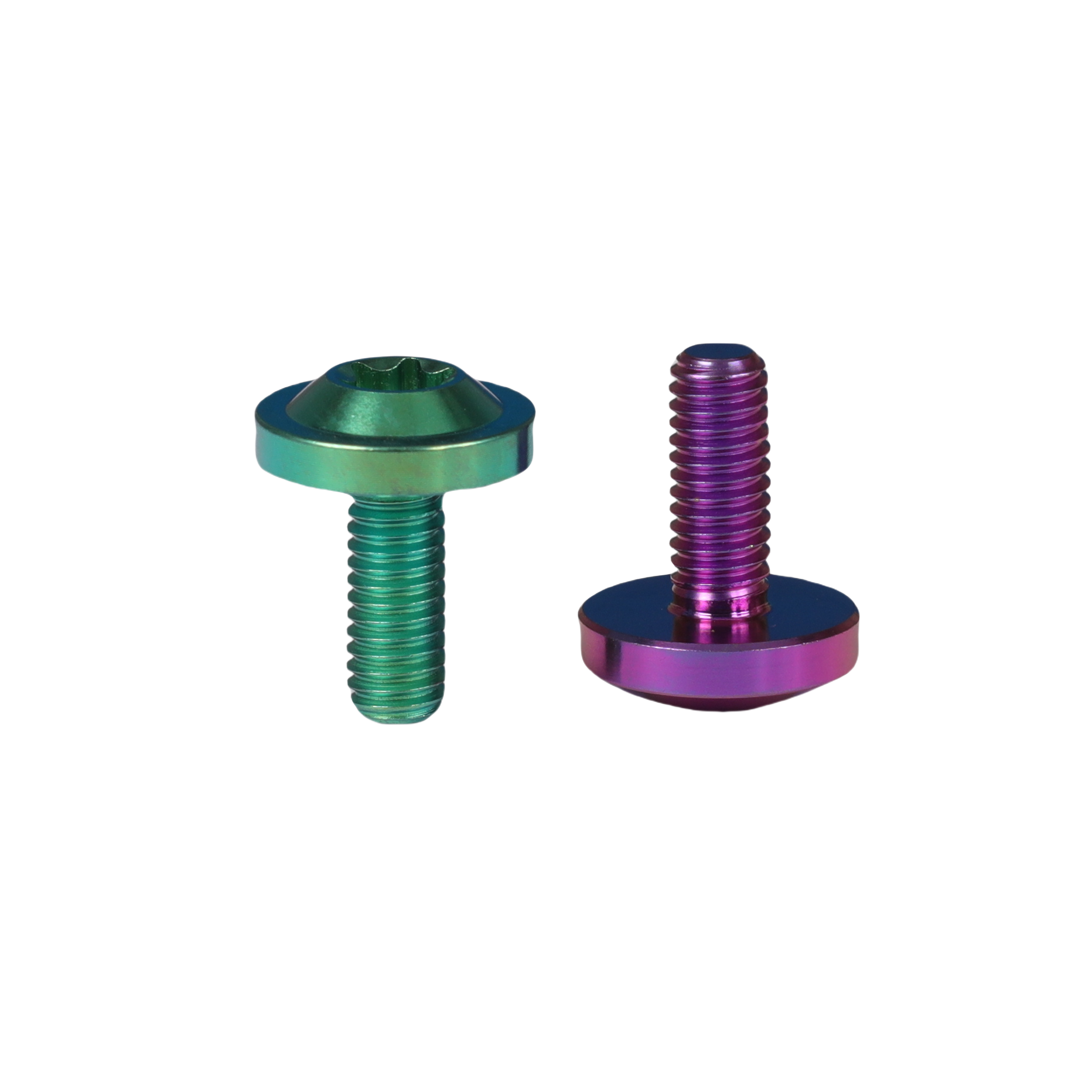
Corrosion-Resistant GR5 M6 Titanium Bolts Fasteners for Motorcycle Engine & Body Modification Screw
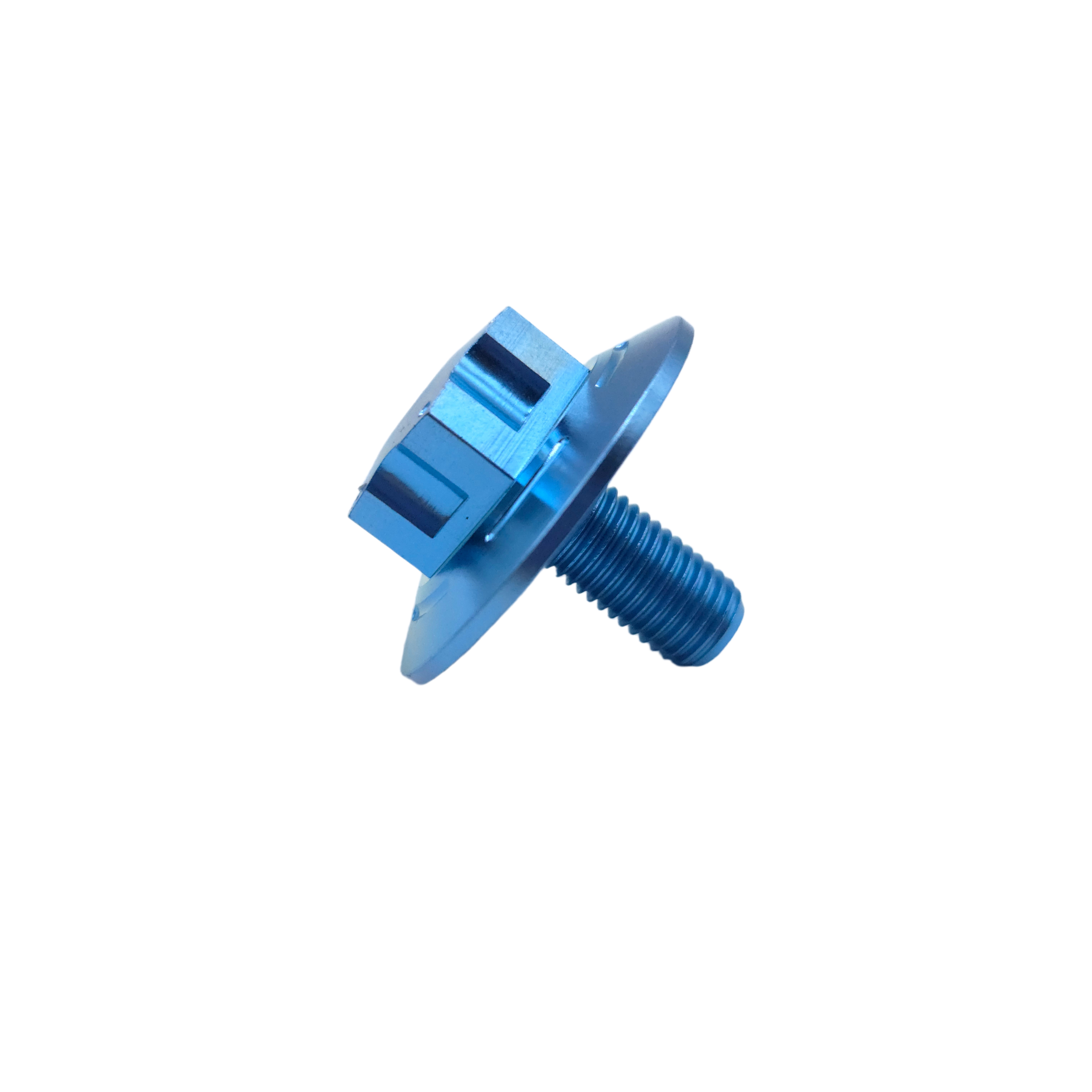
Factory Supply GR5 Titanium Hex Flange Head Bolt M10X20 DIN Thread Anodized Polish Finish Motorcycle Gasoline Cap
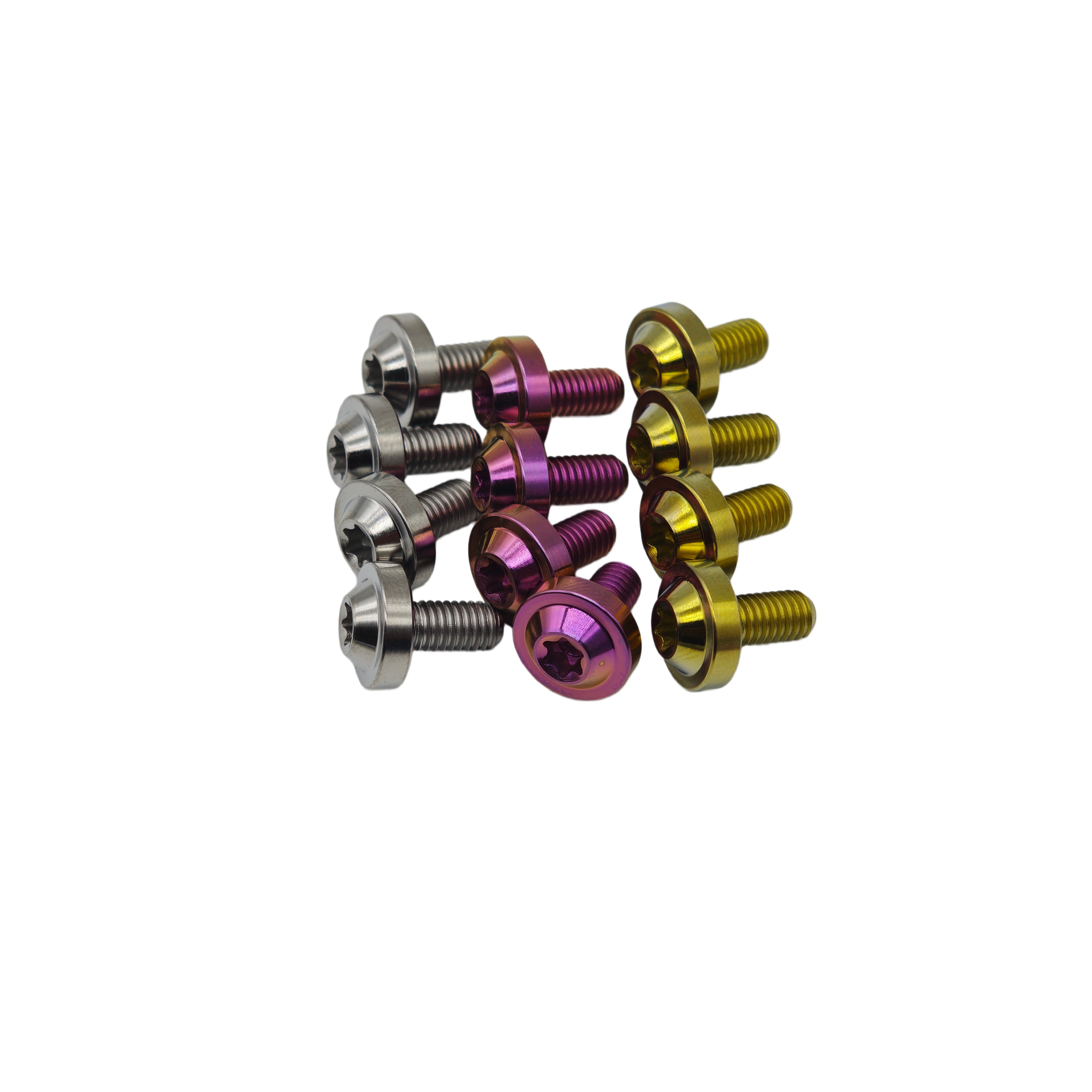
Custom GR5 Titanium M8 Disc Head Bolts with Plain Finish for Bike Motorcycle
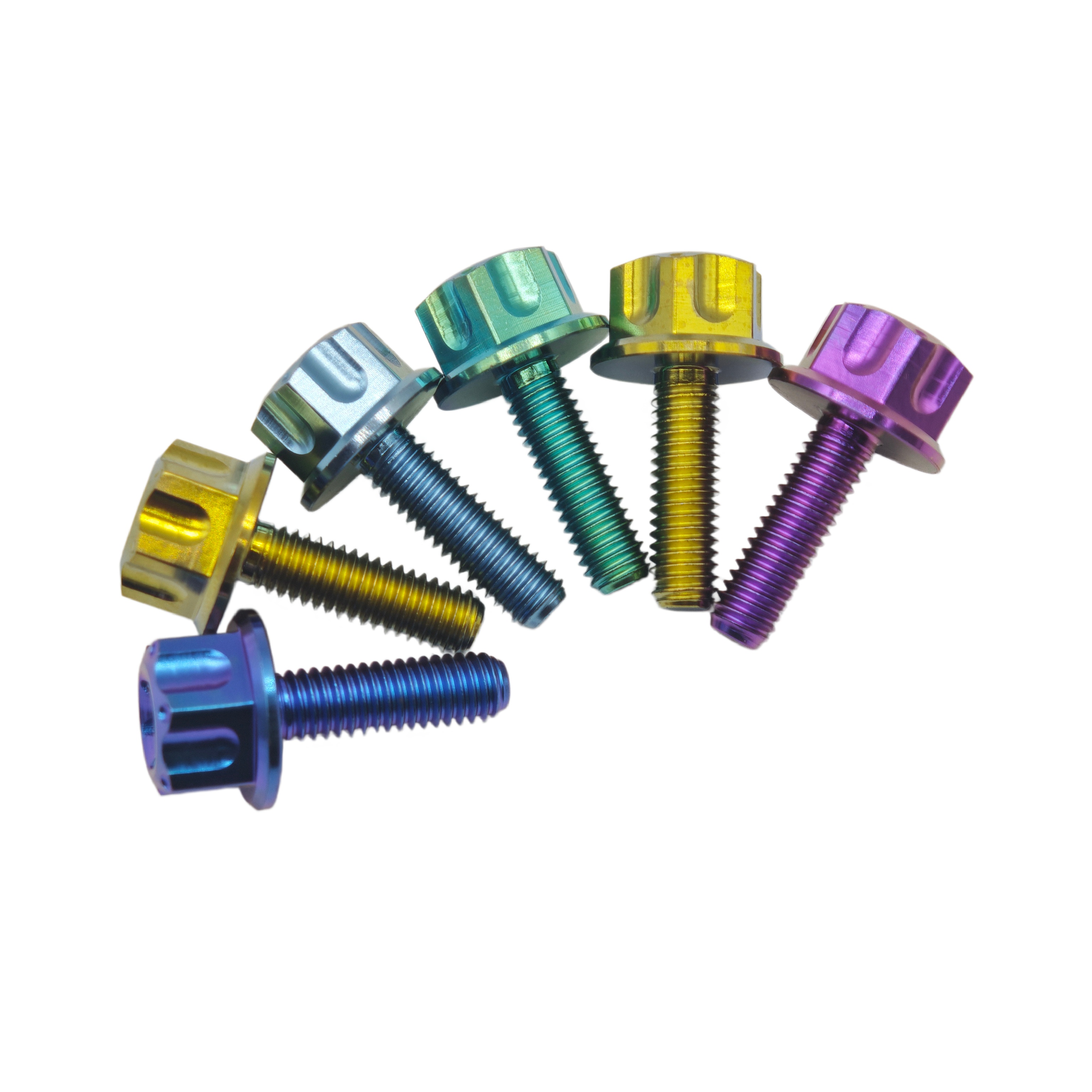
TECKSR Factory Price M4 Anodized GR5 Titanium Hex Flange Head Torx UNF Thread Class 5 Motorcycle Bolts
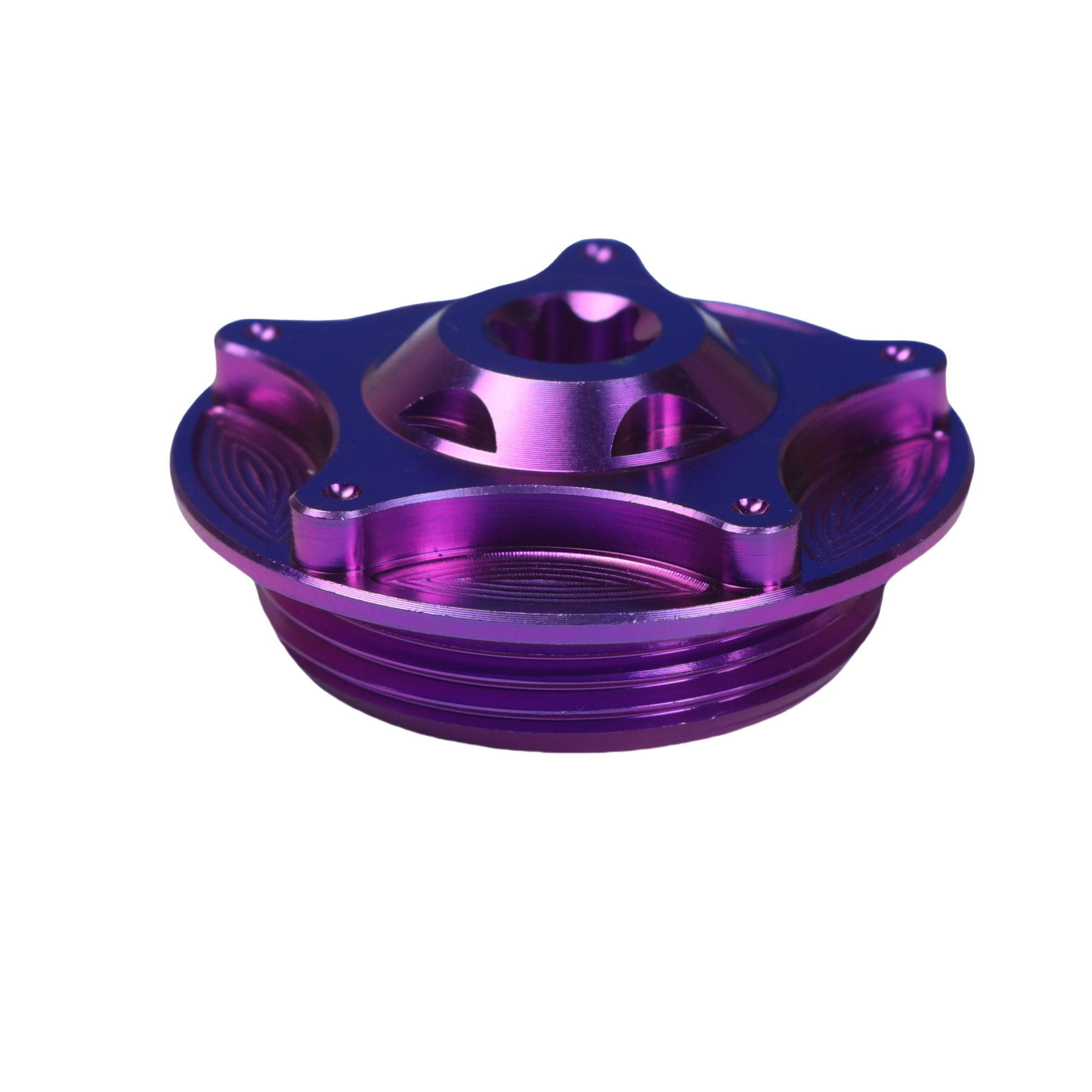
Factory Wholesale Titanium Alloy Motorcycle Modified Custom Workpiece GR5 Bolts Fasteners Oil Cap Nut
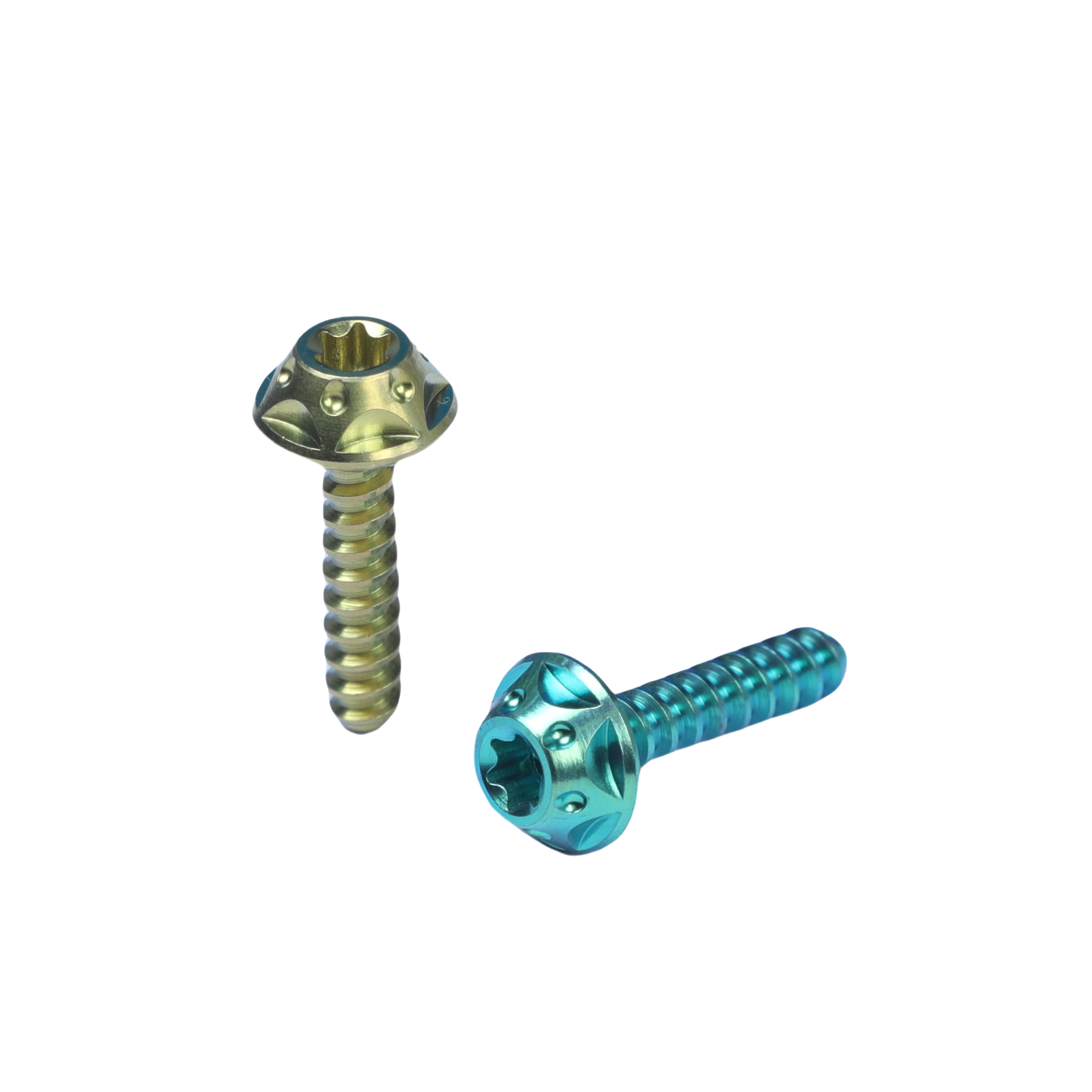
GR5 Titanium M5 CNC Flower Head Self-Tapping Screws Factory Direct Grade 5
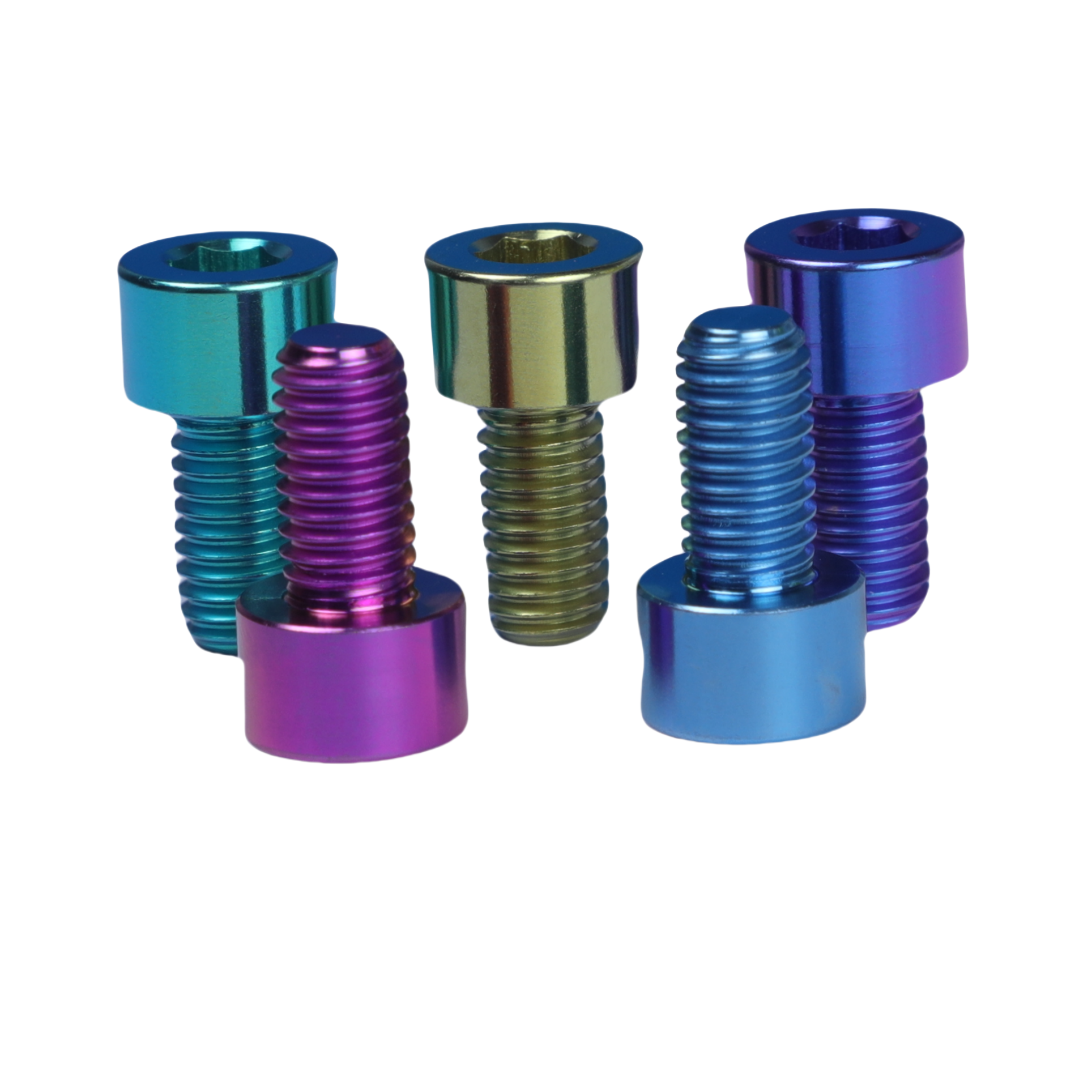
High Quality DIN912 GR5 Titanium Alloy Hexagon Socket Head Bolts Industrial Fastener Machine Made Titanium Screws
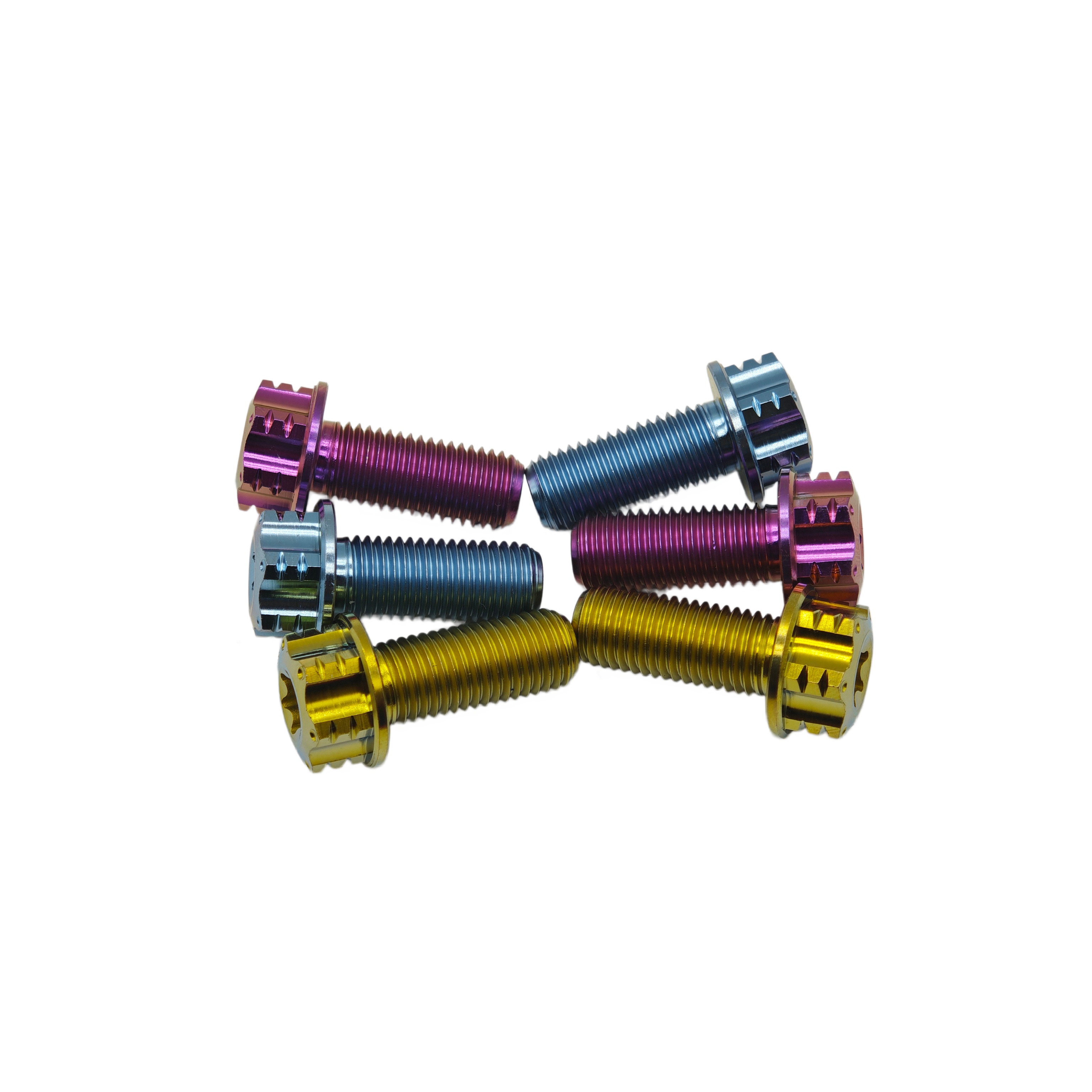
Hot Selling Gr5 Titanium Bolts M10*25mm High Quality Hex Flange Head Plain Finish UNF Thread Motorcycle Modified
Metallurgical Precision: Why German OEMs Rely on Grade 5 (Ti-6Al-4V) Fasteners
In German manufacturing sectors governed by strict VDI 2230 calculation models for bolted joints, Ti-6Al-4V Grade 5 (Material No. 3.7165 / UNS R56400) represents the gold standard for high-strength, lightweight design. Unlike commercial pure titanium (Grades 1 to 4), which offers exceptional chemical resistance but lacks structural shear capacity, Grade 5 is an alpha-beta alloy heat-treated to achieve a minimum tensile strength of 895 MPa and yield strength exceeding 828 MPa.
German mechanical design departments face relentless pressure to reduce rotating and unsprung masses without sacrificing structural joint integrity. Grade 5 titanium boasts a density of 4.43 g/cm³, representing a 44% weight reduction relative to standard 8.8 or 10.9 structural steels. Simultaneously, its elastic modulus (110 GPa) allows for superior dynamic shock absorption and deflection recovery under severe cyclic vibrational loads, drastically reducing fatigue failures across motorsport suspensions, marine powertrains, and robotic end-effectors.
Comparative Engineering Properties for Bolted Joint Calculations
Data calibrated for German procurement managers evaluating mechanical stress, corrosion risk, and weight optimization per VDI 2230 guidelines.
| Mechanical / Physical Property | Grade 5 (Ti-6Al-4V / 3.7165) | Property Class 8.8 Steel | Property Class 10.9 Steel | A4-80 Stainless (1.4401) | 7075-T6 Aluminium |
|---|---|---|---|---|---|
| Density (ρ) | 4.43 g/cm³ | 7.85 g/cm³ | 7.85 g/cm³ | 8.00 g/cm³ | 2.81 g/cm³ |
| Yield Strength (Rp0.2) | ≥ 828 MPa | 640 MPa | 900 MPa | 600 MPa | 505 MPa |
| Tensile Strength (Rm) | 895 – 1050 MPa | 800 MPa | 1000 – 1040 MPa | 800 MPa | 570 MPa |
| Young's Modulus (E) | 110 – 114 GPa | 210 GPa | 210 GPa | 193 GPa | 72 GPa |
| Pitting Resistance (PREN / Salt) | Immune (Forms self-healing TiO₂) | Severe Oxidation | Corrosion Prone | Moderate (PREN ~23–25) | Susceptible to exfoliation |
| Thermal Expansion (20–100°C) | 8.6 × 10⁻⁶ / K | 11.5 × 10⁻⁶ / K | 11.5 × 10⁻⁶ / K | 16.0 × 10⁻⁶ / K | 23.4 × 10⁻⁶ / K |
| Magnetic Permeability (μr) | 1.00005 (Non-magnetic) | Ferromagnetic | Ferromagnetic | Slightly Paramagnetic | Non-magnetic |
Targeted Industrial Scenarios in the Federal Republic of Germany
Precision-matched fastener integrations across Germany's core industrial Mittelstand and Tier-1 engineering clusters.
Motorsport & Automotive Engineering
Centered in Baden-Württemberg and Bavaria, Tier-1 automotive developers and privateer racing outfits require extreme unsprung mass reduction.
- Brembo & AP Racing brake caliper and disc rotor mounting bolts
- Hub carrier fastenings and lightweight titanium wheel lug studs
- Exhaust manifold studs resistant to cyclic thermal shock at 450°C
- Nürburgring Endurance Series (NES) chassis weight balancing
Industrial Automation & Robotics
Across North Rhine-Westphalia and Hesse, high-speed pick-and-place gantry arms demand minimized rotational inertia for rapid cycle times.
- DIN 912 and ISO 7380 bolts for lightweight robotic end-effectors
- Zero-magnetic fastener systems for optical inspection tables
- High-frequency dynamic vibration damping on assembly lines
- High clamp-load retention without premature thread shearing
North Sea Offshore & Hydrogen Energy
In coastal hubs like Bremen and Hamburg, offshore wind turbines and PEM electrolyzer modules demand immunity to aggressive marine atmospheres.
- Permanent resistance to chloride stress-corrosion cracking (SCC)
- Immunity to localized pitting in ocean splash zones (DIN EN ISO 3506)
- Electrolyzer cathode housing bolts immune to hydrogen embrittlement
- Elimination of sacrificial zinc flakes and zinc-nickel reapplications
E-Mobility & Precision Pedelec OEM
In the Bodensee and Black Forest performance bicycle clusters, premium e-bike builders leverage titanium for both aesthetics and durability.
- Custom M5 flower-head and Torx flange screws for frame housings
- Corrosion-proof stem bolts unaffected by road de-icing salt spray
- Weight-optimized motor casing bolts for mid-drive e-motors
- PVD-coated cosmetic fairing screws resistant to hex drive stripping
Emerging Procurement Trends Shaping German Sourcing Strategies
Analysis of how German supply chain laws, carbon emission caps, and technical compliance redefine fastener procurement.
Total Cost of Ownership (TCO) vs. A4 Stainless
German engineering leads are transitioning from initial acquisition cost metrics to lifecycle TCO. While A4-80 stainless steel fasteners often seize, gall, or require periodic anti-corrosion recoating, Grade 5 titanium offers an indefinite operational lifespan in outdoor, chemical, and maritime environments, drastically cutting maintenance labor costs.
Supply Chain Traceability & EN 10204 3.1
In compliance with Germany's Lieferkettensorgfaltspflichtengesetz (LkSG) and aerospace quality protocols, industrial purchasers no longer accept non-traceable fasteners. Direct mill certification containing complete chemical composition (C, O, N, H, Fe, Al, V) and mechanical stress test certificates linked to raw melt ingot heat numbers has become an uncompromising baseline.
Hydrogen Embrittlement Mitigation
With Germany's rapid expansion of green hydrogen electrolyzers and industrial pipeline conversions, high-tensile 10.9 and 12.9 carbon steel fasteners pose dangerous risks of atomic hydrogen embrittlement. Grade 5 titanium fasteners remain completely immune to hydrogen-induced delayed cracking, guaranteeing continuous joint structural integrity.
Baoji Direct Manufacturing: Eliminating Middlemen for German Buyers
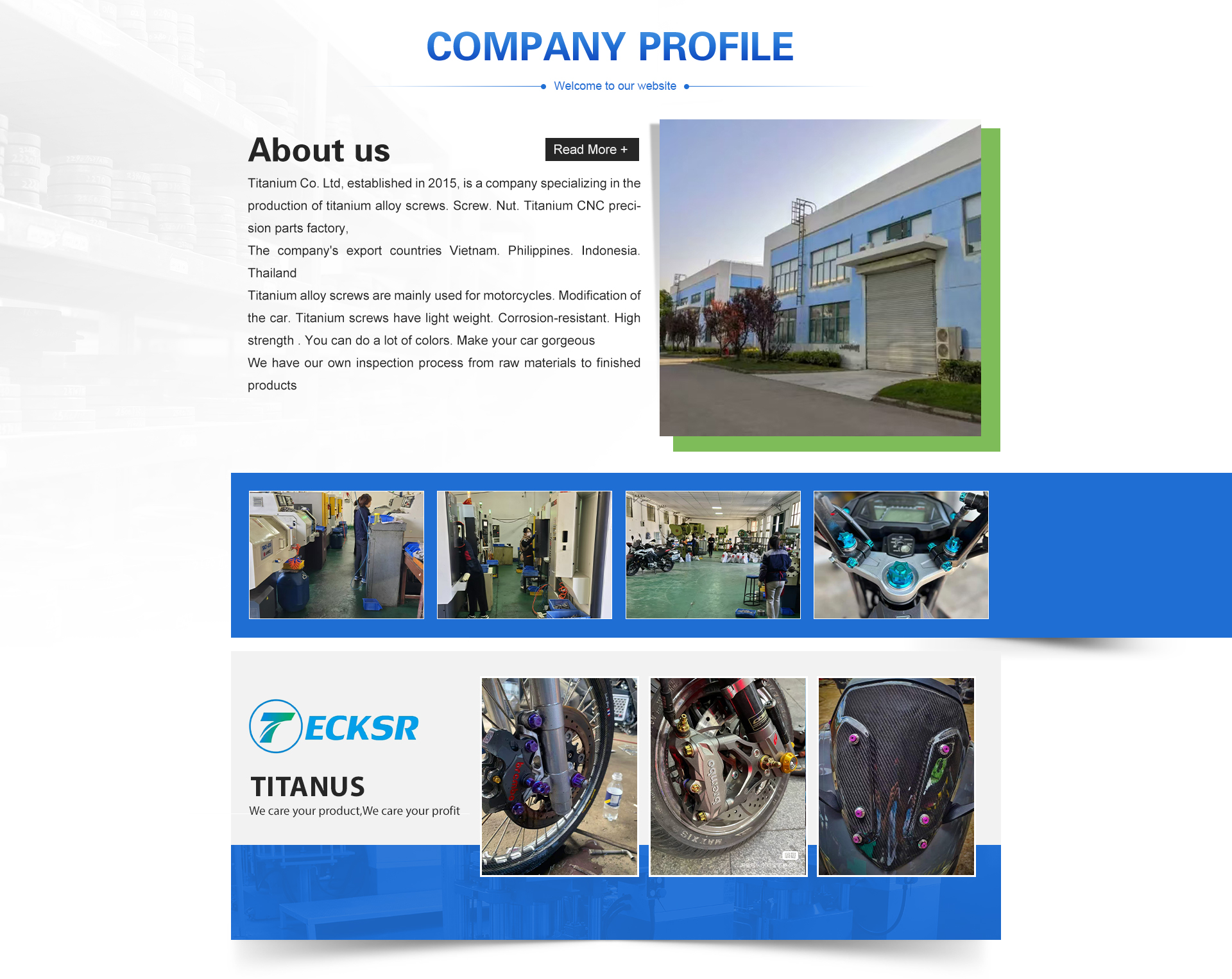
Founded in 2015 in Baoji, Shaanxi—widely celebrated as China's "Titanium Valley"—Zunvo Titanium Products Co., Ltd. operates a vertically integrated production campus spanning up to 3,000 m². Being directly situated within the titanium smelting capital grants us direct access to prime vacuum-arc remelted (VAR) Grade 5 aerospace-grade titanium rod stock, ensuring absolute raw material integrity before machining ever begins.
Our operational workforce of over 100 experienced technicians leverages advanced multi-axis CNC Swiss turning centers, dedicated hot heading presses, and thread rolling machines. By cold- or hot-rolling bolt threads rather than single-point cutting them, we maintain continuous grain flow lines along the thread flanks, increasing tensile fatigue endurance limits by more than 35%—a non-negotiable metric for high-speed German mechanical assemblies.
100% Quality Inspection
Every fastener undergoes rigorous pitch diameter go/no-go plug gauging, optical optical sorting, micro-hardness validation, and optical surface flaw detection.
3-Day Rapid Sampling
We provide German R&D teams with customized CNC prototypes within 72 hours, accelerating physical validation before approving high-volume tooling runs.
≤ 7-Hour Quotation Turnaround
Our dedicated European export engineering desk accounts for German CET time zones, delivering structured CAD drawing reviews and quotes in less than 7 hours.
DDP Shipping to German Ports
We handle all export packaging, customs clearance, and DDP air/sea freight logistics directly to Frankfurt, Hamburg, or direct warehouse door delivery.
Frequently Asked Questions by German Purchasing & Engineering Teams
Direct answers addressing technical norms, certifications, tariffs, and mechanical integration.
Can your Grade 5 titanium bolts directly substitute 10.9 class steel bolts in structural assemblies?
Yes, in the vast majority of applications. Ti-6Al-4V Grade 5 offers an ultimate tensile strength of 895–1050 MPa and yield strength of ~828 MPa, aligning closely with Property Class 10.9 steel (1000 MPa tensile, 900 MPa yield). However, because titanium’s Young’s modulus is ~110 GPa (roughly half of steel’s 210 GPa), elongation under equivalent clamp force is higher. Per VDI 2230 calculation procedures, tightening torque should be adjusted, and high-pressure anti-seize paste (such as MoS2 or titanium-specific copper paste) must be utilized to maintain precise friction coefficients (μ = 0.10–0.14) and eliminate thread galling.
Do you supply DIN EN 10204 Type 3.1 Material Inspection Certificates with every production batch?
Absolutely. Every production lot destined for the European Union is issued with an authentic EN 10204 3.1 Inspection Certificate traceable back to the raw ingot melt heat number. The report verifies spectrographic chemical composition (verifying Al 5.5–6.75%, V 3.5–4.5%, and ultra-low interstitials Fe < 0.40%, O < 0.20%, H < 0.015%), along with mechanical tensile tests, yield verification, elongation percentages, and hardness data (HRC 30–36).
How is galvanic corrosion prevented when mating titanium fasteners with German aluminum alloy frames?
While titanium is nobler than aluminum, its naturally passivated oxide layer (TiO2) makes it far less electrically reactive than carbon steel. However, in continuous saline electrolyte environments (e.g., coastal de-icing spray on the Autobahn or offshore installations), micro-galvanic cells can develop. To ensure complete joint longevity, we supply our German clients with insulating PVD barrier coatings, fluoropolymer top-coats, or recommend assembly with synthetic zinc-free anti-seize paste or anodized aluminum/composite isolation washers.
What are the standard lead times, minimum order quantities (MOQ), and shipping channels to Germany?
For standard DIN 912, DIN 933, and DIN 6921 titanium bolts in common metric sizes (M4–M12), stock items ship within 24 hours. Bespoke drawing-based custom CNC fasteners feature a low minimum order threshold of only 100 units to support R&D trials. Bulk production orders generally conclude within 7–15 days. Express door-to-door delivery via DHL Express or FedEx takes 3–5 working days to German addresses, while consolidated sea or air freight handles volume orders smoothly under DDP or DAP Incoterms.
How do your fasteners conform to EU REACH and RoHS environmental directives?
All fasteners fabricated by Zunvo Titanium are 100% compliant with EU Regulation (EC) No 1907/2006 (REACH) and Directive 2011/65/EU (RoHS). Our Grade 5 titanium products contain zero hazardous substances, zero SVHCs (Substances of Very High Concern), zero cadmium, hexavalent chromium, or lead additives. Official third-party laboratory test reports (SGS/TÜV Rheinland compliant) are available for audit review.
What surface treatment options are available, and will anodized colors hold up under industrial use?
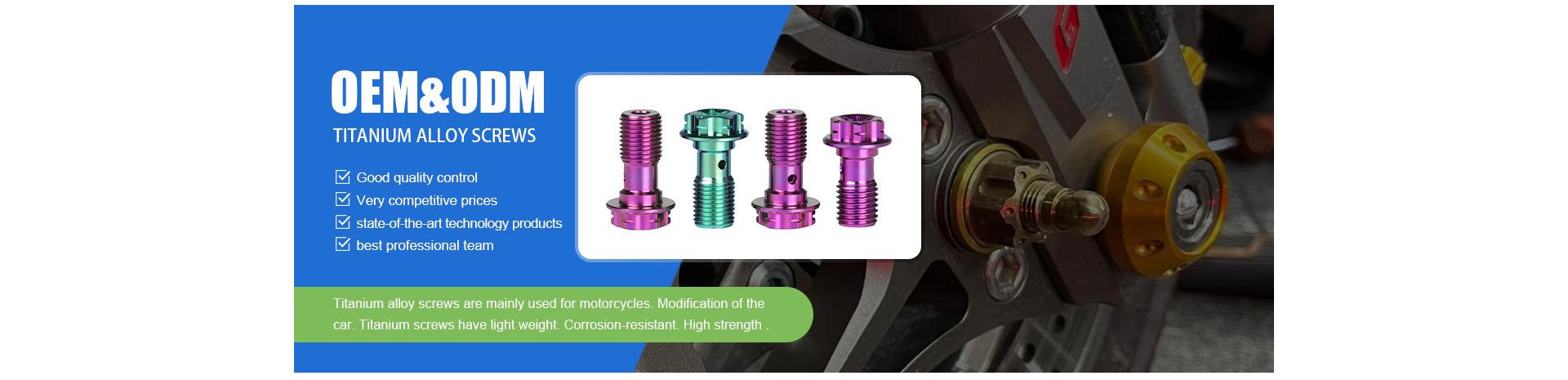
We provide electrolytic color anodization (Rainbow, Gold, Royal Blue, Purple, Green) and physical vapor deposition (PVD) DLC coatings (Gloss Black, Titanium Nitride Gold, Burnt Chrome). Anodizing forms an optical interference oxide layer that is integrated into the metal and will never peel, flake, or chip like paint. For high-wear applications, such as drive sockets and wheel lug bolts frequently subjected to impact wrenches, our PVD diamond-like carbon (DLC) coating is strongly recommended to protect against tool wear.
Accelerate Your Engineering Project with Certified GR5 Fasteners
Submit your 2D/3D CAD technical drawings (.STEP, .IGES, .DWG, .PDF) or standard DIN specifications. Our engineering team will review manufacturability, thread pitch tolerances, and supply an official commercial quotation within 7 hours.
