Precision Grade 5 Fasteners Ready for Baltic Engineering
Thread-rolled, CNC-machined Ti-6Al-4V hardware engineered to meet DIN, ISO, and custom drawing criteria with complete metallurgical mill-traceability.
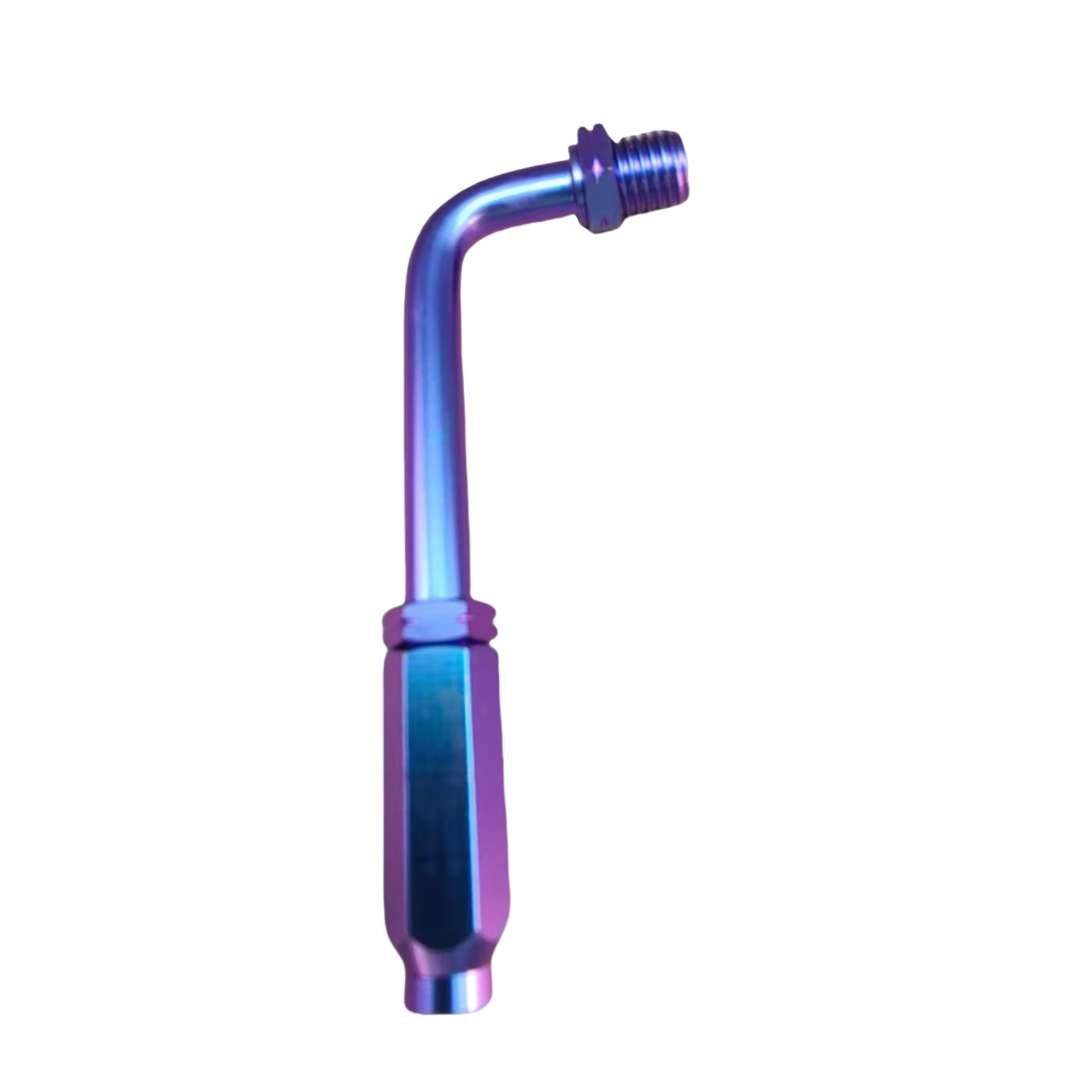
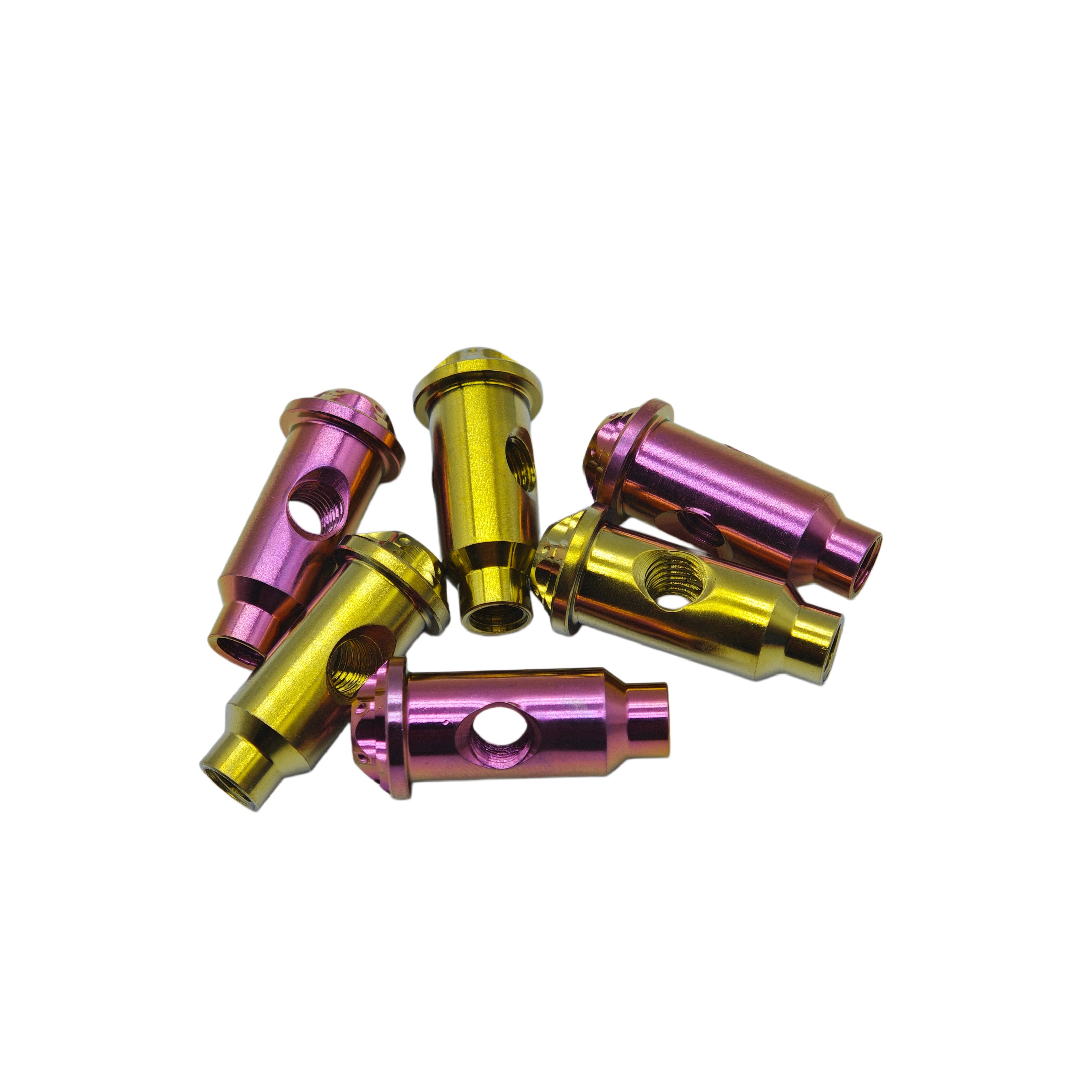
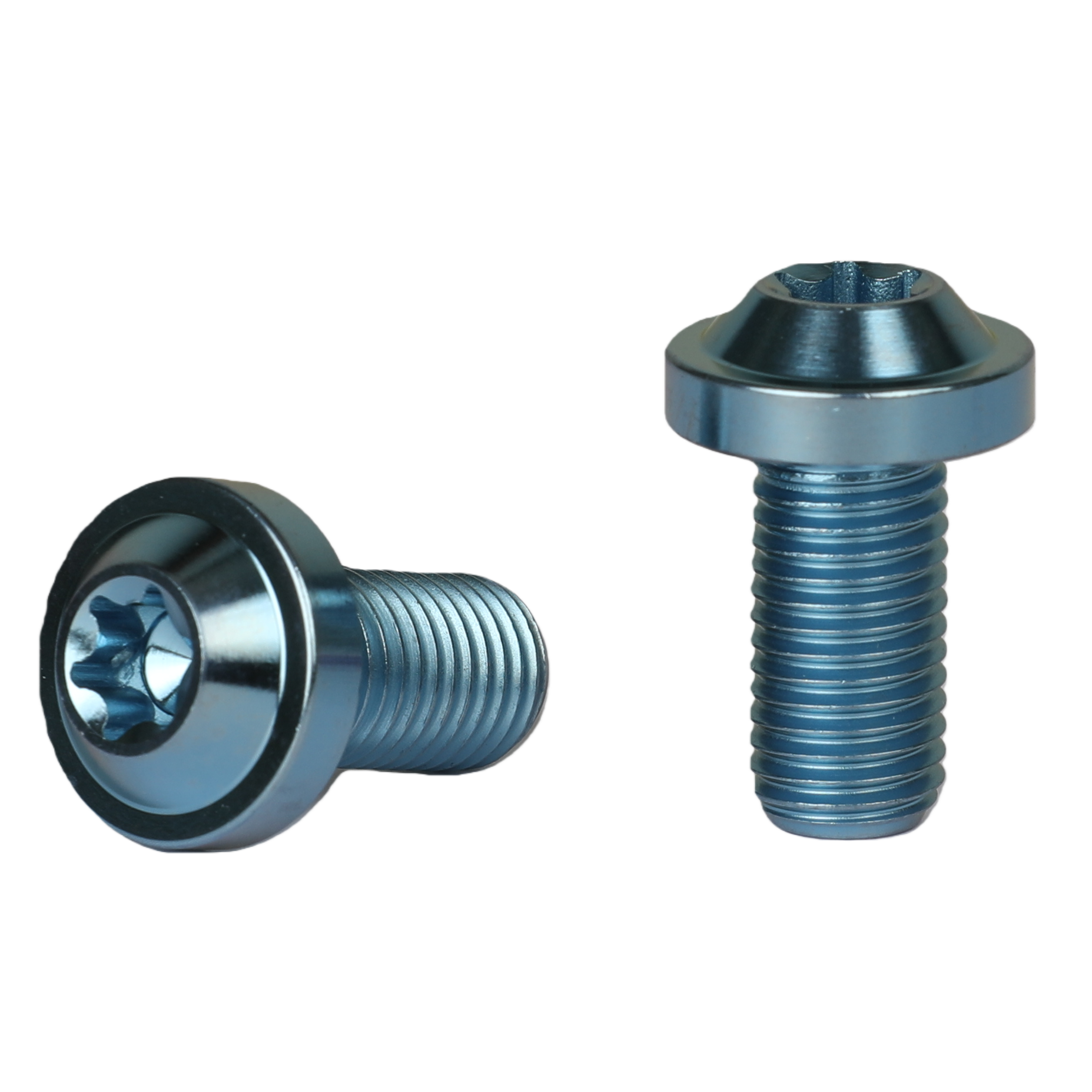
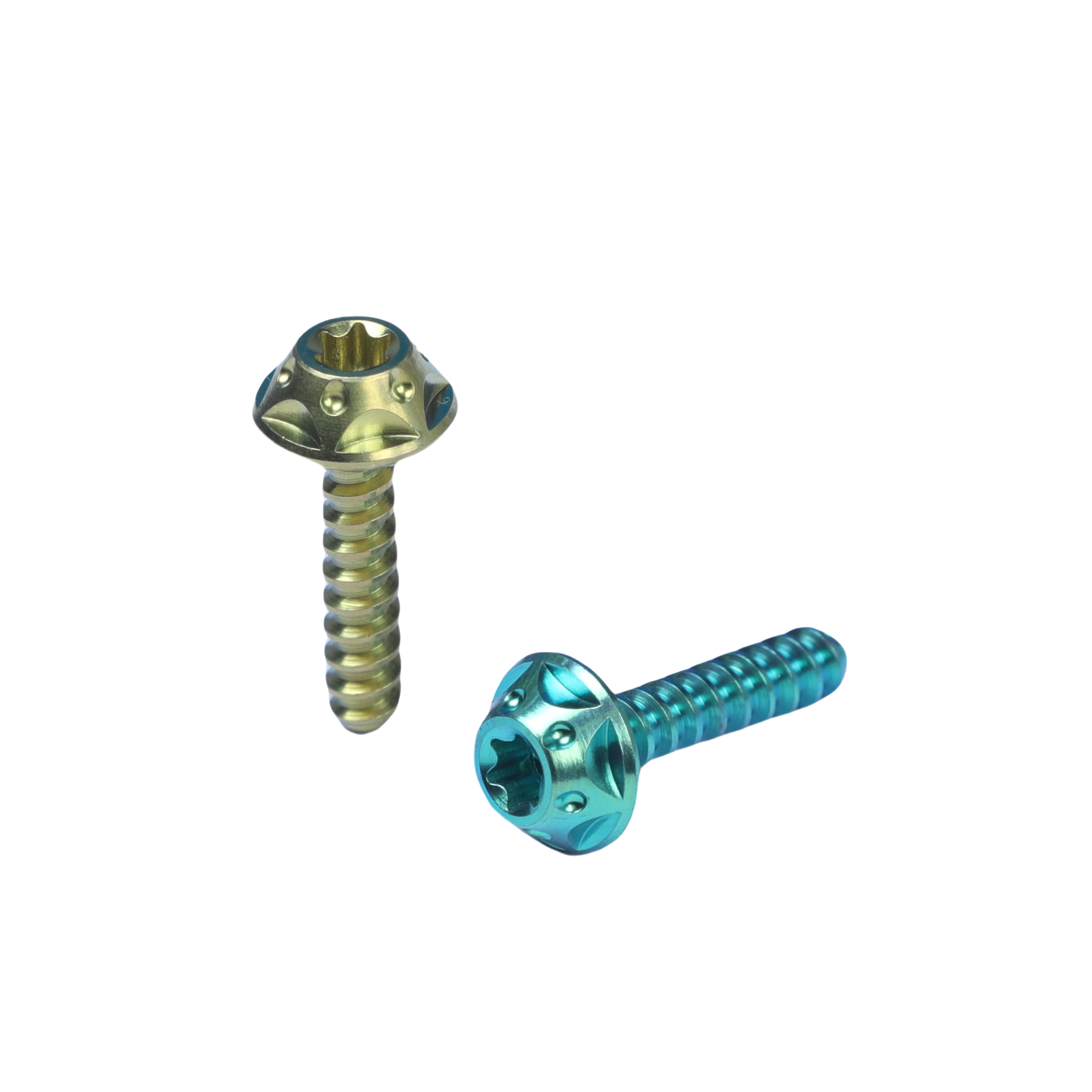
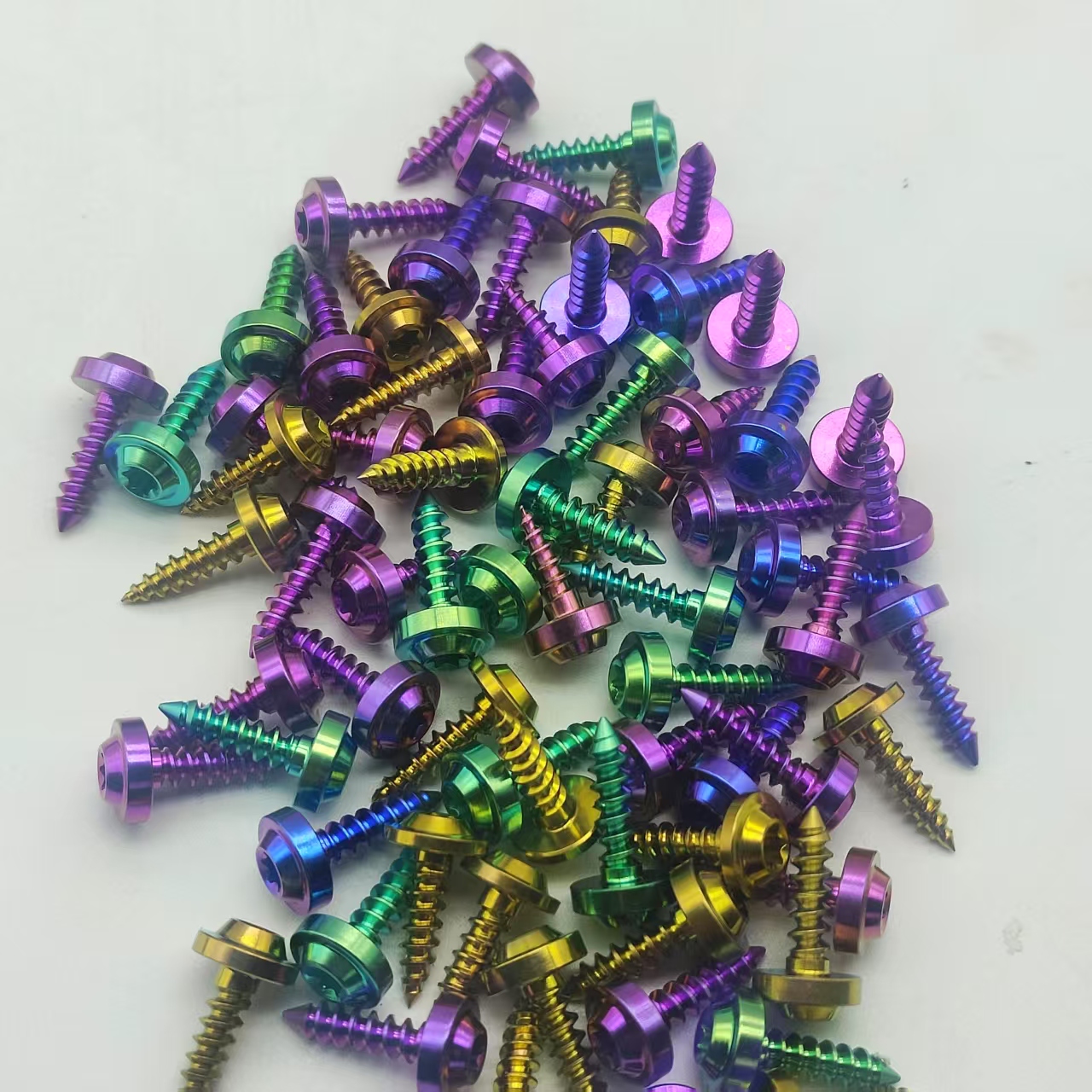
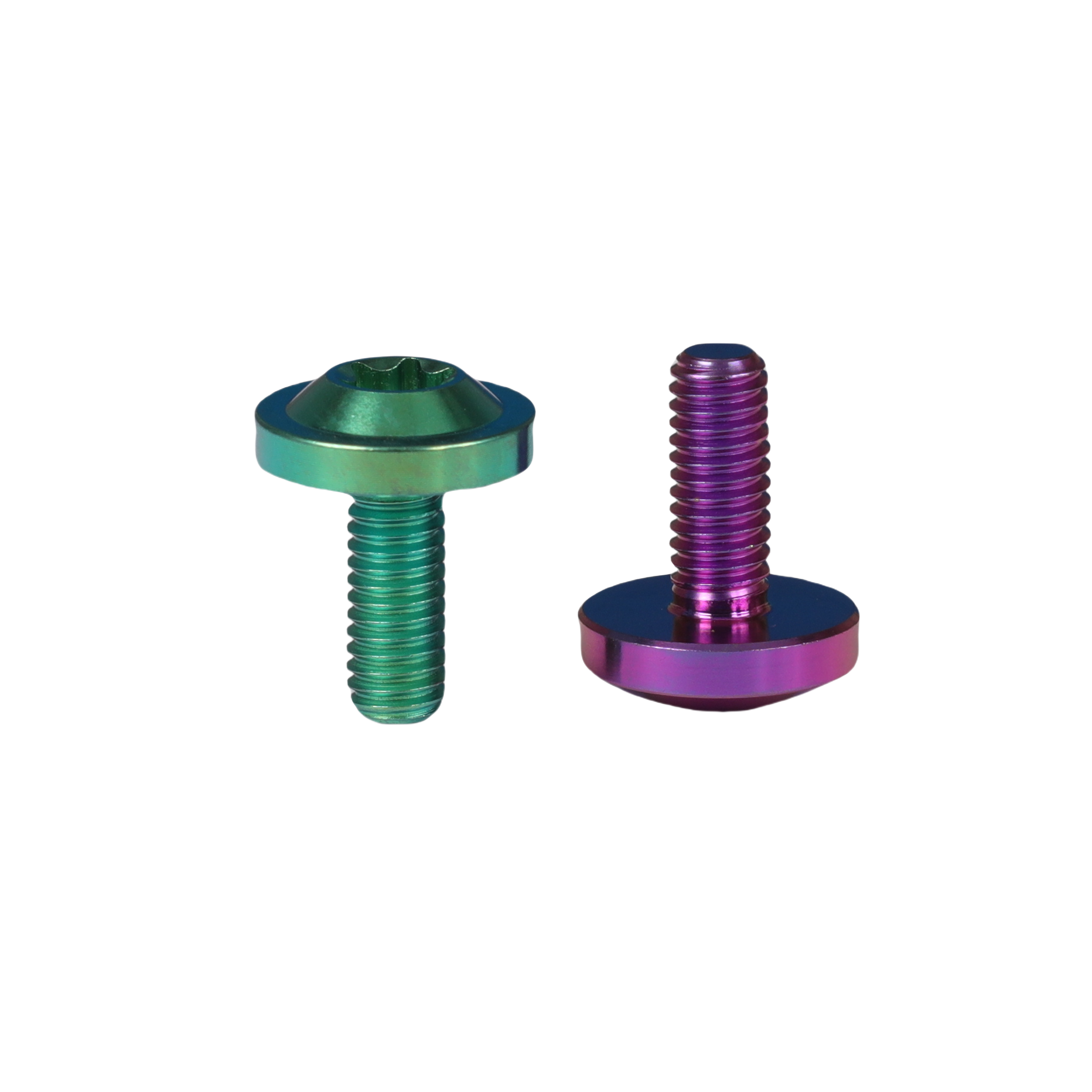
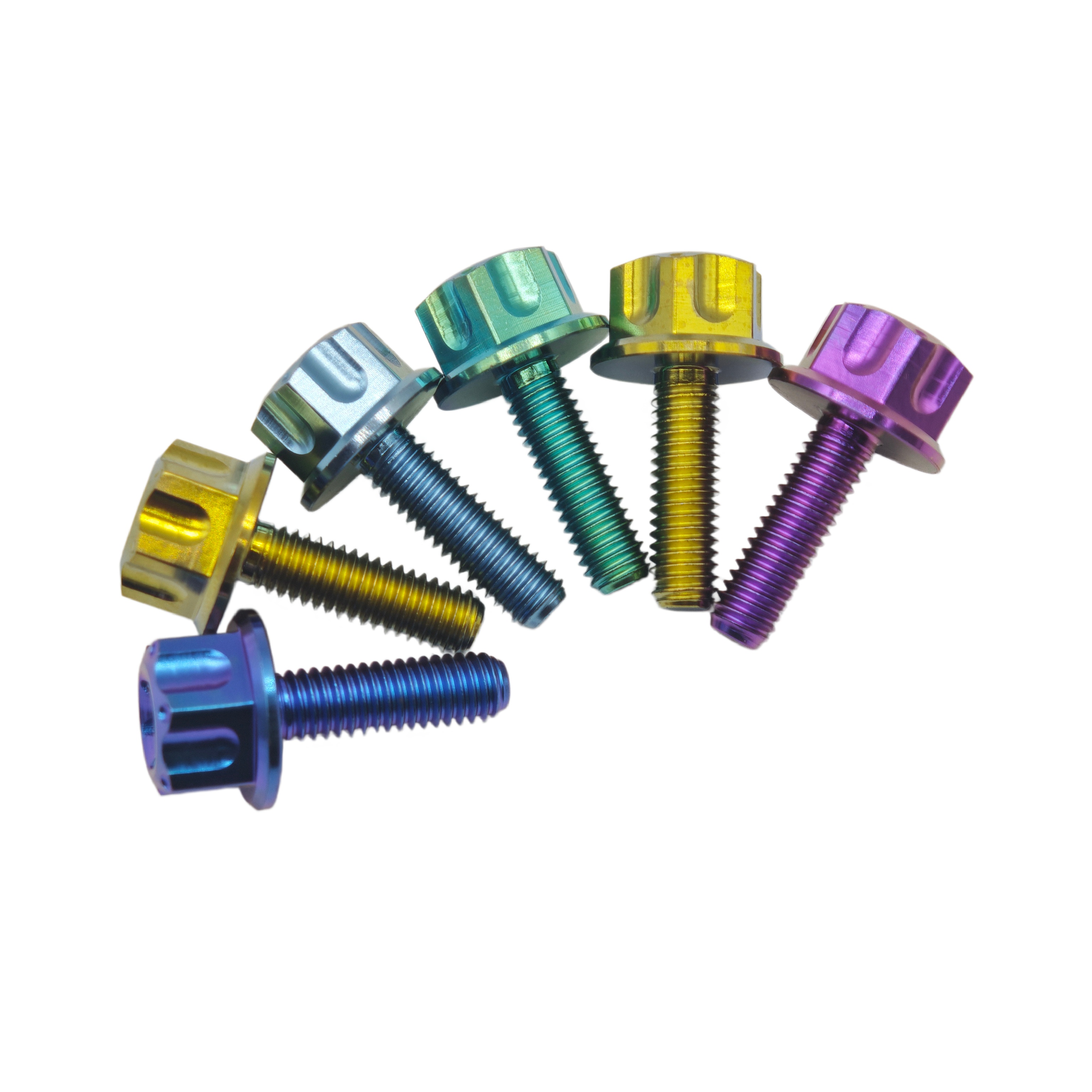
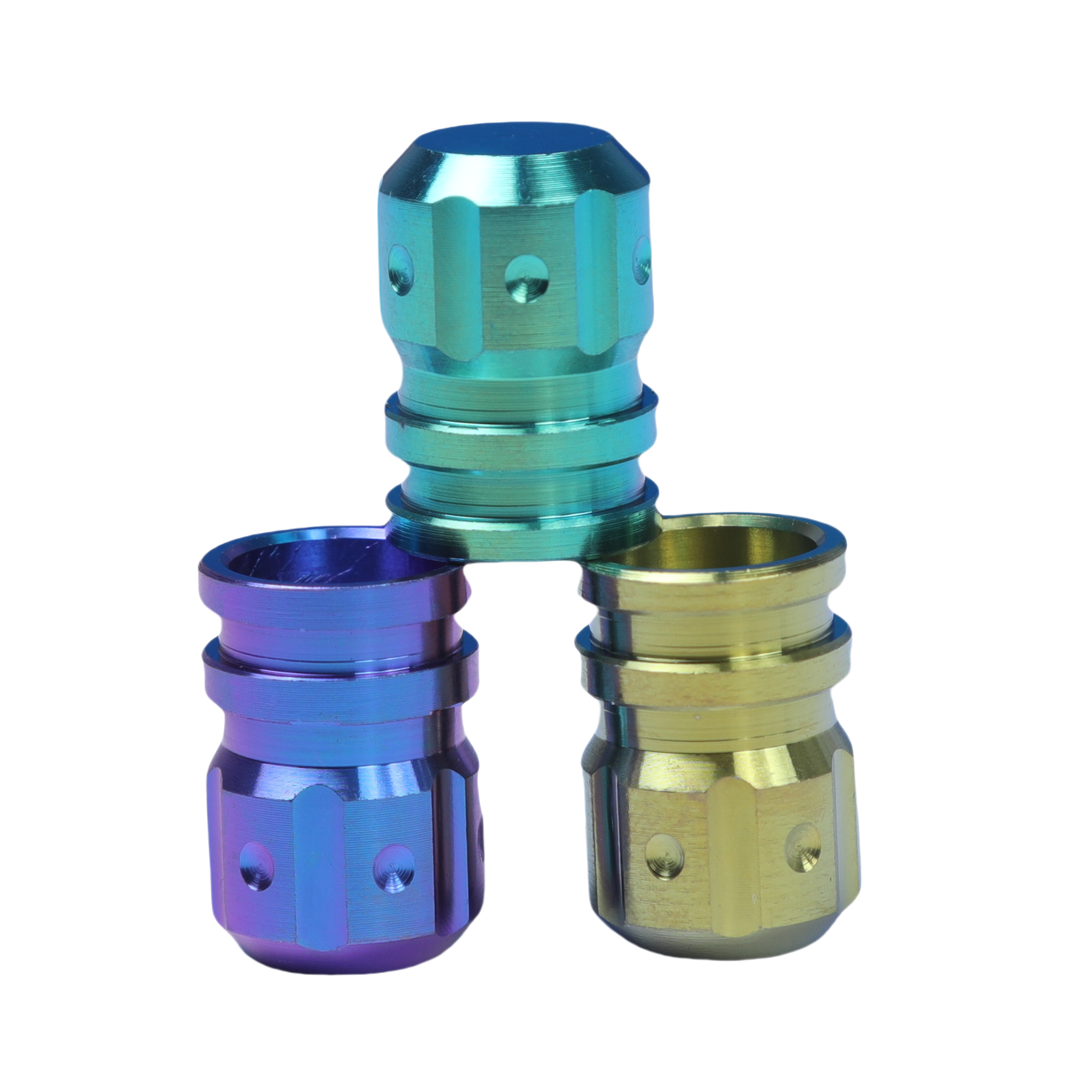
Daugavpils Market Dynamics: Industrial Re-Engineering & Grade 5 Titanium Adoption
As the primary industrial nexus of south-eastern Latvia and the Latgale region, Daugavpils occupies a strategic manufacturing crossroad linking the Baltic states with continental European supply routes. Historically established around heavy locomotive repair (anchored by decades of mechanical heritage at the Daugavpils Locomotive Repair Plant — DLRR), specialized machine building, precision instrument assembly, and metal fabrication, the regional manufacturing ecosystem is currently undergoing an accelerated modernization cycle.
Local industrial procurement managers and design engineers are aggressively shifting away from heavy low-alloy steels and vulnerable stainless fasteners toward Grade 5 Titanium (Ti-6Al-4V, Werkstoff 3.7165 / UNS R56400). In extreme operational regimes—such as high-vibration railway bogies, aggressive municipal chemical clearing, winter road salting, and high-frequency automated assembly lines—Grade 5 fasteners solve two of the region's most expensive challenges: uncontrolled structural deadweight and accelerated galvanic/pitting corrosion.
The Metallurgical Case for Ti-6Al-4V in Northern European Climates
Grade 5 is an alpha-beta alloy characterized by outstanding strength-to-weight efficiency. With a nominal tensile strength exceeding 895 MPa (often reaching 950–1050 MPa in cold-worked and thread-rolled conditions) and a yield strength minimum of 828 MPa, it rivals Class 8.8 and Class 10.9 structural carbon steels while shedding nearly 44% of the component mass. Unlike austenitic steels (such as AISI 304 or 316) which frequently experience catastrophic stress corrosion cracking (SCC) under chloride exposure when tensile stress is applied, Grade 5 forms an instantaneous, regenerative titanium dioxide (TiO₂) ceramic passive film that remains completely impervious to salt spray, de-icing brine, sulfur compounds, and heavy humidity typical of Baltic freeze-thaw cycles.
Key Engineering Application Sectors in Daugavpils & Latgale
Railway & Rolling Stock Maintenance
Daugavpils is Latvia's locomotive capital. Fasteners applied in high-frequency pantograph assemblies, sub-frame auxiliary mounts, and braking bracket systems benefit from Ti-6Al-4V’s superior fatigue limit and notch toughness at sub-zero temperatures (-40°C).
Precision Subcontracting & Automation
Regional CNC contract machinists and automation integrators supply Scandinavian and Western European assembly lines. Grade 5 shoulder bolts, dowel pins, and robotic end-effector fasteners minimize rotational inertia and cycle deflection.
Motorsport, Enduro & Custom Fleet
Latgale maintains an active automotive modification, karting, and speedway culture. Unsprung rotating mass reduction via Gr5 wheel hub studs, brake disc rotor bolts, and axle nuts delivers direct steering acceleration advantages.
Corrosive Processing & Water Engineering
Used widely in local chemical conveyance, wastewater purification systems along the Daugava River, and industrial pump components where aggressive acidic or chlorine environments destroy standard 316L fasteners within months.
Engineering Trade-Off Analysis: Fastener Materials Benchmarking
Before issuing requests for quotation (RFQs), procurement officers must balance yield strength, shear resistance, mass penalties, and total lifecycle replacement overhead. The table below presents verified metallurgical metrics compiled to guide engineering decisions in Daugavpils workshops:
| Property Parameter | Grade 5 Titanium (Ti-6Al-4V) | Class 10.9 Structural Steel | A4-80 Stainless Steel | 7075-T6 Aerospace Aluminum |
|---|---|---|---|---|
| Density (g/cm³) | 4.43 | 7.85 | 7.95 | 2.81 |
| Tensile Strength (MPa) | 895 – 1050 | 1000 – 1040 | 800 | 570 |
| Yield Strength (Rp 0.2, MPa) | ≥ 828 | 900 – 940 | 600 | 505 |
| Specific Strength (kNm/kg) | 202 – 237 | 127 – 132 | 100 | 203 |
| Modulus of Elasticity (GPa) | 110 – 114 | 205 – 210 | 193 | 72 |
| Road Salt & Chloride SCC Resistance | Immune (0.00 mm/yr) | Severe (Requires plating) | Subject to pitting / SCC | Galvanic attack prone |
| Service Temp Range (°C) | -196°C to +400°C | -40°C to +300°C | -196°C to +350°C | -50°C to +120°C |
*Note: Modulus of elasticity of Grade 5 titanium is roughly half that of alloy steel (~110 GPa vs ~210 GPa). This flexibility allows Ti-6Al-4V fasteners to absorb high cyclical shock and thermal elongation without backing out or snapping, provided OEM pre-load elongation formulas are calibrated accordingly.
Localized Development Trends Influencing Daugavpils & Latgale
The manufacturing sector in Eastern Latvia is currently influenced by three macro-trends that directly elevate demand for certified Class 5 and Grade 5 threaded components:
1. TEN-T & Rail Baltica Alignment
With massive EU infrastructure investments transitioning Baltic railway networks toward European standard gauges (1435 mm) and modernized commuter stock, high-strength lightweighting is critical to lowering track dynamic impact and satisfying strict EU energy efficiency directives.
2. Decarbonization & Lightweighting
Industrial machinery builders in Latgale exporting to Germany, Sweden, and Finland face aggressive carbon-tax quotas and product lifecycle assessments (LCA). Reducing deadweight in mobile heavy equipment components reduces energy consumption during machine operation.
3. Direct Sourcing from Raw Material Hubs
Western distributor markups in the Baltics often reach 200–300% on specialty titanium fasteners. Savvy Daugavpils manufacturing plants increasingly bypass regional third-tier traders to contract directly with primary manufacturers situated in global titanium processing centers like Baoji.
Zunvo Titanium: Factory Direct Advantages for European OEM Buyers
Headquartered in the Shiling Road Industrial Park in Baoji—widely acknowledged as China’s premier “Titanium Valley” producing over 60% of national titanium output—Zunvo Titanium Products Co., Ltd. combines vertical ingot-to-fastener supply security with precision CNC manufacturing capabilities. We bridge the distance to Daugavpils with standardized quality control, traceable European testing parameters, and flexible volume scalability.
Baoji Ingot Traceability
Every lot of Grade 5 titanium is sourced with certified melt heat numbers. We furnish EN 10204 3.1 Mill Test Certificates (MTC) detailing chemical composition (Ti-6Al-4V) and physical tensile values with every export shipment.
Rolled vs. Cut Thread Geometry
Our bolt threads (M2 to M24) are rolled under heavy continuous hydraulic pressure post-machining. This cold-forming process aligns the metal grain structure continuously along thread profiles, increasing fatigue resistance by 30–40% over cut threads.
Rapid Tooling & Flexible MOQ
While standard catalog items require low starting runs of 100 dozens, custom CAD/drawing-based fabrications begin at just 100 units. Samples are engineered, thread-gauged, and air-couriered to Latvia within 3 to 5 business days.
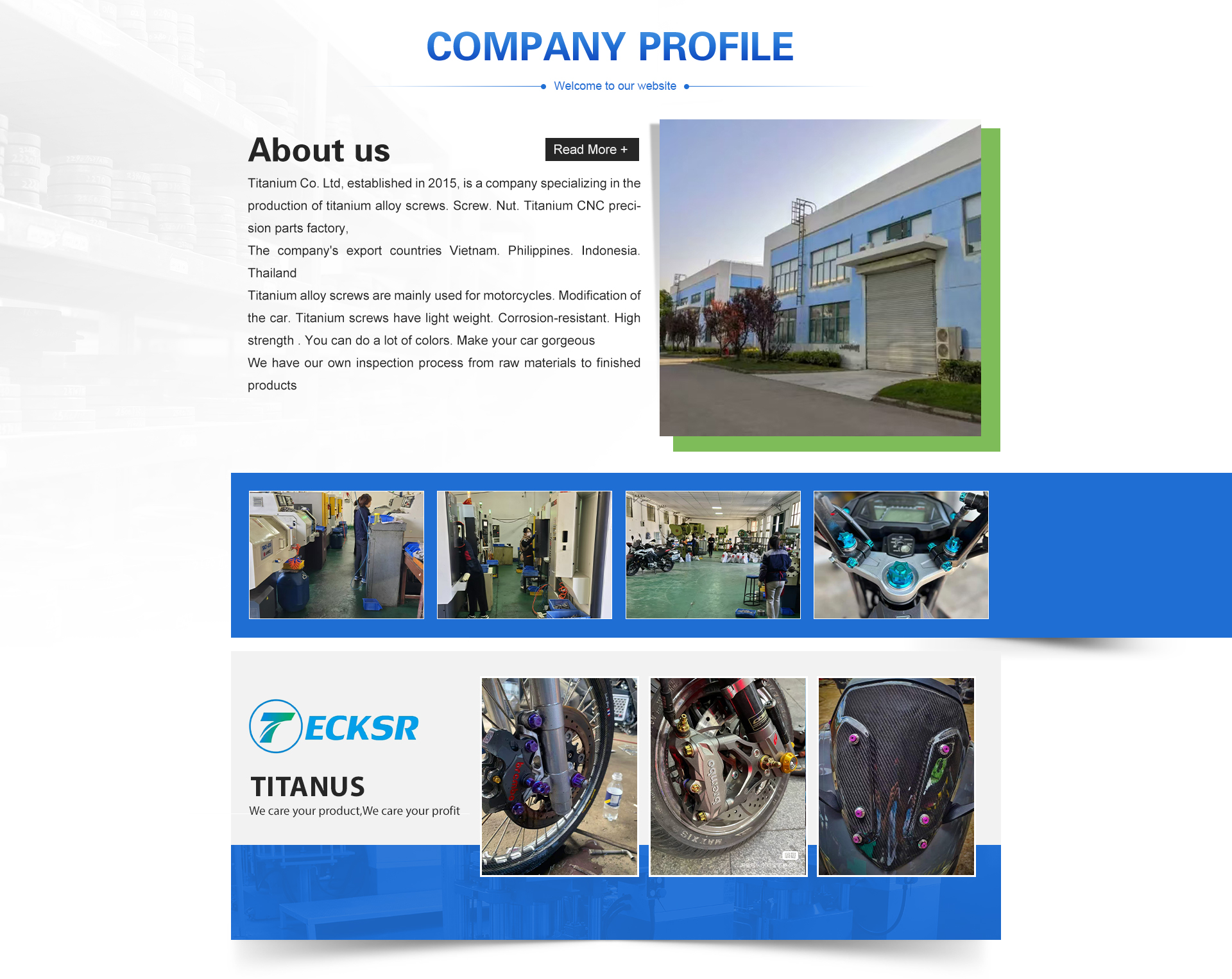
Workshop Infrastructure & Optical Quality Verification

Procurement & Engineering FAQ: Sourcing Grade 5 Bolts in Latvia
Direct answers to technical, logistics, and assembly inquiries commonly raised by mechanical workshops, fleet maintenance departments, and engineering purchasers across Daugavpils and the wider Baltic region:
Can Grade 5 titanium bolts directly replace Class 10.9 or 12.9 high-tensile steel bolts in railway or chassis assemblies?
How can Daugavpils technicians avoid thread galling (cold welding) during high-torque assembly?
Are Grade 5 bolts resistant to Baltic winter de-icing chemicals and industrial runoff?
What thread standards and tolerances are standard for export shipments into Latvia?
What are the freight lead times, customs clearance terms, and documentation provided for Daugavpils deliveries?
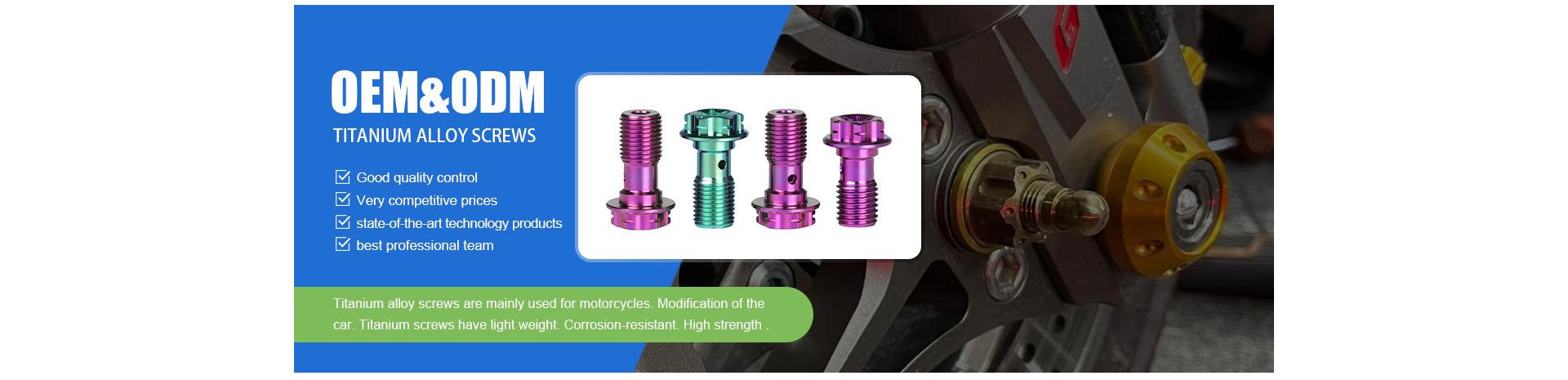
Do decorative anodized finishes (Gold, Burnt Rainbow, Purple, Blue) compromise bolt mechanical strength?
Accelerate Your Baltic Engineering Supply Chain
Submit your 2D/3D CAD drawings or request a standard DIN/ISO metric catalog. Our technical engineering desk evaluates tolerances, shear load metrics, and custom batch delivery to Daugavpils with official quotations within 7 hours.
