Ti-6Al-4V
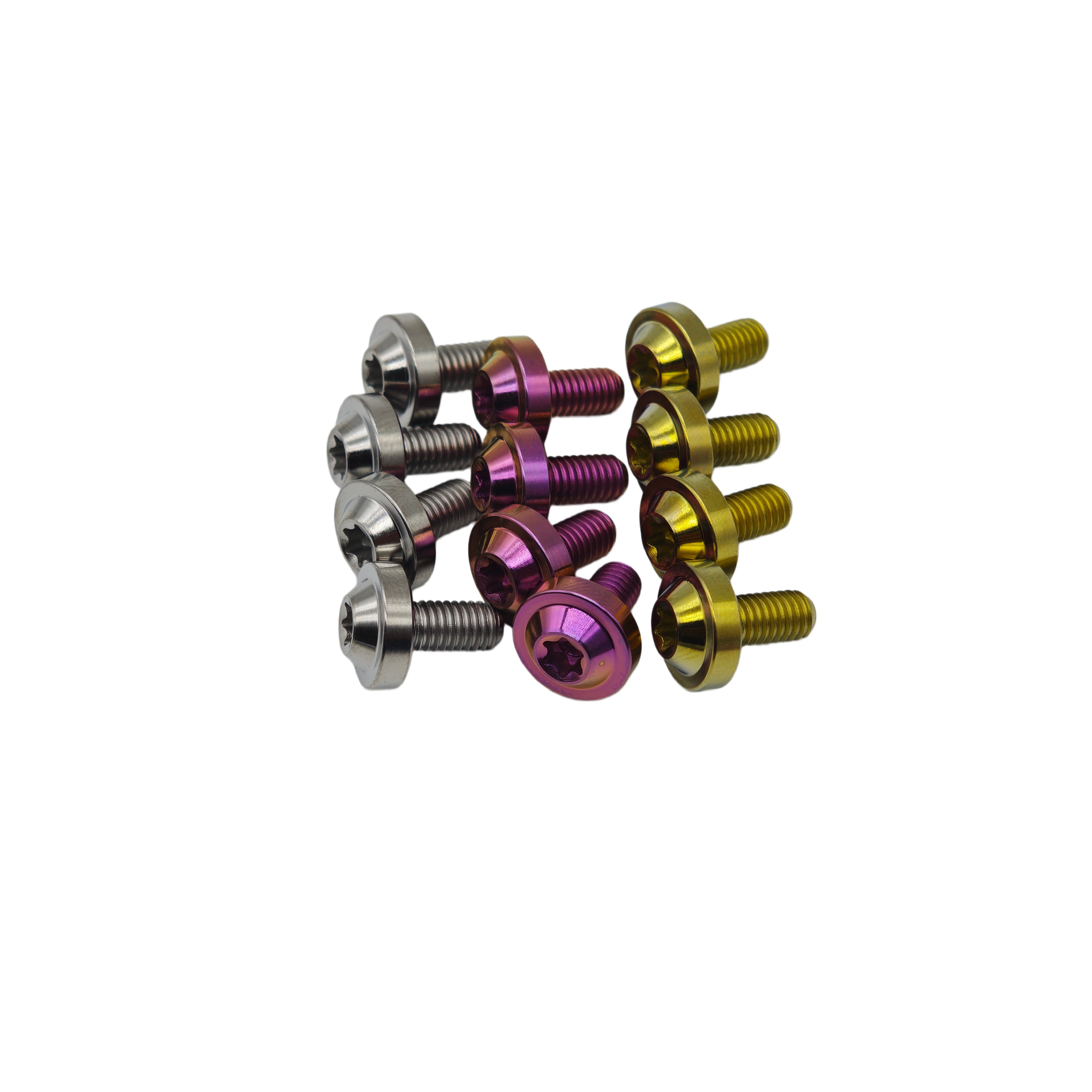
Engineered from virgin vacuum-arc remelted Ti-6Al-4V bar stock. Threads precision rolled for fatigue resistance in demanding environments.
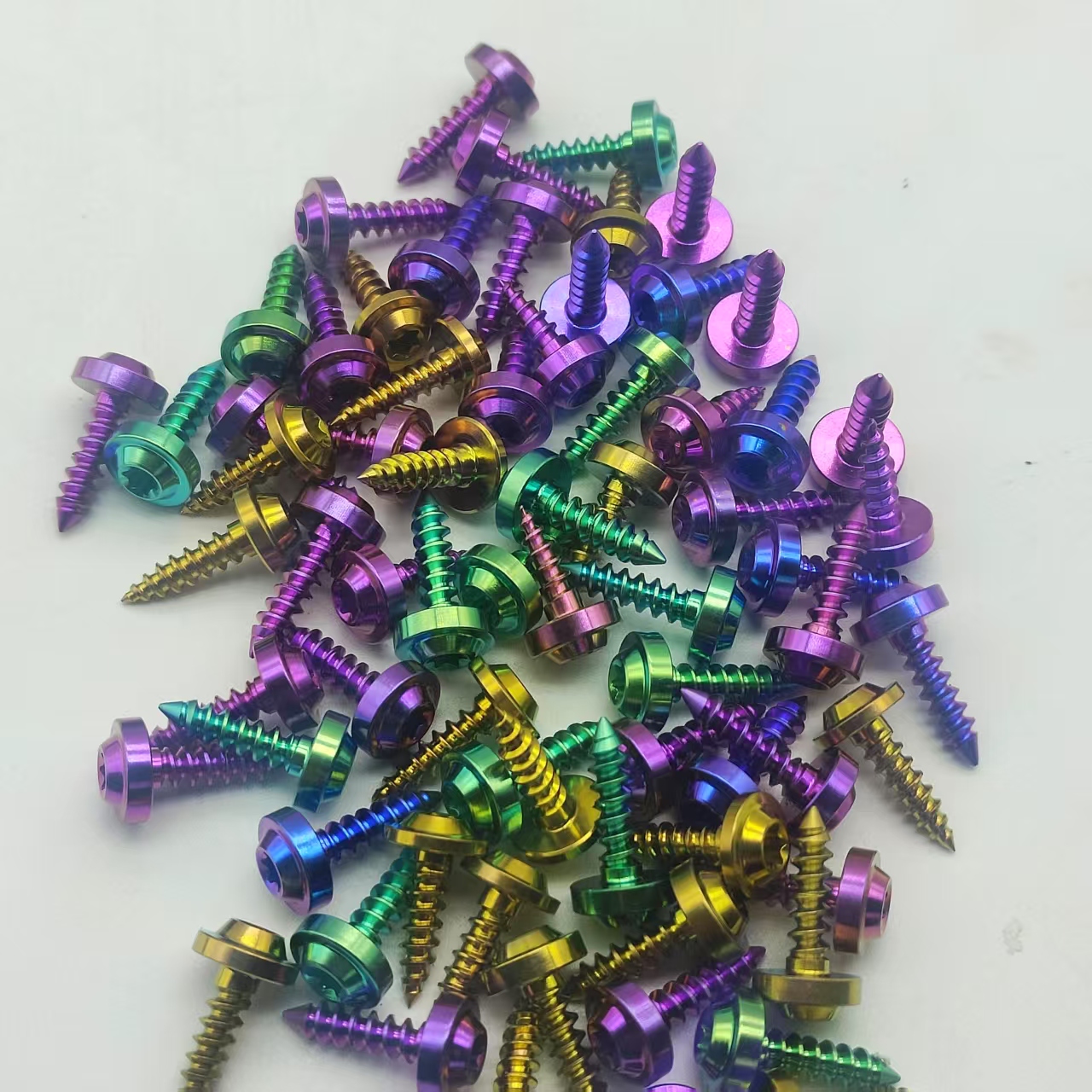
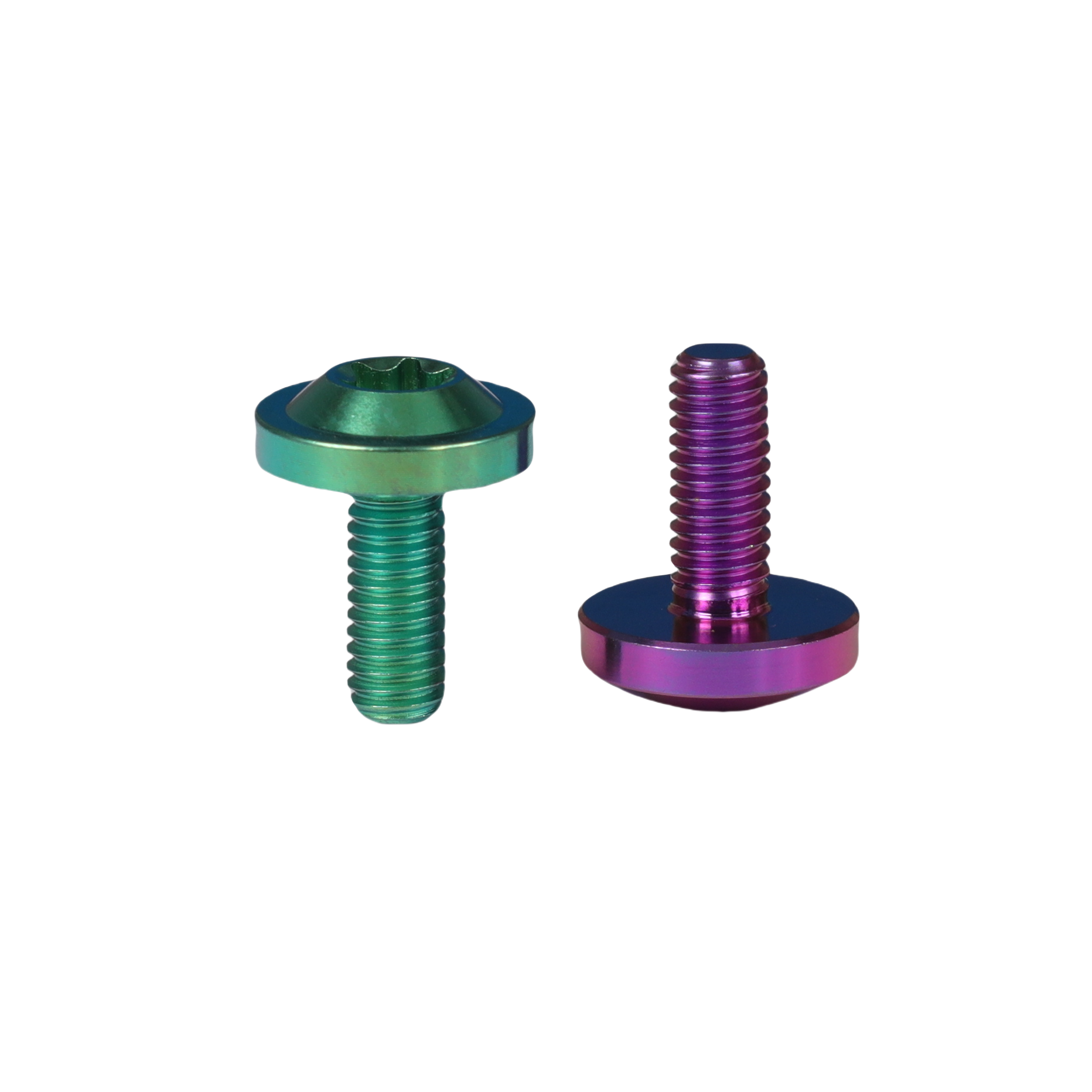
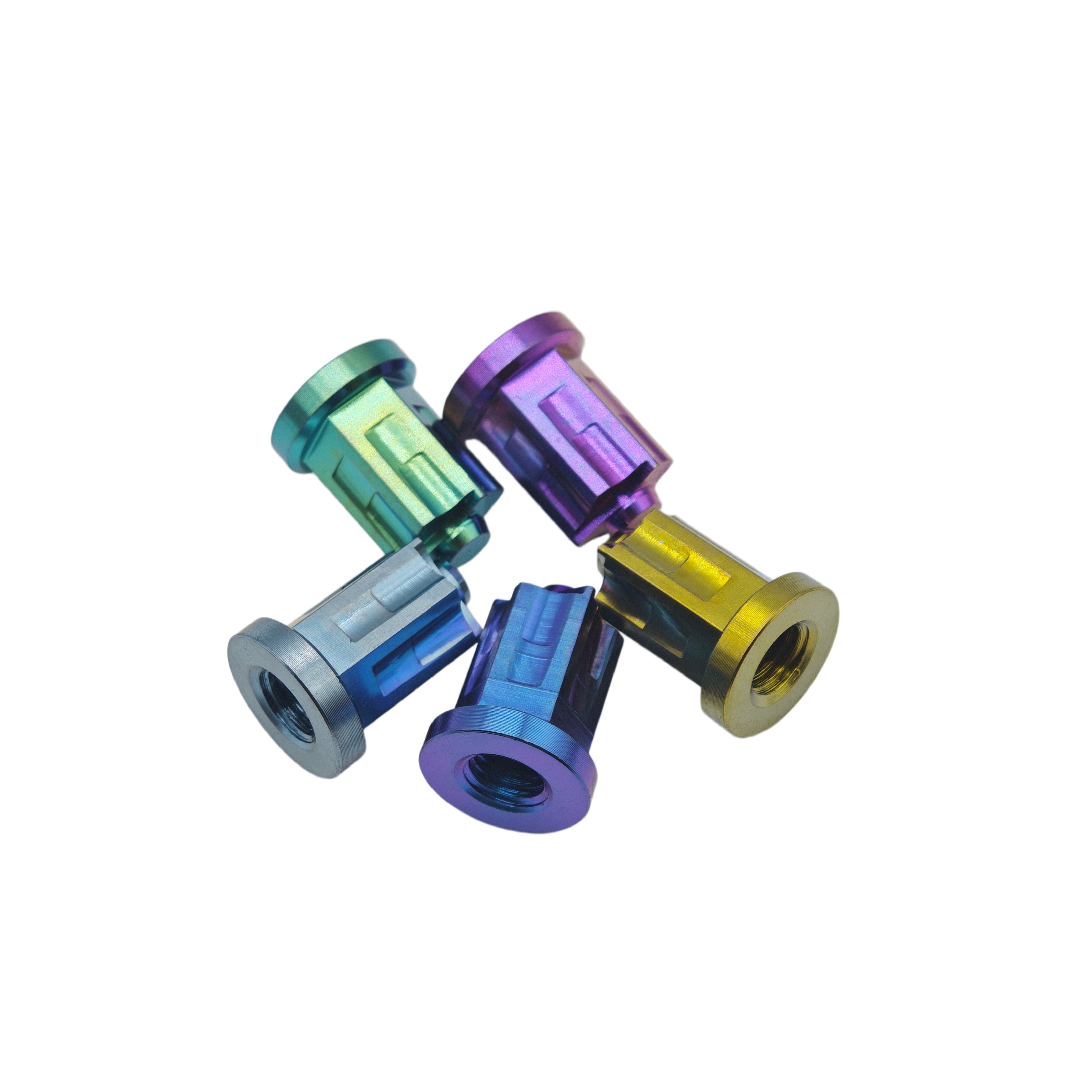
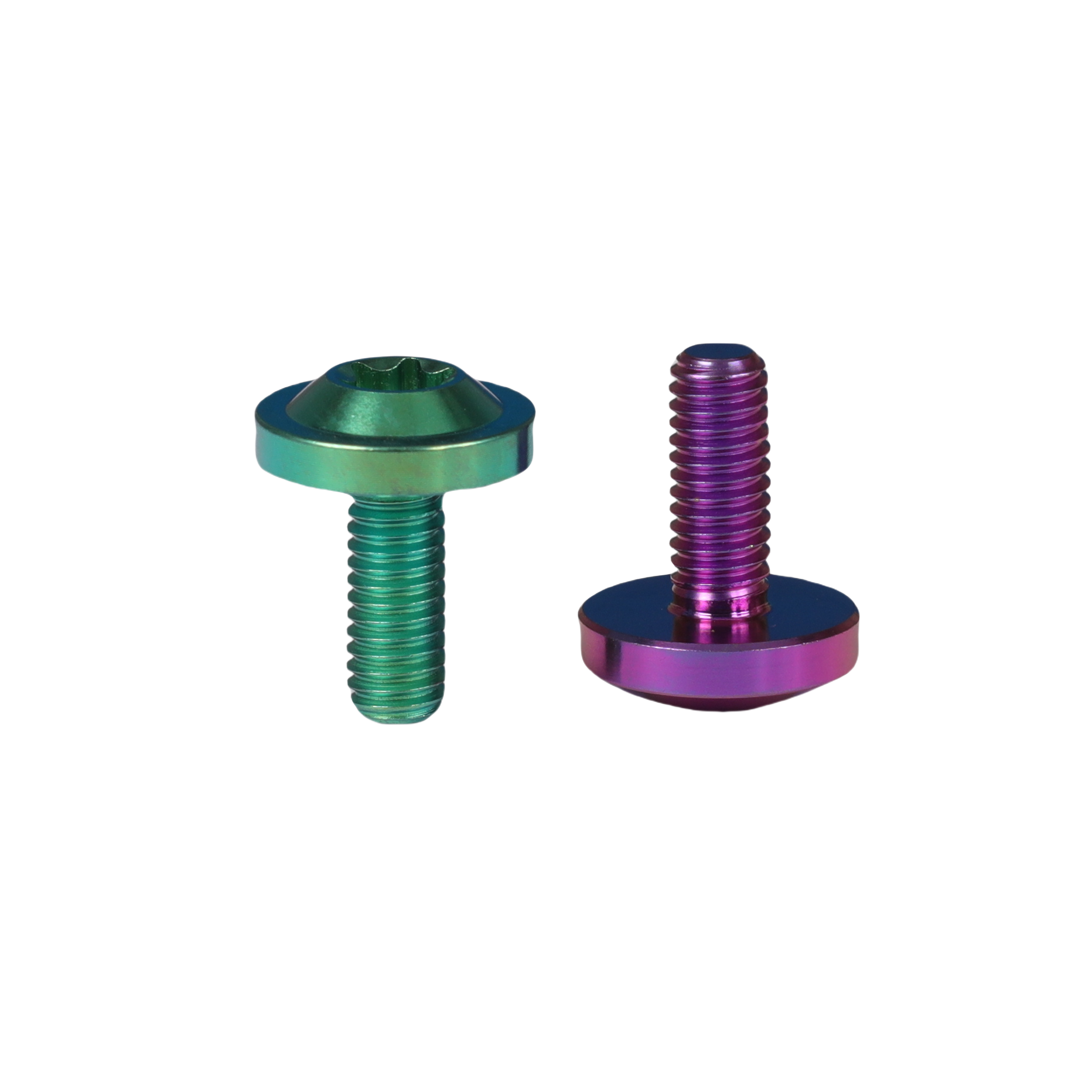
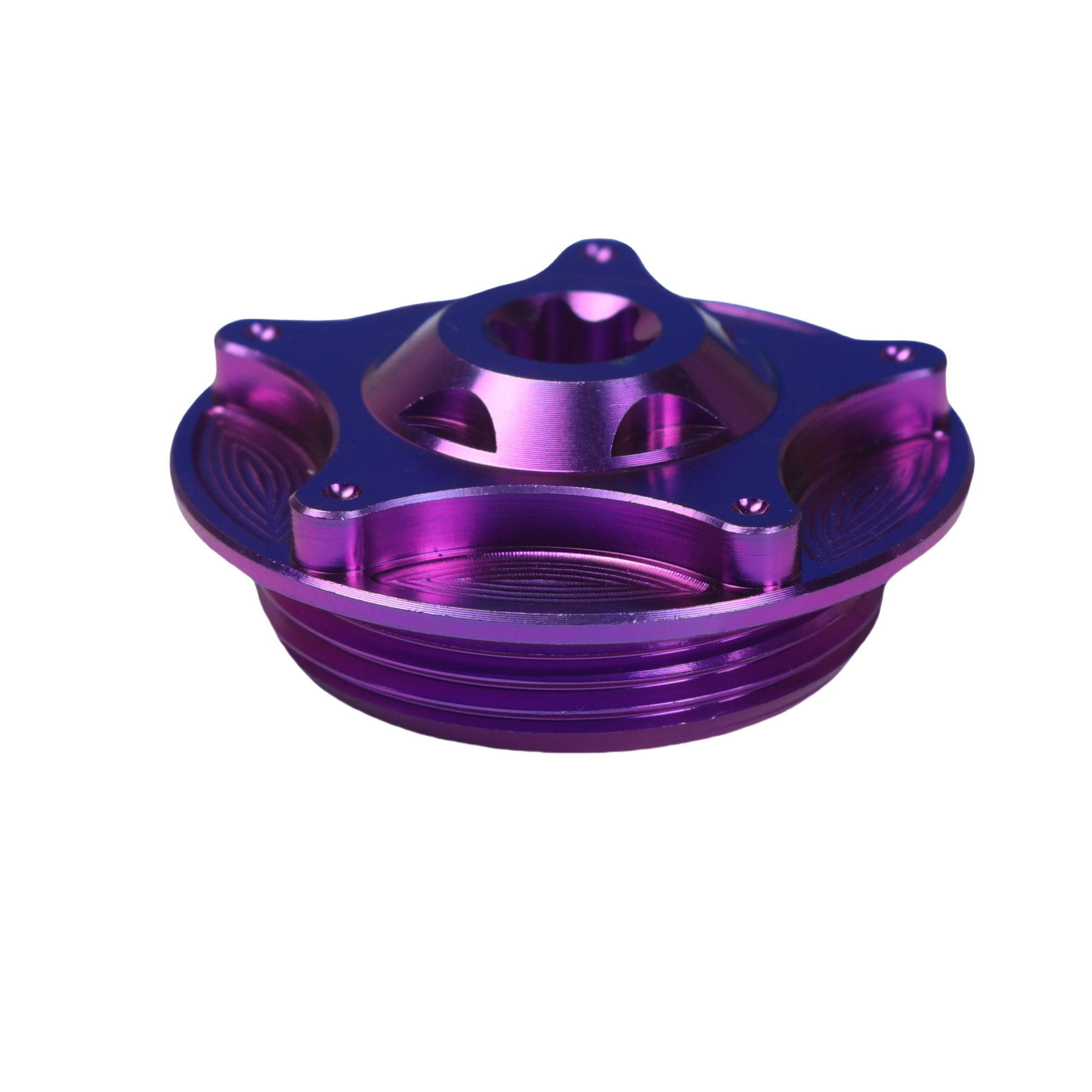
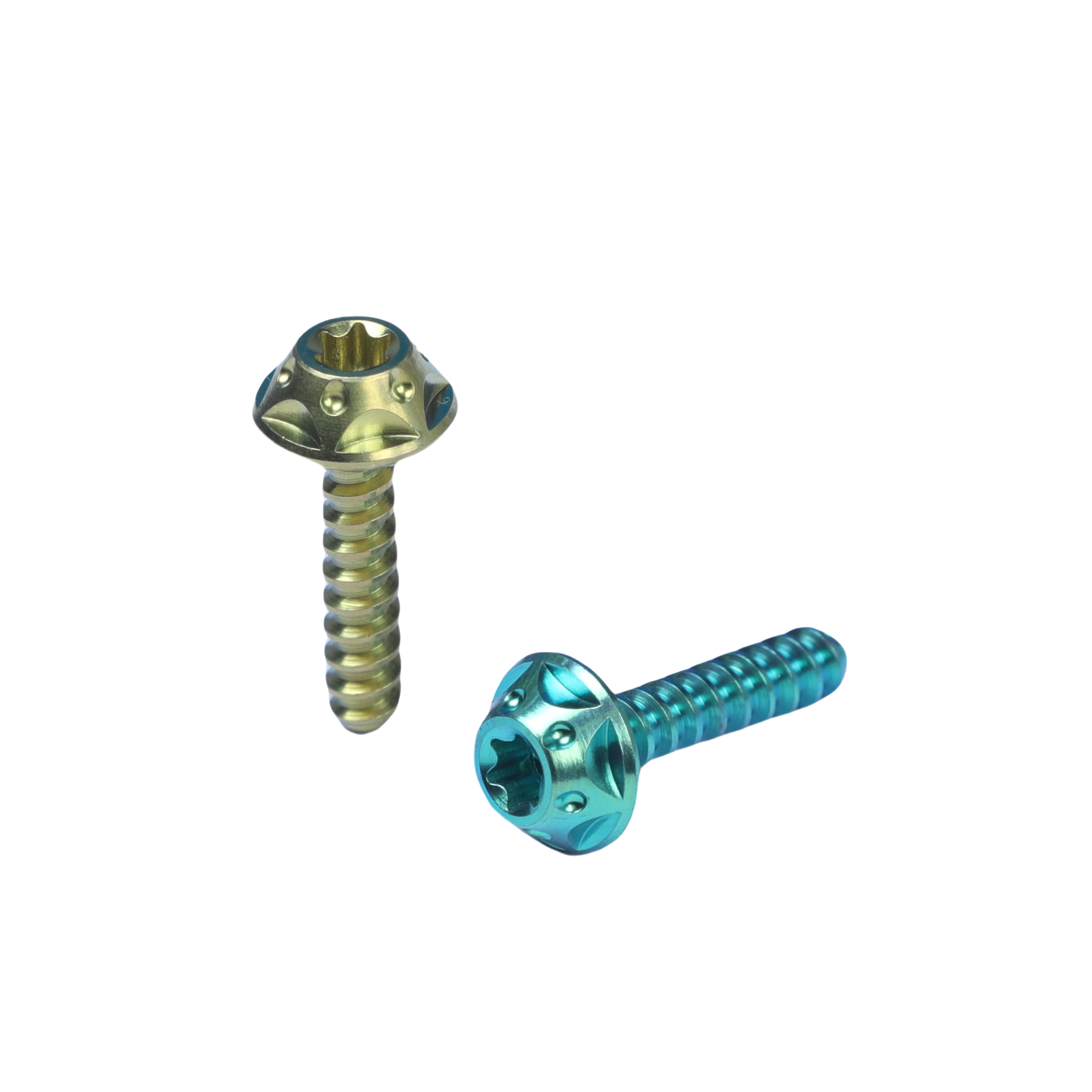
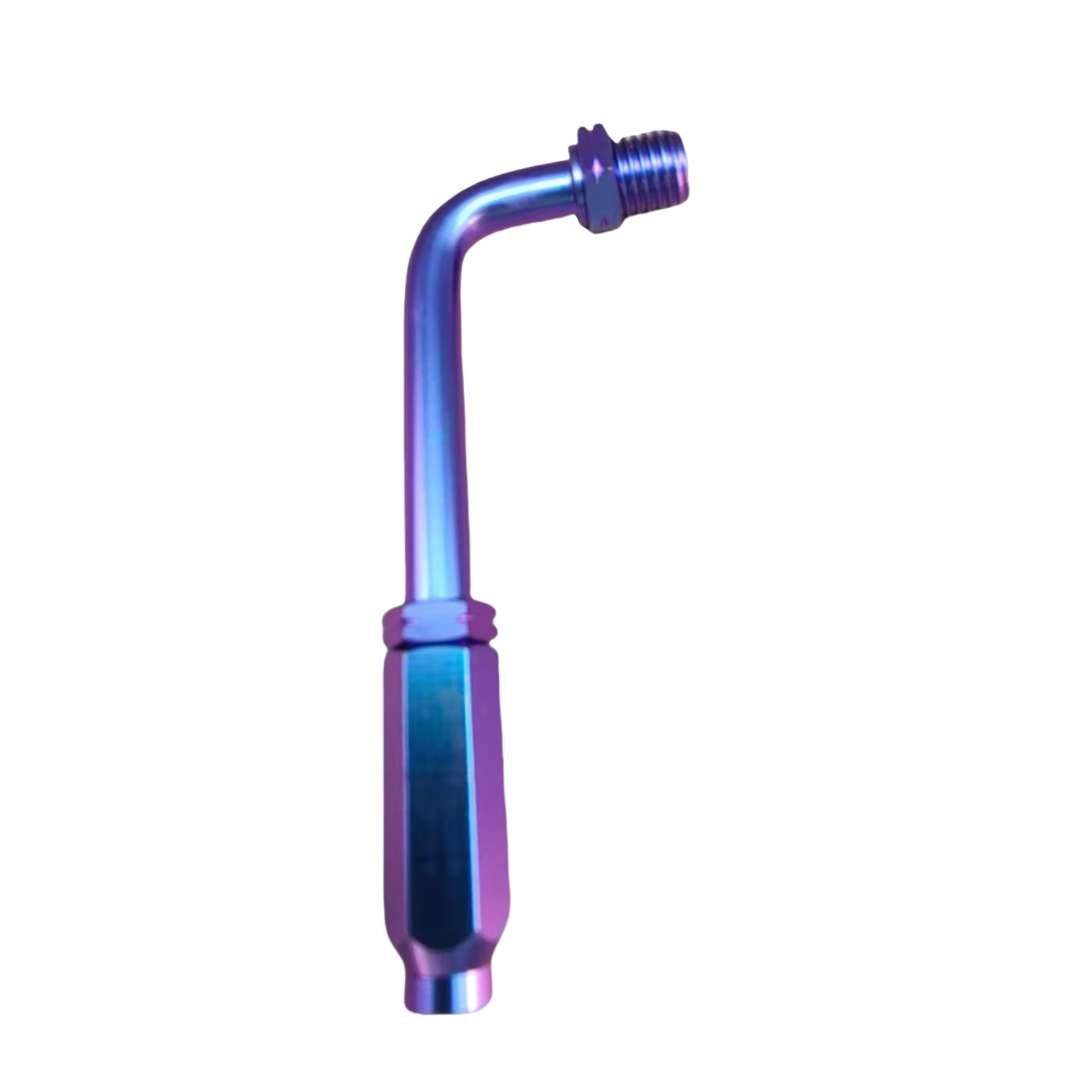
Procuring industrial fasteners across the Baltic corridor demands a rigorous balance between tensile capability, cyclic fatigue life, and ambient atmospheric endurance. When evaluating structural joints under harsh operating parameters, specifying Grade 5 Titanium (UNS R56400 / ASTM B348 / DIN 3.7165) provides engineering advantages unattainable via conventional carbon steel or austenitic stainless alloys. Commonly referred to as Ti-6Al-4V, this alpha-beta alloy represents the benchmark of high-performance mechanical design, blending 6% aluminum for alpha-phase stabilization and solid solution strengthening with 4% vanadium acting as an isomorphous beta stabilizer.
The metallurgical consequence of this dual-phase microstructure is an extraordinary strength-to-density ratio: yielding a typical tensile strength exceeding 895 to 1000 MPa with an ultimate yield of at least 828 MPa, while preserving a low mass density of approximately 4.43 g/cm³. For mechanical engineers in Estonia's rapid prototyping and heavy maritime conversion yards, adopting Gr5 fasteners accomplishes a ~44% mass reduction compared to class 8.8 or 10.9 structural steels, without sacrificing critical clamping torque or joint rigidity.
To substantiate capital allocation and procurement decisions, mechanical teams must evaluate life-cycle costing, fatigue endurance limits, and specific strength coefficients rather than nominal purchase prices alone.
| Mechanical / Physical Property | Gr5 Titanium (Ti-6Al-4V) | A4-80 Stainless Steel | Grade 8.8 Alloy Steel | 7075-T6 Hardened Al |
|---|---|---|---|---|
| Nominal Density (g/cm³) | 4.43 | 8.00 | 7.85 | 2.81 |
| Tensile Strength Rm (MPa) | ≥ 895 – 1050 | ≥ 800 | ≥ 800 – 830 | ≥ 570 |
| Yield Strength Rp0.2 (MPa) | ≥ 828 | ≥ 600 | ≥ 640 | ≥ 505 |
| Specific Strength (kNm/kg) | 202 – 237 | 100 | 102 | 203 |
| Elastic Modulus (GPa) | 110 – 114 | 193 | 205 | 72 |
| Chloride Pitting Resistance (PREN) | Immune (Forms Stable TiO₂) | 25 – 30 (Susceptible to crevice) | Zero (Rapid galvanic rust) | Poor (Susceptible to exfoliation) |
| Service Thermal Envelope (°C) | -196°C to +400°C | -60°C to +300°C | -20°C to +200°C | Max 100°C before temper loss |
Estonia’s geographical orientation along the Baltic Sea, combined with its advanced status as a digitalized high-technology manufacturing center in Northern Europe, creates specialized operating environments where structural fasteners encounter extreme mechanical shock, sub-zero embrittlement, and aggressive coastal electrolyte attacks.
Tallinn and Saaremaa shipyards require hull-through fittings, acoustic sensor mounts, and topside rigging that withstand Baltic brackish water, freezing sea-spray, and severe de-icing salt wash. Titanium’s self-healing TiO₂ passivation film stops pitting corrosion and eliminates galvanic replacement cycles.
Estonia leads European defense and delivery robotics. In autonomous suspension, chassis linkages, and sensor pods, Gr5 titanium fasteners slash unsprung inertia, optimize battery endurance, and endure multi-axis dynamic vibration down to -30°C winter temperatures without brittle fracture.
High-capacity coastal wind installations off the Gulf of Riga and Estonian green hydrogen electrolyzers demand non-magnetic, corrosion-free hardware. Gr5 hex socket and flange bolts resist hydrogen embrittlement and chloride-induced stress corrosion cracking (SCC).
The manufacturing ecosystem of Harju, Tartu, and Ida-Viru counties is undergoing rapid modernization driven by Industry 4.0 automation, electrification, and dual-use aerospace technologies. Current market data reveals three central trends shaping fastener procurement across Estonia:
1. Substitution of Austenitic Steels with Lightweight Reactive Alloys: In automation lines and electric transport prototypes, traditional stainless fasteners (such as A2-70 and A4-80) are being phased out where power-to-weight ratios are critical. High-torque rotational assemblies actively switch to Gr5 titanium to decrease motor wear, lower power consumption, and eliminate rotational moments of inertia.
2. Supply Chain De-risking and Full Lot Traceability: Estonian defense subcontractors and ISO 9001 / EN 9100 certified producers require complete transparency from the raw sponge reduction to the final thread rolling. Purchasing departments increasingly eliminate secondary broker markups by partnering directly with onsite-verified manufacturers capable of providing spectral analysis reports and continuous batch consistency.
3. Direct Integration with Baoji's Titanium Industrial Cluster: Known globally as "China’s Titanium Valley," Baoji produces over 60% of the world's commercial titanium billets. Direct supply agreements between Estonian engineering hubs and integrated Baoji manufacturers allow local firms to procure custom CNC-machined geometry (such as custom flanged disc bolts and Torx self-tapping screws) at scale, bypassing European middleman surcharges while maintaining rapid air-freight lead times into Lennart Meri Tallinn Airport (TLL).
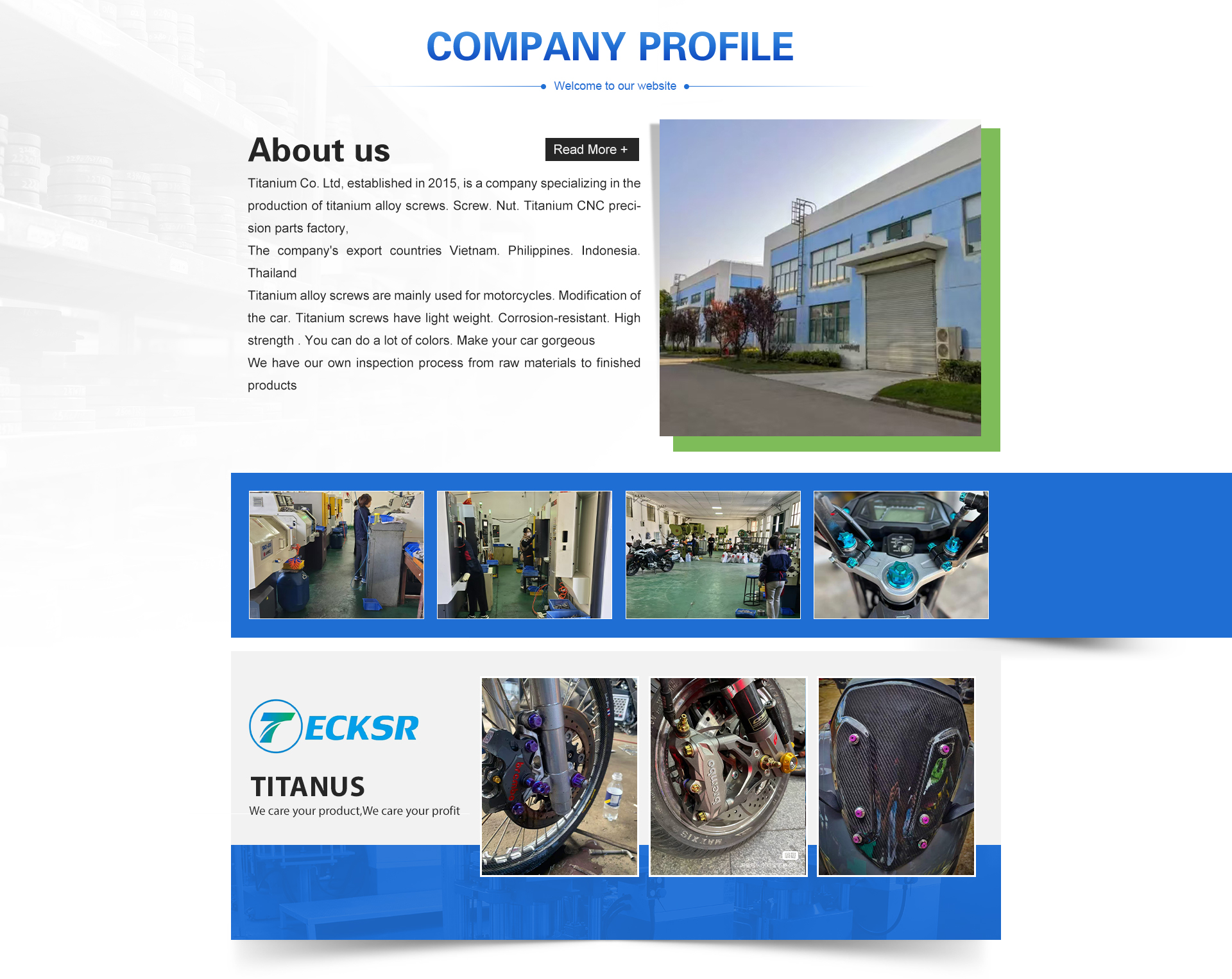
Founded in 2015 within the Shiling Road Industrial Park of Baoji, Shaanxi, Zunvo Titanium Products Co., Ltd. operates a high-precision manufacturing infrastructure spanning 1,000 to 3,000 square meters. Backed by an onsite-verified workforce of 101–200 technical specialists, machinists, and metallurgical engineers, we bridge the raw material abundance of Baoji’s titanium smelters directly to international engineering programs across Estonia, the wider Nordic zone, North America, and Europe.
Immediate access to virgin Grade 5 Ti-6Al-4V bar stock with complete melt-heat chemistry tracking and EN 10204 3.1 certificates.
Multi-axis Swiss turning combined with cold thread rolling to retain grain flow lines, boosting fatigue thresholds over cut threads.
Precision thread pitch go/no-go gauges, CMM profile projection, and automated optical batch sorting ensure zero-defect delivery.
3-day rapid CNC prototyping and 7–15 day mass production with seamless customs-cleared logistics via DHL, FedEx, and air cargo to Tallinn.
Zunvo delivers verified grade compliance, private label contract manufacturing, and direct engineering review for non-standard Baltic applications.
Send your CAD drawings, required thread standards (DIN/ISO/UNC/UNF), and annual volume requirements for direct factory quotation and rapid prototype validation.
Send an Inquiry