Featured High-Tensile Titanium Fasteners
Precision-machined from Grade 5 Ti-6Al-4V raw stock in China's Titanium Valley, delivering superior tensile strength exceeding 895 MPa with extreme immunity to Caribbean salt-fog corrosion.
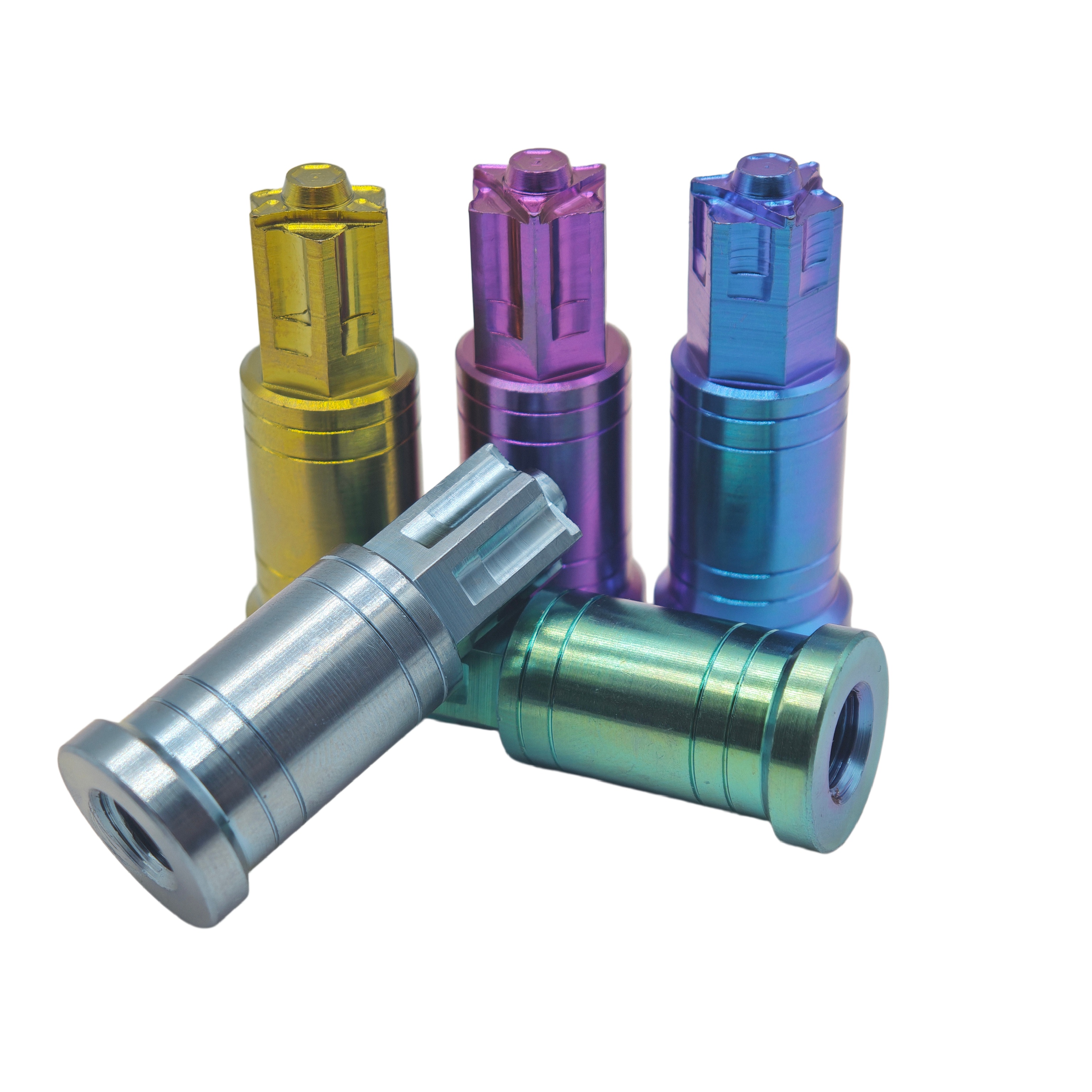
Factory Direct Sale GR5 Custom Titanium Spline Drive Sleeve Nuts Anodized/Plain Finish Flange Head Automotive Application Right
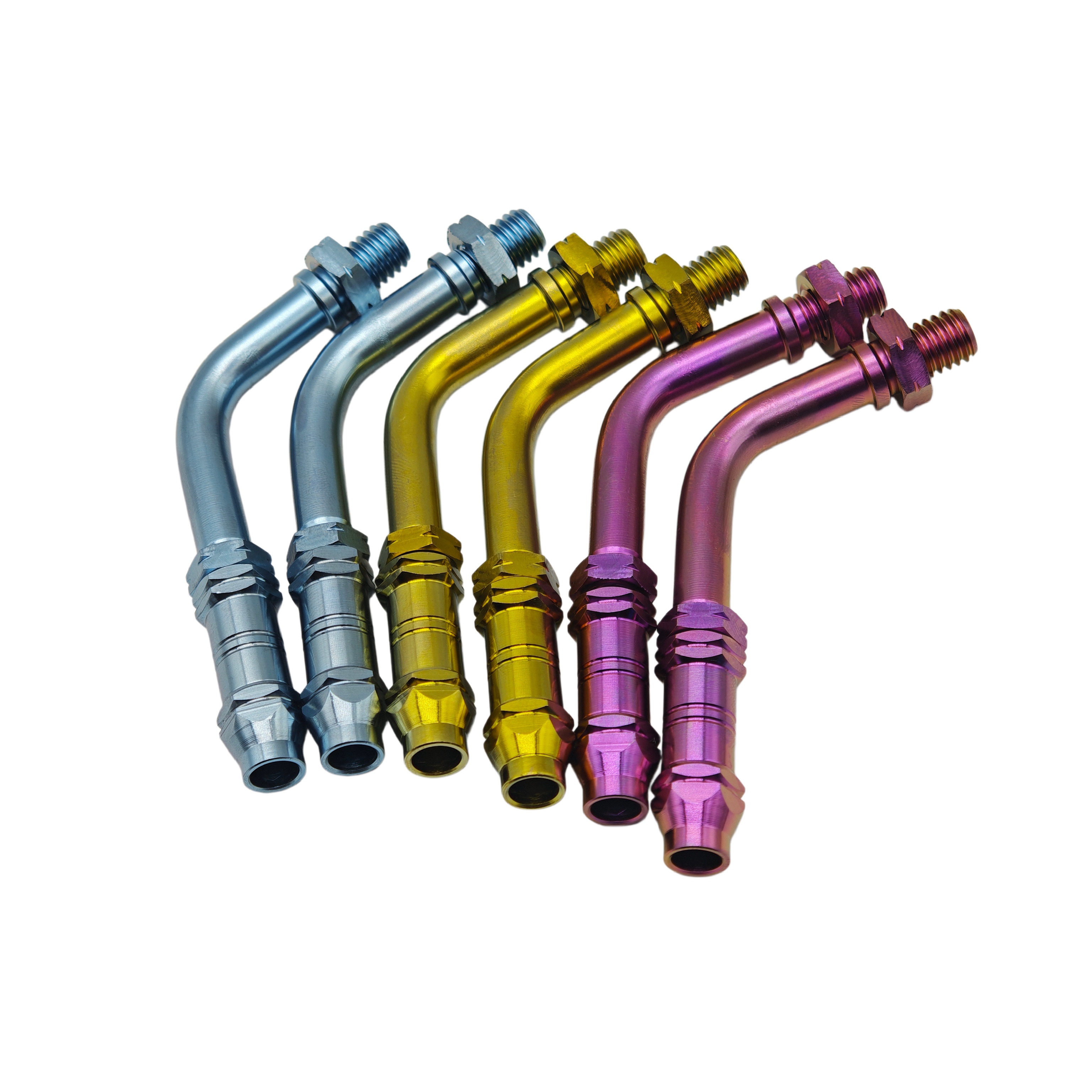
Factory M10 CNC 90-Degree Hex Flange Head GR5 Titanium Plain Throttle Brake Clutch Wire Cable Adjuster Parts for Motorcycle
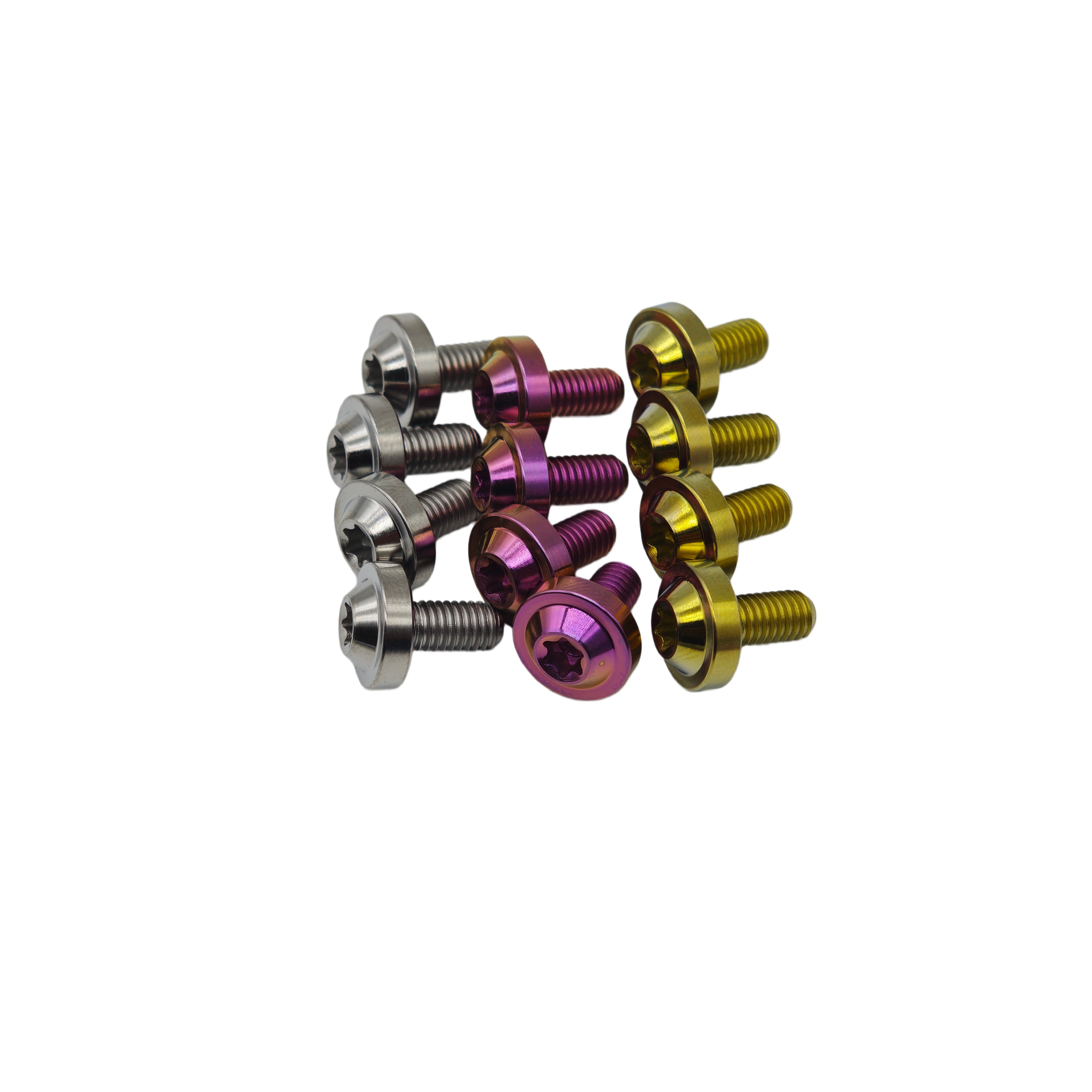
Custom GR5 Titanium M8 Disc Head Bolts with Plain Finish for Bike Motorcycle
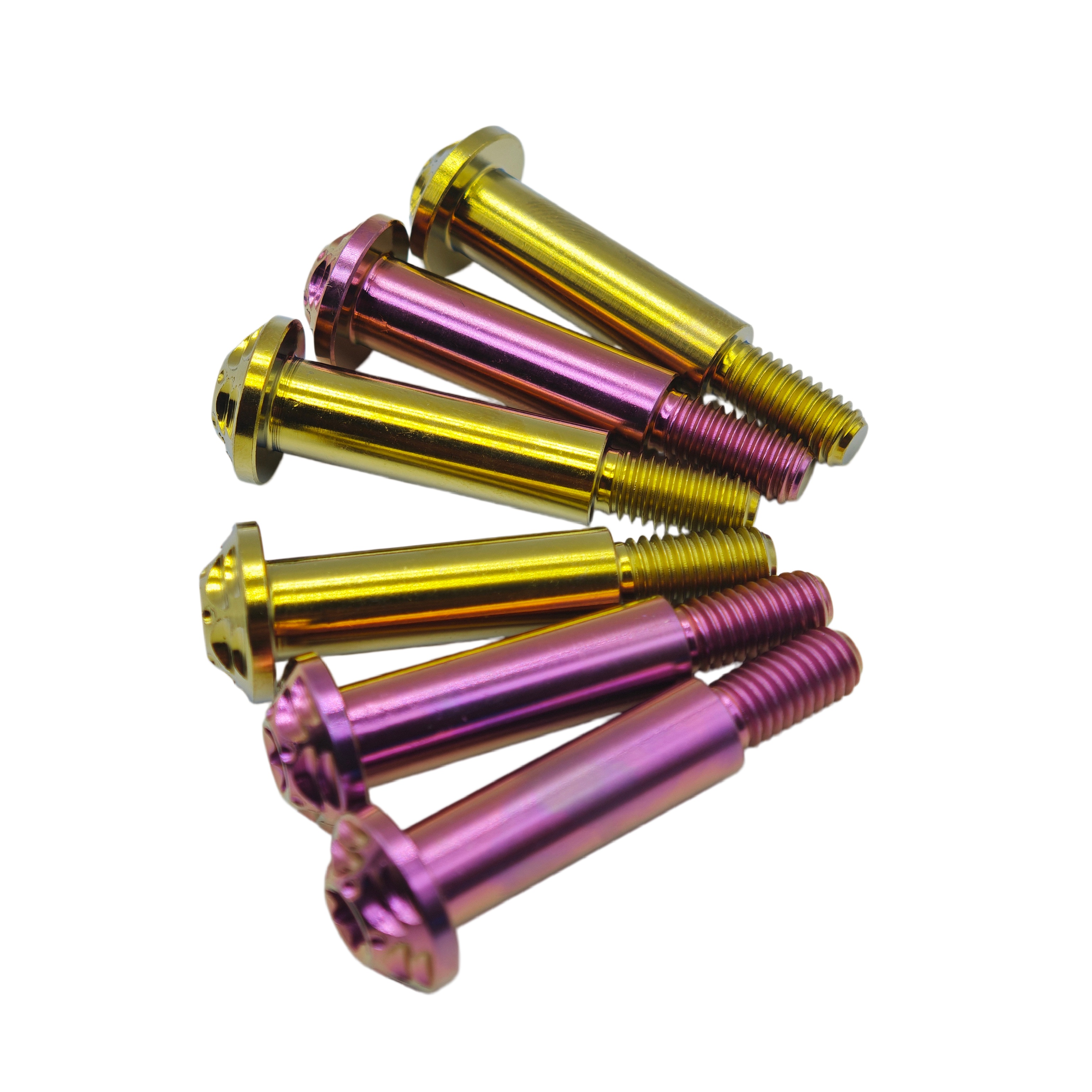
Factory Price GR5 Titanium Alloy Anodized Pan Head M6 Brake Lever Bolt Motorcycle Modification Special
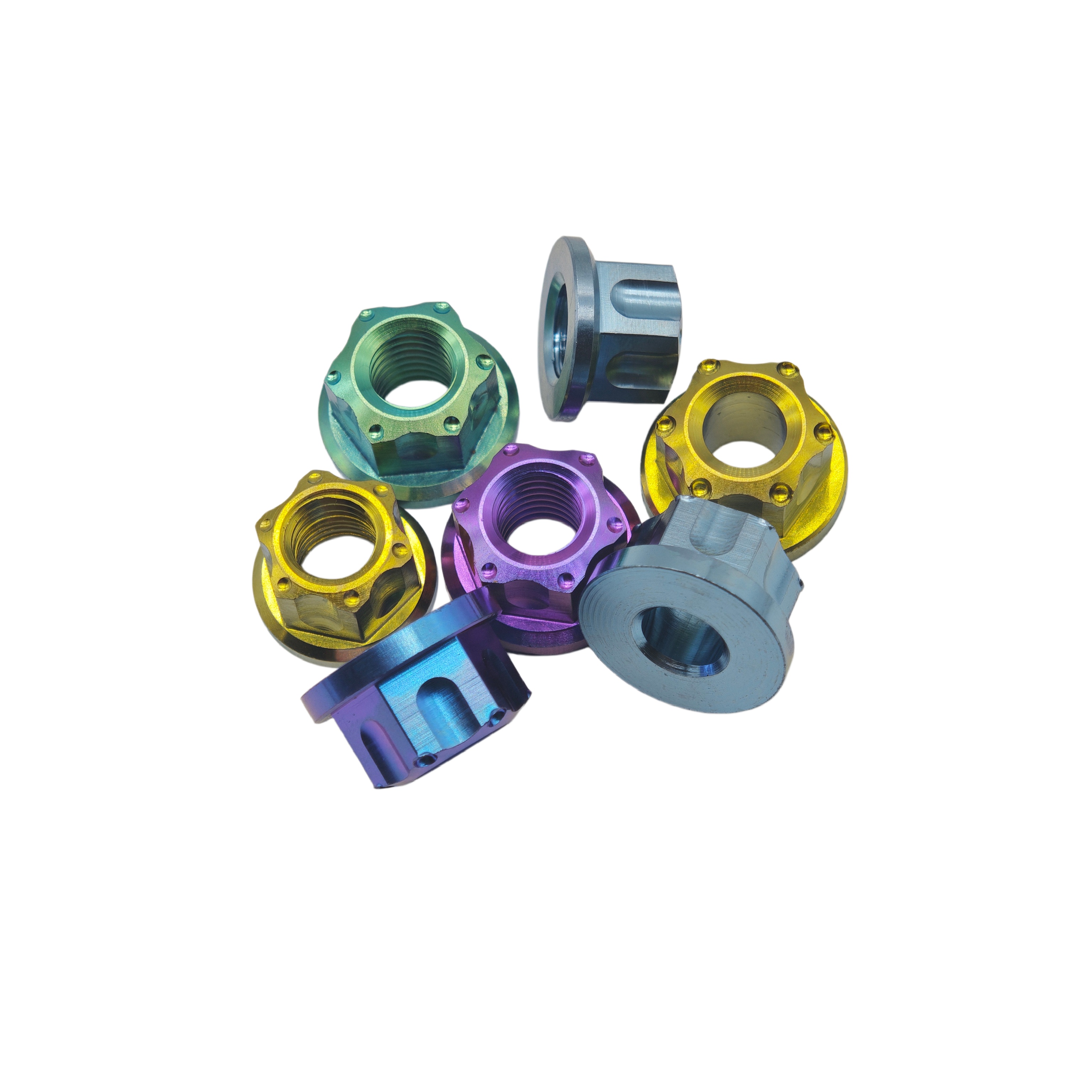
Factory Direct Sales Anodized/Plain Finish Right Hand Thread Gr5 Hexagon Flange Titanium Open Nut M10/M8
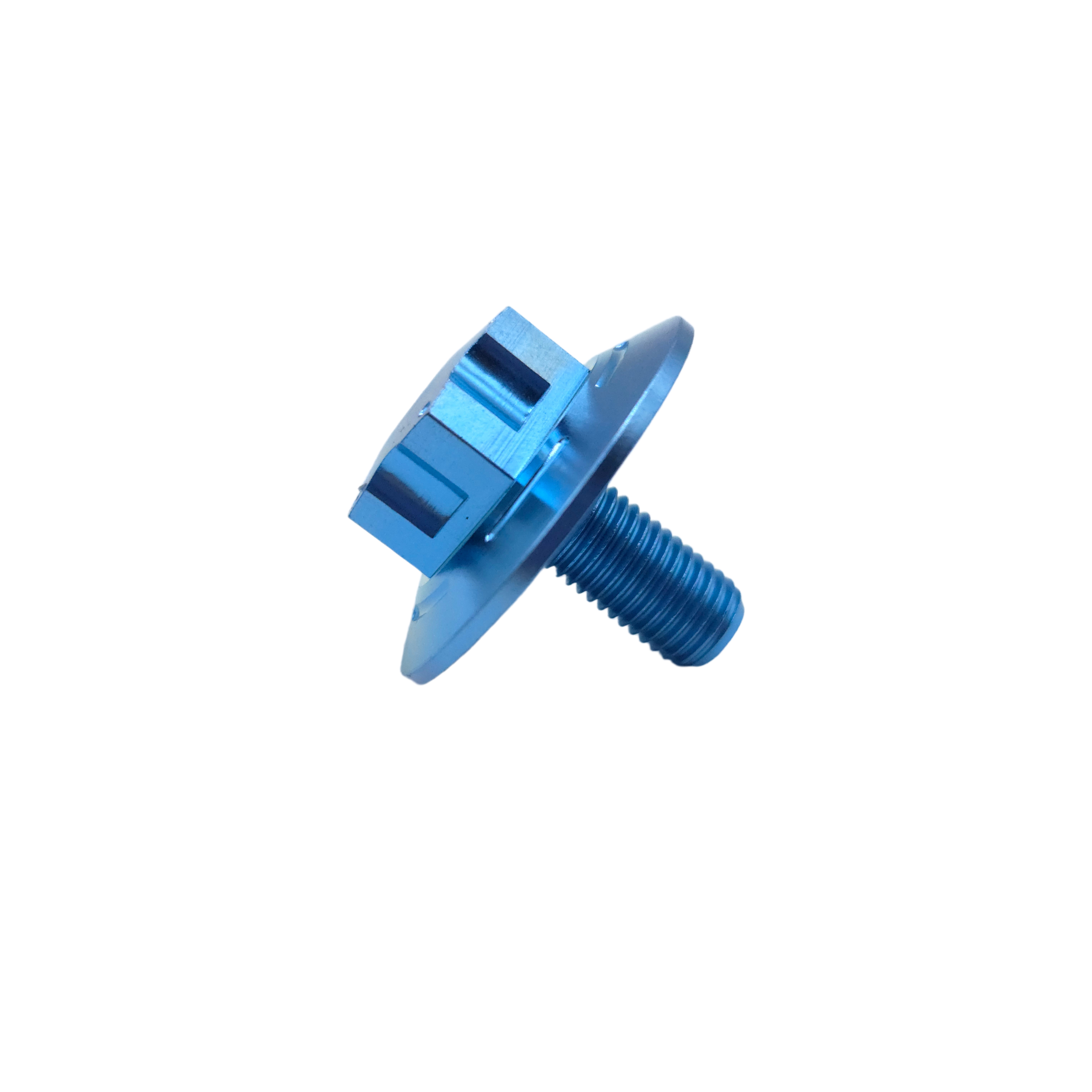
Factory Supply GR5 Titanium Hex Flange Head Bolt M10X20 DIN Thread Anodized Polish Finish Motorcycle Gasoline Cap
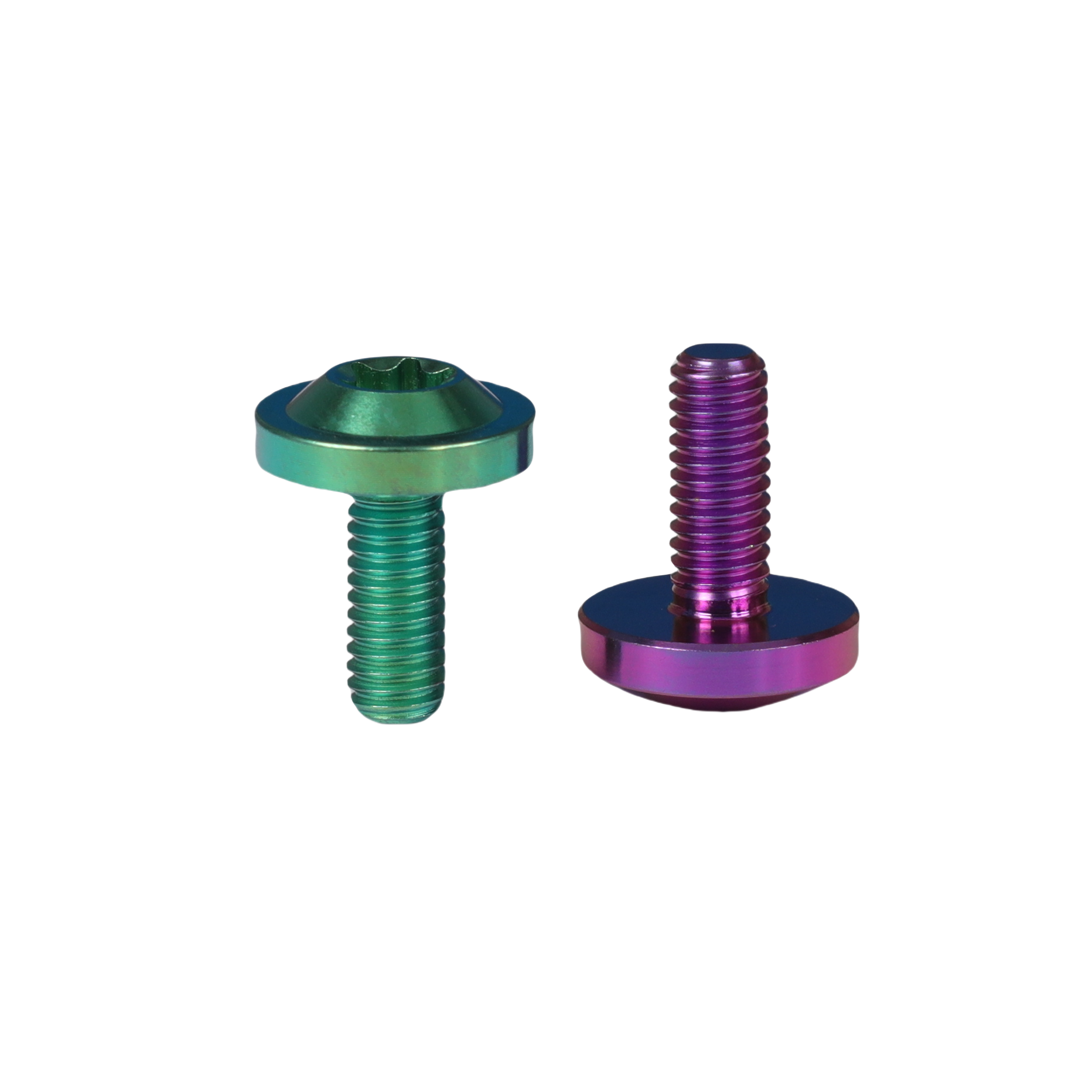
Corrosion-Resistant GR5 M6 Titanium Bolts Fasteners for Motorcycle Engine & Body Modification Screw
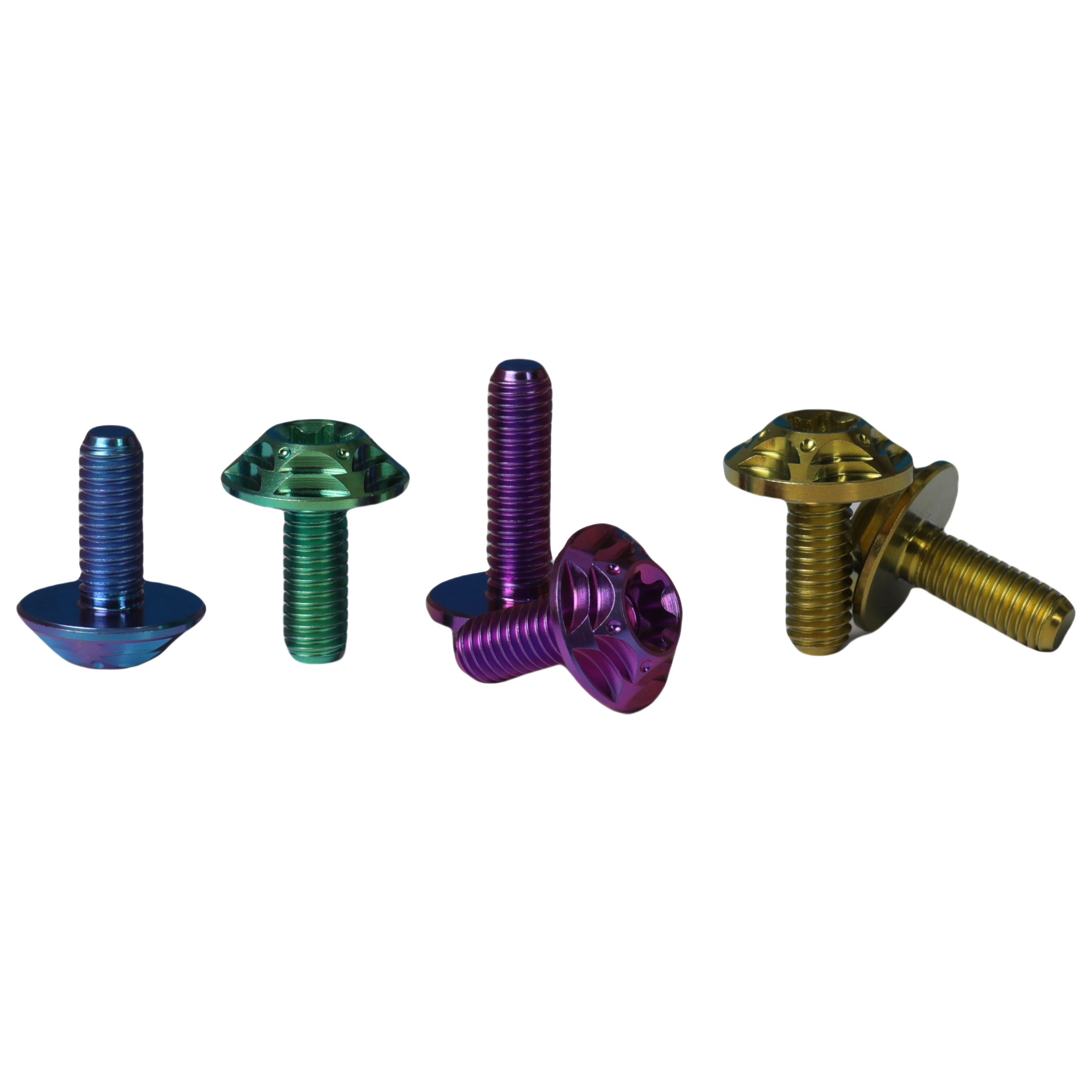
Titanium Alloy CNC Disc Brake Disc Head Bolts Torx Head DIN Thread Anodized/PVD Finish Class 10.9/12.9 Grade TKS Brand Factory
High Tensile Fastener Engineering for Island & Marine Microclimates
In humid tropical maritime climates like Gros Islet, Saint Lucia, structural fasteners face some of the world's most destructive atmospheric challenges. The convergence of ambient humidity persistently above 78%, constant Atlantic trade winds laden with sodium chloride aerosols, and intense UV radiation creates an aggressive C5-M (Marine) or CX (Extreme Marine) corrosivity category under ISO 12944-2 standards. For procurement managers, structural engineers, and marine maintenance directors operating in Rodney Bay Marina, Pigeon Island, and northern commercial coastal districts, fastener selection cannot rely on standard carbon steel or even baseline austenitic stainless steels.
Standard zinc-plated high-tensile fasteners (such as ISO Grade 8.8, 10.9, or ASTM A325) provide impressive initial proof load and clamping capacity but suffer catastrophic galvanic and pitting oxidation within months when exposed to coastal salt air. Once the sacrificial zinc coating dissolves, micro-cracking and stress corrosion cracking (SCC) rapidly compromise structural integrity. Even marine-grade A4-70 (AISI 316) stainless steel, while resistant to general uniform rust, displays severe susceptibility to crevice corrosion and chloride pitting under submerged stagnant saltwater, boat hulls, and concealed architectural facade brackets. This vulnerability stems from the depletion of oxygen beneath gasket seals, washers, and thread roots, which halts the self-passivation of the chromium oxide (Cr2O3) layer.
Ti-6Al-4V Grade 5 (Alpha-Beta Titanium Alloy) fundamentally changes this performance equation. By alloying 90% pure titanium with 6% aluminum and 4% vanadium, our Baoji facility produces cold-headed and CNC-turned fasteners that simultaneously deliver an ultimate tensile strength exceeding 895 MPa (competing directly with Grade 8.8 and approaching Grade 10.9 steel) while maintaining absolute immunity to chloride-induced pitting. Titanium spontaneously generates an exceptionally stable, chemically inert rutile (TiO2) ceramic film upon atmospheric contact. Even if mechanically scratched during tightening torque application, this film regenerates in fractions of a second in the presence of trace oxygen or moisture.
| Mechanical & Chemical Metric | Ti-6Al-4V Grade 5 Titanium | A4-70 (AISI 316) Stainless | Class 10.9 Alloy Steel | Marine 6061-T6 Aluminum |
|---|---|---|---|---|
| Ultimate Tensile Strength (Rm, MPa) | ≥ 895 – 1,050 | 700 – 800 | 1,040 – 1,220 | 310 |
| Yield Strength (Rp 0.2, MPa) | ≥ 825 | 450 | 940 | 276 |
| Specific Density (g/cm³) | 4.43 (Ultralight) | 8.00 | 7.85 | 2.70 |
| Strength-to-Weight Ratio (kN·m/kg) | 202 (Exceptional) | 87.5 | 132 | 115 |
| Resistance to Marine Crevice Corrosion | Immune (Up to 250°C) | Vulnerable in Low-O2 Zones | Zero (Rapid Breakdown) | Pitting Susceptible |
| Fatigue Endurance Limit (Rotational) | 510 MPa (Rolled Threads) | 260 MPa | 480 MPa | 95 MPa |
| 5% NaCl Neutral Salt Spray (ASTM B117) | > 3,000 hrs (No Change) | 500 - 1,000 hrs (Staining) | < 96 hrs (Red Rust) | 168 hrs (White Rust) |
Furthermore, thread processing technology plays a decisive role in seismic and cyclic-load environments such as Caribbean tropical storm zones. Fasteners produced via conventional thread-cutting rupture the natural crystalline grain orientation of the bar stock, introducing micro-notches that serve as primary fatigue crack initiation sites. At our Baoji manufacturing plant, all external threads across M3 through M24 profiles are generated using CNC cold/warm thread rolling. This cold plastic deformation process burnishes thread valleys, increases surface hardness via work-hardening, and induces beneficial residual compressive stress, effectively boosting fatigue endurance by over 35% compared to cut fasteners.
Localized Applications in the Gros Islet & Northern Saint Lucia Market
How specialized high-tensile titanium fasteners solve critical engineering and maintenance dilemmas across regional maritime, luxury hospitality, and logistics hubs.
Rodney Bay Marina & Megayacht Maintenance
Rodney Bay is the premier yachting epicenter of the Eastern Caribbean, hosting the transatlantic ARC rally alongside transiting superyachts. Harsh seawater spray continually attacks masthead fittings, shroud turnbuckles, steering quadrant mounts, and seawater intake manifolds. Our Gr5 titanium flange bolts and open-ended sleeve nuts provide essential non-magnetic, corrosion-proof anchoring that eliminates crevice corrosion under submerged and splash-zone conditions.
Coastal Luxury Resorts & Hurricane-Resistant Enclosures
Cap Estate, Pigeon Island, and the luxury developments along Rodney Bay lagoon demand architectural fittings that withstand 150+ mph hurricane cyclonic winds without rusting. Our DIN912 socket head bolts and countersunk Torx assemblies secure curtain-wall glazing, solar shade awnings, infinity pool structural brackets, and coastal villa balustrades, providing permanent structural beauty without unsightly rust streaking across white architectural masonry.
Commercial Island Fleets & Marine Excursion Drives
High-torque catamaran powerplants, high-speed dive vessels, and island transport buggies traversing steep volcanic grades require fasteners with peak vibration resistance. Titanium Grade 5 wheel hub sleeve nuts, disc brake rotor screws, and throttle/brake adjusters reduce unsprung rotational mass by 44% while maintaining high clamping preload that defies severe mechanical vibration without shear failure.
Fastener Procurement & Engineering Trends in Saint Lucia
Analyzing the shift in technical requirements across Gros Islet and the wider Caricom trade corridor.
The construction and marine engineering sectors in Saint Lucia are experiencing a technological transition. Historically, procurement teams relied on heavy imports of Grade 304 or 316 stainless bolts sourced via opportunistic regional maritime chandlers. However, the true total cost of ownership (TCO) has become an urgent focus. When stainless steel bolts experience thread galling during installation or suffer subterranean crevice failure inside a yacht's rudder shaft or an oceanfront hotel's structural glass fin, the cost of emergency replacement, scaffolding, and vessel dry-docking far outstrips initial hardware pricing.
Three dominant procurement patterns are emerging across the Gros Islet market:
- Adoption of Titanium as the Ultimate Marine Standard: Naval architects and local marina service shipyards operating out of Rodney Bay are specifying Ti-6Al-4V Gr5 fasteners for mission-critical hydraulic steering, outdrive mounts, and exhaust system clamps, completely bypassing austenitic stainless steel to eliminate galvanic breakdown between dissimilar metals.
- Hurricane Cladding Code Enforcement: Following heightened Eastern Caribbean building code revisions addressing high-category cyclonic storm systems, architectural facade anchors must demonstrate guaranteed proof-load ratings and high cyclic fatigue resistance without degradation from marine trade winds.
- Direct B2B Factory Consolidation: Engineering firms and mechanical workshops across Gros Islet and Castries are moving away from multi-tier trading intermediaries. Sourcing direct from onsite-verified manufacturers provides traceable mill test certificates (MTC), verifiable EN 10204 3.1 compliance, customized thread pitch sizing, and volume pricing structures that safeguard project profitability.
Why Gros Islet Engineers Partner with Zunvo Titanium
Founded in 2015 at the core of Baoji, China's Titanium Valley, we control metallurgy, precision machining, and custom finishing under one verified roof.
Baoji Raw Material Cluster
Situated adjacent to premier Chinese titanium sponge smelters, guaranteeing 100% genuine aerospace-grade Ti-6Al-4V bar stock with complete heat-number traceability back to the mill.
Micron-Level CNC Precision
Our 1,000–3,000 m² workshop operates modern multi-axis CNC lathes and cold heading lines achieving tolerances down to ±0.005 mm and thread classes conforming to ISO 6g/6H.
Rapid Prototyping & OEM Support
We convert buyer 2D drawings, 3D CAD files, or physical marine samples into functional titanium prototypes within 3 days, backed by a technical engineering evaluation delivered in under 24 hours.
100% Rigorous Inspection Protocol
Every production batch undergoes optical profile projection, CMM coordinate checks, go/no-go thread gauge verification, and tensile proof loading prior to moisture-barrier export packing.
Frequently Asked Questions for Gros Islet Buyers
Detailed technical, logistical, and commercial insights for engineering contractors and marine purchasers in Saint Lucia.
How do Gr5 titanium fasteners prevent galvanic corrosion on marine vessels in Rodney Bay?
Titanium holds a noble electrical potential in the galvanic series, very close to passive 316 stainless steel and carbon fiber composite matrices. When securing titanium bolts into aluminum yacht hulls or marine outdrive housings, galvanic corrosion on the less noble aluminum can be prevented by isolating the fastener interface. We supply CNC-machined titanium flange bolts engineered to mate with non-conductive PTFE, Tef-Gel, or Delrin isolating washers and anti-seize paste. Because titanium does not rust, you eliminate thread seizing, galling, and the destruction of expensive marine engine casings.
Can Gr5 titanium bolts directly replace Class 10.9 or 12.9 high-tensile steel bolts in structural applications?
Ti-6Al-4V Grade 5 possesses an ultimate tensile strength between 895 and 1,050 MPa and a yield strength around 825 MPa. This makes Gr5 roughly equivalent to Class 8.8 and near Class 10.9 steel in tensile capacity, while reducing weight by 44%. For Class 10.9 applications with high shear loads, Gr5 performs exceptionally well due to its high fatigue resistance. However, for ultra-high-stress Class 12.9 applications (exceeding 1,200 MPa), our engineering team conducts a finite element load review. In many structural scenarios, upsizing the thread by one increment (e.g., from M8 steel to M10 titanium) yields a lighter assembly with higher safety margins and total immunity to corrosion.
What are the international shipping options and transit timelines to Saint Lucia (Gros Islet / Castries)?
We maintain comprehensive export logistics pipelines to the Caribbean. For urgent shipyard refits and emergency maintenance at Rodney Bay Marina, high-tensile fasteners ship via international express air courier (DHL, FedEx Express, UPS) with transit times typically between 5 to 8 business days directly to Hewanorra International Airport (UVF) or George F. L. Charles Airport (SLU). For large-scale resort development and civil construction contracts requiring multi-thousand-piece quantities, we consolidate sea freight through Port Castries with complete commercial export documentation, mill test certificates (EN 10204 3.1), and customs packing declarations.
Do anodized titanium colors fade under Saint Lucia's intense tropical UV exposure?
Unlike organic dyes or powder coatings applied to aluminum or steel, titanium anodization is an electrochemical process that creates a controlled transparent titanium dioxide (TiO2) oxide layer on the metal's surface. The vibrant colors (gold, blue, purple, burnt rainbow) are produced entirely by optical light interference across varying oxide thicknesses. Because there are no chemical pigments, the color cannot be degraded, bleached, or chalked by tropical UV sunlight. For applications subjected to direct tool abrasion, we also provide physical vapor deposition (PVD) finishes, producing ultra-hard DLC Black and titanium nitride gold coatings.
What is the minimum order quantity (MOQ) for custom drawing-based fastener manufacturing?
For standard catalog items (including DIN912 hex sockets, M6-M10 flange bolts, and standard nuts), our MOQ begins at 100 to 200 dozen for bulk pricing, with sample orders supported. For custom non-standard components built to your mechanical drawing (such as specialized mast collars, custom thread pitch adjusters, or architectural countersunk studs), we support initial trial production runs starting from as few as 100 pieces. This enables Caribbean engineers and marine technicians to validate mechanical fit and torque limits prior to full volume manufacturing.
What quality documentation and traceability do you provide with each fastener shipment?
Every shipment is accompanied by complete batch documentation. This includes Mill Test Certificates (MTC) detailing the chemical composition (percentages of Titanium, Aluminum, Vanadium, Iron, and interstitial elements) and mechanical testing data (yield strength, ultimate tensile strength, and elongation percentage). Dimensional inspection reports, thread pitch verification logs, and surface finish certifications are also provided to comply with Caricom building authority reviews and marine surveyor audits.
Accelerate Your Project with Certified High-Tensile Hardware
Whether you require emergency yacht refit hardware for Rodney Bay, structural hurricane fasteners for Cap Estate villas, or custom OEM components, our engineering team provides quote responses within 7 hours.
