Precision Custom CNC Machining & Standard Fastener Supply
Direct supply from Baoji Titanium Valley with certified mill test reports, JIS/DIN compliance, and rapid express delivery directly to Sapporo, Tomakomai, and Chitose.
Engineered Titanium Solutions for Sub-Zero Reliability
Fabricated from certified Ti-6Al-4V Grade 5 bar stock, our fasteners and CNC parts feature rolled threads for maximum dynamic fatigue strength, micro-inch tolerances, and vacuum-grade surface finishes.
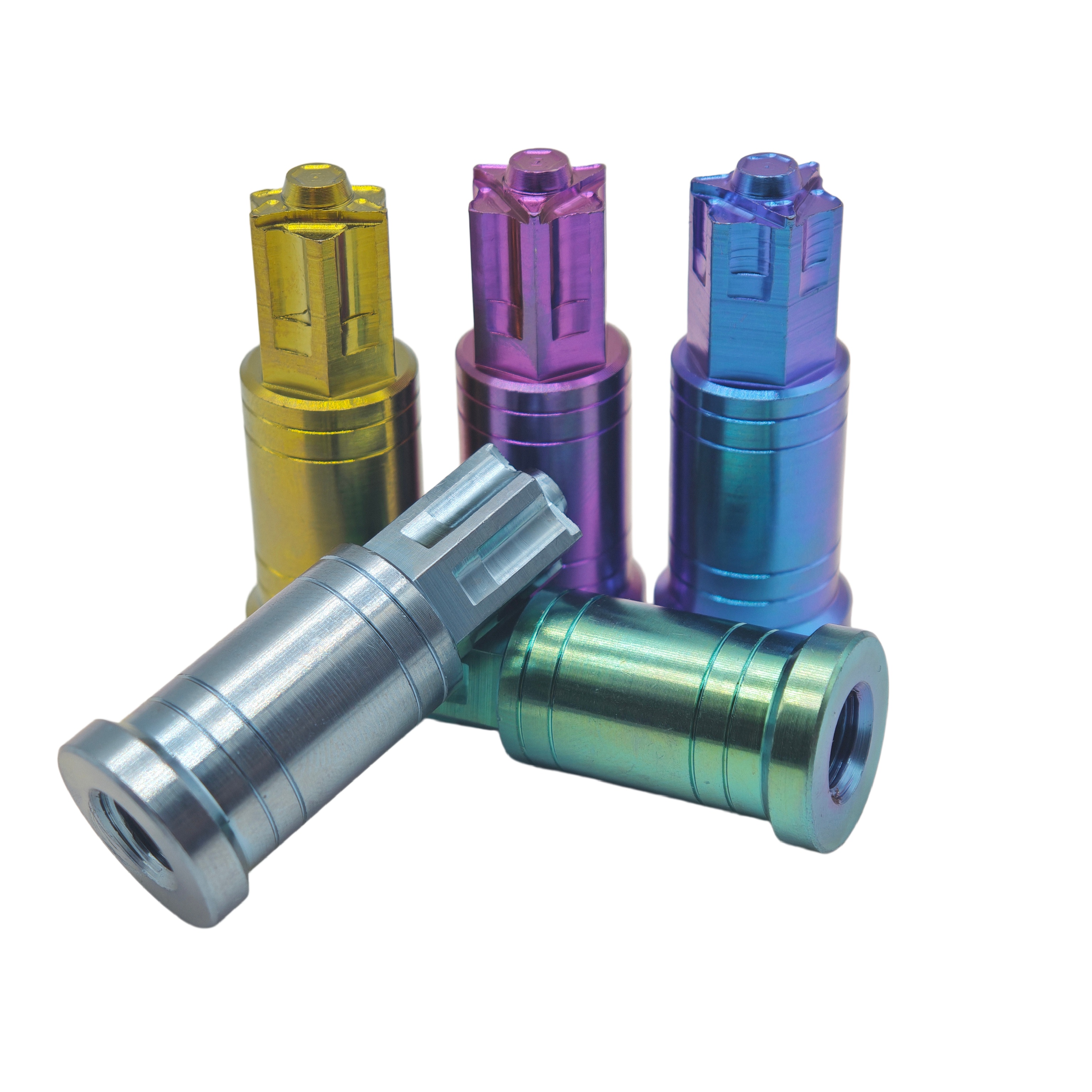
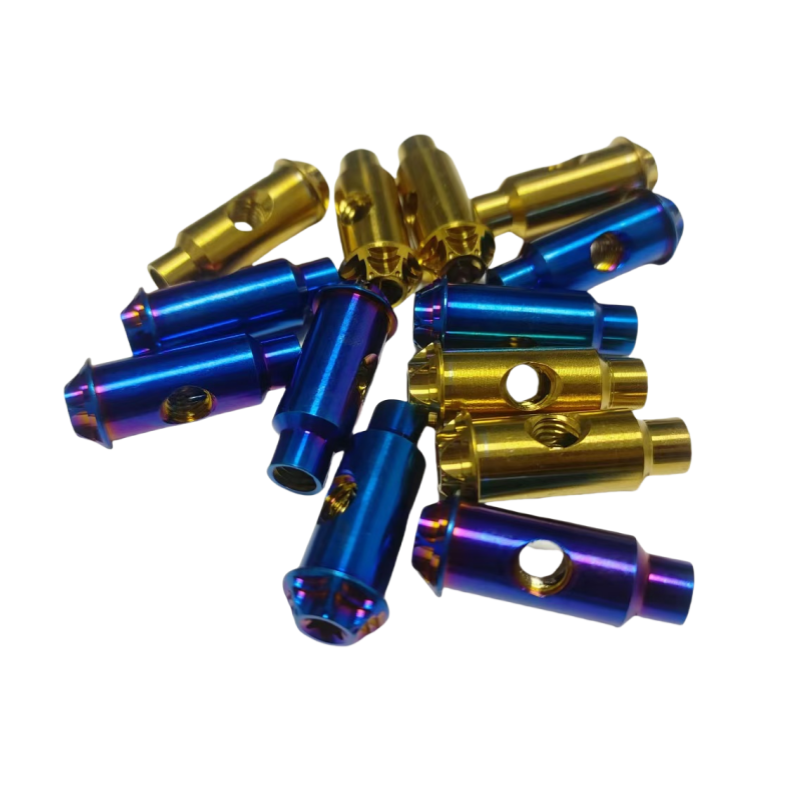
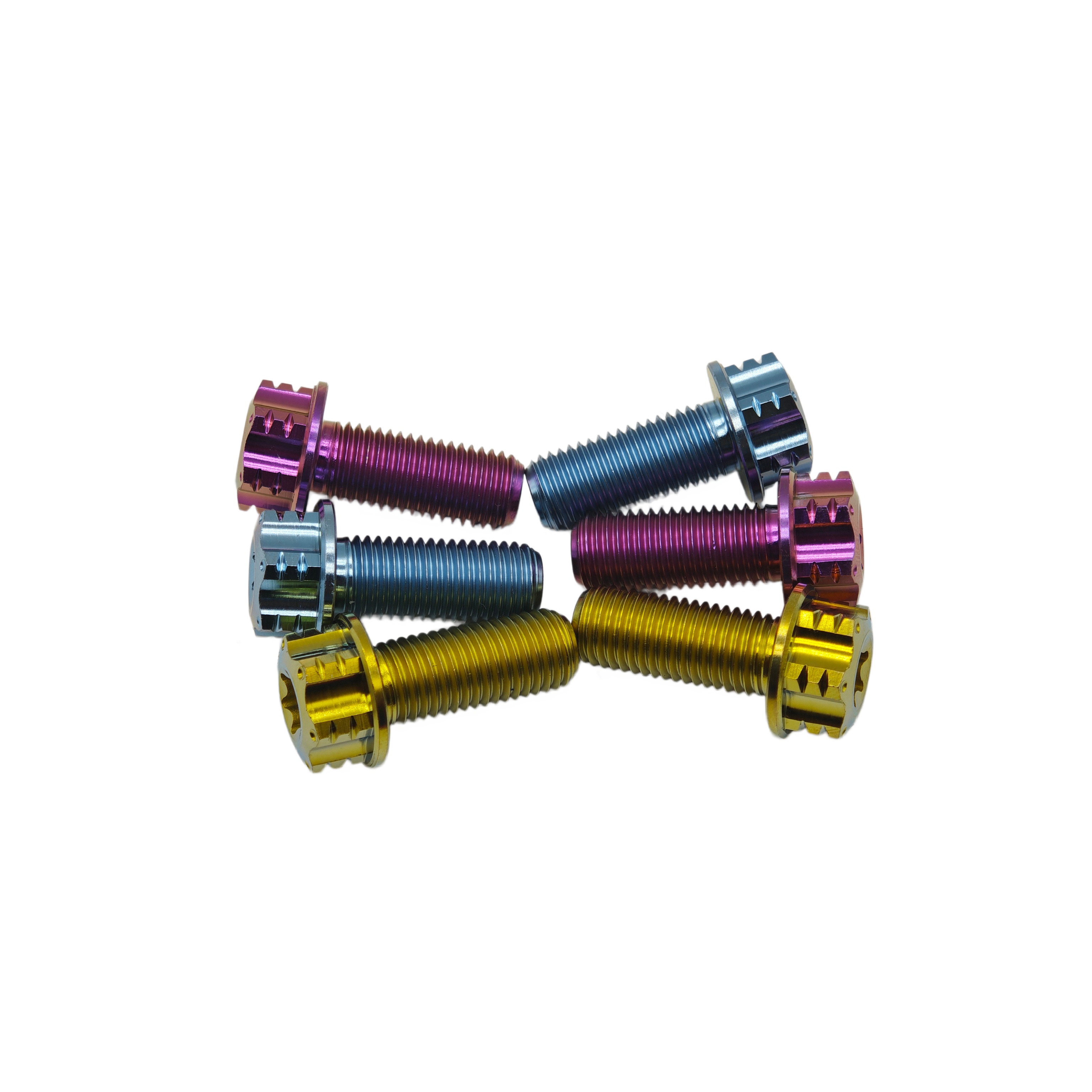
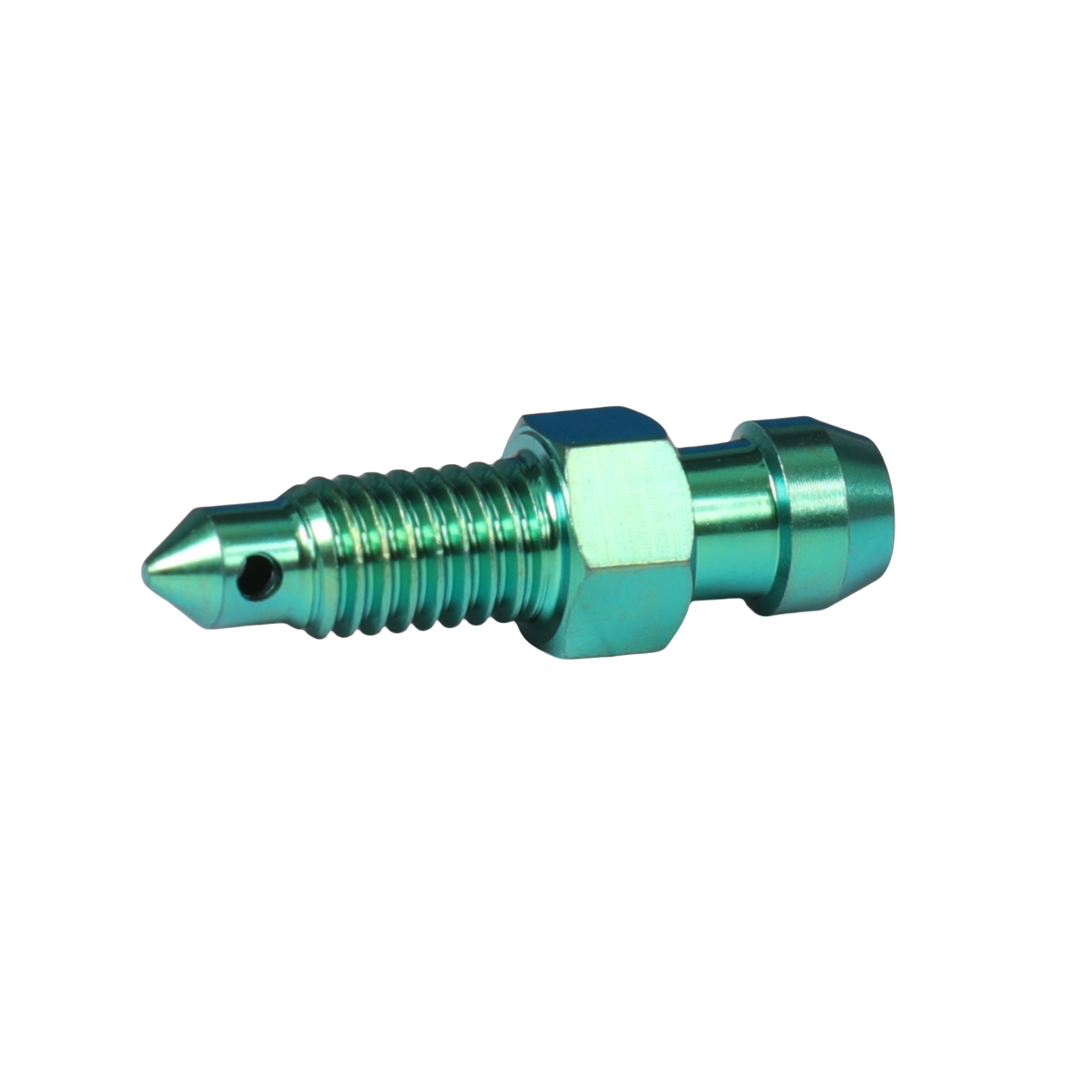
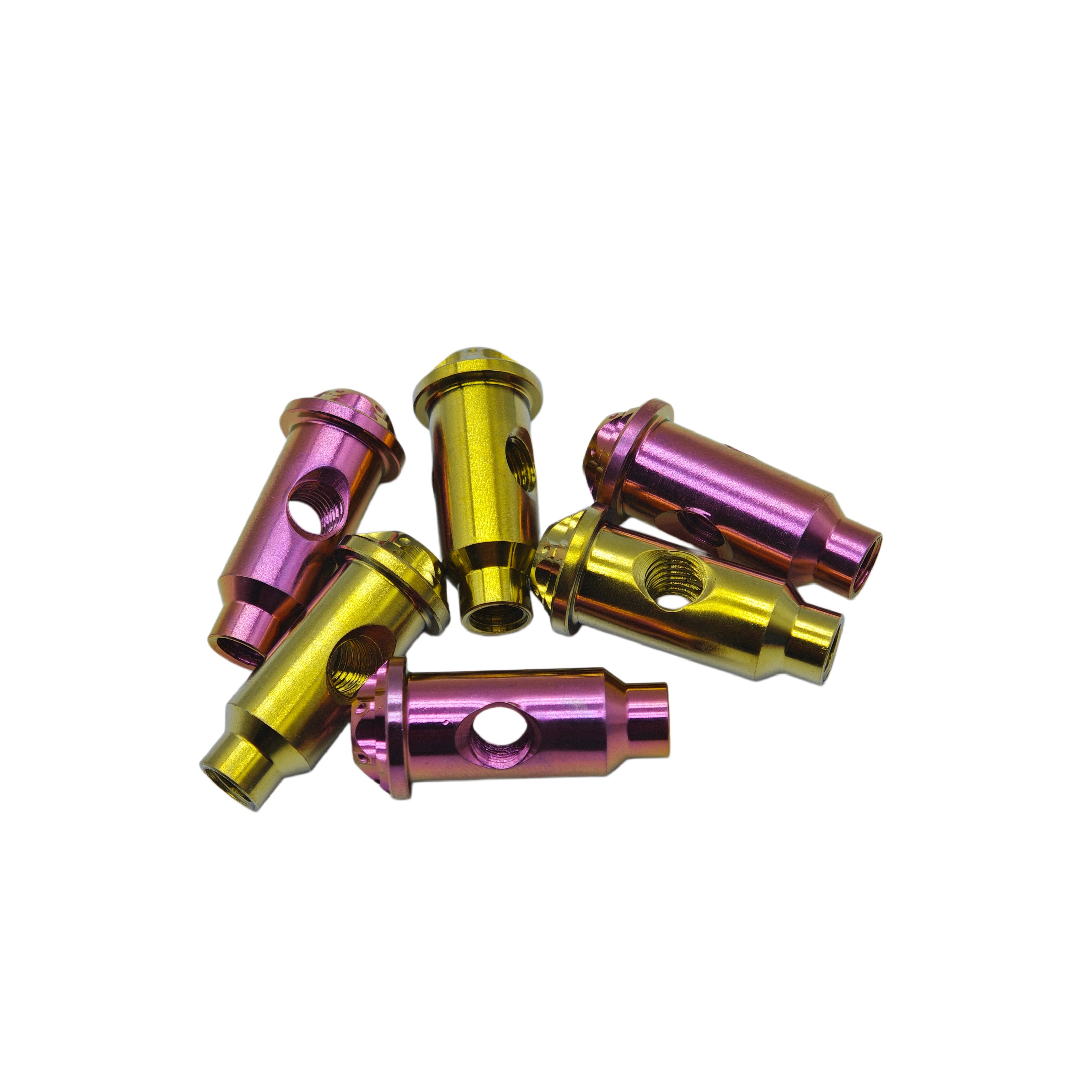
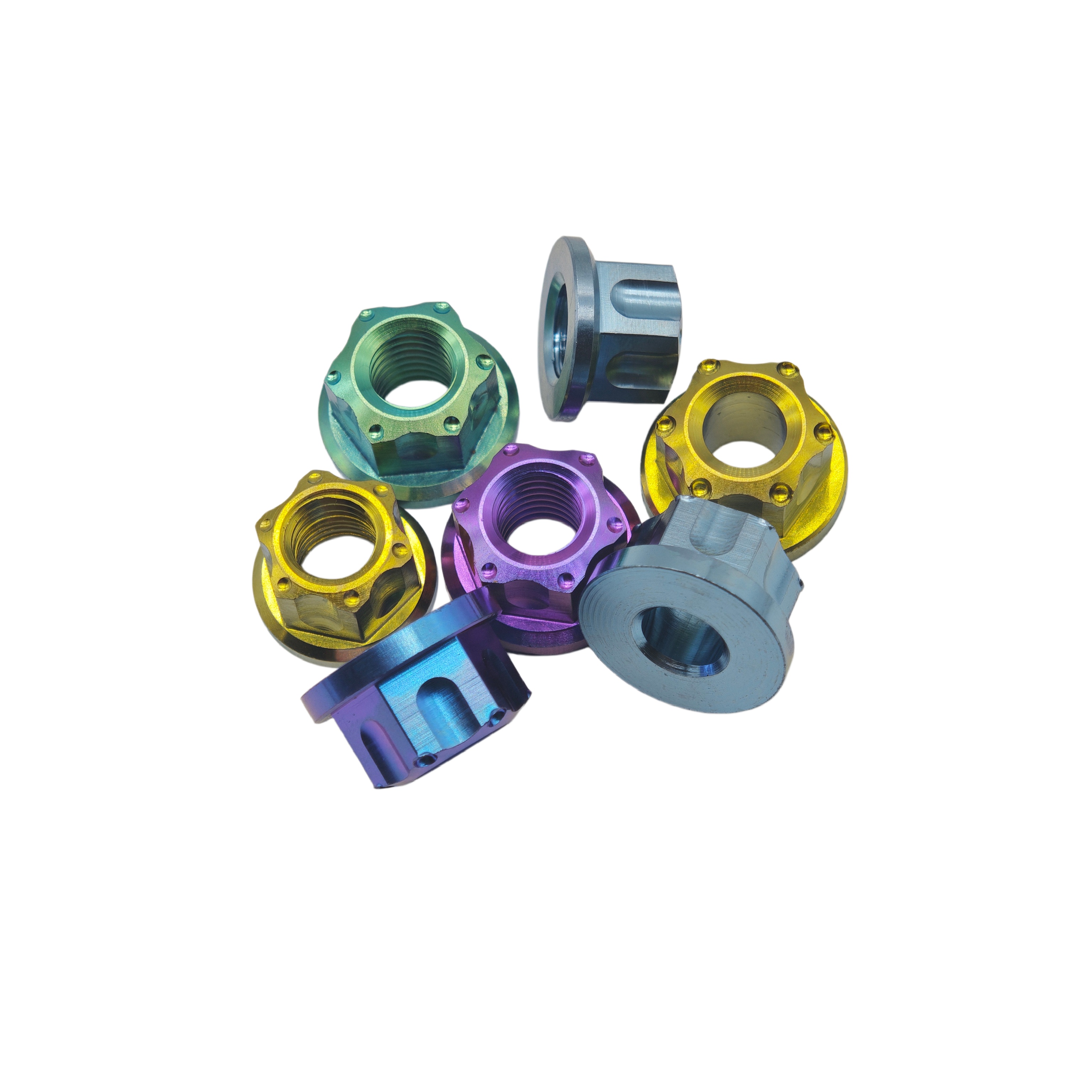
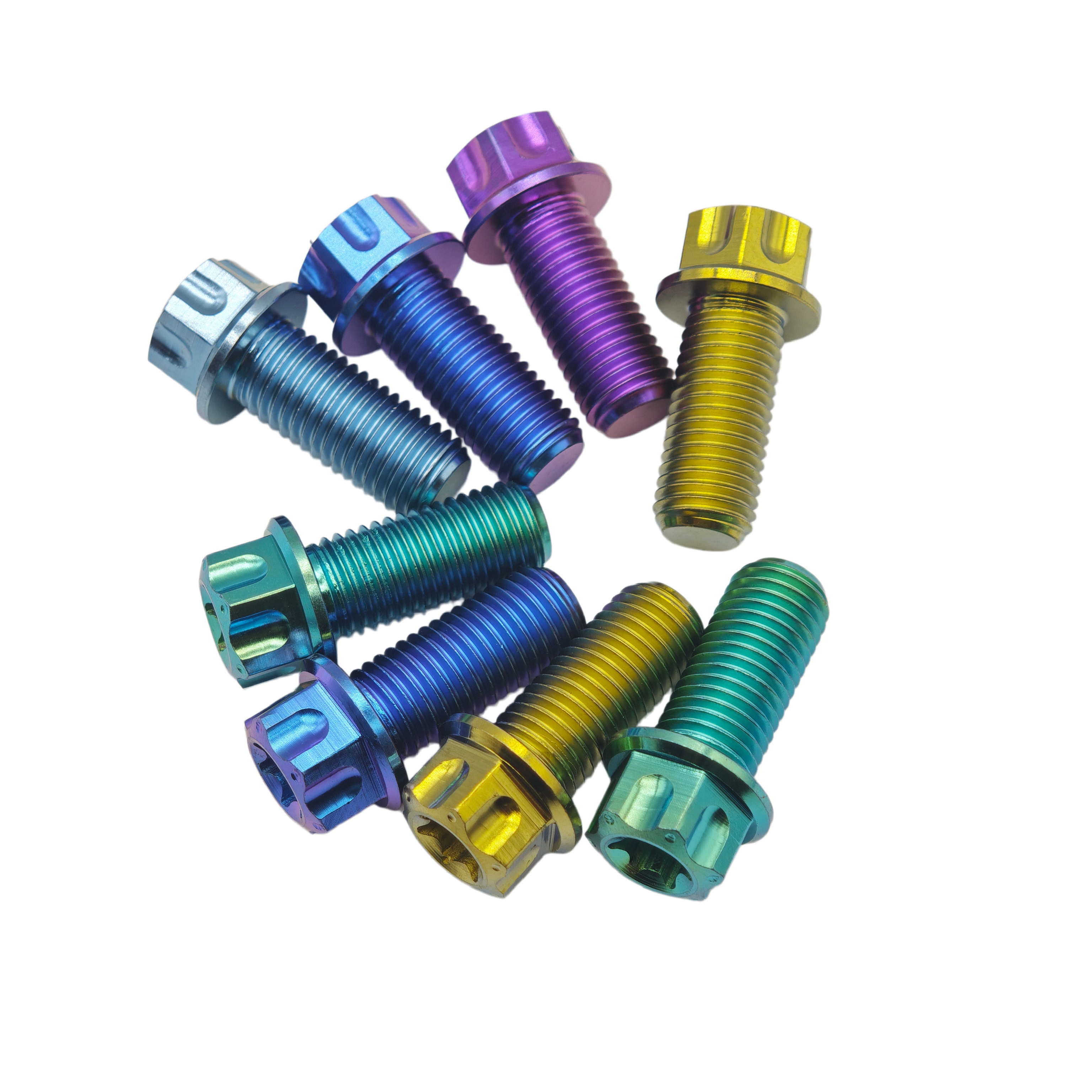
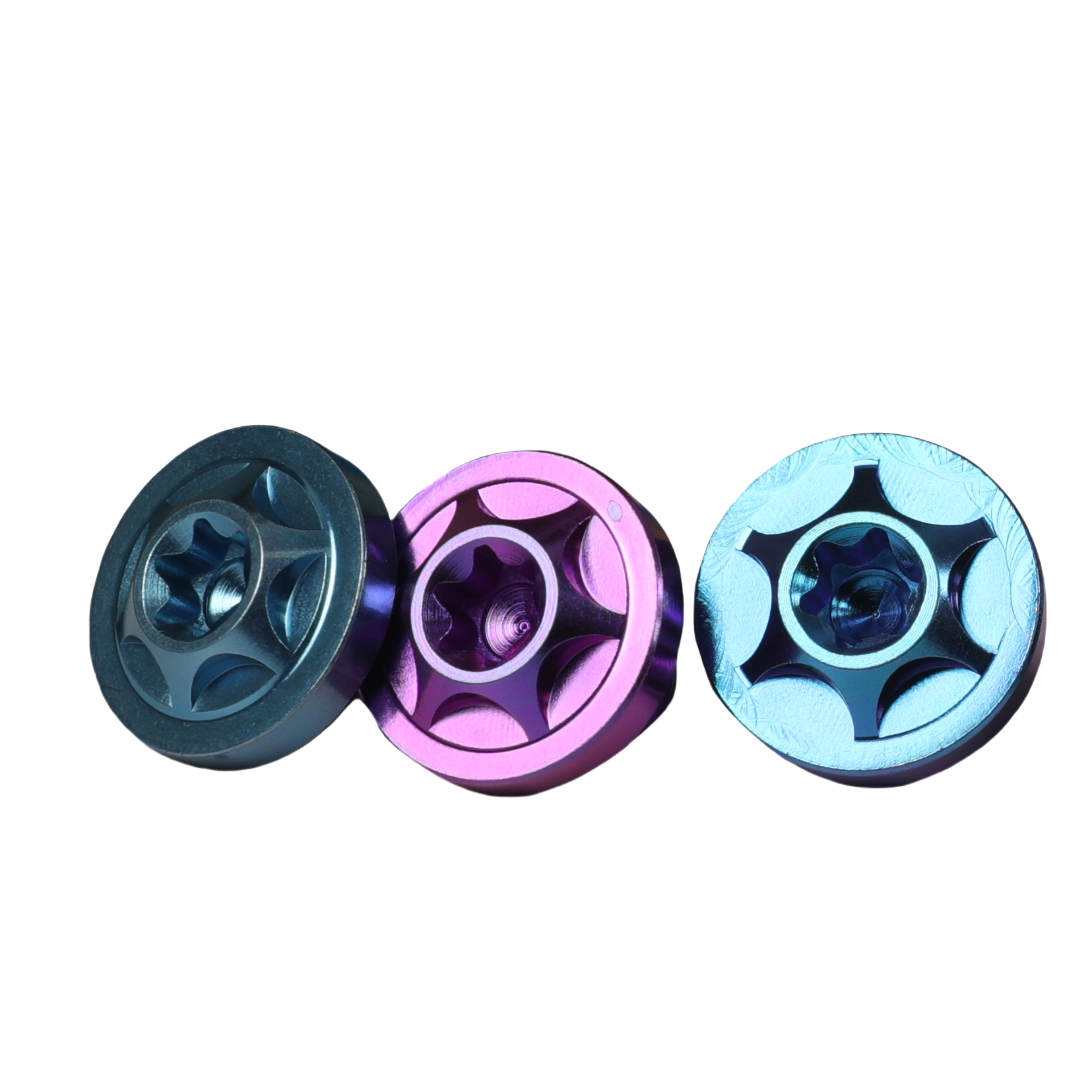
5-axis simultaneous CNC centers maintaining micro-tolerances for high-stress aerospace and robotic couplings.
Fully traceable Grade 5 vacuum-melted titanium exceeding ASTM B348 and JIS H4600 structural criteria.
Rapid prototyping from 2D/3D CAD drawings (STEP, IGES, DXF) with instant DFM feedback for Japanese engineers.
Sustained trust driven by 100% CMM dimensional verification, lot-specific MTRs, and zero field failure records.
Technical Whitepaper: Engineering Titanium Components for Hokkaido's Harsh Environment
Sourcing structural hardware and custom mechanical assemblies for northern Japan presents unique metallurgical hurdles. In the Sapporo metropolitan area and the broader Hokkaido prefecture, industrial hardware operates under the dual strains of relentless sub-zero cryogenic thermal cycling and intense corrosive exposure caused by heavy calcium chloride ($CaCl_2$) and sodium chloride ($NaCl$) de-icing salt sprays. Standard 304 or 316 stainless steels frequently fail under road de-icing conditions due to stress-corrosion cracking (SCC) and pitting, while structural steels undergo dangerous ductile-to-brittle transitions at -20°C to -35°C.
As an OEM/ODM titanium component manufacturer rooted in Baoji—China's primary titanium smelting corridor—we supply precision CNC-machined Grade 5 (Ti-6Al-4V, Werkstoff 3.7165) and commercially pure Grade 2 titanium directly to Hokkaido's leading equipment designers. Unlike martensitic or ferritic steels, Grade 5 titanium maintains an hexagonal close-packed (HCP) α+β crystal structure. This crystal lattice preserves extraordinary fracture toughness ($K_{1C} \approx 55 \text{ to } 75 \text{ MPa}\sqrt{\text{m}}$) without low-temperature embrittlement down to cryogenic temperatures (-196°C). Consequently, titanium CNC brackets, pivot pins, hydraulic valve bodies, and threaded assemblies remain ductile and fracture-resistant during the bitter cold of a Sapporo winter.
| Material Spec | Density (g/cm³) | Tensile Strength (MPa) | Yield Strength (MPa) | Sub-Zero Impact Notch Toughness | Chloride De-Icing Slush Immunity |
|---|---|---|---|---|---|
| Gr5 Ti-6Al-4V (Annealed) | 4.43 | 895 - 1000 | 828 | Superior (>45 J at -40°C) | Completely Immune (PASSIVE TiO²) |
| SUS304 / A2-70 Stainless | 7.93 | 700 | 450 | Good (High ductility) | Prone to Crevice Corrosion & Pitting |
| Class 10.9 Alloy Steel | 7.85 | 1040 | 940 | Severe DBTT Risk Below -20°C | Rapid Rusting & Hydrogen Embrittlement |
| 7075-T6 Hard Aluminum | 2.81 | 570 | 505 | Moderate (Brittle Notch Sensitivity) | Severe Exfoliation & Galvanic Degradation |
Localized Application Scenarios in Sapporo & Regional Clusters
Hokkaido's industrial landscape is undergoing massive transformation. From advanced semiconductor fabrication in Chitose to municipal winter maintenance infrastructure in Sapporo and marine logistics across the Ishikari and Tomakomai ports, our custom CNC titanium components fulfill exacting roles:
Chitose Semiconductor Corridor
With massive public-private investments near New Chitose Airport, high-purity non-magnetic robotic arms, vacuum end-effectors, and wafer carrier fasteners require zero ferrous contamination. Our chemically cleaned, non-magnetic Gr5 and Gr2 fasteners guarantee vacuum chamber stability.
Snowplows & Heavy Winter Machinery
Municipal rotary snow blowers and hydraulic blade linkages in Sapporo face severe shock vibrations and corrosive slush. Replacing standard carbon bolts with custom Ti-6Al-4V flange pins eliminates shear failure caused by sub-zero brittle notch fatigue.
Marine & Sub-Arctic Aquaculture
Along the Sea of Japan and coastal Hokkaido ports, our CNC-machined titanium seawater pump impellers, sensor housings, and marine cage rigging shrug off saltwater pitting, delivering lifetimes exceeding 30 years without protective sacrificial anodes.
Winter Motorsports & Snowmobiles
Suspension A-arms, brake rotor Torx bolts, and track adjusters for competitive snowmobiling in Niseko and Sapporo backcountries rely on our lightened 64-titanium fasteners to eliminate unsprung weight while absorbing severe moguls.
Medical & Hokkaido University Spin-Offs
Sapporo's growing biomedical robotics clusters require biocompatible, ISO 13485-compliant surgical guidance arms, orthopedic test fixtures, and autoclave-tolerant micro-fasteners produced with microscopic burr-free edge quality.
Renewable Energy & Cold-Region Wind
Coastal Hokkaido wind turbines face extreme icing and salt fog. Titanium sensor fasteners, nacelle bolts, and pitch actuator joints eliminate maintenance access costs caused by frozen seized fasteners.
Hokkaido Localization Trends: The Shift Toward Lightweight Corrosion-Proof Alloys
Japanese industrial procurement is characterized by intense supply chain scrutiny, high precision standards (JIS B 1051, JIS H 4600), and a strong push toward Green Transformation (GX) and automated manufacturing. In Hokkaido, three distinct macroeconomic and technological trends are driving the direct procurement of Chinese precision titanium CNC manufacturing:
1. Rapid Expansion of Hokkaido Semiconductor Valley
The construction of next-generation logic fab facilities south of Sapporo creates acute demand for high-vacuum, plasma-resistant, non-magnetic handling components. Titanium's magnetic permeability ($\mu_r \approx 1.00005$) allows robotic wafer-handling fixtures to operate without distorting electron beams or magnetic levitation tracks.
2. Decarbonization & Fuel Reduction for Commercial Fleets
With Hokkaido's extensive road network connecting Sapporo to Asahikawa, Hakodate, and Kushiro, freight logistics operators are adopting titanium wheel bolts, axle nuts, and brake components. Reducing rotational and unsprung mass by 44% yields measurable reductions in heavy-vehicle diesel consumption on icy gradients.
3. Shift from Domestic Sourcing to Direct OEM/ODM Collaboration
Tight domestic machining capacities in the Kanto and Kansai regions have created long lead times (12–18 weeks) for Japanese buyers. By directly partnering with our Baoji manufacturing plant, Sapporo engineering procurement leads bypass multiple trading tiers (Shosha), securing 3-week deliveries with full DFM verification.
4. Extreme Life-Cycle Cost Reductions in Infrastructure
Because municipal de-icing chemicals in Hokkaido dissolve galvanization and corrode steel bridges, traffic cameras, and sensor enclosures within 36 months, public works subcontractors are shifting toward Ti-6Al-4V and CP Gr2 hardware to achieve maintenance-free 25-year life cycles.
Our Production Strengths: The Baoji Titanium Supply Advantage
Based in Baoji, Shaanxi Province—widely recognized as China's Titanium Valley—Zunvo Titanium Products Co., Ltd. controls raw material origin, precision CNC machining, and electro-chemical surface finishing under an integrated quality framework:
Heat-Number Traceability
Every batch of titanium wire and billet originates from certified VAR (Vacuum Arc Remelted) ingots. We provide complete Mill Test Certificates (MTC) detailing chemical composition (Fe, O, C, N, H) and mechanical properties per EN 10204 3.1.
Rolled Thread Technology
Unlike machined threads that cut through internal metal grain flows, our fastener threads are cold-rolled after hot heading. This preserves uninterrupted grain boundaries along root radii, yielding a 30% increase in shear fatigue life.
Advanced Anodizing & PVD
We provide aerospace Type II sulfuric anodizing, decorative voltage-controlled color anodizing (Burnt Rainbow, Blue, Gold, Violet), and ultra-hard physical vapor deposition (PVD TiN, TiCN) for anti-galling thread performance.
Complete Metrology Lab
Equipped with Zeiss CMMs, optical profile projectors, Keyence digital microscopes, torque tension testers, and salt fog chambers to ensure 100% compliant shipments without batch rejections.
Direct Express to Hokkaido
Standardized packaging with individual rust-free barrier wrapping and custom barcoding. Air-express consignments fly directly from Xi’an/Shanghai to New Chitose Airport (CTS) in 3–5 working days.
Dedicated Engineering Support
English and Japanese documentation support. Our mechanical design team replies to RFQs within 7 hours, offering DFM advice on titanium galling prevention, taper fits, and torque allowances.
Sapporo Procurement & Technical FAQ
Straightforward answers addressing material equivalence, galling risks, import logistics, and tolerances for Japanese hardware procurement engineers.
How does your Gr5 titanium correspond to Japanese Industrial Standards (JIS)?
Our Grade 5 titanium corresponds directly to JIS 60種 (Ti-6Al-4V) per JIS H 4600 standards, as well as ASTM B348 Gr5 and ISO 5832-3. Chemical composition limits for Iron (Fe ≤ 0.40%), Oxygen (O ≤ 0.20%), and Hydrogen (H ≤ 0.015%) are verified by lot-specific spectrographic analysis. Mill test reports (MTRs) are provided with all production shipments.
How should we prevent galling (thread seizure) in sub-zero Hokkaido applications?
Titanium naturally forms an instantaneous, passive oxide film which can induce micro-welding or galling under high-load dry assembly. For sub-zero operations where moisture and de-icing chemicals are present, we recommend: (1) Specifying our PVD (Physical Vapor Deposition) coated or Type II anodized threads, and (2) Applying a nickel-based or molybdenum-disulfide ($MoS_2$) low-temperature anti-seize paste during final torque-up.
What is the typical shipping transit time and customs clearance to Sapporo or Chitose?
For urgent prototypes and small production batches (100–5,000 pcs), we ship door-to-door via DHL Express or FedEx directly into New Chitose Airport (CTS), taking just 3 to 5 business days. For volume bulk hardware exceeding 500 kg, sea cargo arrives via the Port of Tomakomai or Ishikari Port within 12 to 16 calendar days from port departure.
Can Gr5 titanium bolts directly replace Class 10.9 or 12.9 high-tensile steel fasteners?
Grade 5 titanium features an ultimate tensile strength of 895–950 MPa and yield strength of ~828 MPa, making it directly equivalent to Class 8.8 and near Class 10.9 steel. However, titanium's modulus of elasticity is approximately 114 GPa—roughly half that of steel (205 GPa). For safety-critical joints engineered strictly for 12.9 alloy bolts, our engineering team can re-calculate bolt preload, shank diameters, and thread engagement lengths to guarantee identical joint clamping force.
What are your Minimum Order Quantities (MOQs) for custom drawing-based parts?
For standard catalog items, MOQ starts from 100 pieces (or 10–20 dozens). For custom CNC parts built from CAD drawings (STEP, IGES, SolidWorks, or PDF), our prototype run starts at just 50 to 100 pieces to enable dimensional fitment and field stress validation on your equipment before ramping to full serial volume.
Launch Your Precision Titanium Project in Sapporo
Submit your part specifications, 2D/3D technical drawings, or request standard fastener samples. Our metallurgical and CNC application engineers will deliver an actionable DFM review and competitive quotation within 7 hours.
Get a Quote