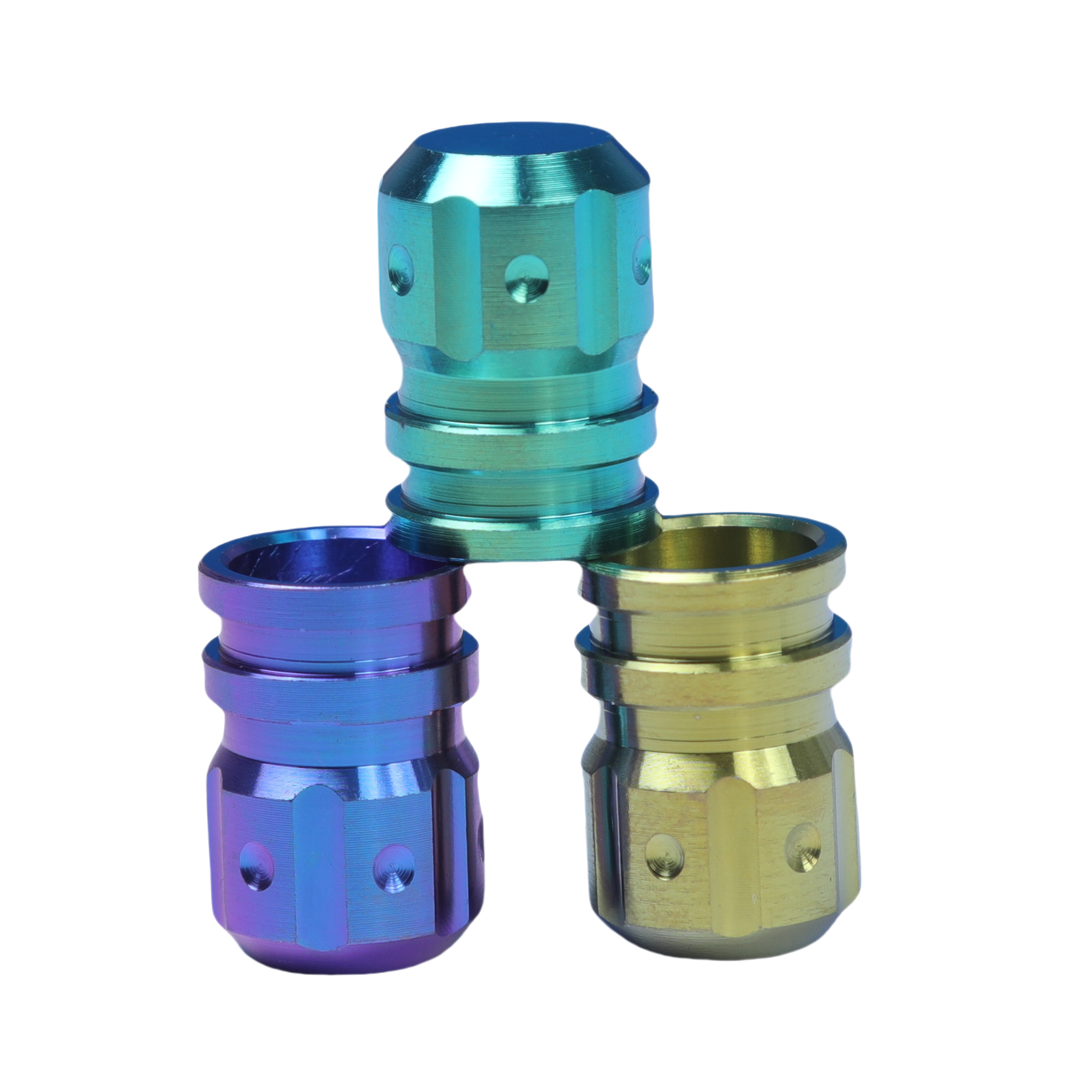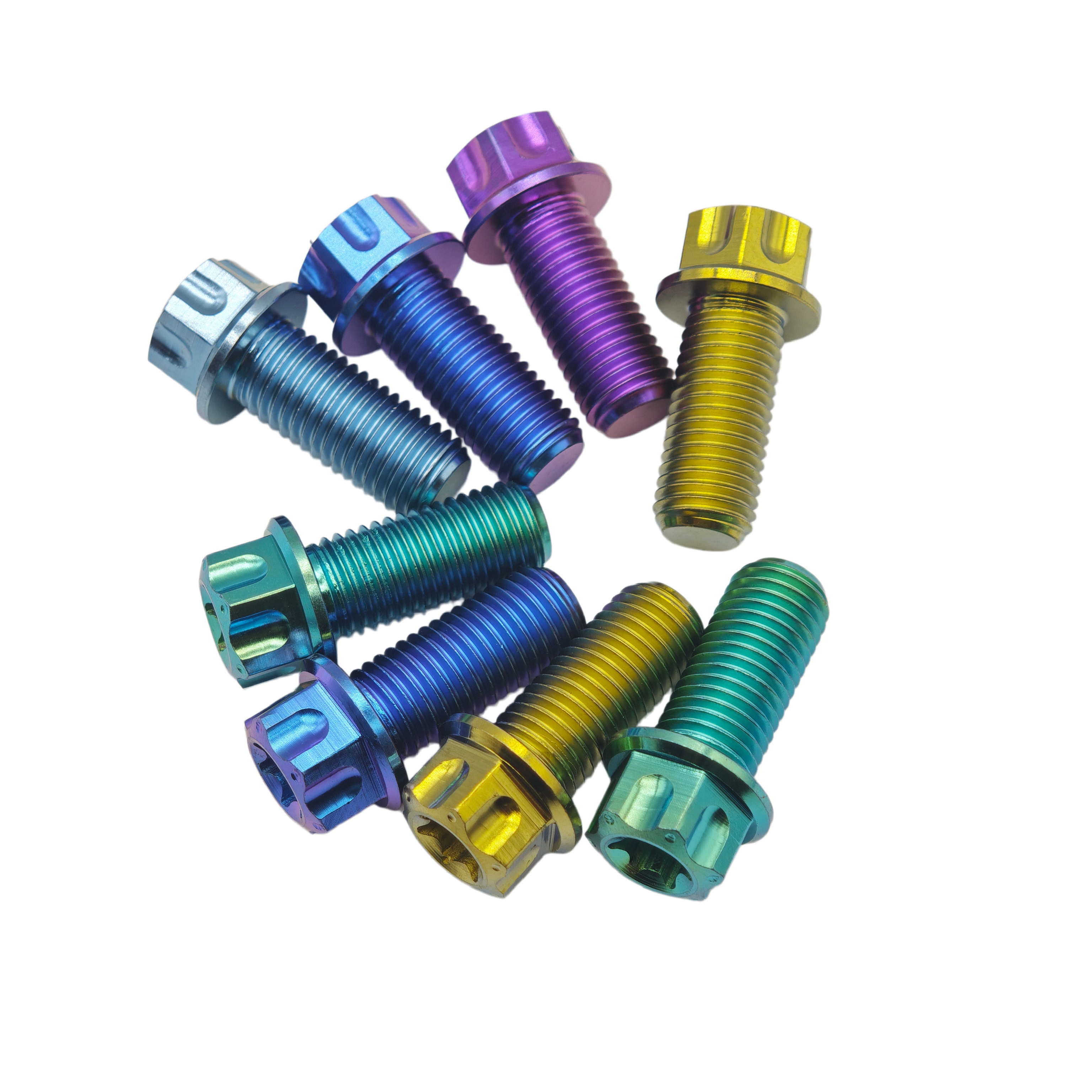
Factory Wholesale Anodized GR5 Titanium Hex Flange Head Bolts M8/M10 UNF
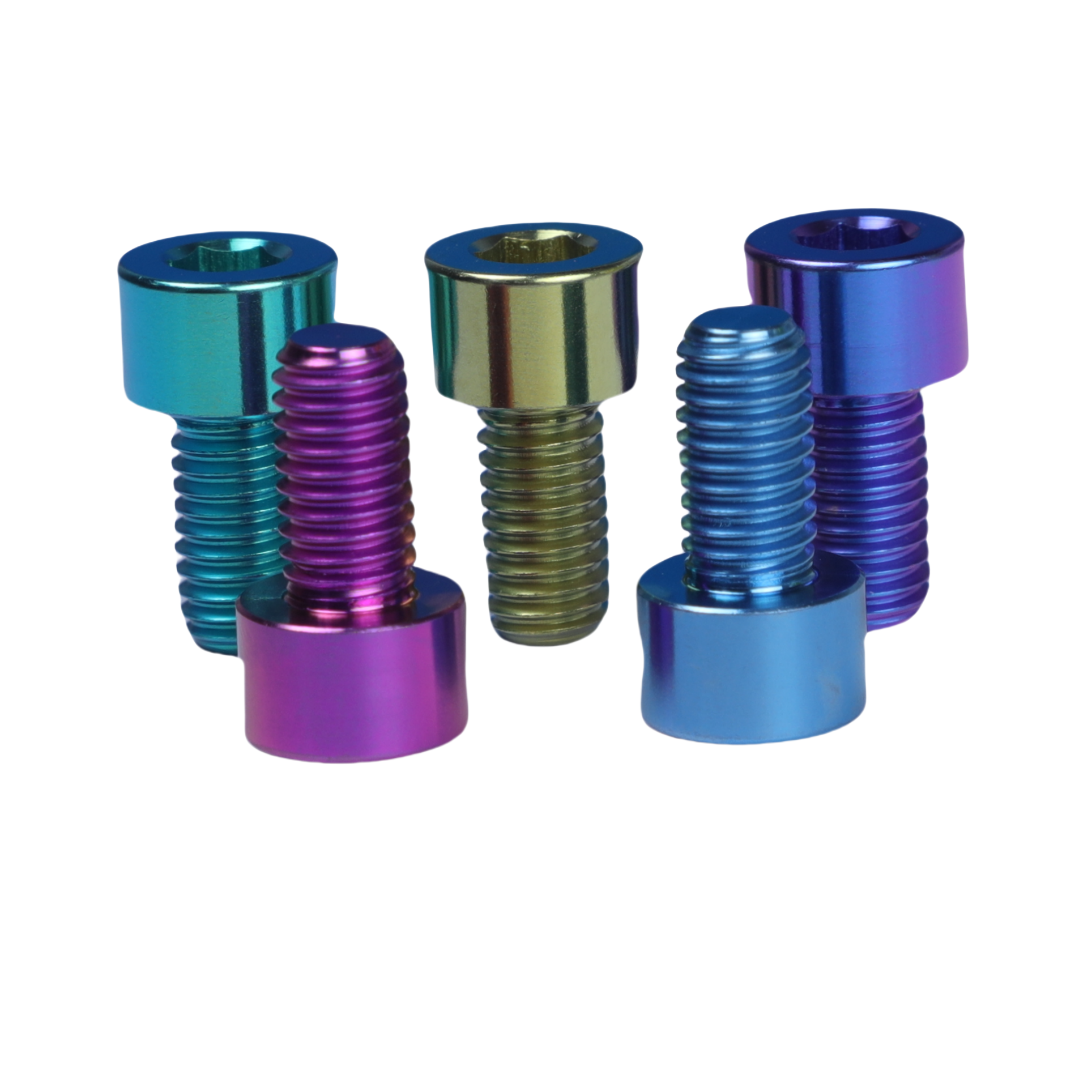
Integrated flange seat disperses clamp load across high-stress junctions. Anodized barrier enhances chloride immersion resistance.
Send an InquiryExplore standard DIN/ISO metrics, UNF fine threads, and custom anti-vibration components manufactured with cold-rolled threads and multi-axis CNC lathes.
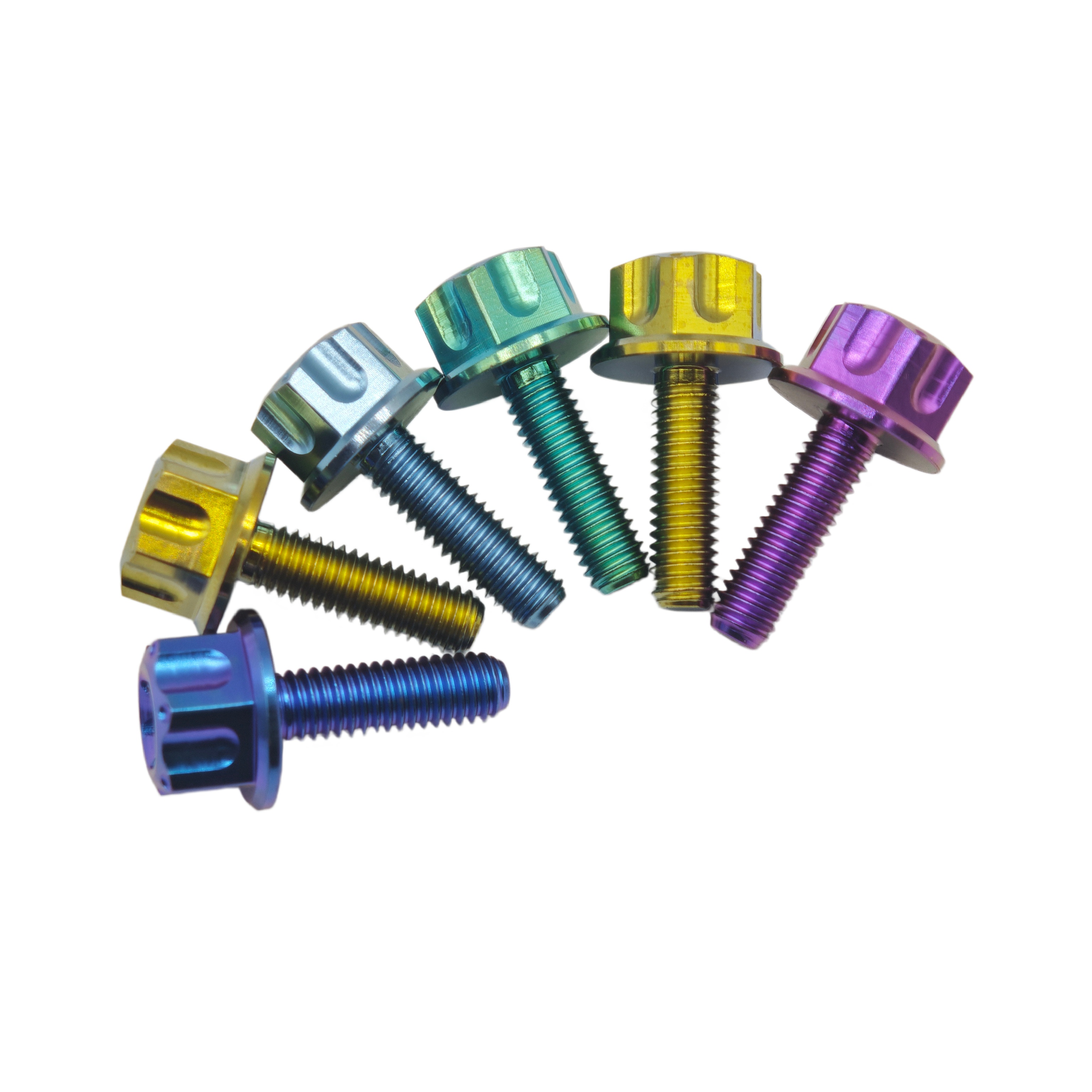
Integrated flange seat disperses clamp load across high-stress junctions. Anodized barrier enhances chloride immersion resistance.
Send an Inquiry
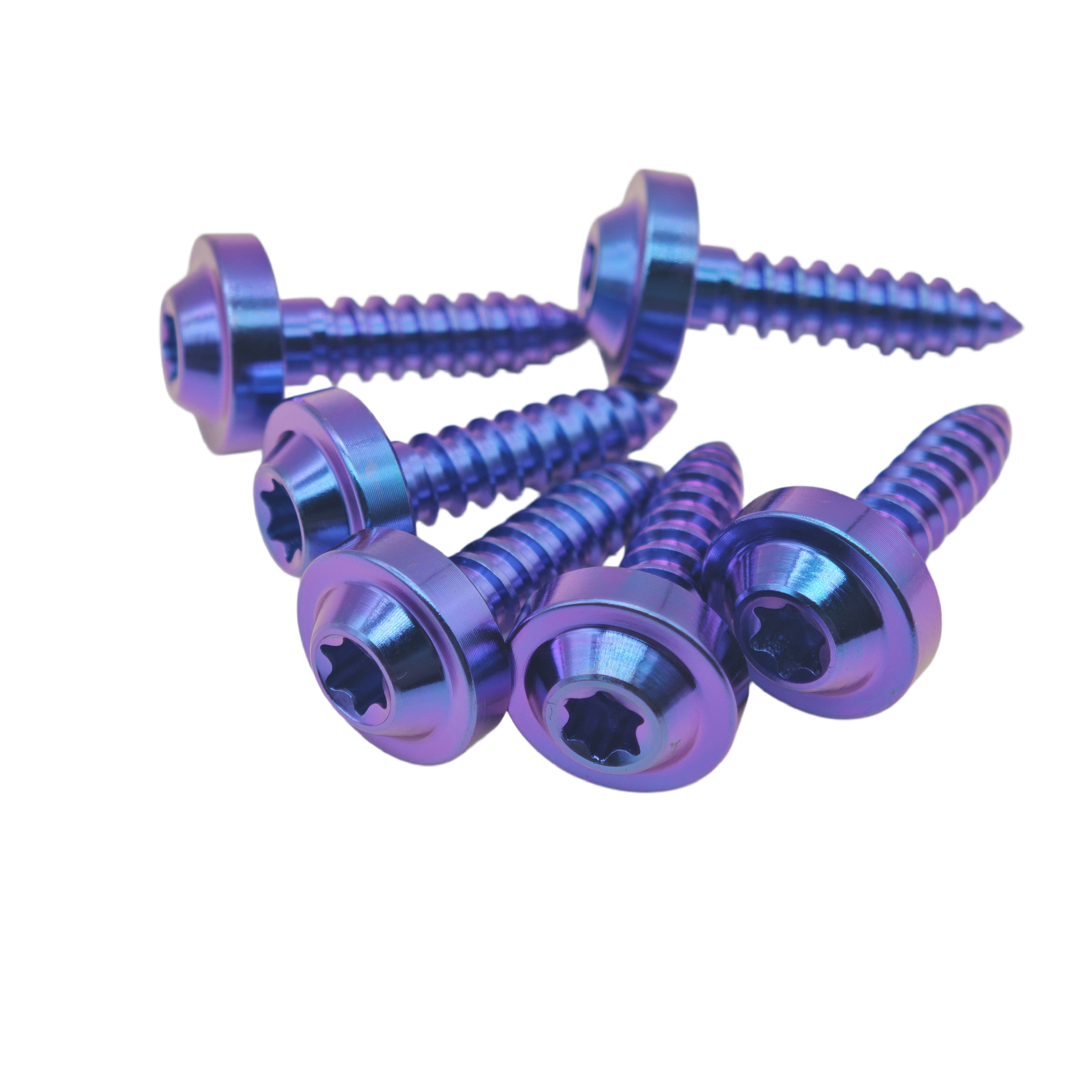
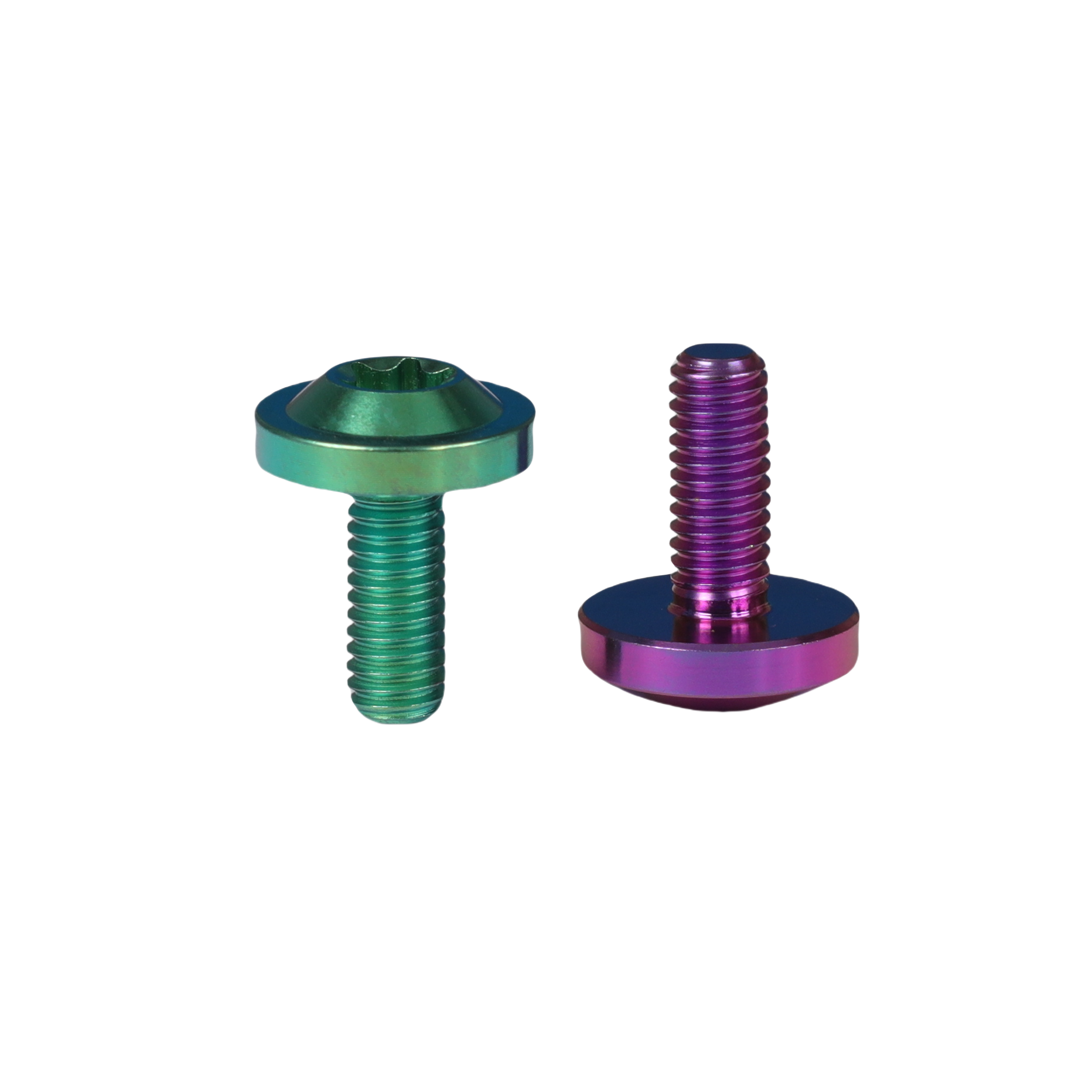
High-torque Torx interface eliminates cam-out. Ideal for electronics encapsulation, marine drones, and composite bracket retention.
Send an Inquiry
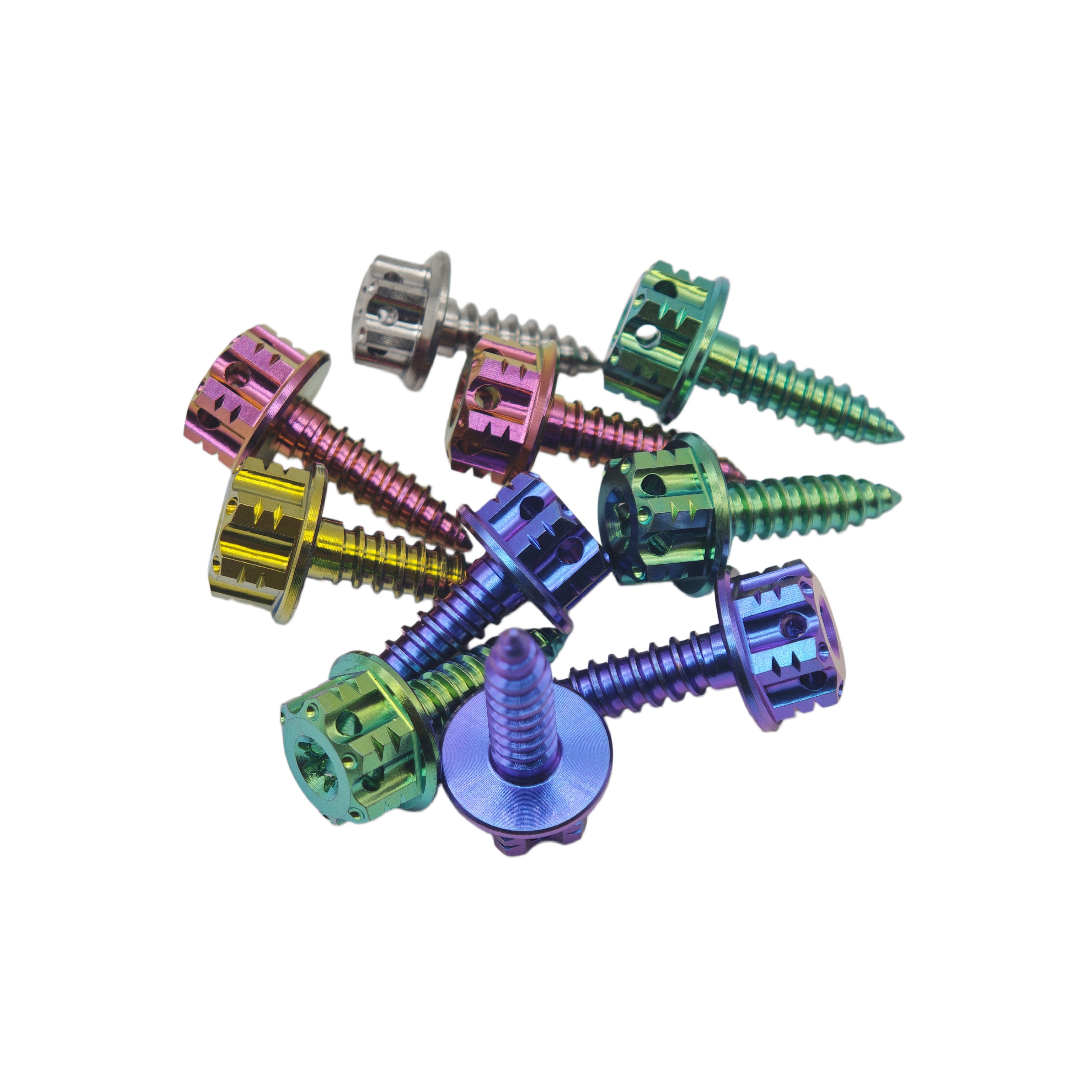
Engineered for direct installation in tough polyamides, carbon fiber composites, and soft non-ferrous housings without galling.
Send an Inquiry
Conforms precisely to ISO 4762/DIN 912 standards. Rolled threads offer dynamic fatigue resistance in cycling structural joints.
Send an Inquiry
Permanent passive titanium oxide (TiO2) film prevents rust and pitting under harsh exposure to North Sea water and sub-zero de-icers.
Send an Inquiry
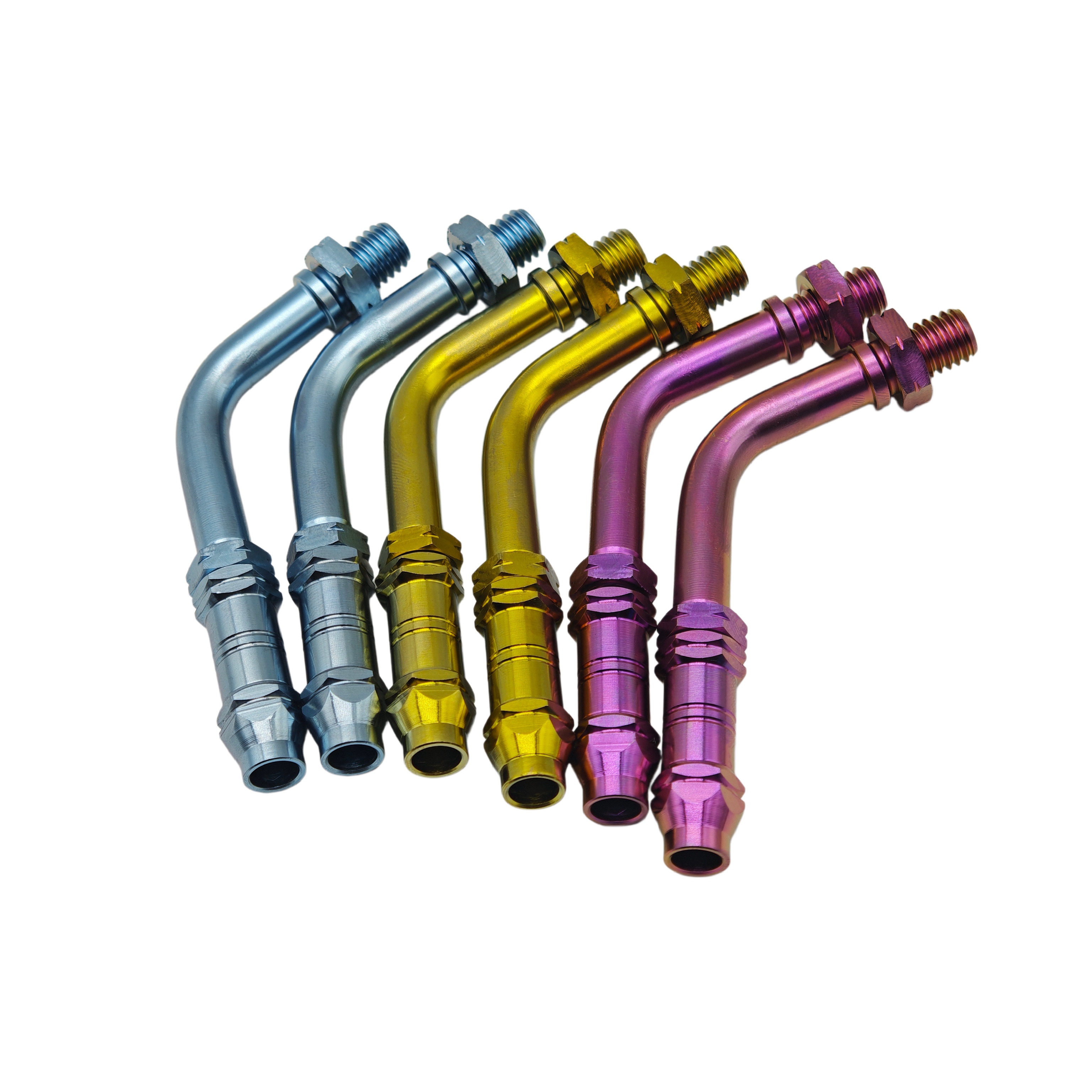
Bespoke CNC-turned adjuster component offering ultra-precise tension tuning with weight reductions exceeding 40% over brass/steel.
Send an Inquiry
Constructed for heavy duty mechanical assemblies, downhole sampling sensors, and harsh environment testing rigs.
Send an Inquiry
Precision internal thread with integrated O-ring sealing. Zero thread corrosion or seizing even when exposed to heavy salting.
Send an InquiryTrondheim represents Norway’s undisputed capital of ocean innovation, home to premier research centers such as SINTEF, NTNU, and advanced offshore energy clusters. Fasteners deployed here encounter operating environments markedly different from standard industrial settings.
In Trondheim Fjord (Trondheimsfjorden)—Norway's vital testing ground for autonomous underwater vehicles (AUVs) and ocean floor observatories—equipment encounters hydrostatic pressures exceeding 50 bar alongside aggressive, oxygenated North Sea brine.
Conventional A4-80 (AISI 316) stainless steel components regularly fall victim to crevice corrosion under silicone seals and inside non-ventilated threaded roots. By upgrading to Grade 5 Ti-6Al-4V lock nuts and bolts, ocean engineers achieve immunity to pitting corrosion, negligible galvanic breakdown when mated with carbon-fiber pressure hulls, and unmatched durability during deep-water deployments.
From dynamic floating offshore wind installations to massive offshore aquaculture fish farms situated in the harsh coastal currents off Trøndelag, dynamic cyclic wave stress causes severe high-cycle fatigue.
Standard locking nuts loosen under non-axial vibration. Our all-metal deformed thread and metallic lock nut assemblies provide continuous prevailing-on torque. Cold-rolled threads eliminate microscopic notch stress, ensuring uninterrupted tension across offshore mooring joints, sensor hubs, and submerged cage frameworks.
Winter temperatures in Central Norway routinely plummet to -25°C, accompanied by heavy calcium chloride and rock salt distribution across transport pathways. Ferritic and standard martensitic alloy steels experience sharp ductile-to-brittle transitions under these cold-temperature regimes.
Grade 5 Titanium retains superior fracture toughness, tensile resilience, and structural integrity down to cryogenic temperatures (-196°C). Whether installed on electric vehicle drivetrains, maritime rescue vessels, or high-end snow and motorsport assemblies, our locking nuts guarantee structural integrity with zero seasonal seizing.
Selecting fasteners for mission-critical marine assemblies requires calculating yield strength against structural deadweight and long-term corrosion degradation. The table below illustrates why titanium consistently supersedes stainless and structural alloy steels in coastal environments like Trondheim.
| Performance Metric | Ti-6Al-4V (Grade 5 Titanium) | A4-80 (AISI 316 Stainless) | Class 10.9 Zinc-Coated Steel | 6061-T6 Aluminum Alloy |
|---|---|---|---|---|
| Density (g/cm³) | 4.43 (Ultralight) | 8.00 (Heavy) | 7.85 (Heavy) | 2.70 (Very Light) |
| Tensile Yield Strength (MPa) | 895 - 950 | 600 | 900 - 940 | 276 |
| Strength-to-Weight Ratio (kN·m/kg) | 202 - 214 | 75 | 115 - 120 | 102 |
| Resistance to Seawater Pitting (PREN) | Immune (TiO2 Self-Passivating) | PREN ~23-25 (Subject to crevice corrosion) | Extremely Poor (Rusts once zinc degrades) | Prone to exfoliation/galvanic attack |
| Cryogenic Toughness (-30°C to -196°C) | Exceptional (No brittle transition) | Good | Severe embrittlement risk | Moderate |
| Magnetic Permeability (µ) | 1.00005 (Non-magnetic) | 1.005 - 1.015 (Slightly magnetic cold-worked) | Ferromagnetic (Distorts magnetometers) | Non-magnetic |
The manufacturing and engineering landscape surrounding Trondheim is undergoing significant technological modernization. As maritime systems advance toward uncrewed operations and green electric propulsion, procurement engineers are abandoning legacy commercial steel fasteners in favor of aerospace-grade lightweight titanium alloys for three distinct reasons:
1. Demands for Zero-Maintenance Lifecycles: The operational cost of deploying specialized divers or ROVs to replace corroded fasteners on marine platforms easily exceeds thousands of Euros per hour. Specifying Grade 5 Titanium lock nuts mitigates fastener replacement cycles across 25-year design lifespans.
2. Magnetometer & Sensor Neutrality: Autonomous marine drones, scientific sampling rigs, and ocean mapping devices demand clean acoustic and magnetic signatures. Grade 5 titanium produces zero interference with onboard navigational compasses, magnetometers, and subsea acoustic telemetry.
3. Decarbonization via Structural Light-Weighting: High-speed passenger catamarans traversing Norway’s coastal corridors and specialized marine transport drones require drastic top-deck weight reductions to maximize battery storage and operating range.
Detailed technical answers addressing thread galling, temperature resistance, anti-vibration mechanisms, and international logistics.
Titanium has a natural tendency toward galling when torqued dry against other titanium threads due to high friction disrupting the passive oxide layer. To completely eliminate cold welding, our factory supplies specialized anti-friction PVD coatings, molybdenum disulfide dry-film lubricants, or vacuum micro-encapsulated coatings. Alternatively, pairing our Gr5 titanium lock nuts with a thin marine-grade nickel-based or copper-free anti-seize paste ensures smooth torque application, predictable friction coefficients (µ ≈ 0.12 - 0.15), and non-destructive disassembly during overhaul routines.
For standard motorcycle, bicycle, and recreational automotive uses, nylon-insert (Nyloc) titanium nuts provide reliable locking. However, for subsea, downhole, industrial marine, and racing exhaust applications in Trondheim, we strongly advocate our All-Metal Prevailing Torque Titanium Lock Nuts (such as elliptical offset deform lock nuts or slotted castle nuts). All-metal designs withstand extreme thermal cycling up to 400°C, are unaffected by synthetic marine hydraulic fluids, hydrocarbon solvents, or UV rays, and maintain steady clamping torque over repeated service assemblies.
Yes. Grade 5 (Ti-6Al-4V) features a minimum tensile strength of 895 MPa, which readily matches or exceeds the tensile performance of Grade 8.8 steel (800 MPa) while saving roughly 44% in mass. While it slightly trails 10.9 alloy steel in absolute yield, its superior fatigue strength in saltwater environments delivers greater structural reliability where cyclic loading and chloride exposure would otherwise induce stress-corrosion cracking (SCC) in high-strength carbon steel.
Every single production lot exported from our Baoji facility includes comprehensive EN 10204 3.1 Mill Test Certificates (MTC), detailing chemical composition analysis (Spectrometer verified for Ti, Al, V, Fe, C, N, H, O) and mechanical pull tests (Tensile, Yield, Elongation). On request, we provide full 100% optical dimensional inspection sheets (micrometer/CMM), go/no-go thread pitch reports, and third-party metallurgical inspection (SGS/TUV).
For standard ISO/DIN inventory, parts ship within 24–48 hours. Custom CNC parts and OEM drawing designs require approximately 3 to 5 business days for precision prototyping, and 12 to 18 days for mass batch production. We provide expedited door-to-door delivery to Trondheim (including Værnes airport customs clearance hubs and maritime terminals) through direct accounts with DHL Express, FedEx Priority, UPS, and air freight forwarders.
Headquartered in Baoji, Shaanxi Province—China’s global titanium capital—our facility integrates advanced smelting, ingot forging, CNC lathe centers, thread rolling equipment, and automated surface treatment under one roof:
Upload your 2D/3D mechanical drawings (STEP, IGES, PDF) or request standard DIN/UNF catalog pricing. Our engineering team reviews all technical requirements within 7 hours.
Send an Inquiry