Engineered Fastening Solutions Available for Kyoto Delivery
Precision-machined from Grade 5 Ti-6Al-4V titanium bar stock, delivering 44% mass reduction over steel while exceeding 895 MPa tensile yield.
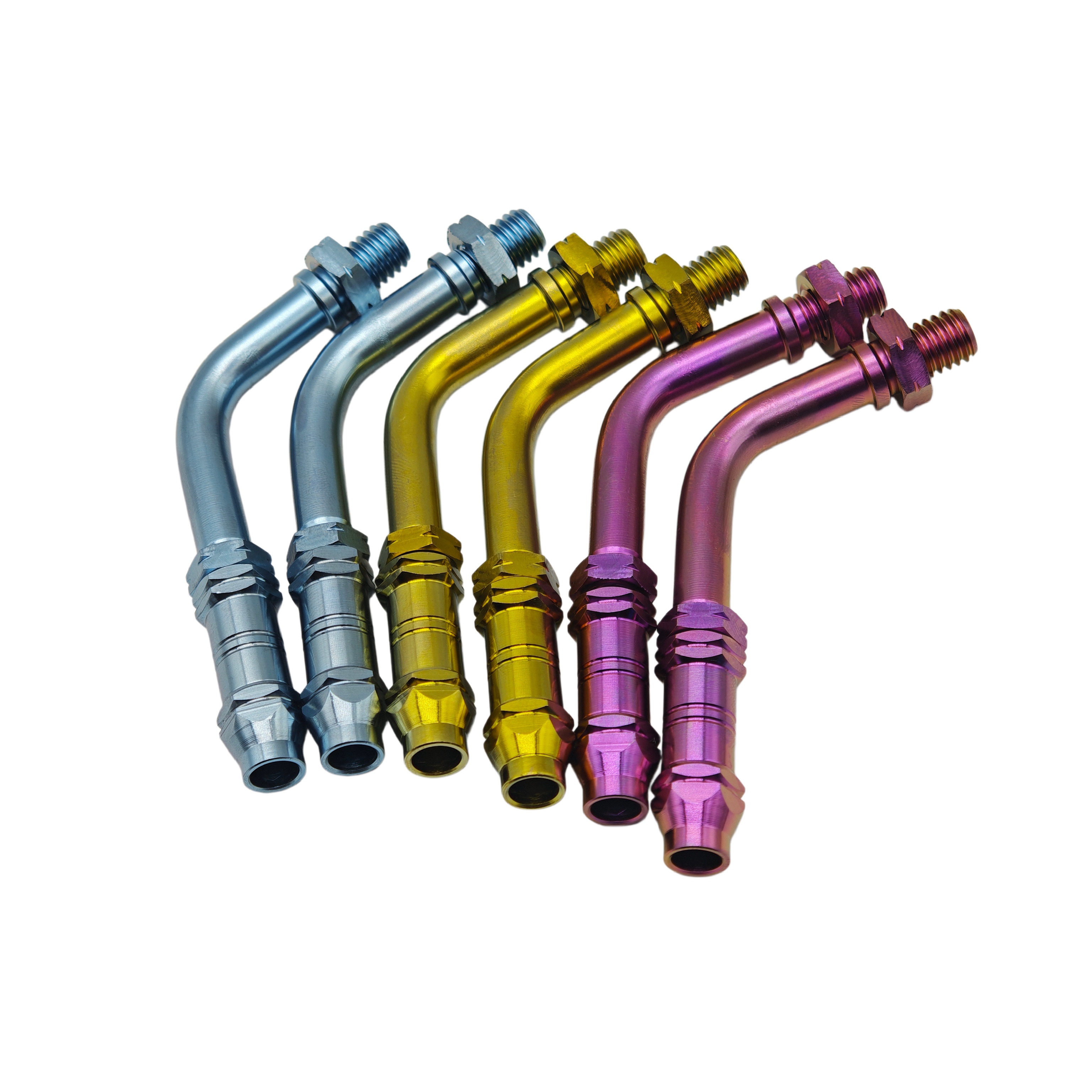
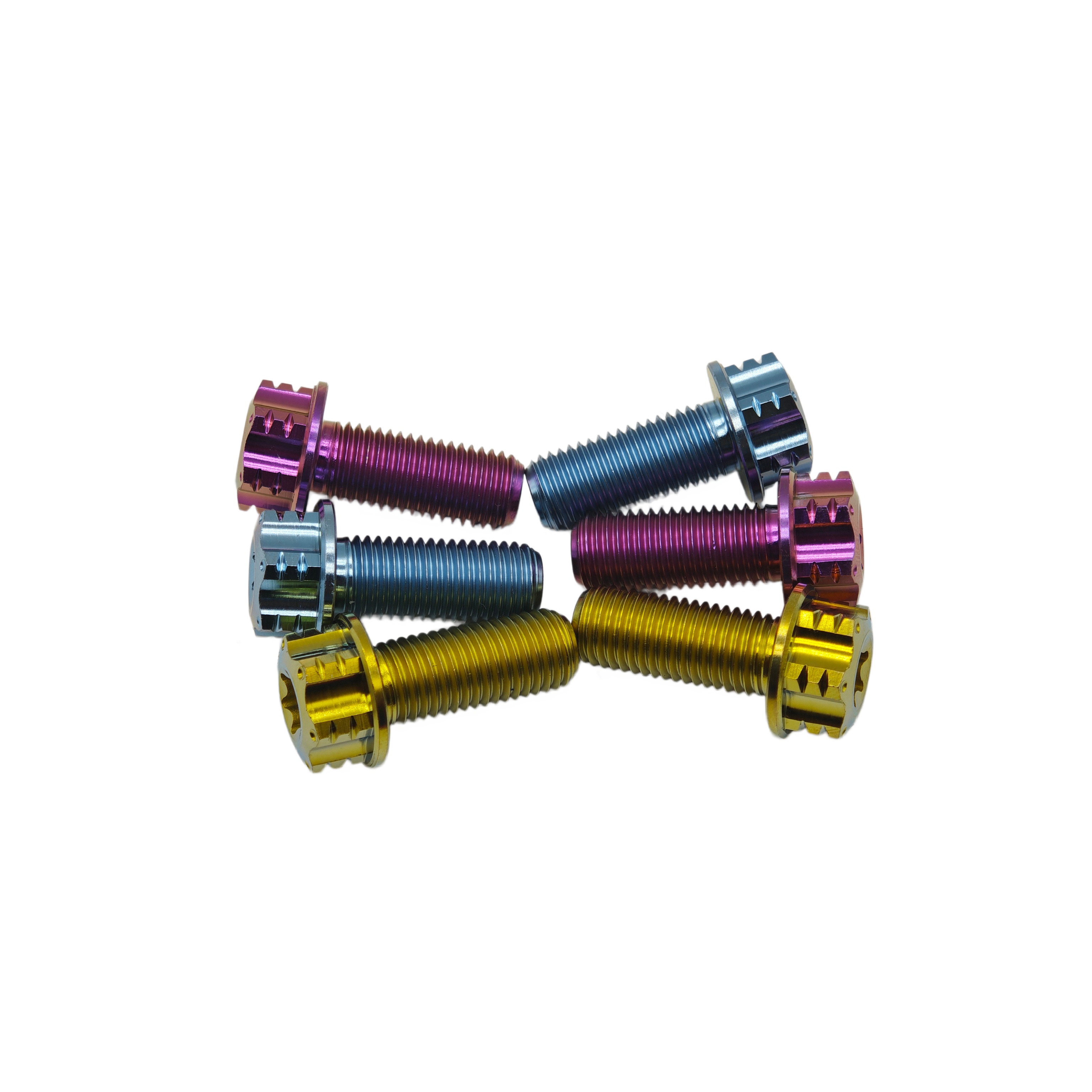
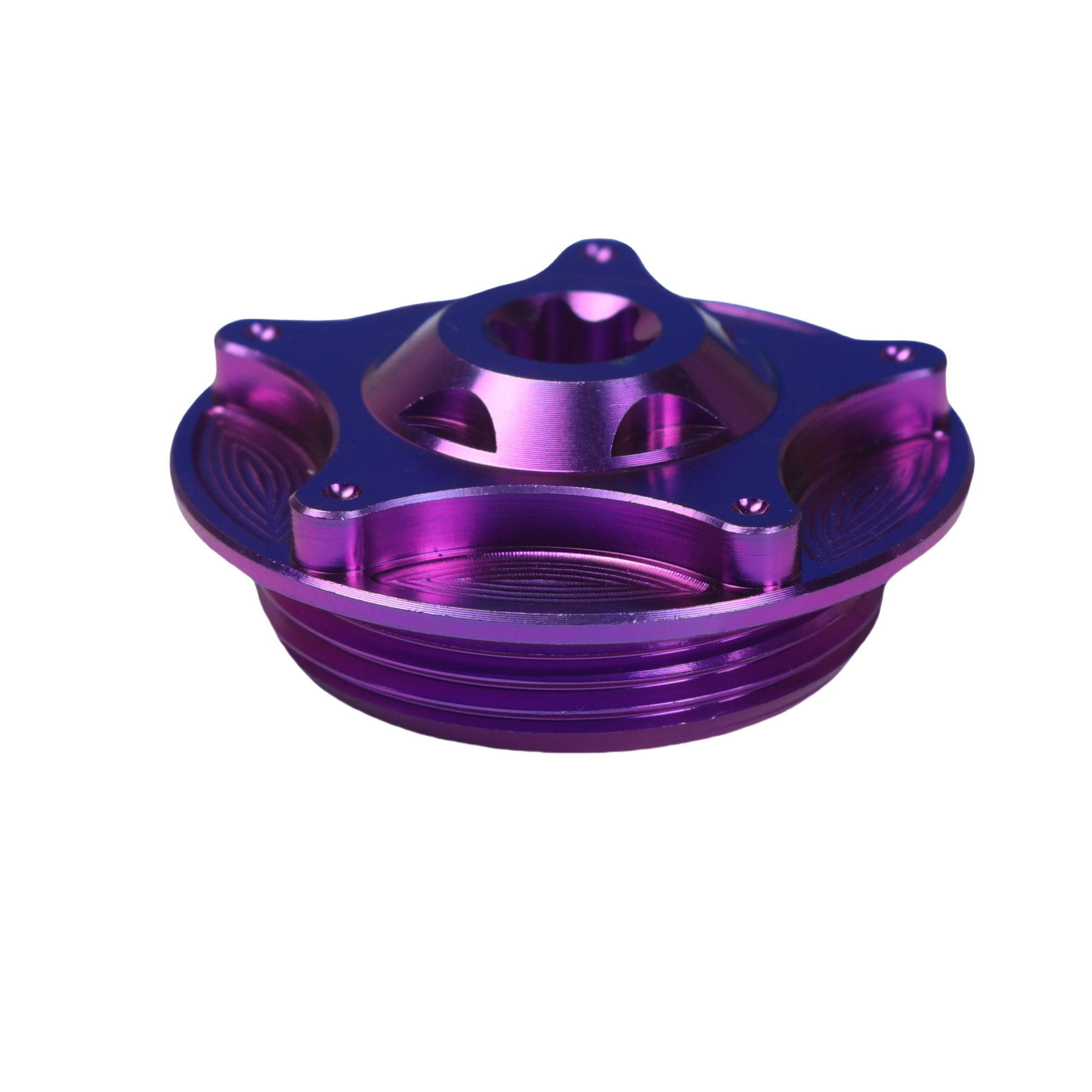
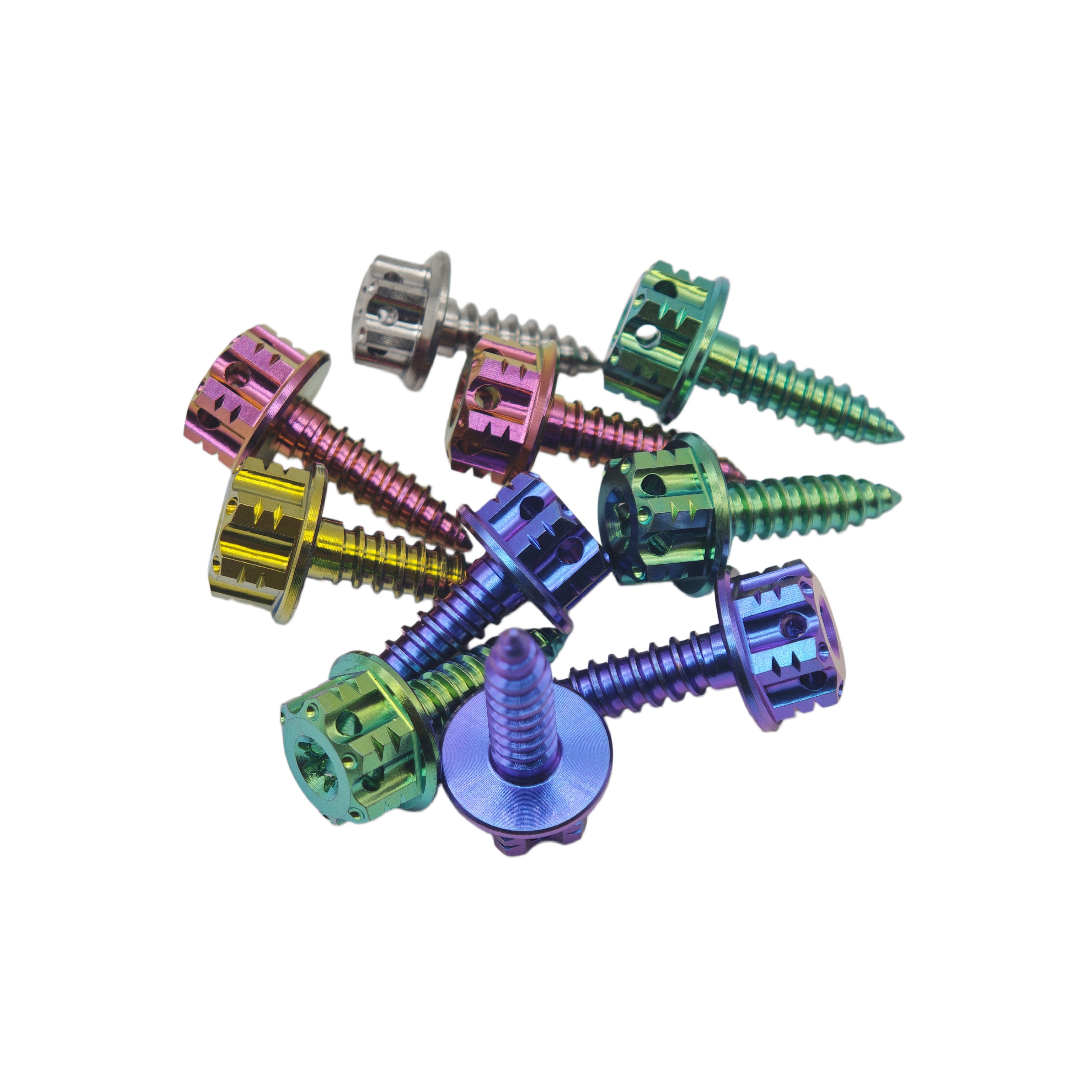
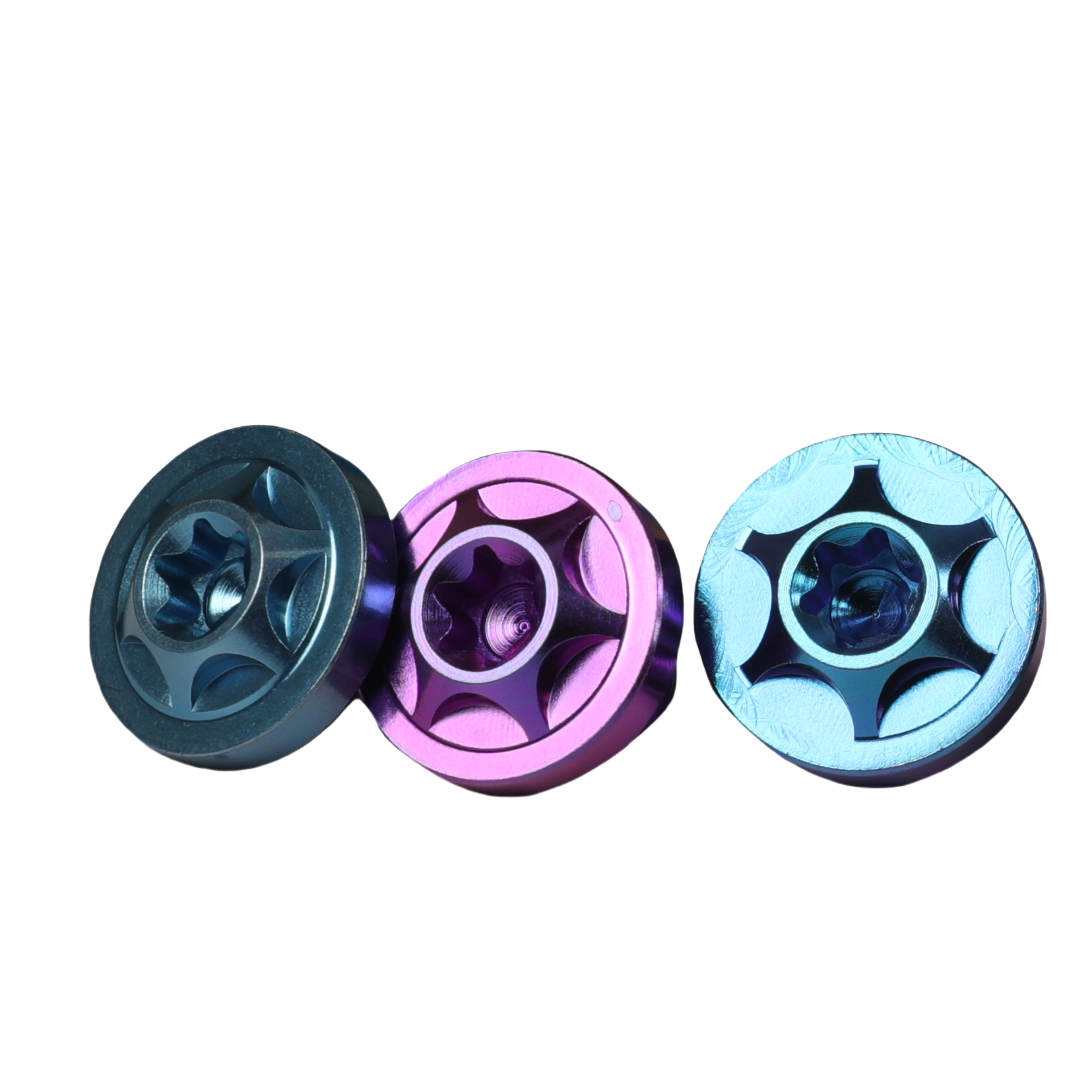
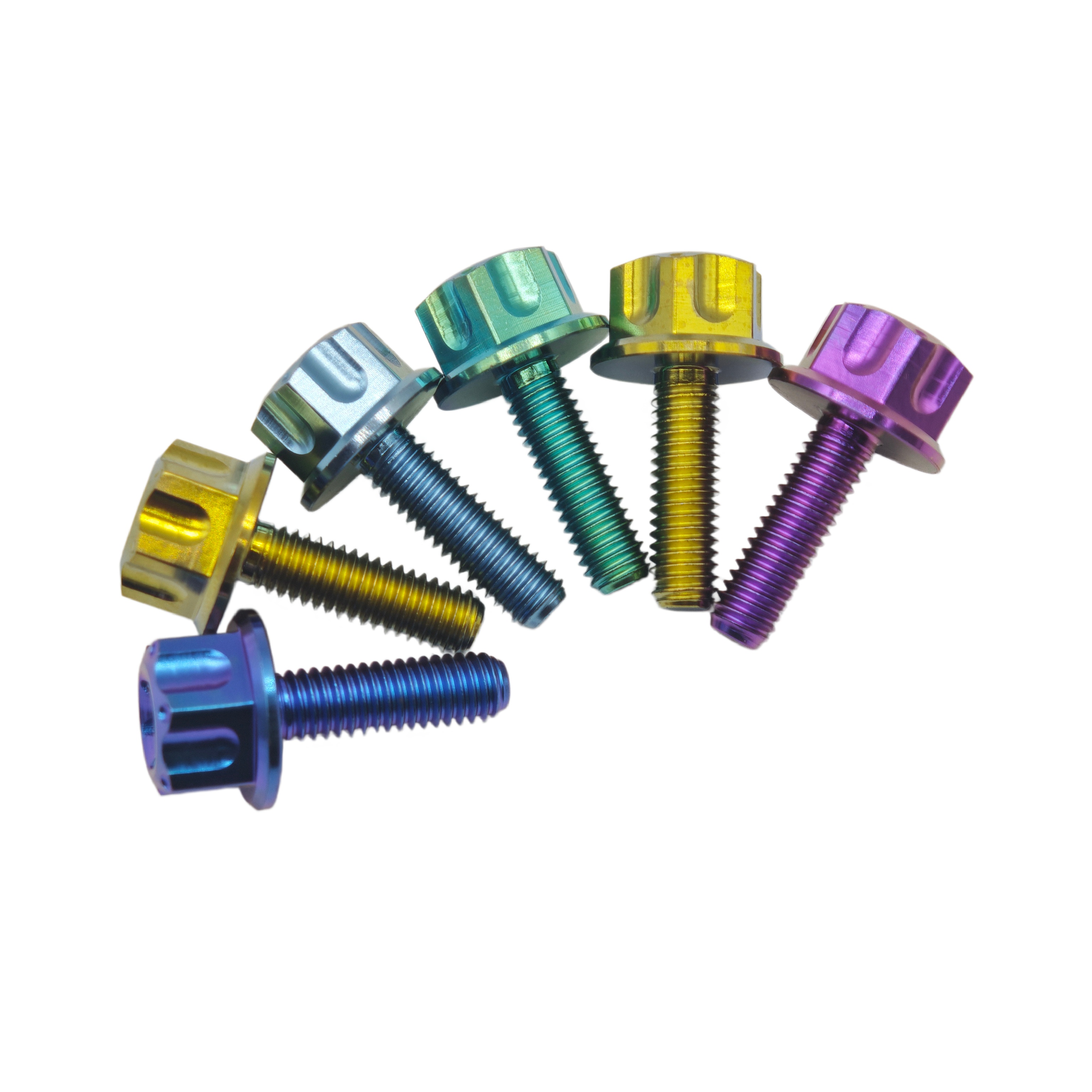
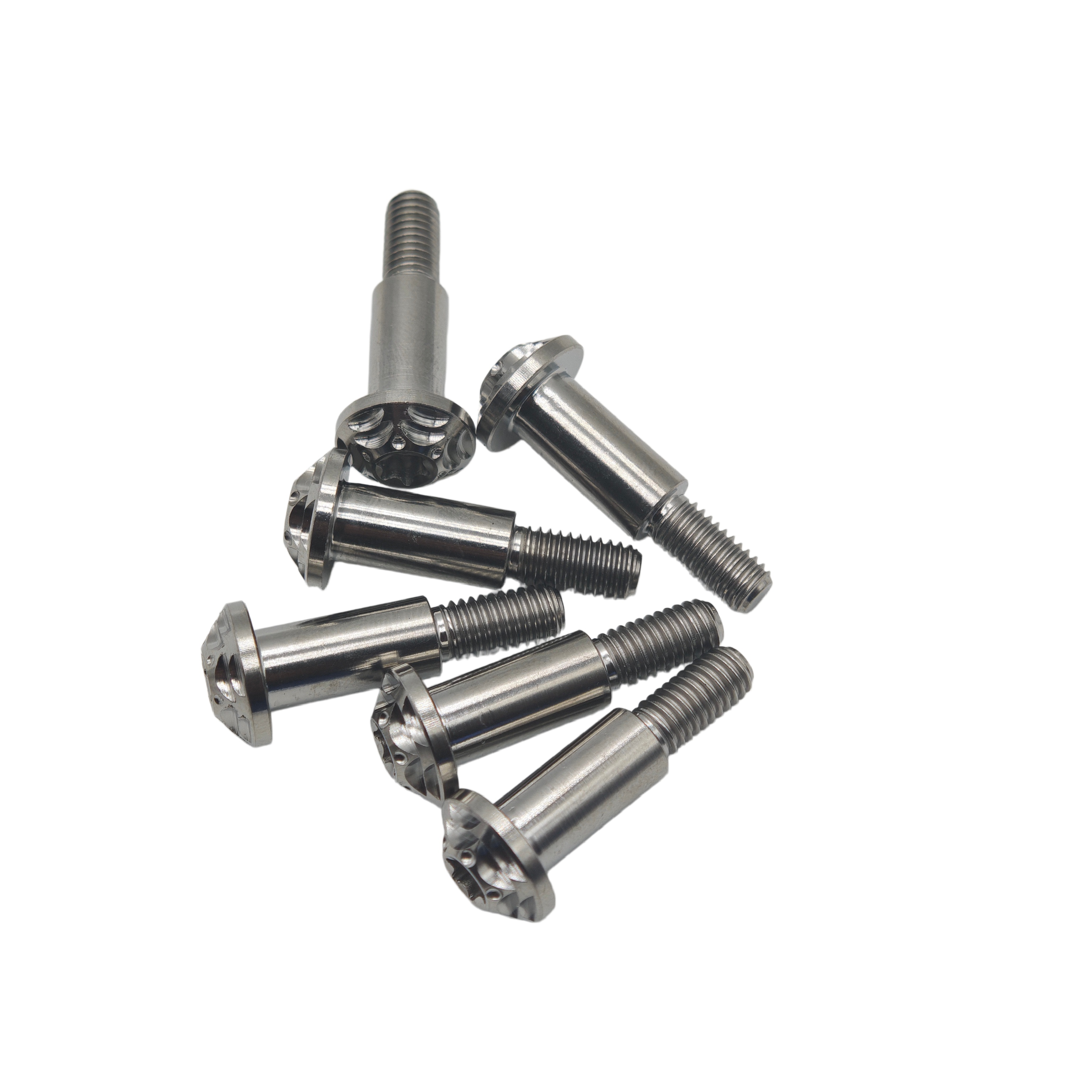
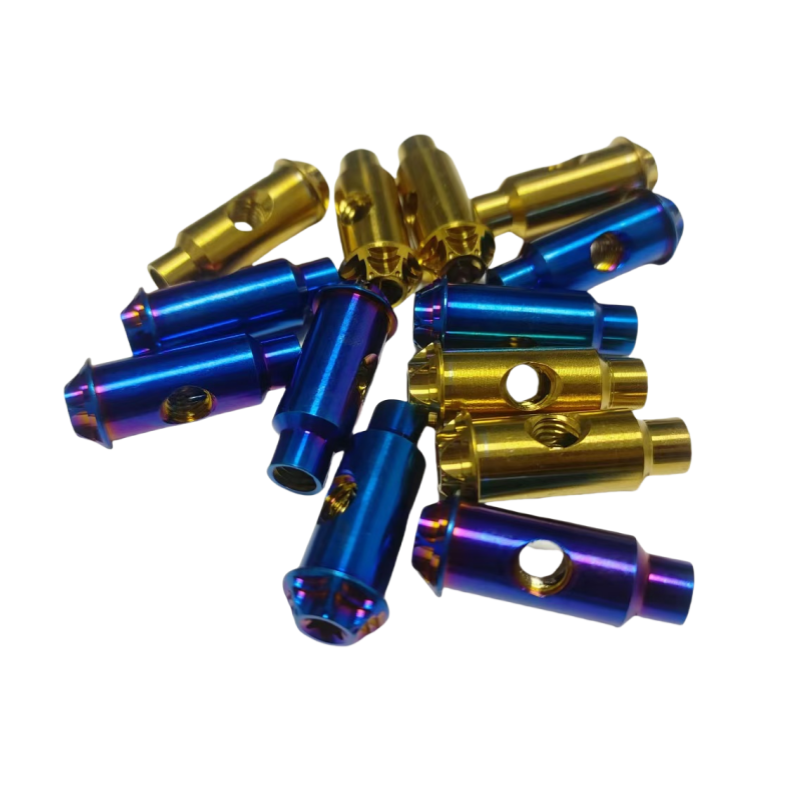
Kinematic Integrity & Shear Load Optimization of Spline Drive Sleeve Nuts
Spline drive sleeve nuts (also commonly designated as tuner-style internal-drive barrel nuts or socket sleeve inserts) solve the fundamental engineering challenge of high-torque retention within spatially constrained counterbores. In conventional hexagonal external fastening, tool wall clearance frequently forces design compromises, inducing point-load distortion and localized fatigue on aftermarket alloy wheels, robotic articulation hubs, and aerospace bracketry.
By transitioning to an engineered multi-tooth involute or straight-flank spline drive profile, contact stress is uniformly distributed across eight or ten radial engagement flutes. This geometry virtually eliminates the cam-out and stripping phenomena inherent in high-torque manual assembly or pneumatic servicing. Furthermore, the extended sleeve shank design acts as a rigid shear dowel, increasing effective thread engagement length by up to 60% within thin-walled hub assemblies without necessitating protrusion into critical clearance envelopes.
Every sleeve nut turned in our facility undergoes precision thread-rolling after CNC roughing. Thread rolling reorients the metallic grain flow continuously around thread roots, boosting dynamic fatigue life by over 35% compared to thread cutting, a parameter essential for high-frequency cyclic loading in Kyoto’s precision transit and motorsport applications.
Fastener Engineering Envelope
| Material Specification | Ti-6Al-4V Grade 5 (ASTM B348 / AMS 4928) |
| Density | 4.43 g/cm³ (44% Steel Savings) |
| Tensile Yield Strength (Rp0.2) | ≥ 825 MPa (Typical 895–950 MPa) |
| Ultimate Tensile Strength (Rm) | ≥ 895–1,050 MPa |
| Elongation at Break (A5) | ≥ 10% – 15% |
| Thread Form Class | 6H / 6g Metric & Class 2B/3B UNF/UNC |
| Hardness (Rockwell C) | 30 – 36 HRC |
| Spline Drive Standard | 6-Point / 7-Point / Tuner 10-Spline Involute |
| Surface Hardening Options | PVD TiN, DLC, Thermal Oxide Anodizing |
Precision Applications Across Kyoto & the Kansai Industrial Basin
Kyoto marries centuries of traditional master artisanship with world-class semiconductor tooling, university robotics spinoffs, and top-tier motorsport tuning.
High-Precision Robotics & Vacuum Automation
Kyoto and neighboring Shiga are renowned clusters for robotic pick-and-place end-effectors, optical positioning stages, and semiconductor fabrication chambers. Our titanium spline drive sleeve nuts deliver zero magnetic permeability (<1.00005 µ), low outgassing characteristics under ultra-high vacuum (<10⁻⁸ Torr), and exceptional joint stiffness for multi-axis harmonic drive couplings where spatial packaging is severely constrained.
Motorsport Engineering & Kansai Circuit Racing
Serving race fabricators and performance workshops competing at Suzuka, Central Circuit, and Okayama International. In high-performance wheel hubs and floating brake rotor hat assemblies, rotating unsprung mass dictates suspension response. Our sleeve nuts lower rotational inertia while their recessed spline head geometry permits deep seat engagement on forged Japanese monoblock racing wheels without contacting strut hardware.
Bespoke Carbon/Titanium Bicycles & Marine Hardware
Kyoto’s artisanal handbuilt bicycle builders and Lake Biwa racing marine fabricators demand hardware immune to humid Japanese summers, corrosive lake brackish environments, and road chemical de-icers. Grade 5 titanium creates an instantaneous, self-healing passive rutile TiO₂ oxide layer, ensuring zero galvanic corrosion when mated directly into aerospace-grade prepreg carbon fiber chassis and seatmast collars.
Evolutionary Trends Influencing Fastener Procurement in Kyoto
How progressive Kansai engineers are modernizing fastener bills of materials (BOM) to address weight reduction, electrification, and international standard interoperability.
1. Next-Gen EV Subsystem Lightweighting
With Japan's progressive push into battery electric vehicle (BEV) and hydrogen fuel cell vehicle (FCEV) architectures, localized automotive R&D centers in the Kansai corridor are targeting every gram of structural unsprung weight. Spline sleeve nuts provide an immediate 40–45% mass reduction in suspension uprights, motor mounts, and battery pack isolation frames compared to high-tensile steel, aiding overall range certification without sacrificing safety factors.
2. Micro-Packaging in Automation Workcells
As Kyoto’s electronic component manufacturers migrate toward tighter cleanroom footprints, pneumatic actuators and robotic linear guides require flush or ultra-low profile fasteners. External hex nuts require peripheral socket wrench space that forces wider housing designs. Spline drive sleeve nuts allow inner recess broaching, shrinking counterbore diameters by up to 28% and supporting high-density component packing.
3. Supply Chain Near-Shore Assurance & Quality Rigor
Post-pandemic procurement managers across Kyoto prioritize suppliers with mill-to-machine traceability over multi-tiered brokers. By establishing direct OEM/ODM ties with Baoji manufacturing hubs, Kyoto enterprises secure batch-level chemical analysis, ultrasonic flaw testing reports, and guaranteed dimensional compliance aligned with both JIS and international ISO/ASTM aerospace thresholds.
Engineering Material Comparison: Titanium Gr5 vs. Alternative Fastener Alloys
Data-driven comparative evaluation for design engineers selecting fastening solutions under combined mechanical, thermal, and environmental stress.
| Mechanical / Chemical Property | Grade 5 Ti-6Al-4V Titanium | Class 10.9 Alloy Steel | SUS304 (A2-70) Stainless | SUS316 (A4-80) Stainless | 7075-T6 Hardened Aluminum |
|---|---|---|---|---|---|
| Specific Density (g/cm³) | 4.43 | 7.85 | 7.93 | 8.00 | 2.81 |
| Tensile Yield Strength (MPa) | ≥ 825 – 920 | 900 | 450 | 600 | 505 |
| Ultimate Tensile Strength (MPa) | ≥ 895 – 1,000 | 1,040 | 700 | 800 | 570 |
| Strength-to-Weight Ratio (kN·m/kg) | 202 – 225 | 132 | 88 | 100 | 203 |
| Modulus of Elasticity (GPa) | 110 – 114 | 210 | 193 | 193 | 72 |
| Chloride & Salt Spray Resistance | Immune (>2,000 hrs NSS) | Poor (Requires Plating) | Moderate (Prone to Pitting) | High (Marine Grade) | Low to Moderate |
| Working Temperature Ceiling | ~400 °C | ~250 °C | ~400 °C | ~450 °C | ~120 °C |
| Magnetic Relative Permeability (µr) | 1.00005 (Non-Magnetic) | Ferromagnetic | 1.015 (Slightly Magnetic) | 1.005 (Low Magnetic) | Non-Magnetic |
Manufacturing Superiority: Direct Factory Capabilities in Baoji
Founded in 2015 in Baoji—China’s Titanium Valley—our onsite-verified plant eliminates trading markups while offering complete engineering control from sponge titanium to micro-finished spline sleeve nuts.
Direct Mill Traceability
Immediate proximity to China’s primary titanium smelters ensures 100% heat-traceable Ti-6Al-4V bar stock. Every shipment includes certified mill test certificates complying with EN 10204 3.1 specifications.
High-Precision CNC & Broaching
Equipped with 5-axis sliding-head CNC Swiss lathes and dedicated broaching units, achieving strict dimensional repeatability down to ±0.005 mm and thread concentricity under 0.01 mm.
Rigorous In-House Metrology
100% thread Go / No-Go optical gauge verification, digital thread micrometer analysis, coordinate measuring machine (CMM) profiling, and surface roughness Ra < 0.4 µm verification prior to dispatch.
Rapid Kansai Delivery Pipeline
Prototype samples dispatched in just 3 days. Volume production orders delivered to Kansai International Airport (KIX) or door-to-door in Kyoto via DHL/FedEx Express in 7–15 working days.
Frequently Asked Questions by Kyoto Engineering & Procurement Teams
Addressing common technical inquiries regarding standards, anti-galling mitigation, customs processing, and order customization.
Accelerate Your Engineering Project in Kyoto
Consult with our senior titanium fastener metallurgists and machining specialists today. Receive a comprehensive DFM (Design for Manufacturability) analysis, CAD review, and formal quotation within 7 hours.
