Engineered Titanium Fasteners & Castle Hardware
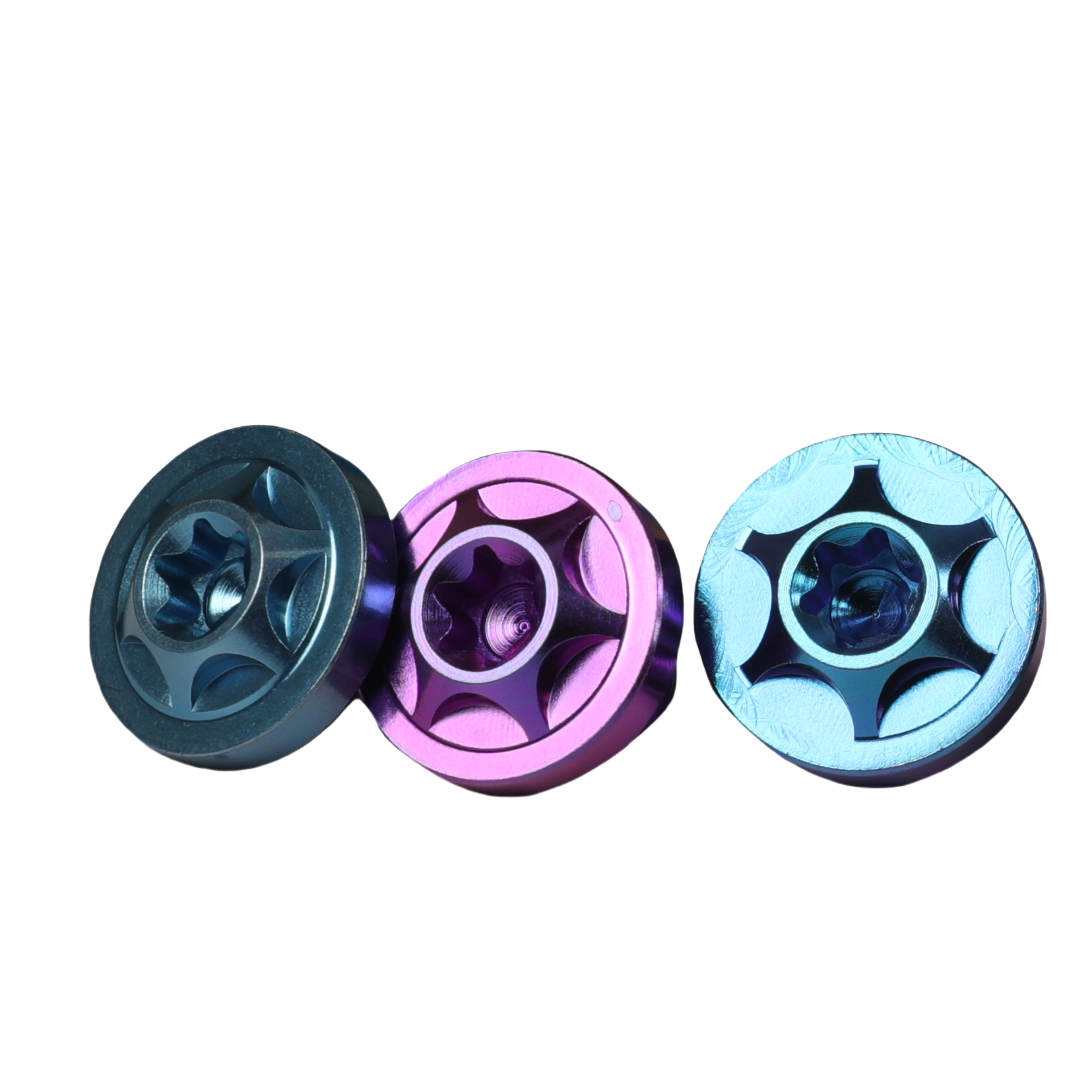
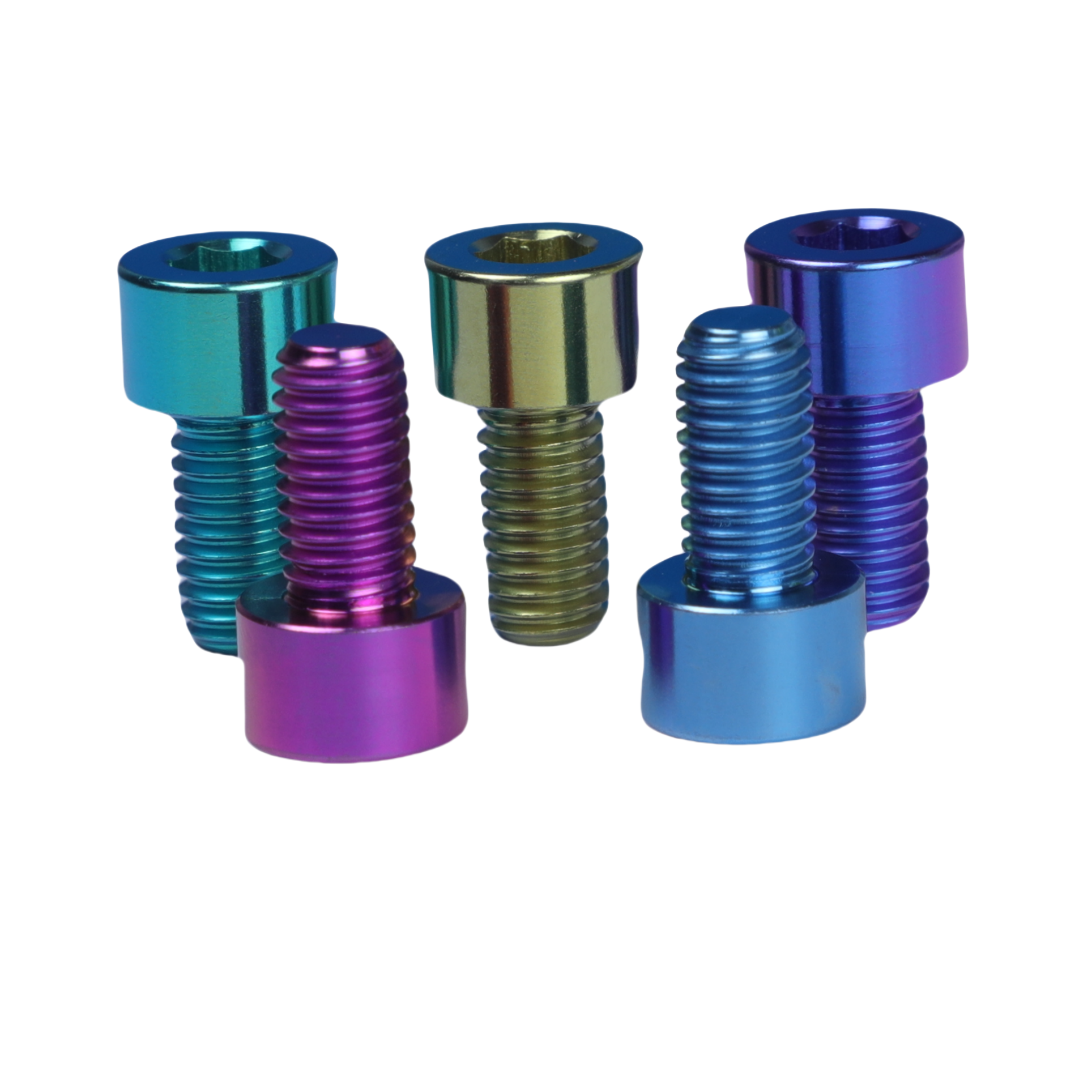
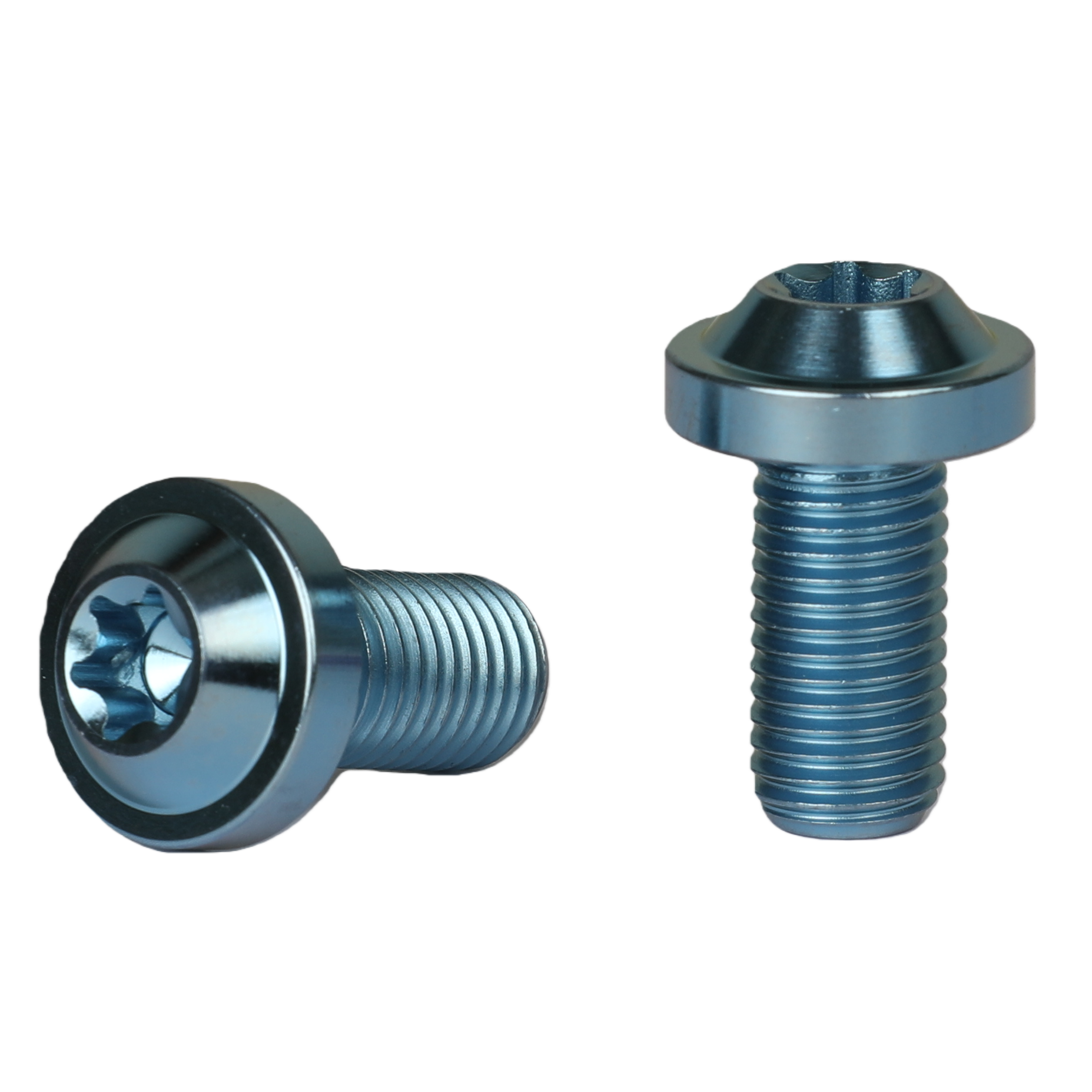
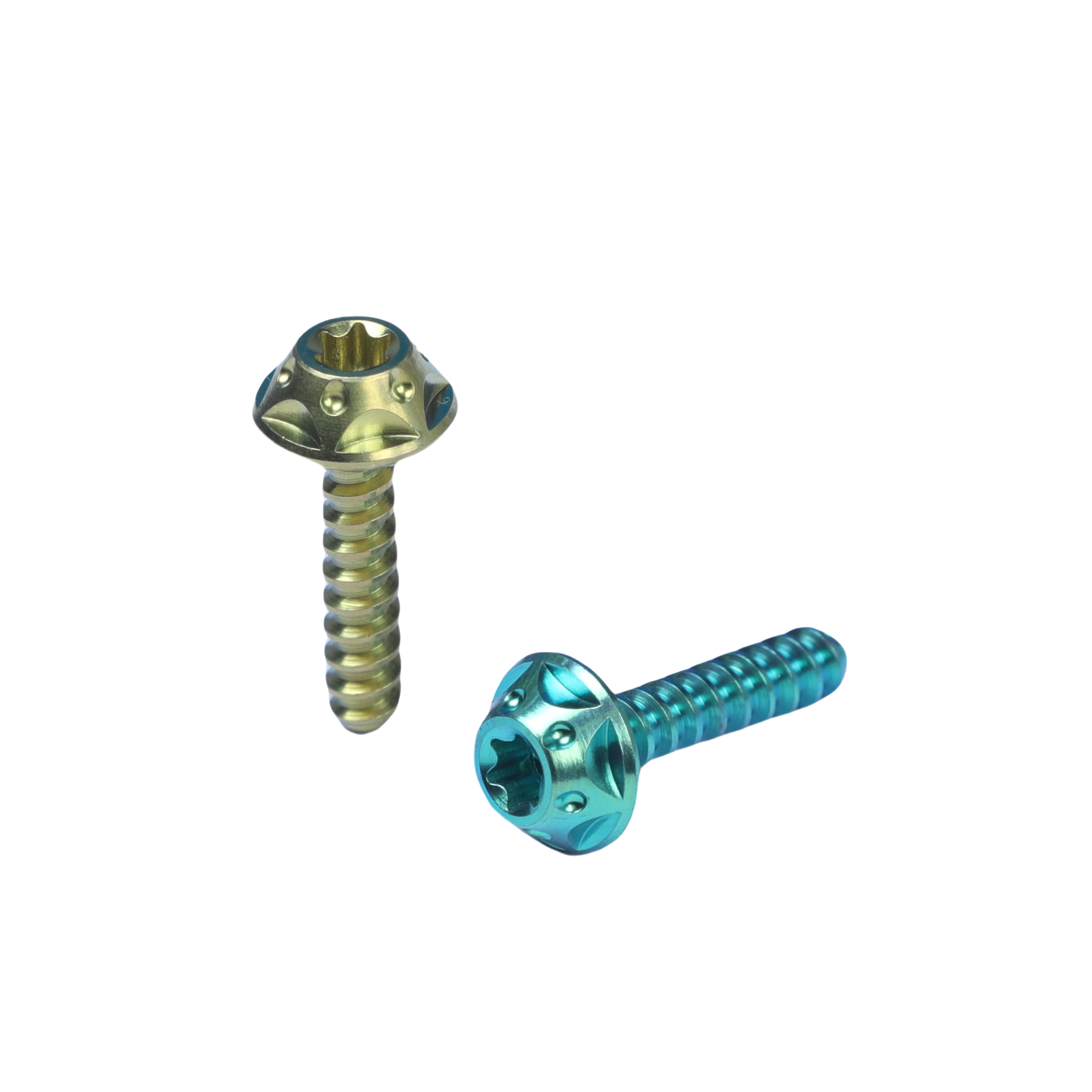
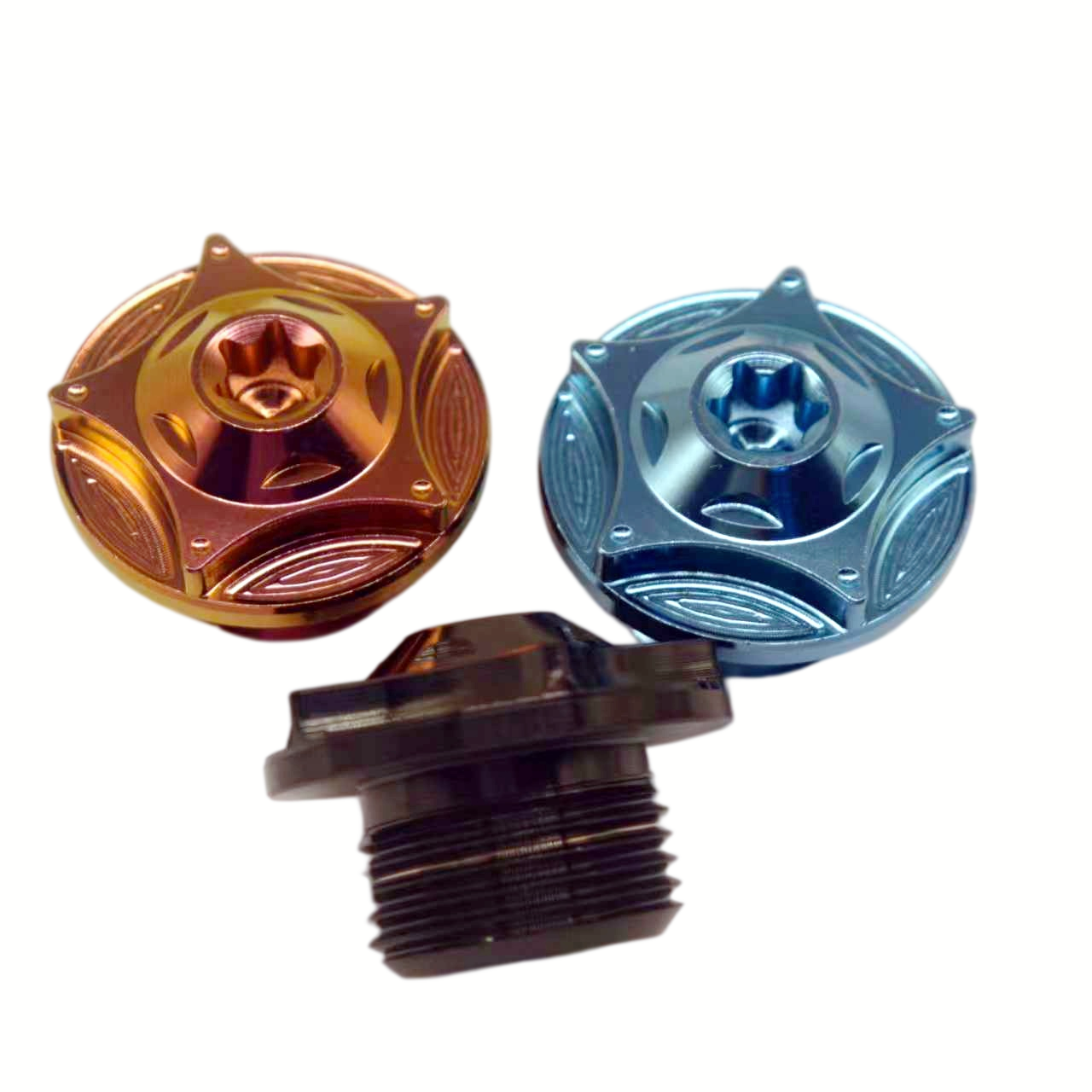
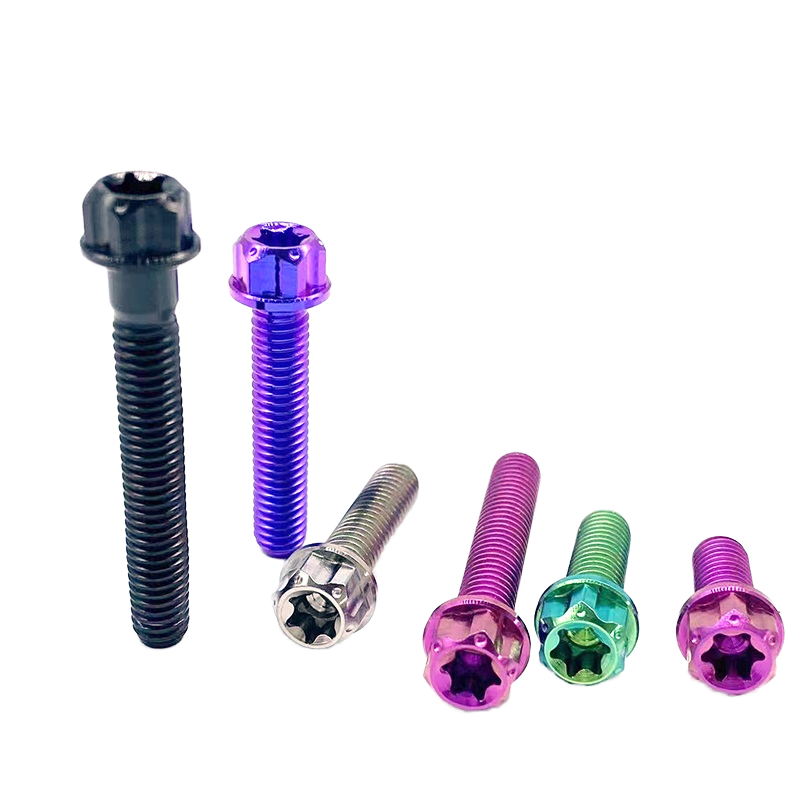
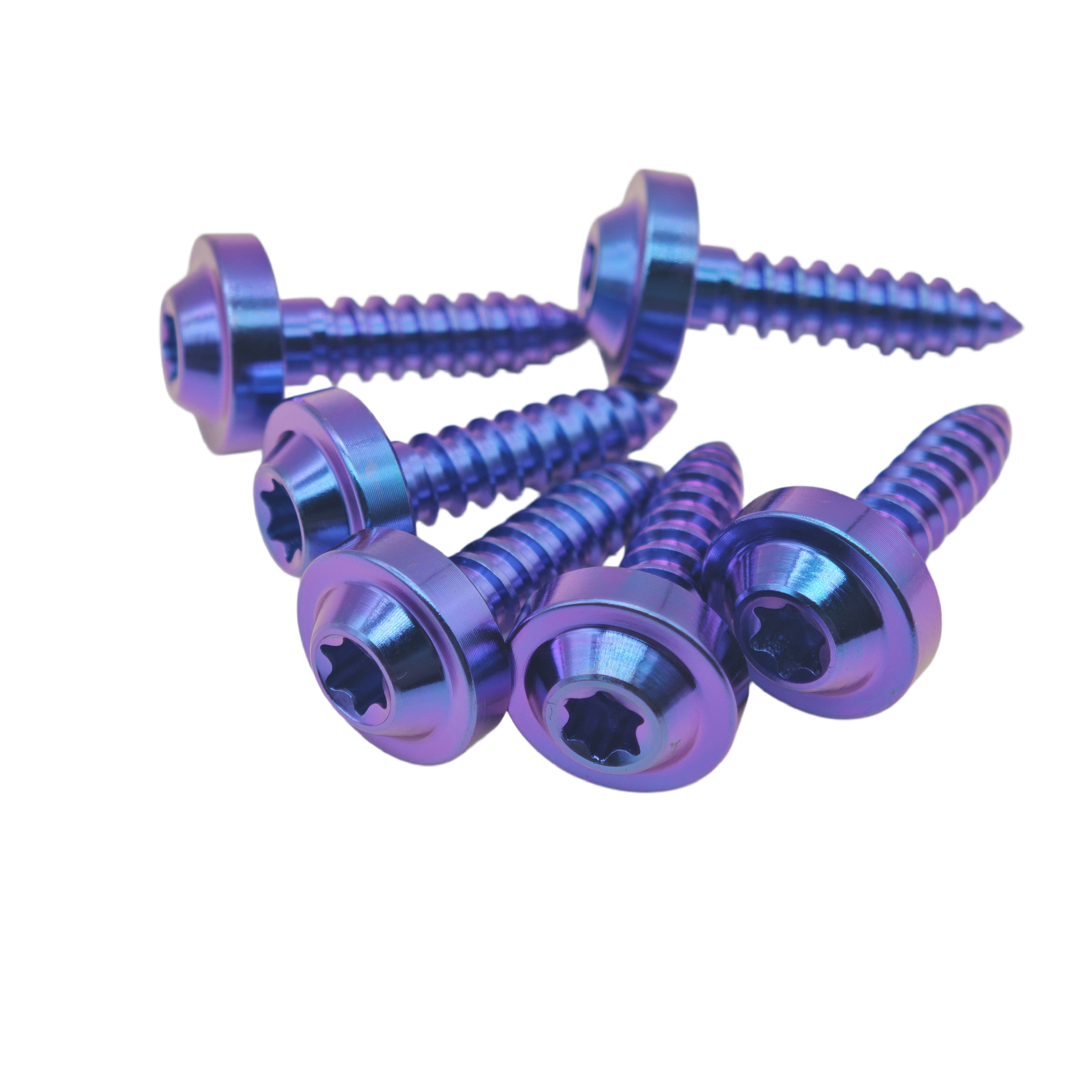
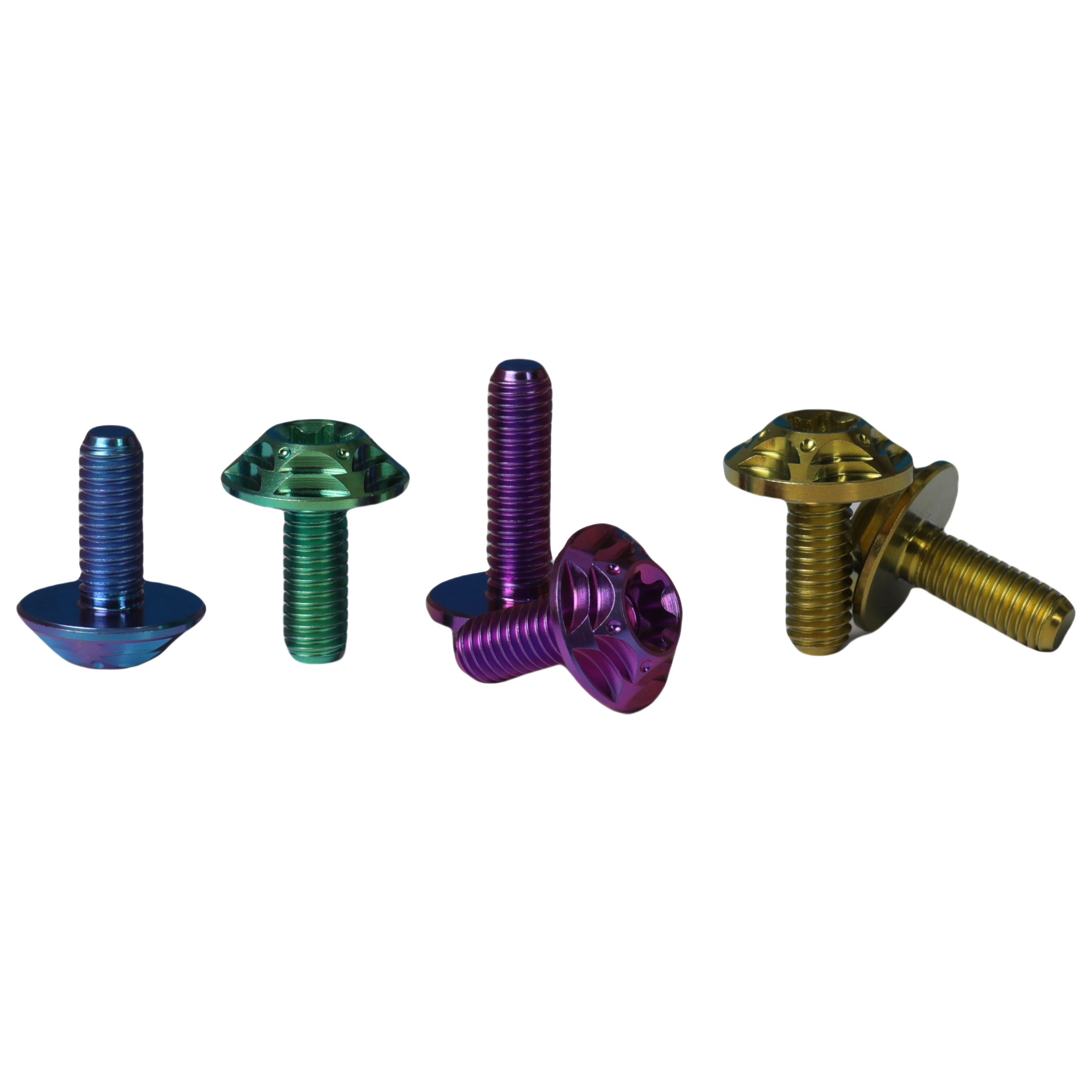
Direct-from-factory Gr5 Ti-6Al-4V locking nuts, socket hardware, and flange bolts engineered to eliminate unsprung rotational mass while resisting severe vibrational fatigue.
1. Engineering Whitepaper: Titanium Castle Nuts in Daegu’s High-Tech Industrial Ecosystem
The Metropolitan City of Daegu represents the engineering backbone of South Korea's non-ferrous precision machinery, automotive parts innovation (centered across Seongseo Industrial Complex and the Daegu-Gyeongbuk Free Economic Zone), and next-generation industrial robotics. Historically reliant on high-tensile carbon steel and passivated stainless fasteners, mechanical systems operating under Daegu's precision automation and performance transportation sectors face two mounting challenges: unsprung rotational mass and high-frequency vibrational loosening.
A slotted castle nut (castellated nut) paired with a cotter pin or safety lockwire represents a fail-safe positive locking mechanism widely mandatory in safety-critical assemblies. By substituting conventional steel castle fasteners with Grade 5 Ti-6Al-4V (UNS R56400), procurement directors and Tier-1 hardware designers eliminate catastrophic spin-off failures without adding parasitic payload. Titanium castle nuts manufactured in our Baoji forging and CNC turning lines provide exceptional shear properties, micro-yield endurance under thermal fluctuations, and an inert chemical surface resistant to extreme hydraulic de-icers, machining coolants, and salt atmospheres.
| Performance Parameter | Ti-6Al-4V (Grade 5 Titanium) | Class 10.9 Alloy Steel | SUS304 / A2-70 Stainless | 7075-T6 Hard Anodized AL |
|---|---|---|---|---|
| Volumetric Mass / Density | 4.43 g/cm³ | 7.85 g/cm³ | 7.93 g/cm³ | 2.81 g/cm³ |
| Ultimate Tensile Strength (UTS) | ≥ 895 – 1050 MPa | 1040 MPa | 700 MPa | 570 MPa |
| Modulus of Elasticity (GPa) | 114 GPa (Superior Dynamic Damping) | 210 GPa | 193 GPa | 72 GPa |
| Corrosion Resistance in Halides | Immune (Continuous Passivated TiO₂) | Requires Plating / Highly Susceptible | Moderate (Pitting Risk) | Susceptible to Crevice Attack |
| Fatigue Notch Factor & Galling Shield | PVD DLC or MoS₂ Treated / Rolled Fillets | Standard Quenched | Severe Galling Tendency | Low Shear Fatigue |
*Data derived from ISO 3506-1, ASTM B348 standards, and factory certified CMM / chemical testing protocols.
Precision Implementations Across Daegu Hubs
Where positive-locking Titanium Castle Nuts and Gr5 assemblies resolve mechanical degradation in South Korea's industrial proving grounds.
EV Hubs & Steering Knuckles
Across the EV conversion hubs in Dalseo-gu, titanium castle nuts retain tie-rod ends and wheel hub spindle interfaces. The dynamic flexibility absorbs low-frequency road shock without thread plastic deformation, preventing wheel assembly decoupling under regenerative braking loads.
SCARA & 6-Axis Robotics Arms
High-speed articulated robots designed in the Daegu National Industrial Complex require minimized mass moments of inertia. Utilizing CNC-machined Grade 5 castle nuts on joint bearing linkages allows acceleration thresholds to surge by up to 18% with cotter-pin redundancy.
Autonomous AGV Drive Units
Factory-floor autonomous automated vehicles (AGVs) navigating logistics facilities suffer continuous micro-vibrations across concrete joints. Thread-jammed castle nuts eliminate loosening hazards over tens of thousands of runtime hours without requiring maintenance re-torquing.
4. Localized Industrial Trends: Why Daegu Hardware Procurement Is Transitioning to Titanium
Historically, the Daegu metropolitan area flourished as the primary textile machinery capital, eventually transforming into an elite automotive and sub-component powerhouse. As the domestic South Korean automotive sector accelerates its transition toward pure 800V battery-electric architectures and fuel cell platforms, standard chassis weight reductions have become paramount. Automotive weight translates directly into battery range efficiency.
Key evolutionary factors observed in Daegu component tenders include:
- Shift Towards Extreme Light-Weighting in High-Frequency Suspensions: Tier-1 sub-assembly contractors are replacing steel hub retention fasteners with Gr5 titanium. For unsprung rotational hardware, reducing weight yields quadruple the dynamic shock-isolation efficiency compared to sprung chassis mass reduction.
- Elimination of Galvanic Rust & Harsh Chloride Pitting: Winter roadway conditioning in North Gyeongsang relies heavily on aggressive calcium and sodium chloride compounds. Uncoated carbon steels inevitably pit, seizing threads and degrading lock pin safety margins. Titanium's self-healing oxide film guarantees indefinite thread serviceability.
- Digital Manufacturing & Just-In-Time Factory Sourcing: Daegu machinery integrators operate on lean inventory systems. Sourcing direct from an onsite-verified Baoji production facility that controls the raw titanium sponge melting to five-axis CNC turning ensures uncompromised material certificates (EN 10204 3.1) and seamless delivery timelines.
Factory Verification & Technical Capabilities
Direct-from-source manufacturing in China's Titanium Valley, eliminating intermediaries and providing 100% metallurgical traceability to South Korean engineering partners.
Certified Ti-6Al-4V Sourcing
Located in Baoji, we secure prime aerospace-grade titanium sponge. Every production lot undergoes spectrometer chemical assay verification, ensuring interstitial oxygen stays below 0.20% and iron below 0.30% to maximize notch toughness.
CNC Milling of Castle Slots
Castle slots are machined on high-precision multi-axis indexing centers. We eliminate sharp interior micro-notches by tool path radiusing, which prevents crack initiation during intense cotter pin dynamic shear conditions.
Thread Rolling & Anti-Galling
Unlike tapped threads that sever the grain boundary, our threads are cold/warm rolled to create continuous grain lines and hardened root radii. Surface treatments include micro-arc oxidation, anodizing, or PVD MoS₂ coatings to mitigate galling.

Frequently Asked Questions by Daegu Buyers
Addressing metallurgical compliance, South Korean industrial standards (KS), logistics schedules to Daegu, and anti-galling safety protocols.
How do your Titanium Castle Nuts comply with South Korean KS / JIS dimensional and metric thread standards? +
What is the standard shipping lead time to Daegu (via Incheon or Busan Port)? +
How does your factory prevent thread galling (seizure) when pairing titanium castle nuts with titanium bolts? +
Can we request EN 10204 Type 3.1 Mill Test Certificates and RoHS/REACH compliance declarations? +
What are the minimum order quantities (MOQ) for custom prototypes versus production runs? +
Ready to Upgrade Your Daegu Assembly with High-Precision Titanium Castle Hardware?
Connect directly with our Baoji application engineers. Submit your technical blueprints or 3D STEP files for an immediate DFMA (Design for Manufacturability Analysis) and formal quotation within 7 hours.
Inquire Now