Specialized Titanium Fastener Catalog for Tallinn Deliveries
Certified Grade 5 (Ti-6Al-4V) cold-headed and CNC precision-milled hardware with complete heat-number material traceability for immediate dispatch via air cargo to Tallinn (TLL) and Baltic freight routes.
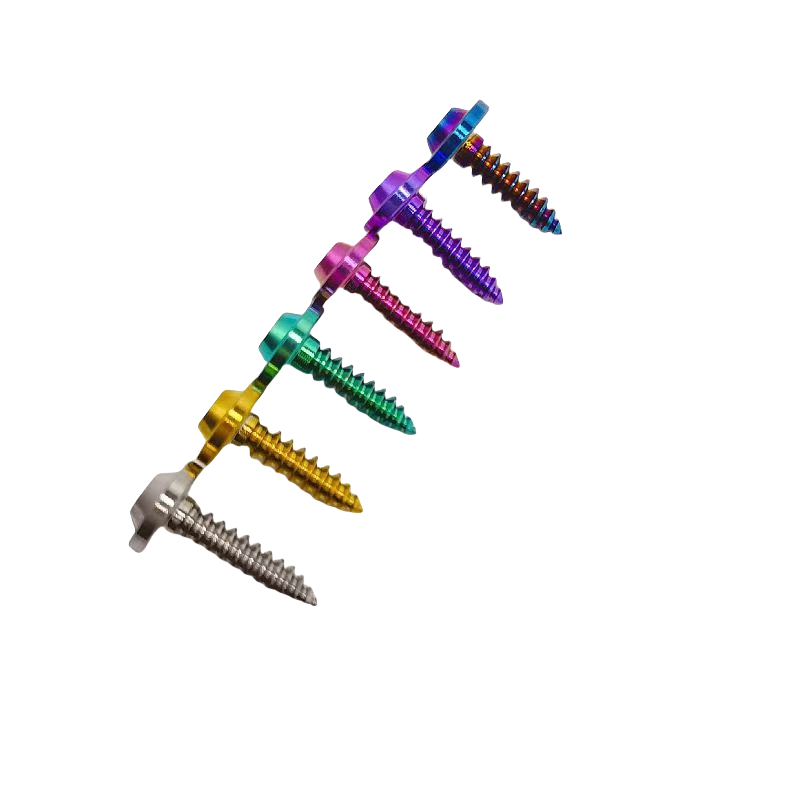
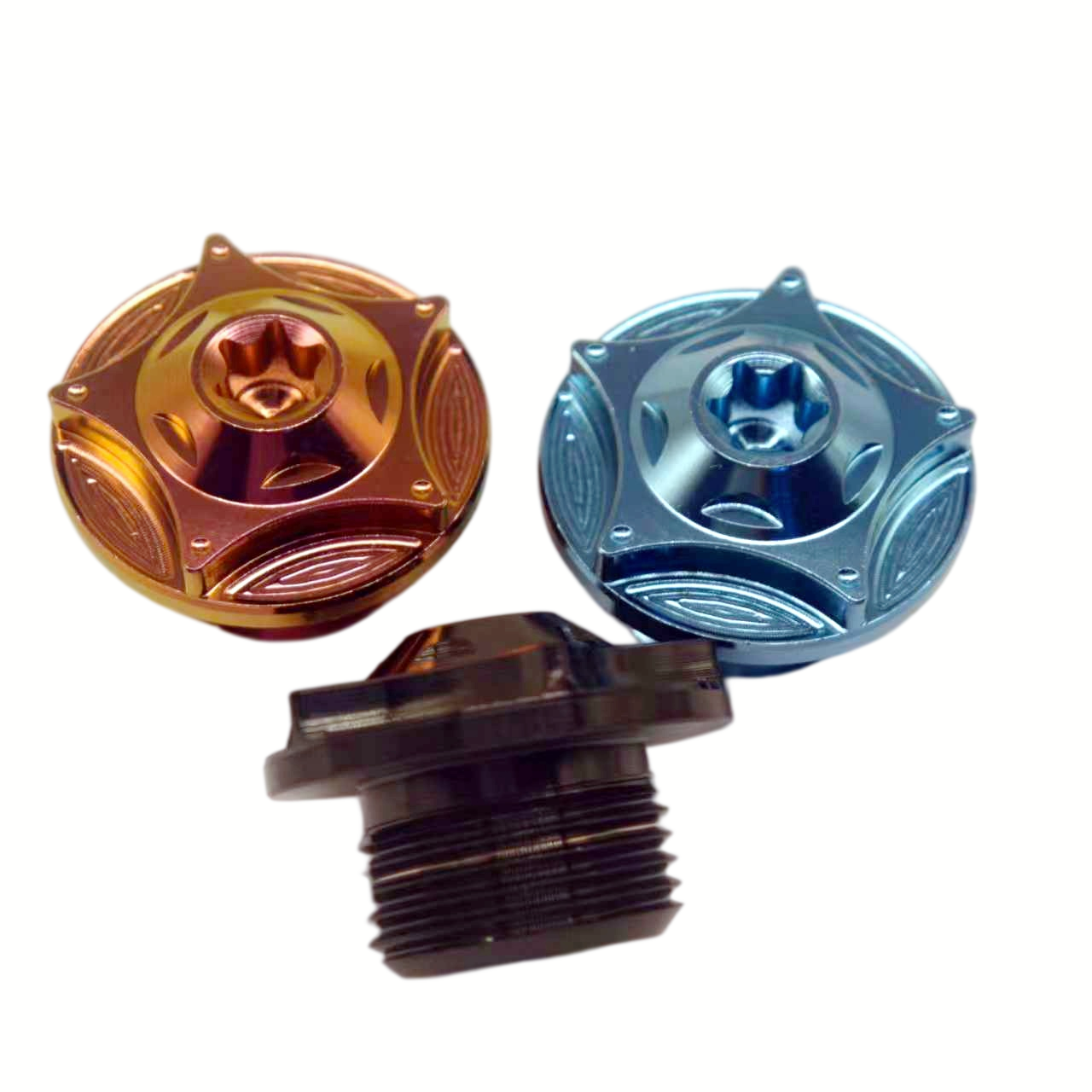
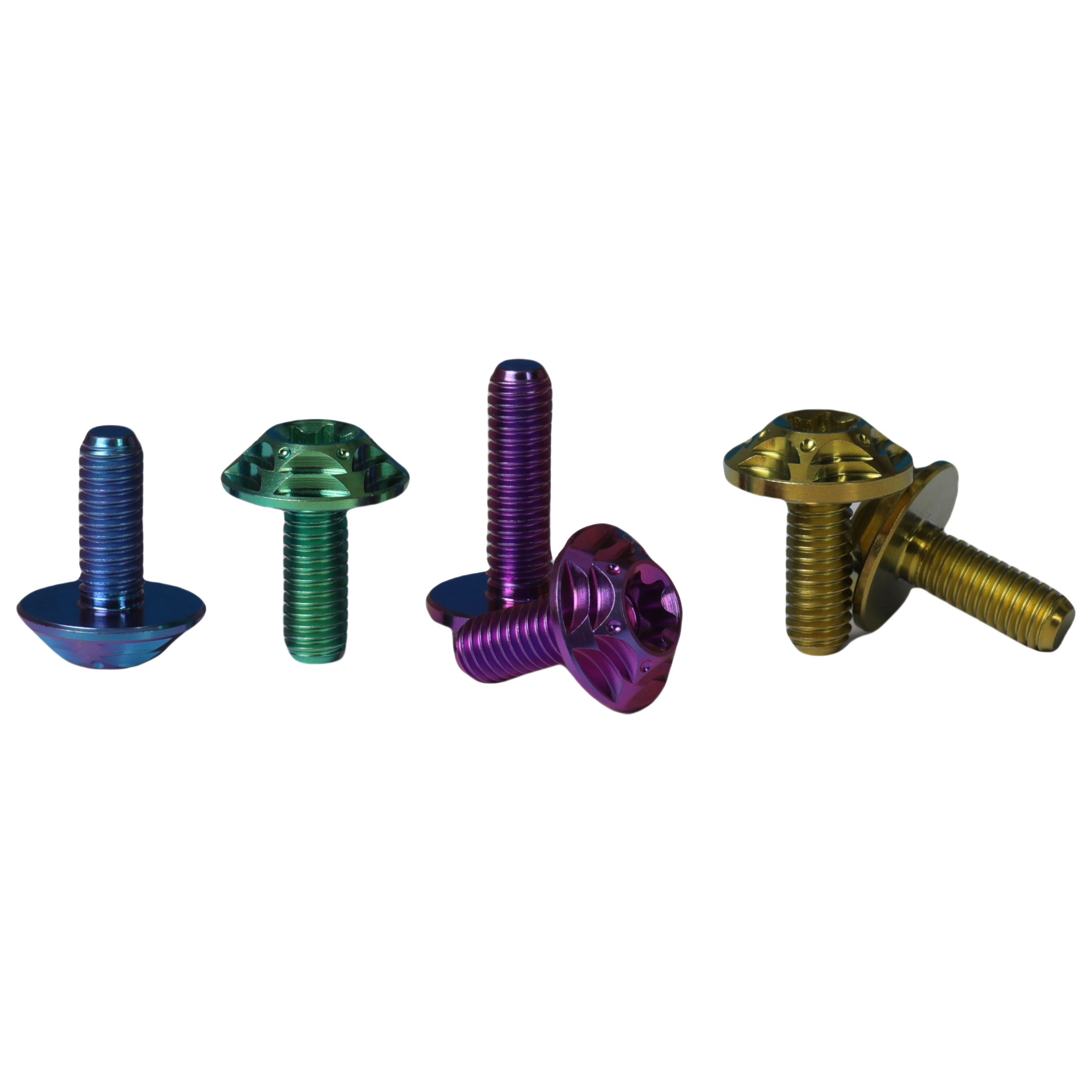
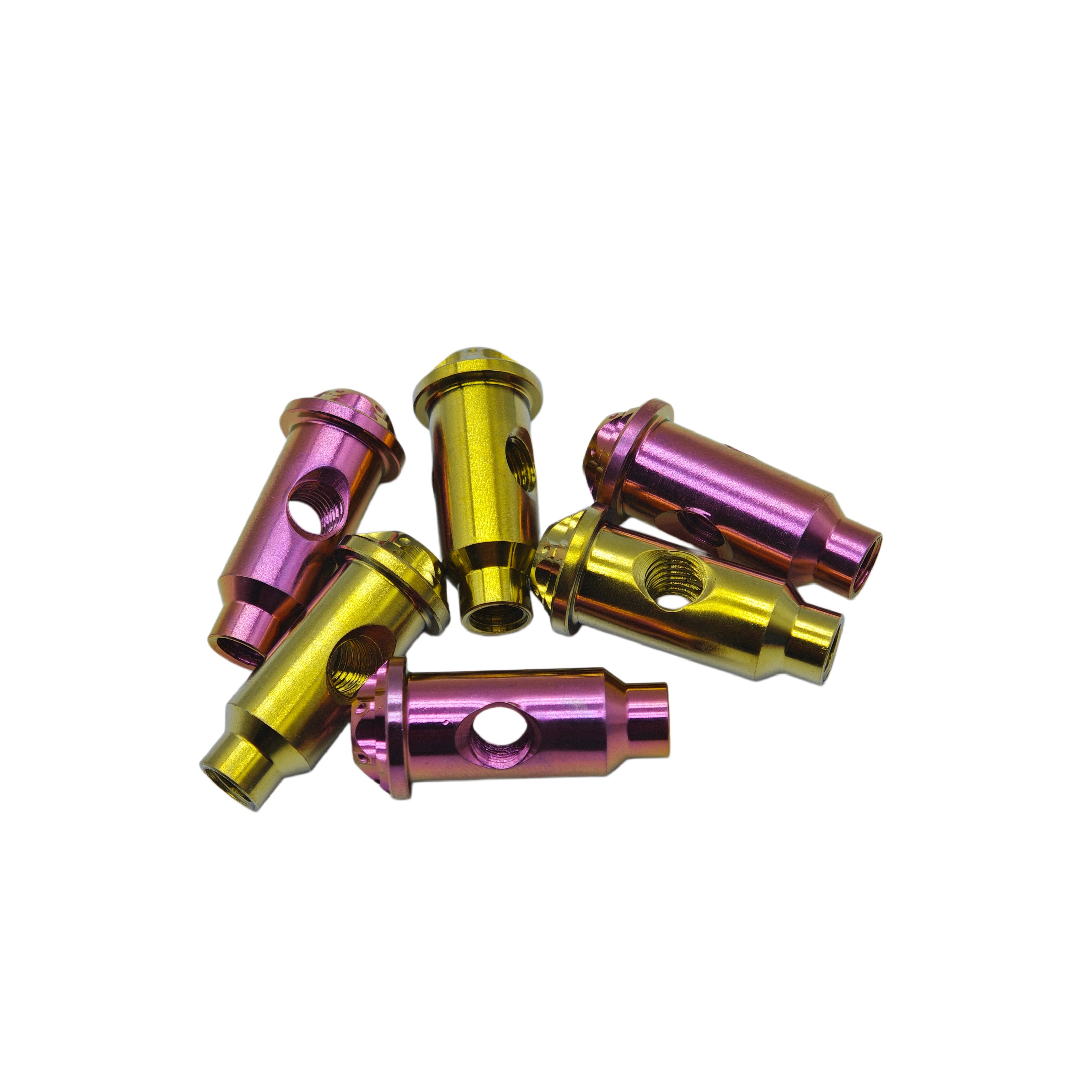
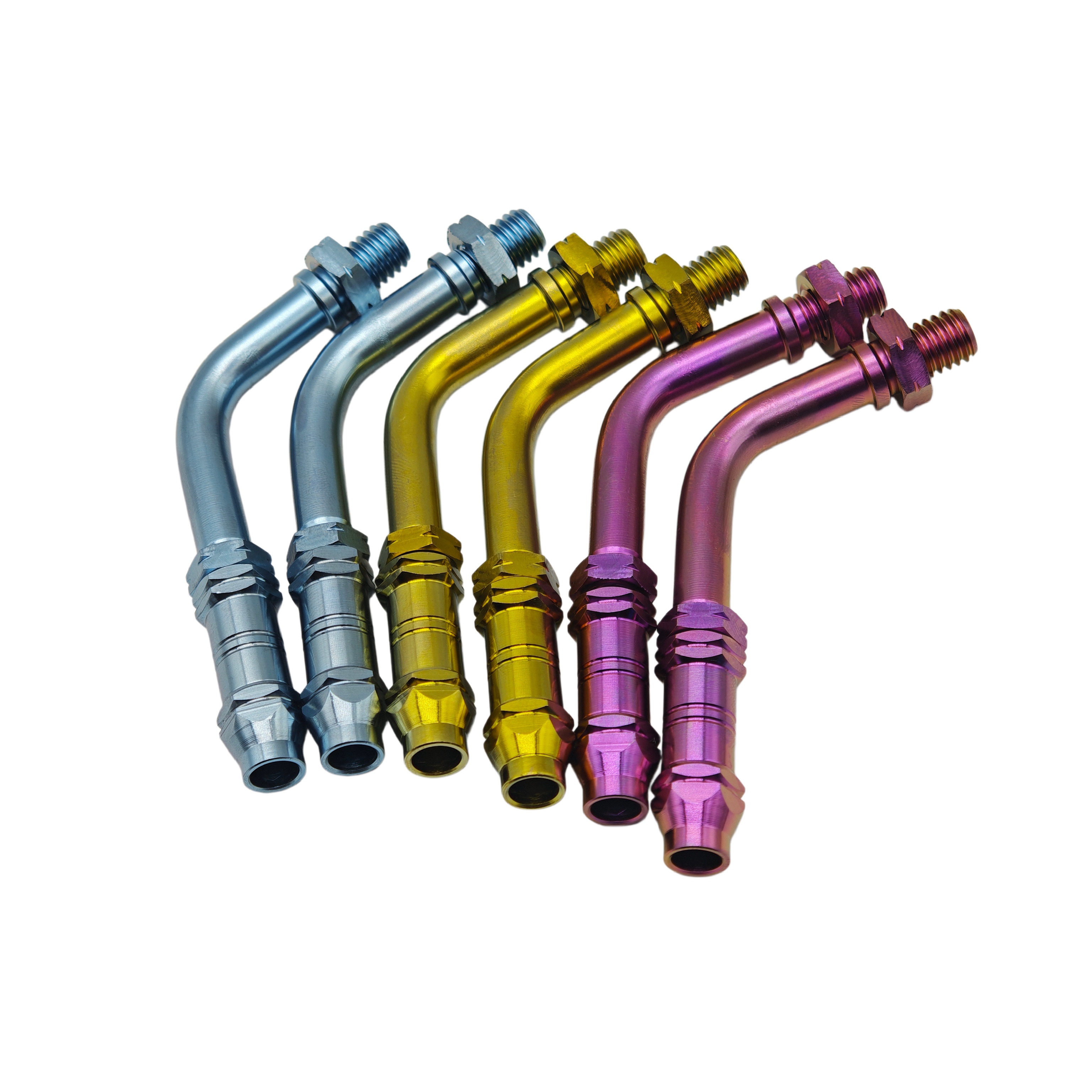
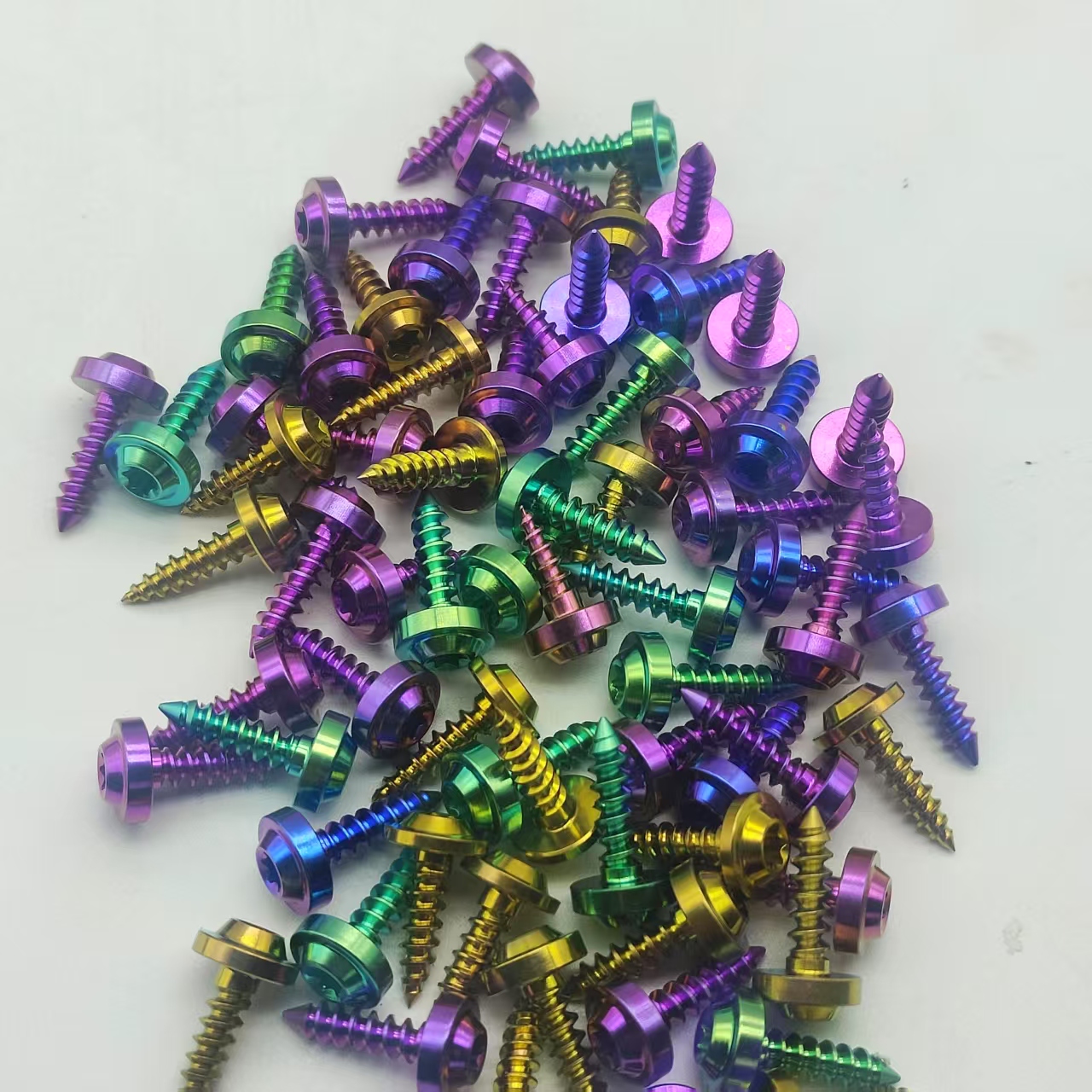
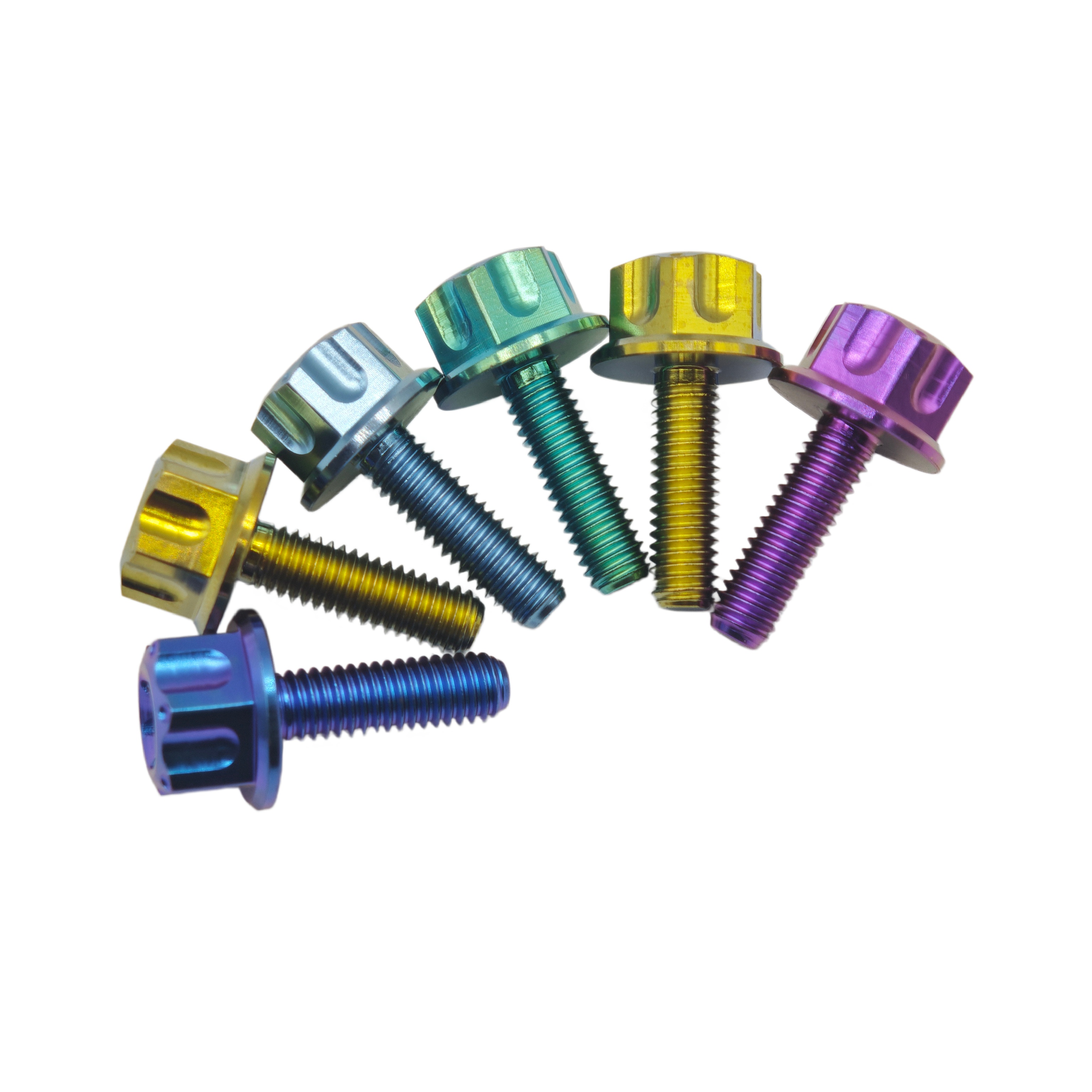
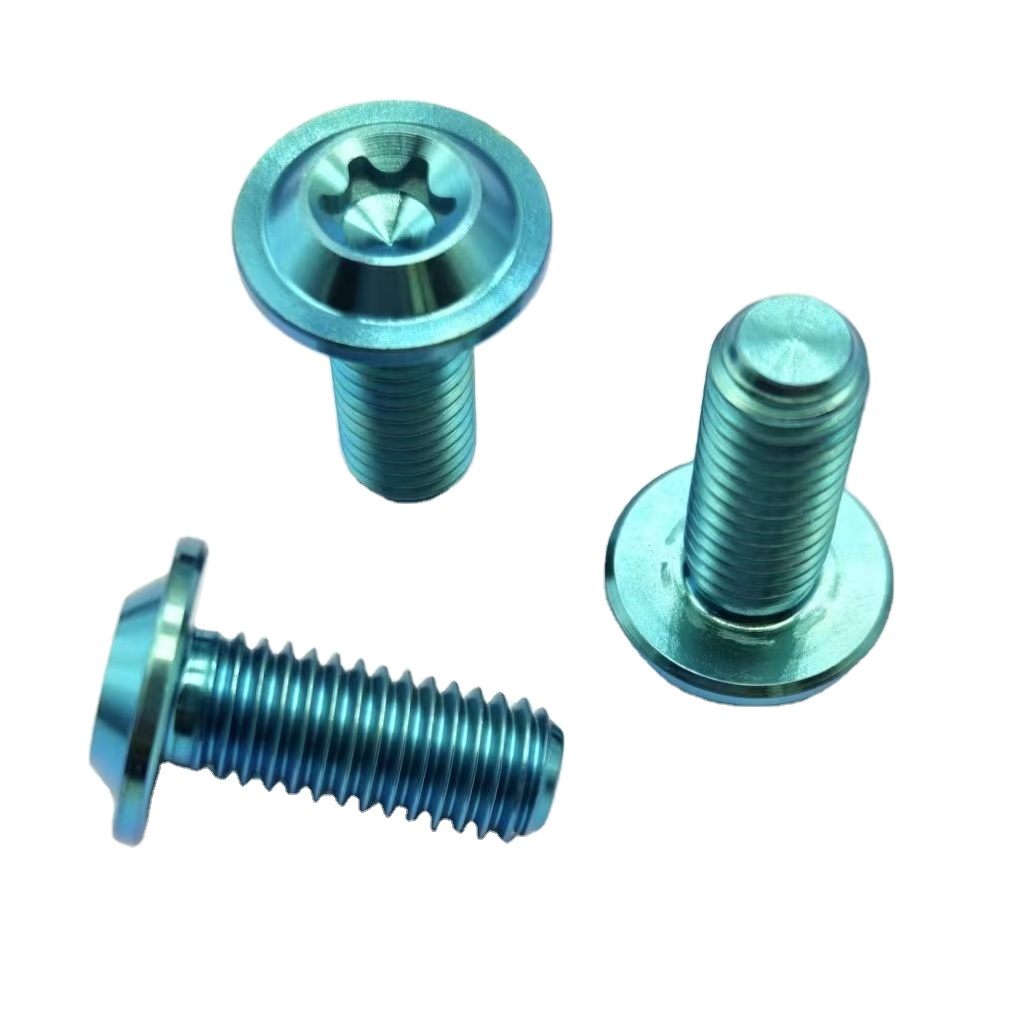
Engineering Whitepaper: Metallurgical Superiority of Titanium Castle Nuts (DIN 935 / DIN 937)
In modern critical fastening design, the castle nut (slotted nut) combined with a positive locking mechanism—such as a split cotter pin or safety wire through an axial hole in the mating bolt shank—serves as the primary barrier against catastrophic vibrational disassembly. While conventional industrial applications in Northern Europe traditionally utilized zinc-plated Grade 8.8 or 10.9 steel or A4-70/A4-80 stainless steel, the demanding operational environments of Tallinn, the Harju County industrial belt, and the wider Gulf of Finland maritime perimeter have accelerated an unprecedented shift toward Grade 5 Titanium (Ti-6Al-4V, UNS R56400, Werkstoff 3.7165).
Mechanics of Positive Mechanical Retention Under Dynamic Shear
The castellated superstructure of the nut introduces six radial slots (or twelve slots for fine-pitch adjustments) designed to accept standard ISO 1234 or DIN 94 split pins. Unlike chemical thread lockers (anaerobic adhesives) which fail when exposed to Baltic sub-zero thermal cycling (-25°C in Estonian mid-winter to +70°C inside sealed motor nacelles) or maritime de-greasing solvents, positive pin retention guarantees that back-off rotation cannot exceed 30 to 60 degrees. However, when machining the castellated crown in aerospace and subsea hardware, improper corner radials frequently create localized stress raisers. At our Baoji production facility, all DIN 935 slots are processed via 5-axis simultaneous high-speed CNC milling using customized diamond-coated endmills, maintaining corner root radii of R ≥ 0.2 mm to eliminate micro-crack propagation under cyclical shock loads.
| Alloy / Fastener Standard | Yield Strength (Rp 0.2, MPa) | Tensile Strength (Rm, MPa) | Density (g/cm³) | PREN (Pitting Resistance) | Baltic Seawater Galling Risk |
|---|---|---|---|---|---|
| Zunvo Ti-6Al-4V Gr5 (DIN 935) | 828 – 910 | 895 – 1050 | 4.43 | Immune (TiO₂ Film) | Low (With PVD / TiN / MoS₂) |
| A4-80 Marine Stainless Steel | 600 | 800 | 7.98 | 23 – 25 | High (Cold Welding Risk) |
| Class 10.9 Alloy Steel (Zinc Flake) | 900 – 940 | 1000 – 1040 | 7.85 | N/A (Corrodes when scratched) | Moderate |
| 7075-T6 Hard Anodized Aluminum | 505 | 570 | 2.81 | 0 (Severe Pitting in Brine) | Moderate |
Galling Prevention and Surface Passivation Technologies
A critical consideration for Estonian structural and mechanical engineers specifying titanium threaded hardware is galling (adhesive friction wear). Titanium alloys naturally generate a tenacious, nanometer-thin passivating titanium dioxide (TiO₂) oxide layer. Under high frictional assembly pressures, this film can rupture, causing direct metal-to-metal contact and molecular cold welding. To counteract this in safety-critical applications—such as Estonian offshore wind turbine blade pitch linkages, maritime propulsion bearings, and automotive hub spindles—Zunvo employs advanced surface modification options:
1. Physical Vapor Deposition (PVD) Thin Films: Applying Titanium Nitride (TiN, golden) or Diamond-Like Carbon (DLC, deep black), providing an ultra-hard exterior layer (> 2500 HV) that prevents direct titanium-on-titanium contact while dramatically reducing friction coefficients to μ ≈ 0.12.
2. Micro-Arc Oxidation (MAO) / Hard Anodizing: Creating an integrated ceramic-like rutile/anatase titanium oxide matrix that resists extreme marine abrasion.
3. Anti-Seize Lubrication Protocols: We supply precision application guidelines specifying high-purity nickel-free or fluoropolymer-based marine anti-seize lubricants certified for low-temperature Baltic operational profiles.
Localized Application Scenarios in Tallinn & Harju County
Tallinn is the technological engine of the Baltic states, merging world-class software intelligence with physical robotics, advanced autonomous vessels, and specialized green-tech manufacturing. Discover how Zunvo titanium castle nuts integrate into Estonia's key industrial hubs.
Autonomous Maritime & Subsea Systems
Tallinn's maritime tech enterprises, operating around the Port of Tallinn, Muuga, and the Kopli peninsula, develop next-generation Unmanned Surface Vessels (USVs) and subsea inspection crawlers. Grade 5 titanium castle nuts are utilized on propeller shaft flanges, rudder pintles, and acoustic sensor pods, providing indefinite service lifetimes in the brackish, micro-organism-rich waters of the Baltic Sea without galvanic depletion.
Defense Tech & Autonomous Ground Vehicles
Estonia is home to globally recognized pioneers in autonomous defense robotics and unmanned tracked chassis centered in Harju County. Castle nuts with safety cotter pins are mandated on suspension wishbones, drive sprockets, and tracked bogie wheel pivots to withstand severe non-linear shock loads during cross-country deployment across Nordic terrain.
CleanTech Hardware & Hydrogen Fuel Cell Stacks
Tallinn's booming clean-tech sector produces ultracapacitors, hydrogen storage systems, and specialized industrial electrolyzers. Non-magnetic Ti-6Al-4V fasteners prevent electromagnetic eddy-current induction while withstanding hydrogen embrittlement far better than conventional high-tensile steels, securing gas manifold flanges safely.
Specialized Port & Cargo Cranes
Muuga Harbour and the Old City Harbour in Tallinn rely on heavy cargo handling infrastructure exposed to relentless onshore winds, freezing sea spray, and chemical de-icers. Substituting high-stress pivot pins with titanium castle nuts avoids seized threads and catastrophic nut stripping during sub-zero crane inspections.
UAV Gimbals & Precision Aerospace
From drone technology incubators near Ülemiste City to high-altitude surveillance hardware, rotational components require castle nuts that maintain preload without relaxing under thermal variations. The low thermal expansion coefficient of Ti-6Al-4V (8.6 × 10⁻⁶/K) prevents axial loosening across wide flight envelopes.
Motorsport, Supercars & EV Racing Conversions
With high-performance tuning shops around Tallinn and dynamic track testing at Porsche Ring (auto24ring) in nearby Pärnu, unsprung mass reduction is critical. Titanium castle nuts fitted on stub axles, wheel hubs, and ball joints reduce unsprung inertia while guaranteeing absolute mechanical fail-safety at 250+ km/h.
Macro Trends: Estonia’s Smart Industry Shift & Titanium Fastener Demand
Estonia’s national economic strategy, centered around "Industry 4.0" and high-value export manufacturing, is transitioning local contract manufacturers from assembly-only operations toward advanced, high-precision mechatronics. As hardware startups scale into multinational hardware providers from hubs such as Tehnopol Science and Business Park, procurement specifications have grown significantly more stringent.
1. The Electrification of Baltic Ferry & Workboat Fleets
Decarbonization directives across the Gulf of Finland (linking Tallinn to Helsinki and Stockholm) are mandating lightweight composite superstructures and battery-electric powertrains for workboats and passenger ferries. Every kilogram saved in unladen structural mass translates directly into extended operational battery range. The transition from heavy stainless or bronze hardware to Gr5 titanium slotted castle nuts delivers immediate multi-hundred-kilogram weight savings on naval drive trains and safety-critical deck gear.
2. Stringent Quality Documentation & EU Compliance
Estonian engineering firms operating under EU defense standards (AQAP), aerospace guidelines (EN 9100), or maritime classification rules (DNV, Bureau Veritas) can no longer accept generic non-traceable fasteners. Sourcing from Zunvo provides complete EN 10204 Type 3.1 chemical and physical mill test certificates, guaranteeing that Ti-6Al-4V fastener bar stock originated from vacuum arc remelted (VAR) ingots with strict limits on interstitial elements (Oxygen ≤ 0.20%, Nitrogen ≤ 0.05%, Carbon ≤ 0.08%, Hydrogen ≤ 0.015%).
3. Rapid Prototyping to Full Container Production Cycles
The speed of Estonia’s digital economy requires rapid turnaround in physical engineering. Hardware firms in Tallinn cannot afford 16-week tooling delays. Zunvo's integrated facility in Baoji—housing over 60 multi-axis CNC Swiss lathes, cold-forging heading machines, and in-house PVD vacuum coating chambers—delivers precision custom castle nut prototypes to Tallinn within 3 to 5 business days via express DHL/FedEx channels, scaling seamlessly into recurring container or air-consolidated production lots.
Why European Engineers Choose Zunvo Titanium Products
Located in Baoji, China's renowned "Titanium Valley", Zunvo combines direct raw material integration with aerospace-grade precision manufacturing, eliminating intermediaries to provide unmatched reliability to the Tallinn industrial region.
Baoji Titanium Valley Advantage
Founded in 2015 within the primary hub of Chinese titanium smelting, we secure direct mill-certified Ti-6Al-4V bar stock. Our team of 101–200 specialists oversees 1,000–3,000 m² of modern production floor space with 100% heat-number traceability.
Precision Cold Heading & CNC Milling
Combining the metallurgical grain-flow benefits of cold heading for raw blanks with 5-axis CNC indexing for slots and thread rolled 6g/6H tolerances. We achieve micro-tolerances down to ±0.005 mm on critical castellated pitch diameters.
Verified 66% Reorder Rate & 4.9/5 Rating
Backed by verified onsite audit certifications and an established global footprint across North America, Europe, and Asia. Our average engineering inquiry response time is under 7 hours, ensuring continuous support across Tallinn timezones (EET/EEST).
Frequently Asked Questions for Tallinn B2B Buyers
Authoritative guidance addressing customs, logistics, technical standards, and assembly best practices when importing titanium castle nuts into the Republic of Estonia.
What specific DIN and ISO standards do you supply for titanium castle nuts?
How do you handle shipping, customs clearance, and lead times to Tallinn?
What split cotter pin material should be paired with a Gr5 titanium castle nut to avoid galvanic corrosion in Baltic seawater?
What mill test certifications and QA documentation accompany our order?
What is your Minimum Order Quantity (MOQ) for catalog vs. custom-drawn castle nuts?
How does Ti-6Al-4V Grade 5 perform under Baltic freezing winter conditions (-25°C)?
Accelerate Your Fastener Procurement for Tallinn
Send your CAD step files, DIN specs, or request a quotation directly from our Baoji engineering headquarters. Rapid quotes delivered within 7 hours, backed by full EN 10204 3.1 material traceability.
