Featured Titanium Fasteners for Honduras Import Programs
Direct supply line for Honduran industrial buyers, plant maintenance contractors, and specialized motorsport teams needing Grade 5 Ti-6Al-4V precision hardware.
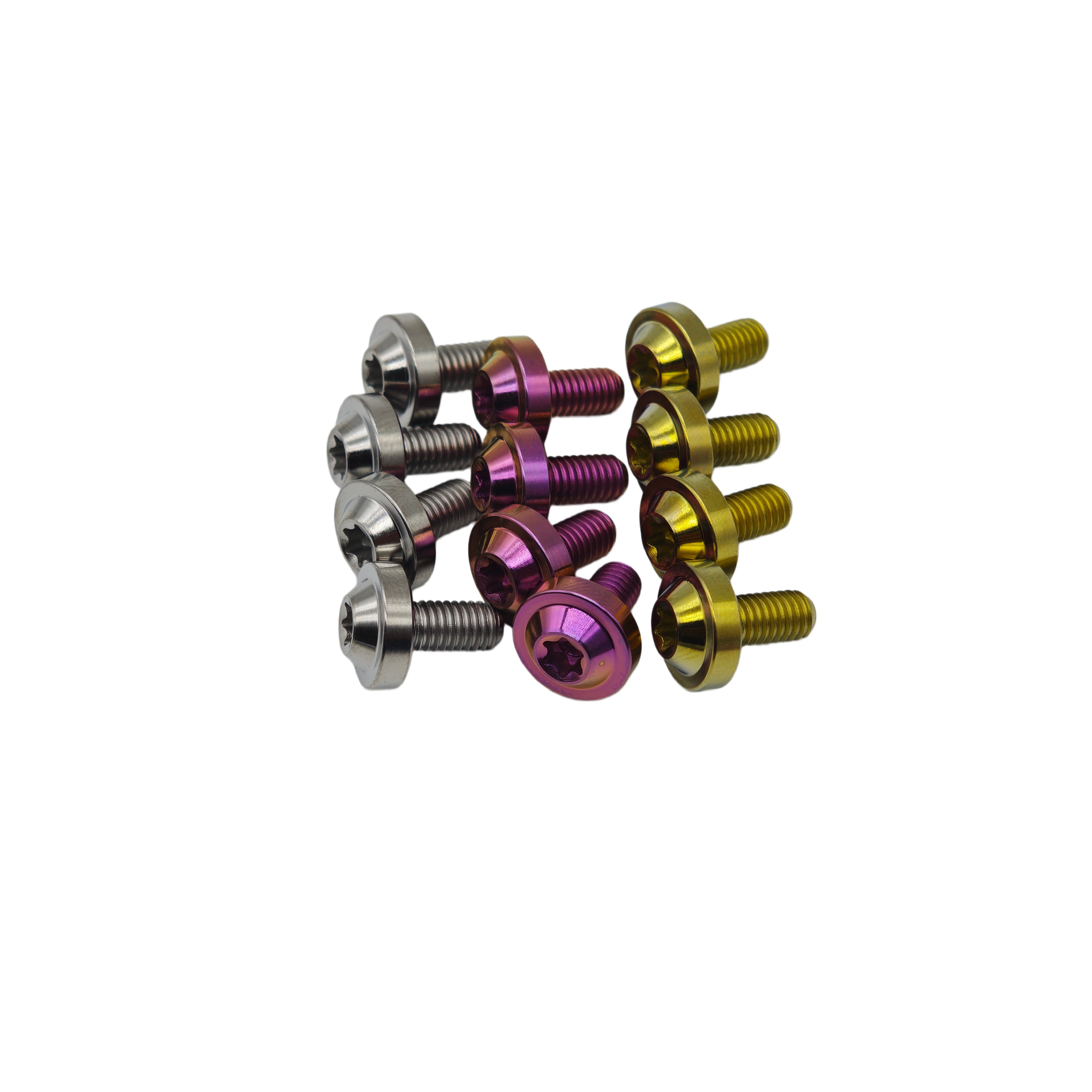
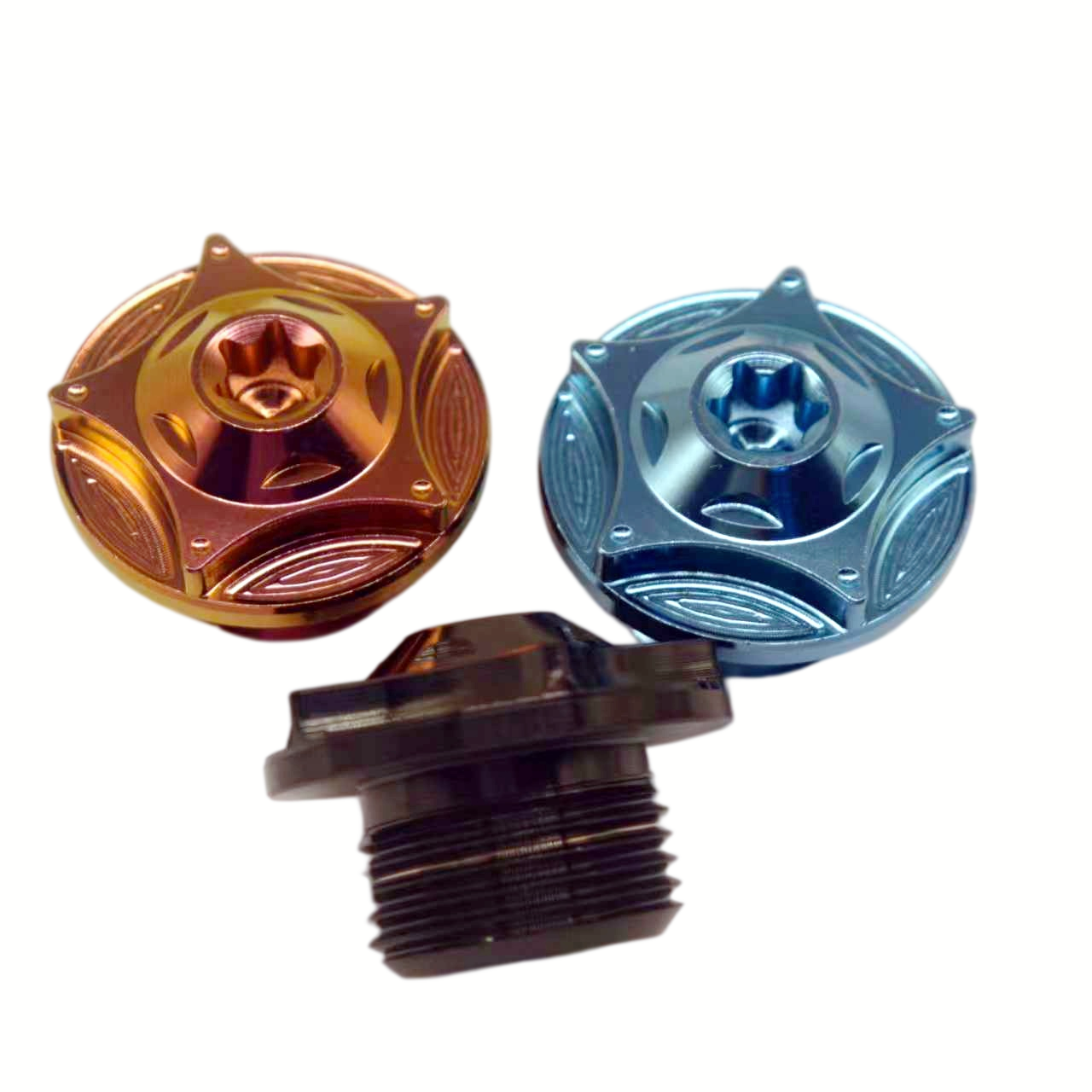
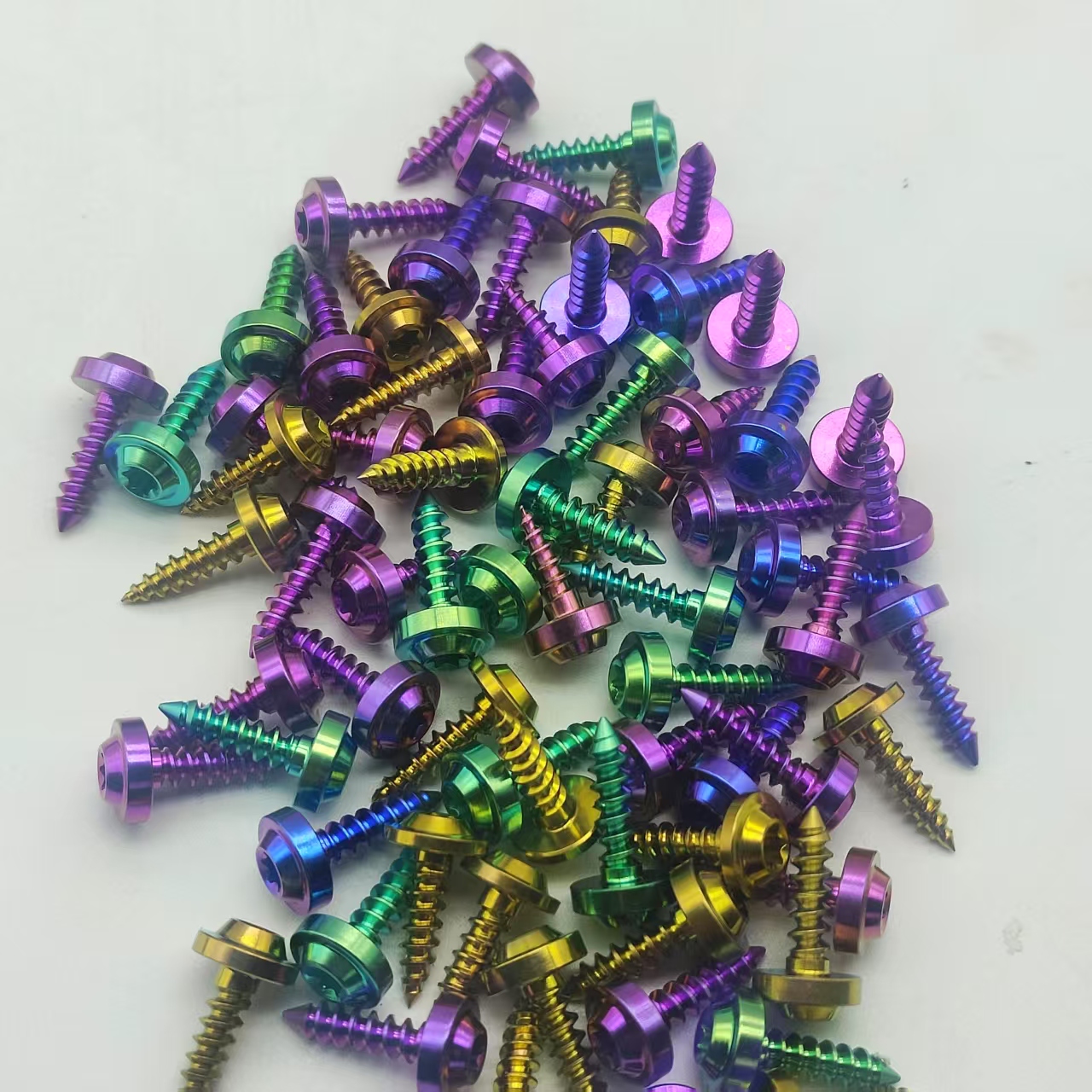
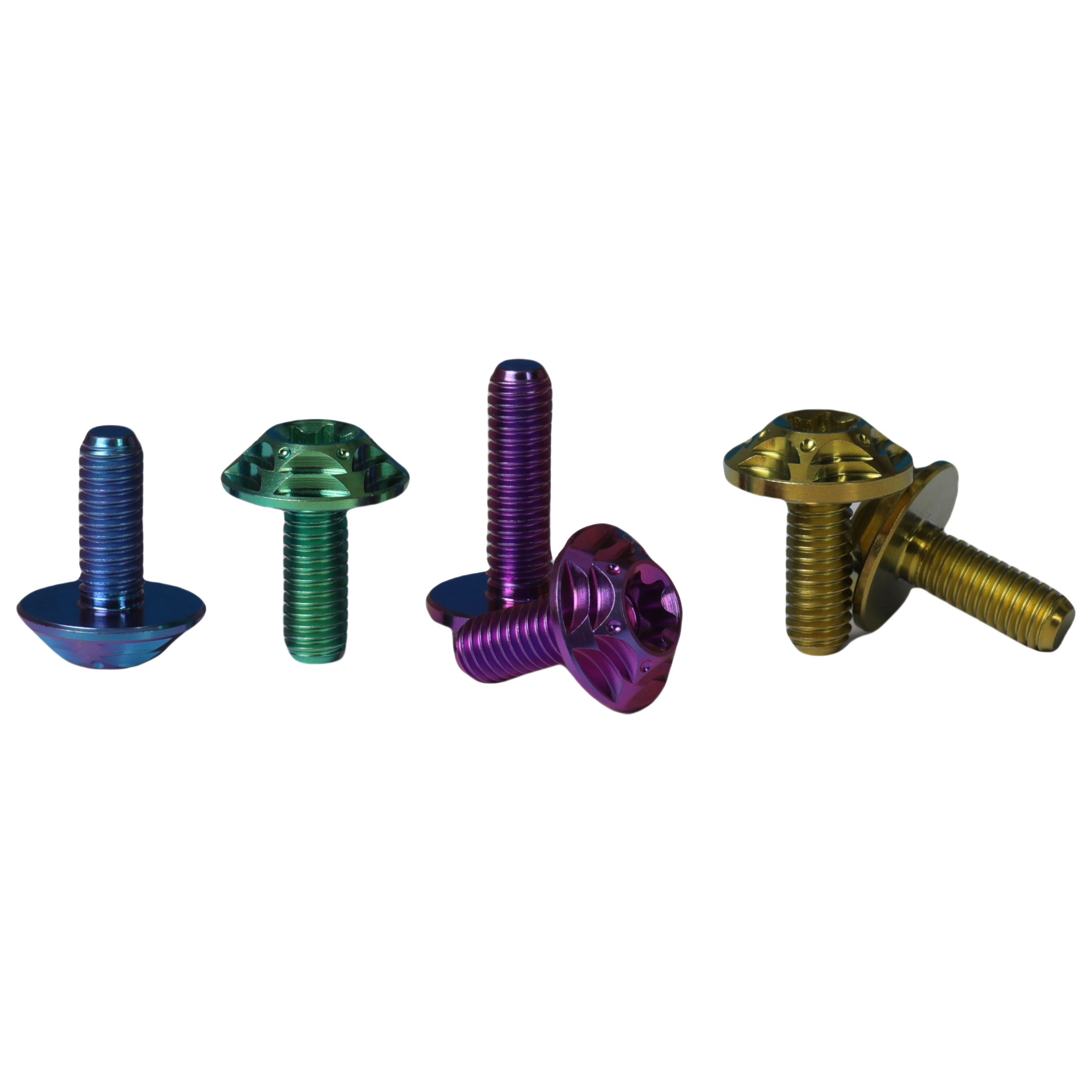
Engineering Excellence: Countersunk Fasteners in High-Stress Environments
Why modern engineering designs in Central America are migrating from standard 316 stainless and high-tensile alloy steels to Ti-6Al-4V countersunk cap screws.
Aerodynamic Flush Assembly & Shear Load Dynamics
Titanium countersunk head cap screws (standardized under DIN 7991, ISO 10642, and ASME B18.3) provide a seamless, flush mechanical profile. Unlike protruding socket head cap screws or hex flange bolts, a 90-degree countersunk conical profile transfers axial preload into both lateral clamping force and shear distribution across the countersunk recess of the mating component.
In high-vibration applications—such as marine drive components in Puerto Cortés or fluid handling centrifuges in the Sula Valley—standard fasteners suffer from localized notch stress under cyclic loading. Our Ti-6Al-4V fasteners undergo precision CNC head turning followed by cold-work thread rolling. This process compresses the metallurgical grain boundary rather than cutting it, boosting fatigue endurance limits by more than 35% compared to conventionally cut fasteners.
- Conical Seat Precision: Machined to strict 90° (metric) and 82° (inch) tolerances to eliminate micro-chatter and uneven contact stress.
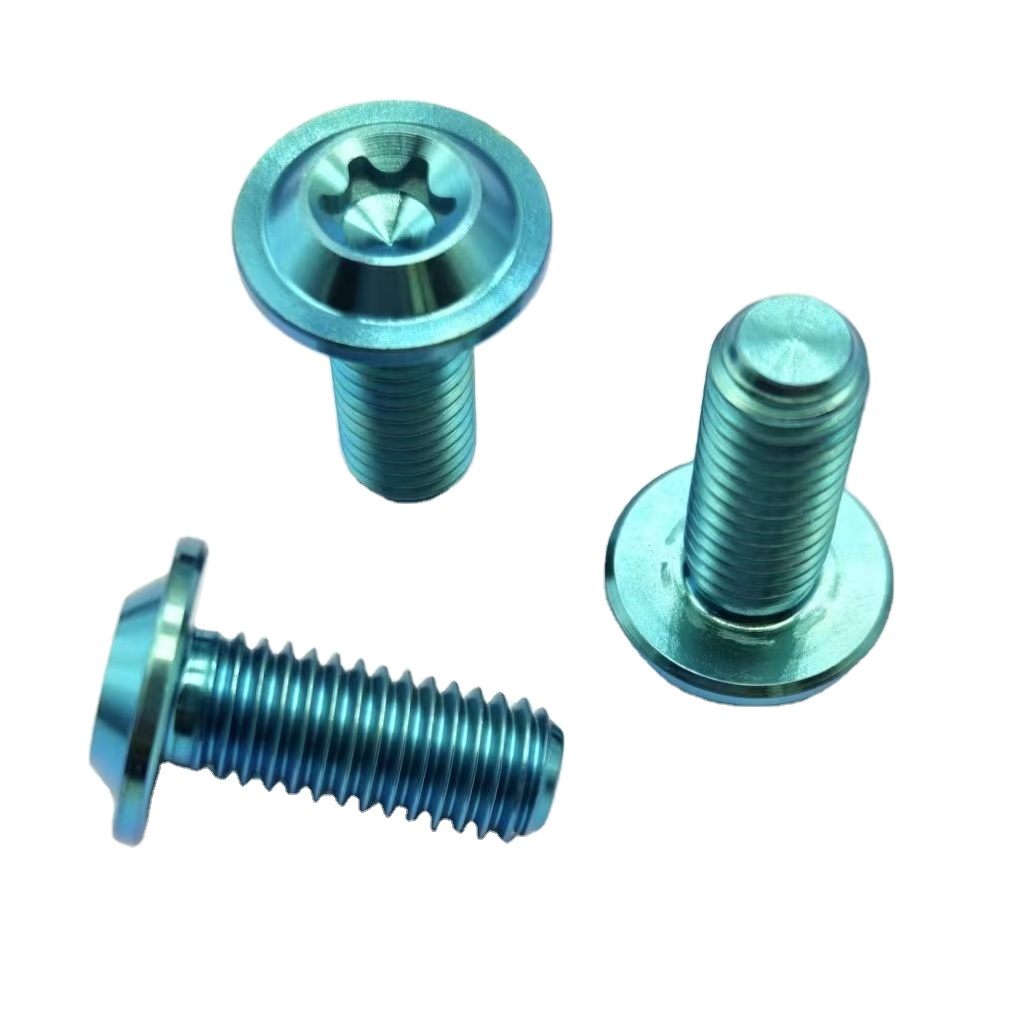
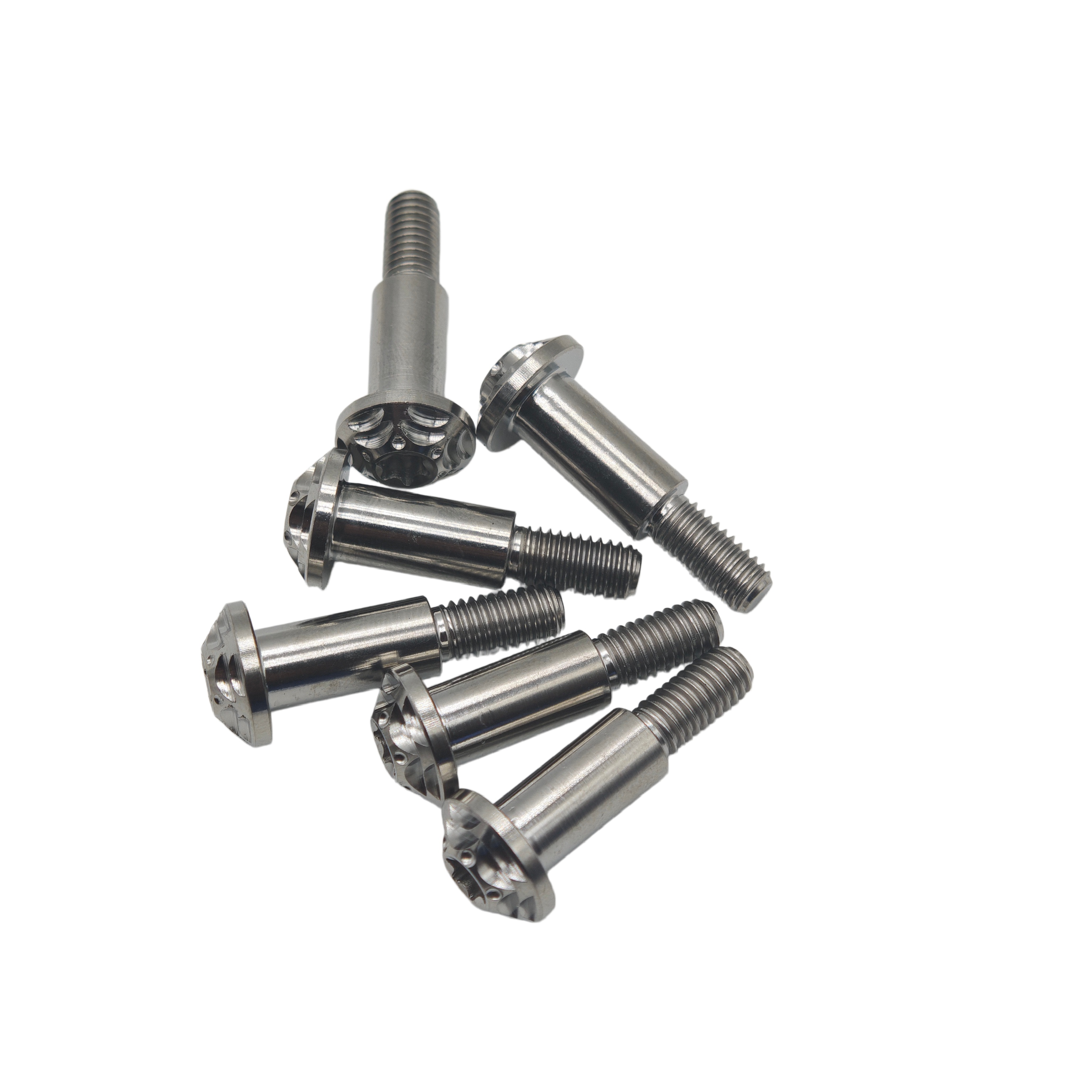
- Hex Socket & Torx Drives: Broached hex and precision-milled Torx (6-lobe) drives configured to eliminate cam-out at high assembly torque.
- Surface Passivation: Anodized and PVD-coated layers resist galling and prevent galvanic pairing when in contact with carbon fiber or aluminum.
| Mechanical & Physical Property | Gr5 Ti-6Al-4V (Countersunk Screws) | 316L Marine Stainless Steel | Class 10.9 Quenched Alloy Steel | 7075-T6 Anodized Aluminum |
|---|---|---|---|---|
| Density (g/cm³) | 4.43 (Optimal Mass Reduction) | 8.00 | 7.85 | 2.81 |
| Tensile Strength, Ultimate (MPa) | ≥ 895 – 1,000 | 485 – 620 | 1,040 | 572 |
| Yield Strength 0.2% Offset (MPa) | ≥ 828 | 205 – 290 | 940 | 503 |
| Strength-to-Weight Ratio (kN·m/kg) | 214 (Exceptional) | 77 | 132 | 204 |
| Chloride Pitting Resistance (PREN) | Virtually Immune in Seawater | 23 – 25 (Subject to Crevice Attack) | None (Rapid Oxidation) | Poor (Exfoliation Risk) |
| Thermal Operating Window | -200°C to +420°C | -196°C to +400°C | -40°C to +200°C | -50°C to +120°C |
Targeted Industrial Application Scenarios Across Honduras
From the Atlantic ports of Puerto Cortés to the agro-industrial hubs of San Pedro Sula and renewable energy farms in Choluteca, our titanium countersunk screws address specific environmental and mechanical challenges.
Puerto Cortés Seaport & Marine Operations
Honduras houses the premier deepwater container port in Central America. High-salinity air, ocean spray, and submerged logistics equipment require non-corrosive fasteners. Titanium DIN 7991 countersunk screws sit flush on container crane guide rails, hull-mounted sonar sensors, and commercial vessel deck hardware without suffering chloride stress corrosion cracking.
Valle de Sula Agro-Processing Mills
Honduras’s sugar cane refineries (ingenios azucareros) and palm oil processing plants operate under acidic steam washdowns and abrasive slurries. Protruding screw heads cause particulate hang-up and premature wear. Our flush-seated titanium countersunk screws create an unhindered product sliding path in centrifuges and sluice channels.
Renewable Hydroelectric & Solar Facilities
From the El Cajón (Francisco Morazán) hydroelectric reservoir to solar installations in southern Choluteca, electrical mounting structures and turbine sensor arrays demand fasteners that withstand high humidity, UV degradation, and galvanic corrosion when in contact with aluminum framing.
San Pedro Sula Maquiladora Automation
The manufacturing export zones (ZIPs) of Cortés and Choloma run high-cycle robotic automated sewing and packaging cells. Reducing reciprocating mass with Grade 5 titanium fasteners decreases actuator motor heat and inertia, extending maintenance cycles across high-speed packaging machinery.
Industrial Modernization Trends Reshaping Fastener Procurement in Honduras
Over the past five years, the industrial base in Honduras has evolved from relying on low-cost carbon steel fixings toward deploying advanced metallurgical alloys. Driven by nearshoring momentum under the CAFTA-DR trade framework, multinational manufacturers and domestic contractors are overhauling equipment specifications to minimize Mean Time Between Failures (MTBF).
Three primary macro trends are currently accelerating the adoption of titanium countersunk head cap screws within Honduras:
1. Maritime Port & Logistics Modernization: The continuous expansion of Puerto Cortés as a world-class Caribbean logistics hub has increased demand for marine hardware meeting ASTM F468 / F467 standards. Subsea inspection rigs, ROVs, automated dock cranes, and maritime navigation beacons are phasing out electro-galvanized bolts in favor of titanium alloys, ensuring zero galvanic degradation in high-chloride warm tropical waters.
2. Agro-Industrial High-Yield Automation: The Honduran agricultural sector—particularly coffee processing, sugar processing, and aquaculture (shrimp farms in the Gulf of Fonseca)—is adopting stainless-steel and titanium-alloy hybrid architectures. Countersunk titanium screws are vital in sorting chutes, filtration screens, and saline aeration blowers where smooth hydraulic transitions and chemical resistance to organic fruit acids are strictly required.
3. Expanding Enduro & Off-Road Motorsport Communities: With the mountainous terrain of the Cordillera Central surrounding Tegucigalpa, competitive off-road motorcycling, quad biking, and 4x4 rally events have surged. Mechanics and local performance shops increasingly specify M5, M6, and M8 countersunk titanium bolts to mount skid plates, chain guides, and brake rotors flush against vehicle chassis to prevent impact snagging on rugged terrain.
Why Honduran Importers Partner With Zunvo Titanium
Headquartered in Baoji—the heart of China's "Titanium Valley"—we provide direct factory engineering, strict batch traceability, and rapid global logistics to Central American ports.
Baoji Raw Material Lineage
Located immediately adjacent to certified titanium sponge smelters, we secure vacuum-arc remelted (VAR) Ti-6Al-4V bar stock with complete heat-number chemistry traceability. Every batch includes an EN 10204 3.1 chemical and mechanical test certificate.
High-Speed Multi-Axis CNC Turning
Equipped with modern Swiss-type lathes and multi-axis CNC turn-mill centers, we produce micro countersunk screws down to M2 and industrial fasteners up to M24 with tolerances held to ±0.005 mm, ensuring concentricity and zero wobble on countersunk seats.
100% Comprehensive Quality Control
Every single production batch undergoes digital optical sorting, optical pitch gauge verification (6g class standards), Coordinate Measuring Machine (CMM) inspection for conical seat angles, and wedge tensile validation prior to vacuum sealing and packaging.
Customized Anodizing, PVD Coating & OEM Packaging
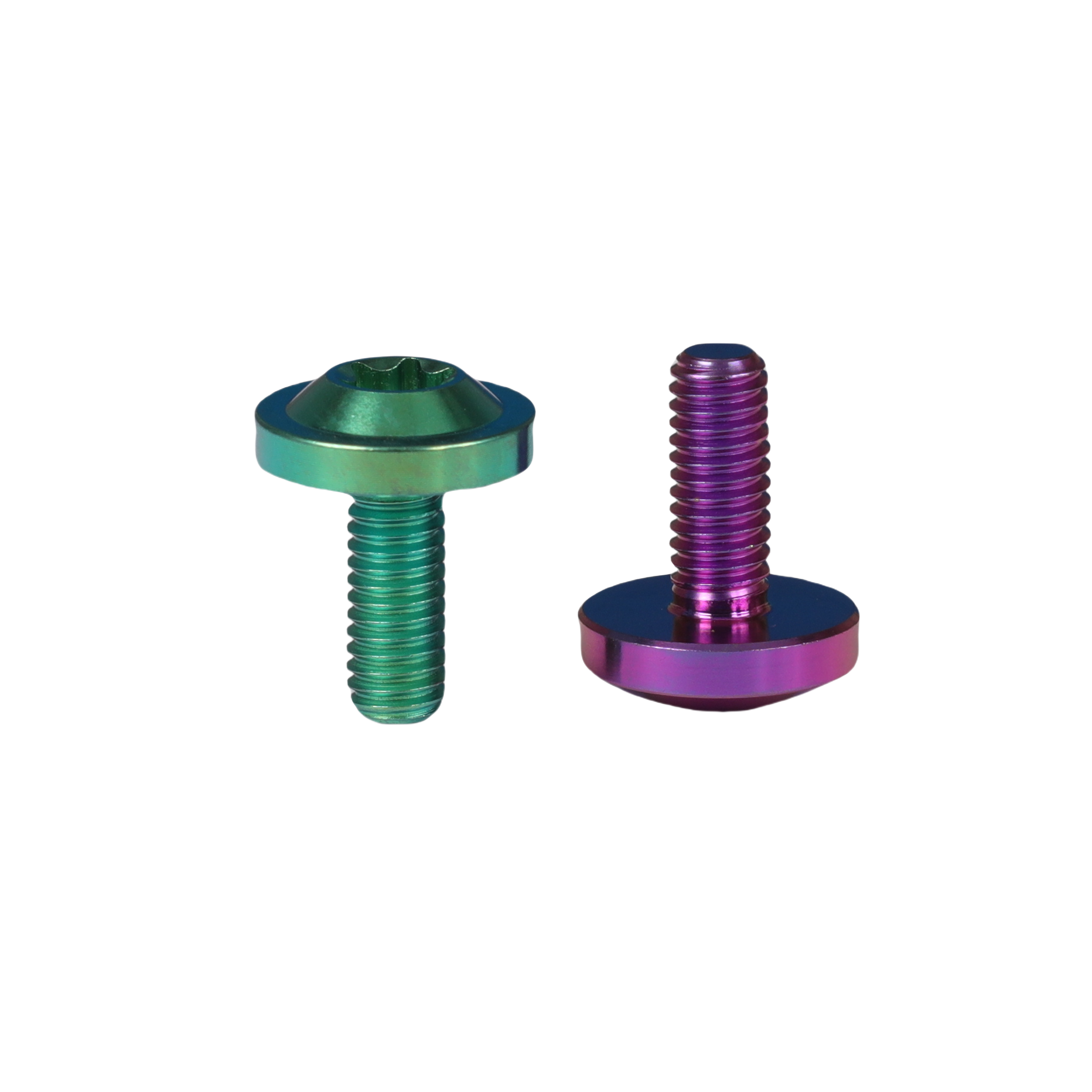
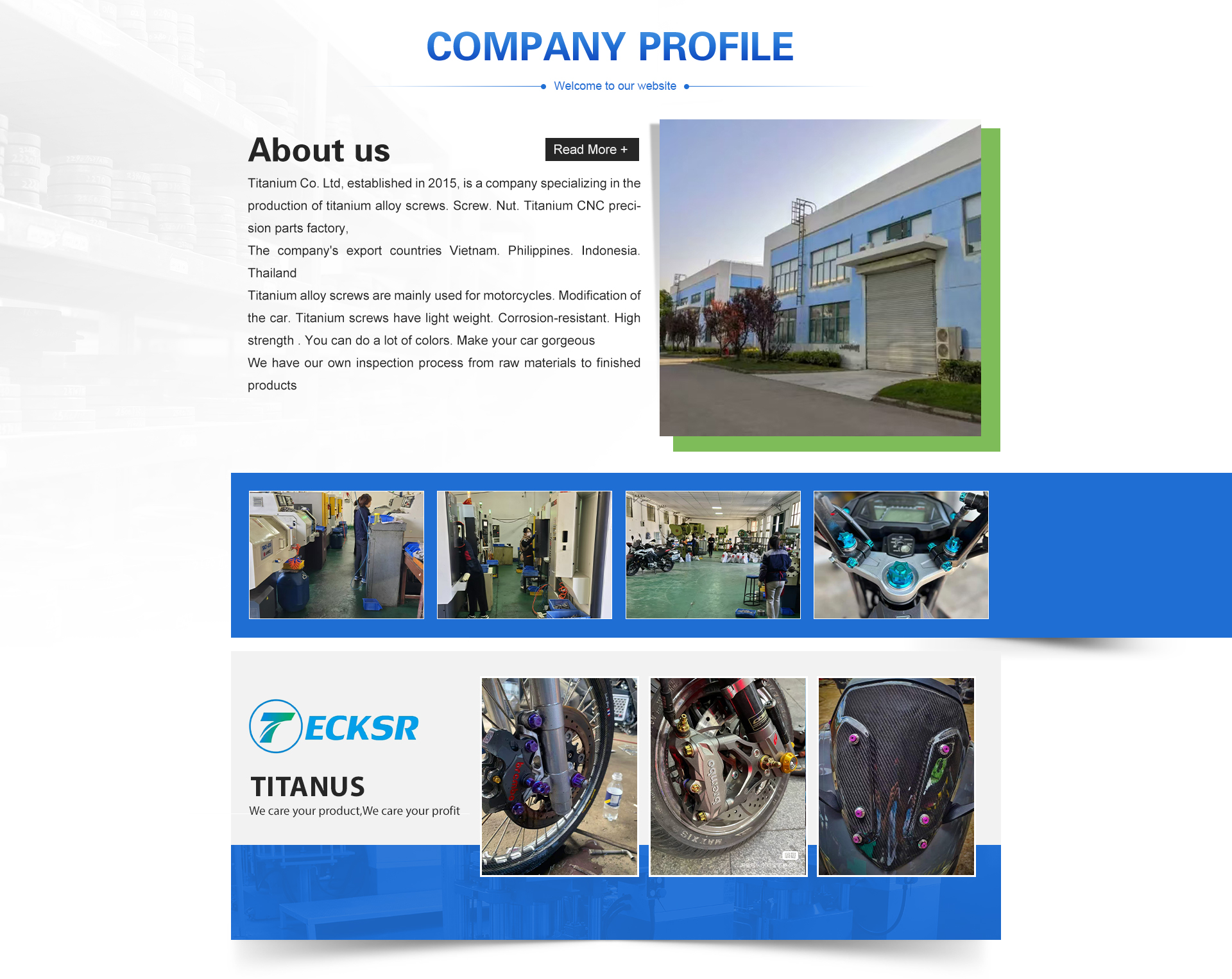
We provide full-spectrum in-house surface finishing. For racing teams and automotive distributors in Tegucigalpa looking for distinct aesthetics, we offer precision voltage anodizing in Burnt Blue, Deep Gold, Purple, and Green. For industrial wear positions where contact abrasion occurs, our Physical Vapor Deposition (PVD) treatment applies a titanium nitride (TiN) or Diamond-Like Carbon (DLC) coating with micro-hardness exceeding 2,500 HV.
Private labeling, custom barcoding, blister card packing, and laser engraving of part numbers on countersunk heads are fully supported for Honduran wholesalers and OEM component builders.
Frequently Asked Questions: Sourcing Titanium Fasteners in Honduras
Direct answers for procurement officers, plant engineers, and import compliance managers working across Tegucigalpa, San Pedro Sula, and Puerto Cortés.
What is the recommended countersink hole angle for DIN 7991 vs ASME B18.3 in metric and imperial assemblies?
This is a critical engineering distinction for Honduran equipment builders. Metric DIN 7991 and ISO 10642 specify a 90° countersunk head angle. In contrast, standard American/imperial fasteners (ASME/ANSI B18.3) utilize an 82° countersunk angle. Mating a 90° metric screw into an 82° countersunk hole causes point-loading at the outer diameter of the screw head, leading to stress concentration and premature fatigue failure. We can manufacture both 90° metric and 82° ANSI unified configurations upon request.
What logistics routes and typical transit times apply for shipping to Honduras?
For urgent engineering spares and sample prototypes (up to 100 kg), we dispatch door-to-door via DHL, FedEx, or UPS Express directly to Ramón Villeda Morales International Airport (SAP) in San Pedro Sula or Palmerola International Airport (XPL) serving Tegucigalpa, taking typically 4 to 7 business days. For volume manufacturing orders (100 kg to multi-tonne FCL/LCL), ocean freight dispatches from Qingdao or Shanghai to Puerto Cortés with a typical ocean transit time of 28 to 35 days.
What are the applicable customs tariff codes (HS Code) and documentation required by Honduran Customs (Aduanas de Honduras)?
Titanium fasteners are universally classified under Harmonized System (HS) Code 8108.90.00 (Articles of Titanium, including bolts, nuts, and screws) or 7318.15 depending on customs broker declarations for specialized machine hardware. We provide all essential import documentation: Commercial Invoice, Packing List with net/gross weights, Certificate of Origin (COO), and EN 10204 3.1 Mill Test Certificates to ensure seamless clearance with the Servicio de Administración de Rentas (SAR) and local customs officials.
How can thread galling be prevented during assembly in tropical Honduran climates?
Like stainless steels, titanium exhibits a passive titanium oxide film that can cause cold-welding or galling under high-friction torque. To completely prevent galling, our engineering team recommends: (1) Applying an anti-seize paste based on molybdenum disulfide (MoS2) or high-purity nickel; (2) Specifying our PVD (Physical Vapor Deposition) or micro-arc oxidation coated fasteners which create a low-friction barrier; (3) Avoiding high-speed pneumatic impact drivers during final tightening, using calibrated torque wrenches according to our recommended torque charts.
Can a Grade 5 titanium countersunk screw directly replace a Grade 10.9 steel screw in marine structures?
Yes, in the vast majority of applications. Grade 5 Ti-6Al-4V provides a minimum tensile yield strength of 828 MPa and an ultimate tensile strength exceeding 895–1,000 MPa, which closely mirrors the mechanical performance of Class 10.9 steel (940 MPa yield). When replacing carbon steel, you achieve an immediate 44% mass reduction while gaining total immunity to chloride pitting, seawater corrosion, and atmospheric rust.
What is your Minimum Order Quantity (MOQ) for custom-dimension countersunk screws?
For catalog sizes held in stock (standard metric M3 to M12 DIN 7991), our MOQ starts at only 100 pieces to accommodate prototype validation and small batch runs. For custom drawing-based fasteners—such as custom head diameters, specialized shank unthreaded lengths, or non-standard thread pitches (e.g., M10x1.25 fine thread)—our typical production batch MOQ is 200 to 500 pieces, with 3-day rapid CNC sampling available prior to mass production.
Do you provide Mill Test Reports (MTR) according to international standards?
Yes. Every shipment is accompanied by an authentic Mill Test Report compliant with EN 10204 Type 3.1. This document details the exact chemical composition (Titanium balance, Aluminum 5.5–6.75%, Vanadium 3.5–4.5%, Iron ≤ 0.40%, Oxygen ≤ 0.20%), as well as mechanical test results for yield strength, elongation percentage, reduction of area, and hardness (typically 30–36 HRC).
Which payment terms are standard for Honduran B2B buyers?
We work with international wire transfer (T/T), irrevocable Letters of Credit (L/C) at sight for large container contracts, as well as PayPal / Credit Card options for initial prototyping and sample evaluations. Standard terms for custom manufacturing are 30% deposit with the balance payable against the bill of lading (B/L) and inspection photos.
Upgrade Your Fastening Performance with Certified Baoji Titanium
Consult with our structural engineering team today. Send us your CAD drawings (STEP, DXF, IGES) or standard fastener bill of materials. We deliver full pricing, mechanical review, and DDP/CIF Puerto Cortés freight quotes within 7 hours.
