Grade 5 Ti-6Al-4V
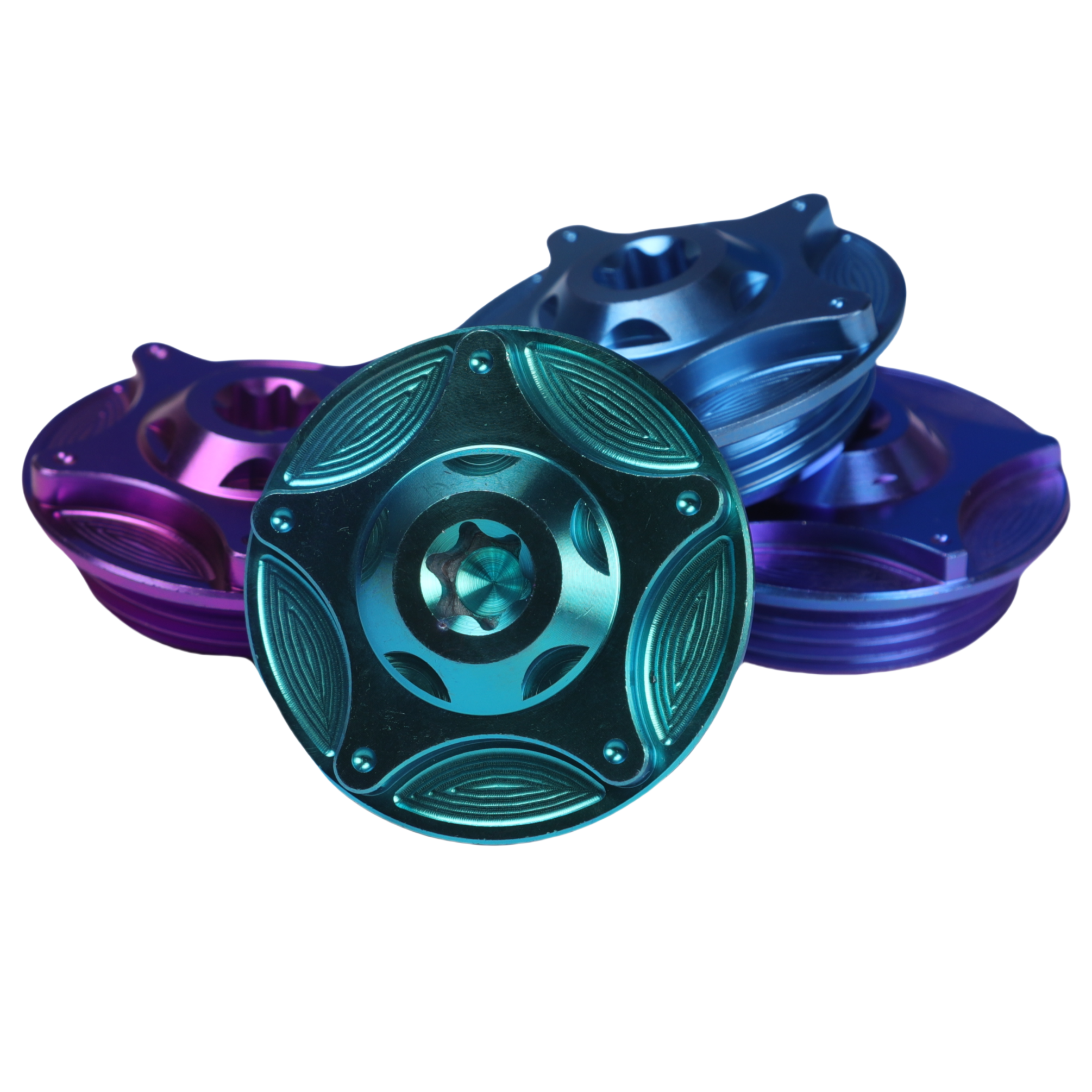
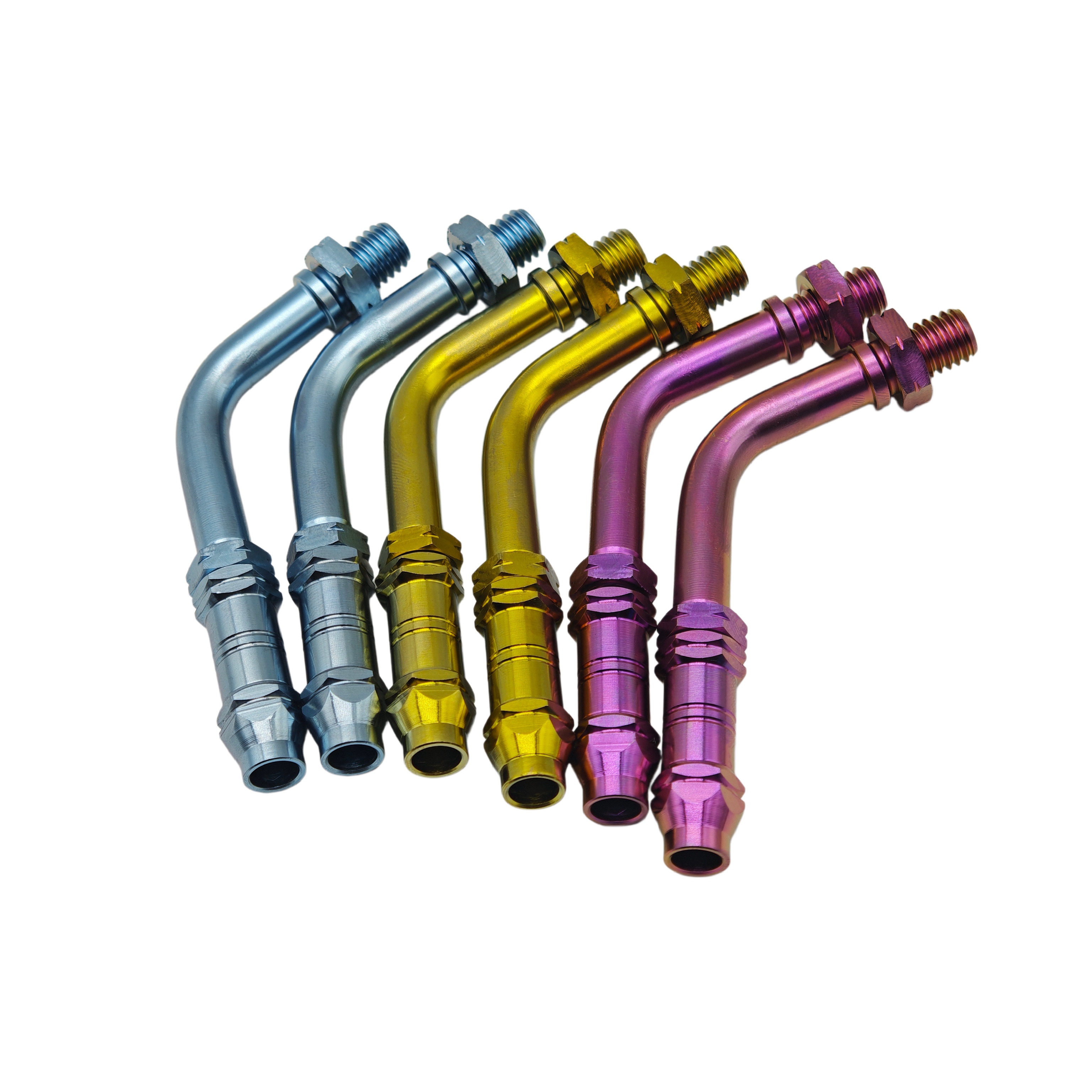
Customized M31 Super Light Anti-Skid Oil Cap
High-precision CNC machined oil plug with safety-wire bores. Designed for high thermal vibration resistance.
Direct supply from Baoji manufacturing centers to OEM tier suppliers, precision engineering shops, and race workshops across the Czech Republic.
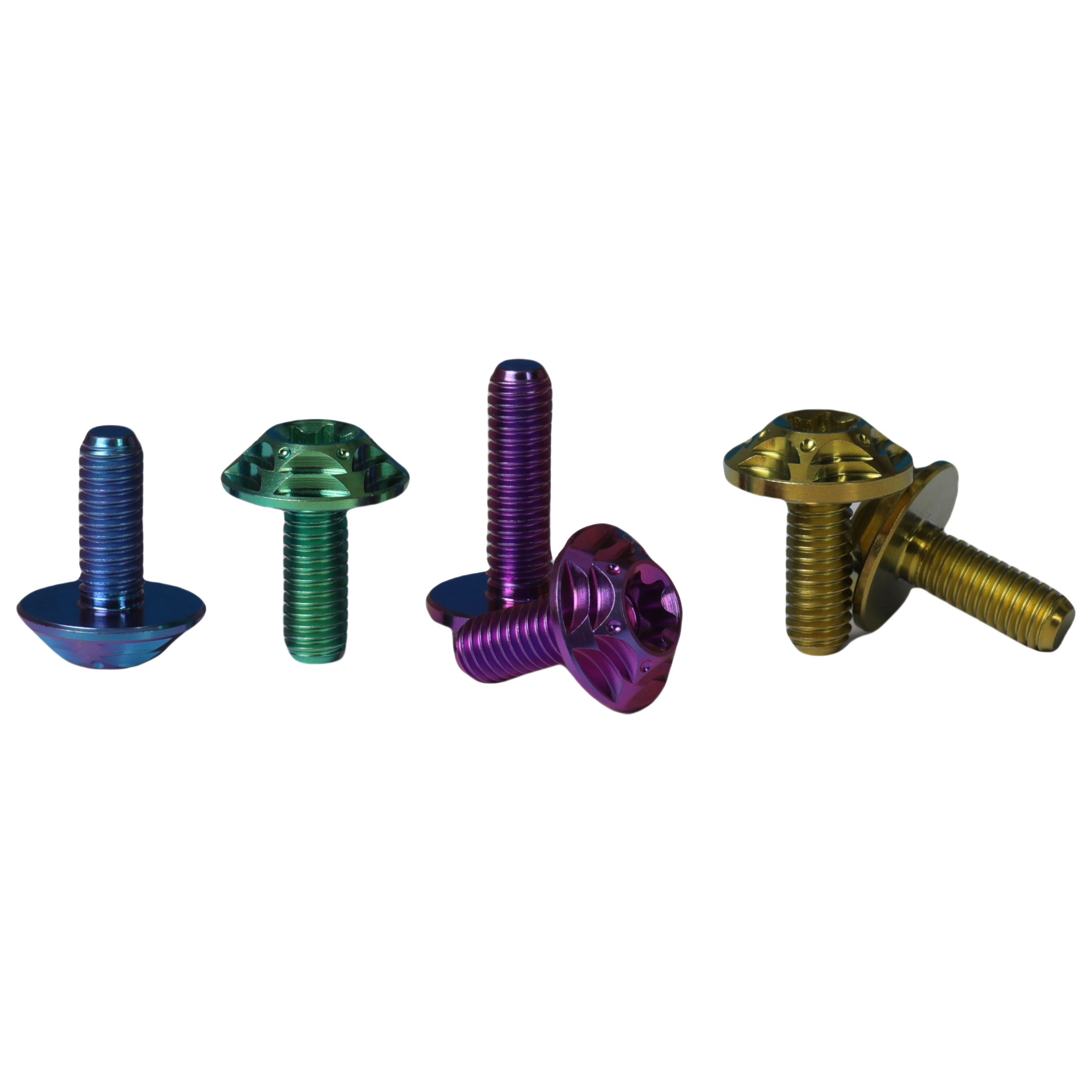
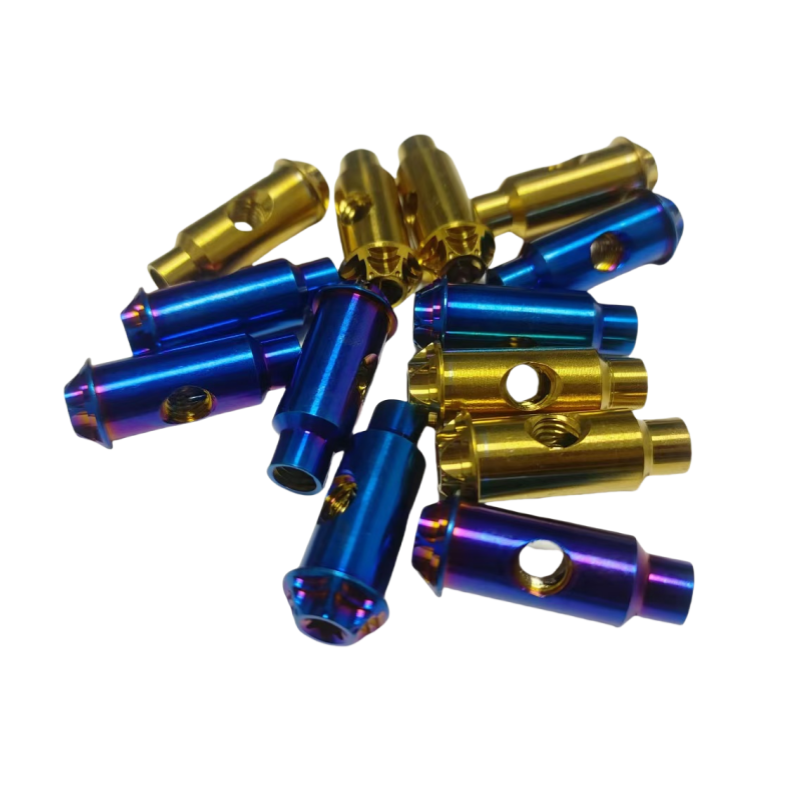
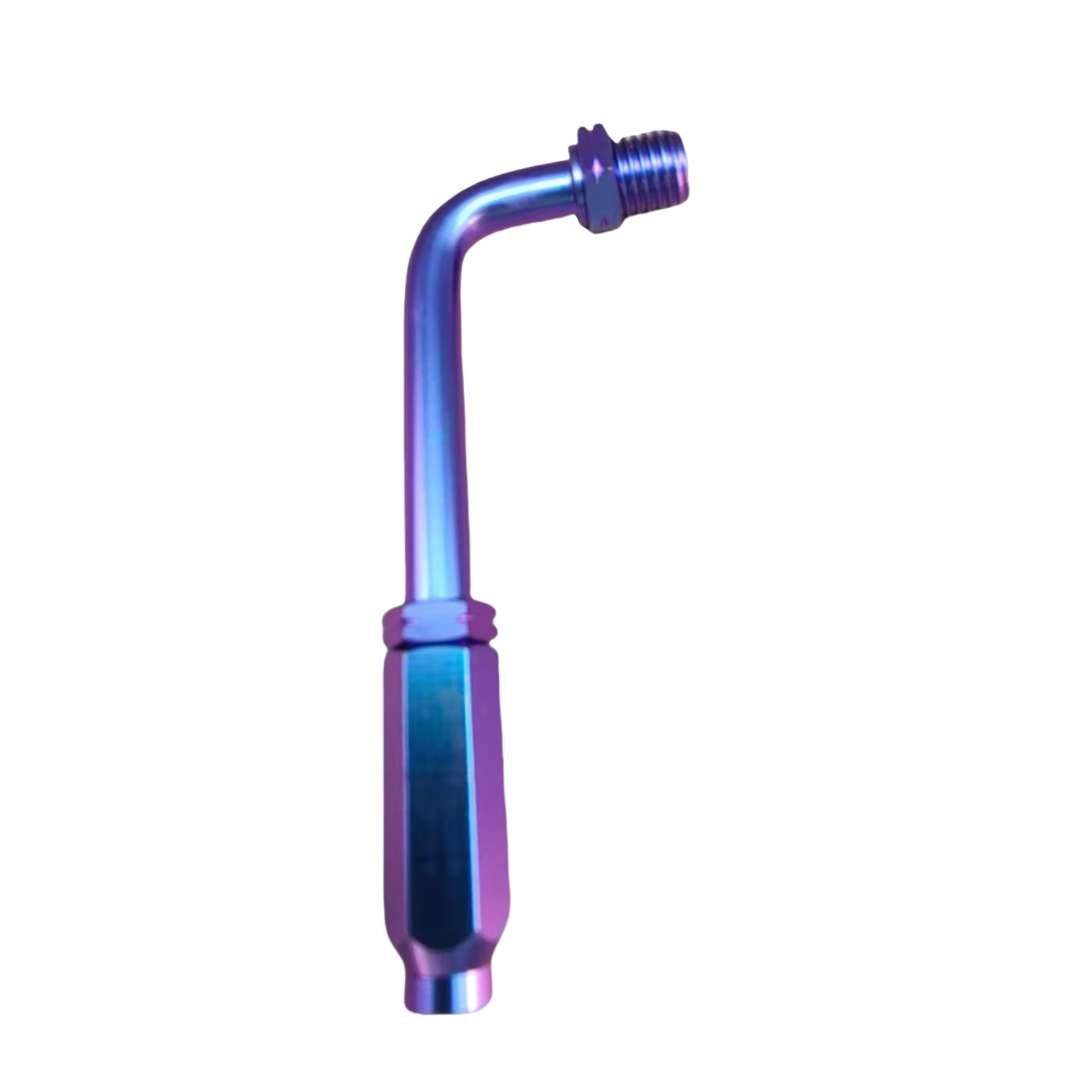
A comprehensive analysis of metallurgy, reciprocating inertia reduction, and high-tensile titanium adoption across Czech manufacturing sectors.
The Czech automotive corridor demands strict conformity to IATF guidelines and DIN fastener norms. In modern downsized internal combustion systems and hybrid-assisted powertrains, valve-train inertia and parasitic engine block mass are critical hurdles. Titanium engine fasteners—particularly valve retainers, cam-cover flange bolts, and oil gallery plugs—deliver superior vibration damping while shedding critical grams from structural castings without sacrificing preload integrity.
The Masaryk Circuit (Automotodrom Brno) serves as Central Europe's proving ground for GT touring, superbike, and hill-climb engineering. Unsprung and rotational engine masses directly impair throttle response and corner turnaround. Machined Ti-6Al-4V connecting-rod fasteners, flywheel bolts, and disc brake mountings handle intense cyclical thermomechanical stresses up to 400°C without the hydrogen embrittlement risks that plague zinc-electroplated ultra-high-strength carbon steels.
From light sport aircraft engine manufacturers near Uherské Hradiště to custom turbomachinery developers, titanium fasteners solve galvanic degradation and severe cyclic fatigue challenges. Zunvo's rolled-thread processes retain grain structure continuity along the root radius, which raises high-cycle fatigue threshold limits under turbulent airflow and mechanical resonate vibration typical of aviation-grade piston units.
Fastener failures in high-stress engines typically stem from two root causes: shear fatigue at thread run-outs and stress corrosion cracking under thermal flux. Standard 10.9 or 12.9 alloy steels provide adequate yield strength but fail progressively when exposed to aggressive salt deicers on Central European mountain passes or synthetic ester racing lubricants.
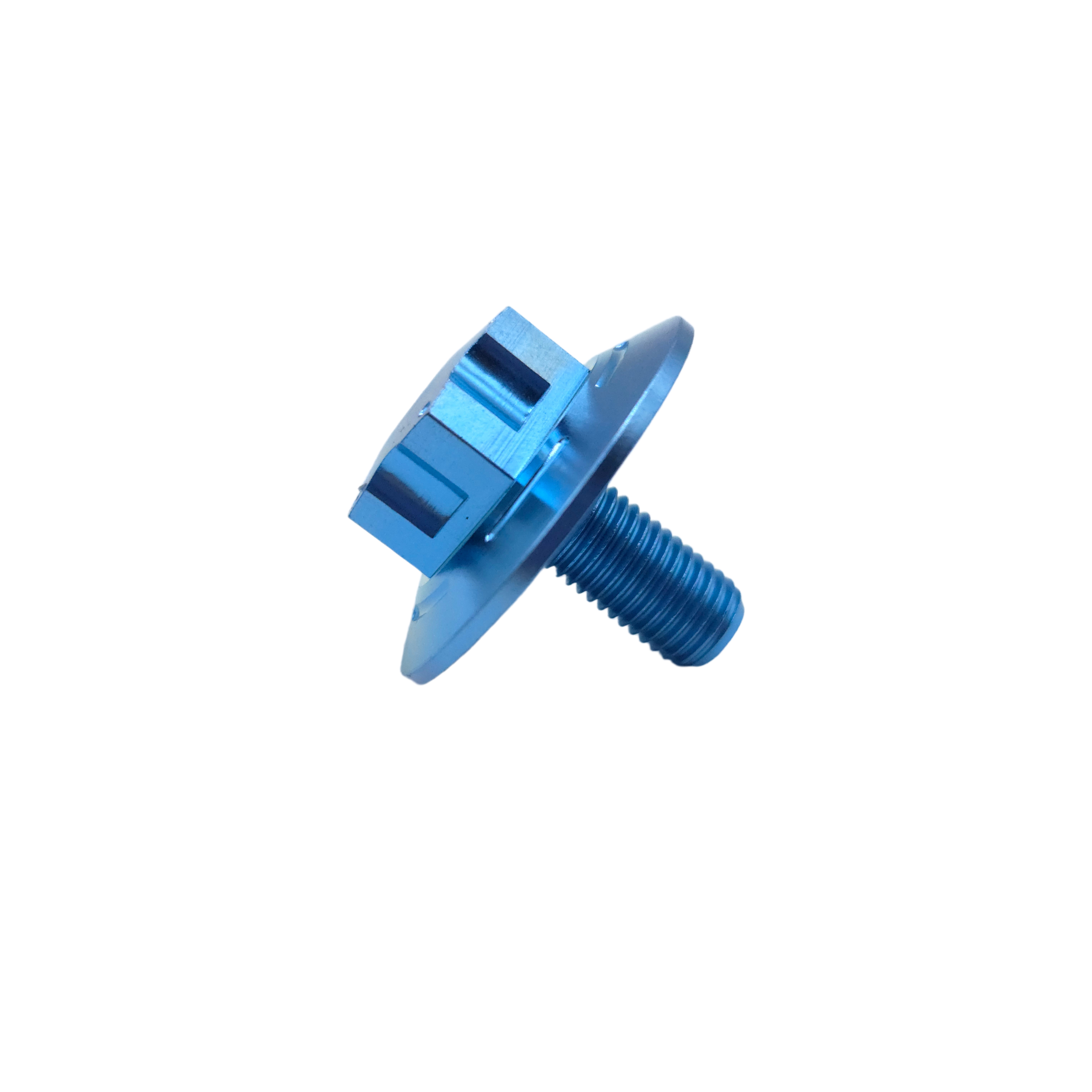
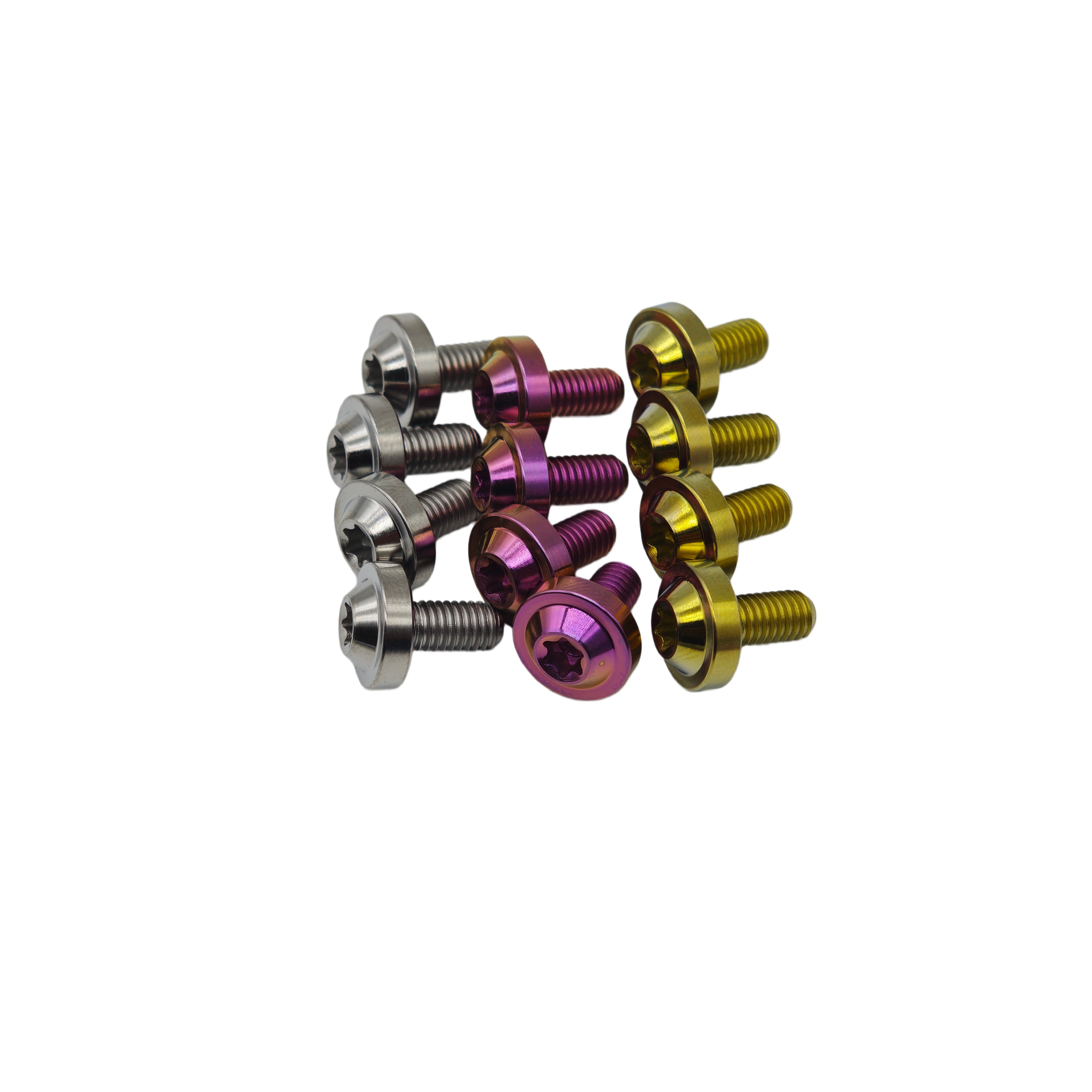
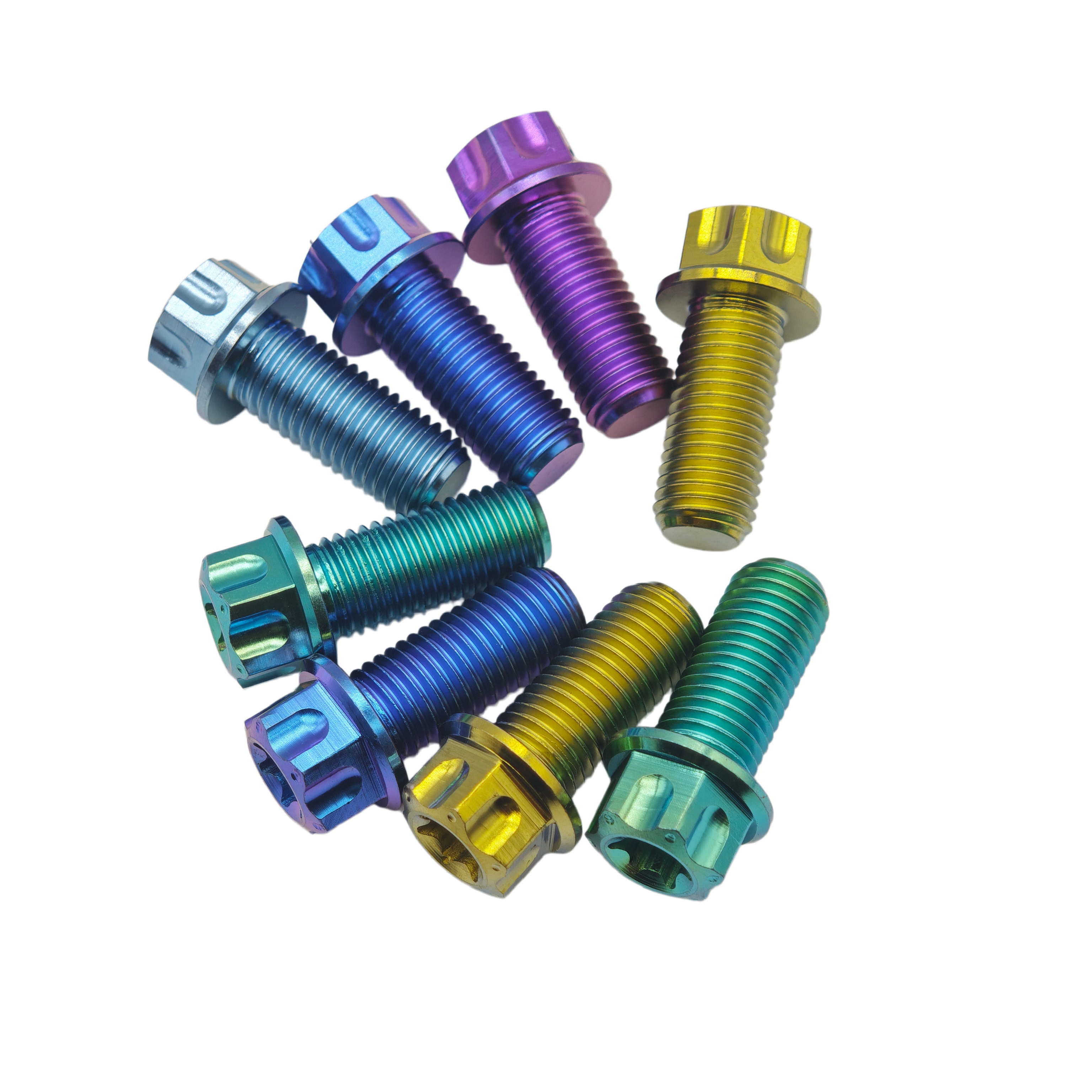
Grade 5 Titanium (Ti-6Al-4V, UNS R56400) boasts a specific yield strength exceeding that of structural martensitic stainless steel. Its stable, naturally reforming titanium dioxide (TiO₂) passivation layer renders it impervious to deicer chlorides, fuel derivatives, and brake fluids. Zunvo applies cold heading followed by multiaxis CNC thread turning or thread rolling, guaranteeing that the shear boundary complies fully with DIN 912, DIN 6921, and customized ISO 6g fitment parameters required by Czech automotive tier-subcontractors.
Data-driven selection parameters for mechanical engineering teams evaluating fastener conversion.
| Mechanical Parameter | Gr5 Titanium (Ti-6Al-4V) | Class 10.9 Carbon Steel | A2-70 Stainless Steel | 7075-T6 Billet Aluminum |
|---|---|---|---|---|
| Mass Density (g/cm³) | 4.43 (44% Mass Reduction) | 7.85 | 7.93 | 2.81 |
| Tensile Strength Rm (MPa) | ≥ 895 – 1050 | 1040 | 700 | 570 |
| Yield Point Rp0.2 (MPa) | ≥ 828 | 940 | 450 | 505 |
| Modulus of Elasticity (GPa) | 110 – 114 (Vibration Absorbing) | 210 | 193 | 72 |
| Corrosion Resistance (Chloride/Ester) | Immune (Self-Healing Passivation) | Requires Plating / Rust-Prone | Moderate (Pitting Risk) | Pitting & Galvanic Vulnerable |
| Operational Temperature Peak | 400 °C continuous | 250 °C | 350 °C | 120 °C |
How modernization and shifting supply chain dynamics influence titanium bolt procurement.
With the rapid shift toward battery-electric mobility in Central Europe, engineers are hunting for micro-weight reductions to balance heavy battery enclosures. Switching secondary chassis fixings, electric drive motor casing bolts, and suspension mounts from zinc-coated steel to Gr5 titanium sheds critical sprung weight while isolating components from electromagnetic corrosion.
Czech procurement managers are increasingly bypassing European retail middle-distributors to contract directly with verified Chinese manufacturing plants. Access to traceable mill test certificates, rapid CAD-to-sample turnaround within 3 days, and direct custom batch production allows Czech engineering houses to keep assembly lines lean without carrying bloated local inventories.
Winter conditions in the Krkonoše and Šumava ranges involve heavy salt, grit, and moisture cycles. Standard automotive bolts undergo catastrophic corrosion and head seizing after consecutive freeze-thaw cycles. Anodized and PVD-treated titanium components deliver lifelong non-galling thread reliability, reducing warranty claims for maintenance crews and racing squads alike.
Inside our verified Baoji manufacturing plant: specialized CNC machinery, rigorous thread-gauge calibration, and certified material stock.
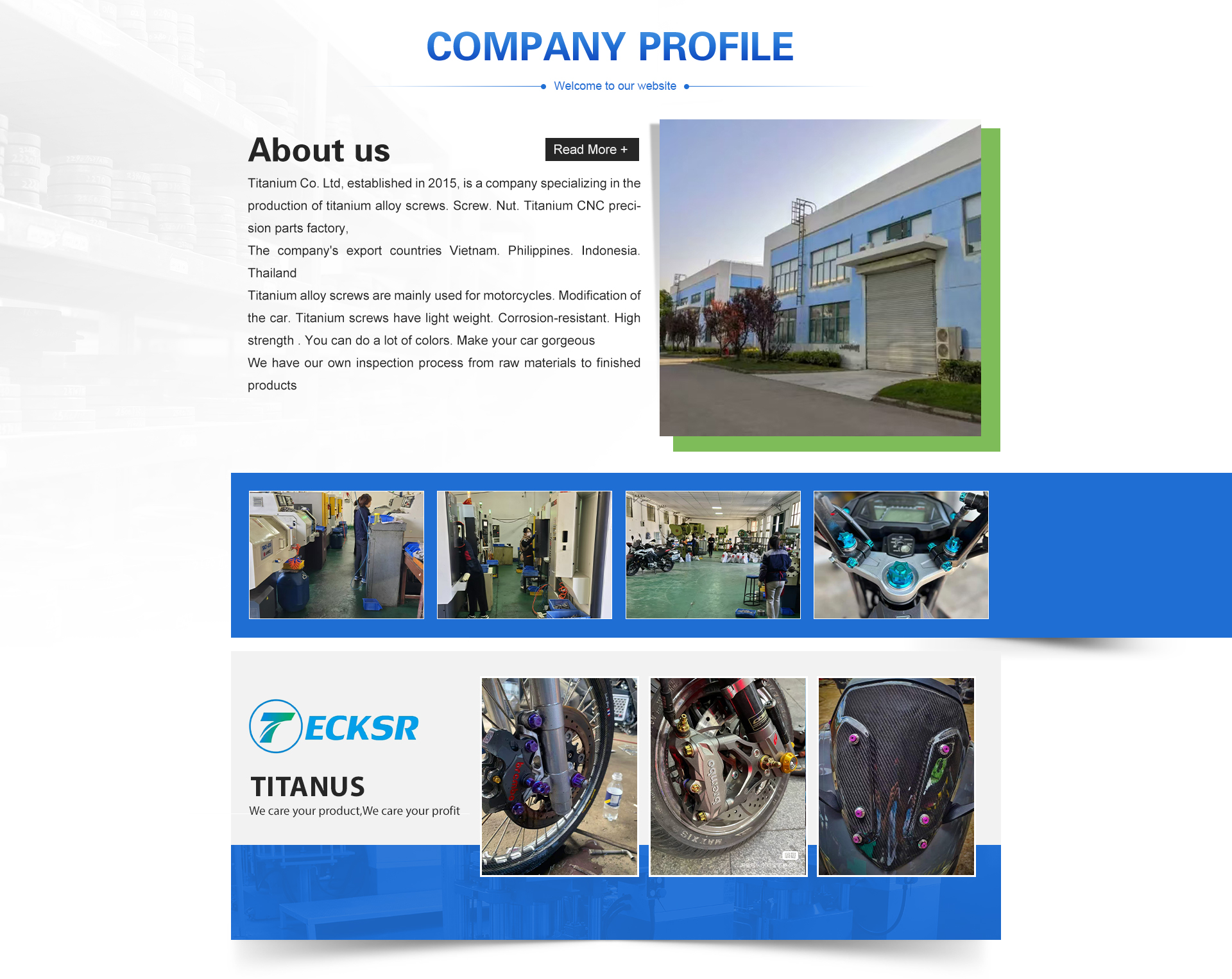
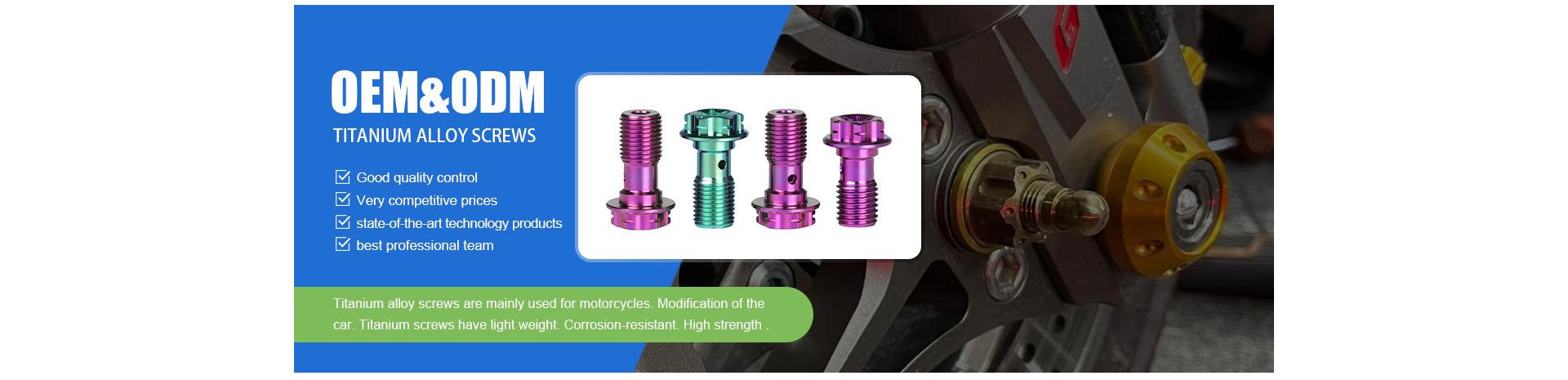

Combining verified metallurgical lineage with agile OEM engineering support for Czech B2B procurement.
Established in 2015 in Baoji, Shaanxi, our facility is situated alongside top smelters and billet mills. This grants us immediate access to certified Gr5 Ti-6Al-4V bar stock with complete heat-number batch traceability.
Equipped with 3-, 4-, and 5-axis CNC machining centers, we hit tolerances down to ±0.005 mm. Standard threads conform strictly to DIN, ISO, and UNF standards with 6g/6H tolerances for smooth assembly.
We supply sample turnaround within 3 days based on CAD/STEP drawings. Scaled mass production runs take 7 to 15 days, with door-to-door express logistics directly to Prague, Brno, Ostrava, or Plzeň.
With an average response window under 7 hours and a 66% repeat buyer rate, our technical team works as an extension of your mechanical design department, ensuring frictionless cross-border transactions.
Addressing engineering specifications, customs documentation, and assembly best practices.
Yes. Grade 5 (Ti-6Al-4V) titanium delivers a minimum tensile strength of 895–1050 MPa, closely matching Class 10.9 steel (1040 MPa) while saving 44% in mass. Because titanium has a lower elasticity modulus (~110 GPa vs 210 GPa for steel), it behaves as an elastomeric spring under dynamic load, absorbing cyclic engine vibrations better. However, engineers must review the joint's clamp load requirements, calculate the adjusted torque (typically 80–85% of dry steel torque when using copper- or MoS2-based anti-seize paste), and confirm that bolt elongation stays within tolerance.
We provide full export declarations under standard HS codes (such as 8108.90 for worked titanium articles). Shipments to Prague, Ostrava, or Brno are dispatched via DHL Express, FedEx, or air freight with DAP / DDP terms available. Commercial invoices, detailed packing slips, and EUR/CZK customs documentation are prepared in-house to ensure zero clearance holdups at Czech border entry hubs.
Titanium in contact with aluminum or stainless steel can experience galling under high-torque dry assembly. To prevent this, our Czech motorsport and industrial clients use anti-seize compounds (such as nickel- or copper-based paste) during installation. We also offer factory PVD coating and micro-arc oxidation treatments that build a wear-resistant surface barrier, dramatically reducing friction during thread engagement.
Every production lot ships with an EN 10204 3.1 Mill Test Certificate detailing the exact chemical composition (Ti, Al, V, Fe, C, N, H, O limits) and mechanical tensile, yield, and elongation values. We trace raw material bar lots directly to smelter heats in Baoji, providing Czech QA teams with complete documentation for their quality records.
Standard stock components are available with an entry MOQ of 100 dozen. For custom drawing-based parts (custom flange profiles, non-standard threading, or safety wire drilling), our initial prototyping MOQ starts at just 100 pieces. This gives Czech engineering teams room to carry out dyno stress tests and fitment reviews before committing to larger production runs.
Whether you are building custom superbike crankcases, light aviation turbines, or high-performance automotive platforms across the Czech Republic, our Baoji engineering team can review your specifications and supply a quote within 7 hours.
Contact Us