DIN 912
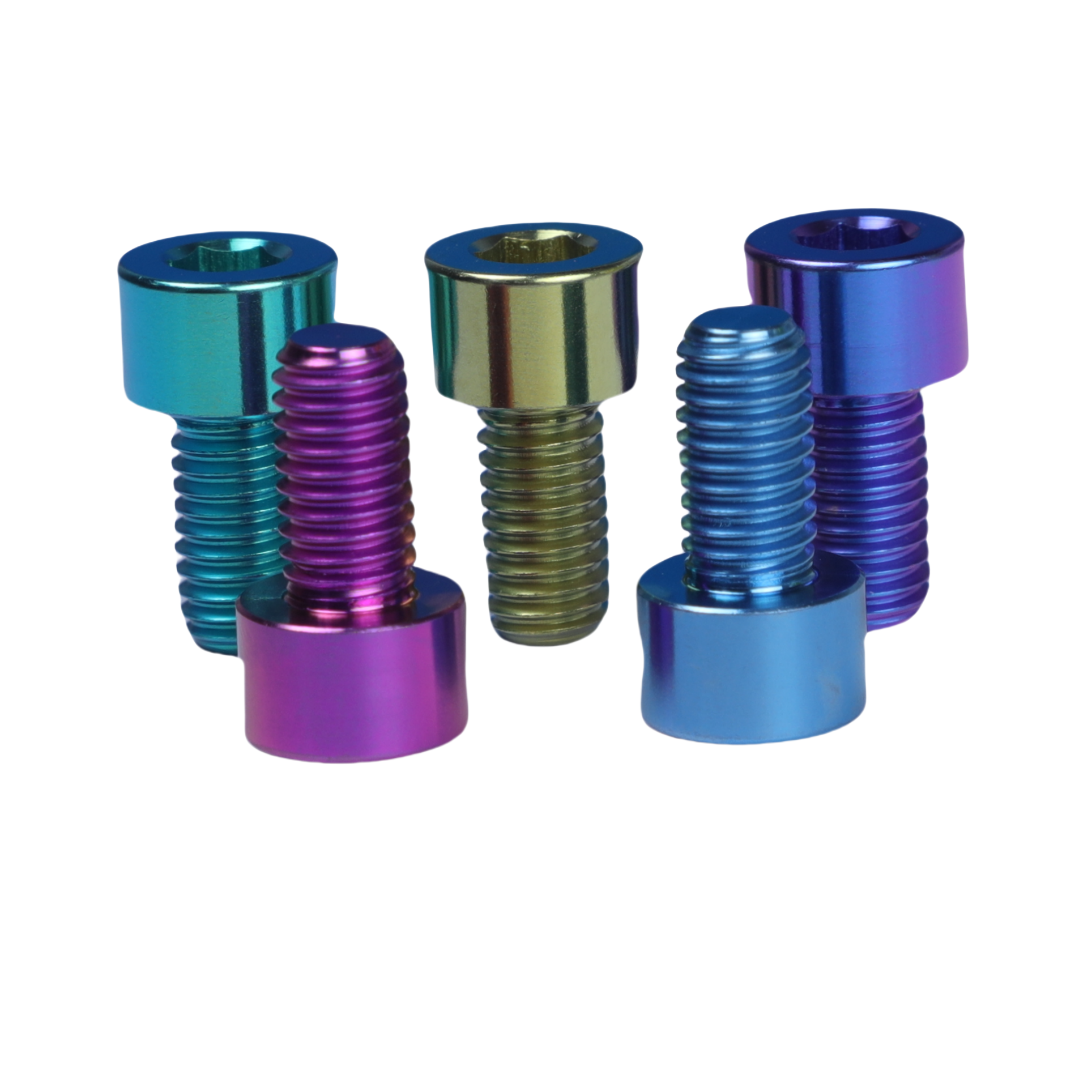
High Quality DIN912 GR5 Titanium Hexagon Socket Head Bolts
- StandardDIN 912 / ISO 4762
- MaterialTi-6Al-4V (Grade 5)
- Thread PitchMetric M3 – M16
- Tensile Strength≥ 950 MPa
All fasteners are CNC-machined from cold-drawn, mill-certified Ti-6Al-4V Grade 5 titanium bars. Fully interchangeable with OEM metric and UNF standards, featuring rolled threads for maximum resistance to shear and high-RPM cyclic fatigue.
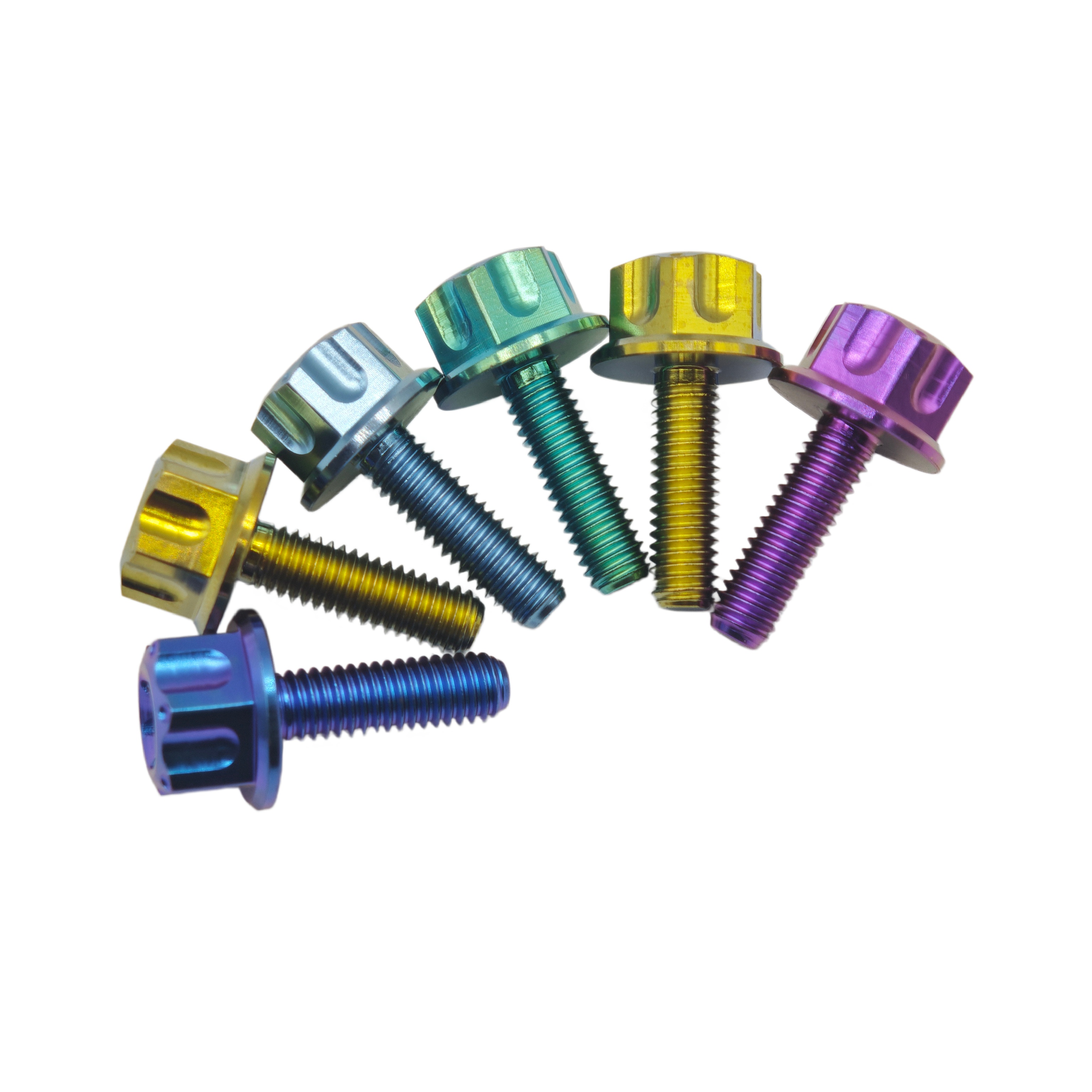
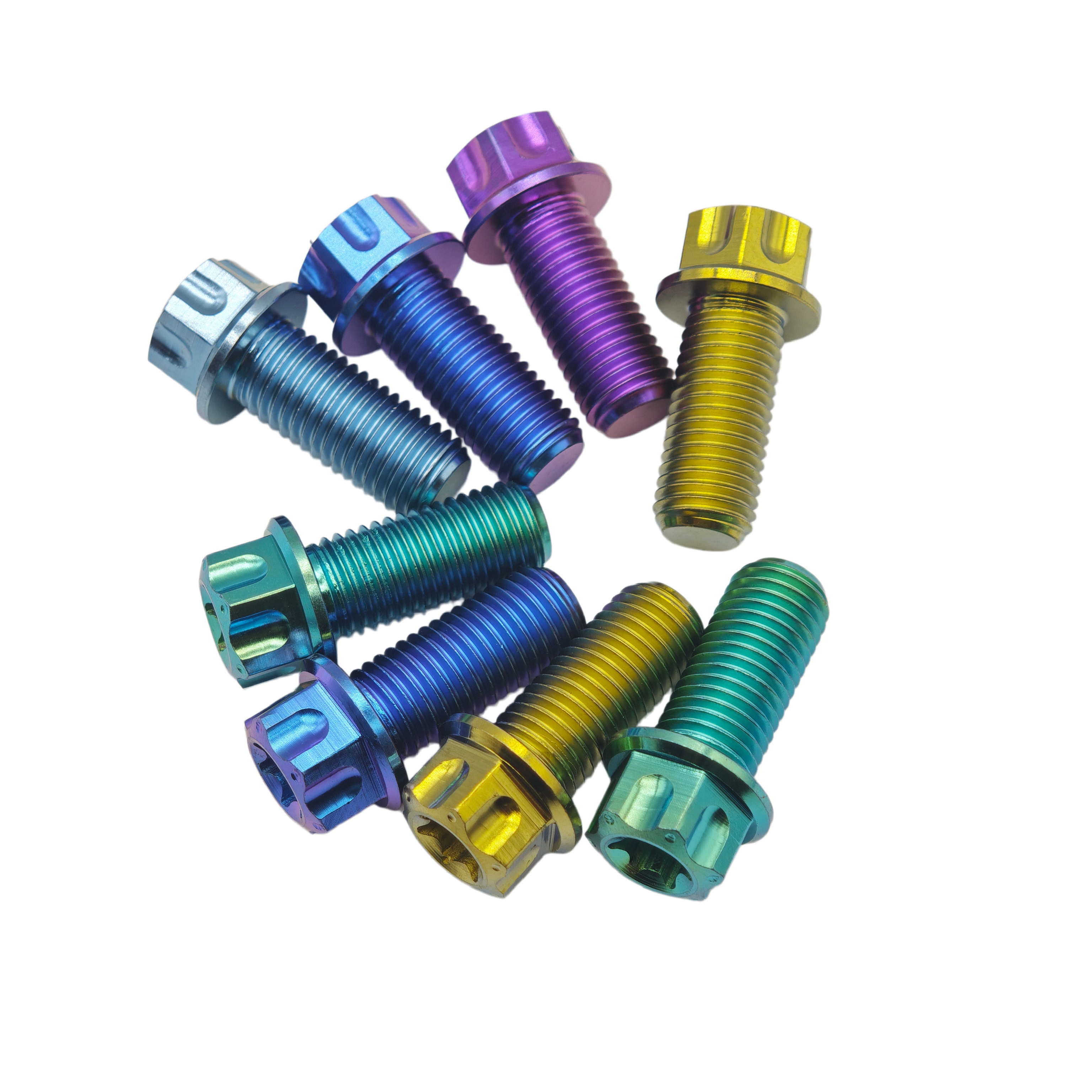
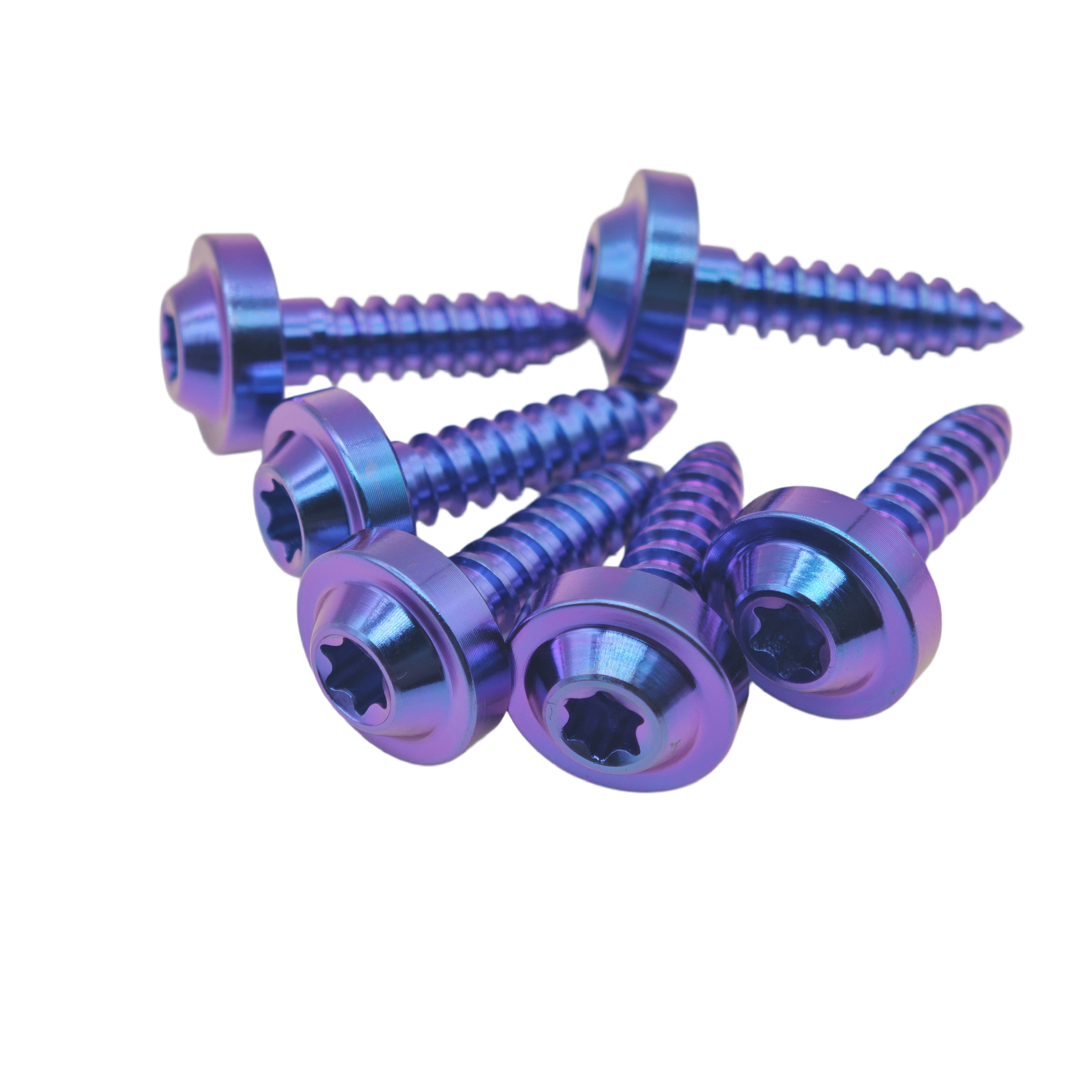
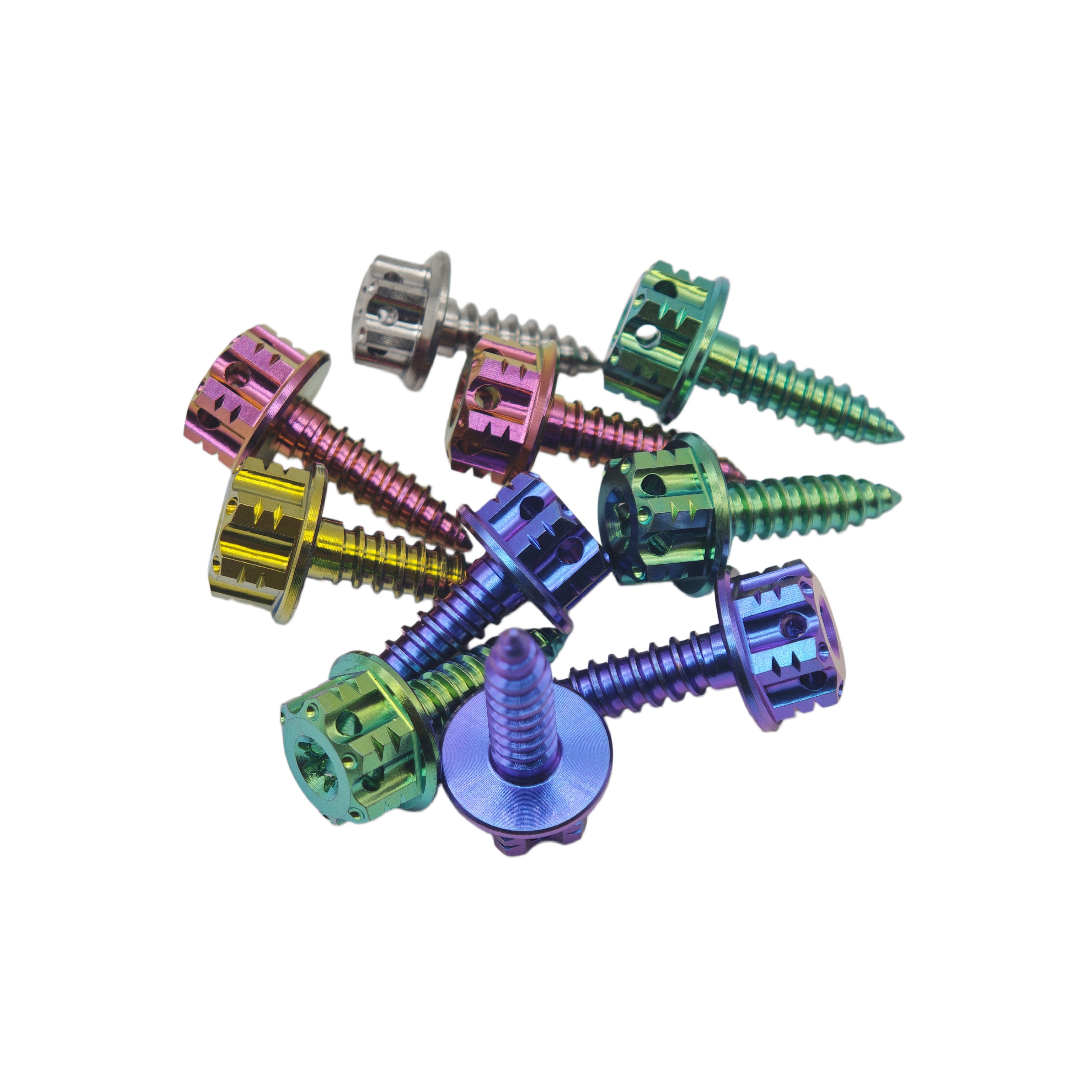
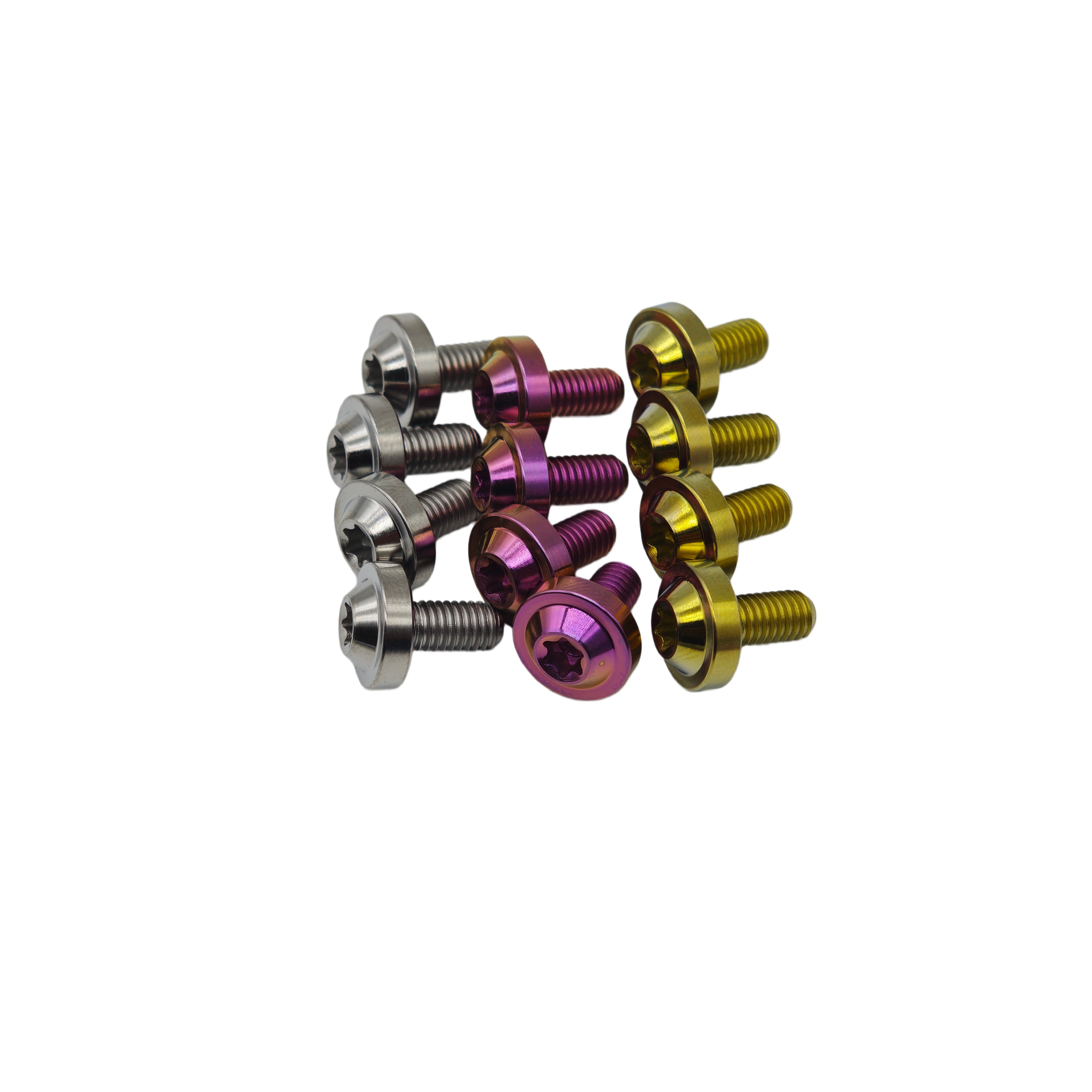
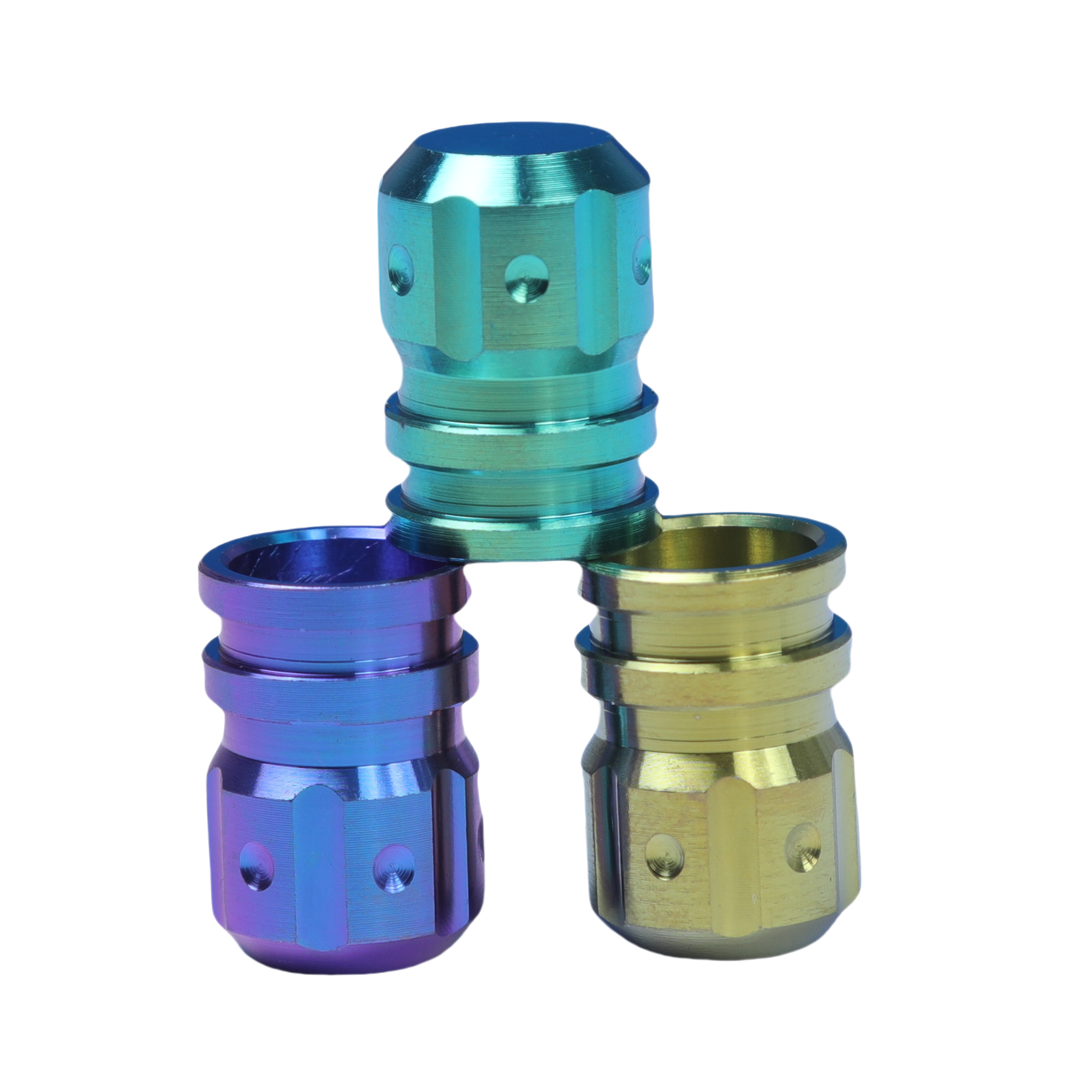
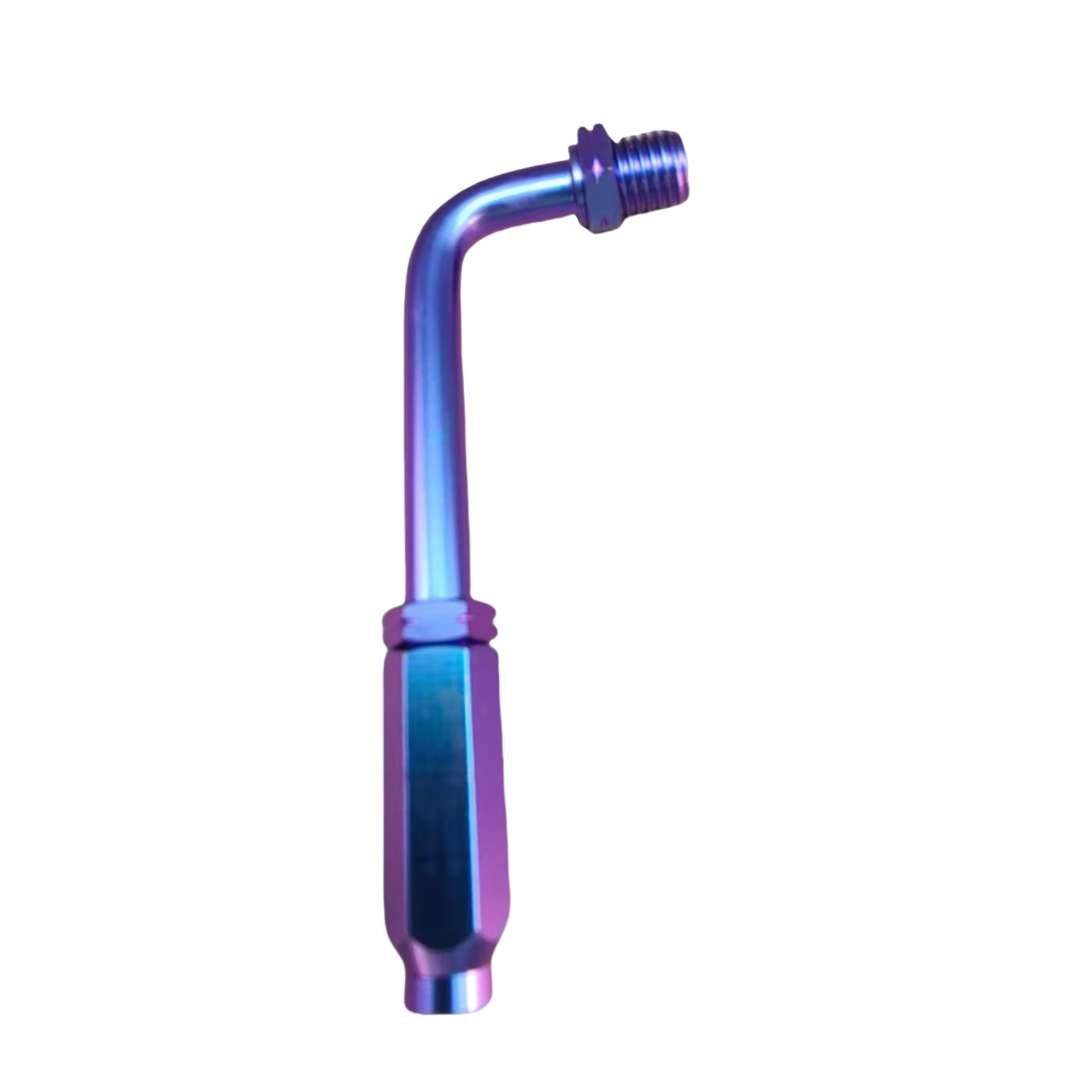
Understanding the mechanical advantages, high-temperature elasticity, and fatigue life of aerospace Grade 5 titanium fasteners across high-stress internal combustion and hybrid powertrains.
High-performance engine assembly demands hardware that maintains axial clamp load amidst severe thermal expansion gradients. In modern multi-cylinder engine blocks, aluminum and magnesium alloy casings expand at rates up to 22 × 10-6/K, whereas standard Grade 10.9 or 12.9 carbon steel bolts expand at roughly 11 × 10-6/K. This disparity creates intense fluctuating mechanical loads between the cylinder head, case halves, and crank journals. Grade 5 titanium alloy (Ti-6Al-4V, UNS R56400) boasts a coefficient of thermal expansion of 8.6 × 10⁻⁶/K coupled with an elastic modulus of approximately 114 GPa—roughly half that of structural steel (205 GPa).
This lower Young’s modulus provides titanium engine bolts with elastic "stretch memory," enabling them to act as internal springs that flex and recover under intense thermal excursion rather than necking or experiencing plastic deformation. For automotive engineers and racing developers across the Ljubljana-Novo Mesto industrial axis, replacing standard alloy steel with titanium prevents head gasket failure, avoids thread strip-out in aluminum blocks, and significantly diminishes rotational and reciprocating mass in valvetrain hardware.
| Mechanical / Chemical Property | Ti-6Al-4V (Grade 5 Titanium) | Class 10.9 Structural Steel | A4-80 Stainless Steel | 7075-T6 Aerospace Aluminum |
|---|---|---|---|---|
| Mass Density (ρ) | 4.43 g/cm³ (Lightweight Benchmark) | 7.85 g/cm³ (+77% heavier) | 8.00 g/cm³ (+80% heavier) | 2.81 g/cm³ (−36% lighter) |
| Ultimate Tensile Strength (UTS) | ≥ 950 – 1050 MPa | 1000 – 1040 MPa | 800 MPa | 570 MPa |
| Yield Strength (0.2% Offset) | ≥ 880 – 920 MPa | 900 – 940 MPa | 600 MPa | 505 MPa |
| Specific Strength (Strength/Density) | 214 kN·m/kg (Superior) | 127 kN·m/kg | 100 kN·m/kg | 202 kN·m/kg |
| Modulus of Elasticity (E) | 110 – 114 GPa (Shock Absorbing) | 205 GPa | 193 GPa | 71.7 GPa |
| Resistance to De-Icing Salts & Glycol | Immune (Stable TiO₂ Passive Layer) | Severe Corrosion / Rusting | Pitting Risks > 60°C | Galvanic Stress Cracking |
| Fatigue Limit (10⁷ Cycles, Notched) | 510 MPa (High Endurance) | 420 MPa | 280 MPa | 160 MPa |
At our Baoji manufacturing plant, titanium engine fasteners are not simply machined from rod stock on standard CNC lathes. Single-point cut threads disrupt the continuous grain boundary flow of the titanium bar, introducing microscopic notch points that drastically reduce cycle life under the high-frequency vibrations typical of Slovenian rally racing and Autobahn cruising.
Instead, we employ hot and warm heading for bolt blank creation, followed by specialized cold thread rolling under high-tonnage hydraulic presses. This burnishing action creates uninterrupted grain fibers along the thread contours and induces beneficial compressive stresses at the thread roots. The resulting thread profile exhibits up to 35% higher shear fatigue resistance, ensuring that engine bolts subjected to violent crankcase pressure fluctuations and exhaust thermal pulses never suffer catastrophic shear fracture.
Slovenia possesses one of Central Europe's most concentrated automotive supply corridors. Our factory direct export operations deliver precision hardware straight into the industrial logistics hubs of the Ljubljana Basin.
Slovenia is world-renowned for advanced high-performance exhaust engineering, centered around Ivančna Gorica and the outskirts of Ljubljana. Our Grade 5 titanium studs and hex flange lock-nuts withstand constant exhaust gas temperatures up to 450°C without galling, scaling, or seizing.
From the Ilirska Bistrica European Hill Climb to regional rally stages, Slovenian motorsport teams compete on steep, demanding Alpine topography. Reducing unsprung chassis weight and engine assembly mass with our M6–M12 titanium fasteners sharpens vehicle throttle response and cornering precision.
Surrounding the University of Ljubljana’s engineering clusters and innovative light aircraft clusters (such as in Ajdovščina), development teams rely on our custom CNC drawing-to-part manufacturing for next-generation electric drone power units and hybrid vehicle powertrains.
A chronic challenge facing engine bays and underbody fasteners across Central Europe—particularly throughout the Dinaric Alps and the Karawanks surrounding Ljubljana—is severe exposure to de-icing agents. Winter maintenance teams heavily deploy sodium chloride ($NaCl$) and calcium chloride ($CaCl_2$), transforming slush into an aggressive electrolyte.
Conventional zinc-plated or black-oxide steel engine hardware experiences severe galvanic rust, embrittlement, and seizing within 24 to 36 months, complicating routine servicing. Stainless steel (A2 or standard 304) is highly prone to crevice corrosion and stress corrosion cracking when exposed to hot chloride environments near engine blocks. Grade 5 titanium instantly develops an amorphous, chemically inert titanium dioxide ($TiO_2$) ceramic passivation skin upon contact with air or moisture. This natural barrier remains impenetrable across pH ranges from 2 to 12, guaranteeing zero pitting, zero galvanic binding, and effortless disassembly year after year.
As European emissions standards tighten and performance metrics pivot toward energy optimization, fastener specifications are evolving rapidly.
With modern hybrid sports sedans and electric platforms carrying heavy battery packs, OEM Tier-1 suppliers across Slovenia are shaving mass from structural brackets, inverter casings, and drive units using M5–M10 titanium fasteners to maintain optimal power-to-weight balance.
Anodized finishes are prized for aesthetics, but the market in Ljubljana is shifting toward advanced PVD Diamond-Like Carbon (DLC) and Titanium Nitride (TiN) hard coatings. These sub-micron films deliver surface hardness upwards of 2500 HV, eliminating friction in high-wear rotating assemblies.
EU procurement standards strictly enforce material origin documentation. Slovenian industrial workshops mandate mill test reports detailing exact chemical melt compositions (Al 5.5–6.75%, V 3.5–4.5%, Fe ≤ 0.30%, O ≤ 0.20%) to safeguard against non-conforming industrial stock.
Headquartered in Baoji, China—recognized globally as "Titanium Valley"—we bridge prime metallurgical raw ingot production with sophisticated multi-axis CNC finishing, providing unmatched cost-to-quality control for our European partners.
Unlike intermediate trading firms or localized machining shops that purchase generic bar stock from uncertain secondary distributors, our production pipeline begins with virgin titanium sponge. We maintain direct supply relationships with first-tier smelters, executing vacuum arc remelting (VAR) to ensure zero interstitial gas voids or tungsten contamination in the alloy crystal lattice.
Every production run destined for export to Slovenia undergoes rigorous physical testing: optical spectroscopy for exact stoichiometry, eddy-current and ultrasonic detection for internal bar micro-cracks, and multi-axis Coordinate Measuring Machine (CMM) inspections verifying tolerances down to ±0.005 mm. Whether your procurement requires 100 sets of specialized oil sump drain plugs or 50,000 units of DIN 912 engine casing bolts, our lean production cells ensure consistent metallurgical consistency from the first bolt to the last.
Every single external thread is checked against calibrated ISO 6g ring gauges, eliminating thread binding during high-torque engine installations in assembly cleanrooms.
Have a custom engine casing, cylinder head stud, or bespoke bracket drawing? Send us your STEP, IGES, or DWG files. We ship physical prototypes directly to Ljubljana via DHL Express in 3 working days.
We handle export packing, customs clearance documentation, TARIC classification, and direct delivery straight to your warehouse in the Ljubljana industrial district, Koper, or Maribor.
Clear, technically rigorous answers addressing torque compensation, anti-galling installation, material certifications, and European import operations.
Yes. Grade 5 titanium offers an ultimate tensile strength of 950–1050 MPa and yield strength of ~900 MPa, directly matching the mechanical strength baseline of 10.9-rated steel hardware while shedding 44% of overall weight. For critical internal reciprocating components (e.g., connecting rod bolts or flywheel bolts specified at 12.9), please consult our engineering department for finite element validation and custom high-tensile titanium options.
Titanium has a high friction coefficient against aluminum and stainless steel. When installing dry, micro-welding or galling can occur under high preload torque. We strongly recommend applying a high-grade molybdenum disulfide ($MoS_2$) assembly paste, an aerospace nickel anti-seize, or a copper slip compound to the threads. This stabilizes friction coefficients (μ ≈ 0.10–0.12) and guarantees accurate clamping pre-load.
Due to the lower friction characteristics of lubricated titanium and its lower modulus of elasticity, we generally recommend applying roughly 85% to 90% of the OEM steel torque value when utilizing recommended anti-seize pastes. For instance, an OEM steel bolt requiring 20 N·m should typically be torqued to approximately 17–18 N·m in titanium to achieve identical axial clamping tension.
Catalog inventory items (standard DIN 912, hex flange screws, valve caps) are dispatched within 24 hours. Custom drawing-to-spec production batches require 7 to 15 business days. We partner with DHL, UPS Express, and air freight forwarders delivering into Ljubljana Jože Pučnik Airport (LJU) within 3 to 5 business days, complete with automated tracking and seamless customs release.
Every order is accompanied by an EN 10204 3.1 Material Test Certificate traceable to the original furnace heat batch. This report itemizes the chemical elemental assay, tensile yield tests, elongation percentages, and hardness readings (HRC/HV). Full dimensional inspection data sheets and RoHS / REACH declarations are provided on request.
For standardized fasteners, our minimum order quantity starts from small evaluation packs of 100 to 200 units. For bespoke CNC components manufactured to your proprietary engineering drawings or physical samples, our prototyping batch starts from just 50 to 100 pieces, enabling seamless fitment validation before initiating volume manufacturing runs.
Connect directly with our Baoji engineering headquarters. Whether you require standard DIN/ISO aerospace fasteners or full bespoke CAD/CAM manufacturing for the Ljubljana motorsport, tuning, and automotive sectors, our metallurgical specialists are ready to provide technical review, instant volume quoting, and rapid sampling.
