Precision Fasteners & Motorsport Exhaust Hardware
Manufactured from aerospace-grade Ti-6Al-4V rod stock with rolled threads, tight tolerances (±0.005 mm), and custom anodic oxidation finishes.
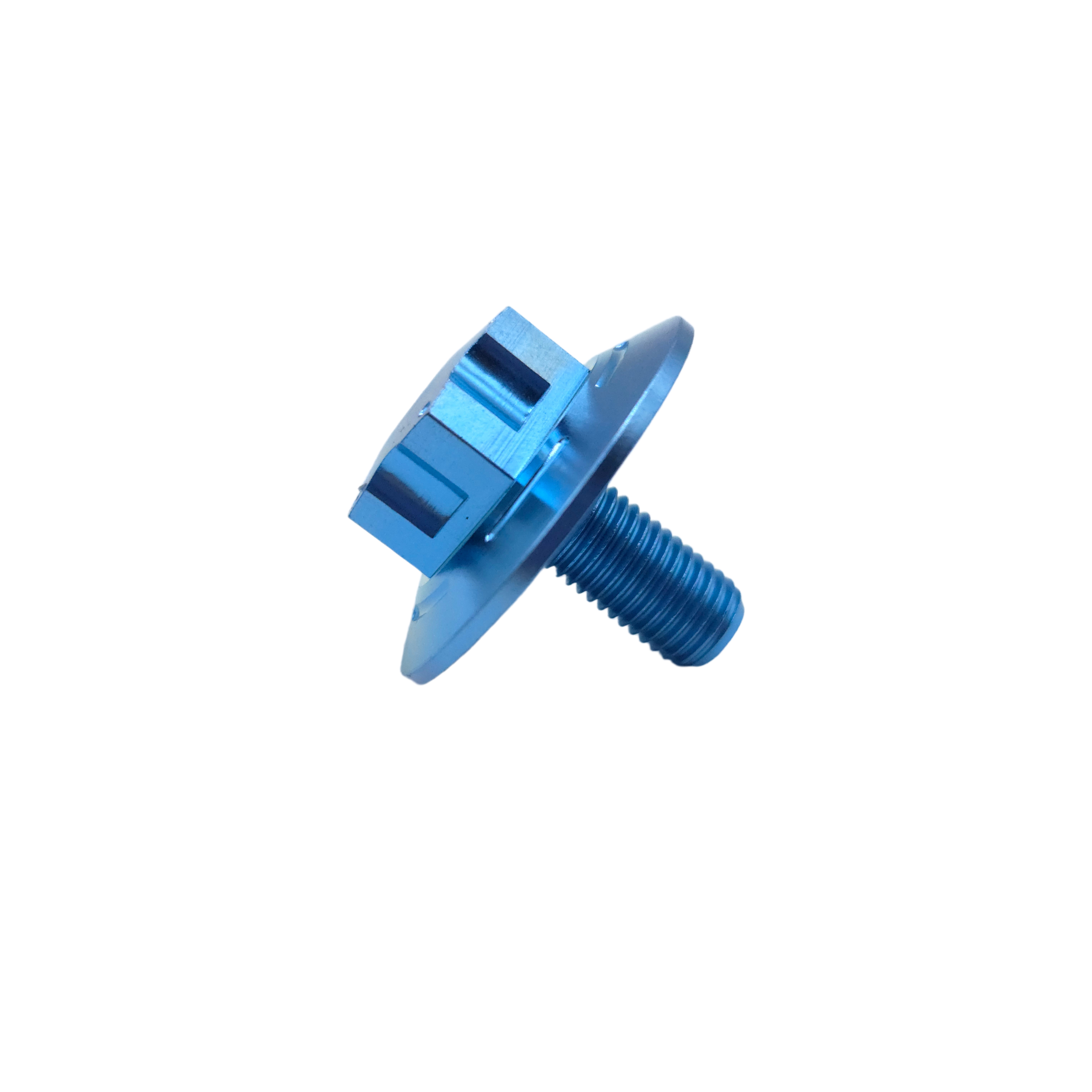
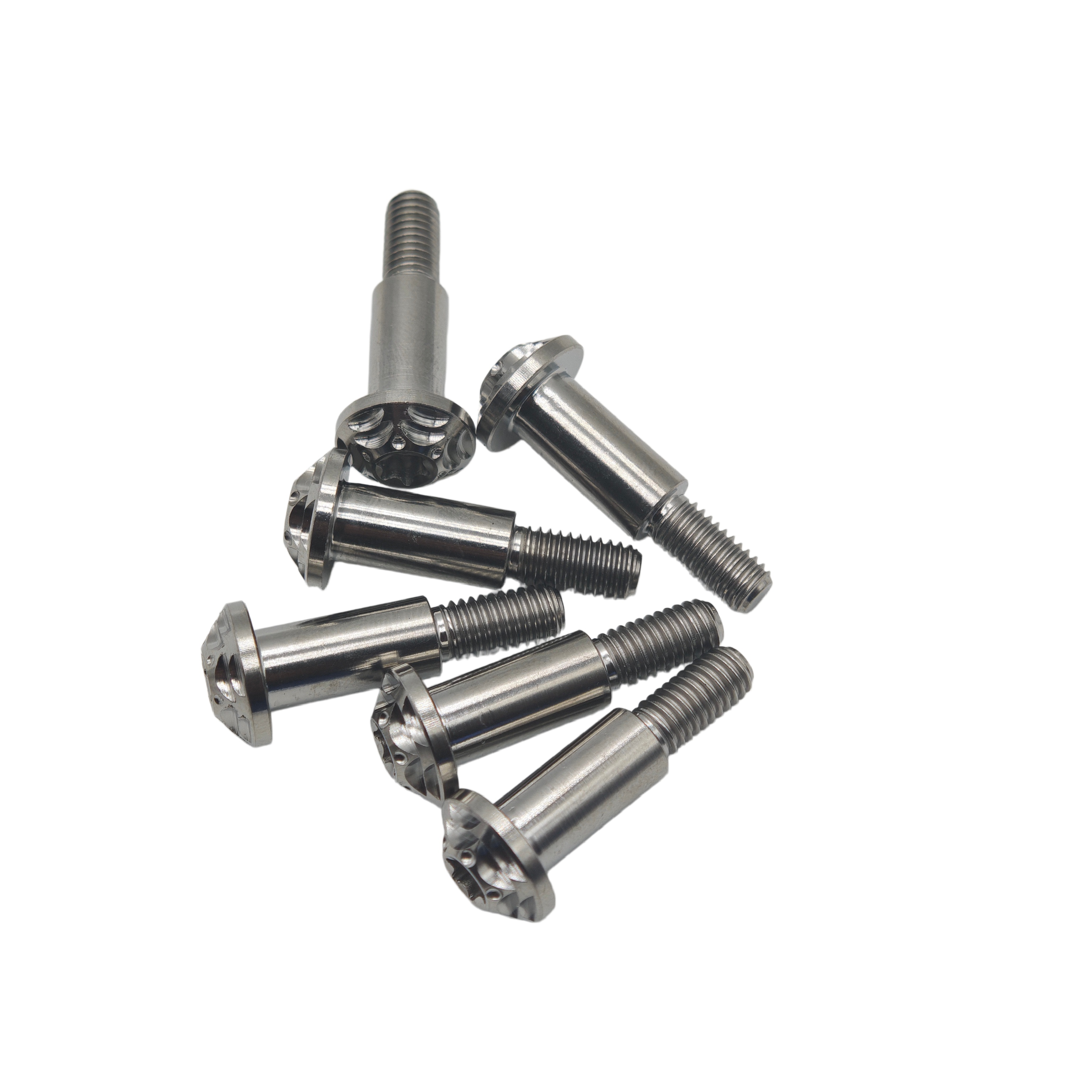
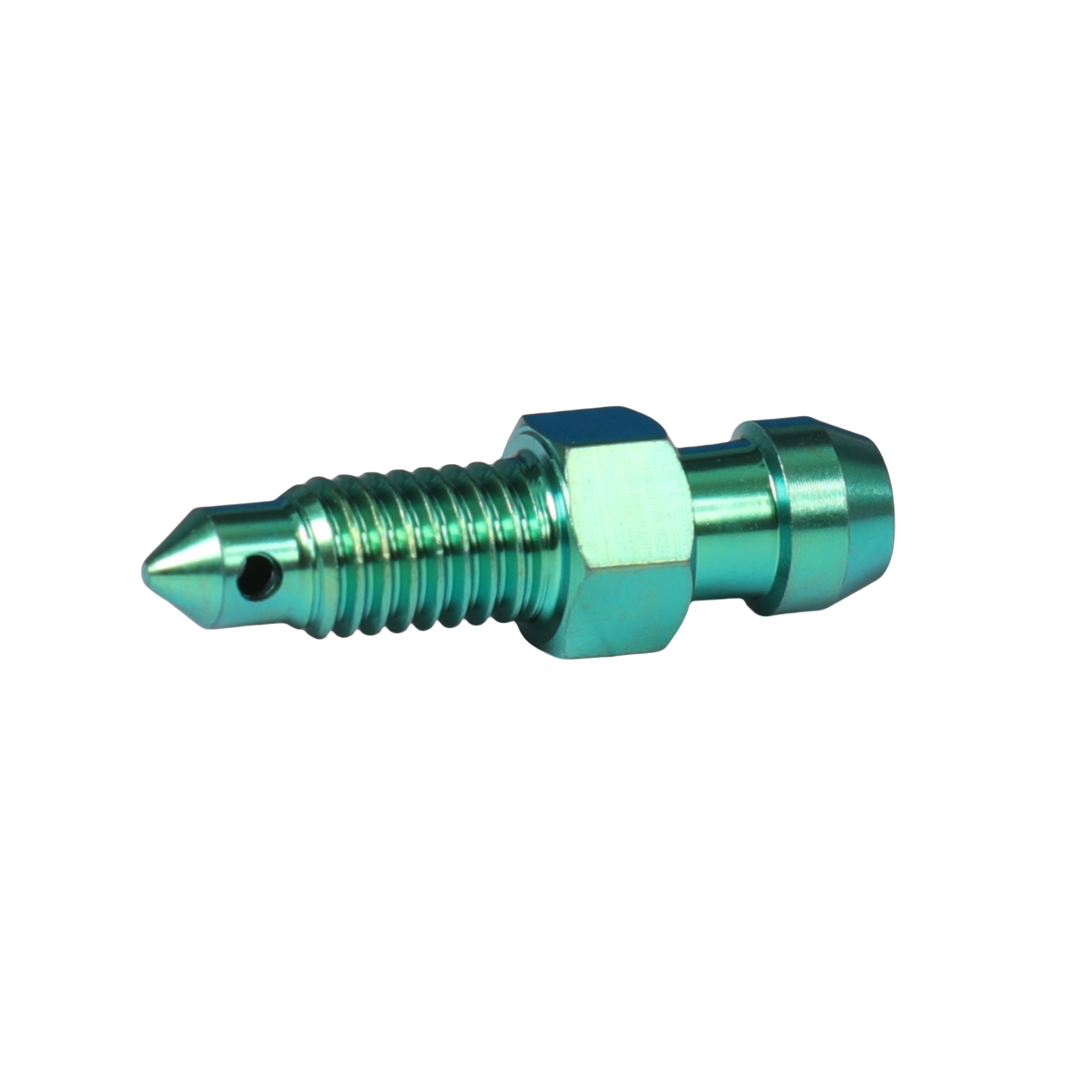
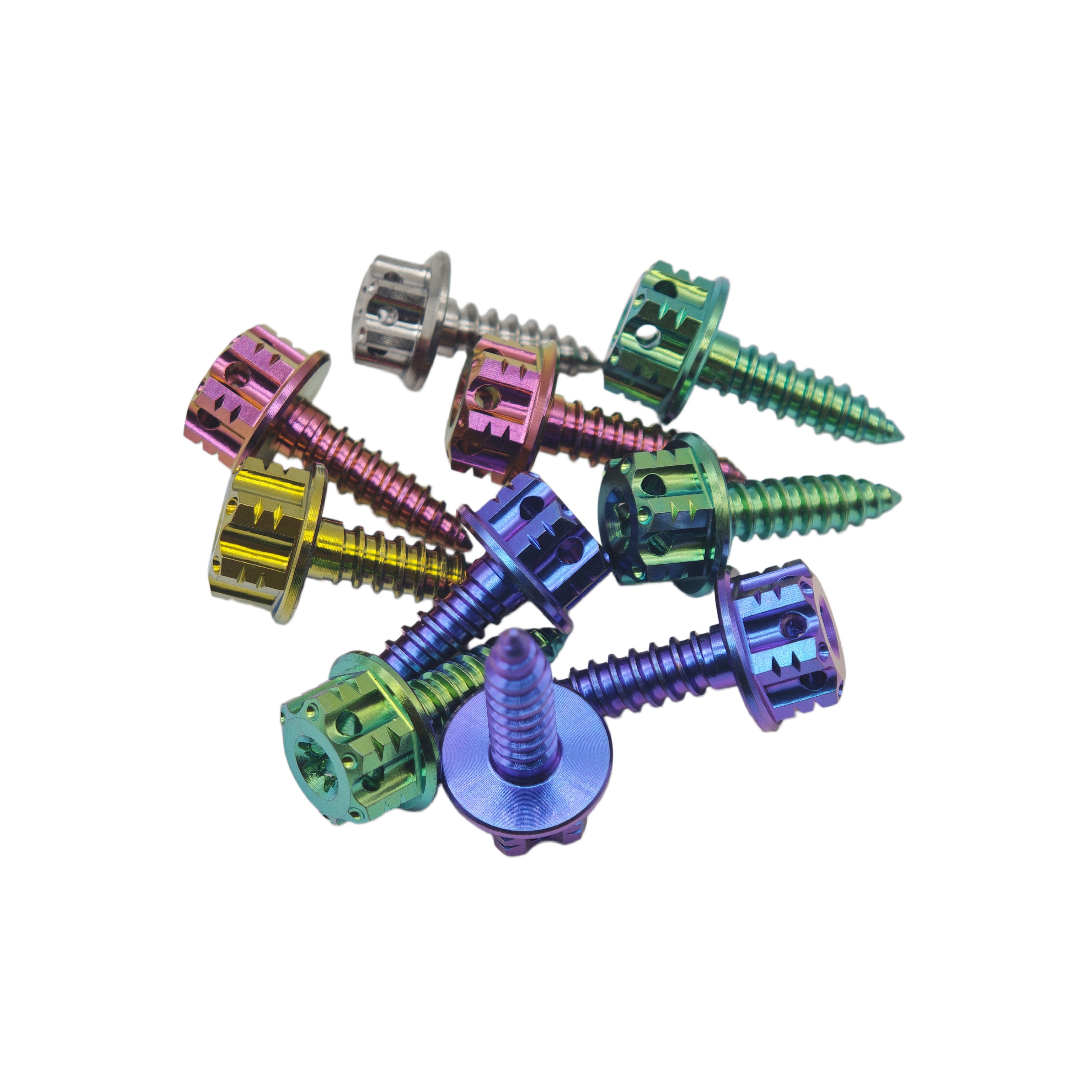
High-Temperature Fastening Dynamics in Modern Exhaust Architecture
An engineering evaluation of Grade 5 Ti-6Al-4V studs in high-stress, cyclic-thermal manifold interfaces across automotive OEM and tuning platforms.
The automotive and industrial production ecosystem of Gwangju Metropolitan City—anchored by massive manufacturing centers such as the Kia AutoLand Gwangju production complex, Gwangju Global Motors (GGM), and an extensive tier-supplier network across the Bitgreen National Industrial Complex—operates under stringent thermal and structural efficiency benchmarks. In modern internal combustion engines (ICE), high-efficiency turbocharged setups, hybrid-assisted powertrains, and high-performance racing platforms, the cylinder-head-to-exhaust-manifold interface experiences extreme cyclic mechanical stresses and thermal shock that standard carbon steel (Class 8.8 / 10.9) and standard austenitic stainless steels (SUS304 / SUS316) frequently fail to sustain over extended duty cycles.
Engineering Principle: In turbocharged exhaust tracts where temperatures oscillate between ambient cold-starts and peak operation above 750°C, traditional steel studs suffer severe differential thermal expansion relative to aluminum cylinder heads (A356/A380 alloys), accelerating creep relaxation, localized thread yield, and destructive manifold gasket blow-outs. Grade 5 Titanium (Ti-6Al-4V) mitigates thermal expansion stress concentrations while providing an imperious defense against galvanic oxidation and road-salt corrosion.
1. The Thermodynamics of Manifold Fasteners: Titanium vs. Steel
A primary reason engine builders and powertrain validation teams in the Gwangju market transition to Ti-6Al-4V Grade 5 titanium exhaust studs is the Coefficient of Thermal Expansion (CTE). Cast aluminum cylinder heads expand at roughly 21 to 24 × 10⁻⁶/K. Austenitic stainless steels expand at roughly 16 to 18 × 10⁻⁶/K, whereas carbon steel expands at 11 to 12 × 10⁻⁶/K. Grade 5 titanium demonstrates a remarkably stable CTE of approximately 8.6 to 9.2 × 10⁻⁶/K, coupled with an elastic modulus of ~114 GPa—approximately half that of steel (205 GPa).
This lower elastic modulus acts as a structural spring washer within the fastened joint. As the exhaust manifold heats and expands transversely against the cylinder head, the Ti-6Al-4V stud flexes elastically through repeated thermal cycles without exceeding its yield threshold (≥ 825 MPa). In contrast, conventional rigid steel fasteners develop localized plastic deformation at the root radius of the first engaged thread, resulting in catastrophic loss of clamping preload, stud shearing, or stripped threads inside costly aluminum heads.
| Physical & Mechanical Property | Gr5 Titanium (Ti-6Al-4V) | Class 10.9 Alloy Steel | SUS304 Stainless Steel | Inconel 718 (Nickel Alloy) |
|---|---|---|---|---|
| Density (g/cm³) | 4.43 (44% lighter than steel) | 7.85 | 7.93 | 8.19 |
| Tensile Strength (Yield / Ult. MPa) | 828 / ≥ 895 | 940 / 1040 | 205 / 515 | 1030 / 1240 |
| Elastic Modulus (GPa) | 110 – 114 (Superior Elastic Compliance) | 205 – 210 | 193 | 211 |
| Thermal Expansion (10⁻⁶/K @ 20-300°C) | 8.6 – 9.0 | 11.5 – 12.2 | 16.5 – 17.2 | 13.0 |
| Thermal Conductivity (W/m·K) | 6.7 (Forms Thermal Barrier) | 42.6 | 16.2 | 11.4 |
| Chloride & Atmospheric Corrosion Resistance | Impervious (Dense TiO₂ Passive Film) | Severe Rust without Plating | Pitting Risk under High Chlorides | Immune |
| Galling Mitigation Architecture | PVD TiN / Anti-Seize Micro-Coatings | Phosphate / Zinc-Nickel Plating | Prone to Severe Thread Galling | Silver-Plated Nut Requirement |
2. Cold-Headed vs. CNC Machined & Thread-Rolled Fasteners
At our manufacturing facilities in Baoji—globally recognized as China’s Titanium Valley—we employ strict aerospace fastening specifications. The exhaust studs manufactured for export to Gwangju automotive tiers and commercial engineering projects do not feature cut threads. Thread cutting interrupts the internal grain flow of the Ti-6Al-4V alloy, creating macroscopic microscopic stress risers at the root notches.
Instead, our production line executes precision CNC blank turning followed by rotary or cylindrical die cold-thread rolling under monitored hydraulic pressures. Thread rolling burnishes the root radii, produces continuous grain boundaries conforming to the tooth profile, and induces compressive residual stresses across the minor diameter. The net result is an increase in fatigue life exceeding 300% when compared to lathe-threaded titanium bolts, guaranteeing joint integrity during violent engine harmonics, exhaust backfire shock pulses, and high-RPM vibrational resonance.
Deployment Across the Gwangju Mobility & Engineering Sector
Tailored fastening solutions supporting OEM assembly, tier-1 subsystem development, motorsport race engineering, and industrial marine infrastructure.
OEM & Tier-1 Powertrain Platforms
Supplying direct-fit M8×1.25 and M10×1.25 dual-threaded stud kits with dog-point pilot tips to regional Tier-1 exhaust and turbocharger system integrators supplying South Korea’s leading commercial vehicle, compact utility, and internal combustion car platforms.
Motorsport Tuning & Aftermarket Upgrades
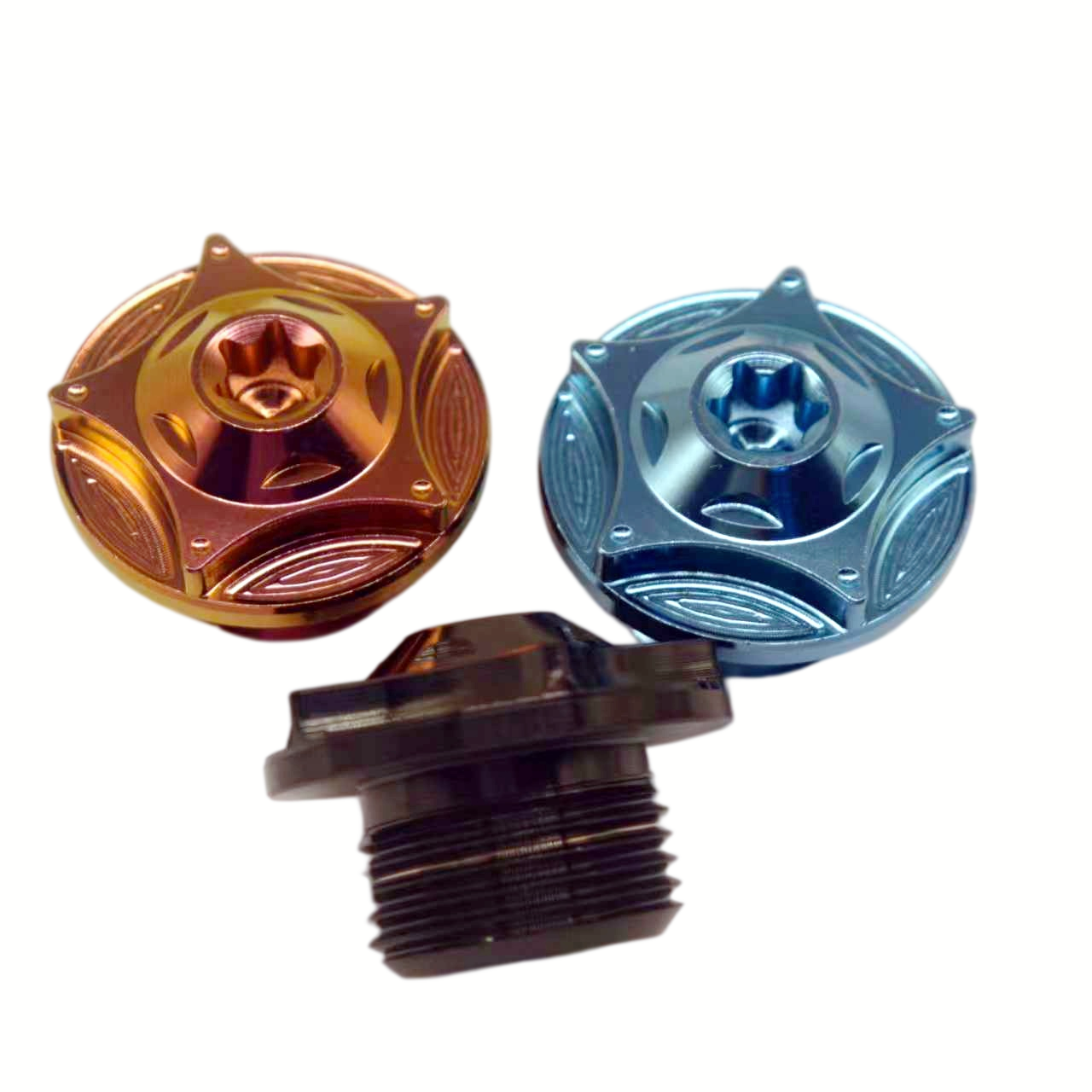
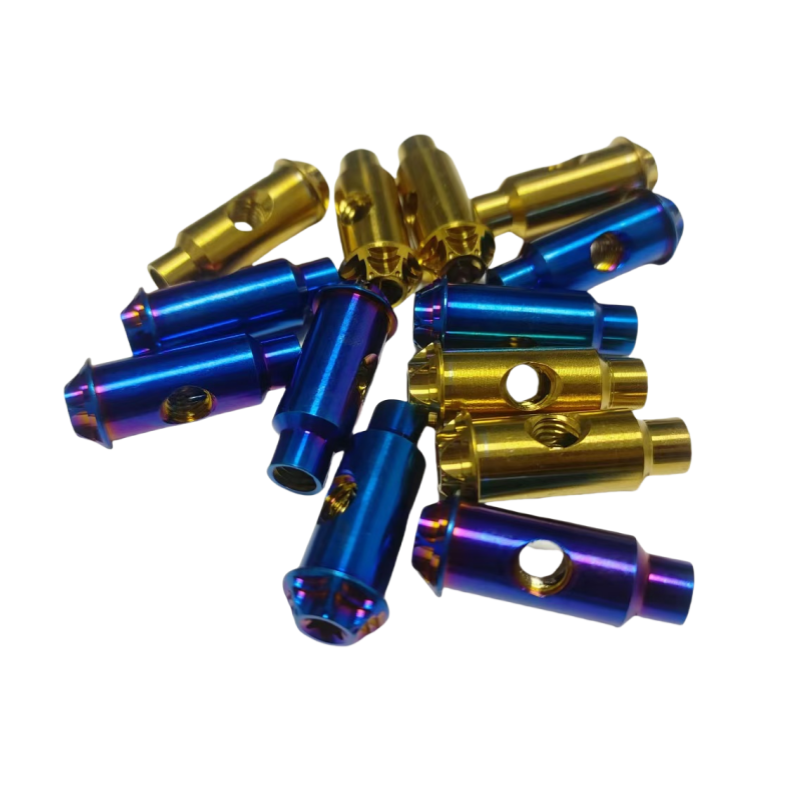
Providing high-end performance modification workshops across Gwangju, Jeonnam, and the broader Honam circuit racing scene with burnt-anodized or PVD-black titanium stud kits that eliminate seized and snapped studs on modified turbocharged circuit vehicles.
Hydrogen & Hybrid Thermal Systems
Gwangju’s aggressive transition toward green mobility and hydrogen test fleets requires fasteners that resist high-heat hydrogen combustion byproduct condensation, acidic emissions, and rapid cold-start thermal spiking without hydrogen embrittlement.
3. Strategic Procurement Trends in Gwangju's Industrial Zone
Over the past five years, the purchasing strategies of industrial hardware buyers in South Korea’s southwestern region have evolved rapidly. With the growth of the Gwangju-type Job Model and automated sub-assembly clusters, procurement engineers are aggressively reducing total lifecycle warranty costs. In traditional fleet operations and high-stress vehicles, rusted exhaust studs account for substantial repair downtime; technicians are frequently forced to extract sheared carbon steel bolts using EDM or manual drilling, often ruining the cylinder head casting.
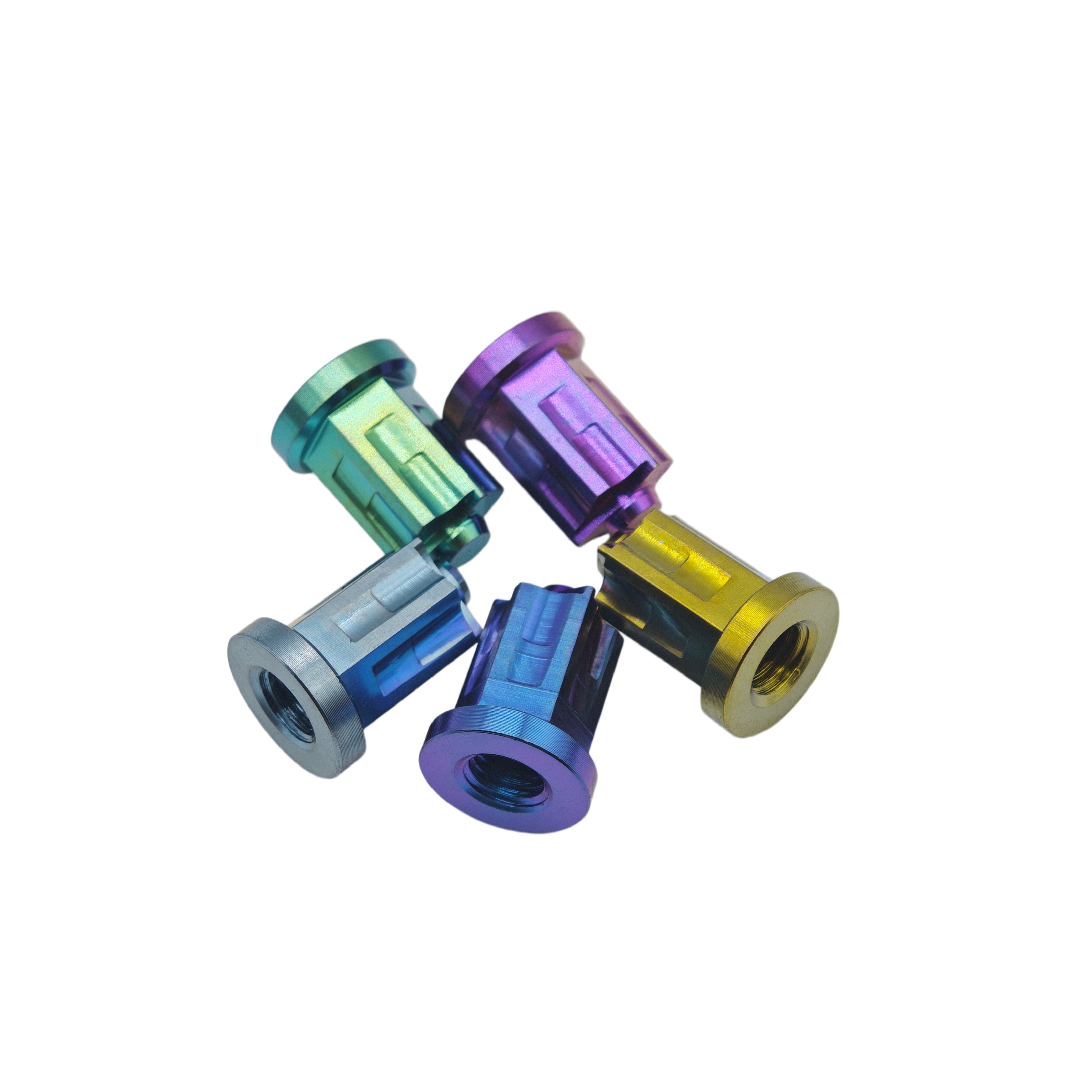
By transitioning to factory-direct titanium exhaust studs featuring an integrated hex-key (Allen or Torx) installation drive socket at the stud snout, factory technicians and racing mechanics can set fastener depth to a precise seating torque without damaging threads using double-nut lock methods. When paired with 12-point aerotight titanium flange nuts with serrated lock faces, the clamping load remains permanently stable against vibrational frequency shifts up to 8,500 engine RPM.
4. Galling Prevention in Titanium-to-Aluminum Joints
A common hesitation among procurement managers evaluating titanium hardware is the phenomenon of galling (cold-welding) during dry installation into parent aluminum or stainless components. To eliminate thread micro-welding under torque, our Baoji facility implements three proprietary production controls:
- Micro-Finishing Thread Polishing: Thread roots and flanks undergo vibratory and electrochemical polishing, reducing surface roughness to Ra ≤ 0.4 μm, removing microscopic machining burrs.
- Controlled Anodic Oxidation: Electrolytic anodizing creates a hardened, high-density titanium dioxide (TiO₂) ceramic barrier across the engagement surface, significantly lowering the friction coefficient.
- Physical Vapor Deposition (PVD) Coatings: We provide specialized PVD titanium nitride (TiN) or Diamond-Like Carbon (DLC) coatings that provide an abrasion-resistant, self-lubricating barrier compatible with high-temperature molybdenum disulfide or copper-free anti-seize paste.
Direct Manufacturer Credibility & Quality Control
Direct from the heart of Shaanxi Titanium Valley to Incheon / Gwangju air & ocean logistics hubs with 100% material traceability.
Certified Mill Material
Every single run of titanium studs, bolts, and nuts is sourced exclusively from certified Ti-6Al-4V Grade 5 bar stock. Full Mill Test Certificates (MTC) conforming to EN 10204 3.1 detailing chemical composition and tensile testing are supplied with every shipment.
100% Inspection Protocol
Every stud undergoes optical projection profiling, go/no-go ring gauge checks (Class 6g/6H tolerances), and critical runout measurements. We maintain zero tolerance for thread burrs, out-of-round diameters, or pitch variations.
Streamlined Gwangju Logistics
Our multilingual B2B export team coordinates door-to-door expedited air cargo (DHL/FedEx) reaching Gwangju within 3 to 5 business days, as well as consolidated maritime container shipments for volume wholesale orders through Busan / Gwangyang ports.
Frequently Asked Questions: Sourcing for the Gwangju Market
Key technical, commercial, and logistical clarifications for South Korean industrial buyers, tuning houses, and procurement managers.
