Specialized Titanium Components & Stud Assemblies
Precision-machined from aerospace-certified Grade 5 titanium bars, rolled for ultra-high fatigue strength, and resistant to atmospheric corrosion and severe thermal cycling.
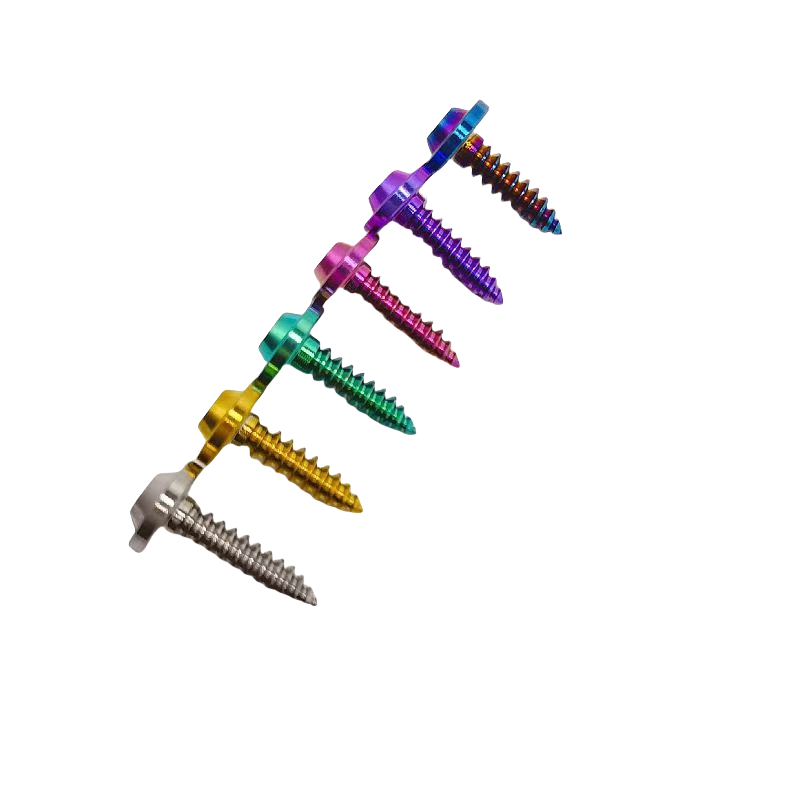
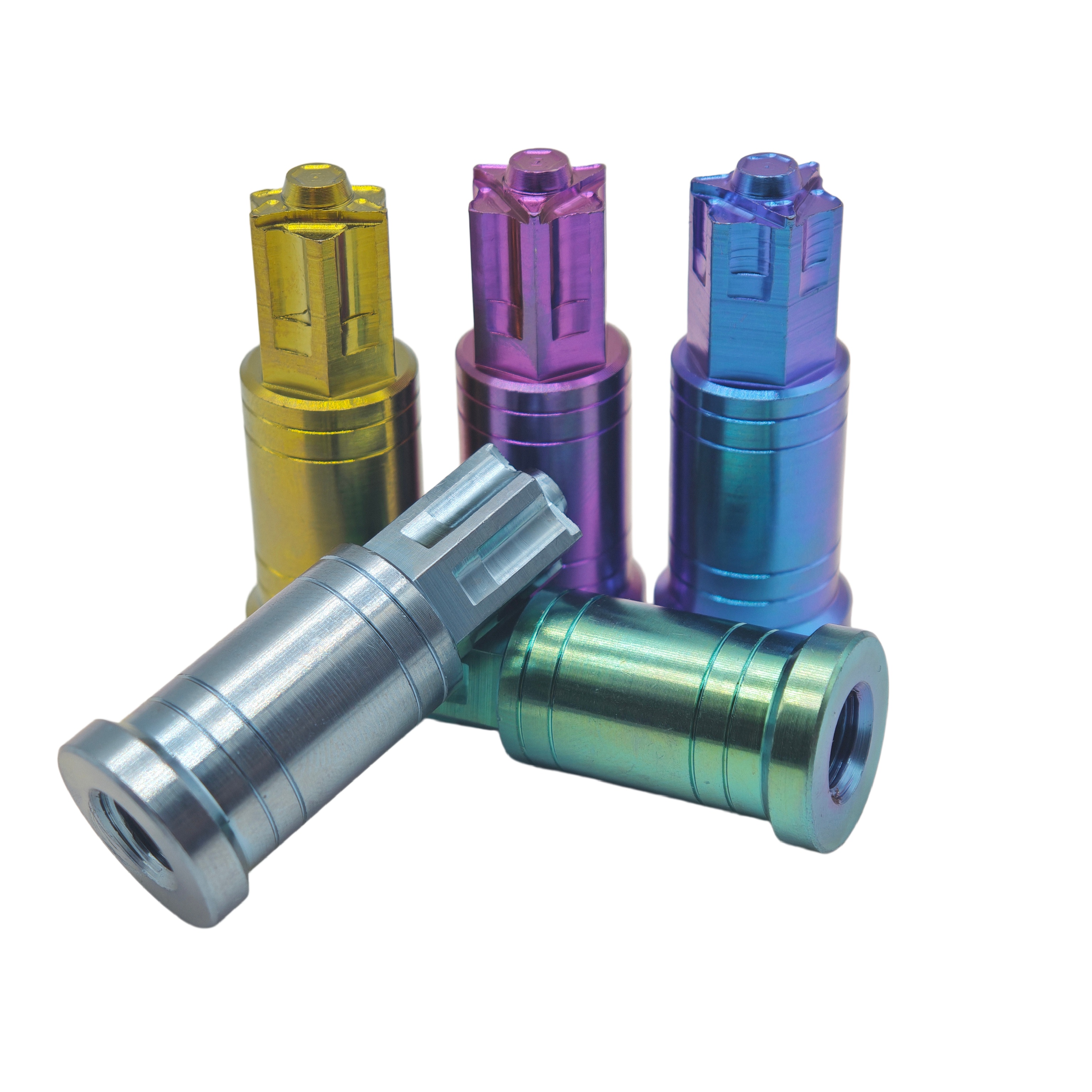
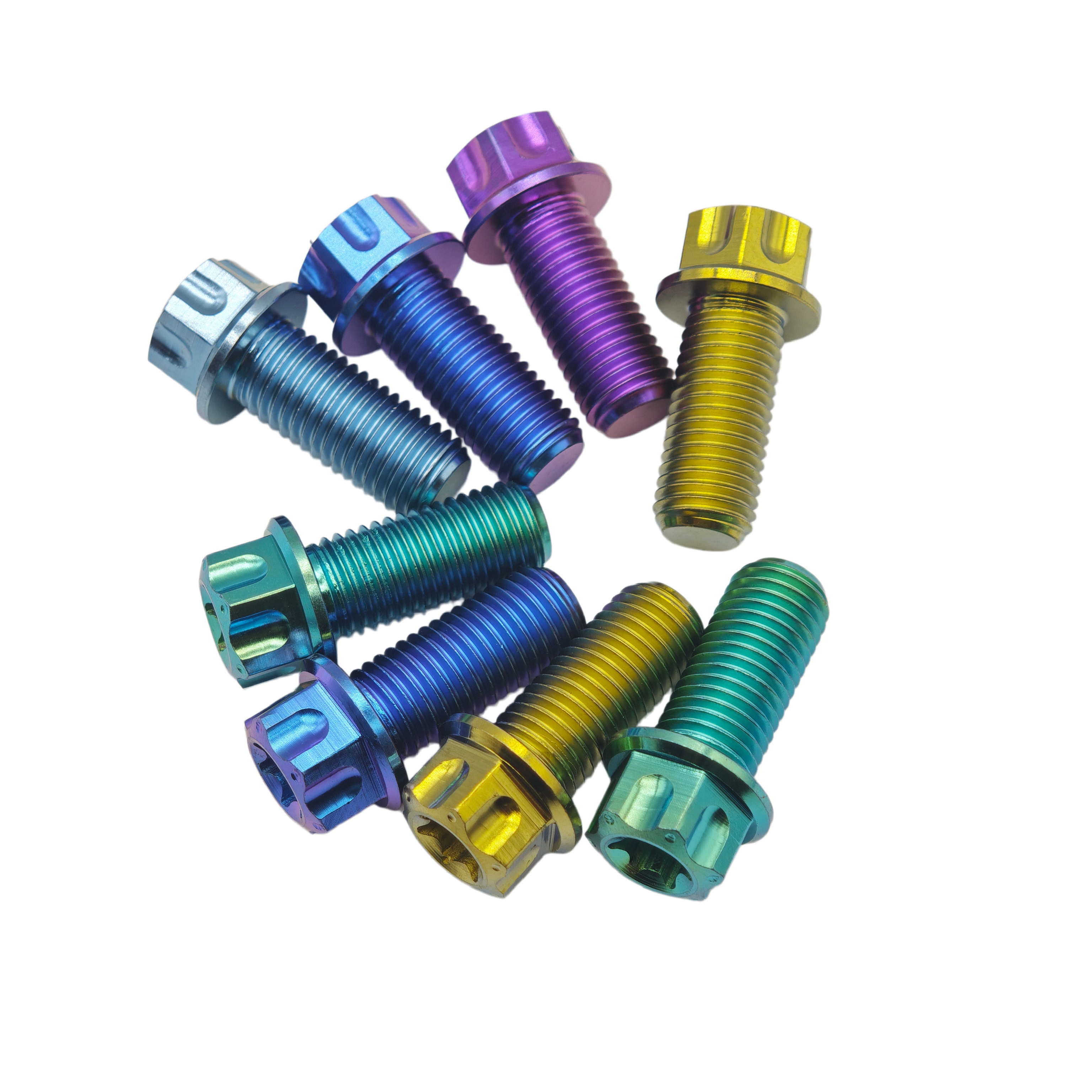
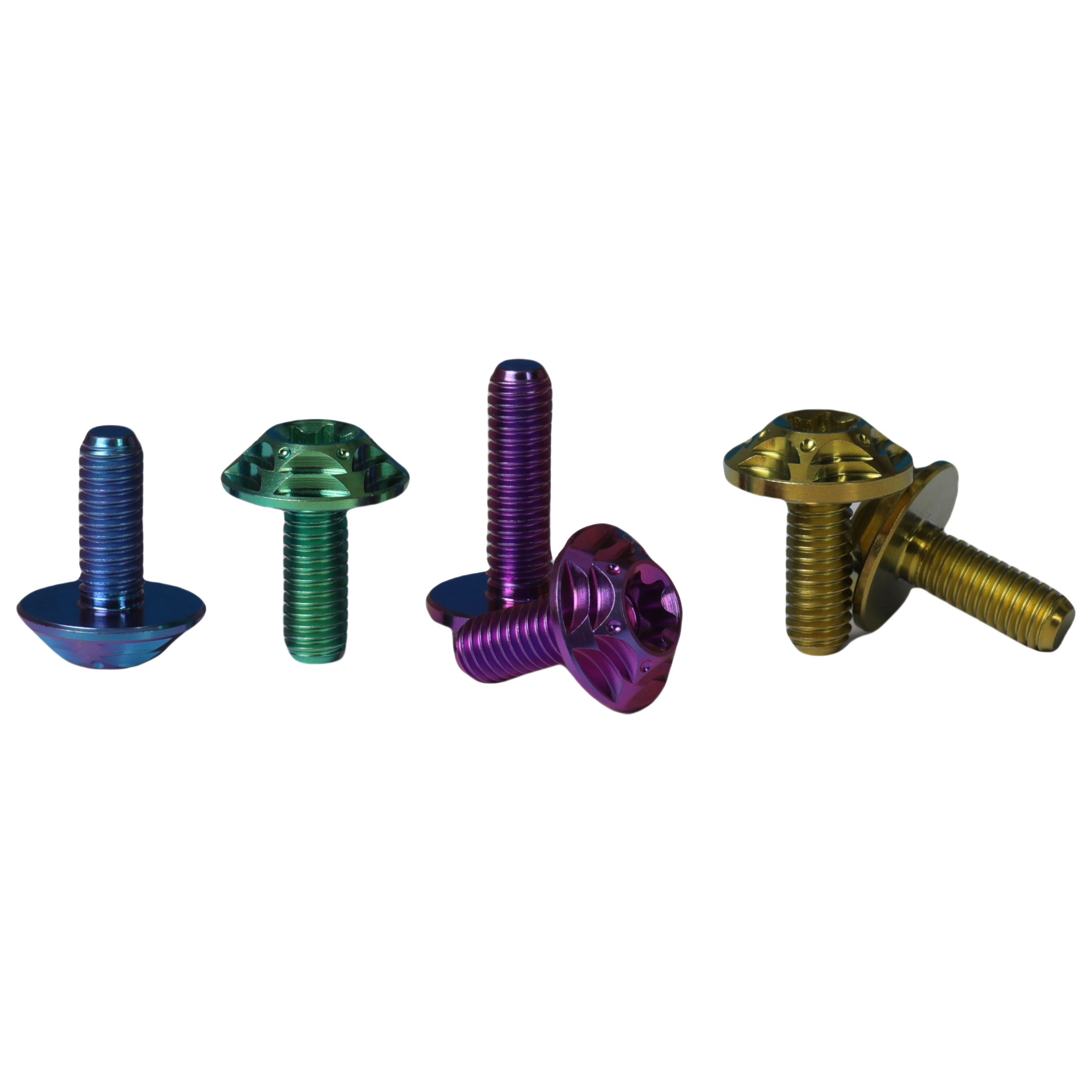
Thermodynamic Demands & Exhaust Stud Mechanics in Ipoh’s Climate
The city of Ipoh, situated in the Kinta Valley of Perak, Malaysia, presents a uniquely challenging operational environment for high-temperature automotive fasteners and exhaust manifold connections. Operating within an equatorial tropical rainforest climate (Köppen Af), the ambient conditions feature perpetual high humidity levels averaging between 80% and 95%, punctuated by intense convective rainfall and high ambient temperatures. Compounding this atmospheric humidity is the pervasive presence of airborne limestone dust generated by extensive quarrying and calcium carbonate processing activities in surrounding districts like Simpang Pulai, Lahat, and Gunung Rapat.
When high-performance turbocharged internal combustion engines—common across Ipoh’s competitive motorsport circles, street tuning shops, and heavy transport fleets—operate, exhaust manifold interface temperatures cyclically reach between 750°C and 980°C. Conventional carbon steel OEM studs and even zinc-plated alloy fasteners rapidly succumb to thermal oxidation and surface decarburization. More critically, the junction between the cast or billet aluminum cylinder head and steel exhaust studs experiences severe differential thermal expansion stresses.
Differential Thermal Expansion Mismatch: Aluminum expands at approximately 23 × 10-6 / K, while standard structural steel expands at only 12 × 10-6 / K. Grade 5 Ti-6Al-4V titanium (8.6 × 10⁻⁶ / K) exhibits an optimal elastic modulus (114 GPa versus steel's 210 GPa), acting as a mechanical thermal spring that absorbs dynamic joint deflection without yielding or stripping cylinder head threads.
In standard steel and low-grade stainless configurations (such as A2-70 or standard SUS304), repeated thermal spikes followed by torrential monsoon downpours lead to acute micro-corrosion, rust welding, and catastrophic thread seizure. When mechanics in Lahat or Menglembu attempt manifold servicing, seized steel studs routinely snap flush with the aluminum cylinder head, requiring EDM extraction or destructive drilling. Our Grade 5 (Ti-6Al-4V) titanium exhaust studs solve this systemic failure mode through the spontaneous formation of a continuous, self-healing titanium dioxide (TiO2) ceramic passivation film that remains completely impervious to salt, moisture, and alkaline limestone particulate ingress.
Thermal Stress Mitigation
Lower Young's modulus provides built-in elasticity, maintaining constant clamp load across 20°C to 800°C thermal cycles without stretching permanently.
Zero Atmospheric Rust
Complete resistance to galvanic pitting and oxidation, eliminating seized studs in equatorial humidity and limestone-dust environments.
Rolled Thread Integrity
Thread profiles are cold-rolled rather than cut, ensuring uninterrupted grain flow, higher shear fatigue strength, and galling resistance.
44% Mass Reduction
Density of 4.43 g/cm³ provides motorsport weight-saving advantages on unsupported turbo manifolds and heavy aftermarket wastegates.
Metallurgical Comparison: Exhaust Fastener Alloys Under Peak Thermal Duty
Selecting appropriate fastener alloys for performance manifolds requires weighing tensile strength, thermal expansion, oxidation resistance, and mass. The table below outlines how certified Grade 5 Ti-6Al-4V outperforms standard stainless steel and high-tensile alloy steels in forced-induction applications.
| Alloy Specification | Yield Strength (MPa) | Ultimate Tensile (MPa) | Density (g/cm³) | Thermal Expansion (×10-6/K) | Max Service Temp (°C) | Corrosion Resistance |
|---|---|---|---|---|---|---|
| Gr5 Ti-6Al-4V (Annealed) | ≥ 828 | ≥ 895 - 1050 | 4.43 | 8.6 | 400 - 450 (Peak 700) | Exceptional (Permanent) |
| Stainless Steel A2-70 (304) | 450 | 700 | 7.90 | 16.0 | 350 (Work-softens) | Moderate (Prone to Galling) |
| Stainless Steel A4-80 (316) | 600 | 800 | 8.00 | 16.5 | 400 | Good (Chloride Resistant) |
| Class 10.9 Alloy Steel (Zinc) | 900 | 1040 | 7.85 | 11.5 | 250 (Coating Fails) | Poor (Rapid Rusting) |
| Inconel 718 (Nickel Superalloy) | 1100 | 1375 | 8.19 | 13.0 | 650 - 700 | Immune (Extremely Heavy) |
Localized Engineering Applications Across Ipoh and Kinta Valley
Ipoh has long stood as an essential engineering and automotive support artery connecting the northern regions of Peninsular Malaysia with the Klang Valley. From the dense cluster of precision CNC machine shops in Menglembu and Silibin to high-level tuning garages along Jalan Pasir Puteh and Lahat, specific demand profiles have emerged for titanium exhaust hardware:
Track & Drag Racing Builds
Catering to Perak-based race teams competing in regional time attack and drag sprints. M8×1.25 and M10×1.25 titanium studs prevent manifold warp on high-boost 4G63, K20/K24, and 2JZ platforms experiencing thermal shock.
Superbike & Kapcai Customization
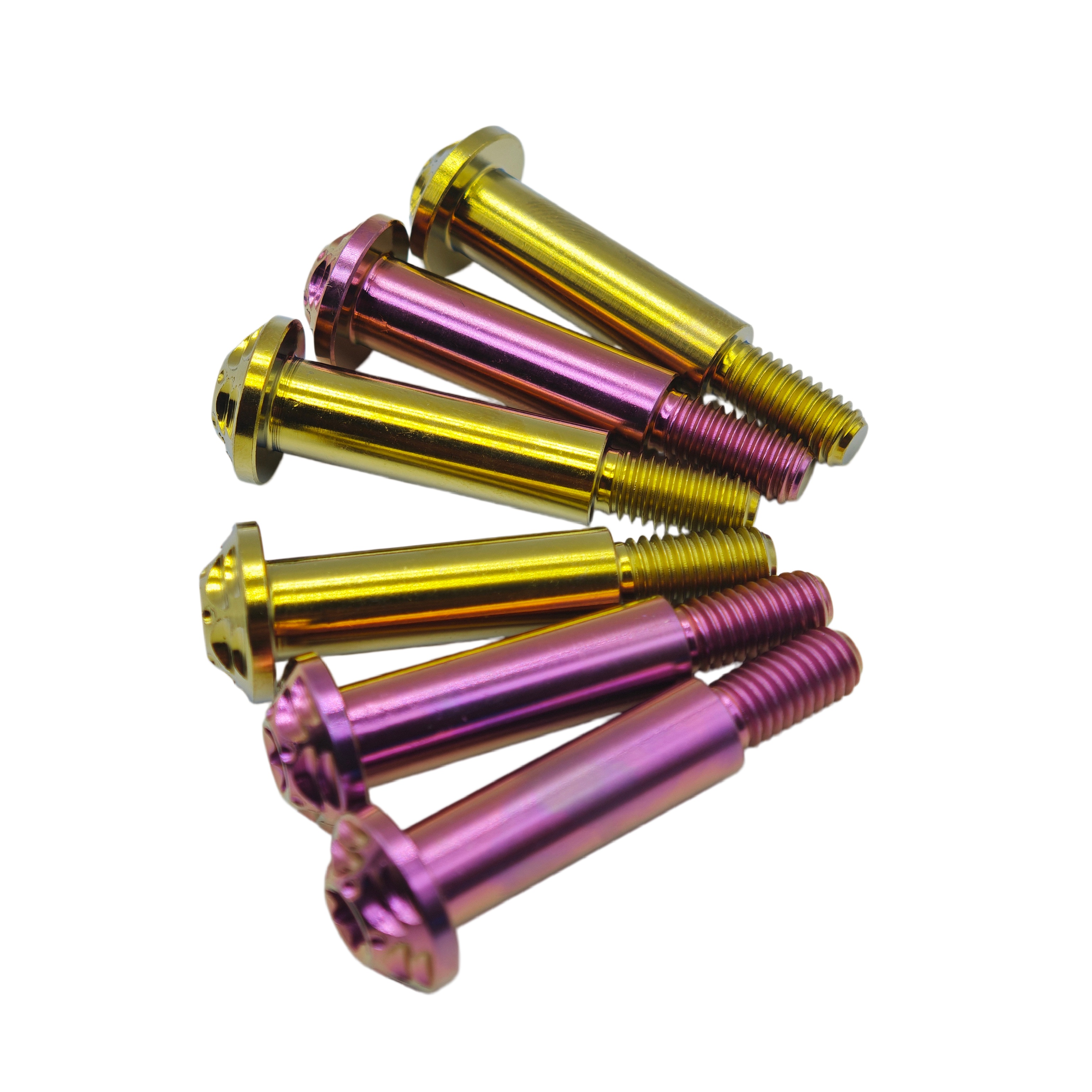
Ipoh's vibrant motorcycle culture—spanning street performance Yamaha Y15ZR/LC135 to liter superbikes—relies on M6 and M8 anodized exhaust studs to stop header bolt seizure while offering bespoke burnt-blue aesthetics.
Limestone Logistics & Transport Fleets
Heavy haulers and aggregate transport trucks operating through Simpang Pulai quarry routes use heavy-duty M10/M12 titanium exhaust turbine flange fasteners to survive high exhaust backpressure and abrasive dust accumulation.
Industrial & Aftermarket Market Trends in Perak
The aftermarket tuning ecosystem across Perak is experiencing a decisive pivot from cosmetic modifications toward precision mechanical reliability. Local mechanics and speed shops are increasingly conscious of the total labor cost associated with fastener failure. A broken RM5 steel stud can incur upwards of RM600 in cylinder head removal, CNC machining, and re-gasketing downtime.
Furthermore, as Malaysia pushes forward with industrial modernization and automotive exports, Perak's tier-2 and tier-3 automotive machine shops are aligning with global motorsport standards. This trend is accelerated by regional cross-border commerce; workshops in Ipoh regularly prepare vehicles for track outings at Sepang International Circuit or racing events in Thailand. Sourcing directly from an established Grade 5 titanium fastener manufacturer allows local stockists and tuners to bypass multi-tiered intermediary markups, securing aerospace-level metallurgy with full material test certificates (MTC).
Direct Factory Manufacturing: Zunvo Titanium Engineering Capabilities
Headquartered in Baoji, China—globally recognized as "Titanium Valley"—Zunvo Titanium Products Co., Ltd. operates an onsite-verified production facility equipped with high-precision multi-axis CNC Swiss lathes, hot-heading presses, thread-rolling machines, and in-house surface finishing lines. Operating since 2015 with a skilled technical workforce of 101–200 employees, we control every metallurgical stage from virgin sponge titanium smelting through bar extrusion and final packaging.
For distributors, performance workshops, and private-label racing brands in Ipoh, our manufacturing infrastructure delivers definitive commercial and operational benefits:
Baoji Raw Material Traceability
Every production heat is certified and traceable back to the mill, providing complete chemical composition and tensile elongation reports.
Rapid Tooling & Prototyping
Send standard CAD drawings, STEP files, or sample bolts; our technical engineering desk confirms DFM and dispatches samples in 3 days.
Advanced Surface Treatments
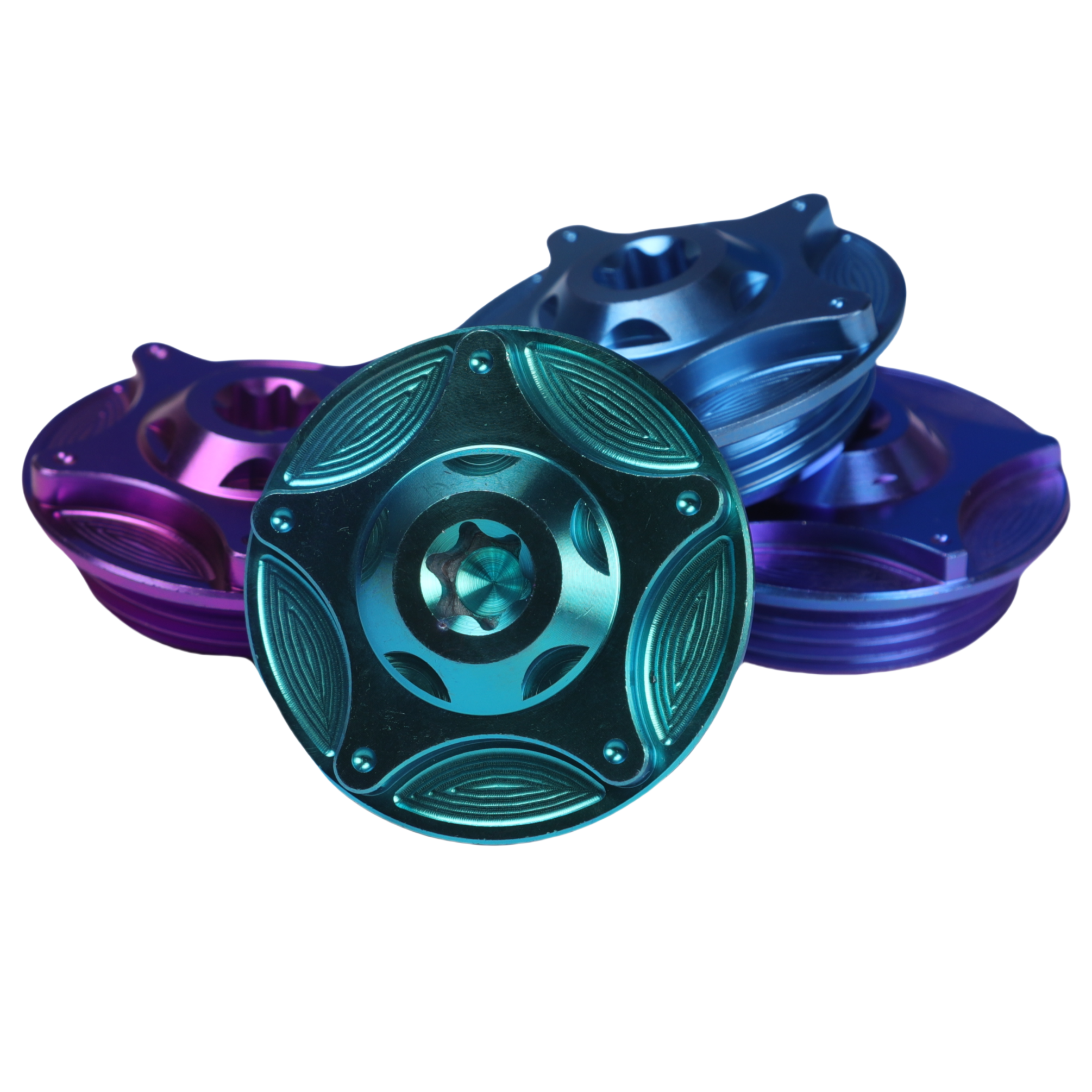
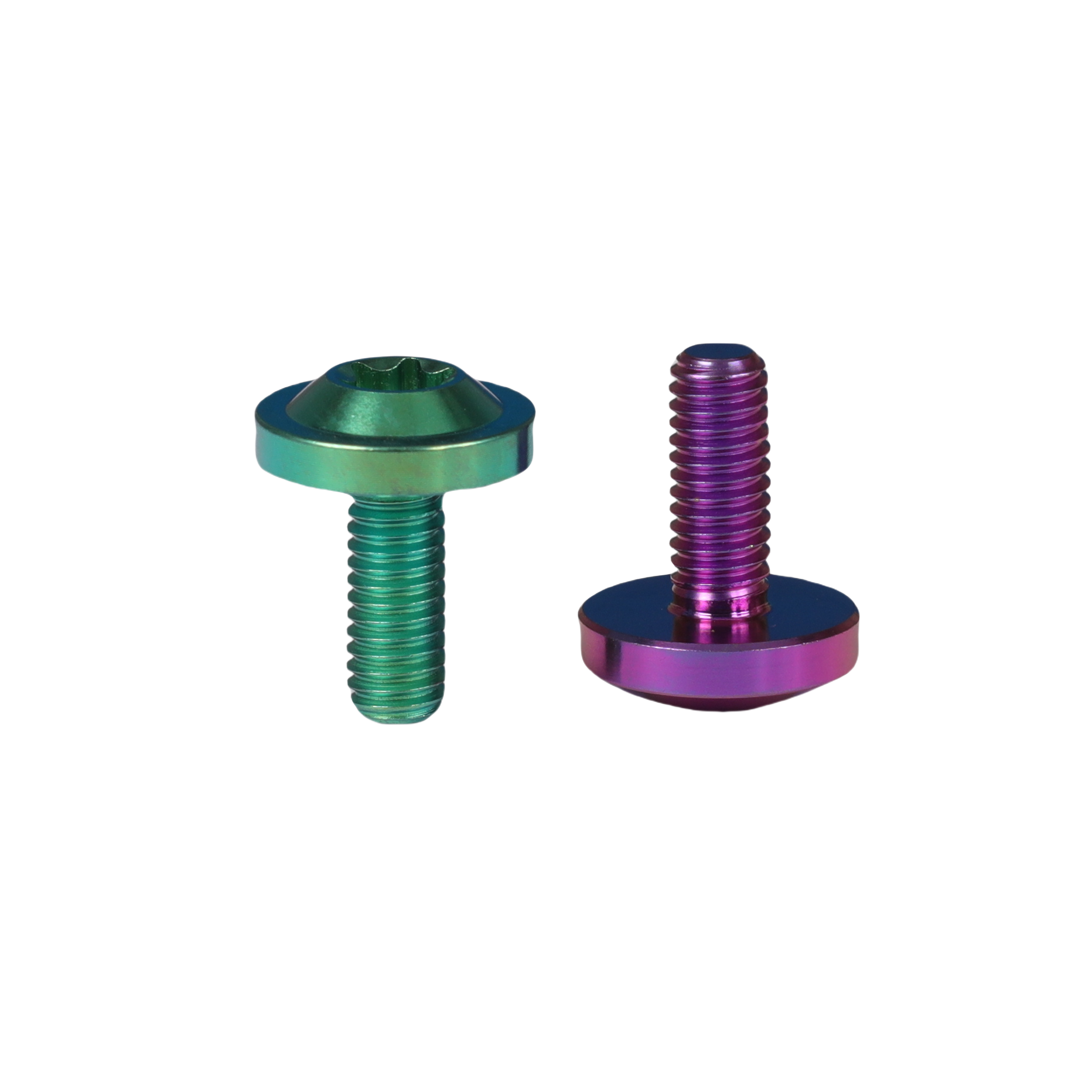
High-voltage anodizing (burnt titanium blue, purple, gold) and physical vapor deposition (PVD black, oilslick) for wear and friction control.
OEM & Custom Packaging
Flexible low MOQs for race engineering shops, laser engraving for brand logos, and retail blister or polybag packaging options.
Frequently Asked Questions: Sourcing Titanium Exhaust Fasteners in Ipoh
Key metallurgical, logistical, and mechanical questions addressed by our engineering support team for Malaysian commercial buyers and garage owners.
Why is Grade 5 (Ti-6Al-4V) specifically recommended for exhaust studs over commercially pure Grade 2 titanium?
How can mechanics in Ipoh avoid thread galling during titanium exhaust stud installation?
What are the freight routes, customs procedures, and lead times from Baoji to Ipoh, Perak?
Will anodized titanium exhaust studs lose their color under manifold operating temperatures?
What torque values should be applied to M8 and M10 Grade 5 titanium exhaust studs?
Can Zunvo manufacture custom pitch combinations (e.g., M10×1.25 into block, M10×1.50 for nut)?
Upgrade Your Exhaust Fastener Hardware Today
Connect with Zunvo Titanium’s engineering desk for wholesale pricing, bespoke CAD/drawing manufacturing reviews, or prompt sample dispatches to Ipoh and across Malaysia.
Send an Inquiry