Featured Titanium Hardware Portfolio for Exhaust & Powertrain Systems
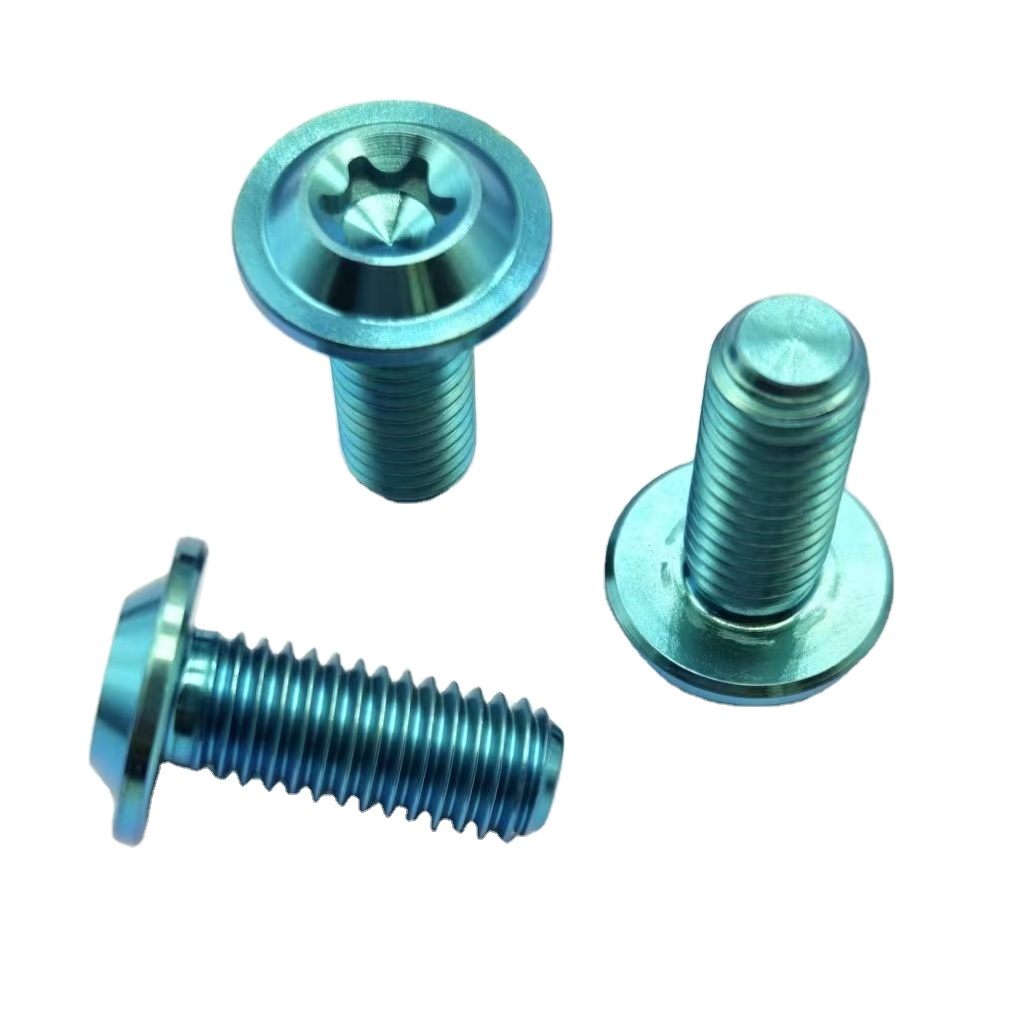
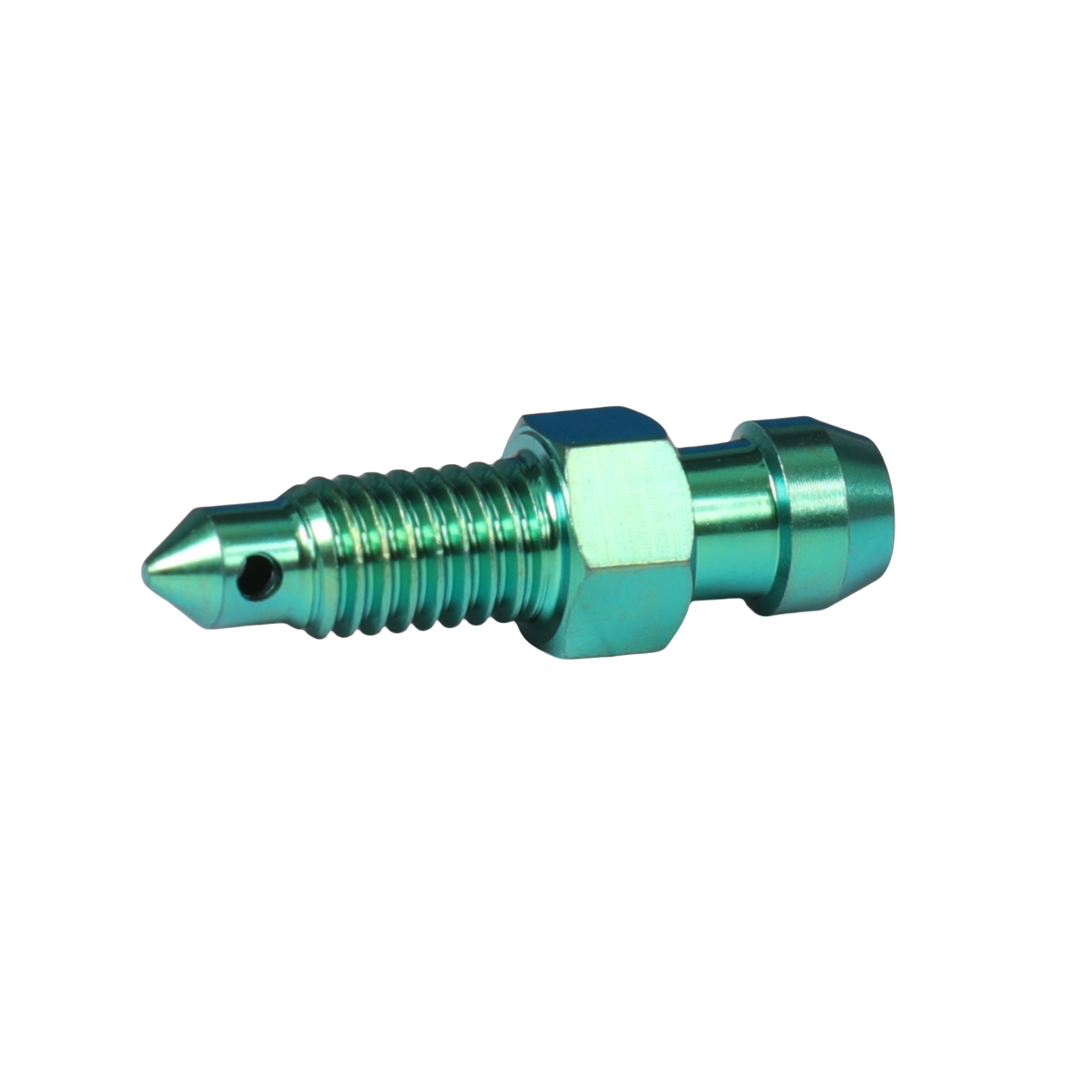
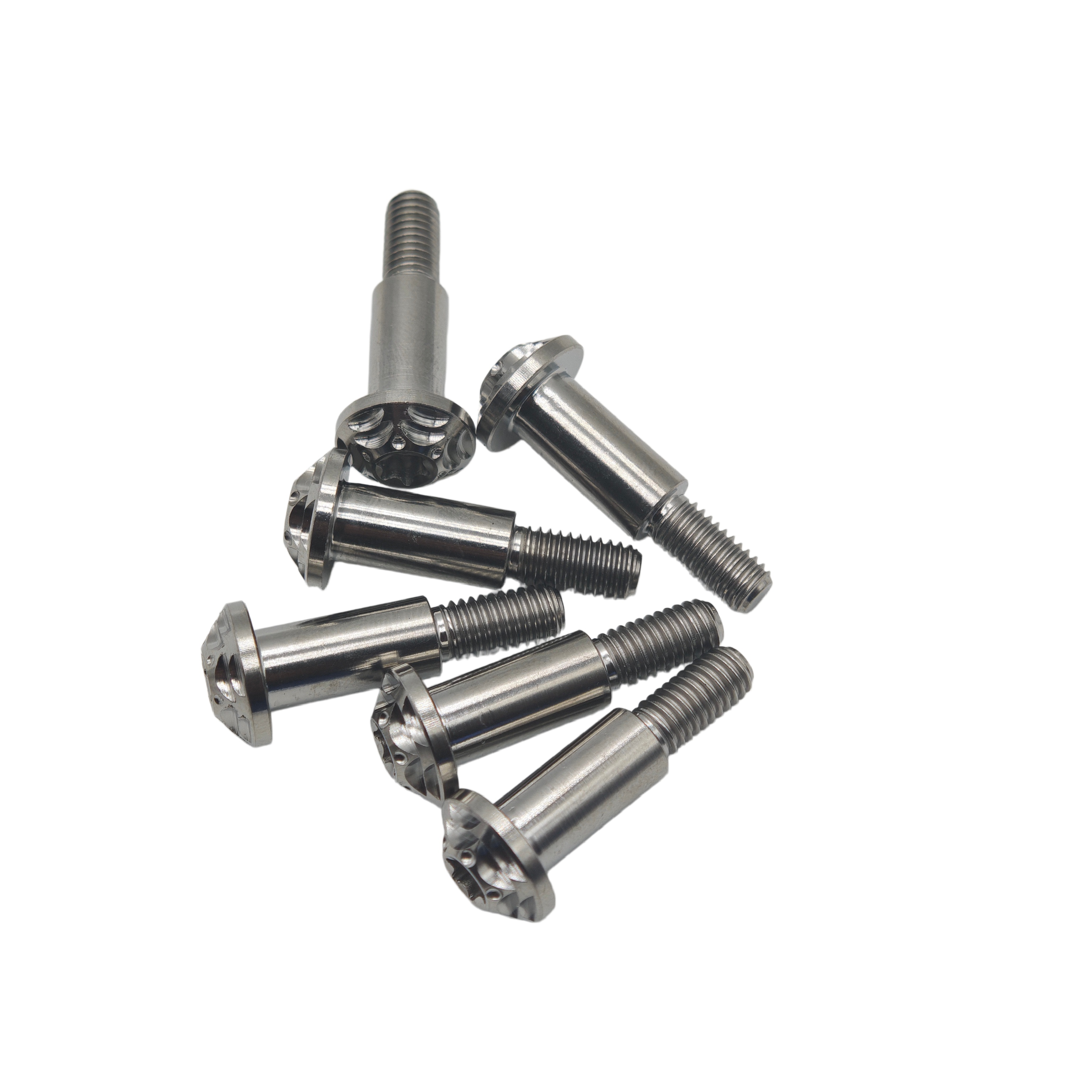
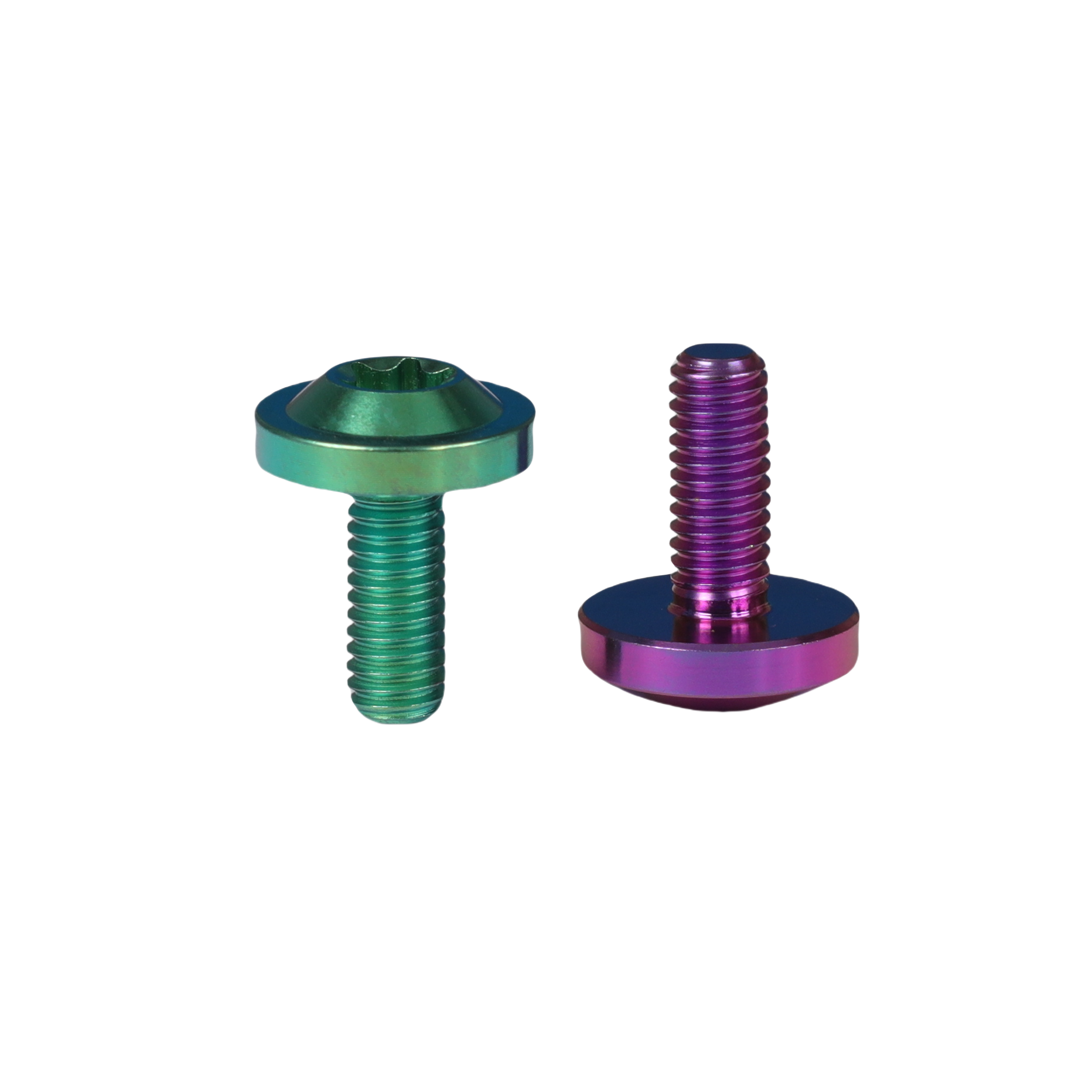
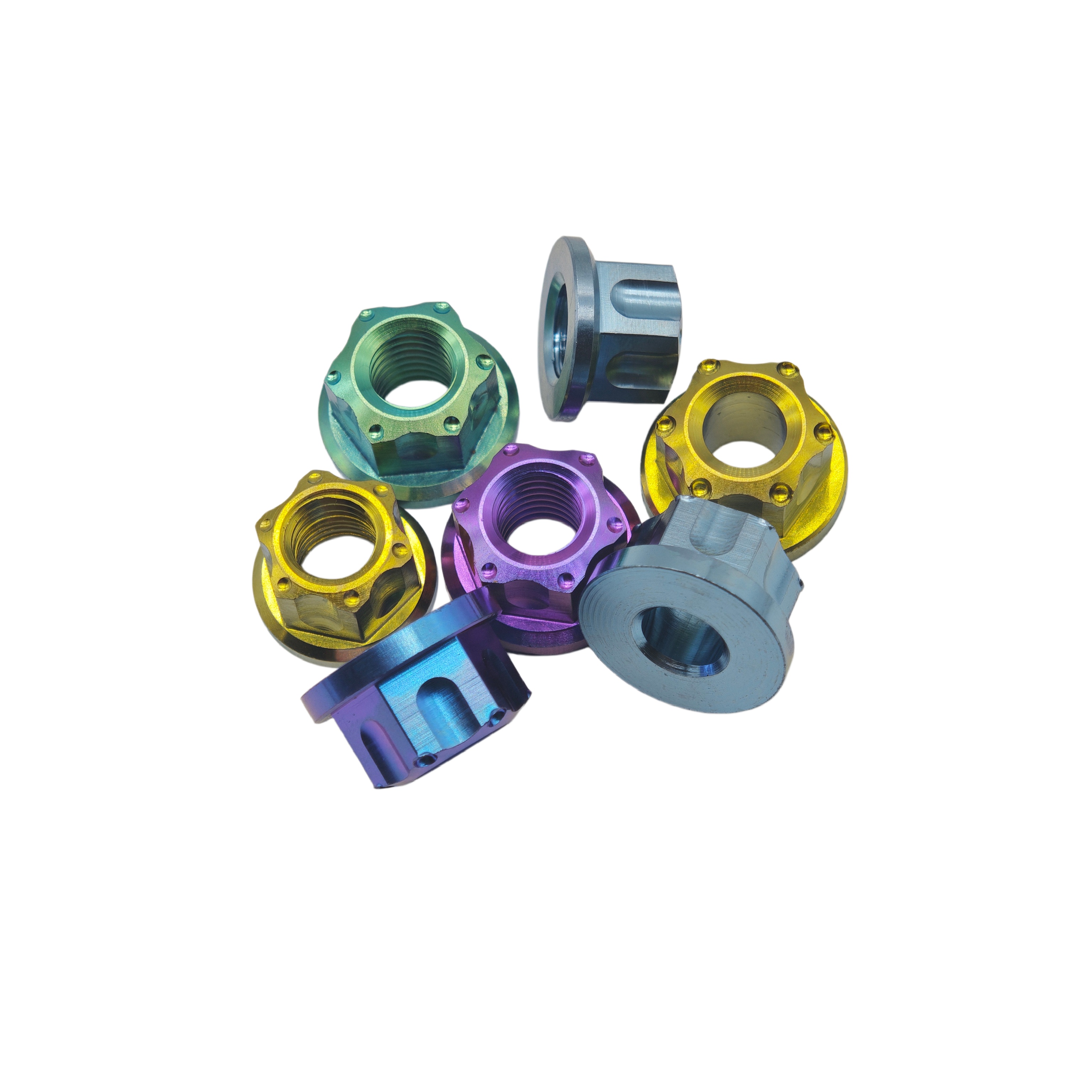
Engineered to withstand extreme cyclic thermal shock up to 550°C. Cold-headed and CNC thread-rolled to DIN/ISO metric standards, optimized for Italian performance tuners and OEM assembly lines.
Metallurgical Superiority in High-Temperature Exhaust Fastening
Analyzing thermal expansion differentials, shear stress relaxation, and galling prevention for motorsport and racing manifold applications across Italy's Motor Valley.
Thermal Expansion Matching & Stress Relief
In high-performance internal combustion engines—such as the V8, V10, and V12 architectures native to Modena and Maranello, or the high-revving V4 platforms of Borgo Panigale—exhaust manifold attachment points represent the most thermally violent interface in the powertrain. Exhaust gas temperatures (EGT) routinely fluctuate between ambient startup and peak racing conditions reaching 850°C to 1050°C.
Conventional class 8.8 and 10.9 structural carbon steel or 304/316 austenitic stainless steel studs exhibit significant thermal expansion mismatch when threaded directly into cast aluminum alloy cylinder heads (typically A356-T6 or AlSi7Mg). The thermal expansion coefficient of aluminum ($\alpha \approx 23 \times 10^{-6}/\text{K}$) expands substantially faster than standard steel ($\alpha \approx 12 \times 10^{-6}/\text{K}$), causing severe mechanical stress on internal cylinder head threads during heat soak, leading to thread stripping, stud necking, and permanent loss of clamping force.
By contrast, our Grade 5 Titanium (Ti-6Al-4V) studs feature an engineered thermal expansion rate ($\alpha \approx 8.6 \times 10^{-6}/\text{K}$) paired with an exceptionally low modulus of elasticity ($E \approx 110\text{ GPa}$, roughly half that of steel). This lower modulus permits the titanium stud to act as an elastic mechanical spring. Under intense thermal cycling, the stud stretches elastically without exceeding its yield point ($R_{p0.2} \ge 828\text{ MPa}$), maintaining uniform exhaust gasket compression and preventing catastrophic exhaust gas leakage.
Thread Rolling vs. CNC Cutting: Notch Fatigue Dynamics
A primary cause of exhaust stud failure in Italian aftermarket tuning and endurance racing (such as Monza or Mugello circuit configurations) is fatigue fracture initiated at the first engaged thread root. Traditional low-cost machining processes cut threads via subtractive CNC turning, which interrupts the longitudinal grain structure of the titanium alloy bar stock, introducing micro-notches that act as severe stress concentrators under cyclic exhaust resonance.
At our Baoji manufacturing facility, all titanium exhaust studs are produced using high-precision progressive thread rolling machines equipped with hardened tungsten carbide cylindrical dies. Thread rolling deforms the crystal lattice plastically without cutting the metal fibers. The continuous grain lines flow uninterrupted along the thread crests and root contours, creating an induced surface compressive residual stress layer of -300 to -450 MPa.
This burnishing and grain densification process increases thread shear fatigue life by over 300% compared to cut fasteners. Furthermore, our studs incorporate precision transition radiuses between the collar and threaded shanks conforming to DIN 938 and DIN 939 specifications, eradicating shear-induced failure modes during violent thermal shock cycles.
Fastener Material Specification Comparison for Exhaust Applications
Data evaluated according to DIN EN 10204 3.1 inspection certification metrics, demonstrating metallurgical resilience in high-temperature environments.
| Physical & Mechanical Parameter | Gr5 Titanium (Ti-6Al-4V) | Austenitic Stainless (A2-70) | Alloy Steel (Class 10.9) | Inconel 718 (Nickel Superalloy) |
|---|---|---|---|---|
| Density (g/cm³) | 4.43 (Optimal Lightweight) | 7.93 | 7.85 | 8.19 |
| Ultimate Tensile Strength (MPa) | ≥ 895 – 1000 | 700 | 1040 | 1240 – 1400 |
| Yield Strength $R_{p0.2}$ (MPa) | ≥ 828 | 450 | 940 | 1030 |
| Thermal Expansion Coeff. ($10^{-6}/\text{K}$) | 8.6 (Matches Aluminum Better) | 16.5 (High Risk of Head Cracking) | 12.2 | 13.0 |
| Corrosion Resistance (Chloride/Road Salts) | Immune (Forms Stable $TiO_2$ Film) | Susceptible to Crevice Attack | Rapid Oxidation / Seizing | Excellent |
| Yield Retention at 450°C | 72% Clamping Retention | 45% | 50% (Risk of Decarburization) | 88% |
| Anti-Galling Strategy | PVD TiN / Copper Anti-Seize | Nickel / Moly Lubrication | Zinc-Nickel Plate | Silver Flash Plate |
Engineered for Italy’s High-End Motorsport, Marine & Tuning Sectors
From the racetracks of Misano and Monza to the luxury shipyards of Viareggio, our titanium hardware solves unique operational and geographical challenges.
Emilia-Romagna "Motor Valley" Hypercars
In the triangle connecting Modena, Sant'Agata Bolognese, and Maranello, hypercar manufacturers push exhaust architectures to extreme packaging tolerances. Turbocharger downpipes and equal-length Inconel/Titanium exhaust runners generate hyper-localized thermal pockets inside tightly packed mid-engine compartments.
Our M8 and M10 Gr5 double-ended exhaust studs provide the essential high-strength clamp load required to anchor thin-wall exhaust flanges against cylinder heads without warping. The 44% weight saving directly minimizes unsprung and high-center-of-gravity mass, supporting lightweighting mandates.
Superbike Racing & Aftermarket Tuners
Italy’s domestic motorcycle racing infrastructure—including CIV (Campionato Italiano Velocità) teams and specialized custom fabricators in Lombardy and the Veneto region—demands rapid disassembly during weekend race schedules. OEM steel studs routinely seize inside aluminum heads due to galvanic corrosion and extreme heat cycling.
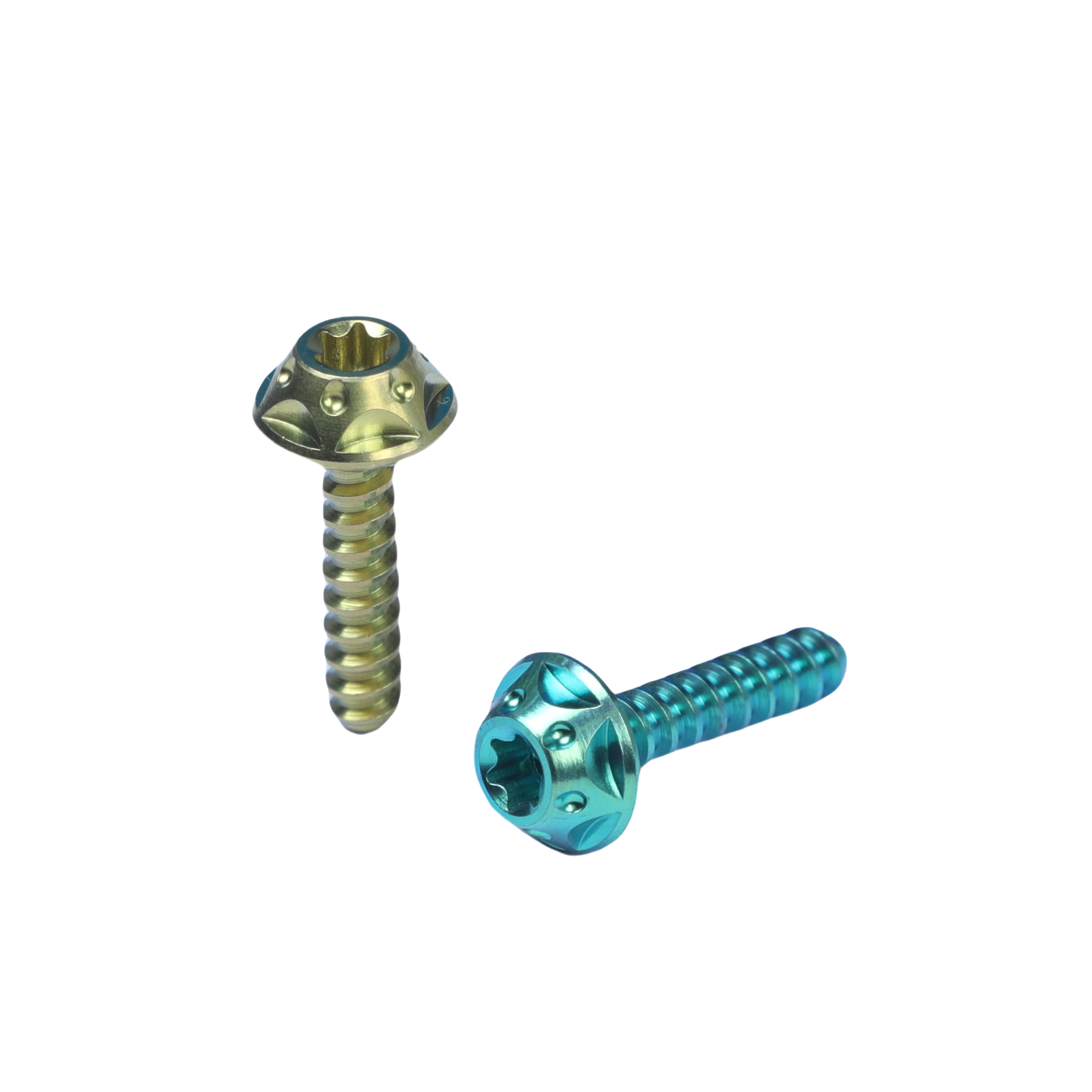
Our titanium studs feature dedicated internal Torx (T30/T40) or broached hex drive sockets on the stud tip. This design allows race mechanics to perform rapid stud removal and replacement directly in the pit lane without damaging the cylinder head thread pitch or removing the motor.
Nautical Shipyards & High-Speed Marine Vessels
The maritime hubs of Genoa, Livorno, and Ancona build bespoke high-speed yachts, offshore patrol craft, and luxury tenders. Marine wet exhaust risers combine blistering combustion gases with injected seawater, creating an aggressive saline-acidic electrolyte solution that degrades standard marine-grade 316L stainless within months.
Zunvo’s Grade 5 titanium studs develop an instantaneous, chemically inert rutile oxide ($TiO_2$) ceramic passivation layer upon atmospheric exposure. This film provides absolute immunity to crevice attack, pitting, and chloride-induced stress corrosion cracking in high-heat marine exhaust headers.
Market Trends Driving Titanium Adoption Across Italy
Understanding the structural shift toward high-performance alloys within the framework of European environmental directives and manufacturing innovations.
Euro 5b and Impending Euro 7 Thermal Demands
As European emission targets enforce closer-coupled catalytic converters and particulate filters on Italian passenger cars and motorcycles, combustion exhaust systems operate at substantially elevated temperatures. OEM cast manifolds are being superseded by hydroformed thin-wall titanium and nickel-alloy exhaust assemblies. These manifolds expand rapidly, requiring fastening studs with matching mechanical elasticity to maintain gasket seal integrity and prevent hydrocarbon sensor errors.
The Rise of Bespoke "Made in Italy" Tuning Brands
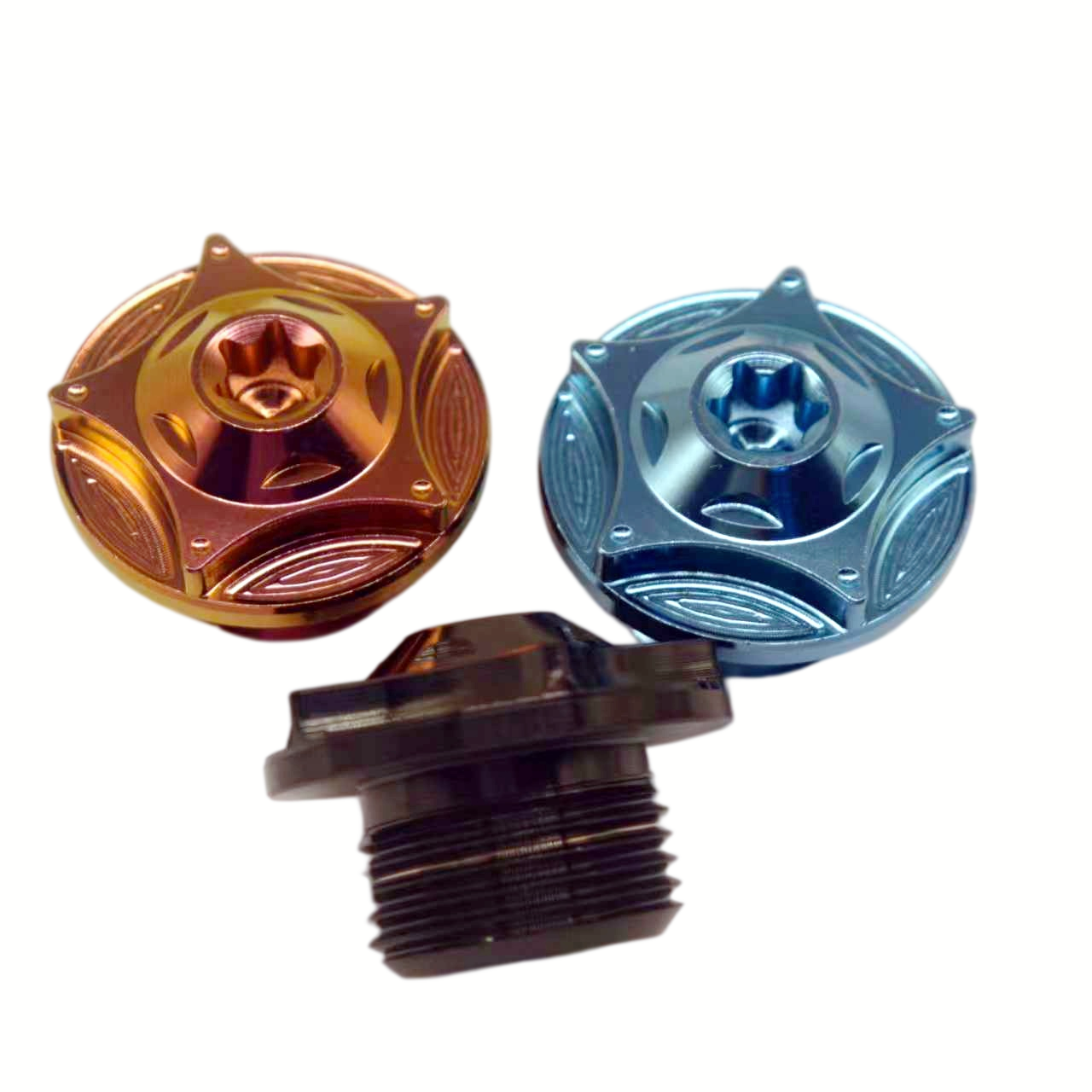
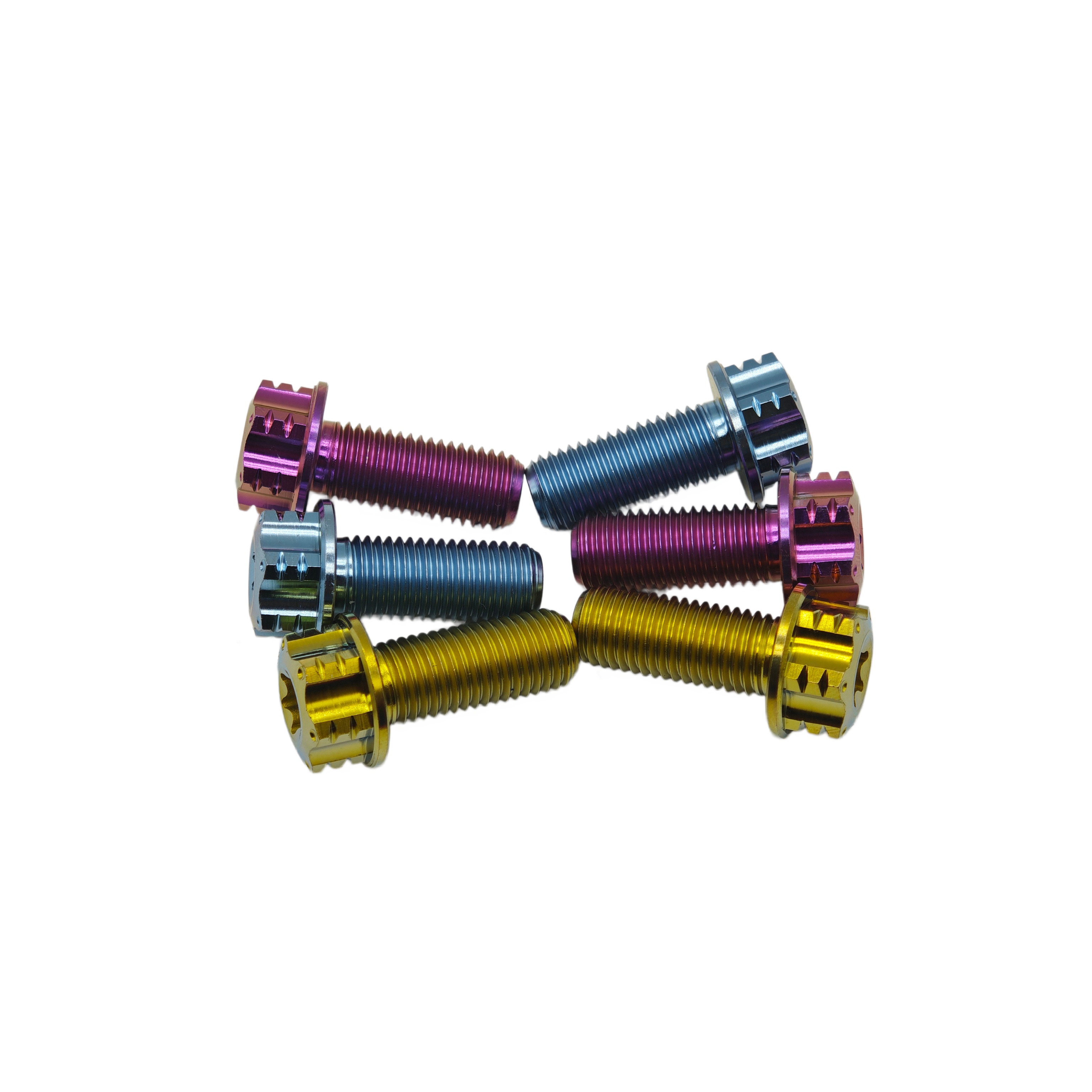
Italian high-end exhaust fabricators (such as SC-Project, Termignoni, and Zard) have transformed exhaust systems into aesthetic visual centerpieces. Enthusiasts and professional racing divisions now demand anodized titanium hardware—burnt blue, titanium gold, and satin purple—that provide structural integrity without flaking or oxidizing after thousands of thermal miles under spirited driving conditions.
Direct Tier-1 & Tier-2 Factory Procurement
Italian engineering firms are increasingly bypassing intermediary European distributors to partner directly with onsite-verified manufacturers based in Baoji. Direct sourcing ensures verified material chemistry traceable via EN 10204 3.1 certificates, lower procurement costs, customized sizing (e.g., M8x1.25 to M8x1.0 step studs), and reliable, scheduled buffer inventory.
Baoji Heritage Meets Italian Engineering Rigor
Founded in 2015, Zunvo Titanium Products Co., Ltd. bridges the world’s largest titanium raw material supply cluster with the precise engineering standards of the European automotive community.
Full Value Chain Control: From Sponge to Finished Stud
Located at Shiling Road Industrial Park in Baoji, Shaanxi Province ("China's Titanium Valley"), Zunvo operates directly adjacent to China's primary titanium smelting and forging mills. This strategic geographical proximity guarantees 100% heat-number traceability for every batch of Ti-6Al-4V bar stock we process.
Our 1,000–3,000 m² modern manufacturing workshop houses state-of-the-art multi-axis Japanese CNC Swiss-type lathes, high-tonnage cold/hot headers, thread rolling centers, and dedicated physical vapor deposition (PVD) coating chambers. By keeping cutting, forming, thread rolling, and surface treatment entirely under one roof, we eliminate quality variance across production batches.
Direct-from-Source Reliability
With an average response time of under 7 hours and a proven 66% client reorder rate across international industrial markets, we provide Italian corporate buyers with transparent communication, flexible MOQs (from 100-piece prototyping runs to mass automated shipments), and comprehensive export documentation.
Every shipment to Italy is packaged in heavy-duty moisture-sealed industrial cases, complete with batch-specific Mill Test Certificates (MTC), optical coordinate measuring machine (CMM) reports, and customs-ready commercial documentation.
Frequently Asked Questions for Italian B2B Importers
Addressing commercial protocols, technical compliance, anti-galling treatments, and Italian customs regulations.
