High-Precision Fasteners Tailored for Burgas Industry
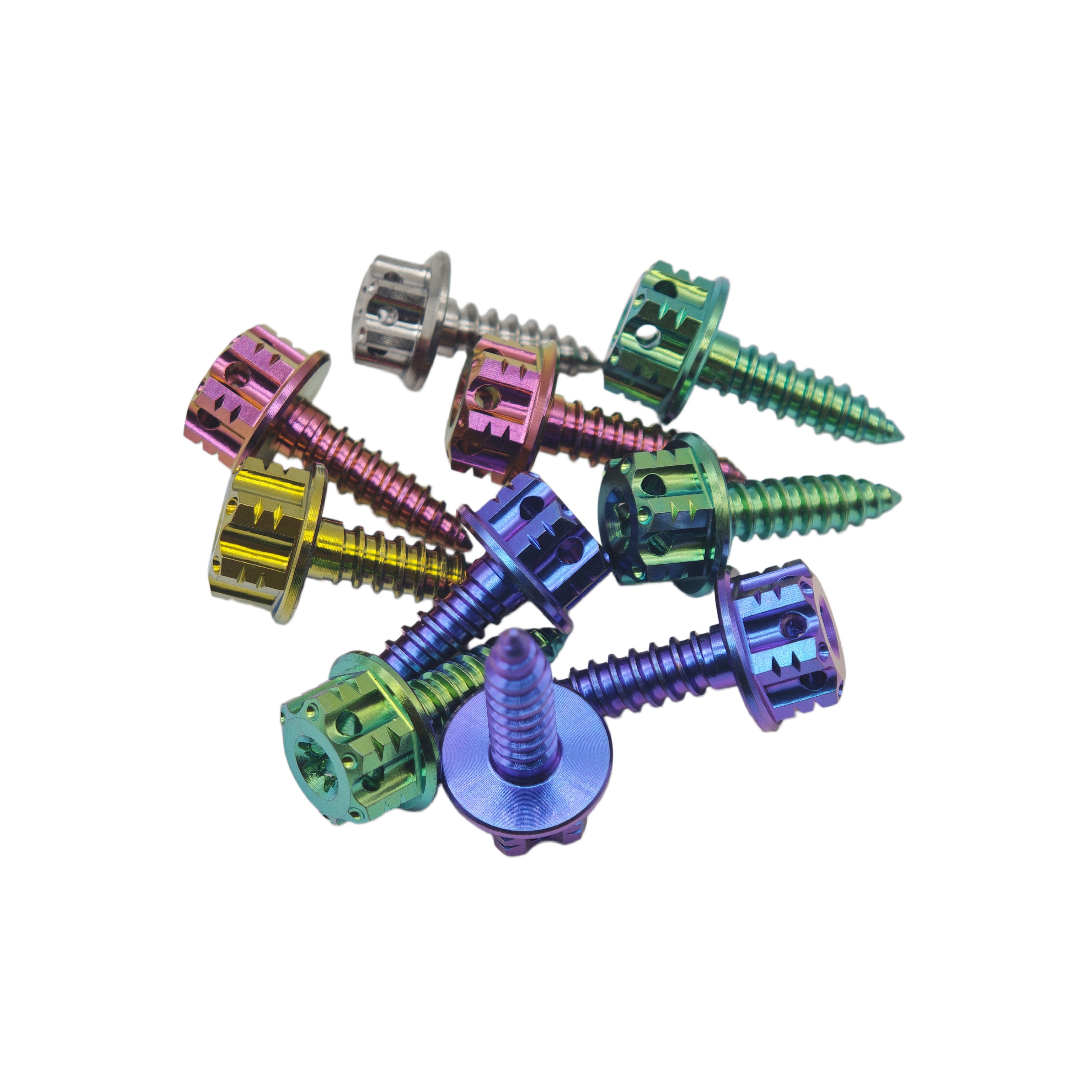
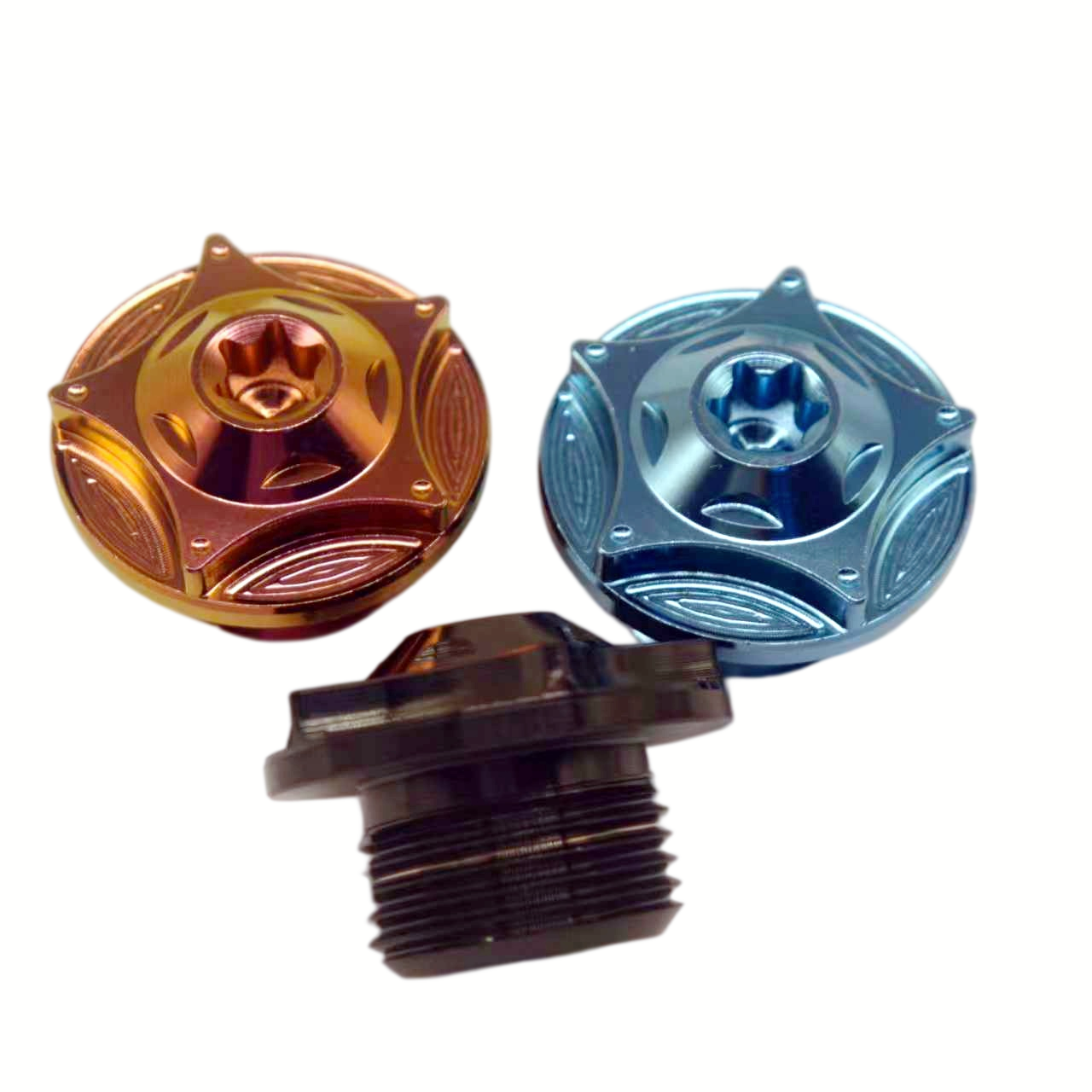
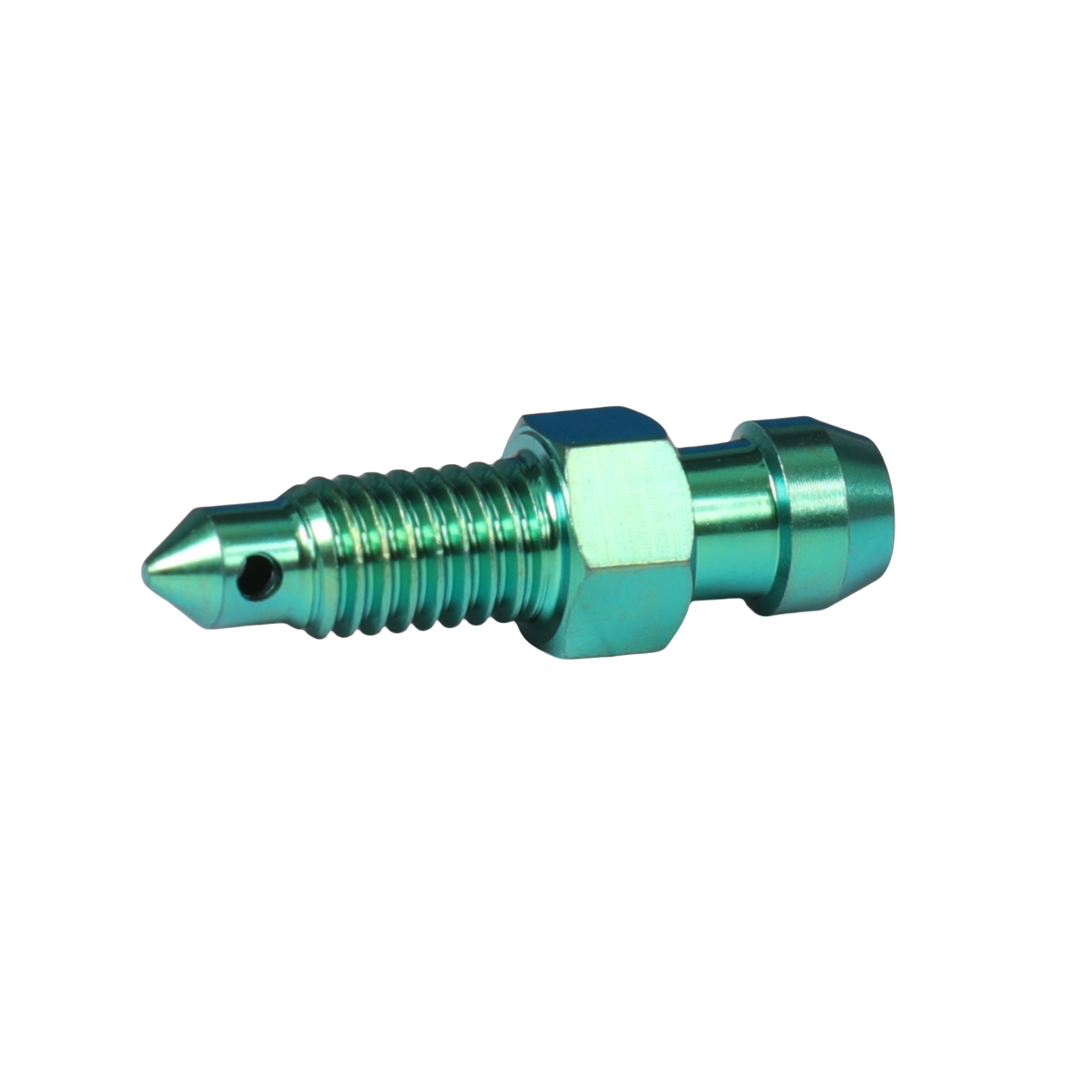
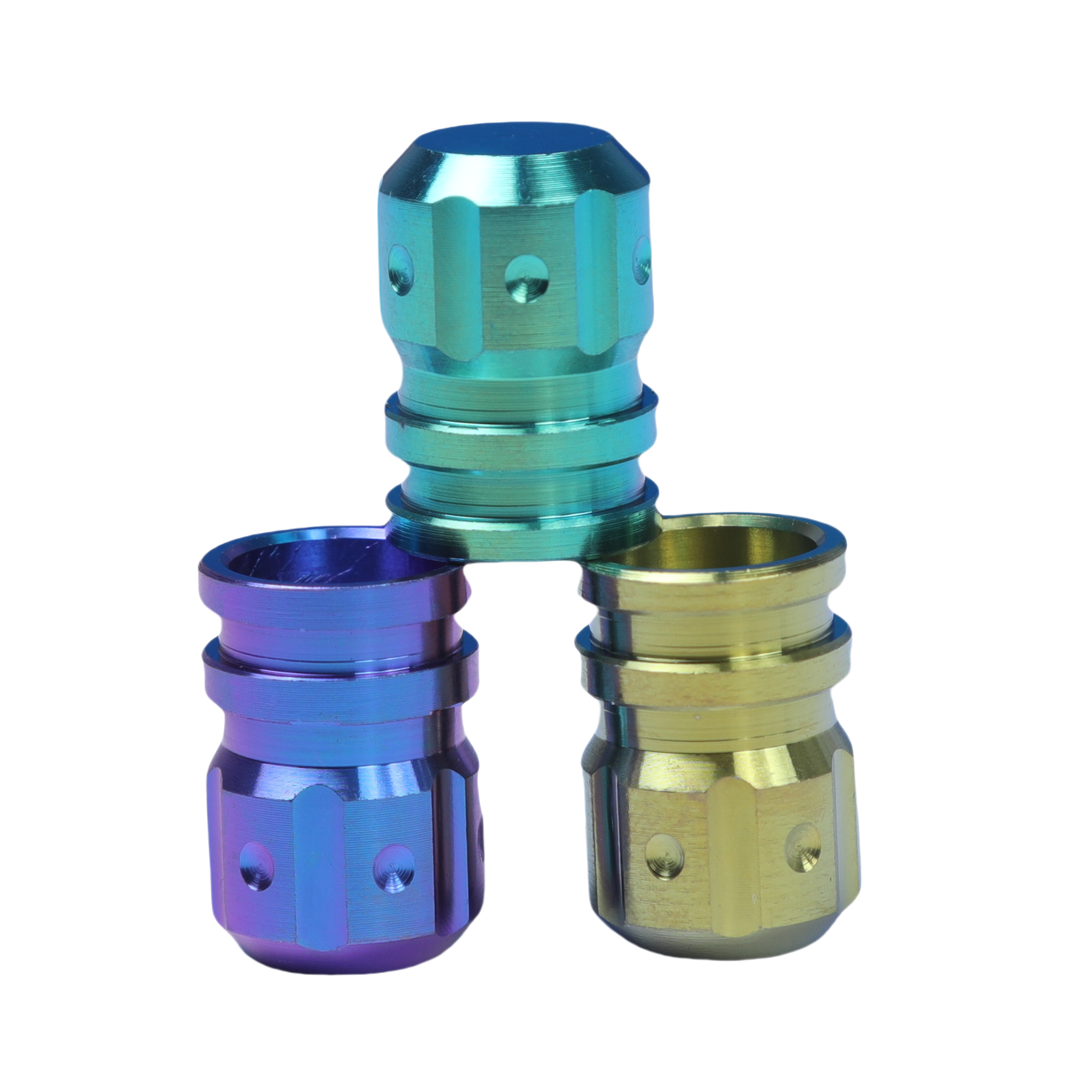
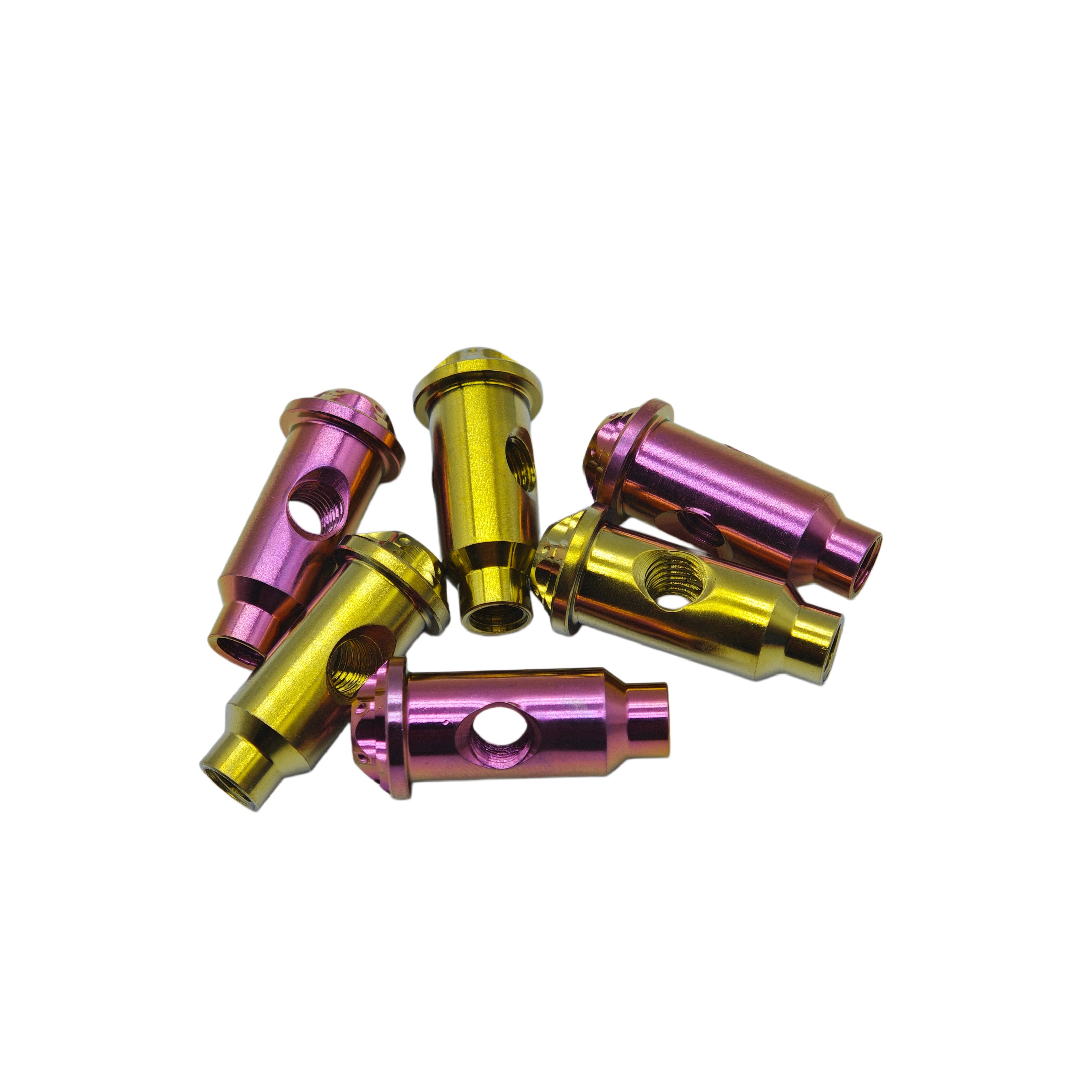
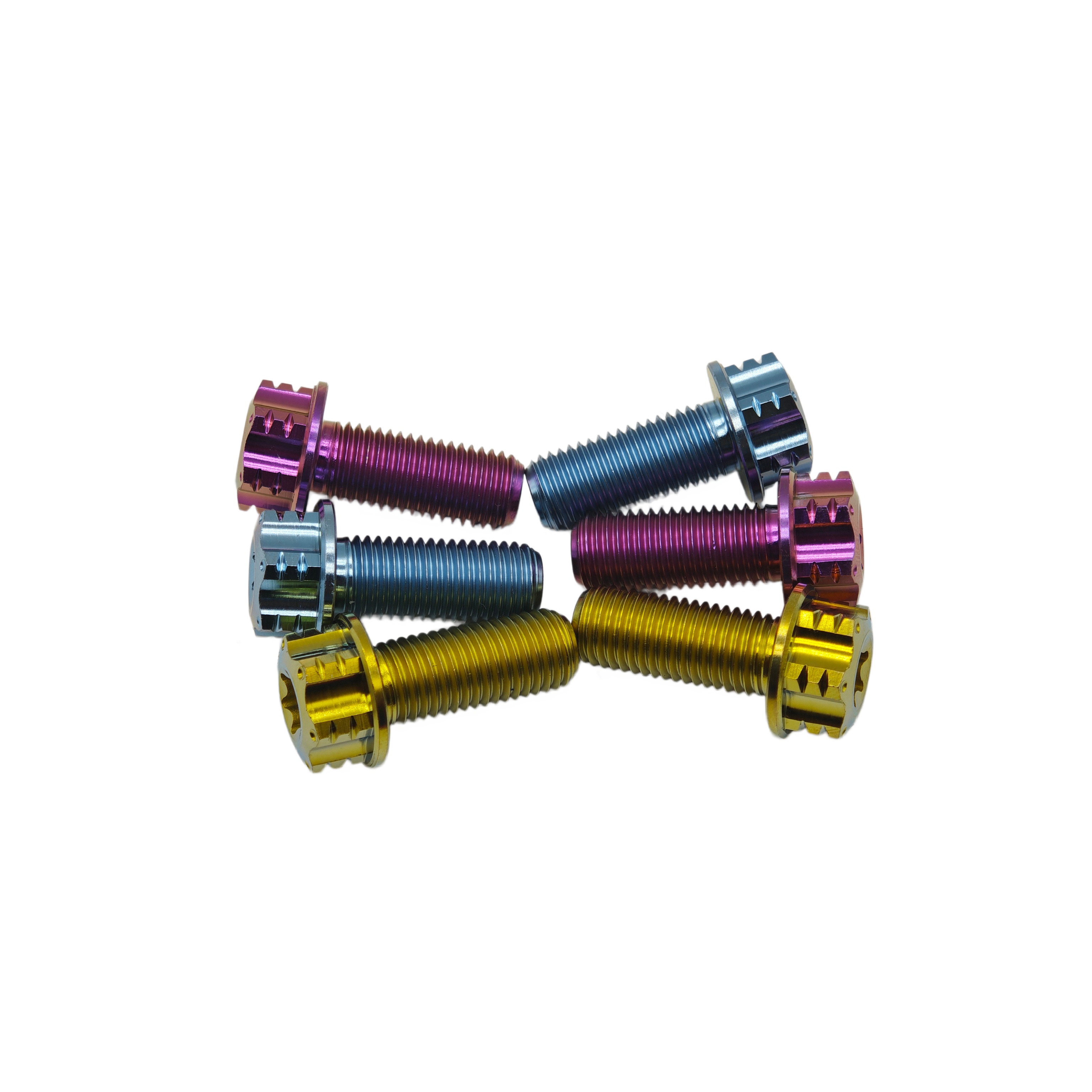
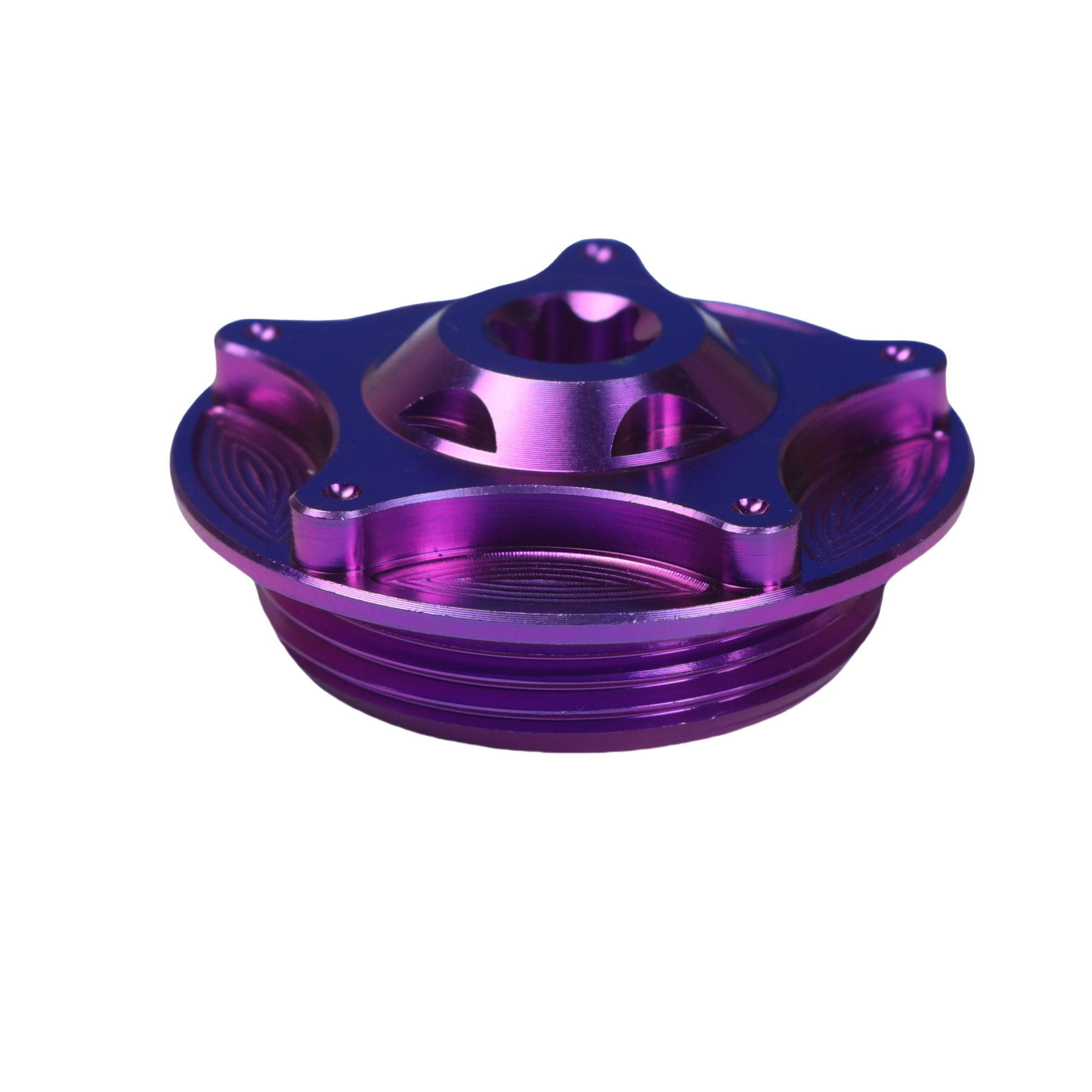
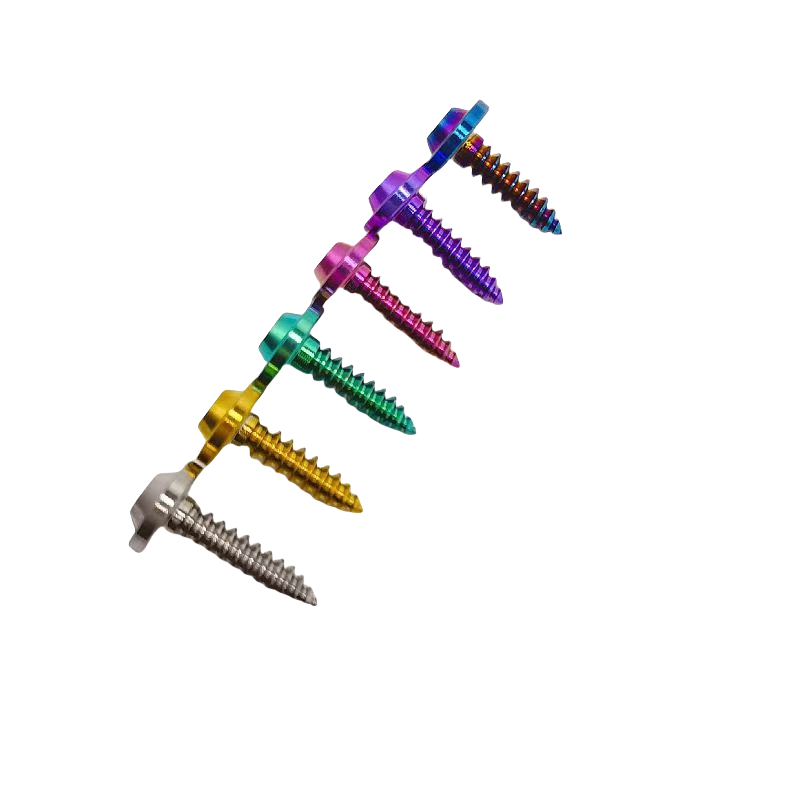
Direct from our Baoji precision machining facility to the port logistics hub of Burgas. All components feature cold-forged blanks, CNC finish turning, precision rolled threads according to ISO 965-1 (6g/6H tolerance), and optional anti-galling PVD or anodized surface passivations.
The Role of Advanced Titanium Fasteners in Burgas Industrial Ecosystem
Burgas represents Bulgaria's paramount maritime portal, home to the sprawling Port of Burgas, specialized shipyards, regional transport corridors, and Southeast Europe's largest refining asset—Lukoil Neftohim Burgas. Operating in this coastal microclimate imposes rigorous mechanical and chemical demands on fastening elements. The synergy of humid Black Sea marine aerosol, severe sulfurous hydrocarbon derivatives, brackish industrial process cooling water, and demanding dynamic fatigue cycles causes conventional Grade 8.8 or 10.9 zinc-plated carbon steels and standard A2/A4 stainless steels to fail through premature crevice corrosion, stress corrosion cracking (SCC), and pitting corrosion.
To eliminate unscheduled plant downtime, maritime maintenance overheads, and high-velocity mechanical assembly failures, modern engineering frameworks across Burgas are transitioning to certified Grade 5 Titanium (Ti-6Al-4V, UNS R56400, W.Nr. 3.7165) and Grade 2 Commercially Pure Titanium (UNS R50400). Titanium exhibits spontaneous formation of an adherent, self-healing, stoichiometric titanium dioxide (TiO2) passivation film upon oxygen exposure. This inert barrier provides absolute immunity to ambient chloride attack, sour gas condensates, acidic sulfur compounds, and cyclic seawater immersion.
Metallurgical Superiority: Cold Heading vs. Thread Rolling
A fastener's fatigue endurance limit is dictated by microstructure orientation. Many low-cost titanium suppliers rely strictly on subtractive lathe turning to cut external thread profiles, which cuts through the continuous longitudinal grain flow lines of the extruded rod. This introduces catastrophic micro-notch stress concentration sites at the thread root.
Our manufacturing protocols employ hot heading for bolt heads, followed by CNC precision shank refinement and hydraulic rolling under controlled lubrication to shape thread profiles. Thread rolling work-hardens the thread root and flank surfaces, generating deep compressive residual stresses that increase fatigue resistance by over 30% compared to cut threads. For critical applications such as marine rudder linkage bolts, offshore wind turbine structural joints, heat exchanger flanged joints, and motorcycle brake caliper mountings, rolled threads provide vital structural reliability against vibration loosening and shear failure.
- Chloride Immunity: Impassive to Black Sea coastal salinity, eliminating catastrophic pitting under marine bio-fouling deposits.
- Superior Specific Strength: Density of 4.43 g/cm³ compared to 7.9 g/cm³ for 316L stainless steel, saving 44% mass while delivering tensile strengths exceeding 950 MPa.
- Exceptional Cryogenic to Elevated Temperature Threshold: Maintains mechanical ductility from -196°C up to continuous service thresholds of +400°C.
- Non-Magnetic Permeability: Relative magnetic permeability μr approaching 1.00005, essential for non-interfering marine navigational instrumentation and sensitive electronics.
High-Integrity Fastening in Burgas Industrial Hubs
From deep-water berths at the Port of Burgas to high-temperature refining columns and precision motorsport tracks along the Bulgarian Black Sea coast, our titanium hardware solves critical engineering challenges.
Port of Burgas & Maritime Engineering
Naval ship-repair docks and cargo terminals require hardware that resists continuous saltwater spray and marine organisms. Grade 5 titanium bolts replace stainless steel in sonar housings, sacrificial anode fastenings, propulsion sub-assemblies, and deck cranes to eliminate crevice corrosion.
Subsea & Deck RiggingPetrochemical & Refining Columns
For Lukoil Neftohim Burgas and associated chemical processing facilities, high concentrations of hydrogen sulfide (H2S), chlorides, and thermal fluctuations cause severe cracking in low-alloy studs. Gr2 and Gr5 flanged fasteners withstand these aggressive sour gas and refining condensates.
Sour Gas & Heat TransferDesalination & Coastal Infrastructure
Coastal water intake stations, industrial cooling towers, and reverse osmosis desalination plants face severe pitting under standing brackish water. Our titanium studs, hex nuts, and heavy washers deliver maintenance-free operation across decades of continuous exposure.
Zero Crevice CorrosionMotorsport & Cycling Custom Builds
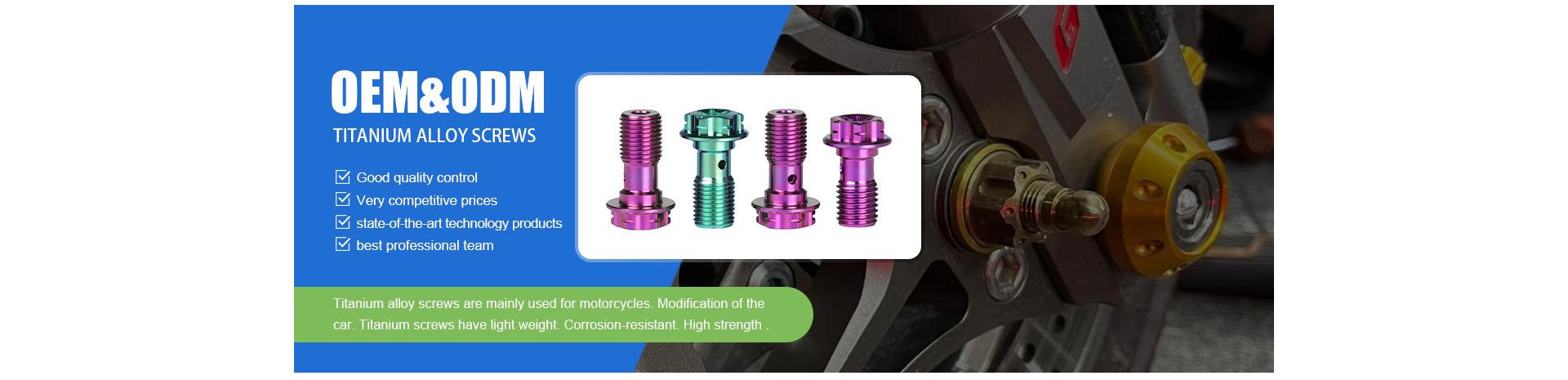
Burgas has a vibrant racing, motorcycling, and seaside cycling community. Unsprung rotational weight reduction on brake discs, sprocket hubs, fairings, and suspension links improves acceleration and steering response while preventing road-salt rust during winter.
Dynamic Mass ReductionTitanium Grade 5 vs. Traditional Fastener Materials
Quantitative empirical data comparing aerospace-grade Ti-6Al-4V against common industrial fastener alloys utilized across Eastern European coastal projects.
| Property Parameter | Grade 5 (Ti-6Al-4V) | 316L Stainless Steel | Alloy Steel 12.9 | 7075-T6 Aluminum |
|---|---|---|---|---|
| Density (g/cm³) | 4.43 | 7.98 | 7.85 | 2.81 |
| Yield Strength (MPa) | 895 – 950 | 240 – 300 | 1,100 | 505 |
| Tensile Strength (MPa) | 960 – 1,050 | 550 – 700 | 1,220 | 570 |
| Strength-to-Weight Ratio (kN·m/kg) | 216 (Superior) | 75 (Poor) | 155 (Moderate) | 202 (Good) |
| Black Sea Marine Atmosphere | Completely Immune (0.00 mm/yr) | Susceptible to Crevice Pitting | Severe Rusting without Zinc | Exfoliation over Time |
| Galvanic Corrosion Isolation | Cathodic (Stable with passivated seal) | Moderate Coupling Risks | Highly Anodic (Sacrificial) | Very Anodic (Prone to Sacrificing) |
| Standard Working Temperatures | -196°C to +400°C | -200°C to +550°C | -40°C to +250°C | -50°C to +120°C |
*Values are representative based on DIN EN ISO standards. All batches supplied to Burgas ship with full chemical and mechanical mill test reports.
Procurement & Technological Trends in Burgas
Industrial supply chain dynamics across Bulgaria are evolving rapidly in response to EU decarbonization mandates, lifecycle cost accounting, and marine engineering modernizations.
Port Decarbonization & Offshore Cranes
Modernization initiatives at the Port of Burgas emphasize lighter electrified handling structures. Replacing heavy structural steel assemblies with high-strength titanium fasteners trims static gantry deadweight, lowers energy consumption, and eliminates recurring repainting and rust-stripping labor cycles on the waterfront.
Green Transition at Neftohim Industrial Zone
As the petrochemical complex prepares for green hydrogen pilot projects and bio-refining conversions, fluid transfer architectures face heightened embrittlement risks. Grade 5 and customized Grade 12 titanium fasteners offer crucial hydrogen permeation resistance and high mechanical integrity across fluctuating process pressures.
Direct-from-Factory Supply Chain Integration
Bulgarian procurement teams are bypassing intermediate Western European distributors to source directly from primary manufacturers in Baoji. This direct model cuts markups by 30-40%, secures mill test certificates tied directly to furnace heats, and enables fast-track custom component prototyping in under 72 hours.
Why Burgas Engineers Depend on Our Baoji Works
Combining primary titanium sourcing at China's "Titanium Valley" with aerospace-grade CNC machine centers, we maintain rigorous control over every manufacturing phase.
Swiss-Type Multi-Axis CNC Turning
Our workshop houses over 50 precision Japanese and Taiwanese CNC turning centers. We routinely achieve dimensional tolerances down to ±0.005 mm, ensuring flawless fitments for intricate internal hex, Torx sockets, and customized thread leads for industrial pumps and aerospace tooling.

Warehouse Stock & 3-Day Rapid Prototyping
We stock over 200 metric tons of certified titanium bar stock and thousands of finished DIN 912, DIN 933, and ISO 7380 bolts. Standard metric SKUs ship within 24 hours. Bespoke engineering drawings are translated into physical samples in our prototyping cell within 3 days.

100% Optical Sorting & Traceability
Zero-defect commitments require full-process validation. Every shipment destined for Burgas undergoes automated laser dimension verification, Go/No-Go thread gauging, optical sorting for surface integrity, and ultrasonic testing to rule out internal voids or micro-porosity.
Frequently Asked Questions for Burgas Industrial Buyers
Practical guidance addressing logistics, metallurgical performance, and assembly techniques for engineering teams across Burgas and Bulgaria.
Accelerate Your Project with Certified Titanium Hardware
Whether you require standard DIN/ISO Grade 5 fasteners for port handling equipment, corrosion-resistant studs for the Burgas refining sector, or lightweight bolts for motorsport fabrications, our engineering desk delivers precision solutions within budget.
