Engineering Products for Hamburg Deliveries
Direct supply line from certified Baoji titanium alloy production to Hamburg commercial operations, offering DIN/ISO and precision-turned non-standard hardware.
Localized Engineering Applications in Hamburg & Northern Germany
As Northern Europe’s primary maritime powerhouse and Germany’s hub for both aerospace integration and wind-energy manufacturing, Hamburg demands fastening elements that consistently surpass standard stainless steel (A2/A4) thresholds. The intersection of severe marine environments along the Elbe River estuary and high-vibration aerospace stress envelopes creates a unique engineering requirement: zero-compromise fatigue resistance coupled with total immunity to galvanic and chloride-induced stress corrosion cracking.
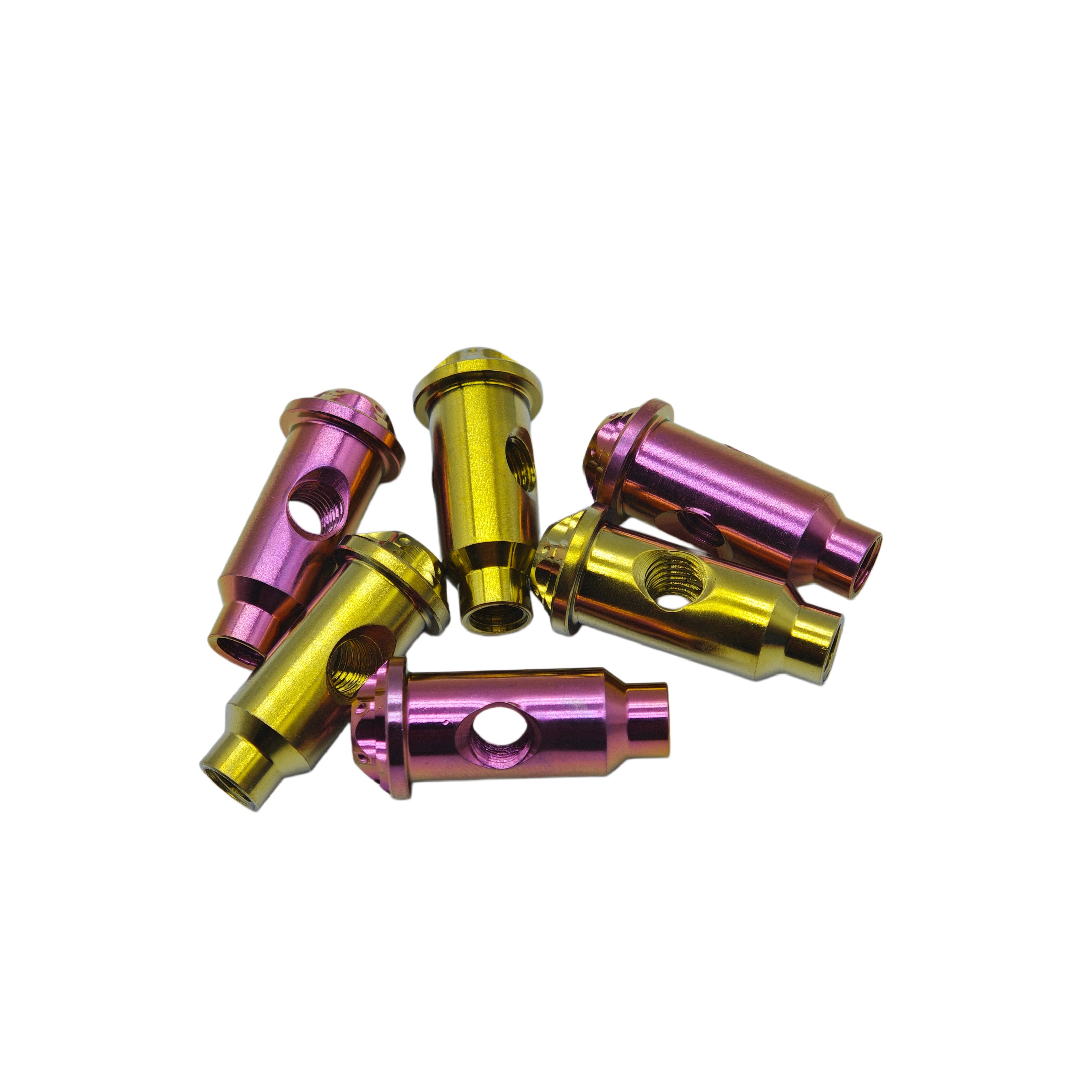
In Hamburg’s maritime sector—ranging from specialized shipbuilding at Blohm+Voss to subsea exploratory equipment—Gr5 (Ti-6Al-4V) fasteners are increasingly deployed for through-hull penetrations, hydraulic manifold fittings, propulsion brackets, and radar mast assemblies. While traditional bronze and austenitic stainless grades succumb to pitting or crevice corrosion under prolonged saltwater immersion, our cold-headed and CNC-turned titanium fasteners generate an instantaneous, stable passive rutile (TiO₂) oxide layer that delivers indefinite service life with near-zero maintenance overhead.
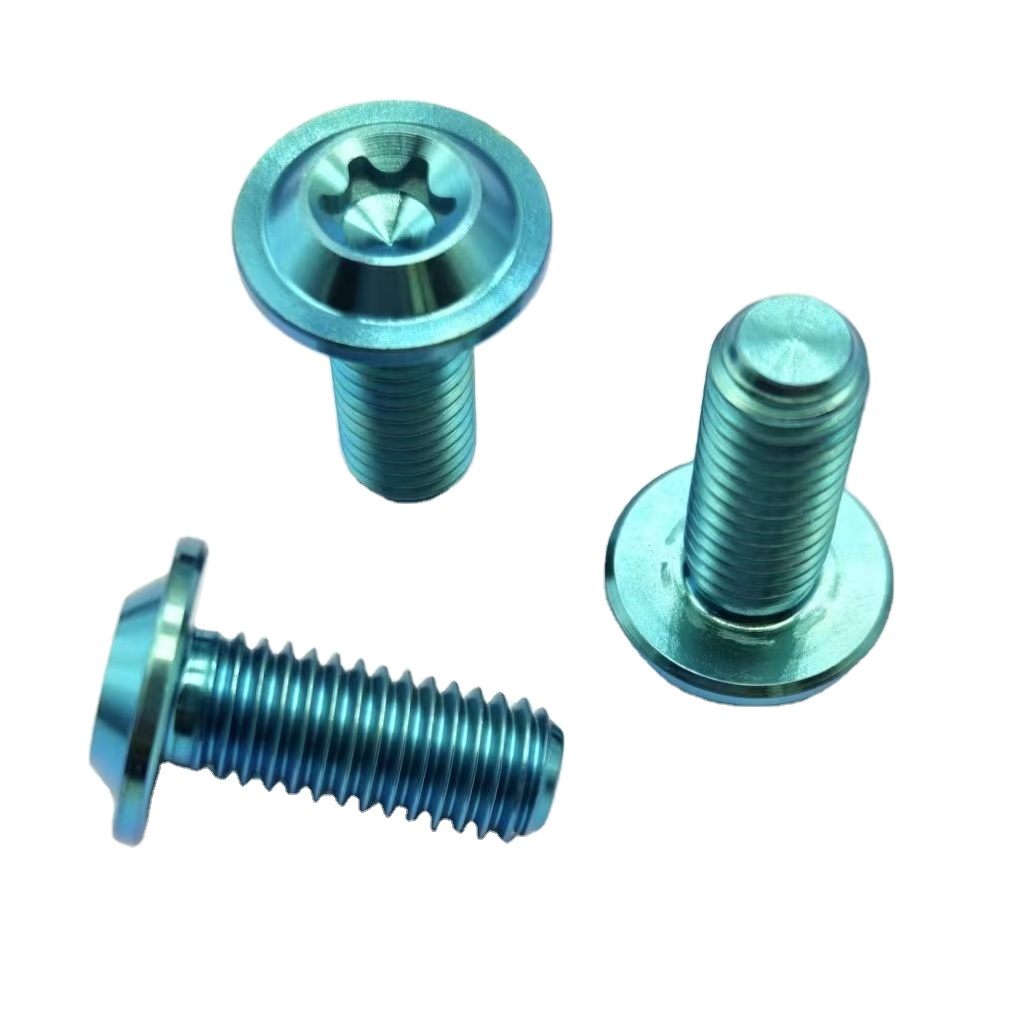
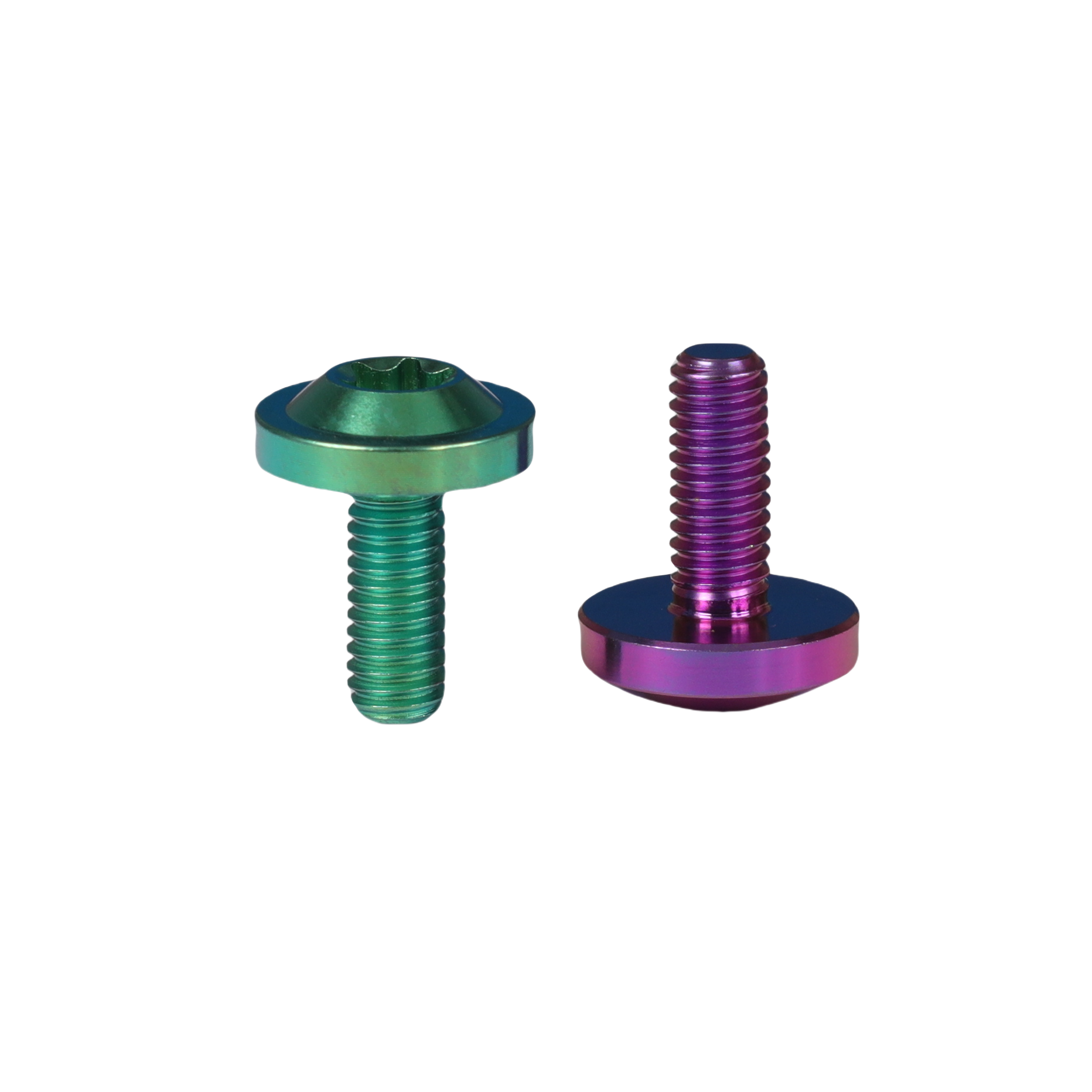
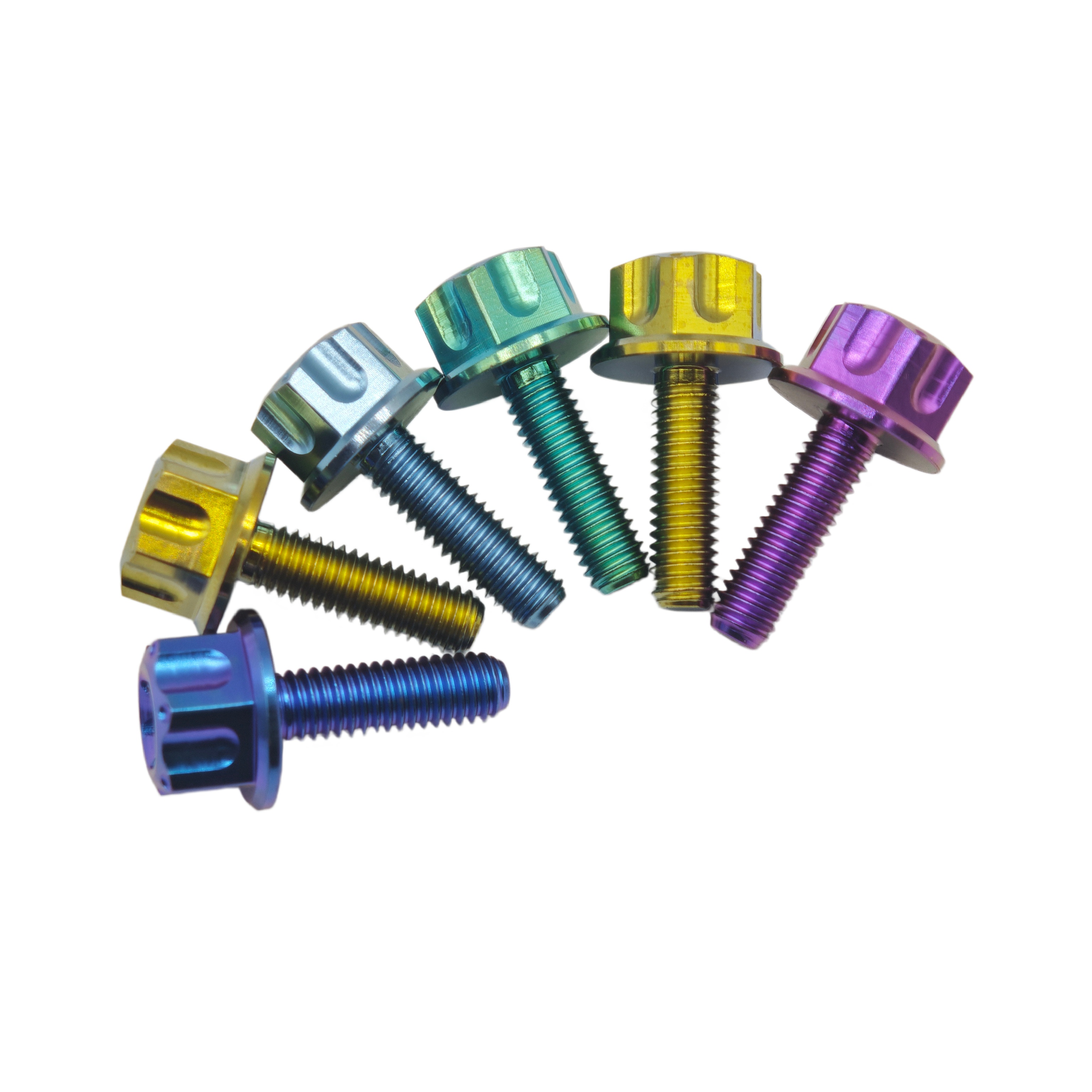
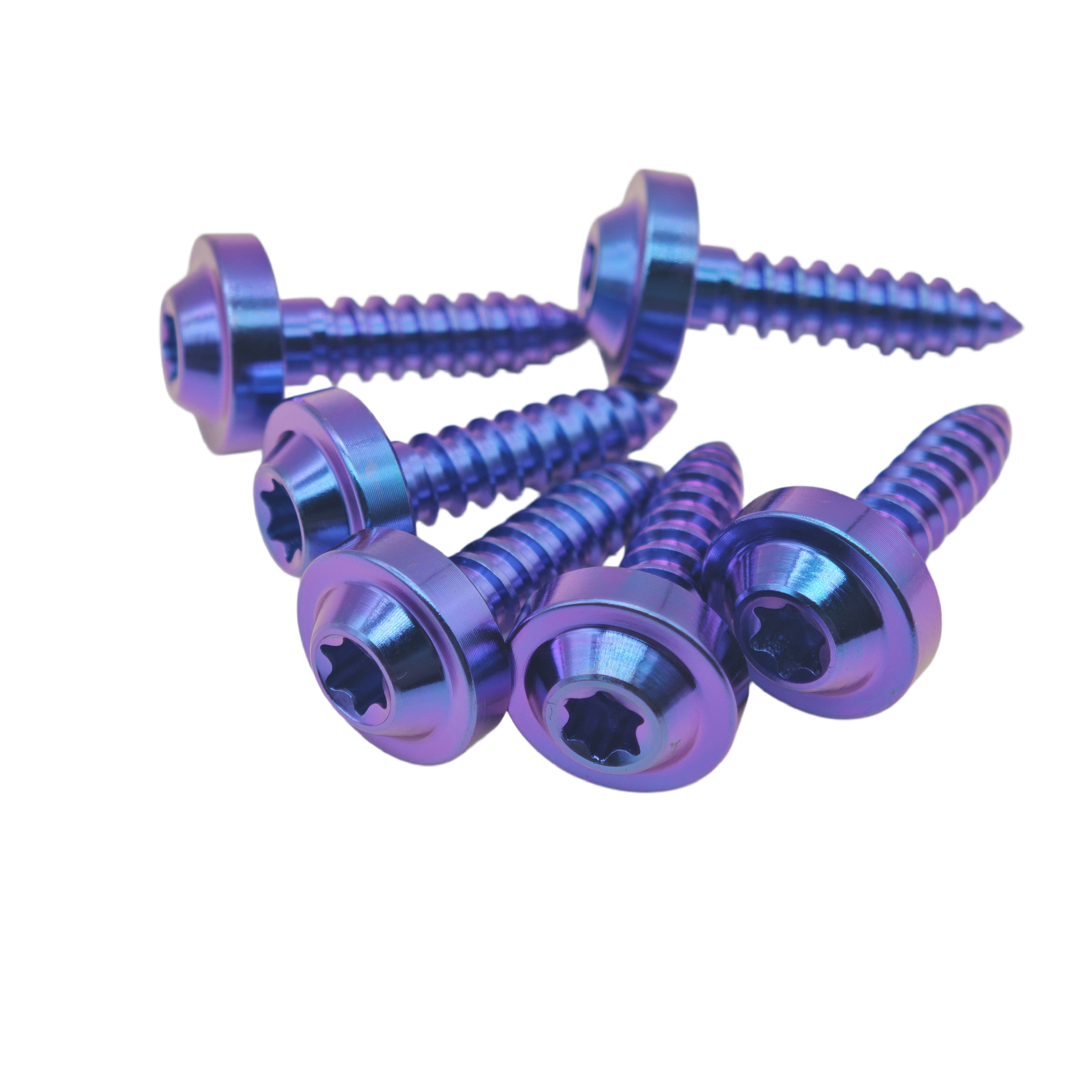
Similarly, within the Finkenwerder aviation cluster and its tier-1/tier-2 subcontractor network, structural mass reduction directly translates to increased operational payload and lower fuel consumption. Our Grade 5 metric titanium bolts (such as DIN 912 socket caps, ISO 7380 flanged buttons, and custom countersunk Torx fasteners) provide an ultimate tensile strength exceeding 895 MPa at roughly half the weight of 8.8 and 10.9-grade structural alloy steels. This unique strength-to-weight ratio offers significant advantages for non-critical airframe brackets, cabin monument fittings, and maintenance ground-support tooling.
Hamburg Industry Trends & Technological Adaptation
Industrial transitions across the Metropolitan Region Hamburg prioritizing lifecycle decarbonization, lightweight electrification, and extended marine operational lifespans.
North Sea Offshore & Port Infrastructure
Turbines located within the German Bight and Hamburg port facilities face relentless salt mist and fluctuating hydrodynamic loads. Gr5 titanium fasteners eliminate cathodic delamination and structural rust, securing sensor packages, nacelle brackets, and telemetry buoys without requiring toxic sacrificial anti-corrosion coatings.
Maritime Hydrogen & Green Propulsion
With Hamburg positioning itself as a central European green hydrogen capital, port logistics equipment, fuel-cell vessels, and cryogenic bunkering installations require fasteners capable of withstanding cryogenic embrittlement and corrosive byproducts. Grade 5 titanium maintains superior metallurgical ductility down to cryogenic thresholds.
Custom Motorsport & Urban Mobility
High-end performance tuning facilities across Altona, Wandsbek, and Harburg implement our CNC-machined titanium wheel studs, brake rotor bolts, and axle nuts. Unsprung rotational mass is minimized by 44%, resulting in enhanced thermal stability during high-speed braking and instantaneous suspension response times.
Engineering Data: Ti-6Al-4V vs. Structural Alternatives
Quantitative property analysis utilized by German structural engineers to select bolting systems for dynamic, thermal, and corrosive loading.
| Mechanical / Physical Property | Zunvo Gr5 (Ti-6Al-4V) | A4-80 Stainless (1.4401) | 10.9 High-Tensile Steel | 7075-T6 Aerospace Aluminum |
|---|---|---|---|---|
| Density (ρ) | 4.43 g/cm³ | 8.00 g/cm³ | 7.85 g/cm³ | 2.81 g/cm³ |
| Tensile Strength (Rm) | ≥ 895 – 1000 MPa | 800 MPa | 1040 MPa | 570 MPa |
| Yield Strength (Rp 0.2) | ≥ 828 MPa | 600 MPa | 940 MPa | 505 MPa |
| Strength-to-Weight Ratio | 202 kN·m/kg | 100 kN·m/kg | 132 kN·m/kg | 203 kN·m/kg |
| Chloride Pitting Resistance (PREN) | Immune in Ambient Sea Water | 23 – 25 (Pitting Risk) | Zero (Rapid Failure) | Susceptible to Exfoliation |
| Magnetic Permeability (μr) | 1.00005 (Non-Magnetic) | ~ 1.05 (Slightly Magnetic) | Ferromagnetic | Non-Magnetic |
Enterprise Competence: Direct Production from "China Titanium Valley"
Zunvo Titanium Products Co., Ltd. was established in 2015 in Baoji, Shaanxi Province—widely recognized as the industrial heartland responsible for the vast majority of global titanium extraction and processing. Operating modern production facilities spanning 1,000 to 3,000 square meters with an expert workforce of 101–200 technicians, we provide Hamburg industrial buyers with an uncompromised, direct manufacturer link that eliminates multiple tiers of broker markups.
Every single titanium fastener originating from our Baoji plant is cold-headed or hot-forged, precision CNC turned with tolerances up to ±0.005 mm, and thread-rolled rather than cut. Thread rolling compresses the metallurgical grain structure along the pitch contours, preventing stress concentrators and yielding a fatigue limit significantly higher than standard thread-cut equivalents. Our facility maintains an exhaustive quality inspection workflow utilizing digital optical comparators, thread go/no-go ring gauges certified to DIN/ISO 6g tolerances, and automated coordinate measuring machines (CMM).
Furthermore, each production batch is linked directly to raw ingot heat numbers with mill test certificates (MTC) detailing chemical composition (O, Fe, C, N, H boundaries) and mechanical tensile behavior. With an average response window under 7 hours and streamlined international courier/freight arrangements arriving directly at Hamburg Airport (HAM) or the Port of Hamburg, European supply line managers achieve rapid prototyping alongside secure volume continuity.
Full Material Traceability
Certified Ti-6Al-4V Grade 5 bars strictly compliant with ASTM B348, AMS 4928, and ISO 5832-3 standards. Ingot chemistry and mechanical ductility reports delivered with every order batch.
Advanced CNC & Thread Rolling
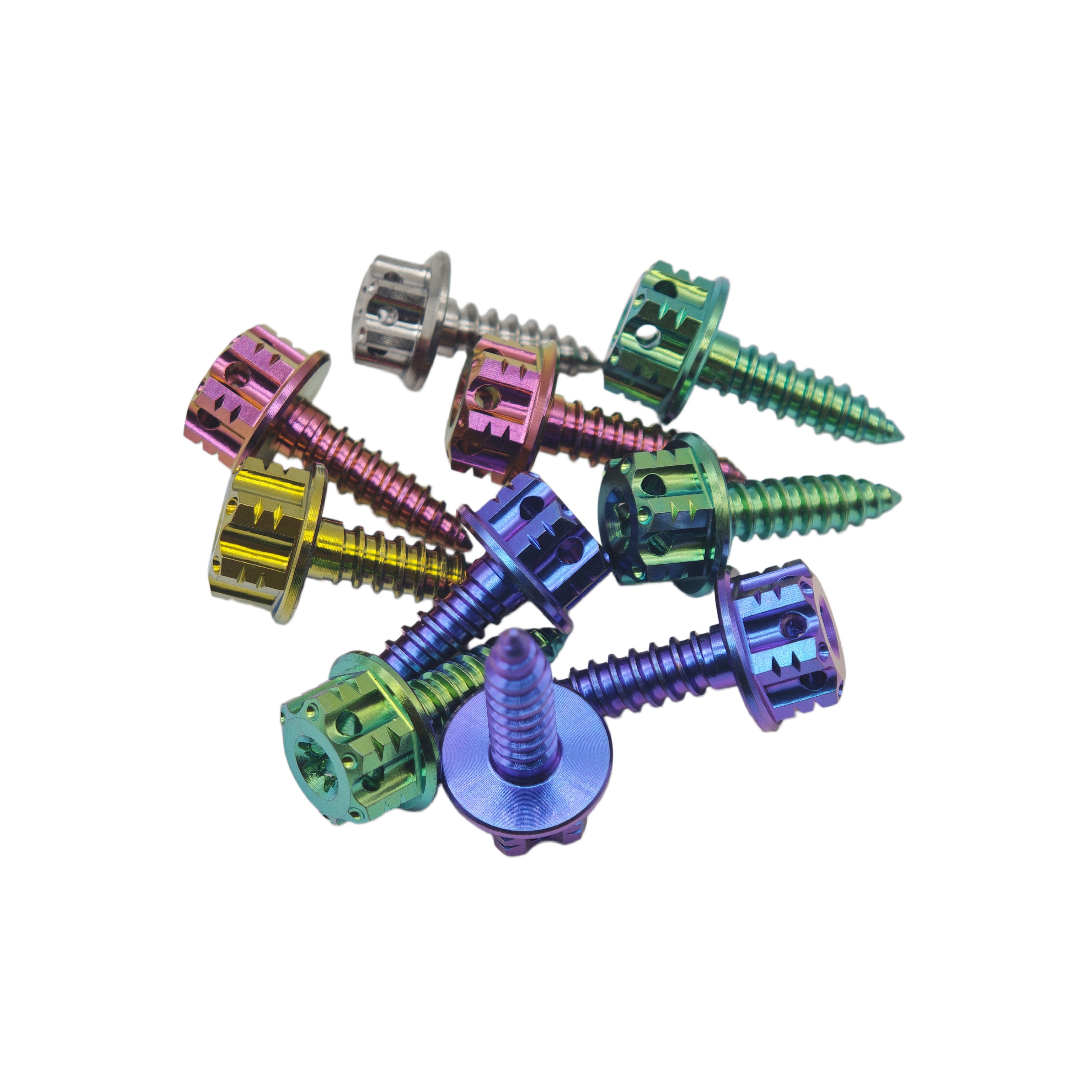
Equipped with multi-axis CNC turning and Swiss machining centers for intricate heads, internal Torx recesses, cross-drilled lock-wire safety holes, and rolled metric/UNF threads.
Surface Engineering & Coatings
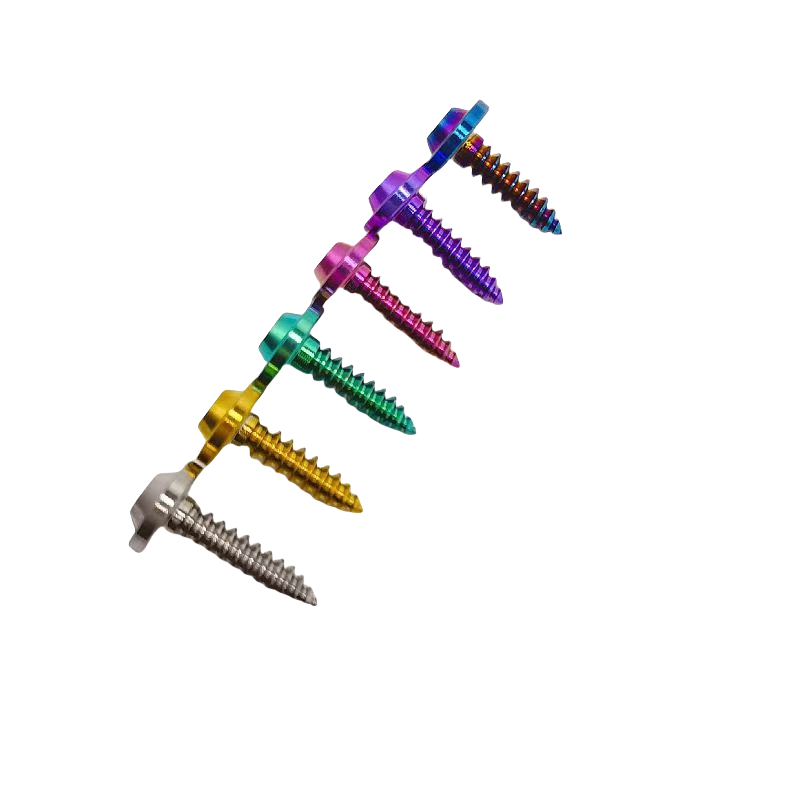
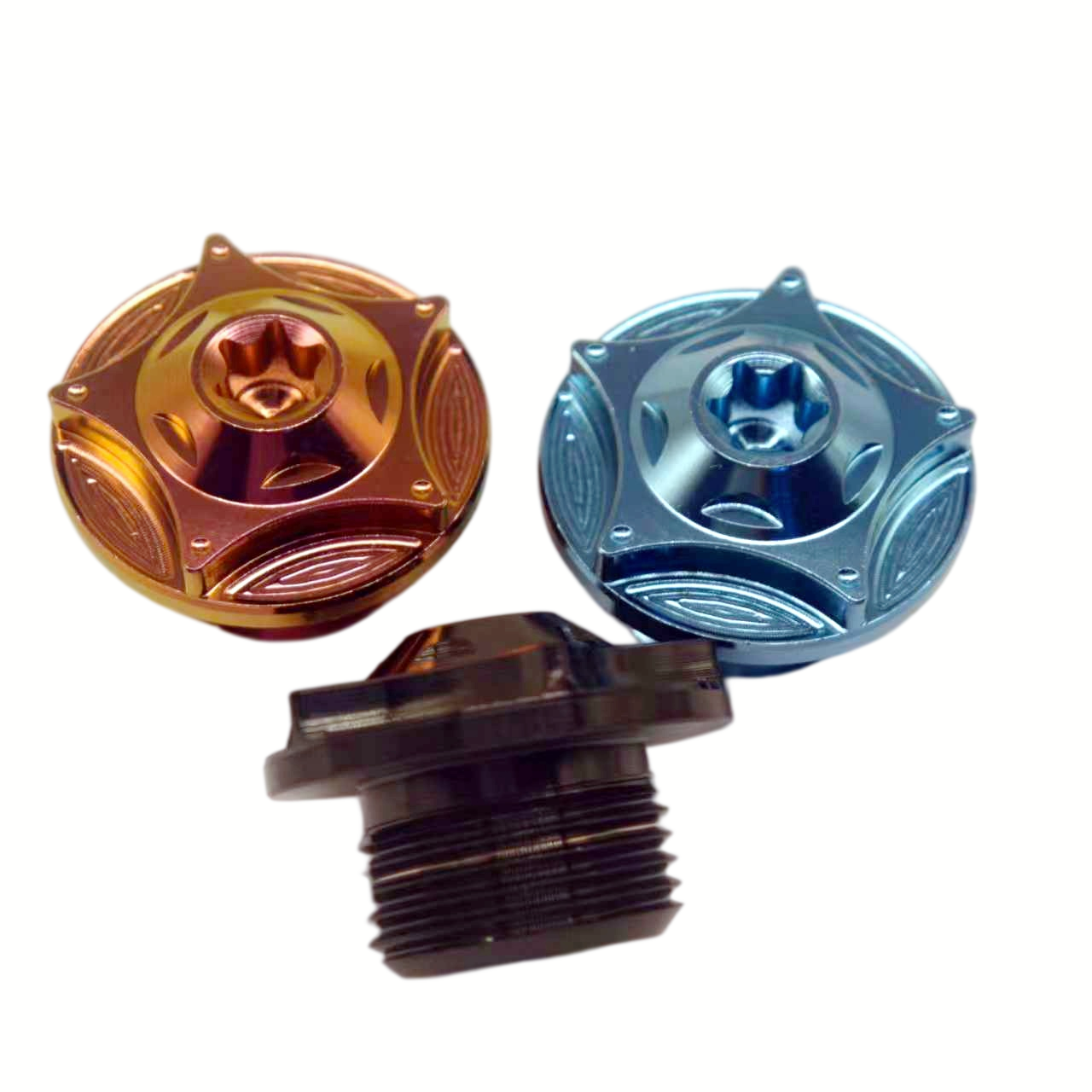
In-house computerized anodizing (gold, blue, purple, burnt rainbow) and physical vapor deposition (PVD nitriding for diamond-like black/slate finishes) ensures anti-galling and surface hardness.
Hamburg Engineering & Procurement FAQ
Critical metallurgical, logistics, and assembly considerations addressed by our application engineers.
How do German customs and import logistics work when shipping to Hamburg?
Shipments destined for Hamburg business addresses are processed through German Customs (Zollamt Hamburg) via expedited air express (DHL Express, FedEx, UPS) arriving at Hamburg Airport (HAM) within 3 to 5 business days, or via container vessel docking at the Port of Hamburg (Waltershof / Altenwerder) for large-scale maritime consignments. We furnish complete commercial invoices, HS commodity code classifications (typically 8108.90 for wrought titanium hardware), packing lists, and Certificates of Origin to facilitate immediate customs clearance without administrative friction.
Can Grade 5 titanium bolts replace Class 8.8 or 10.9 steel bolts in critical maritime machinery?
Grade 5 titanium possesses a tensile strength of 895 to 1000 MPa, directly matching or exceeding Class 8.8 steel (800 MPa) while outperforming it drastically in corrosive and fatigue environments. While roughly on par with Class 10.9 (1040 MPa) tensile capacity, titanium’s modulus of elasticity is approximately 114 GPa (roughly half that of steel ~210 GPa). When replacing 10.9 bolts in rigidity-critical joints, our engineering department reviews clamp load requirements, joint compliance, and recommended tightening torque values to ensure seamless integrity.
What assembly practices are required to prevent galling (cold welding) in titanium threads?
Titanium forms a tenacious self-healing oxide film, but high-pressure metal-to-metal rubbing during rapid mechanical tightening can shear this layer and lead to galling. When installing titanium fasteners in high-torque industrial or automotive settings across Northern Germany, we prescribe using an anti-seize lubricant containing molybdenum disulfide (MoS₂) or an approved marine-grade nickel/copper paste. Alternatively, our factory-applied PVD (Physical Vapor Deposition) coatings or micro-arc oxidation treatments markedly lower thread friction and eliminate galling tendencies.
How does titanium hardware mitigate galvanic corrosion when coupled with carbon fiber or aluminum?
Unlike steel or aluminum which suffer severe galvanic decay when touching carbon-fiber-reinforced polymers (CFRP) due to carbon’s noble electrochemical potential, titanium sits virtually adjacent to graphite on the galvanic series chart. Consequently, pairing Zunvo Gr5 bolts with carbon composite airframes or racing hulls completely avoids galvanic degradation. When securing titanium bolts into aluminum structures exposed to North Sea brine, the use of isolating non-conductive washers or our passivated/coated bolts prevents aluminum sacrificial loss.
What are the standard sampling lead times and production minimums for custom drawings?
Standard catalog items (such as DIN 912 socket bolts, M4–M10 pan heads, and flange nuts) are available from inventory and ship within 24 hours. For proprietary engineer drawings or modified head dimensions, CNC tooling and prototype samples are typically manufactured and dispatched within 3 business days. Volume production runs are accomplished in 7 to 15 days, with low initial evaluation MOQs starting from 100 pieces per custom configuration.
Ready to Discuss Your Fastener Specifications for Hamburg?
Submit your CAD models, technical dimensional drawings, or standard fastener schedules. Our technical engineering team provides manufacturability feedback, material certifications, and direct factory pricing within 7 hours.
Send an Inquiry