Export-Certified Titanium Hex Flange Bolts & Components
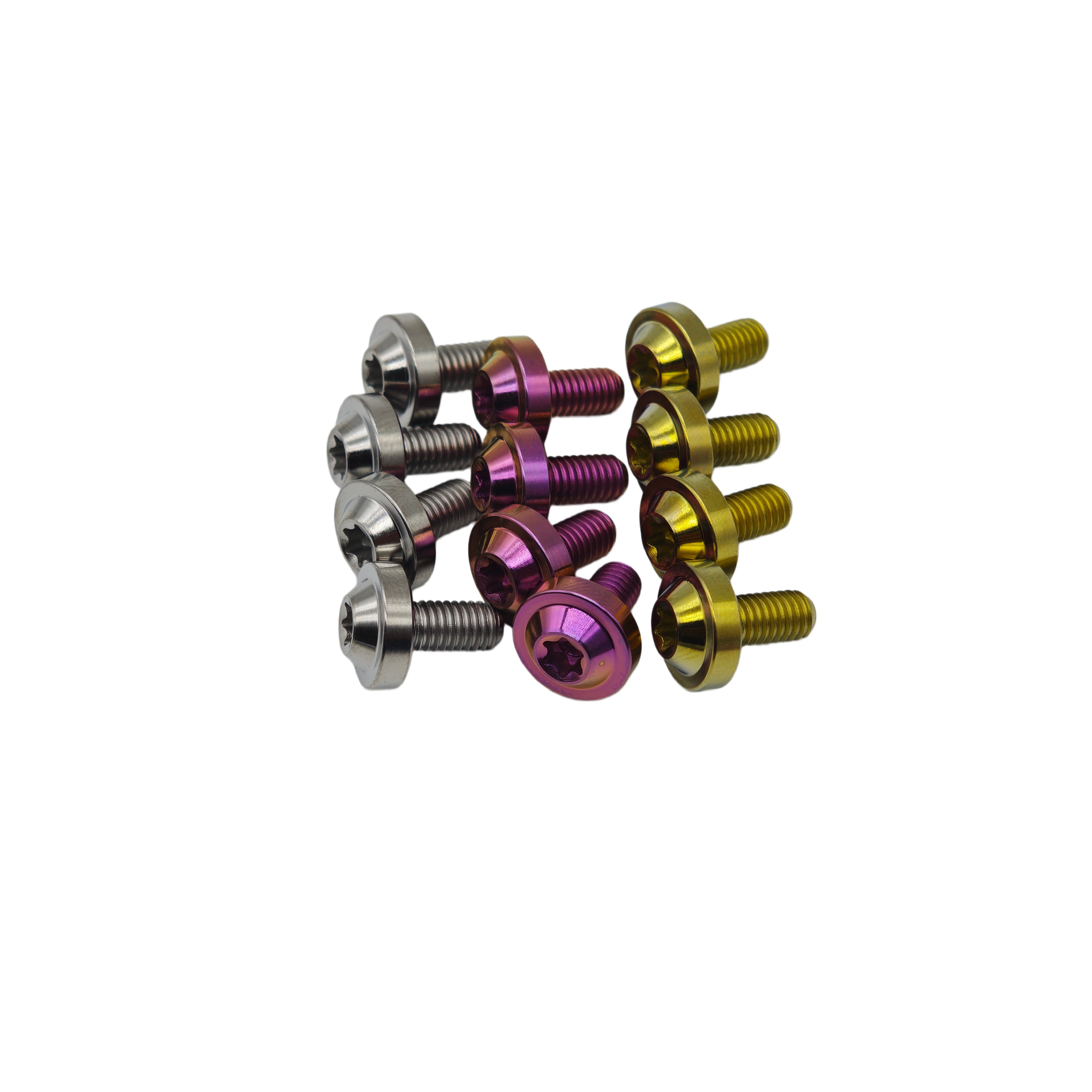
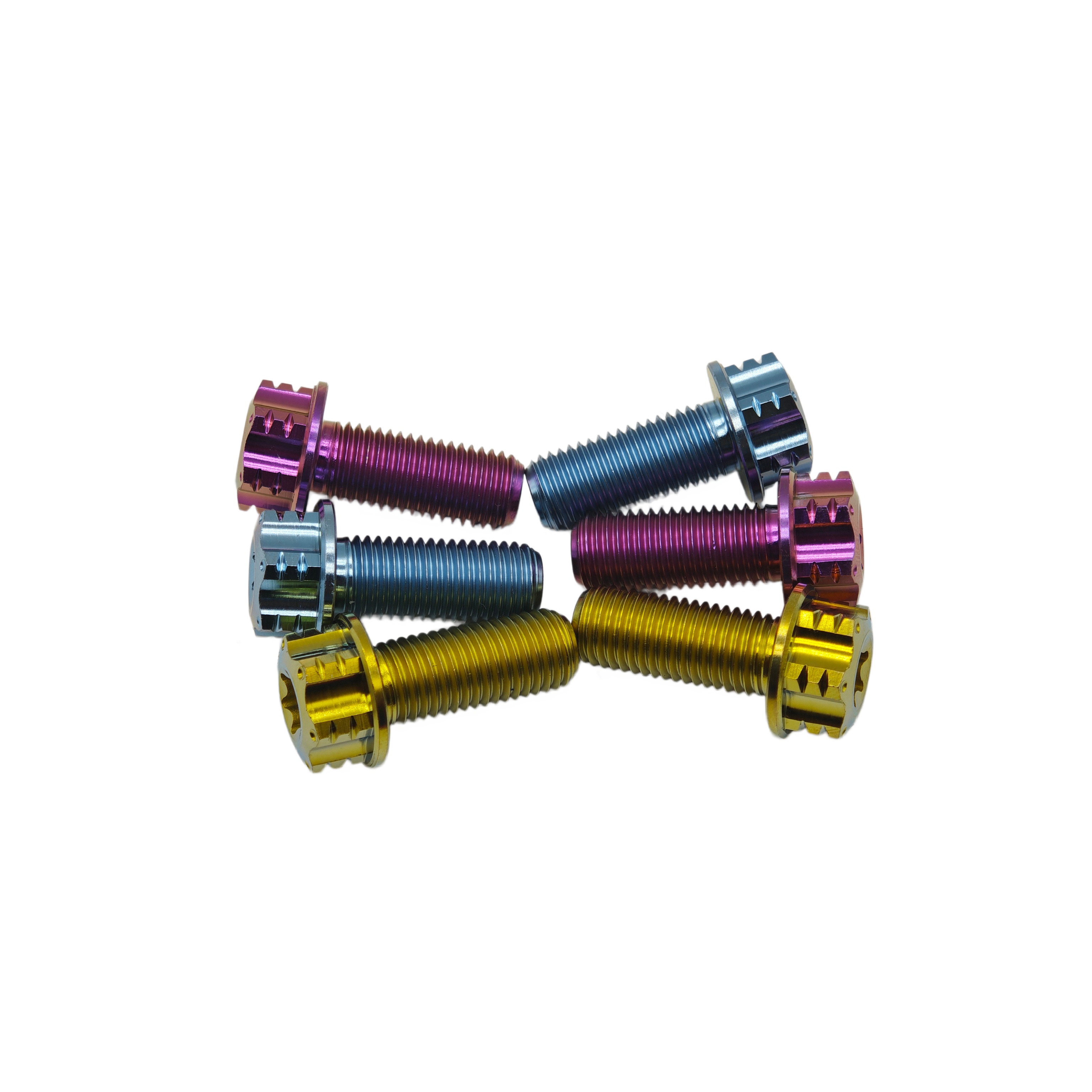
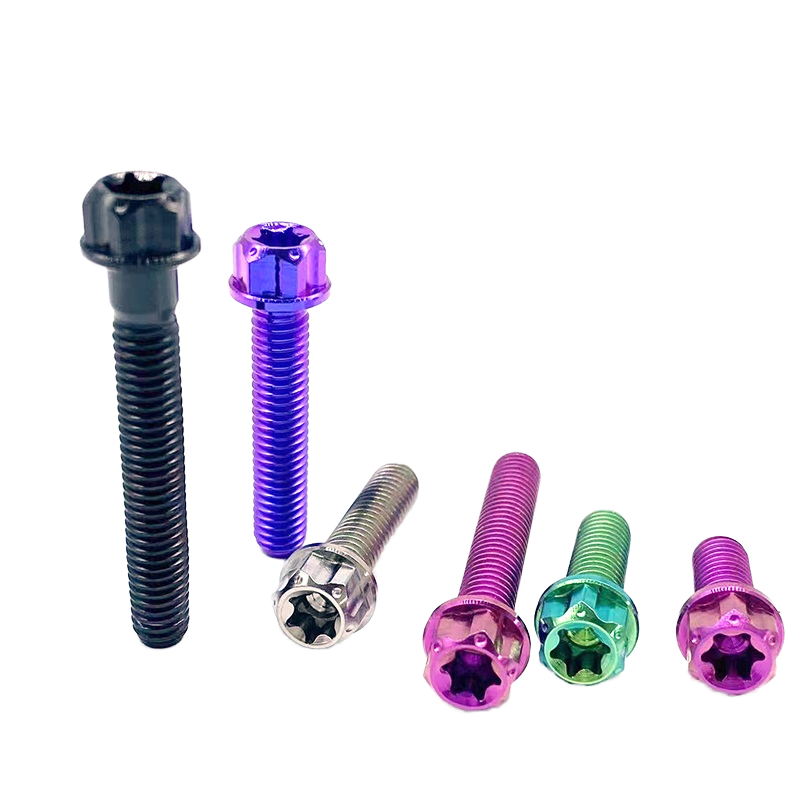
Engineered via cold-heading and precision CNC turning from certified Baoji titanium billet. Formulated to provide unmatched tensile resistance, galvanic protection, and weight optimization.
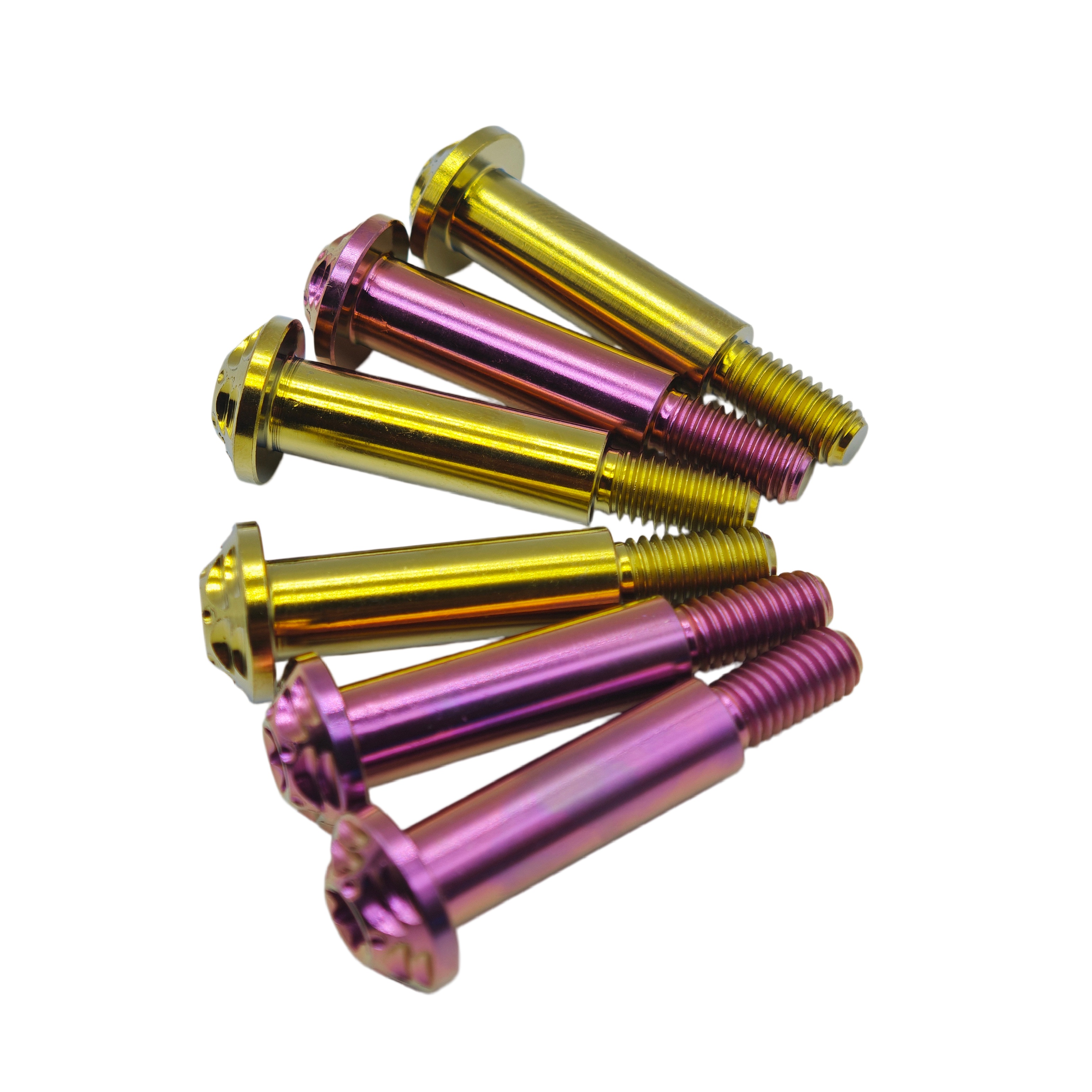
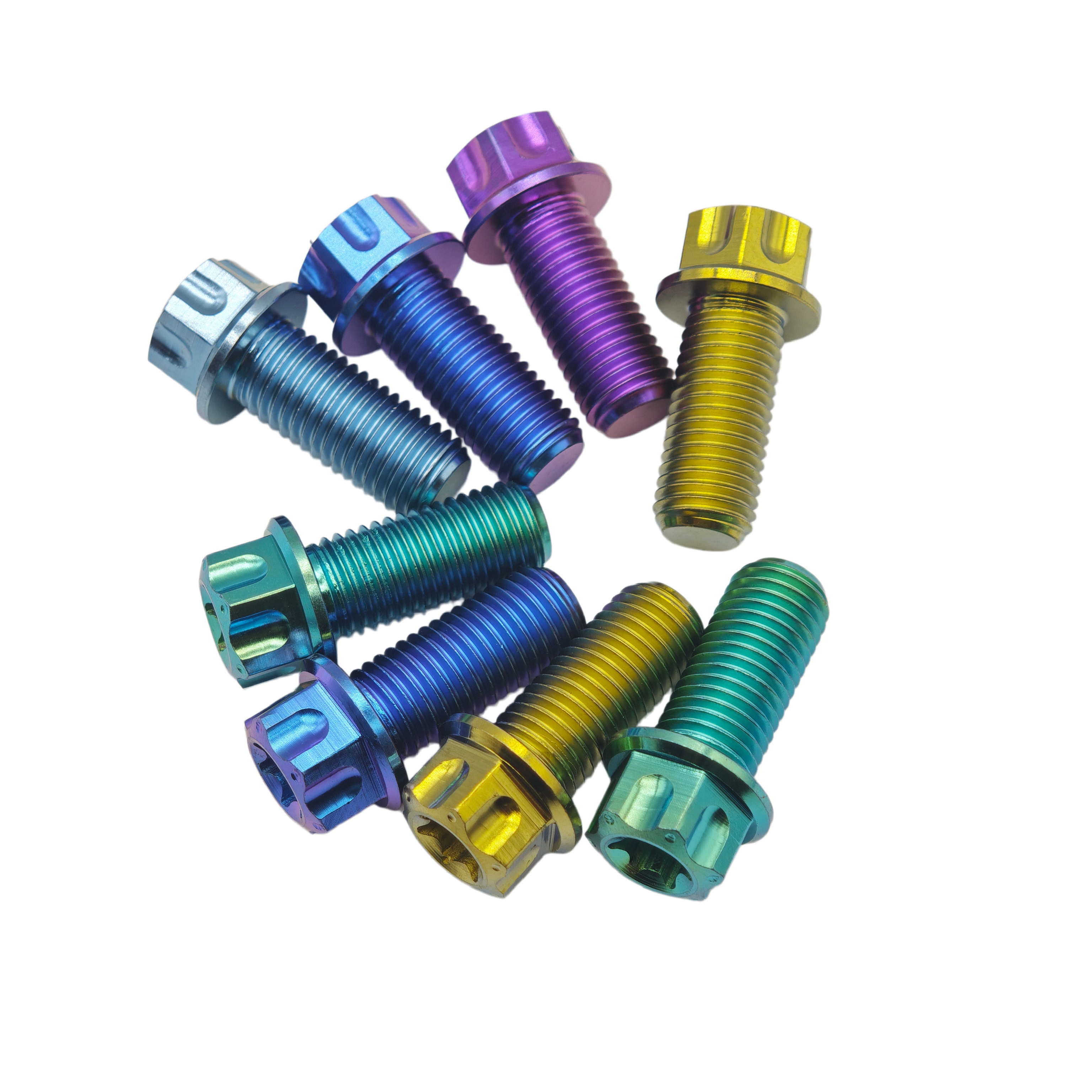
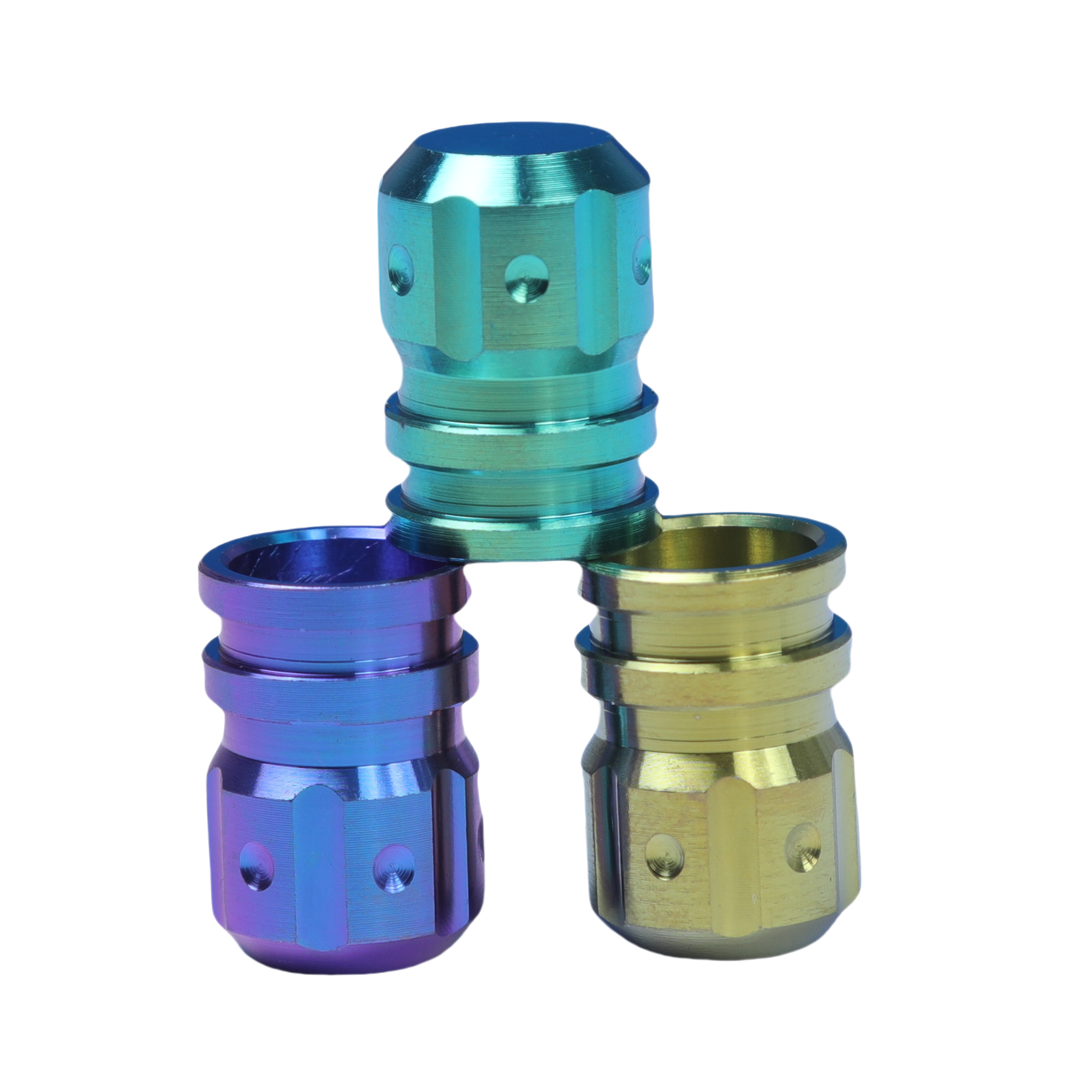
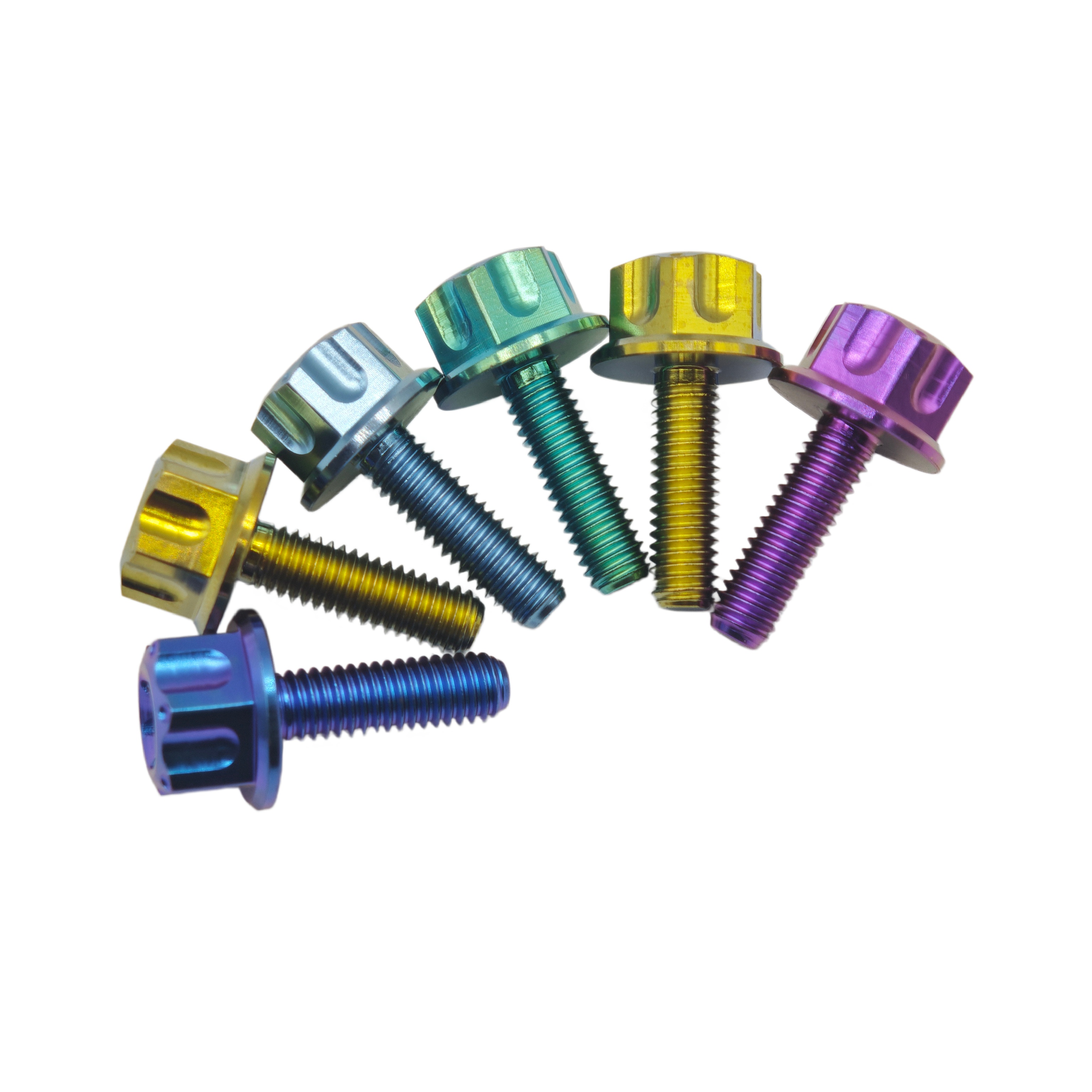
White Paper: Engineering Titanium Hex Flange Fasteners for High-Stress Industrial Demands
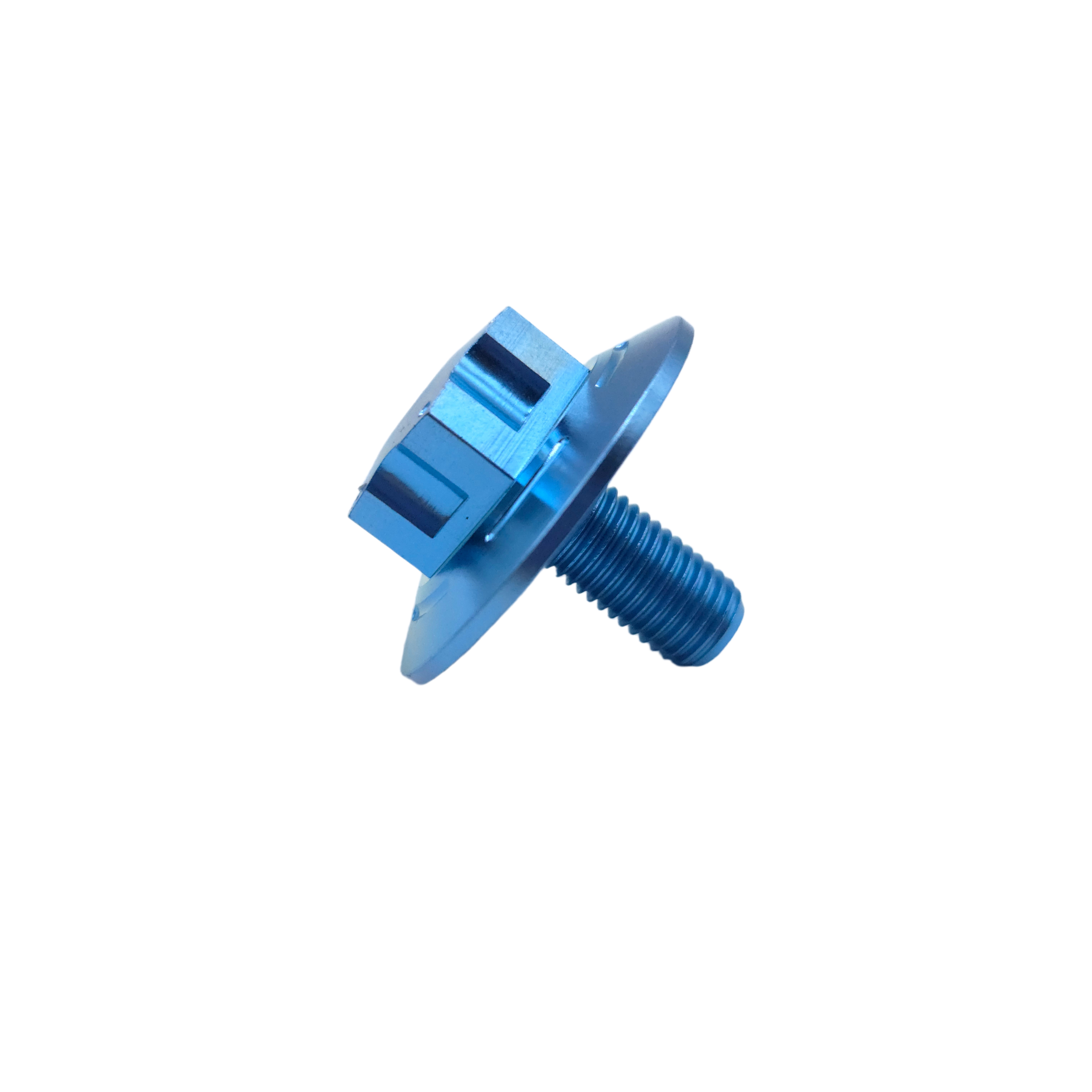
Hex flange bolts fabricated from Ti-6Al-4V (Grade 5, UNS R56400) represent the benchmark in modern mechanical assembly where high strength-to-weight efficiency and chemical immunity are non-negotiable. For industrial procurement departments and equipment designers serving the North Korea market—particularly across mining infrastructure, heavy rail logistics, chemical processing plants, and marine coastal operations—fastener failure is an unacceptable operational liability. Incorporating integrated flange heads removes the requirement for separate washers, streamlining structural joins and preventing stress concentration points.
1. Anatomical Mechanics of Hex Flange Fasteners
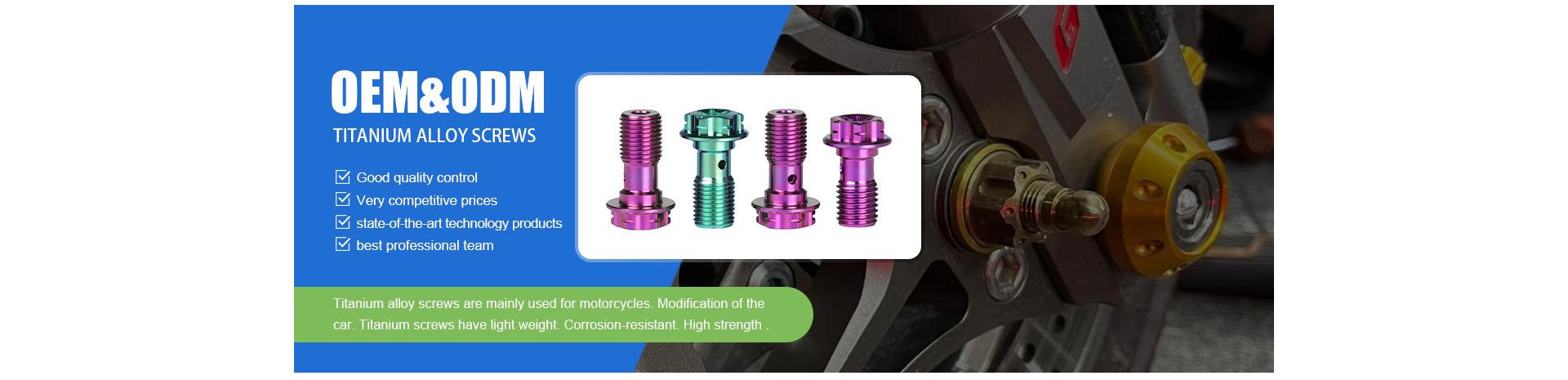
The defining mechanical advantage of the titanium hex flange bolt (commonly manufactured according to DIN 6921, ISO 8100, or EN 1665 specifications) lies in its unified design. The broad circular flange functions as an integral load-distributor, multiplying the bearing area over the mating surface. In dynamic environments:
- Load Distribution & Relaxation Resistance: The enlarged under-head radius mitigates localized embedment stresses into softer materials (such as cast aluminum housings or structural composites), preventing pre-load relaxation under severe harmonic vibration.
- Rolled Thread Grain Flow: At Zunvo Titanium Products Co., Ltd., threads are cold-rolled rather than cut. Rolling maintains continuous, unsevered metal grain lines that follow thread contours, elevating shear fatigue thresholds by up to 35% compared to conventionally cut fasteners.
- Weight Reduction Ratio: With a density of 4.43 g/cm³ compared to carbon steel's 7.85 g/cm³, Gr5 titanium drops component weight by over 44% while delivering yield strengths matching or exceeding ISO Class 8.8 and approaching Class 10.9 steels.
| Mechanical / Chemical Property | Ti-6Al-4V (Grade 5 Fastener) | Austenitic 316 Stainless Steel | High-Tensile 10.9 Carbon Steel |
|---|---|---|---|
| Density (g/cm³) | 4.43 (44% Lighter) | 8.00 | 7.85 |
| Tensile Strength (MPa) | 895 – 1050 | 500 – 700 | 1000 – 1040 |
| Yield Strength (0.2% Offset, MPa) | ≥ 828 | ≥ 205 | ≥ 900 |
| Chloride Induced Pitting Resistance | Immune at Ambient/Elevated Temps | Moderate (Prone to Crevice Attack) | Extremely Poor (Requires Plating) |
| Thermal Expansion Coeff. (μm/m·K) | 8.6 (High Dimension Stability) | 16.0 | 11.5 |
| Magnetic Susceptibility | Non-Magnetic (μr ≈ 1.00005) | Nominally Non-Magnetic / Weak | Ferromagnetic |
Strategic Localization: Industrial Use-Cases in the Region
Sourcing components for industrial facilities serving North Korea demands solutions resilient against extreme seasonal climate swings, chemical exposure, and intensive heavy-duty cyclic loading.
Mining & Extraction Machinery
Underground operations in mineral extraction zones encounter acidic slurry waters rich in sulfates. Hex flange bolts in Ti-6Al-4V secure shaker tables, flotation pumps, and transport shafts without succumbing to stress corrosion cracking (SCC), drastically curtailing downtime.
Railway & Heavy Transit Linkages
Cross-border rail corridors linking Sinuiju and regional logistic hubs undergo severe winter temperature differentials down to -25°C. Titanium alloys maintain ductile-to-brittle transition stability far superior to generic ferritic structural steels, retaining toughness under dynamic impact.
Marine & Port Infrastructure
In deep sea port facilities such as Nampo and Chongjin, coastal loading cranes, marine propulsion assemblies, and salt-wash pumps require hardware impervious to seawater erosion. Titanium's self-healing TiO&sub2; passivation layer offers lifetime protection against chloride attack.
Cross-Border Procurement Trends & Lifecycle Economics
B2B procurement paradigms in border-adjacent industrial networks are steadily moving away from low-cost zinc-plated steel towards long-lifecycle specialized metals. Industrial buyers serving the region have noted several defining market trends:
1. Decarbonization & Extended Maintenance Intervals: Given the high logistical cost of transporting replacement hardware into heavy mining or remote processing locations, operations are substituting standard class 8.8 bolts with Gr5 titanium hex flange hardware. Eliminating fastener corrosion lowers life-cycle overhaul frequency by more than 60% over a 10-year period.
2. Standardization Across DIN 6921 Specifications: There is a distinct push toward standardized metric flange patterns (M6, M8, M10, and M12) across motorized transport assemblies, agricultural tractors, and marine engines. By leveraging standard metric pitches, operations achieve parts consolidation across mixed mechanical fleets.
3. Demand for Verifiable Raw Material Provenance: With counterfeit fastener risks prevalent in non-traceable supply chains, qualified procurement agents require comprehensive spectral analysis, tensile certification, and documented heat numbers traceable back to primary sponge smelting nodes in Baoji, China.
Enterprise Advantages: Baoji Manufacturing Backbone
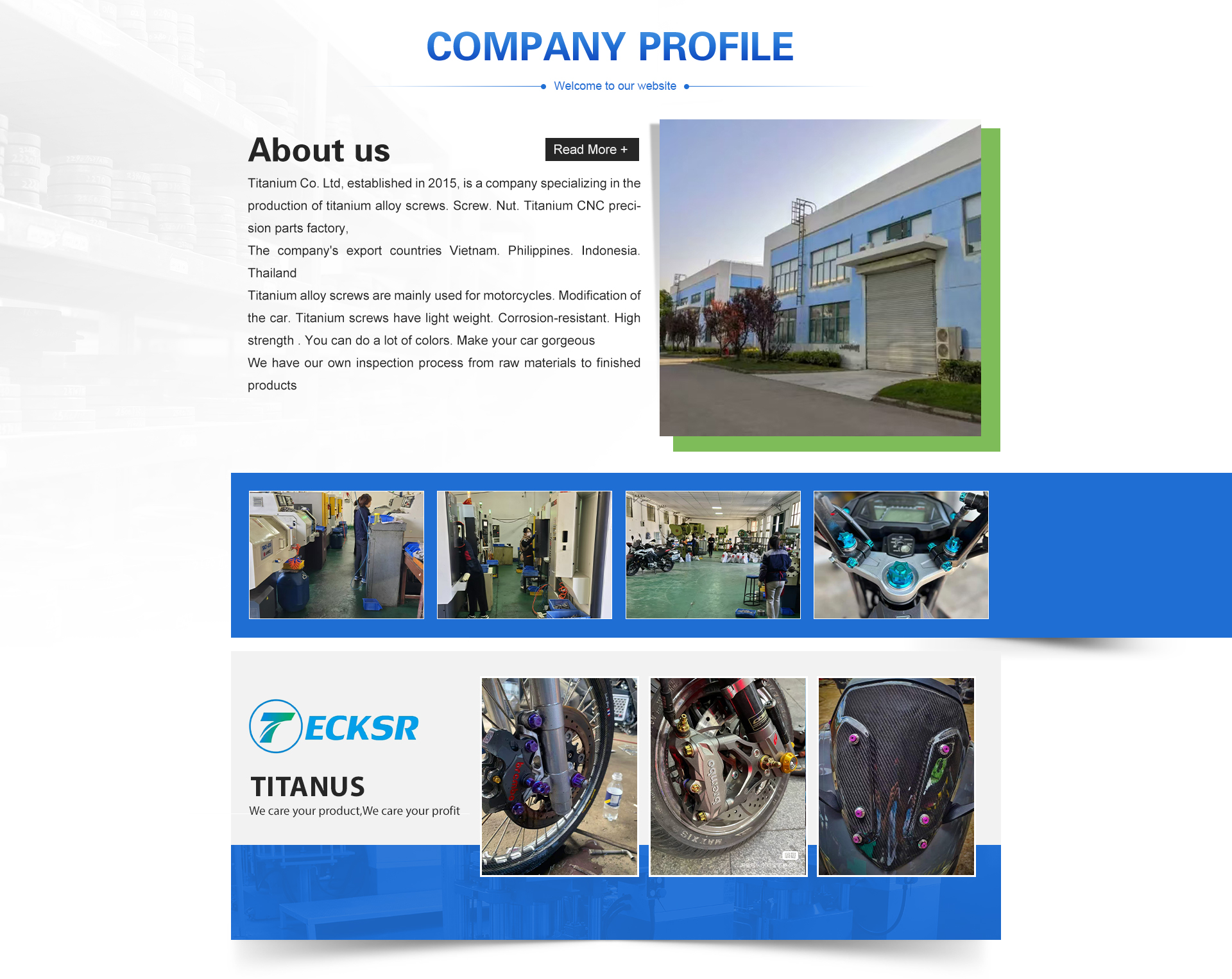
Located in the heart of Shaanxi's "Titanium Valley", Zunvo Titanium Products Co., Ltd. (established in 2015) operates an onsite-verified production infrastructure spanning 1,000–3,000 m². We provide industrial-tier certainty across every consignment:
- Smelter-Adjacent Supply Line: Direct integration with Baoji titanium sponge mills guarantees zero adulteration of Ti-6Al-4V bar stock. Chemical compositions are validated through Optical Emission Spectrometry (OES).
- Precision Multi-Axis CNC & Thread-Rolling: Machining tolerances maintained within ±0.005 mm ensure pitch diameters meet 6g/6H specifications without tight spots or thread chatter.
- Rapid Sample Turnaround: Fully functional CNC prototypes dispatched in 3 business days, with mass orders delivered within 7–15 business days supported by complete Mill Test Certificates (MTC conforming to EN 10204 3.1).
- Surface Modification Expertise: Capabilities spanning micro-arc voltage anodizing, micro-polishing, and physical vapor deposition (PVD) coating for maximum galling resistance under torqued assembly.

Frequently Asked Questions for Regional Procurement
Direct technical answers addressing metallurgy, assembly practices, compliance, and international freight facilitation.
How do Grade 5 titanium hex flange bolts mitigate galling during installation?
Titanium possesses a resilient oxide layer that can cause galling or cold-welding when torqued dry against another titanium or stainless steel component. We recommend applying molybdenum disulfide (MoS&sub2;), nickel-based anti-seize paste, or selecting our specialized PVD/anodized surface finishes which provide an engineered low-friction barrier layer.
What torque values should be applied compared to OEM steel hardware?
Because Gr5 titanium fasteners exhibit an elasticity modulus approximately half that of carbon steel (114 GPa vs. 210 GPa), elongation profiles differ. When substituting Class 8.8 or 10.9 steel fasteners, torque ratings should generally be calibrated to 80–85% of standard steel torque specifications when anti-seize lubrication is utilized to achieve equivalent clamping pre-load.
What documentation accompanies factory shipments for regulatory verification?
Every consignment is dispatched with a formal EN 10204 3.1 Mill Test Certificate detailing exact chemical heat numbers (Al: 5.5–6.75%, V: 3.5–4.5%, Fe: ≤0.40%, O: ≤0.20%, Ti: Balance), physical tensile parameters, proof load test reports, and pass/fail go-gauge thread verification records.
Can custom dimensions and non-standard flange diameters be produced?
Yes. Beyond standardized DIN 6921 metrics, our engineering shop accommodates bespoke flange face configurations, scalloped weight-relieved hex heads, integrated Torx socket combinations, and specialized threading lengths based on your CAD drawings or physical reference components.
Consult with Zunvo's Titanium Fastener Engineers
Need drawing assessments, DIN 6921 metric batches, or custom-turned Ti-6Al-4V prototypes? Our engineering desk replies within 7 hours on average.
