Precision Titanium Fastener Series
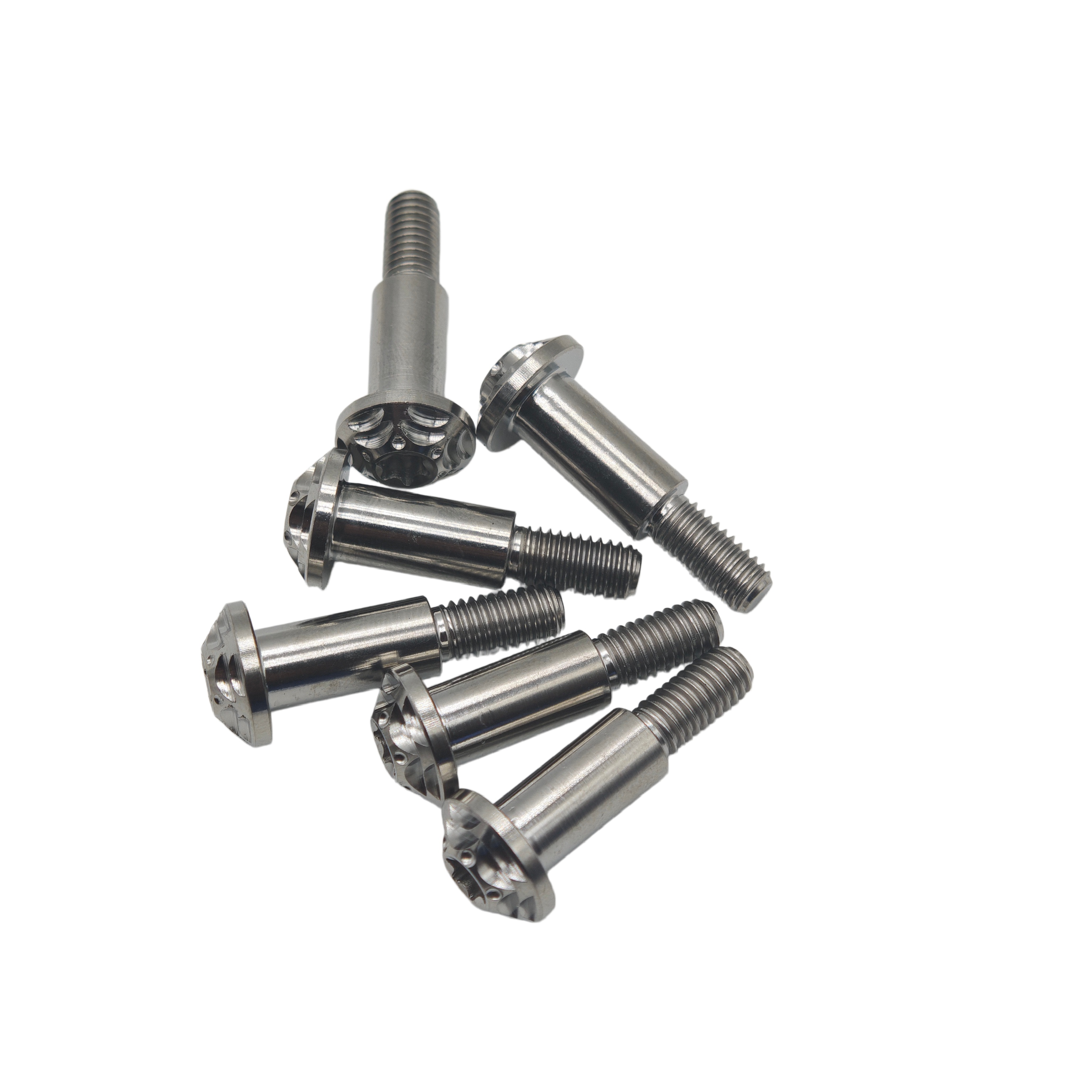
Precision hot-headed and CNC thread-rolled fasteners manufactured strictly from certified Ti-6Al-4V Grade 5 bar stock, providing critical shear strength, fatigue resistance, and weight reduction.
Engineering Superiority: Grade 5 Titanium Hex Flange Bolts
A comprehensive analysis of structural mechanics, preload reliability, and microstructural integrity for precision engineering across the Czech Republic and Central European industrial corridors.
In high-stress mechanical assemblies, the fastener is rarely merely a joining element; it is an active mechanical spring engineered to store elastic energy under clamp load while withstanding cyclic shear, dynamic shock, and severe chemical degradation. Within the specialized manufacturing landscape of Liberec (Northern Bohemia), mechanical design teams encounter demanding thermal transitions, aggressive de-icing chlorides during mountain winter operations, and stringent e-mobility mass-reduction mandates. For Tier-1 automotive integrators, advanced textile machinery developers, and precision mechatronics producers, standard zinc-plated carbon steel (Class 8.8 or 10.9) and austenitic stainless steels (A2-70, A4-80) increasingly represent suboptimal compromises between mass, fatigue resistance, and galvanic stability.
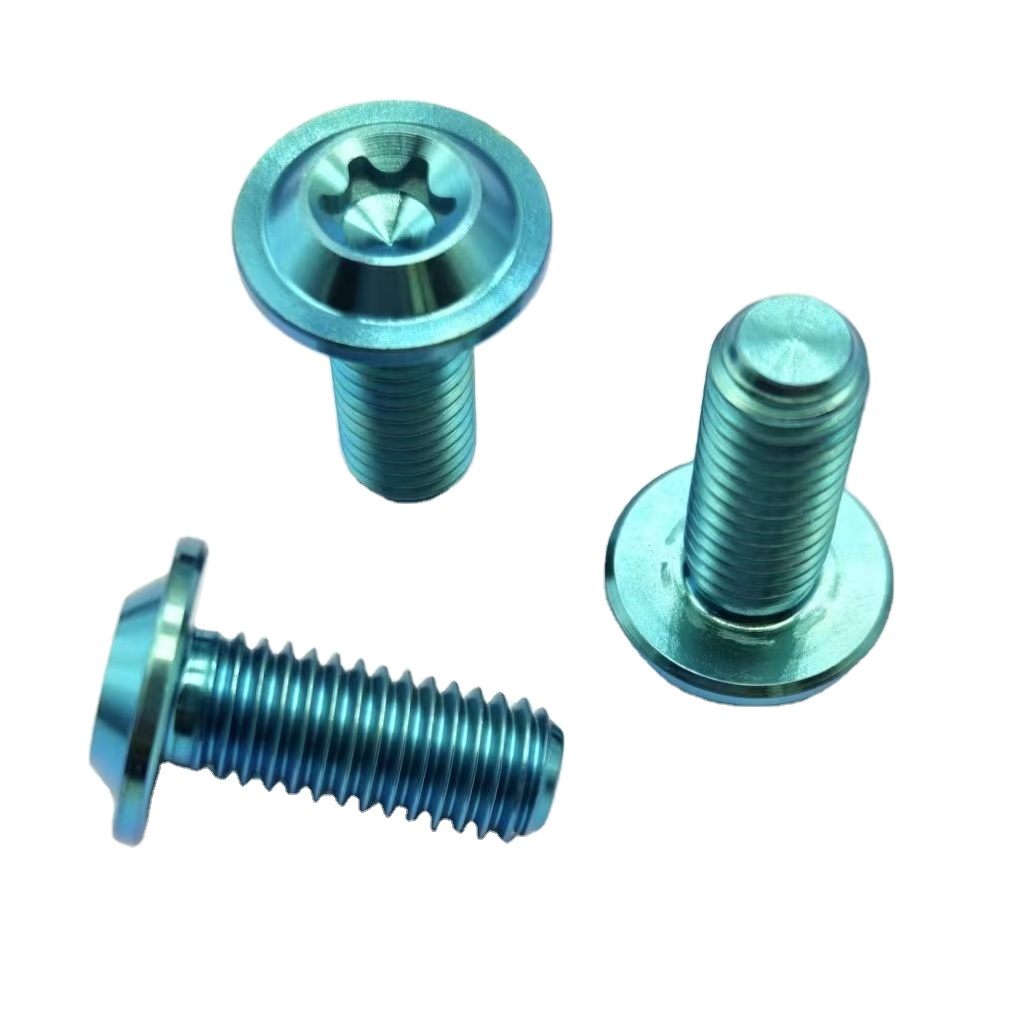
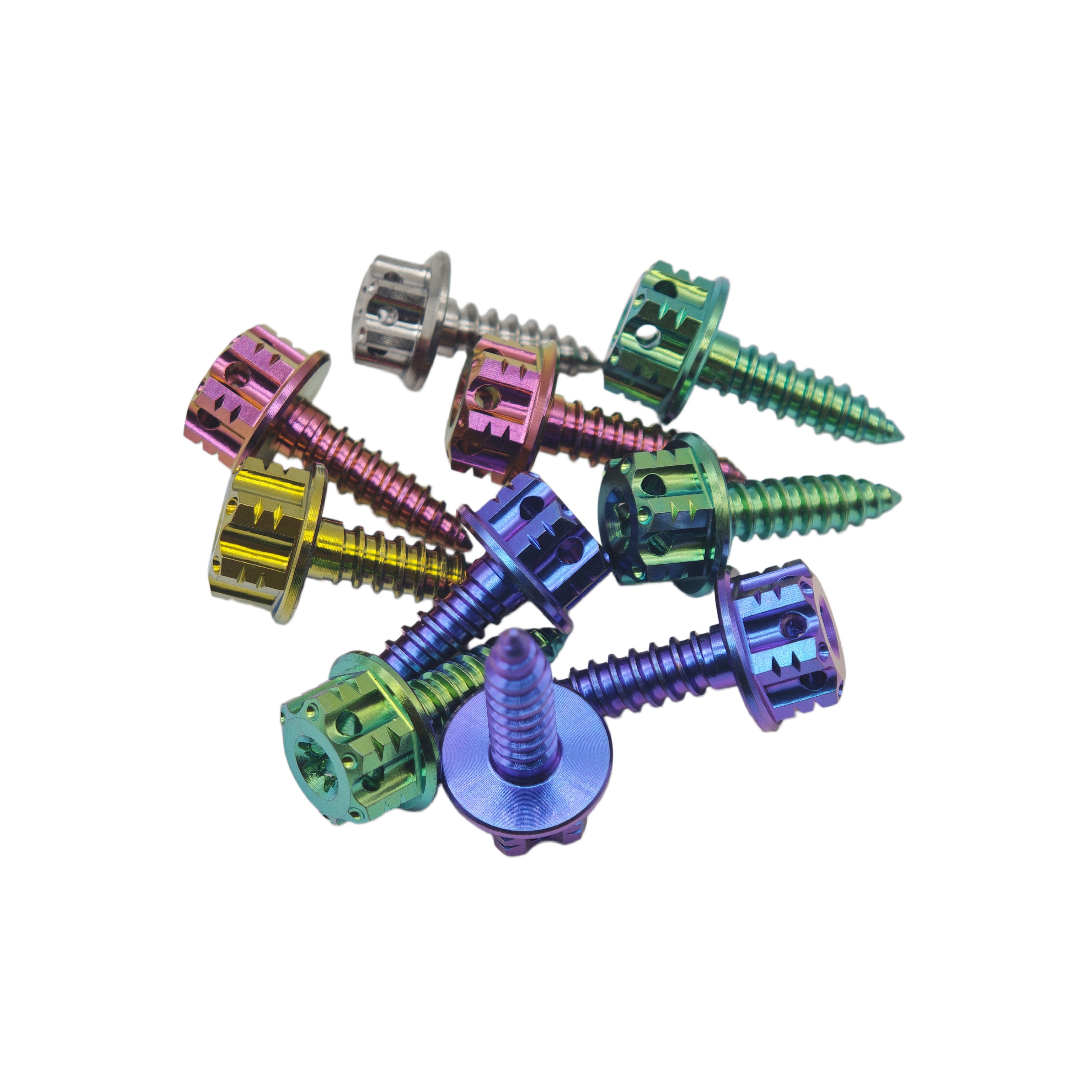
As an onsite-verified manufacturer rooted in Baoji, China's Titanium Valley, Zunvo Titanium delivers high-performance Titanium Hex Flange Bolts (DIN 6921, EN 1665, ISO 8100/8102) fabricated from virgin Ti-6Al-4V Grade 5 alloy. By incorporating an integral load-distributing flange beneath the hexagonal drive, these fasteners eliminate the requirement for discrete washers, mitigating joint creep, reducing bolt relaxation, and significantly diminishing surface contact pressure on lightweight aluminum, magnesium, or carbon-fiber-reinforced polymer (CFRP) housings.
Flange Mechanics & Preload Distribution
The integral flange profile acts as a built-in hardened washer with a substantial bearing area. When torquing fasteners into ductile parent metals common in Czech mechatronics (such as EN AW-6082 or EN AC-42100 cast alloys), conventional small-headed cap screws cause local yielding, embedding into the surface and dissipating preload tension.
- Substantial Clamping Footprint: Spreads clamp force over up to 35% greater surface area, preventing galling of parent housings.
- Elimination of Washer Creep: Single-piece construction removes joint interfaces that induce micro-relaxation under high-frequency harmonics.
- Smooth Under-Flange Transition: CNC-contoured transition radii minimize stress concentration factors (Kt) between shank and head.
Thread Rolling vs. Machined Stress Limits
At Zunvo, all male fastener threads are rolled after hot forging rather than cut or lathe-turned. Thread rolling induces continuous grain flow along the thread contours and work-hardens the root radii, imparting exceptional fatigue endurance under cyclic dynamic stresses.
- Continuous Grain Orientation: Metal fibers flow uninterrupted through root and crest, boosting shear load capacity by 20–30%.
- Residual Compressive Stress: Cold/warm rolling imbues root compressive stresses, drastically raising resistance to fatigue crack initiation.
- Burnished Surface Finish: Rolled thread flanks achieve surface roughness values Ra < 0.4 µm, lowering frictional scatter during torque application.
Mechanical Property Comparison: Gr5 Titanium vs. Structural Fastener Alloys
When specifying structural hardware for motorsport, robotic end-effectors, or industrial suspension brackets, selecting materials based solely on yield strength overlooks the critical parameter of strength-to-weight ratio and chemical passivity. The table below illustrates the mechanical metrics evaluated by Central European mechanical test laboratories.
| Material Designation | Ti-6Al-4V Grade 5 (Zunvo) | Class 10.9 Alloy Steel | Class 8.8 Carbon Steel | A2-70 Stainless Steel | 7075-T6 Aluminum |
|---|---|---|---|---|---|
| Density (g/cm³) | 4.43 | 7.85 | 7.85 | 7.93 | 2.81 |
| Tensile Strength Rm (MPa) | 895 – 1050 | 1040 – 1220 | 800 – 830 | 700 | 540 – 570 |
| Yield Strength Rp0.2 (MPa) | ≥ 828 | 940 | 640 | 450 | 505 |
| Specific Strength (kNm/kg) | 218 (Superior) | 132 | 105 | 88 | 203 |
| Modulus of Elasticity (GPa) | 114 | 210 | 205 | 193 | 72 |
| Corrosion Resistance (Chloride/Road Salt) | Immune (TiO₂ passivated) | Poor (Requires zinc/Geomet) | Poor (Prone to rust) | Moderate (Pitting risk) | Susceptible to exfoliation |
| Hydrogen Embrittlement Risk | Zero (Immune) | High if electroplated | Moderate | Negligible | Zero |
High-Performance Applications across the Liberec Industrial Belt
Liberec and the greater Northern Bohemia region combine a deep heritage in precision textile machine building with cutting-edge automotive supply chains and advanced research institutes.
Tier-1 Automotive & EV Powertrain Subframes
Situated within rapid logistics proximity to automotive assembly corridors (such as Mladá Boleslav and Kvasiny), Liberec-based engineering houses develop lightweight chassis components, battery enclosure trays, and active suspension mounts. Gr5 hex flange bolts replace heavy steel fasteners in these locations, trimming critical sprung and unsprung weight while offering absolute immunity to de-icing brine used heavily throughout the Jizera Mountains (Jizerské hory).
High-Speed Automated Machinery & Mechatronics
Liberec’s legacy of textile engineering has evolved into advanced nanofiber production machinery, high-speed automated packaging, and robotic assembly lines. Titanium hex flange bolts are deployed on reciprocating gantry arms, dynamic needle beds, and high-frequency actuators. Lowering the mass of accelerating components by over 40% directly cuts rotational inertia, suppresses mechanical resonance, and permits higher cycle rates without motor overheating.
Rally, Racing, & Specialized Mountain Hardware
The Czech Republic possesses a passionate motorsport infrastructure, encompassing hill climbs, rally racing teams, and downhill competitive cycling equipment. Structural titanium fasteners secure braking calipers, wheel hub hubs, steering knuckles, and exhaust manifolds where operating temperatures reach up to 400 °C. The low modulus of elasticity of Ti-6Al-4V acts as an elastic spring, resisting bolt loosening under relentless physical vibration on gravel tracks.
Procurement & Technological Trends in the Northern Bohemian Cluster
Strategic supply chain adaptation driving high-spec titanium adoption across Czech manufacturing ecosystems.
Over the last five years, purchasing managers (nákupčí) and chief mechanical engineers across Liberec, Jablonec nad Nisou, and Turnov have shifted procurement paradigms. Historically, titanium fasteners were treated as exotic components reserved strictly for defense aerospace or luxury bespoke builds. Today, multiple structural market forces are driving standardized adoption:
1. Strict Decarbonization and Lightweighting Targets: EU environmental regulations and energy efficiency benchmarks place severe pressure on machinery builders and automotive suppliers. Trimming grams from moving parts reduces lifetime power consumption in stationary factory automation and broadens battery range in commercial electric platforms.
2. Total Cost of Ownership (TCO) vs. Initial Unit Price: While high-tensile 10.9 zinc-nickel coated steel bolts have a lower initial procurement cost, their exposure to harsh winter road salts in Central Europe leads to zinc passivation breakdown, red rust, thread seizure, and frequent field service recalls. A Ti-6Al-4V fastener, protected by a self-healing titanium oxide (TiO₂) barrier, provides an infinite service life in atmospheric chloride environments, eliminating warranty claims and disassembly damage.
3. Disruption-Resistant Direct Manufacturer Partnerships: European distributors have frequently operated as multi-tier brokers, introducing extended lead times and substantial markups. Modern Czech procurement professionals are bypassing middlemen, partnering directly with specialized primary manufacturers in Baoji (China) capable of providing custom drawing compliance, batch-traceable EN 10204 3.1 inspection reports, and flexible low-MOQ ramp-up schedules.
Why Engineers & Sourcing Teams Rely on Zunvo
Founded in 2015 in Baoji, China’s Titanium Valley, Zunvo Titanium combines primary metallurgical traceability with precision CNC fabrication.
Epicenter Sourcing
Direct proximity to premier titanium sponge and smelting mills in Baoji guarantees raw material traceability. Every production batch is certified to heat numbers with chemical and physical test reports.
Rapid Prototyping
Custom 3D CAD/drawing reviews completed within 24 hours. Prototypes ready in 3 days; full-scale mass production orders fulfilled in 7–15 days with express DDP/door-to-door delivery options to Liberec.
100% Quality Inspection
Multi-stage quality control: go/no-go thread gauges, automated optical sorting for dimensional concentricity, surface micro-hardness testing, and CMM checks guaranteeing ±0.005 mm machining accuracy.
Advanced Surface Treatment
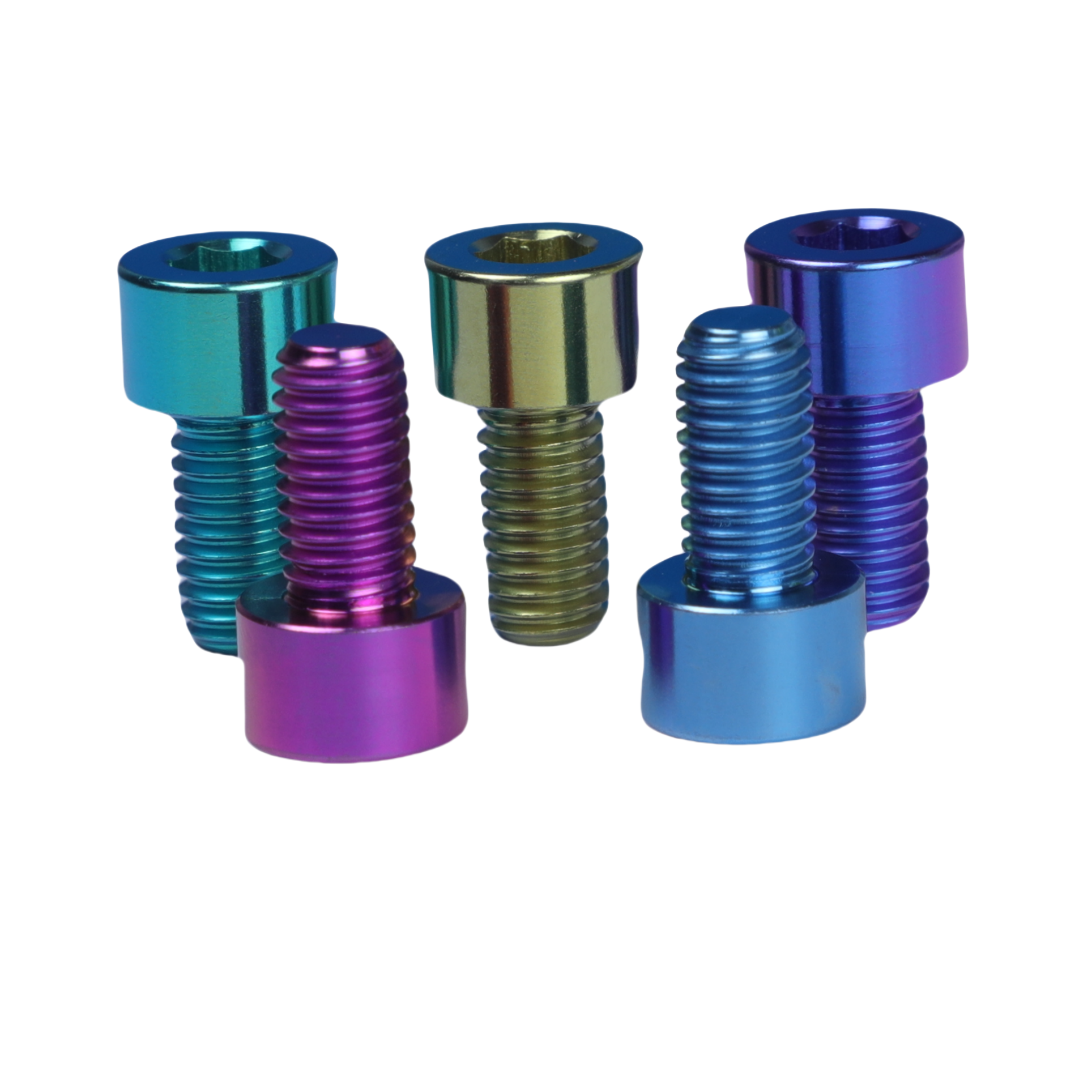
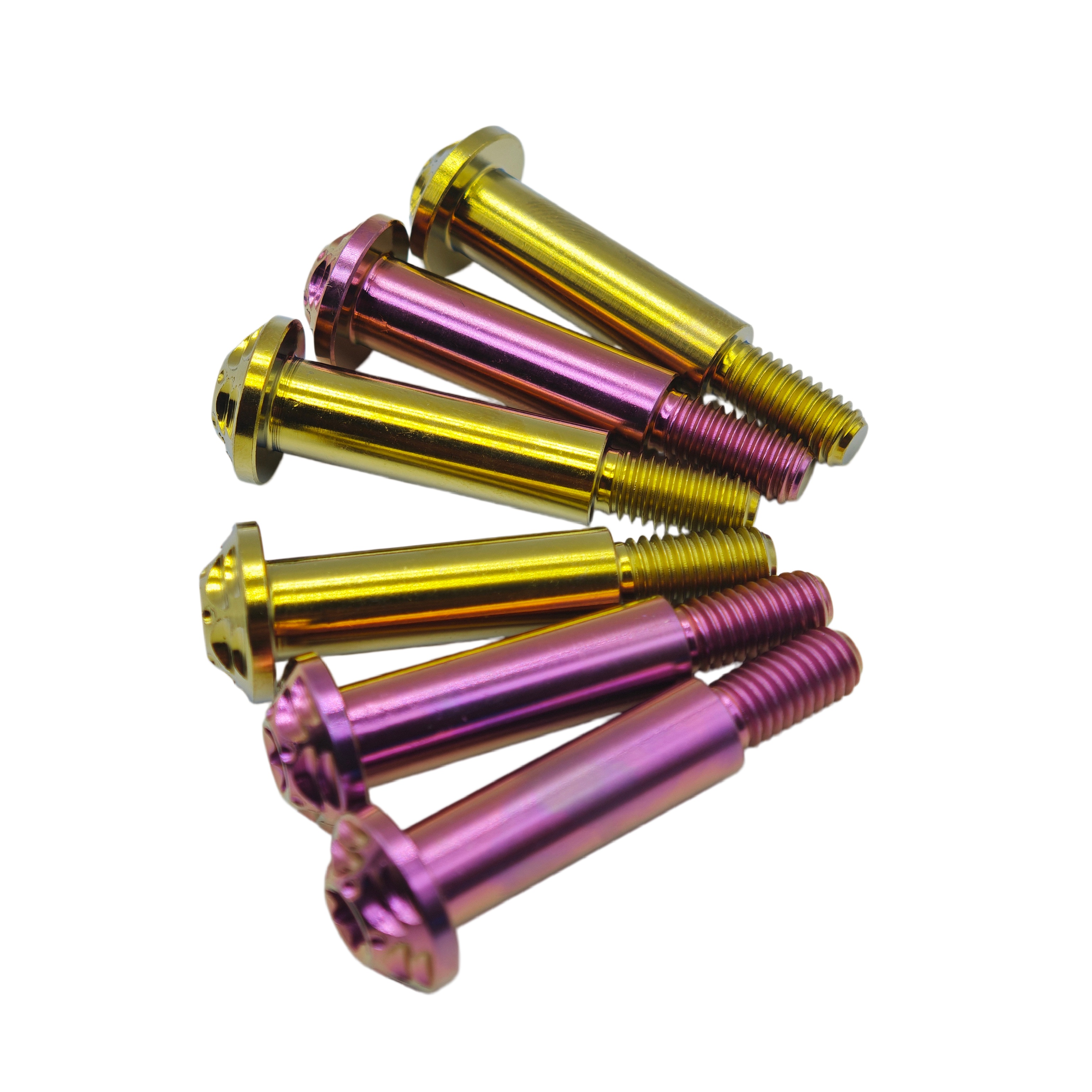
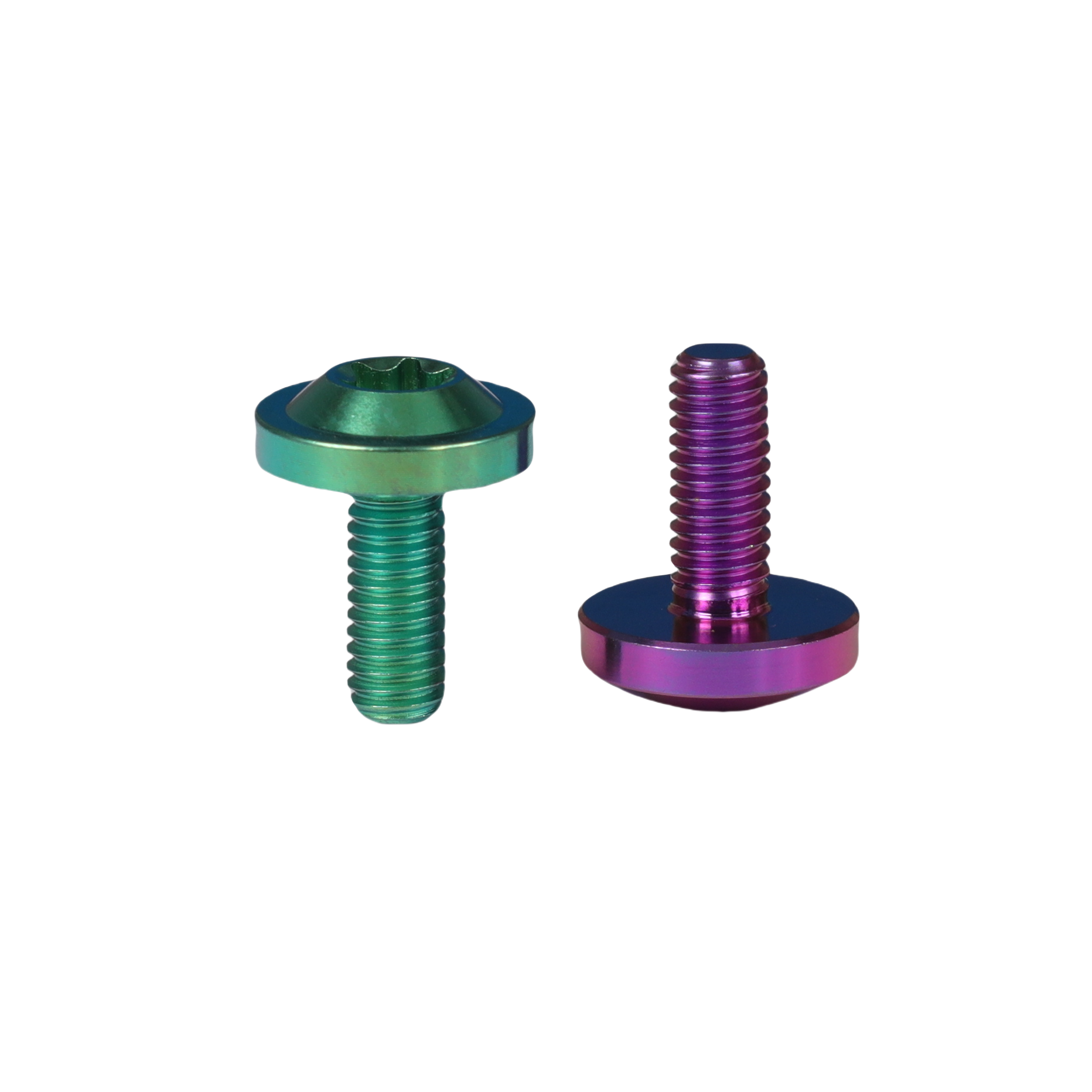
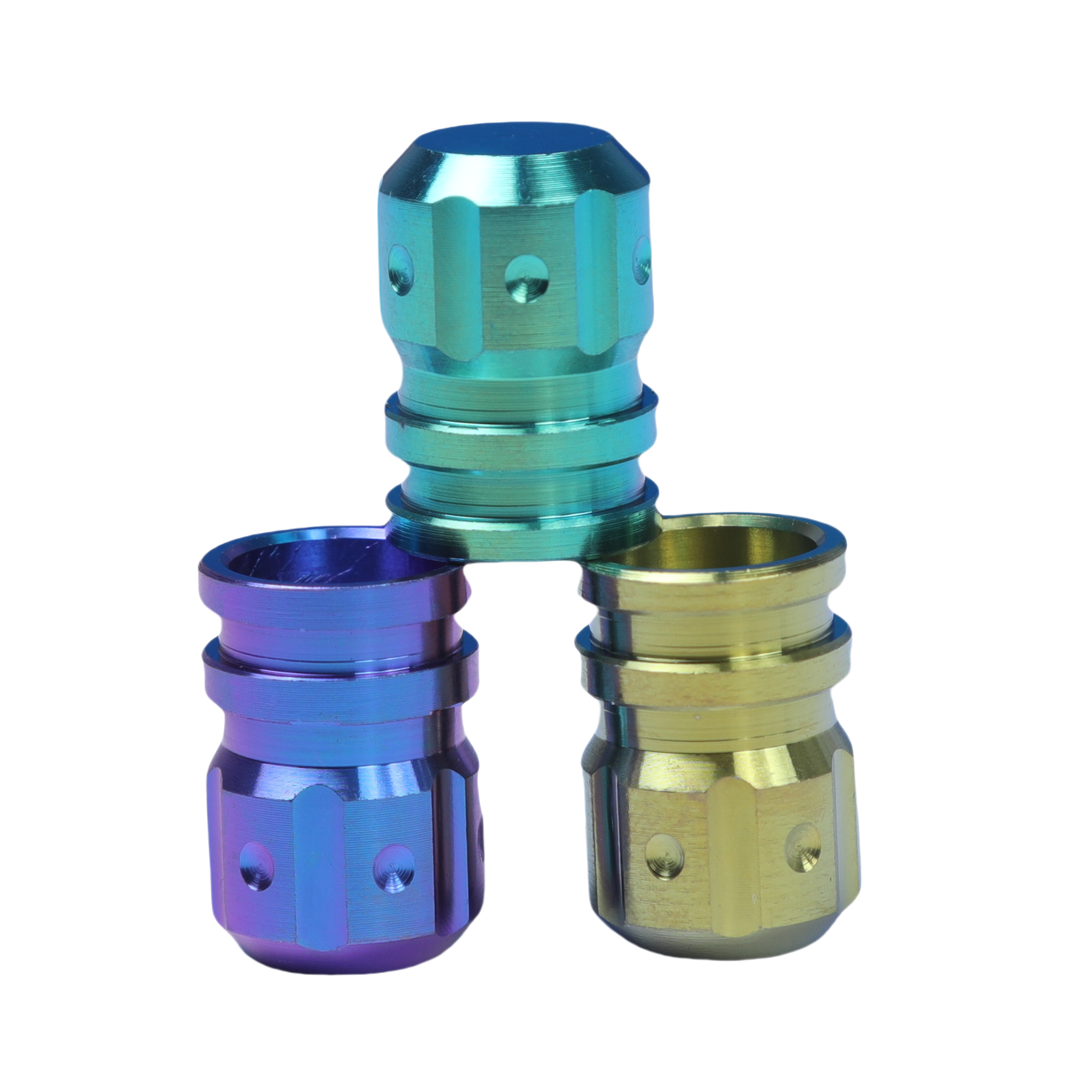
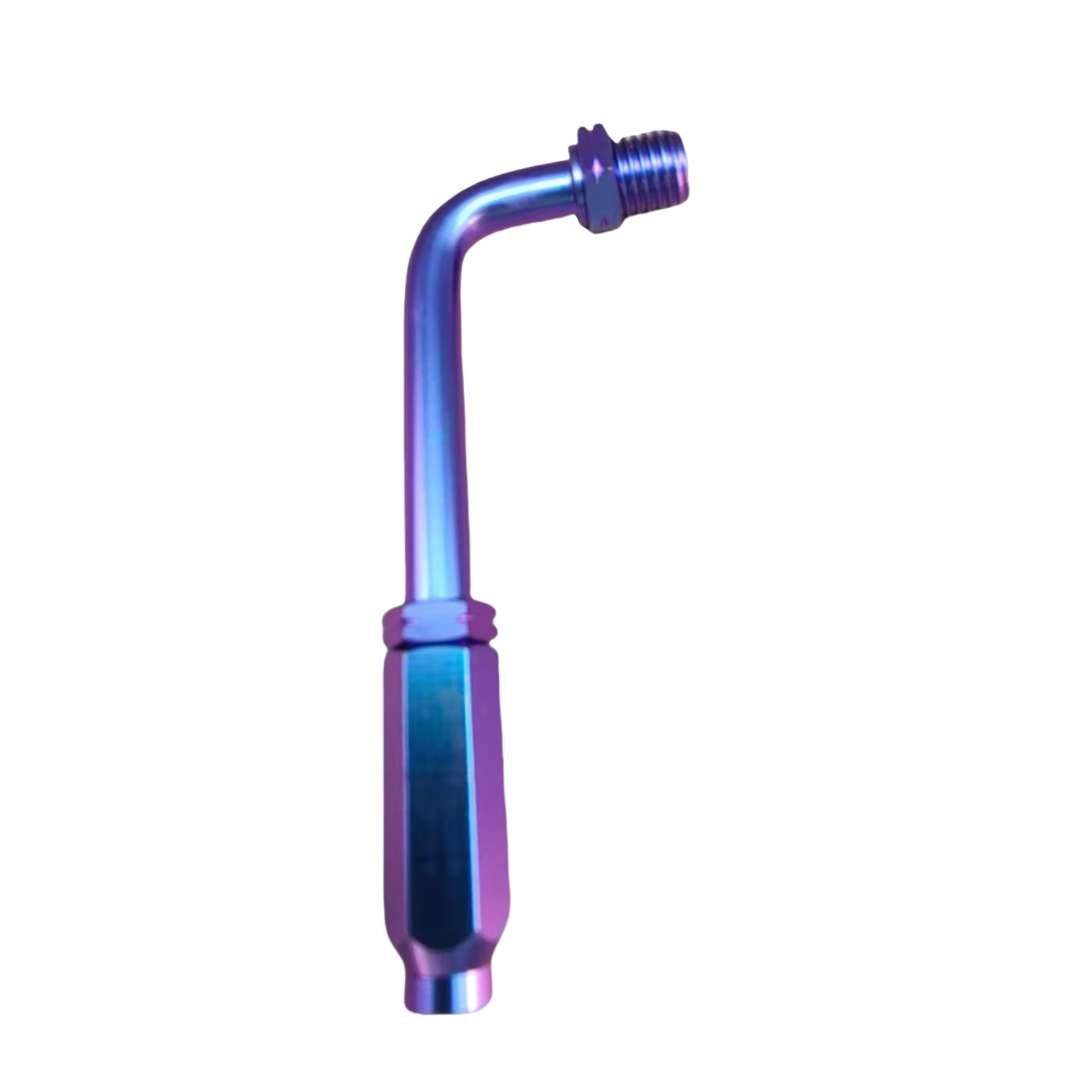
In-house computerized anodizing providing precise spectrum colors (Burnt Rainbow, Blue, Gold, Purple) without toxic dyes, plus hard-wearing PVD (Physical Vapor Deposition) for extreme abrasion resistance.
Frequently Asked Questions for Liberec Procurement Teams
Detailed technical, commercial, and metallurgical answers addressing the core concerns of mechanical designers and sourcing specialists.
How does the tightening torque of a Gr5 Titanium Hex Flange Bolt compare to a standard Class 8.8 or 10.9 steel bolt?
Is there a risk of galvanic corrosion when bolting titanium flange screws into aluminum or carbon fiber (CFRP) subassemblies?
What material certification and documentation are provided for import compliance into the Czech Republic and EU?
Can Zunvo manufacture customized flange diameters, custom thread pitches, or cross-drilled safety wire heads?
What is the typical delivery schedule and minimum order quantity (MOQ) for custom vs. standard fasteners?
Accelerate Your Project with Certified Titanium Fastening Systems
Whether you require standard DIN 6921 Gr5 titanium hex flange bolts or precision-machined bespoke fasteners tailored for Liberec’s demanding automotive and industrial applications, our engineering desk is ready to review your CAD files and deliver rapid technical feedback.
